




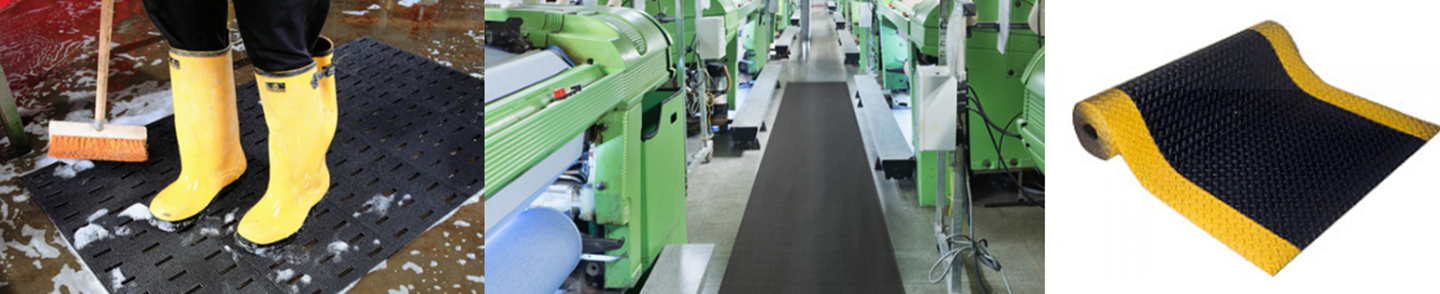

Industrial & Commercial Vinyl Floor Runners
Industrial and commercial vinyl floor runners cover the long hard floors that wear out first: warehouse aisles, shop walkways, service corridors, the strip behind a counter, the lane between a dock door and a workbench. This page holds the vinyl runner options we stock, sold by the roll, from a smooth 1/16-inch floor protector to a 1/4-inch corrugated runner, plus ribbed, pyramid, pebble, ripple, and diamond-plate surfaces and three cushioned vinyl runners for standing zones. The sections below sort them by surface, gauge, and the traffic they are built for.
 Wide Rib Vinyl Matting
Starting at $588.00
Wide Rib Vinyl Matting is a 1/8-inch vinyl floor runner with semi-circular ribs spaced far apart, running lengthwise, on a textured back. The wide spacing is the point: there is no narrow groove to pack with grit, so the runner sweeps and mops clean instead of needing a hose. It...
Wide Rib Vinyl Matting is a 1/8-inch vinyl floor runner with semi-circular ribs spaced far apart, running lengthwise, on a...
Wide Rib Vinyl Matting is a 1/8-inch vinyl floor runner with semi-circular ribs spaced far apart, running lengthwise, on a textured back. The wide spacing is the point: there is no narrow groove to pack with grit, so the runner sweeps and mops clean instead of needing a hose. It resists oil, grease, and chemicals, meets FMVSS 302 flammability requirements, and comes in black or gray in widths from 24 to 60 inches on 105-foot rolls.
What a Wide Rib Runner Does Before the Corridor Gets Dirty and Slick
Most vinyl matting fails a hallway in one of two ways. A smooth runner protects the floor but gives a wet shoe nothing to hold. A tightly ribbed runner grips well and then fills its grooves with tracked-in dirt, so by midweek it looks worse than the floor it was covering and the ribs stop doing anything. A corridor that has to look presentable and stay safe needs a surface that does both and cleans in a pass.
Rounded ribs with wide spacing solve it. The ribs give a sole an edge to bite against and channel water along the run; the wide gaps between them let a broom or a mop reach the bottom. Dirt and moisture land in open channels that clear on the next sweep, not in narrow slots that hold them until someone gets out a pressure washer.
Under all of that, the runner is doing the floor's job for it: taking the boot traffic, the cart wheels, and the tracked grit so the tile or concrete underneath does not wear in a stripe. When the runner is done, a roll gets replaced; the floor does not.
Why Rounded, Widely Spaced Ribs, and Why This One
The rib profile is semi-circular rather than square or angular. A rounded rib has no sharp shoulder to chip under a caster or catch a broom bristle, and it wears evenly rather than losing an edge first. It is also easier underfoot; the vendor describes the runner as comfortable, and it is the rib shape that makes the difference over a long walk.
The spacing is the second decision. Ribs set far apart leave a wide flat channel between them, which is what makes sweeping and mopping work. The ribbing runs lengthwise, so water and debris move along the runner toward the end rather than pooling across it. A textured back gives the sheet friction against the floor so a loose-laid length holds its position.
The compound is the vendor's industrial vinyl runner formulation: oil, grease, and chemical resistant, meeting FMVSS 302 flammability requirements. That is what separates this runner from a hardware-store vinyl roll; it is built to meet shop fluids and cleaners without softening. Custom colors, gauges, widths, and lengths are available for fitted and OEM work.
Width and color are where this runner stands out. Stock widths run 24, 36, 48, and 60 inches, the widest single roll among the standard ribbed runners, and black or gray, with green and white produced on request. Roll weights run from 140 pounds for the 24-inch to 340 pounds for the 60-inch, all at 105 feet.
Where It Belongs, and What It Is Not
Run it down corridors and walkways where people see the floor and cleaning is a daily task: retail stockroom aisles, hospital and school service halls, hotel back corridors, office building loading routes, ramps, and the walkway from a lobby to a service door. The 60-inch width covers a wide corridor in one piece. It sits among the industrial and commercial vinyl floor runners we stock as the one for lanes that have to look kept as well as be safe.
Gray is the reason a lot of these go into commercial buildings. A gray runner reads lighter and more finished than black in a corridor, and it shows tracked-in grit sooner, which for a facility that sweeps daily is a cue rather than a problem. Black is the pick where oil and scuffs are the normal condition and hiding them matters more.
What it is not is a heavy-equipment runner or a cushion mat. At 1/8 inch it is built for foot traffic and light carts; steady pallet-jack traffic wants a thicker gauge. And a solid vinyl sheet has no foam under it, so a standing station still needs an anti-fatigue mat. It channels water along the ribs but does not drain it through; a floor that stays wet wants a perforated mat.
Three Things to Check Before You Spec It
First, confirm the traffic is feet and light wheels. Walkers, rolling chairs, hand carts, and housekeeping carts are what a 1/8-inch ribbed runner is built for. If a loaded pallet jack or a floor scrubber crosses the lane daily, move up in gauge; the rib tops on a thin runner will wear through in the wheel track first.
Second, pick width by the corridor and color by what the floor sees. Twenty-four inches covers a single-file path; 36 inches a standard corridor; 48 and 60 inches a wide hall or a double-door route in one piece. Gray for corridors that are seen and swept daily, black for back-of-house lanes with oil and scuffs. Rolls are 105 feet and are cut to length on site.
Third, plan the cleaning pass. This runner earns its place by sweeping and mopping clean, so make sure the routine actually includes it: a broom or a mop along the length of the ribs, not across them, so the channels clear toward the end of the run. Where the runner crosses a doorway or turns a corner, tape or glue the edges so a cart cannot lift them.
Why Mats Inc.
We carry this runner for the building where the corridor is part of the impression: a hospital service hall, a hotel back route, a stockroom a customer might glimpse through a door. Ribs that grip, gaps that sweep clean, a gray option that looks finished, and a 60-inch roll that covers the hall in one piece is the right answer there, and Mats Inc. has been fitting runners to real corridors since 1964.
Type Ribbed vinyl runner matting, sold by the roll Material Vinyl Top surface Semi-circular ribs, widely spaced, running lengthwise Back Textured Thickness 1/8" Stock sizes & roll weights Black: 24" x 105' — 140 lbs
Black: 36" x 105' — 210 lbs
Black: 48" x 105' — 280 lbs
Black: 60" x 105' — 340 lbs
Gray: 36" x 105' — 210 lbs
Gray: 48" x 105' — 280 lbsColors Black, gray; green and white on request Resistance Oil, grease, and chemical resistant Flammability Meets FMVSS 302 Custom Custom colors, gauges, widths, and lengths available Cleaning Sweep or mop along the ribs Warranty 1-year limited (Mats Inc.) Frequently Asked Questions
How is this runner built, and what is the difference from a corrugated runner?
Answered by Dustin Thompson, Owner & CEO
It is a solid 1/8-inch vinyl sheet with semi-circular ribs molded into the top and a textured back, one material through with no layers to separate. The ribs run lengthwise and are set far apart, leaving a wide flat channel between them. The compound is oil, grease, and chemical resistant and meets FMVSS 302 flammability requirements.
A corrugated runner uses angular, closely spaced teeth. That gives a sharper bite but narrow grooves that pack with grit. Rounded ribs with wide gaps trade a little of that bite for a surface that sweeps and mops clean and is easier underfoot, which is the right trade in a corridor and the wrong one in a wet shop lane.
How long does it last, and what wears it out?
Answered by Dustin Thompson, Owner & CEO
The vendor does not publish a service-life figure, and on a runner the traffic decides it. Rounded ribs wear evenly rather than losing an edge, so under the foot and light-cart traffic it is built for, the runner stays in service until the rib tops in the busiest stripe are worn low enough to stop gripping. It carries a 1-year limited (Mats Inc.) warranty; check the rib height in the main track once a year.
What ends it early is wheels heavier than it is built for and loose edges. A pallet jack or floor scrubber running the same line daily will wear through the rib tops in months, and an edge that is not fixed down where carts cross gets kicked, folded, and torn. Match the gauge to the load and fix the edges, and it outlasts the floor finish under it.
Do I need to glue it down, and how do I clean it?
Answered by Dustin Thompson, Owner & CEO
Not for a straight run on a clean, dry floor. The textured back and the roll's weight, 140 to 340 pounds depending on width, hold it flat, and loose-lay lets you lift it to wash the floor beneath. Tape or glue the edges and end cuts where it crosses a doorway, turns a corner, or takes cart traffic at an edge. Cut it with a sharp utility knife along a straightedge after letting the roll relax flat at room temperature.
Cleaning is the reason to buy it: sweep or mop along the length of the ribs so the channels clear toward the end of the run. There are no narrow grooves to dig out, so a daily pass with the corridor's normal equipment keeps it looking right.
Which width should I choose for a corridor?
Answered by Jinna Hopson, Vice President of Marketing
Cover the lane people actually use without leaving a strip of bare floor along the wall to collect dirt. Twenty-four inches suits a single-file path or a ramp; 36 inches is the standard corridor width; 48 inches covers a wide hall or a lane with cart traffic; 60 inches covers a double-door route or a broad service corridor in one piece with no seam.
All widths come on 105-foot rolls and are cut to length on site, so a long corridor is one continuous run. Custom widths and lengths are available for a fitted installation. Measure the corridor wall to wall, then subtract the margin you want on each side.
What does it look like, and which color should I pick?
Answered by Jinna Hopson, Vice President of Marketing
Rounded ribs spaced well apart, running the length of the runner, on a flat sheet. The look is cleaner and more open than a corrugated runner; the ribs read as soft lines rather than a dense pattern, and the wide channels between them stay visibly clean. It suits corridors that are seen as well as walked.
Gray is the choice for a corridor that has to look finished: it is lighter, reads as a floor rather than a piece of equipment, and shows grit early so it gets swept. Black hides oil and scuffs and is the pick for back-of-house lanes where that is the daily condition. Green and white are produced on request for color-coded or branded floors.
Is this the right runner for a hospital, school, or hotel service hall?
Answered by Jinna Hopson, Vice President of Marketing
Yes; that is the corridor it is built for. Those halls carry housekeeping carts, food-service carts, and constant foot traffic, they get mopped every day, and staff and visitors see them. A runner that grips, cleans in one pass, and looks kept in gray covers all three, and the 48- or 60-inch widths cover the hall wall to wall so there is no dirt strip along the edge.
Keep the fit honest: it is a walkway runner, not a cushion, and it channels water rather than draining it. Where a station in that hall has someone standing still, add an anti-fatigue mat; where a floor stays wet, use a perforated mat instead.
By Jinna Hopson, Vice President of Marketing, Mats Inc.
↑
Wide Rib Vinyl Matting is a 1/8-inch vinyl floor runner with semi-circular ribs spaced far apart, running lengthwise, on a textured back. The wide spacing is the point: there is no narrow groove to pack with grit, so the runner sweeps and mops clean instead of needing a hose. It resists oil, grease, and chemicals, meets FMVSS 302 flammability requirements, and comes in black or gray in widths from 24 to 60 inches on 105-foot rolls.
What a Wide Rib Runner Does Before the Corridor Gets Dirty and Slick
Most vinyl matting fails a hallway in one of two ways. A smooth runner protects the floor but gives a wet shoe nothing to hold. A tightly ribbed runner grips well and then fills its grooves with tracked-in dirt, so by midweek it looks worse than the floor it was covering and the ribs stop doing anything. A corridor that has to look presentable and stay safe needs a surface that does both and cleans in a pass.
Rounded ribs with wide spacing solve it. The ribs give a sole an edge to bite against and channel water along the run; the wide gaps between them let a broom or a mop reach the bottom. Dirt and moisture land in open channels that clear on the next sweep, not in narrow slots that hold them until someone gets out a pressure washer.
Under all of that, the runner is doing the floor's job for it: taking the boot traffic, the cart wheels, and the tracked grit so the tile or concrete underneath does not wear in a stripe. When the runner is done, a roll gets replaced; the floor does not.
Why Rounded, Widely Spaced Ribs, and Why This One
The rib profile is semi-circular rather than square or angular. A rounded rib has no sharp shoulder to chip under a caster or catch a broom bristle, and it wears evenly rather than losing an edge first. It is also easier underfoot; the vendor describes the runner as comfortable, and it is the rib shape that makes the difference over a long walk.
The spacing is the second decision. Ribs set far apart leave a wide flat channel between them, which is what makes sweeping and mopping work. The ribbing runs lengthwise, so water and debris move along the runner toward the end rather than pooling across it. A textured back gives the sheet friction against the floor so a loose-laid length holds its position.
The compound is the vendor's industrial vinyl runner formulation: oil, grease, and chemical resistant, meeting FMVSS 302 flammability requirements. That is what separates this runner from a hardware-store vinyl roll; it is built to meet shop fluids and cleaners without softening. Custom colors, gauges, widths, and lengths are available for fitted and OEM work.
Width and color are where this runner stands out. Stock widths run 24, 36, 48, and 60 inches, the widest single roll among the standard ribbed runners, and black or gray, with green and white produced on request. Roll weights run from 140 pounds for the 24-inch to 340 pounds for the 60-inch, all at 105 feet.
Where It Belongs, and What It Is Not
Run it down corridors and walkways where people see the floor and cleaning is a daily task: retail stockroom aisles, hospital and school service halls, hotel back corridors, office building loading routes, ramps, and the walkway from a lobby to a service door. The 60-inch width covers a wide corridor in one piece. It sits among the industrial and commercial vinyl floor runners we stock as the one for lanes that have to look kept as well as be safe.
Gray is the reason a lot of these go into commercial buildings. A gray runner reads lighter and more finished than black in a corridor, and it shows tracked-in grit sooner, which for a facility that sweeps daily is a cue rather than a problem. Black is the pick where oil and scuffs are the normal condition and hiding them matters more.
What it is not is a heavy-equipment runner or a cushion mat. At 1/8 inch it is built for foot traffic and light carts; steady pallet-jack traffic wants a thicker gauge. And a solid vinyl sheet has no foam under it, so a standing station still needs an anti-fatigue mat. It channels water along the ribs but does not drain it through; a floor that stays wet wants a perforated mat.
Three Things to Check Before You Spec It
First, confirm the traffic is feet and light wheels. Walkers, rolling chairs, hand carts, and housekeeping carts are what a 1/8-inch ribbed runner is built for. If a loaded pallet jack or a floor scrubber crosses the lane daily, move up in gauge; the rib tops on a thin runner will wear through in the wheel track first.
Second, pick width by the corridor and color by what the floor sees. Twenty-four inches covers a single-file path; 36 inches a standard corridor; 48 and 60 inches a wide hall or a double-door route in one piece. Gray for corridors that are seen and swept daily, black for back-of-house lanes with oil and scuffs. Rolls are 105 feet and are cut to length on site.
Third, plan the cleaning pass. This runner earns its place by sweeping and mopping clean, so make sure the routine actually includes it: a broom or a mop along the length of the ribs, not across them, so the channels clear toward the end of the run. Where the runner crosses a doorway or turns a corner, tape or glue the edges so a cart cannot lift them.
Why Mats Inc.
We carry this runner for the building where the corridor is part of the impression: a hospital service hall, a hotel back route, a stockroom a customer might glimpse through a door. Ribs that grip, gaps that sweep clean, a gray option that looks finished, and a 60-inch roll that covers the hall in one piece is the right answer there, and Mats Inc. has been fitting runners to real corridors since 1964.
Type Ribbed vinyl runner matting, sold by the roll Material Vinyl Top surface Semi-circular ribs, widely spaced, running lengthwise Back Textured Thickness 1/8" Stock sizes & roll weights Black: 24" x 105' — 140 lbs
Black: 36" x 105' — 210 lbs
Black: 48" x 105' — 280 lbs
Black: 60" x 105' — 340 lbs
Gray: 36" x 105' — 210 lbs
Gray: 48" x 105' — 280 lbsColors Black, gray; green and white on request Resistance Oil, grease, and chemical resistant Flammability Meets FMVSS 302 Custom Custom colors, gauges, widths, and lengths available Cleaning Sweep or mop along the ribs Warranty 1-year limited (Mats Inc.) Frequently Asked Questions
How is this runner built, and what is the difference from a corrugated runner?
Answered by Dustin Thompson, Owner & CEO
It is a solid 1/8-inch vinyl sheet with semi-circular ribs molded into the top and a textured back, one material through with no layers to separate. The ribs run lengthwise and are set far apart, leaving a wide flat channel between them. The compound is oil, grease, and chemical resistant and meets FMVSS 302 flammability requirements.
A corrugated runner uses angular, closely spaced teeth. That gives a sharper bite but narrow grooves that pack with grit. Rounded ribs with wide gaps trade a little of that bite for a surface that sweeps and mops clean and is easier underfoot, which is the right trade in a corridor and the wrong one in a wet shop lane.
How long does it last, and what wears it out?
Answered by Dustin Thompson, Owner & CEO
The vendor does not publish a service-life figure, and on a runner the traffic decides it. Rounded ribs wear evenly rather than losing an edge, so under the foot and light-cart traffic it is built for, the runner stays in service until the rib tops in the busiest stripe are worn low enough to stop gripping. It carries a 1-year limited (Mats Inc.) warranty; check the rib height in the main track once a year.
What ends it early is wheels heavier than it is built for and loose edges. A pallet jack or floor scrubber running the same line daily will wear through the rib tops in months, and an edge that is not fixed down where carts cross gets kicked, folded, and torn. Match the gauge to the load and fix the edges, and it outlasts the floor finish under it.
Do I need to glue it down, and how do I clean it?
Answered by Dustin Thompson, Owner & CEO
Not for a straight run on a clean, dry floor. The textured back and the roll's weight, 140 to 340 pounds depending on width, hold it flat, and loose-lay lets you lift it to wash the floor beneath. Tape or glue the edges and end cuts where it crosses a doorway, turns a corner, or takes cart traffic at an edge. Cut it with a sharp utility knife along a straightedge after letting the roll relax flat at room temperature.
Cleaning is the reason to buy it: sweep or mop along the length of the ribs so the channels clear toward the end of the run. There are no narrow grooves to dig out, so a daily pass with the corridor's normal equipment keeps it looking right.
Which width should I choose for a corridor?
Answered by Jinna Hopson, Vice President of Marketing
Cover the lane people actually use without leaving a strip of bare floor along the wall to collect dirt. Twenty-four inches suits a single-file path or a ramp; 36 inches is the standard corridor width; 48 inches covers a wide hall or a lane with cart traffic; 60 inches covers a double-door route or a broad service corridor in one piece with no seam.
All widths come on 105-foot rolls and are cut to length on site, so a long corridor is one continuous run. Custom widths and lengths are available for a fitted installation. Measure the corridor wall to wall, then subtract the margin you want on each side.
What does it look like, and which color should I pick?
Answered by Jinna Hopson, Vice President of Marketing
Rounded ribs spaced well apart, running the length of the runner, on a flat sheet. The look is cleaner and more open than a corrugated runner; the ribs read as soft lines rather than a dense pattern, and the wide channels between them stay visibly clean. It suits corridors that are seen as well as walked.
Gray is the choice for a corridor that has to look finished: it is lighter, reads as a floor rather than a piece of equipment, and shows grit early so it gets swept. Black hides oil and scuffs and is the pick for back-of-house lanes where that is the daily condition. Green and white are produced on request for color-coded or branded floors.
Is this the right runner for a hospital, school, or hotel service hall?
Answered by Jinna Hopson, Vice President of Marketing
Yes; that is the corridor it is built for. Those halls carry housekeeping carts, food-service carts, and constant foot traffic, they get mopped every day, and staff and visitors see them. A runner that grips, cleans in one pass, and looks kept in gray covers all three, and the 48- or 60-inch widths cover the hall wall to wall so there is no dirt strip along the edge.
Keep the fit honest: it is a walkway runner, not a cushion, and it channels water rather than draining it. Where a station in that hall has someone standing still, add an anti-fatigue mat; where a floor stays wet, use a perforated mat instead.
By Jinna Hopson, Vice President of Marketing, Mats Inc.
↑
View Details
View Details
 Corrugated Vinyl Matting
Starting at $690.00
Corrugated Vinyl Matting is the straight-rib vinyl floor runner, sold by the roll in two gauges. The top is an angular-tooth pattern with the ribs running lengthwise, the back is textured to hold the floor, and the vinyl is oil, grease, and chemical resistant and meets FMVSS 302 flammability requirements....
Corrugated Vinyl Matting is the straight-rib vinyl floor runner, sold by the roll in two gauges. The top is an...
Corrugated Vinyl Matting is the straight-rib vinyl floor runner, sold by the roll in two gauges. The top is an angular-tooth pattern with the ribs running lengthwise, the back is textured to hold the floor, and the vinyl is oil, grease, and chemical resistant and meets FMVSS 302 flammability requirements. The 1/8-inch gauge comes in 24-, 36-, and 48-inch widths on 75-, 105-, and 150-foot rolls; the 1/4-inch gauge in the same widths on 75-foot rolls. It is the runner for long straight lanes that get wet, walked, and rolled over.
What a Corrugated Runner Does Before the Lane Becomes a Slide and a Stripe
A long aisle fails twice. First it gets slick: tracked-in rain, mop water, coolant mist, or a spill spreads across a smooth floor and stays there until somebody falls on it. Then it wears: the same stripe of concrete or tile takes every boot and every cart wheel, and the coating goes first, then the surface under it. A vinyl runner down that lane addresses both at once.
The ribs handle the slick. An angular tooth is a sharp-edged rib rather than a rounded one, so a shoe sole catches its edge instead of sliding along it, and the lengthwise grooves carry water toward the end of the run rather than letting it film across the surface. The floor under the runner can be wet while the ribs the boot lands on stay clear.
The sheet handles the wear, and it does one more thing the vendor calls out: a silencing effect. Vinyl between a hard sole and a hard floor cuts the impact noise of footsteps and cart wheels, which on a plant aisle that runs all day is a change people notice on the first shift.
Why Angular-Tooth Corrugation in Two Gauges, and Why This One
The profile is the vendor's angular-tooth pattern: ribs with defined edges rather than soft ridges. That edge is the traction. Rounded ribs are easier to sweep and gentler underfoot; angular ribs bite harder, which is the trade a wet, working lane wants. The ribs run the length of the roll, so the grooves drain along the run instead of across it.
The back is textured. On a clean, dry floor that texture gives the runner friction against concrete or sealed tile, so a straight loose-laid length stays where it was put without adhesive and can still be lifted for cleaning underneath. It is the detail that makes loose-lay practical on a long roll.
The two gauges are the real choice. Eighth-inch is the foot-traffic and light-cart runner: it lies flat, crosses door thresholds without a bump, and cuts and moves easily. Quarter-inch is the heavy-duty corrugated vinyl matting: it doubles the vinyl under the ribs for lanes that see hand trucks, pallet jacks, and dragged loads; it takes wheel wear far longer and sits proud enough that its edges should be fixed down where wheels cross.
The compound is the same across both: oil, grease, and chemical resistant, and meeting FMVSS 302. Custom colors, gauges, widths, and lengths are available, which is why this profile turns up as an OEM liner as well as a floor runner. Roll lengths are the other variable; the 1/8-inch gauge is stocked in 75, 105, and 150 feet so a buyer can match the roll to the lane instead of storing what is left.
Where It Belongs, and What It Is Not
Run it down any long straight lane that takes water and traffic: warehouse and stockroom aisles, workshop and garage floors, receiving corridors, the walkway from a dock door into a plant, the strip behind a bar or a wash sink, a covered ramp. Pick 1/8 inch for feet and light carts and 1/4 inch for wheeled loads. It is the straight-rib option among the industrial and commercial vinyl floor runners we stock, and the one with the most roll lengths to choose from.
It is also a fitted-liner material. The same corrugated profile is cut to line truck beds, cabinet floors, tool-crib shelves, and equipment bases where a ribbed, oil-resistant surface keeps parts from sliding and protects what is underneath. Offcuts from a floor roll rarely go to waste in a shop.
What it is not is a comfort mat or a drainage mat. There is no cushion in a solid vinyl sheet, so a standing station wants an anti-fatigue mat instead. And the ribs channel water; they do not drain it through. A floor that holds standing water during a shift wants a perforated mat, not a runner. Where people turn and pivot rather than walk straight, a non-directional surface grips better than lengthwise ribs.
Three Things to Check Before You Spec It
First, choose the gauge by the heaviest wheel that uses the lane. If the answer is feet, rolling chairs, and hand carts, 1/8 inch does the job and lies flattest. If a pallet jack, hand truck, or dragged load crosses it daily, go to 1/4 inch; the thinner runner will wear through its rib tops in the wheel track first. When in doubt, watch the lane for a shift and count the wheels.
Second, match the roll length to the run. The 1/8-inch gauge comes in 75-, 105-, and 150-foot rolls, so measure the aisle end to end and buy the roll that covers it with the least left over. A run longer than one roll gets a butt seam where two lengths meet square; place it where carts do not stop or turn. The 1/4-inch gauge is 75 feet only.
Third, decide loose-lay or fixed, then cut once. The textured back holds a straight 1/8-inch run without adhesive. Fix the edges and end cuts with tape or glue wherever the runner crosses a doorway, turns a corner, or takes wheels at an edge, and treat the 1/4-inch gauge as fixed in any wheel lane. Let the roll relax flat at room temperature, then cut with a sharp utility knife along a straightedge.
Why Mats Inc.
We stock this runner in two gauges and three roll lengths because the most common runner question we get is not "which pattern" but "how long and how thick." A straight-rib vinyl runner that channels water, quiets a lane, shrugs off oil, and comes in a roll that matches the aisle is the answer to most of those calls, and Mats Inc. has been sizing that answer to real floors since 1964.
Type Corrugated vinyl runner matting, sold by the roll Material Vinyl Top surface Angular-tooth corrugated pattern, ribs running lengthwise Back Textured Gauges 1/8" and 1/4" Stock sizes 1/8": 24", 36", 48" widths x 75', 105', or 150' rolls
1/4": 24", 36", 48" widths x 75' rollsColor Black Resistance Oil, grease, and chemical resistant Flammability Meets FMVSS 302 Function Floor protection, slip and fall reduction, silencing effect Custom Custom colors, gauges, widths, and lengths available Warranty 1-year limited (Mats Inc.) Frequently Asked Questions
What is the difference between the 1/8-inch and the heavy-duty 1/4-inch version?
Answered by Dustin Thompson, Owner & CEO
Same pattern, same compound, twice the vinyl. The 1/8-inch runner is built for foot traffic and light carts; it lies flat, crosses thresholds without a lip, and is the one to loose-lay and move. The 1/4-inch runner is built for wheeled loads: hand trucks, pallet jacks, dragged pallets. The extra material under the ribs is what keeps the rib tops from wearing through in the wheel track.
The trade-off is the edge. A 1/4-inch edge is tall enough for a caster to catch, so it should be fixed down wherever wheels cross it, and it only comes on 75-foot rolls where the 1/8-inch comes in 75, 105, or 150.
How long does a corrugated vinyl runner last, and what wears it out?
Answered by Dustin Thompson, Owner & CEO
The vendor does not publish a service-life figure, and on a runner the traffic decides it. Matched to its load, the rib tops wear slowly and evenly, and the runner stays in service until the ribs in the busiest stripe are low enough to stop channeling water and gripping a sole. It carries a 1-year limited (Mats Inc.) warranty; look at the rib height in the wheel track once a year.
What ends it early is the wrong gauge under a wheel and a loose edge. A pallet jack on the 1/8-inch runner cuts the ribs down in months, and an unfixed edge in a cart lane gets kicked, folded, and torn. The compound handles shop oil, grease, and cleaners; strong solvents left to sit will soften any vinyl, so wipe them up.
Do I need to glue it down, and how do I cut it?
Answered by Dustin Thompson, Owner & CEO
The 1/8-inch runner loose-lays on a clean, dry floor; the textured back and the roll's weight hold a straight run, and you can lift it to wash underneath. Tape or glue the edges and end cuts where it crosses a doorway, turns a corner, or takes wheels at an edge. Treat the 1/4-inch runner as fixed in any wheel lane; its edge is tall enough to catch a caster.
Cut with a sharp utility knife along a straightedge after unrolling the runner and letting it relax flat at room temperature; a roll stored tight or cold holds a curve and cuts crooked. Where two lengths meet, butt the ends square rather than overlapping them.
Which width and roll length should I order?
Answered by Jinna Hopson, Vice President of Marketing
Width follows the lane. Twenty-four inches covers a single-file walkway or the strip behind a counter. Thirty-six inches is the standard aisle where two people pass or a cart shares the lane with a walker. Forty-eight inches covers a wide bay, a two-way corridor, or a floor you want protected edge to edge.
Length follows the run. Measure the aisle end to end and pick the 1/8-inch roll that covers it with the least left over: 75, 105, or 150 feet. If the run is longer than one roll, plan the seam where carts do not stop or turn. The 1/4-inch gauge comes in 75 feet, and custom widths and lengths are available for a fitted installation.
What does it look like once it is down?
Answered by Jinna Hopson, Vice President of Marketing
A black runner with tight, crisp lengthwise ribs, sharper and denser than a rounded-rib runner, so it reads as fine straight lines running down the lane. At 1/8 inch it sits nearly flush; at 1/4 inch it reads as a defined strip with a visible edge. Black hides oil, scuffs, and tracked-in grit between cleanings, and the grooves keep debris out of sight until the next sweep or hose.
It looks right in a warehouse, shop, plant, or back-of-house corridor, where a straight black runner reads as equipment placed on purpose. For a corridor customers see, a rounded-rib runner in gray reads softer and cleaner; this one is for the working lanes.
Is this the right runner for a warehouse aisle or a wet shop lane?
Answered by Jinna Hopson, Vice President of Marketing
Yes; that is the lane it is built for. A warehouse aisle that gets rain tracked in from the dock, a shop lane with coolant mist, or the wet strip behind a bar sink all want a runner whose ribs carry water along the run while a sole lands on the rib edges. The vinyl shrugs off oil and grease, the lane gets quieter, and the floor under it stops wearing in a stripe.
Two honest limits: it is a straight-lane runner, so where people turn and pivot constantly a non-directional surface grips better, and it is not a cushion, so a station where someone stands all shift still wants an anti-fatigue mat at that spot.
By Dustin Thompson, Owner & CEO, Mats Inc.
↑
Corrugated Vinyl Matting is the straight-rib vinyl floor runner, sold by the roll in two gauges. The top is an angular-tooth pattern with the ribs running lengthwise, the back is textured to hold the floor, and the vinyl is oil, grease, and chemical resistant and meets FMVSS 302 flammability requirements. The 1/8-inch gauge comes in 24-, 36-, and 48-inch widths on 75-, 105-, and 150-foot rolls; the 1/4-inch gauge in the same widths on 75-foot rolls. It is the runner for long straight lanes that get wet, walked, and rolled over.
What a Corrugated Runner Does Before the Lane Becomes a Slide and a Stripe
A long aisle fails twice. First it gets slick: tracked-in rain, mop water, coolant mist, or a spill spreads across a smooth floor and stays there until somebody falls on it. Then it wears: the same stripe of concrete or tile takes every boot and every cart wheel, and the coating goes first, then the surface under it. A vinyl runner down that lane addresses both at once.
The ribs handle the slick. An angular tooth is a sharp-edged rib rather than a rounded one, so a shoe sole catches its edge instead of sliding along it, and the lengthwise grooves carry water toward the end of the run rather than letting it film across the surface. The floor under the runner can be wet while the ribs the boot lands on stay clear.
The sheet handles the wear, and it does one more thing the vendor calls out: a silencing effect. Vinyl between a hard sole and a hard floor cuts the impact noise of footsteps and cart wheels, which on a plant aisle that runs all day is a change people notice on the first shift.
Why Angular-Tooth Corrugation in Two Gauges, and Why This One
The profile is the vendor's angular-tooth pattern: ribs with defined edges rather than soft ridges. That edge is the traction. Rounded ribs are easier to sweep and gentler underfoot; angular ribs bite harder, which is the trade a wet, working lane wants. The ribs run the length of the roll, so the grooves drain along the run instead of across it.
The back is textured. On a clean, dry floor that texture gives the runner friction against concrete or sealed tile, so a straight loose-laid length stays where it was put without adhesive and can still be lifted for cleaning underneath. It is the detail that makes loose-lay practical on a long roll.
The two gauges are the real choice. Eighth-inch is the foot-traffic and light-cart runner: it lies flat, crosses door thresholds without a bump, and cuts and moves easily. Quarter-inch is the heavy-duty corrugated vinyl matting: it doubles the vinyl under the ribs for lanes that see hand trucks, pallet jacks, and dragged loads; it takes wheel wear far longer and sits proud enough that its edges should be fixed down where wheels cross.
The compound is the same across both: oil, grease, and chemical resistant, and meeting FMVSS 302. Custom colors, gauges, widths, and lengths are available, which is why this profile turns up as an OEM liner as well as a floor runner. Roll lengths are the other variable; the 1/8-inch gauge is stocked in 75, 105, and 150 feet so a buyer can match the roll to the lane instead of storing what is left.
Where It Belongs, and What It Is Not
Run it down any long straight lane that takes water and traffic: warehouse and stockroom aisles, workshop and garage floors, receiving corridors, the walkway from a dock door into a plant, the strip behind a bar or a wash sink, a covered ramp. Pick 1/8 inch for feet and light carts and 1/4 inch for wheeled loads. It is the straight-rib option among the industrial and commercial vinyl floor runners we stock, and the one with the most roll lengths to choose from.
It is also a fitted-liner material. The same corrugated profile is cut to line truck beds, cabinet floors, tool-crib shelves, and equipment bases where a ribbed, oil-resistant surface keeps parts from sliding and protects what is underneath. Offcuts from a floor roll rarely go to waste in a shop.
What it is not is a comfort mat or a drainage mat. There is no cushion in a solid vinyl sheet, so a standing station wants an anti-fatigue mat instead. And the ribs channel water; they do not drain it through. A floor that holds standing water during a shift wants a perforated mat, not a runner. Where people turn and pivot rather than walk straight, a non-directional surface grips better than lengthwise ribs.
Three Things to Check Before You Spec It
First, choose the gauge by the heaviest wheel that uses the lane. If the answer is feet, rolling chairs, and hand carts, 1/8 inch does the job and lies flattest. If a pallet jack, hand truck, or dragged load crosses it daily, go to 1/4 inch; the thinner runner will wear through its rib tops in the wheel track first. When in doubt, watch the lane for a shift and count the wheels.
Second, match the roll length to the run. The 1/8-inch gauge comes in 75-, 105-, and 150-foot rolls, so measure the aisle end to end and buy the roll that covers it with the least left over. A run longer than one roll gets a butt seam where two lengths meet square; place it where carts do not stop or turn. The 1/4-inch gauge is 75 feet only.
Third, decide loose-lay or fixed, then cut once. The textured back holds a straight 1/8-inch run without adhesive. Fix the edges and end cuts with tape or glue wherever the runner crosses a doorway, turns a corner, or takes wheels at an edge, and treat the 1/4-inch gauge as fixed in any wheel lane. Let the roll relax flat at room temperature, then cut with a sharp utility knife along a straightedge.
Why Mats Inc.
We stock this runner in two gauges and three roll lengths because the most common runner question we get is not "which pattern" but "how long and how thick." A straight-rib vinyl runner that channels water, quiets a lane, shrugs off oil, and comes in a roll that matches the aisle is the answer to most of those calls, and Mats Inc. has been sizing that answer to real floors since 1964.
Type Corrugated vinyl runner matting, sold by the roll Material Vinyl Top surface Angular-tooth corrugated pattern, ribs running lengthwise Back Textured Gauges 1/8" and 1/4" Stock sizes 1/8": 24", 36", 48" widths x 75', 105', or 150' rolls
1/4": 24", 36", 48" widths x 75' rollsColor Black Resistance Oil, grease, and chemical resistant Flammability Meets FMVSS 302 Function Floor protection, slip and fall reduction, silencing effect Custom Custom colors, gauges, widths, and lengths available Warranty 1-year limited (Mats Inc.) Frequently Asked Questions
What is the difference between the 1/8-inch and the heavy-duty 1/4-inch version?
Answered by Dustin Thompson, Owner & CEO
Same pattern, same compound, twice the vinyl. The 1/8-inch runner is built for foot traffic and light carts; it lies flat, crosses thresholds without a lip, and is the one to loose-lay and move. The 1/4-inch runner is built for wheeled loads: hand trucks, pallet jacks, dragged pallets. The extra material under the ribs is what keeps the rib tops from wearing through in the wheel track.
The trade-off is the edge. A 1/4-inch edge is tall enough for a caster to catch, so it should be fixed down wherever wheels cross it, and it only comes on 75-foot rolls where the 1/8-inch comes in 75, 105, or 150.
How long does a corrugated vinyl runner last, and what wears it out?
Answered by Dustin Thompson, Owner & CEO
The vendor does not publish a service-life figure, and on a runner the traffic decides it. Matched to its load, the rib tops wear slowly and evenly, and the runner stays in service until the ribs in the busiest stripe are low enough to stop channeling water and gripping a sole. It carries a 1-year limited (Mats Inc.) warranty; look at the rib height in the wheel track once a year.
What ends it early is the wrong gauge under a wheel and a loose edge. A pallet jack on the 1/8-inch runner cuts the ribs down in months, and an unfixed edge in a cart lane gets kicked, folded, and torn. The compound handles shop oil, grease, and cleaners; strong solvents left to sit will soften any vinyl, so wipe them up.
Do I need to glue it down, and how do I cut it?
Answered by Dustin Thompson, Owner & CEO
The 1/8-inch runner loose-lays on a clean, dry floor; the textured back and the roll's weight hold a straight run, and you can lift it to wash underneath. Tape or glue the edges and end cuts where it crosses a doorway, turns a corner, or takes wheels at an edge. Treat the 1/4-inch runner as fixed in any wheel lane; its edge is tall enough to catch a caster.
Cut with a sharp utility knife along a straightedge after unrolling the runner and letting it relax flat at room temperature; a roll stored tight or cold holds a curve and cuts crooked. Where two lengths meet, butt the ends square rather than overlapping them.
Which width and roll length should I order?
Answered by Jinna Hopson, Vice President of Marketing
Width follows the lane. Twenty-four inches covers a single-file walkway or the strip behind a counter. Thirty-six inches is the standard aisle where two people pass or a cart shares the lane with a walker. Forty-eight inches covers a wide bay, a two-way corridor, or a floor you want protected edge to edge.
Length follows the run. Measure the aisle end to end and pick the 1/8-inch roll that covers it with the least left over: 75, 105, or 150 feet. If the run is longer than one roll, plan the seam where carts do not stop or turn. The 1/4-inch gauge comes in 75 feet, and custom widths and lengths are available for a fitted installation.
What does it look like once it is down?
Answered by Jinna Hopson, Vice President of Marketing
A black runner with tight, crisp lengthwise ribs, sharper and denser than a rounded-rib runner, so it reads as fine straight lines running down the lane. At 1/8 inch it sits nearly flush; at 1/4 inch it reads as a defined strip with a visible edge. Black hides oil, scuffs, and tracked-in grit between cleanings, and the grooves keep debris out of sight until the next sweep or hose.
It looks right in a warehouse, shop, plant, or back-of-house corridor, where a straight black runner reads as equipment placed on purpose. For a corridor customers see, a rounded-rib runner in gray reads softer and cleaner; this one is for the working lanes.
Is this the right runner for a warehouse aisle or a wet shop lane?
Answered by Jinna Hopson, Vice President of Marketing
Yes; that is the lane it is built for. A warehouse aisle that gets rain tracked in from the dock, a shop lane with coolant mist, or the wet strip behind a bar sink all want a runner whose ribs carry water along the run while a sole lands on the rib edges. The vinyl shrugs off oil and grease, the lane gets quieter, and the floor under it stops wearing in a stripe.
Two honest limits: it is a straight-lane runner, so where people turn and pivot constantly a non-directional surface grips better, and it is not a cushion, so a station where someone stands all shift still wants an anti-fatigue mat at that spot.
By Dustin Thompson, Owner & CEO, Mats Inc.
↑
View Details
View Details
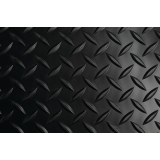 Diamond Plate Vinyl Matting
Starting at $485.00
Diamond Plate Vinyl Matting is a 5/32-inch vinyl floor runner with a high-profile embossed diamond pattern, the same raised-lozenge tread you see on steel deck plate, molded into a solid vinyl sheet. The raised diamonds grip a sole from any direction, the surface sweeps clean, and rolling carts cross it...
Diamond Plate Vinyl Matting is a 5/32-inch vinyl floor runner with a high-profile embossed diamond pattern, the same raised-lozenge tread...
Diamond Plate Vinyl Matting is a 5/32-inch vinyl floor runner with a high-profile embossed diamond pattern, the same raised-lozenge tread you see on steel deck plate, molded into a solid vinyl sheet. The raised diamonds grip a sole from any direction, the surface sweeps clean, and rolling carts cross it without catching. It is oil, grease, and chemical resistant, UV-resistant, meets FMVSS 302 flammability requirements, and comes in black or gray in 24-, 36-, and 48-inch widths on 75-foot rolls, plain or with a yellow safety border.
What a Diamond Plate Runner Does Before the Busiest Floor in the Building Wears Out
Some lanes take more than foot traffic. A tool-crib aisle, a service bay walk-around, a plant corridor between two production lines, a ramp from a dock into a shop: these floors take boots from every angle, carts rolling through, dropped parts, and tracked-in oil and grit. A runner there has to grip whichever way a foot lands, take the wear, and still look like it belongs.
The diamond pattern is the answer to the first two. Raised lozenges set at alternating angles give a shoe an edge to catch no matter which direction it moves, which is why the vendor rates the traction as coming from any direction. And because the pattern stands proud of the sheet, the wear lands on the diamond tops first, not on the sheet that protects the floor.
The look is the third job. A diamond plate runner reads as deliberate industrial flooring, not a strip of matting laid down as an afterthought. On a floor customers, inspectors, or visiting management walk across, that is the difference between a lane that looks managed and one that looks patched.
Why Embossed Diamond Plate in 5/32-Inch Vinyl, and Why This One
The pattern is embossed rather than printed or glued on: the diamonds are formed into the vinyl itself, so there is nothing to peel or delaminate and the traction lasts as long as the sheet. The vendor describes the profile as high-profile diamond embossing, which is the version of the pattern that grips rather than just looks like steel plate.
The gauge is 5/32 inch, heavier than the 1/8-inch runners built for foot traffic and lighter than a 1/4-inch corrugated roll. That is the middle the diamond plate was designed for: enough vinyl under the pattern to take carts and dropped parts, low enough that a caster rolls up onto it and the edge does not become a lip in a busy lane. The vendor states the surface will accommodate rolling carts.
The compound is the industrial vinyl runner formulation: oil, grease, and chemical resistant, UV-resistant, meeting FMVSS 302. UV resistance is the detail that separates this runner from the rest of the ribbed family; it is the one to put near a roll-up door or under skylights where sun reaches the floor. It also cleans by sweeping, since the raised diamonds leave nothing for grit to pack into.
Roll weights tell the rest of the story: 120 pounds for the 24-inch, 175 for the 36-inch, and 240 for the 48-inch, each 75 feet long. Black and gray are stocked, and the vendor produces custom colors, gauges, widths, and lengths for fitted and OEM installations.
The safety-striped version is the same runner with a yellow border along each edge. The border is molded in, not painted on, so it does not scuff off the way a painted floor line does under forklift and boot traffic. Choose it where the runner is also the walkway marking: it puts a visible pedestrian boundary on a plant floor and keeps the lane obvious from a forklift seat.
Where It Belongs, and What It Is Not
Run it down the hardest-working lanes: tool cribs, service-bay walk-arounds, plant corridors between lines, dock-to-shop ramps, the aisles in a parts department, and any walkway where carts and people share the floor and traffic comes from every direction. Gray suits a shop or plant where the runner is seen; black suits a lane where oil and scuffs are the daily condition; the yellow safety border suits a marked pedestrian lane in mixed forklift traffic. It sits among the industrial and commercial vinyl floor runners we stock as the one for heavy, multi-directional traffic that has to look right.
The vendor also lists it for OEM use, and in practice that means it gets cut for truck beds, trailer floors, equipment decks, cabinet bases, and toolbox liners, anywhere a diamond-plate surface is wanted without the weight of steel. The UV resistance is what makes it workable for vehicle interiors that sit in the sun.
What it is not is a cushion or a drainage mat. A solid 5/32-inch sheet has no foam, so someone standing all shift wants an anti-fatigue mat at that station. The diamonds shed water sideways but do not drain it through; a floor that holds standing water wants a perforated mat. And a lane that only sees light foot traffic in a straight line does not need this much runner; a 1/8-inch ribbed roll does that job.
Three Things to Check Before You Spec It
First, confirm the lane earns the gauge. If carts, hand trucks, or dropped parts hit the floor daily, or traffic comes from several directions, diamond plate at 5/32 inch is the right runner. If the lane is single-file foot traffic in a straight line, it is more runner than the floor needs, and a lighter ribbed roll will do.
Second, pick width to the traffic and color to the setting. Twenty-four inches covers a single-file path; 36 inches an aisle where a cart and a walker pass; 48 inches a full bay or a walkway you want covered edge to edge. Gray reads lighter and shows grit sooner, which suits a shop that sweeps daily; black hides oil. Rolls are 75 feet and cut to length on site, with custom widths and lengths available for a fitted run.
Third, fix the edges where wheels cross. At 5/32 inch the runner sits proud enough that a caster meeting a loose edge will catch it. Loose-lay is fine for a straight run on a clean, dry floor, but tape or glue the edges and end cuts at doorways, corners, and anywhere carts cross the side of the runner. Where two lengths meet, butt them square rather than overlapping.
Why Mats Inc.
We carry this runner for the floor that takes the most punishment and is still on display: the tool crib, the bay, the plant corridor the customer walks through. An embossed diamond surface that grips from any direction, holds up to carts, shrugs off oil and sun, and looks like it was specified rather than dropped in place is the right answer there. Mats Inc. has been putting that answer on hard-working floors since 1964.
Type Diamond plate vinyl runner matting, sold by the roll Material Vinyl Top surface High-profile embossed diamond plate pattern; traction from any direction Thickness 5/32" Stock sizes & roll weights 24" x 75' — 120 lbs
36" x 75' — 175 lbs
48" x 75' — 240 lbsColors Black, gray; custom colors on request Border Plain, or yellow safety border along each edge (safety-striped version) Resistance Oil, grease, and chemical resistant; UV-resistant Flammability Meets FMVSS 302 Cart traffic Accommodates rolling carts Cleaning Sweeps clean; hose or mop as needed Custom Custom colors, gauges, widths, and lengths available Warranty 1-year limited (Mats Inc.) Frequently Asked Questions
How is the diamond pattern made, and does it wear off?
Answered by Dustin Thompson, Owner & CEO
The diamonds are embossed into the vinyl sheet itself, not printed on top or bonded as a separate layer, so there is nothing to peel, and the pattern is as deep as the vendor's high-profile embossing puts it. The runner is one material through its 5/32-inch thickness. The compound is oil, grease, and chemical resistant, UV-resistant, and meets FMVSS 302 flammability requirements.
The pattern does wear, the way any raised tread does, at the diamond tops in the busiest track first. That is by design: the wear lands on the raised part and the sheet underneath keeps protecting the floor. It stays effective until the diamonds are worn low enough to stop catching a sole.
How long does it last, and what wears it out faster?
Answered by Dustin Thompson, Owner & CEO
The vendor does not publish a service-life figure; traffic decides it. At 5/32 inch with a raised pattern, this is one of the harder-wearing vinyl runners, and under the cart-and-foot traffic it is built for it stays in service until the diamond tops in the main track are worn flat. It carries a 1-year limited (Mats Inc.) warranty, and a look at the pattern depth in the busiest lane once a year tells you where it stands.
What shortens it is edges and chemistry. A loose edge under caster traffic gets kicked, folded, and torn, so fix the edges where wheels cross. The compound handles shop oil, grease, and common cleaners; strong solvents left to sit will soften vinyl, so wipe them up. Its UV resistance means sun near a door is not the problem it is for other vinyl runners.
Do I need to glue it down, and can I cut it to fit?
Answered by Dustin Thompson, Owner & CEO
A straight run on a clean, dry floor loose-lays; at 120 to 240 pounds per roll the runner holds its position, and you can lift it to wash underneath. Because it sits 5/32 inch proud, the edges matter more than on a thinner runner: tape or glue the edges and end cuts at doorways, corners, and anywhere a cart crosses the side of the runner rather than running along it.
It cuts with a sharp utility knife along a straightedge. Unroll it and let it relax flat at room temperature first so it does not hold a curve, then cut to the run. Where two lengths meet, butt them square; an overlap on a diamond plate runner is a lip every caster finds.
Which width should I choose?
Answered by Jinna Hopson, Vice President of Marketing
Match it to how the lane is used, not the width of the floor. Twenty-four inches covers a single-file walkway or a strip in front of a bench. Thirty-six inches is the standard for an aisle where a cart and a walker pass, or the walk-around side of a vehicle bay. Forty-eight inches covers a full bay, a two-way corridor, or a floor you want protected edge to edge in one piece.
All three come on 75-foot rolls and are cut to length on site. Custom widths and lengths are available for a fitted installation, which matters more for a truck bed or equipment deck than for a floor. Measure the lane end to end before ordering.
What does it look like, and when should I pick the yellow safety border?
Answered by Jinna Hopson, Vice President of Marketing
It looks like steel deck plate laid on the floor: rows of raised diamonds set at alternating angles, with the sheen of vinyl rather than metal. Of all the vinyl runners, it is the one that reads as intentional industrial flooring instead of matting, which is why it turns up in showroom-adjacent shop floors and parts counters as often as in plants.
Gray is the choice where the runner is on display; black hides oil and scuffs between cleanings. Pick the yellow safety border when the runner has to do a second job as a walkway marking: a pedestrian lane across a plant floor, an aisle edge in forklift traffic, or a route you want visible from across the building. The border is part of the runner, so it stays sharp where a painted line would wear away.
Is this the right runner for a service bay or a plant walkway with carts?
Answered by Jinna Hopson, Vice President of Marketing
Yes; that combination of carts, multi-directional foot traffic, and oil on the floor is what the diamond pattern was made for. The raised diamonds grip a boot from any angle, the vendor rates the surface for rolling carts, the vinyl shrugs off oil and grease, and the 48-inch roll covers a bay walk-around in one piece. It also holds up near a roll-up door where sun reaches the floor.
Keep the fit honest: it steadies footing and protects the floor, but it is not a cushion, so a station where a technician stands still for long stretches still wants an anti-fatigue mat there.
By Jinna Hopson, Vice President of Marketing, Mats Inc.
↑
Diamond Plate Vinyl Matting is a 5/32-inch vinyl floor runner with a high-profile embossed diamond pattern, the same raised-lozenge tread you see on steel deck plate, molded into a solid vinyl sheet. The raised diamonds grip a sole from any direction, the surface sweeps clean, and rolling carts cross it without catching. It is oil, grease, and chemical resistant, UV-resistant, meets FMVSS 302 flammability requirements, and comes in black or gray in 24-, 36-, and 48-inch widths on 75-foot rolls, plain or with a yellow safety border.
What a Diamond Plate Runner Does Before the Busiest Floor in the Building Wears Out
Some lanes take more than foot traffic. A tool-crib aisle, a service bay walk-around, a plant corridor between two production lines, a ramp from a dock into a shop: these floors take boots from every angle, carts rolling through, dropped parts, and tracked-in oil and grit. A runner there has to grip whichever way a foot lands, take the wear, and still look like it belongs.
The diamond pattern is the answer to the first two. Raised lozenges set at alternating angles give a shoe an edge to catch no matter which direction it moves, which is why the vendor rates the traction as coming from any direction. And because the pattern stands proud of the sheet, the wear lands on the diamond tops first, not on the sheet that protects the floor.
The look is the third job. A diamond plate runner reads as deliberate industrial flooring, not a strip of matting laid down as an afterthought. On a floor customers, inspectors, or visiting management walk across, that is the difference between a lane that looks managed and one that looks patched.
Why Embossed Diamond Plate in 5/32-Inch Vinyl, and Why This One
The pattern is embossed rather than printed or glued on: the diamonds are formed into the vinyl itself, so there is nothing to peel or delaminate and the traction lasts as long as the sheet. The vendor describes the profile as high-profile diamond embossing, which is the version of the pattern that grips rather than just looks like steel plate.
The gauge is 5/32 inch, heavier than the 1/8-inch runners built for foot traffic and lighter than a 1/4-inch corrugated roll. That is the middle the diamond plate was designed for: enough vinyl under the pattern to take carts and dropped parts, low enough that a caster rolls up onto it and the edge does not become a lip in a busy lane. The vendor states the surface will accommodate rolling carts.
The compound is the industrial vinyl runner formulation: oil, grease, and chemical resistant, UV-resistant, meeting FMVSS 302. UV resistance is the detail that separates this runner from the rest of the ribbed family; it is the one to put near a roll-up door or under skylights where sun reaches the floor. It also cleans by sweeping, since the raised diamonds leave nothing for grit to pack into.
Roll weights tell the rest of the story: 120 pounds for the 24-inch, 175 for the 36-inch, and 240 for the 48-inch, each 75 feet long. Black and gray are stocked, and the vendor produces custom colors, gauges, widths, and lengths for fitted and OEM installations.
The safety-striped version is the same runner with a yellow border along each edge. The border is molded in, not painted on, so it does not scuff off the way a painted floor line does under forklift and boot traffic. Choose it where the runner is also the walkway marking: it puts a visible pedestrian boundary on a plant floor and keeps the lane obvious from a forklift seat.
Where It Belongs, and What It Is Not
Run it down the hardest-working lanes: tool cribs, service-bay walk-arounds, plant corridors between lines, dock-to-shop ramps, the aisles in a parts department, and any walkway where carts and people share the floor and traffic comes from every direction. Gray suits a shop or plant where the runner is seen; black suits a lane where oil and scuffs are the daily condition; the yellow safety border suits a marked pedestrian lane in mixed forklift traffic. It sits among the industrial and commercial vinyl floor runners we stock as the one for heavy, multi-directional traffic that has to look right.
The vendor also lists it for OEM use, and in practice that means it gets cut for truck beds, trailer floors, equipment decks, cabinet bases, and toolbox liners, anywhere a diamond-plate surface is wanted without the weight of steel. The UV resistance is what makes it workable for vehicle interiors that sit in the sun.
What it is not is a cushion or a drainage mat. A solid 5/32-inch sheet has no foam, so someone standing all shift wants an anti-fatigue mat at that station. The diamonds shed water sideways but do not drain it through; a floor that holds standing water wants a perforated mat. And a lane that only sees light foot traffic in a straight line does not need this much runner; a 1/8-inch ribbed roll does that job.
Three Things to Check Before You Spec It
First, confirm the lane earns the gauge. If carts, hand trucks, or dropped parts hit the floor daily, or traffic comes from several directions, diamond plate at 5/32 inch is the right runner. If the lane is single-file foot traffic in a straight line, it is more runner than the floor needs, and a lighter ribbed roll will do.
Second, pick width to the traffic and color to the setting. Twenty-four inches covers a single-file path; 36 inches an aisle where a cart and a walker pass; 48 inches a full bay or a walkway you want covered edge to edge. Gray reads lighter and shows grit sooner, which suits a shop that sweeps daily; black hides oil. Rolls are 75 feet and cut to length on site, with custom widths and lengths available for a fitted run.
Third, fix the edges where wheels cross. At 5/32 inch the runner sits proud enough that a caster meeting a loose edge will catch it. Loose-lay is fine for a straight run on a clean, dry floor, but tape or glue the edges and end cuts at doorways, corners, and anywhere carts cross the side of the runner. Where two lengths meet, butt them square rather than overlapping.
Why Mats Inc.
We carry this runner for the floor that takes the most punishment and is still on display: the tool crib, the bay, the plant corridor the customer walks through. An embossed diamond surface that grips from any direction, holds up to carts, shrugs off oil and sun, and looks like it was specified rather than dropped in place is the right answer there. Mats Inc. has been putting that answer on hard-working floors since 1964.
Type Diamond plate vinyl runner matting, sold by the roll Material Vinyl Top surface High-profile embossed diamond plate pattern; traction from any direction Thickness 5/32" Stock sizes & roll weights 24" x 75' — 120 lbs
36" x 75' — 175 lbs
48" x 75' — 240 lbsColors Black, gray; custom colors on request Border Plain, or yellow safety border along each edge (safety-striped version) Resistance Oil, grease, and chemical resistant; UV-resistant Flammability Meets FMVSS 302 Cart traffic Accommodates rolling carts Cleaning Sweeps clean; hose or mop as needed Custom Custom colors, gauges, widths, and lengths available Warranty 1-year limited (Mats Inc.) Frequently Asked Questions
How is the diamond pattern made, and does it wear off?
Answered by Dustin Thompson, Owner & CEO
The diamonds are embossed into the vinyl sheet itself, not printed on top or bonded as a separate layer, so there is nothing to peel, and the pattern is as deep as the vendor's high-profile embossing puts it. The runner is one material through its 5/32-inch thickness. The compound is oil, grease, and chemical resistant, UV-resistant, and meets FMVSS 302 flammability requirements.
The pattern does wear, the way any raised tread does, at the diamond tops in the busiest track first. That is by design: the wear lands on the raised part and the sheet underneath keeps protecting the floor. It stays effective until the diamonds are worn low enough to stop catching a sole.
How long does it last, and what wears it out faster?
Answered by Dustin Thompson, Owner & CEO
The vendor does not publish a service-life figure; traffic decides it. At 5/32 inch with a raised pattern, this is one of the harder-wearing vinyl runners, and under the cart-and-foot traffic it is built for it stays in service until the diamond tops in the main track are worn flat. It carries a 1-year limited (Mats Inc.) warranty, and a look at the pattern depth in the busiest lane once a year tells you where it stands.
What shortens it is edges and chemistry. A loose edge under caster traffic gets kicked, folded, and torn, so fix the edges where wheels cross. The compound handles shop oil, grease, and common cleaners; strong solvents left to sit will soften vinyl, so wipe them up. Its UV resistance means sun near a door is not the problem it is for other vinyl runners.
Do I need to glue it down, and can I cut it to fit?
Answered by Dustin Thompson, Owner & CEO
A straight run on a clean, dry floor loose-lays; at 120 to 240 pounds per roll the runner holds its position, and you can lift it to wash underneath. Because it sits 5/32 inch proud, the edges matter more than on a thinner runner: tape or glue the edges and end cuts at doorways, corners, and anywhere a cart crosses the side of the runner rather than running along it.
It cuts with a sharp utility knife along a straightedge. Unroll it and let it relax flat at room temperature first so it does not hold a curve, then cut to the run. Where two lengths meet, butt them square; an overlap on a diamond plate runner is a lip every caster finds.
Which width should I choose?
Answered by Jinna Hopson, Vice President of Marketing
Match it to how the lane is used, not the width of the floor. Twenty-four inches covers a single-file walkway or a strip in front of a bench. Thirty-six inches is the standard for an aisle where a cart and a walker pass, or the walk-around side of a vehicle bay. Forty-eight inches covers a full bay, a two-way corridor, or a floor you want protected edge to edge in one piece.
All three come on 75-foot rolls and are cut to length on site. Custom widths and lengths are available for a fitted installation, which matters more for a truck bed or equipment deck than for a floor. Measure the lane end to end before ordering.
What does it look like, and when should I pick the yellow safety border?
Answered by Jinna Hopson, Vice President of Marketing
It looks like steel deck plate laid on the floor: rows of raised diamonds set at alternating angles, with the sheen of vinyl rather than metal. Of all the vinyl runners, it is the one that reads as intentional industrial flooring instead of matting, which is why it turns up in showroom-adjacent shop floors and parts counters as often as in plants.
Gray is the choice where the runner is on display; black hides oil and scuffs between cleanings. Pick the yellow safety border when the runner has to do a second job as a walkway marking: a pedestrian lane across a plant floor, an aisle edge in forklift traffic, or a route you want visible from across the building. The border is part of the runner, so it stays sharp where a painted line would wear away.
Is this the right runner for a service bay or a plant walkway with carts?
Answered by Jinna Hopson, Vice President of Marketing
Yes; that combination of carts, multi-directional foot traffic, and oil on the floor is what the diamond pattern was made for. The raised diamonds grip a boot from any angle, the vendor rates the surface for rolling carts, the vinyl shrugs off oil and grease, and the 48-inch roll covers a bay walk-around in one piece. It also holds up near a roll-up door where sun reaches the floor.
Keep the fit honest: it steadies footing and protects the floor, but it is not a cushion, so a station where a technician stands still for long stretches still wants an anti-fatigue mat there.
By Jinna Hopson, Vice President of Marketing, Mats Inc.
↑
View Details
View Details
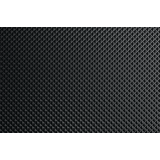 Pyramid Vinyl Matting
Starting at $793.00
Pyramid Vinyl Matting is a 1/8-inch vinyl floor runner with a continuous, non-directional pyramid pattern molded across the whole surface. Each small raised pyramid gives a sole a point to land on and an edge to push against no matter which way the foot is moving, which is why the...
Pyramid Vinyl Matting is a 1/8-inch vinyl floor runner with a continuous, non-directional pyramid pattern molded across the whole surface....
Pyramid Vinyl Matting is a 1/8-inch vinyl floor runner with a continuous, non-directional pyramid pattern molded across the whole surface. Each small raised pyramid gives a sole a point to land on and an edge to push against no matter which way the foot is moving, which is why the vendor rates the pattern for exceptional slip resistance. The runner is oil, grease, and chemical resistant, meets FMVSS 302 flammability requirements, and comes in black in 36- and 48-inch widths on 105-foot rolls.
What a Pyramid Runner Does Before a Wet Floor Catches Someone Mid-Step
Most slips happen on a step that is not straight: a turn into a doorway, a sideways shuffle at a counter, a pivot with a box in hand, the first stride off a ramp onto a smooth floor. On a runner with lengthwise ribs the sole follows the groove in those moments. On a smooth runner it hydroplanes. Either way, the foot is moving one direction and the grip is pointed another.
A pyramid pattern removes that gap. The surface is a field of small raised points with valleys between them. Water, mop residue, and tracked-in mud drop into the valleys; the sole lands on the points, and because pyramids have four faces, there is an edge to push against whichever way the step goes. The vendor's own description is a continuous pyramid design that assures safer foot traffic.
Under the pattern, the sheet is doing the plain job of a vinyl floor runner: taking the boots, the carts, and the grit so the floor underneath does not wear in a stripe. When the runner is worn, a roll is replaced; the tile or concrete under it is not.
Why a Continuous Pyramid Surface in 1/8-Inch Vinyl, and Why This One
The pyramids are molded into the vinyl sheet, not applied as a coating, so the traction is the full depth of the pattern and there is nothing to peel or flake. "Continuous" matters: the pattern runs edge to edge with no plain border or channel, so there is no strip along the side where the grip stops and the shoe finds smooth vinyl.
Non-directional is the design choice that separates this runner from the ribbed and corrugated family. Ribs grip along their length; pyramids grip in every direction equally. That makes the pyramid runner the one for floors where movement is unpredictable rather than a straight walk, and it is why the vendor lists it for slip resistance first and floor protection second.
The gauge is 1/8 inch, the foot-traffic gauge. It lies flat, crosses a threshold without a lip, and cuts and moves easily, which suits a runner that often goes down at an entry, a ramp, or a wet transition rather than in a fixed aisle. The compound is the industrial vinyl runner formulation: oil, grease, and chemical resistant, meeting FMVSS 302.
Two widths cover most lanes: 36 inches for a standard walkway and 48 inches for a wide corridor or a doorway approach covered edge to edge, both on 105-foot rolls. The vendor stocks it in black and also produces white, and custom colors, gauges, widths, and lengths are available for fitted and OEM installations.
Where It Belongs, and What It Is Not
Put it where feet land at odd angles on floors that get wet: the approach inside an entry door where rain gets tracked in, a ramp from a dock into a shop, the wet side of a kitchen or processing line, a locker-room corridor, a hallway that turns, the lane behind a wash sink or a bar. It is the multi-directional option among the industrial and commercial vinyl floor runners we stock, and the one to reach for when the traffic does not walk in a straight line.
Because the pattern is continuous and the gauge is thin, it also works as a fitted liner: cabinet floors, cart decks, van floors, and equipment bases where a non-slip surface is wanted without bulk. The same roll that covers an entry lane trims into those.
What it is not is a heavy-wheel runner, a cushion, or a drainage mat. At 1/8 inch it is built for foot traffic and light carts; pallet jacks want a heavier gauge. A solid vinyl sheet has no foam, so a standing station still wants an anti-fatigue mat. And pyramids shed water into their valleys but do not drain it through; a floor with standing water wants a perforated mat.
Three Things to Check Before You Spec It
First, confirm the problem is direction, not weight. If people slip because they turn, pivot, or step onto the runner sideways on a wet floor, the pyramid pattern is the right fix. If the problem is carts cutting through the runner or a lane that only sees straight-line traffic, a heavier or ribbed roll answers it better. The pyramid earns its place where the footing changes direction.
Second, choose width to the lane, not the room. Thirty-six inches covers a standard corridor, a ramp, or the lane inside an entry door. Forty-eight inches covers a wide hall, a double-door approach, or a wet zone you want protected edge to edge in one piece. Rolls are 105 feet and are cut to length on site; custom widths and lengths are available for a fitted run.
Third, plan the edges and the cleaning. Loose-lay holds a straight run on a clean, dry floor. Tape or glue the edges and end cuts at doorways, corners, and anywhere a cart crosses the side of the runner. Clean with a broom, mop, or hose; the valleys between the pyramids release grit and mop water rather than trapping them, and the surface dries quickly.
Why Mats Inc.
We stock this runner for the floor that gets people at the change of direction: the inside of a wet entry, the foot of a ramp, the turn in a kitchen corridor. Ribs do not help there and a smooth runner makes it worse. A continuous pyramid surface that grips from every angle, in a gauge that lays flat across a threshold, is the fix we send, and Mats Inc. has been matching runner surfaces to how people actually move since 1964.
Type Pyramid-pattern vinyl runner matting, sold by the roll Material Vinyl Top surface Continuous, non-directional pyramid pattern Thickness 1/8" Stock sizes 36" x 105'
48" x 105'Color Black; white and custom colors on request Resistance Oil, grease, and chemical resistant Flammability Meets FMVSS 302 Function Slip resistance and traction, floor protection, comfort Custom Custom colors, gauges, widths, and lengths available Cleaning Broom, mop, or hose Warranty 1-year limited (Mats Inc.) Frequently Asked Questions
How is the pyramid surface made, and what makes it non-directional?
Answered by Dustin Thompson, Owner & CEO
The pyramids are molded into a solid 1/8-inch vinyl sheet, one material through, so the pattern is as deep as the molding and there is no coating to wear off. Each pyramid has four sloped faces meeting at a point. A sole landing on the surface sits on the points, and whichever direction it tries to slide, it meets a face and an edge. That is what non-directional means in practice: the grip is the same going forward, sideways, or turning.
The pattern is continuous, edge to edge, with no plain margin, so there is no strip of smooth vinyl along the side of the runner where the traction gives out. The compound is oil, grease, and chemical resistant and meets FMVSS 302.
How long does it last, and what wears it out?
Answered by Dustin Thompson, Owner & CEO
The vendor does not publish a service-life figure; traffic decides it. Under the foot and light-cart traffic it is built for, the pyramid points wear down slowly and evenly, and the runner stays effective until the points in the busiest track are worn low enough to stop biting. It carries a 1-year limited (Mats Inc.) warranty, and a look at the pattern height in the main lane once a year tells you where it stands.
What ends it early is a wheel heavier than it is built for and a loose edge. A pallet jack on a 1/8-inch runner flattens the pyramids in its track in months; an unfixed edge where carts cross gets kicked, folded, and torn. The compound handles shop oil, grease, and common cleaners; wipe up strong solvents rather than letting them sit.
Do I need to glue it down, and how do I cut it?
Answered by Dustin Thompson, Owner & CEO
A straight run on a clean, dry floor loose-lays; the roll's weight holds it and you can lift it to wash underneath. Because this runner often goes down at an entry or a ramp, where people step onto it at an angle and doors swing across it, fix the leading edge and the end cuts with tape or glue so nothing can lift under a foot or a cart wheel.
Cut it with a sharp utility knife along a straightedge after unrolling it and letting it relax flat at room temperature; a roll cut cold holds a curve. Where two lengths meet, butt them square rather than overlapping, since an overlap is exactly the lip the pyramid pattern was chosen to avoid.
Which width should I order?
Answered by Jinna Hopson, Vice President of Marketing
Thirty-six inches covers a standard corridor, a ramp, the lane inside a single entry door, or the wet side of a prep line. Forty-eight inches covers a wide hall, a double-door approach, a locker-room corridor, or any wet zone you want covered edge to edge with no seam. If people step onto the runner from the side, go wider so the first step lands on the pattern, not the floor.
Both widths come on 105-foot rolls and are cut to length on site, so a long corridor is one continuous run. Custom widths and lengths are available for a fitted installation. Measure the lane, then pick the width that covers where the feet actually go.
What does it look like on the floor?
Answered by Jinna Hopson, Vice President of Marketing
A black runner with a fine, even grid of small raised pyramids across the whole surface, like a sheet of tiny studs. It reads as a uniform texture rather than a pattern with a direction, and it looks the same from any angle, which suits an entry approach or a corridor that turns. At 1/8 inch it sits nearly flush with the floor, and the black hides tracked-in grime between cleanings.
It looks right in a plant, a shop, a back-of-house corridor, a school or hospital service hall, or a locker room, anywhere a plain, purposeful black runner reads as safety equipment placed on purpose. For a front-of-house floor customers judge by eye, a carpeted runner is the better-looking answer. The vendor also produces white and custom colors for a color-coded floor.
Is this the right runner for an entry approach or a ramp that gets wet?
Answered by Jinna Hopson, Vice President of Marketing
Yes; that is the strongest case for it. Inside an entry door, people come off a wet mat at a turn; at the foot of a ramp, they change pace and angle. A non-directional pyramid surface grips those steps where ribs would send the shoe along the groove, and the valleys take the water so the points stay clear. The 48-inch width covers a double-door approach in one piece.
Keep the fit honest. It is an interior runner for foot traffic and light carts, not a heavy-wheel lane or an outdoor mat, and it is not a scraper: put a proper entrance mat outside the door to take the grit, and let the pyramid runner handle the wet turn inside.
By Dustin Thompson, Owner & CEO, Mats Inc.
↑
Pyramid Vinyl Matting is a 1/8-inch vinyl floor runner with a continuous, non-directional pyramid pattern molded across the whole surface. Each small raised pyramid gives a sole a point to land on and an edge to push against no matter which way the foot is moving, which is why the vendor rates the pattern for exceptional slip resistance. The runner is oil, grease, and chemical resistant, meets FMVSS 302 flammability requirements, and comes in black in 36- and 48-inch widths on 105-foot rolls.
What a Pyramid Runner Does Before a Wet Floor Catches Someone Mid-Step
Most slips happen on a step that is not straight: a turn into a doorway, a sideways shuffle at a counter, a pivot with a box in hand, the first stride off a ramp onto a smooth floor. On a runner with lengthwise ribs the sole follows the groove in those moments. On a smooth runner it hydroplanes. Either way, the foot is moving one direction and the grip is pointed another.
A pyramid pattern removes that gap. The surface is a field of small raised points with valleys between them. Water, mop residue, and tracked-in mud drop into the valleys; the sole lands on the points, and because pyramids have four faces, there is an edge to push against whichever way the step goes. The vendor's own description is a continuous pyramid design that assures safer foot traffic.
Under the pattern, the sheet is doing the plain job of a vinyl floor runner: taking the boots, the carts, and the grit so the floor underneath does not wear in a stripe. When the runner is worn, a roll is replaced; the tile or concrete under it is not.
Why a Continuous Pyramid Surface in 1/8-Inch Vinyl, and Why This One
The pyramids are molded into the vinyl sheet, not applied as a coating, so the traction is the full depth of the pattern and there is nothing to peel or flake. "Continuous" matters: the pattern runs edge to edge with no plain border or channel, so there is no strip along the side where the grip stops and the shoe finds smooth vinyl.
Non-directional is the design choice that separates this runner from the ribbed and corrugated family. Ribs grip along their length; pyramids grip in every direction equally. That makes the pyramid runner the one for floors where movement is unpredictable rather than a straight walk, and it is why the vendor lists it for slip resistance first and floor protection second.
The gauge is 1/8 inch, the foot-traffic gauge. It lies flat, crosses a threshold without a lip, and cuts and moves easily, which suits a runner that often goes down at an entry, a ramp, or a wet transition rather than in a fixed aisle. The compound is the industrial vinyl runner formulation: oil, grease, and chemical resistant, meeting FMVSS 302.
Two widths cover most lanes: 36 inches for a standard walkway and 48 inches for a wide corridor or a doorway approach covered edge to edge, both on 105-foot rolls. The vendor stocks it in black and also produces white, and custom colors, gauges, widths, and lengths are available for fitted and OEM installations.
Where It Belongs, and What It Is Not
Put it where feet land at odd angles on floors that get wet: the approach inside an entry door where rain gets tracked in, a ramp from a dock into a shop, the wet side of a kitchen or processing line, a locker-room corridor, a hallway that turns, the lane behind a wash sink or a bar. It is the multi-directional option among the industrial and commercial vinyl floor runners we stock, and the one to reach for when the traffic does not walk in a straight line.
Because the pattern is continuous and the gauge is thin, it also works as a fitted liner: cabinet floors, cart decks, van floors, and equipment bases where a non-slip surface is wanted without bulk. The same roll that covers an entry lane trims into those.
What it is not is a heavy-wheel runner, a cushion, or a drainage mat. At 1/8 inch it is built for foot traffic and light carts; pallet jacks want a heavier gauge. A solid vinyl sheet has no foam, so a standing station still wants an anti-fatigue mat. And pyramids shed water into their valleys but do not drain it through; a floor with standing water wants a perforated mat.
Three Things to Check Before You Spec It
First, confirm the problem is direction, not weight. If people slip because they turn, pivot, or step onto the runner sideways on a wet floor, the pyramid pattern is the right fix. If the problem is carts cutting through the runner or a lane that only sees straight-line traffic, a heavier or ribbed roll answers it better. The pyramid earns its place where the footing changes direction.
Second, choose width to the lane, not the room. Thirty-six inches covers a standard corridor, a ramp, or the lane inside an entry door. Forty-eight inches covers a wide hall, a double-door approach, or a wet zone you want protected edge to edge in one piece. Rolls are 105 feet and are cut to length on site; custom widths and lengths are available for a fitted run.
Third, plan the edges and the cleaning. Loose-lay holds a straight run on a clean, dry floor. Tape or glue the edges and end cuts at doorways, corners, and anywhere a cart crosses the side of the runner. Clean with a broom, mop, or hose; the valleys between the pyramids release grit and mop water rather than trapping them, and the surface dries quickly.
Why Mats Inc.
We stock this runner for the floor that gets people at the change of direction: the inside of a wet entry, the foot of a ramp, the turn in a kitchen corridor. Ribs do not help there and a smooth runner makes it worse. A continuous pyramid surface that grips from every angle, in a gauge that lays flat across a threshold, is the fix we send, and Mats Inc. has been matching runner surfaces to how people actually move since 1964.
Type Pyramid-pattern vinyl runner matting, sold by the roll Material Vinyl Top surface Continuous, non-directional pyramid pattern Thickness 1/8" Stock sizes 36" x 105'
48" x 105'Color Black; white and custom colors on request Resistance Oil, grease, and chemical resistant Flammability Meets FMVSS 302 Function Slip resistance and traction, floor protection, comfort Custom Custom colors, gauges, widths, and lengths available Cleaning Broom, mop, or hose Warranty 1-year limited (Mats Inc.) Frequently Asked Questions
How is the pyramid surface made, and what makes it non-directional?
Answered by Dustin Thompson, Owner & CEO
The pyramids are molded into a solid 1/8-inch vinyl sheet, one material through, so the pattern is as deep as the molding and there is no coating to wear off. Each pyramid has four sloped faces meeting at a point. A sole landing on the surface sits on the points, and whichever direction it tries to slide, it meets a face and an edge. That is what non-directional means in practice: the grip is the same going forward, sideways, or turning.
The pattern is continuous, edge to edge, with no plain margin, so there is no strip of smooth vinyl along the side of the runner where the traction gives out. The compound is oil, grease, and chemical resistant and meets FMVSS 302.
How long does it last, and what wears it out?
Answered by Dustin Thompson, Owner & CEO
The vendor does not publish a service-life figure; traffic decides it. Under the foot and light-cart traffic it is built for, the pyramid points wear down slowly and evenly, and the runner stays effective until the points in the busiest track are worn low enough to stop biting. It carries a 1-year limited (Mats Inc.) warranty, and a look at the pattern height in the main lane once a year tells you where it stands.
What ends it early is a wheel heavier than it is built for and a loose edge. A pallet jack on a 1/8-inch runner flattens the pyramids in its track in months; an unfixed edge where carts cross gets kicked, folded, and torn. The compound handles shop oil, grease, and common cleaners; wipe up strong solvents rather than letting them sit.
Do I need to glue it down, and how do I cut it?
Answered by Dustin Thompson, Owner & CEO
A straight run on a clean, dry floor loose-lays; the roll's weight holds it and you can lift it to wash underneath. Because this runner often goes down at an entry or a ramp, where people step onto it at an angle and doors swing across it, fix the leading edge and the end cuts with tape or glue so nothing can lift under a foot or a cart wheel.
Cut it with a sharp utility knife along a straightedge after unrolling it and letting it relax flat at room temperature; a roll cut cold holds a curve. Where two lengths meet, butt them square rather than overlapping, since an overlap is exactly the lip the pyramid pattern was chosen to avoid.
Which width should I order?
Answered by Jinna Hopson, Vice President of Marketing
Thirty-six inches covers a standard corridor, a ramp, the lane inside a single entry door, or the wet side of a prep line. Forty-eight inches covers a wide hall, a double-door approach, a locker-room corridor, or any wet zone you want covered edge to edge with no seam. If people step onto the runner from the side, go wider so the first step lands on the pattern, not the floor.
Both widths come on 105-foot rolls and are cut to length on site, so a long corridor is one continuous run. Custom widths and lengths are available for a fitted installation. Measure the lane, then pick the width that covers where the feet actually go.
What does it look like on the floor?
Answered by Jinna Hopson, Vice President of Marketing
A black runner with a fine, even grid of small raised pyramids across the whole surface, like a sheet of tiny studs. It reads as a uniform texture rather than a pattern with a direction, and it looks the same from any angle, which suits an entry approach or a corridor that turns. At 1/8 inch it sits nearly flush with the floor, and the black hides tracked-in grime between cleanings.
It looks right in a plant, a shop, a back-of-house corridor, a school or hospital service hall, or a locker room, anywhere a plain, purposeful black runner reads as safety equipment placed on purpose. For a front-of-house floor customers judge by eye, a carpeted runner is the better-looking answer. The vendor also produces white and custom colors for a color-coded floor.
Is this the right runner for an entry approach or a ramp that gets wet?
Answered by Jinna Hopson, Vice President of Marketing
Yes; that is the strongest case for it. Inside an entry door, people come off a wet mat at a turn; at the foot of a ramp, they change pace and angle. A non-directional pyramid surface grips those steps where ribs would send the shoe along the groove, and the valleys take the water so the points stay clear. The 48-inch width covers a double-door approach in one piece.
Keep the fit honest. It is an interior runner for foot traffic and light carts, not a heavy-wheel lane or an outdoor mat, and it is not a scraper: put a proper entrance mat outside the door to take the grit, and let the pyramid runner handle the wet turn inside.
By Dustin Thompson, Owner & CEO, Mats Inc.
↑
View Details
View Details
 Protect Vinyl Matting
Starting at $664.00
Protect Vinyl Matting is a 1/8-inch vinyl floor runner for dry areas, with a pebble-textured surface that is slip resistant and chemical resistant. It is light and flexible enough for one person to roll up and move, sits low enough that it does not become a trip hazard, and comes...
Protect Vinyl Matting is a 1/8-inch vinyl floor runner for dry areas, with a pebble-textured surface that is slip resistant...
Protect Vinyl Matting is a 1/8-inch vinyl floor runner for dry areas, with a pebble-textured surface that is slip resistant and chemical resistant. It is light and flexible enough for one person to roll up and move, sits low enough that it does not become a trip hazard, and comes in black in 3-, 4-, and 6-foot widths on 60-foot rolls, with custom cut lengths up to 60 feet. It is the plain, wide, textured runner for the floors that just need protecting.
What a Dry-Area Vinyl Runner Does Before the Floor Under It Is Ruined
A lot of floors do not have a slip problem or a water problem. They have a wear problem. A stock room, an assembly line, a church hall, a warehouse aisle: the traffic is dry, but it is constant, and the sealed concrete or tile takes every boot, dolly wheel, and dropped part in the same stripe until the finish is gone. Refinishing that floor means shutting the area down.
A vinyl floor protector runner takes the wear instead. It is a sacrificial surface: replaced as a roll rather than as a floor, easy to lift when the floor underneath needs cleaning, and wide enough here, at up to 6 feet, to cover a whole lane in one piece. When it is worn, a roll is swapped and the floor beneath it is still new.
The pebble surface adds the second job. A plain smooth runner protects the floor but gives a shoe nothing to hold; a pebble texture keeps footing secure on a dry floor without the deep grooves of a ribbed runner that trap grit. It is the middle ground between a protective sheet and a traction mat.
Why Pebble-Surface Extruded Vinyl, and Why This One
The runner is solid extruded vinyl, one material through its 1/8-inch thickness, with the pebble pattern formed into the surface. The vendor publishes the numbers behind that: an average density of 40 to 45 pounds per cubic foot and an average hardness of 70 to 80 on the Shore scale, measured under ASTM D-2240. That is a firm, dense sheet that lies flat and does not compress or dent under a dolly wheel.
Wear is the spec that matters most on a floor protector, and it is published too: under the Taber abrasion test, ASTM D-4060 with an H-38 wheel for 2,000 revolutions, the surface loses less than 1 percent of its material. In plain terms, the pebble texture that provides the footing does not sand away under foot traffic the way a softer runner does.
The other two design choices are about handling. It is light and flexible, so a 4-by-60-foot length rolls up and moves without a crew, which is what makes it practical to lift for floor cleaning or to relocate when a line changes. And it is low profile: at 1/8 inch, the edge is thin enough that it does not catch a foot or a cart, which is the trip hazard a thicker runner introduces.
Widths are the standout. Three feet covers a standard walkway, 4 feet a wide aisle, and 6 feet a full lane or a double-wide stock-room row in one piece with no seam, which few runners offer. Rolls are 60 feet, with custom cut lengths up to 60 feet, in black.
Where It Belongs, and What It Is Not
The vendor's own application list is the right one: factories, finishing and assembly stations, churches, warehouses, stock rooms, and storage areas. In practice that means the aisle between racks, the floor along a bench line, the corridor behind a sanctuary, the walkway through a storage cage, and any dry lane where the floor needs a protective layer that people can still walk on safely. It sits among the industrial and commercial vinyl floor runners we stock as the wide, plain, dry-area protector.
The 6-foot width is what makes it different in use. Where a narrow runner leaves bare floor on either side that still wears, a 6-foot roll protects the full lane, and a stock room can be covered wall to wall in two or three lengths laid side by side.
What it is not is a wet-area runner, a heavy-wheel runner, or a cushion. The vendor rates it for dry areas, and the pebble surface is not a drainage or wet-traction pattern; a floor that gets wet wants a ribbed, pyramid, or perforated surface. At 1/8 inch it is built for foot traffic and light carts, not pallet jacks. And a solid vinyl sheet has no foam, so a standing station still wants an anti-fatigue mat.
Three Things to Check Before You Spec It
First, confirm the floor is dry. This is the one spec that decides it. If the lane sees tracked-in rain, mop water, coolant, or spills during a shift, choose a runner with a wet-traction surface instead. If the problem is wear and footing on a dry floor, this is the right runner and the wide widths make it the efficient one.
Second, size the width to the wear, not the walkway. Look at where the floor is actually scuffed. If the wear stripe is a single path, 3 feet covers it. If carts pass walkers, 4 feet. If the whole lane between racks or benches shows wear, 6 feet covers it in one piece and stops the bare-floor strips on either side from wearing next. Rolls are 60 feet and are cut to length on site or ordered as a custom cut length.
Third, plan for lifting it. One of the reasons to choose a light, flexible runner is that it comes up for floor cleaning and goes back down. Loose-lay is fine for a straight run on a clean, dry floor; tape the edges only where a cart crosses the side or the runner turns a corner. If the runner is going to be moved regularly, keep the seams simple and butt lengths square rather than overlapping.
Why Mats Inc.
We stock this runner for the customer who calls about a worn floor rather than a slippery one: the stock room whose sealed concrete is going gray in the aisle, the assembly line whose tile is chipping under the dollies. A dense, abrasion-rated vinyl protector in a 6-foot width that one person can roll up is the answer to that call, and Mats Inc. has been putting protection between traffic and floors since 1964.
Type Dry-area vinyl floor runner, sold by the roll Material Solid extruded vinyl Surface Pebble pattern; slip resistant Thickness 1/8" (0.110"–0.140") Density 40–45 lb/ft³ (average) Hardness 70–80 Shore (average), ASTM D-2240 Abrasion <1.0% loss, H-38 wheel, 2,000 revolutions, ASTM D-4060 Resistance Chemical resistant Stock sizes 3' x 60'
4' x 60'
6' x 60'Custom Custom cut lengths up to 60' Color Black Use Dry areas: factories, finishing and assembly stations, churches, warehouses, stock rooms, storage areas Handling Lightweight and flexible; low profile Warranty 1-year limited (Mats Inc.) Frequently Asked Questions
What is it made of, and what do the hardness and density numbers mean?
Answered by Dustin Thompson, Owner & CEO
Solid extruded vinyl, one material through the 1/8-inch thickness, with a pebble texture formed into the top. The vendor publishes an average density of 40 to 45 pounds per cubic foot and an average hardness of 70 to 80 Shore under ASTM D-2240. Together those describe a firm, dense sheet: it lies flat, it does not dent under a dolly wheel, and it does not stretch or bunch when it is dragged into position.
Hardness in the 70s is the same range as a hard rubber sole. Soft enough to flex and roll, firm enough that the pebble texture holds its shape under traffic instead of mashing flat.
How long does it last, and what wears it out?
Answered by Dustin Thompson, Owner & CEO
The vendor does not publish a year figure, but it does publish the wear test, which is more useful. Under ASTM D-4060, an H-38 abrasive wheel run 2,000 revolutions over the surface removes less than 1 percent of the material. That is a low loss rate for a vinyl runner, and it is why the pebble texture keeps its footing under daily foot traffic rather than polishing smooth. It carries a 1-year limited (Mats Inc.) warranty.
What shortens it is use outside its rating. It is a dry-area runner; standing water and constant wet cleaning are not what it is built for. It is a foot-and-light-cart runner; a pallet jack running the same line cuts through a 1/8-inch sheet in months. And a loose edge in a cart lane gets kicked and torn. Keep it dry, keep the heavy wheels off it, and fix the edges where carts cross.
Where should I use it, and where should I not?
Answered by Dustin Thompson, Owner & CEO
Use it on dry floors that need protecting and safe footing: warehouse and stock-room aisles, the floor along an assembly or finishing line, storage cages, church halls and corridors, factory walkways, and the lane behind a counter. The vendor lists exactly those. The 6-foot width is the one to use when the whole lane shows wear rather than a single path.
Do not use it where the floor gets wet during a shift; a ribbed, pyramid, or perforated surface is built for that and this one is not. Do not put it under pallet jacks or forklifts. And do not treat it as a cushion; a solid vinyl sheet has no foam, so a station where someone stands all day wants an anti-fatigue mat.
Which width should I choose, and can I get a custom length?
Answered by Jinna Hopson, Vice President of Marketing
Match the width to the wear on the floor. If the scuffing is one path down the middle, 3 feet covers it. If carts and walkers share the lane, 4 feet. If the whole floor between the racks or benches is wearing, 6 feet covers it edge to edge in a single piece, and a wide room can be covered wall to wall with two or three lengths side by side.
Standard rolls are 60 feet in all three widths, and custom cut lengths are available up to 60 feet, so you can order the exact run instead of trimming a roll on site. Measure the lane end to end and, for side-by-side coverage, the room width, before ordering.
What does it look like on the floor?
Answered by Jinna Hopson, Vice President of Marketing
A flat black runner with a fine, even pebble texture across the surface, like a matte grain rather than a pattern. It has no ribs or raised shapes, so it reads as a plain protective sheet, and at 1/8 inch it sits nearly flush with the floor. The texture is subtle enough that the runner looks like part of the floor from a few feet away, which suits a church corridor or a showroom stock room as well as a warehouse.
Black hides scuffs and dust between cleanings. It comes in black only; where a floor needs a lighter or color-coded runner, a rounded-rib runner in gray is the option in this range.
Is this the right runner for a church hall or a retail stock room?
Answered by Jinna Hopson, Vice President of Marketing
Yes; the vendor names churches and stock rooms specifically, and they share the same profile: dry floors, steady foot traffic, occasional carts or dollies, and a need to protect a finished floor without making the space look industrial. A plain black pebble runner does that, and its light weight means the facilities team can roll it up for a floor clean or an event and put it back without help.
Use the 3- or 4-foot width for a corridor or aisle and the 6-foot width where a whole floor section needs covering, such as the path from a loading door through a stock room. Keep it to dry areas; the entry itself wants a proper entrance mat.
By Dustin Thompson, Owner & CEO, Mats Inc.
↑
Protect Vinyl Matting is a 1/8-inch vinyl floor runner for dry areas, with a pebble-textured surface that is slip resistant and chemical resistant. It is light and flexible enough for one person to roll up and move, sits low enough that it does not become a trip hazard, and comes in black in 3-, 4-, and 6-foot widths on 60-foot rolls, with custom cut lengths up to 60 feet. It is the plain, wide, textured runner for the floors that just need protecting.
What a Dry-Area Vinyl Runner Does Before the Floor Under It Is Ruined
A lot of floors do not have a slip problem or a water problem. They have a wear problem. A stock room, an assembly line, a church hall, a warehouse aisle: the traffic is dry, but it is constant, and the sealed concrete or tile takes every boot, dolly wheel, and dropped part in the same stripe until the finish is gone. Refinishing that floor means shutting the area down.
A vinyl floor protector runner takes the wear instead. It is a sacrificial surface: replaced as a roll rather than as a floor, easy to lift when the floor underneath needs cleaning, and wide enough here, at up to 6 feet, to cover a whole lane in one piece. When it is worn, a roll is swapped and the floor beneath it is still new.
The pebble surface adds the second job. A plain smooth runner protects the floor but gives a shoe nothing to hold; a pebble texture keeps footing secure on a dry floor without the deep grooves of a ribbed runner that trap grit. It is the middle ground between a protective sheet and a traction mat.
Why Pebble-Surface Extruded Vinyl, and Why This One
The runner is solid extruded vinyl, one material through its 1/8-inch thickness, with the pebble pattern formed into the surface. The vendor publishes the numbers behind that: an average density of 40 to 45 pounds per cubic foot and an average hardness of 70 to 80 on the Shore scale, measured under ASTM D-2240. That is a firm, dense sheet that lies flat and does not compress or dent under a dolly wheel.
Wear is the spec that matters most on a floor protector, and it is published too: under the Taber abrasion test, ASTM D-4060 with an H-38 wheel for 2,000 revolutions, the surface loses less than 1 percent of its material. In plain terms, the pebble texture that provides the footing does not sand away under foot traffic the way a softer runner does.
The other two design choices are about handling. It is light and flexible, so a 4-by-60-foot length rolls up and moves without a crew, which is what makes it practical to lift for floor cleaning or to relocate when a line changes. And it is low profile: at 1/8 inch, the edge is thin enough that it does not catch a foot or a cart, which is the trip hazard a thicker runner introduces.
Widths are the standout. Three feet covers a standard walkway, 4 feet a wide aisle, and 6 feet a full lane or a double-wide stock-room row in one piece with no seam, which few runners offer. Rolls are 60 feet, with custom cut lengths up to 60 feet, in black.
Where It Belongs, and What It Is Not
The vendor's own application list is the right one: factories, finishing and assembly stations, churches, warehouses, stock rooms, and storage areas. In practice that means the aisle between racks, the floor along a bench line, the corridor behind a sanctuary, the walkway through a storage cage, and any dry lane where the floor needs a protective layer that people can still walk on safely. It sits among the industrial and commercial vinyl floor runners we stock as the wide, plain, dry-area protector.
The 6-foot width is what makes it different in use. Where a narrow runner leaves bare floor on either side that still wears, a 6-foot roll protects the full lane, and a stock room can be covered wall to wall in two or three lengths laid side by side.
What it is not is a wet-area runner, a heavy-wheel runner, or a cushion. The vendor rates it for dry areas, and the pebble surface is not a drainage or wet-traction pattern; a floor that gets wet wants a ribbed, pyramid, or perforated surface. At 1/8 inch it is built for foot traffic and light carts, not pallet jacks. And a solid vinyl sheet has no foam, so a standing station still wants an anti-fatigue mat.
Three Things to Check Before You Spec It
First, confirm the floor is dry. This is the one spec that decides it. If the lane sees tracked-in rain, mop water, coolant, or spills during a shift, choose a runner with a wet-traction surface instead. If the problem is wear and footing on a dry floor, this is the right runner and the wide widths make it the efficient one.
Second, size the width to the wear, not the walkway. Look at where the floor is actually scuffed. If the wear stripe is a single path, 3 feet covers it. If carts pass walkers, 4 feet. If the whole lane between racks or benches shows wear, 6 feet covers it in one piece and stops the bare-floor strips on either side from wearing next. Rolls are 60 feet and are cut to length on site or ordered as a custom cut length.
Third, plan for lifting it. One of the reasons to choose a light, flexible runner is that it comes up for floor cleaning and goes back down. Loose-lay is fine for a straight run on a clean, dry floor; tape the edges only where a cart crosses the side or the runner turns a corner. If the runner is going to be moved regularly, keep the seams simple and butt lengths square rather than overlapping.
Why Mats Inc.
We stock this runner for the customer who calls about a worn floor rather than a slippery one: the stock room whose sealed concrete is going gray in the aisle, the assembly line whose tile is chipping under the dollies. A dense, abrasion-rated vinyl protector in a 6-foot width that one person can roll up is the answer to that call, and Mats Inc. has been putting protection between traffic and floors since 1964.
Type Dry-area vinyl floor runner, sold by the roll Material Solid extruded vinyl Surface Pebble pattern; slip resistant Thickness 1/8" (0.110"–0.140") Density 40–45 lb/ft³ (average) Hardness 70–80 Shore (average), ASTM D-2240 Abrasion <1.0% loss, H-38 wheel, 2,000 revolutions, ASTM D-4060 Resistance Chemical resistant Stock sizes 3' x 60'
4' x 60'
6' x 60'Custom Custom cut lengths up to 60' Color Black Use Dry areas: factories, finishing and assembly stations, churches, warehouses, stock rooms, storage areas Handling Lightweight and flexible; low profile Warranty 1-year limited (Mats Inc.) Frequently Asked Questions
What is it made of, and what do the hardness and density numbers mean?
Answered by Dustin Thompson, Owner & CEO
Solid extruded vinyl, one material through the 1/8-inch thickness, with a pebble texture formed into the top. The vendor publishes an average density of 40 to 45 pounds per cubic foot and an average hardness of 70 to 80 Shore under ASTM D-2240. Together those describe a firm, dense sheet: it lies flat, it does not dent under a dolly wheel, and it does not stretch or bunch when it is dragged into position.
Hardness in the 70s is the same range as a hard rubber sole. Soft enough to flex and roll, firm enough that the pebble texture holds its shape under traffic instead of mashing flat.
How long does it last, and what wears it out?
Answered by Dustin Thompson, Owner & CEO
The vendor does not publish a year figure, but it does publish the wear test, which is more useful. Under ASTM D-4060, an H-38 abrasive wheel run 2,000 revolutions over the surface removes less than 1 percent of the material. That is a low loss rate for a vinyl runner, and it is why the pebble texture keeps its footing under daily foot traffic rather than polishing smooth. It carries a 1-year limited (Mats Inc.) warranty.
What shortens it is use outside its rating. It is a dry-area runner; standing water and constant wet cleaning are not what it is built for. It is a foot-and-light-cart runner; a pallet jack running the same line cuts through a 1/8-inch sheet in months. And a loose edge in a cart lane gets kicked and torn. Keep it dry, keep the heavy wheels off it, and fix the edges where carts cross.
Where should I use it, and where should I not?
Answered by Dustin Thompson, Owner & CEO
Use it on dry floors that need protecting and safe footing: warehouse and stock-room aisles, the floor along an assembly or finishing line, storage cages, church halls and corridors, factory walkways, and the lane behind a counter. The vendor lists exactly those. The 6-foot width is the one to use when the whole lane shows wear rather than a single path.
Do not use it where the floor gets wet during a shift; a ribbed, pyramid, or perforated surface is built for that and this one is not. Do not put it under pallet jacks or forklifts. And do not treat it as a cushion; a solid vinyl sheet has no foam, so a station where someone stands all day wants an anti-fatigue mat.
Which width should I choose, and can I get a custom length?
Answered by Jinna Hopson, Vice President of Marketing
Match the width to the wear on the floor. If the scuffing is one path down the middle, 3 feet covers it. If carts and walkers share the lane, 4 feet. If the whole floor between the racks or benches is wearing, 6 feet covers it edge to edge in a single piece, and a wide room can be covered wall to wall with two or three lengths side by side.
Standard rolls are 60 feet in all three widths, and custom cut lengths are available up to 60 feet, so you can order the exact run instead of trimming a roll on site. Measure the lane end to end and, for side-by-side coverage, the room width, before ordering.
What does it look like on the floor?
Answered by Jinna Hopson, Vice President of Marketing
A flat black runner with a fine, even pebble texture across the surface, like a matte grain rather than a pattern. It has no ribs or raised shapes, so it reads as a plain protective sheet, and at 1/8 inch it sits nearly flush with the floor. The texture is subtle enough that the runner looks like part of the floor from a few feet away, which suits a church corridor or a showroom stock room as well as a warehouse.
Black hides scuffs and dust between cleanings. It comes in black only; where a floor needs a lighter or color-coded runner, a rounded-rib runner in gray is the option in this range.
Is this the right runner for a church hall or a retail stock room?
Answered by Jinna Hopson, Vice President of Marketing
Yes; the vendor names churches and stock rooms specifically, and they share the same profile: dry floors, steady foot traffic, occasional carts or dollies, and a need to protect a finished floor without making the space look industrial. A plain black pebble runner does that, and its light weight means the facilities team can roll it up for a floor clean or an event and put it back without help.
Use the 3- or 4-foot width for a corridor or aisle and the 6-foot width where a whole floor section needs covering, such as the path from a loading door through a stock room. Keep it to dry areas; the entry itself wants a proper entrance mat.
By Dustin Thompson, Owner & CEO, Mats Inc.
↑
View Details
View Details
 Cushion Dek Matting$95.00What Cushion Dek Does Before a Wet Platform Becomes a Slip Report Cushion Dek is a one-piece anti-slip drainage mat for wet worker platforms. A molded pyramid surface gives shoes traction from every angle, slotted perforations carry moisture down off the standing surface, and a studded underside raises the whole
...
What Cushion Dek Does Before a Wet Platform Becomes a Slip Report Cushion Dek is a one-piece anti-slip drainage mat...
What Cushion Dek Does Before a Wet Platform Becomes a Slip Report
Cushion Dek is a one-piece anti-slip drainage mat for wet worker platforms. A molded pyramid surface gives shoes traction from every angle, slotted perforations carry moisture down off the standing surface, and a studded underside raises the whole mat so water keeps channeling away beneath it — three answers to a wet floor in one tough sheet of PVC.
Wet stations fail people quietly. Rinse water and process moisture spread a film across the platform, and the hurried step — the one taken mid-rush, carrying something — is the one that finds it. A worker platform that drains itself and grips through the wet changes what that hurried step lands on.
Why Pyramid-Molded PVC, and Why This One
The mat is molded from a tough PVC compound — made from 100 percent recycled PVC — with the traction built into the geometry itself. Raised pyramids present a gripping edge to a shoe in every direction of movement, so the surface holds footing whether the worker is planted, pivoting, or stepping through.
Drainage runs on two levels. Up top, slotted perforations — 1/2 inch wide by 1-7/8 inches long — let moisture escape the worker platform instead of pooling where shoes land. Underneath, the studded bottom surface raises the mat off the floor, channeling that moisture away while allowing continuous aeration, so the space under the mat isn't a sealed wet pocket.
The profile stays practical at 7/16 inch — enough body to do drainage work, low enough to keep transitions manageable — and the format runs from compact station mats up to a 4-foot-wide, 30-foot roll for continuous coverage down a full wet line.
Where It Belongs, and What It Is Not
Cushion Dek belongs on wet worker platforms: dish and prep stations, wet processing and wash areas, and the industrial posts where moisture reaches the floor as part of the job. Anywhere a crew stands over water for a shift, the pyramid grip and the two-level drainage earn their place together.
What it is not: a plush dry-area comfort mat, and not a modular build-your-own platform for wrapping machines and odd footprints — it's the simpler tool, a one-piece deck you lay down and put to work. Dry stations and configurable platforms are both served elsewhere in our anti-fatigue mats and runners lineup; this page is for the wet floor that needs a straightforward answer.
Three Things to Check Before You Spec It
First, confirm the platform genuinely runs wet. If moisture reaches the standing surface daily — spray, rinse-down, process water — the slotted drainage is solving a real problem. If the floor stays dry, a solid-top construction keeps small items from finding the slots and gives the same standing comfort without holes.
Second, choose mat or roll by the shape of the work. Station mats cover a single wet post, while the 4-foot by 30-foot roll traces an entire line in one continuous piece — no seams collecting debris, no gaps where a wet stride lands on bare floor between mats.
Third, build the lift-and-look habit. The studded base keeps air moving underneath, which works in your favor — but the floor under any wet-area mat still belongs in the cleaning rotation. Lift it on schedule, rinse what gathered, and both the mat and the floor stay in honest condition.
Why Mats Inc.
Wet platforms are where mat decisions stop being about comfort and start being about incident reports — and we've been specifying drainage matting for those floors since 1964. We verify every claim on this page against the manufacturer's published materials, and Cushion Dek is backed by a 1-year limited Mats Inc. warranty.
Construction One-piece molded drainage mat; raised pyramid traction surface; slotted perforations; studded underside Material Tough PVC compound, made from 100% recycled PVC Drainage Slotted perforations 1/2" x 1-7/8"; studded bottom raises mat, channels moisture, and allows continuous aeration Thickness 7/16" Color Black Mat Sizes 2' x 3', 2' x 6', 3' x 4', 3' x 6', 4' x 6', 4' x 8' Roll Size 4' x 30' Use Area Wet worker platforms and wet environments Warranty 1-year limited (Mats Inc.) Frequently Asked Questions
How do the pyramids and the slots work together?
Answered by Dustin Thompson, Owner & CEO
They split the job a wet floor creates. The molded pyramid pattern is the grip — raised edges meeting the shoe in every direction it moves, so traction doesn't depend on which way the worker turns. The slotted perforations are the exit — each slot 1/2 inch by 1-7/8 inches — giving the water that lands on the platform somewhere to go besides underfoot. Grip handles what's on the surface; drainage keeps the surface from having much on it.
What does the studded bottom actually do?
Answered by Dustin Thompson, Owner & CEO
It solves the problem most drainage mats create. Water that drains through a mat has to live somewhere, and a flat-bottomed mat seals it against the floor — a trapped wet layer that never dries. The studded underside raises Cushion Dek off the floor, so the moisture that passes through keeps channeling away, and continuous aeration lets the space beneath actually dry between cleanings. The floor under the mat stays part of the solution instead of becoming the hidden problem.
How does recycled PVC hold up in constant wet duty?
Answered by Dustin Thompson, Owner & CEO
The compound is the point: this is a tough, molded PVC — not a foam that wet cycles break down — and PVC's indifference to water is exactly why it's the material here. The whole mat is molded as one piece from 100 percent recycled PVC, so there's no laminated wear layer to peel and no absorbent core to swell. Wet-dry cycling, the routine that ages softer constructions, is simply this mat's normal operating condition.
When is a one-piece mat the right call versus a modular platform?
Answered by Jinna Hopson, Vice President of Marketing
When the station is a rectangle, simplicity wins. A one-piece deck lays down in seconds, lifts in one motion for cleaning, and has no components to assemble, track, or reconfigure — the right rhythm for dish lines, wash stations, and straightforward wet posts. Modular platforms earn their complexity when the footprint is genuinely odd: wrapping machines, turning corners, covering an irregular cell. If you're not solving that puzzle, don't buy the puzzle pieces.
Which size fits a station, and when does the roll make sense?
Answered by Jinna Hopson, Vice President of Marketing
Match the footprint to the standing pattern. A single wet post — one person at a sink or station — is covered by the compact sizes, while wider working stances and two-person posts step up through the mid-sizes to 4 by 8 feet. The 4-foot by 30-foot roll is for the line: one continuous drainage surface down an entire wet run, with no seams to collect debris and no bare-floor gaps where a wet stride lands between mats.
What's the recycled content worth beyond the label?
Answered by Jinna Hopson, Vice President of Marketing
It's the full number: the mat is made from 100 percent recycled PVC — not a percentage blended in for the brochure, but the whole compound. For organizations reporting sustainability metrics, that's a clean, defensible line item. And there's no trade-off hiding behind it, since the recycled compound is the same tough, molded PVC delivering the traction and the wet-duty endurance the mat is specified for. The responsible choice and the durable one are the same purchase.
By Dustin Thompson, Owner & CEO, Mats Inc.
↑
What Cushion Dek Does Before a Wet Platform Becomes a Slip Report
Cushion Dek is a one-piece anti-slip drainage mat for wet worker platforms. A molded pyramid surface gives shoes traction from every angle, slotted perforations carry moisture down off the standing surface, and a studded underside raises the whole mat so water keeps channeling away beneath it — three answers to a wet floor in one tough sheet of PVC.
Wet stations fail people quietly. Rinse water and process moisture spread a film across the platform, and the hurried step — the one taken mid-rush, carrying something — is the one that finds it. A worker platform that drains itself and grips through the wet changes what that hurried step lands on.
Why Pyramid-Molded PVC, and Why This One
The mat is molded from a tough PVC compound — made from 100 percent recycled PVC — with the traction built into the geometry itself. Raised pyramids present a gripping edge to a shoe in every direction of movement, so the surface holds footing whether the worker is planted, pivoting, or stepping through.
Drainage runs on two levels. Up top, slotted perforations — 1/2 inch wide by 1-7/8 inches long — let moisture escape the worker platform instead of pooling where shoes land. Underneath, the studded bottom surface raises the mat off the floor, channeling that moisture away while allowing continuous aeration, so the space under the mat isn't a sealed wet pocket.
The profile stays practical at 7/16 inch — enough body to do drainage work, low enough to keep transitions manageable — and the format runs from compact station mats up to a 4-foot-wide, 30-foot roll for continuous coverage down a full wet line.
Where It Belongs, and What It Is Not
Cushion Dek belongs on wet worker platforms: dish and prep stations, wet processing and wash areas, and the industrial posts where moisture reaches the floor as part of the job. Anywhere a crew stands over water for a shift, the pyramid grip and the two-level drainage earn their place together.
What it is not: a plush dry-area comfort mat, and not a modular build-your-own platform for wrapping machines and odd footprints — it's the simpler tool, a one-piece deck you lay down and put to work. Dry stations and configurable platforms are both served elsewhere in our anti-fatigue mats and runners lineup; this page is for the wet floor that needs a straightforward answer.
Three Things to Check Before You Spec It
First, confirm the platform genuinely runs wet. If moisture reaches the standing surface daily — spray, rinse-down, process water — the slotted drainage is solving a real problem. If the floor stays dry, a solid-top construction keeps small items from finding the slots and gives the same standing comfort without holes.
Second, choose mat or roll by the shape of the work. Station mats cover a single wet post, while the 4-foot by 30-foot roll traces an entire line in one continuous piece — no seams collecting debris, no gaps where a wet stride lands on bare floor between mats.
Third, build the lift-and-look habit. The studded base keeps air moving underneath, which works in your favor — but the floor under any wet-area mat still belongs in the cleaning rotation. Lift it on schedule, rinse what gathered, and both the mat and the floor stay in honest condition.
Why Mats Inc.
Wet platforms are where mat decisions stop being about comfort and start being about incident reports — and we've been specifying drainage matting for those floors since 1964. We verify every claim on this page against the manufacturer's published materials, and Cushion Dek is backed by a 1-year limited Mats Inc. warranty.
Construction One-piece molded drainage mat; raised pyramid traction surface; slotted perforations; studded underside Material Tough PVC compound, made from 100% recycled PVC Drainage Slotted perforations 1/2" x 1-7/8"; studded bottom raises mat, channels moisture, and allows continuous aeration Thickness 7/16" Color Black Mat Sizes 2' x 3', 2' x 6', 3' x 4', 3' x 6', 4' x 6', 4' x 8' Roll Size 4' x 30' Use Area Wet worker platforms and wet environments Warranty 1-year limited (Mats Inc.) Frequently Asked Questions
How do the pyramids and the slots work together?
Answered by Dustin Thompson, Owner & CEO
They split the job a wet floor creates. The molded pyramid pattern is the grip — raised edges meeting the shoe in every direction it moves, so traction doesn't depend on which way the worker turns. The slotted perforations are the exit — each slot 1/2 inch by 1-7/8 inches — giving the water that lands on the platform somewhere to go besides underfoot. Grip handles what's on the surface; drainage keeps the surface from having much on it.
What does the studded bottom actually do?
Answered by Dustin Thompson, Owner & CEO
It solves the problem most drainage mats create. Water that drains through a mat has to live somewhere, and a flat-bottomed mat seals it against the floor — a trapped wet layer that never dries. The studded underside raises Cushion Dek off the floor, so the moisture that passes through keeps channeling away, and continuous aeration lets the space beneath actually dry between cleanings. The floor under the mat stays part of the solution instead of becoming the hidden problem.
How does recycled PVC hold up in constant wet duty?
Answered by Dustin Thompson, Owner & CEO
The compound is the point: this is a tough, molded PVC — not a foam that wet cycles break down — and PVC's indifference to water is exactly why it's the material here. The whole mat is molded as one piece from 100 percent recycled PVC, so there's no laminated wear layer to peel and no absorbent core to swell. Wet-dry cycling, the routine that ages softer constructions, is simply this mat's normal operating condition.
When is a one-piece mat the right call versus a modular platform?
Answered by Jinna Hopson, Vice President of Marketing
When the station is a rectangle, simplicity wins. A one-piece deck lays down in seconds, lifts in one motion for cleaning, and has no components to assemble, track, or reconfigure — the right rhythm for dish lines, wash stations, and straightforward wet posts. Modular platforms earn their complexity when the footprint is genuinely odd: wrapping machines, turning corners, covering an irregular cell. If you're not solving that puzzle, don't buy the puzzle pieces.
Which size fits a station, and when does the roll make sense?
Answered by Jinna Hopson, Vice President of Marketing
Match the footprint to the standing pattern. A single wet post — one person at a sink or station — is covered by the compact sizes, while wider working stances and two-person posts step up through the mid-sizes to 4 by 8 feet. The 4-foot by 30-foot roll is for the line: one continuous drainage surface down an entire wet run, with no seams to collect debris and no bare-floor gaps where a wet stride lands between mats.
What's the recycled content worth beyond the label?
Answered by Jinna Hopson, Vice President of Marketing
It's the full number: the mat is made from 100 percent recycled PVC — not a percentage blended in for the brochure, but the whole compound. For organizations reporting sustainability metrics, that's a clean, defensible line item. And there's no trade-off hiding behind it, since the recycled compound is the same tough, molded PVC delivering the traction and the wet-duty endurance the mat is specified for. The responsible choice and the durable one are the same purchase.
By Dustin Thompson, Owner & CEO, Mats Inc.
↑
View Details
View Details
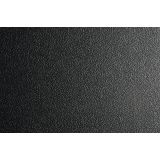 Ripple Vinyl Matting$454.00Ripple Vinyl Matting is a ripple-surface vinyl floor runner sold by the roll for shop, warehouse, garage, and service-bay floors where people turn, pivot, and cross in every direction. The surface is a shallow, non-directional ripple texture on a solid vinyl sheet with a smooth back. It resists oil, grease,
...
Ripple Vinyl Matting is a ripple-surface vinyl floor runner sold by the roll for shop, warehouse, garage, and service-bay floors...
Ripple Vinyl Matting is a ripple-surface vinyl floor runner sold by the roll for shop, warehouse, garage, and service-bay floors where people turn, pivot, and cross in every direction. The surface is a shallow, non-directional ripple texture on a solid vinyl sheet with a smooth back. It resists oil, grease, and chemicals, sweeps or hoses clean, and comes in 24-, 36-, and 48-inch widths on 75- and 105-foot rolls, with custom lengths available.
What a Ripple Runner Does Before Someone Turns and Slips
Ribbed runners grip well in one direction: along the rib. Step onto them sideways, or turn on them with a load in your arms, and the shoe follows the groove. That is fine in a straight corridor and less fine at a workbench, a parts counter, or a bay where a technician walks around a vehicle all day. A non-directional surface grips the same way no matter which way the foot lands.
That is the ripple pattern's job. Instead of parallel lines, the surface is a field of shallow, rounded ripples with no lengthwise channel to skate along, so the sole meets texture in every direction. It also means there is no trough to trap grit and coolant; what lands on the mat stays on top where a broom or a hose takes it off.
Underneath, the runner is doing the same work any floor runner does: taking the dropped tools, the dragged parts, and the caster traffic that would otherwise pit bare concrete and wear through a floor coating. A roll runner that covers the whole working area in one piece does that without a seam every few feet.
Why a Smooth-Backed Vinyl Ripple Runner, and Why This One
The sheet is solid vinyl, a single material with no laminated layers or foam core. Vinyl is chosen for this runner because it is oil, grease, and chemical resistant, which is what a shop floor throws at it, and because it is abrasion-resistant enough to take constant foot and wheel traffic on the ripple tops without wearing smooth. It also meets FMVSS 302 flammability requirements.
The back is smooth rather than textured. That is a deliberate choice for a runner that gets cut, moved, and reused: a smooth back lies flat against a concrete or sealed floor, does not hold grit against the slab, and lifts cleanly when the floor under it needs washing. On a clean, dry floor, the runner's own weight and the flat contact hold a straight run in place.
The surface is what buyers actually see, and the vendor built it to be easy to keep looking right. The ripple texture is low and rounded, so it does not collect debris the way deep ribs do, and it cleans with a broom, a mop, or a hose. The maker describes the finish as attractive as well as easy to clean, and on a shop floor that means a runner that still looks intentional a year in.
It is also built to be customized. Standard rolls come in three widths, and the vendor offers custom colors, gauges, widths, and lengths, which is why this runner shows up as an OEM component as well as a floor covering. For the floor buyer, the practical version of that is custom lengths, so a long bay or aisle is covered in one continuous piece.
Where It Belongs, and What It Is Not
Put it where people work rather than just walk: around a lift in a service bay, along a workbench line, behind a parts or tool counter, down a warehouse pick aisle where pickers stop and turn, across a garage floor, in a stockroom. Anywhere the foot lands at odd angles is where a non-directional ripple earns its place over a ribbed runner. It sits among the industrial and commercial vinyl floor runners we stock as the one to reach for when the traffic is multi-directional.
Because the vendor rates it for OEM use, the same roll is cut and fitted as a liner or protective surface inside cabinets, vehicles, and equipment. A shop that buys a roll for the floor often ends up trimming the offcuts for drawer liners and shelf protection.
What it is not is a comfort mat or a drainage mat. There is no cushion in a solid vinyl sheet, so a person standing in one place for a shift will feel the floor and needs an anti-fatigue mat at that station. And the surface is solid; standing water sits on top rather than draining through, so a pit or wash-down zone that stays wet wants an open-pattern drainage mat instead.
Three Things to Check Before You Spec It
First, confirm the traffic is multi-directional. If people walk a straight lane and nothing else, a ribbed runner does the job and channels water along its grooves. If they turn, pivot, back up, or work around equipment, the ripple's every-direction grip is the reason to choose this one. Watch the floor for ten minutes; the answer is usually obvious.
Second, pick the width to the work zone, not the room. Twenty-four inches covers a single-file path or the strip in front of a bench. Thirty-six inches is the standard for a work aisle or the walk-around zone on one side of a vehicle. Forty-eight inches covers a full bay width, a two-sided counter, or a floor you want protected edge to edge. Rolls are 75 or 105 feet, and custom lengths are available when a run is longer.
Third, decide how it will be cleaned and fixed down. The smooth back lets you lift and hose the runner, so plan for loose-lay if the floor under it needs regular washing. Where casters cross an edge or the runner turns a corner, tape or glue the edges so they cannot lift. Cut with a sharp utility knife along a straightedge after letting the roll relax flat at room temperature.
Why Mats Inc.
We carry this runner for the customer whose floor problem is not a straight hallway but a working bay, where a ribbed runner keeps sending shoes sideways and a cut mat keeps getting kicked out of position. A non-directional ripple surface on a roll long enough to cover the whole zone, in a compound that shrugs off oil and grease, fixes that in one piece. Mats Inc. has been matching runner surfaces to how people actually move since 1964, and this is the one for floors where they move in every direction.
Type Ripple-surface runner matting, sold by the roll Material Solid vinyl Top surface Non-directional ripple texture Back Smooth Resistance Oil, grease, and chemical resistant; abrasion-resistant Flammability Meets FMVSS 302 Color Black (custom colors available on request) Stock sizes 24", 36", 48" widths x 75' or 105' rolls Custom Custom lengths available; custom widths and gauges on request Use Floor protection, slip resistance and traction; floor and OEM applications Cleaning Broom, mop, or hose Warranty 1-year limited (Mats Inc.) Frequently Asked Questions
What is Ripple Vinyl Matting made of, and how is the surface built?
Answered by Dustin Thompson, Owner & CEO
It is a solid vinyl sheet, one material through its thickness, with a non-directional ripple texture molded into the top and a smooth back. There is no foam core, fabric layer, or bonded backing to separate. Vinyl gives it oil, grease, and chemical resistance and abrasion resistance on the ripple tops, and the compound meets FMVSS 302 flammability requirements.
The ripple is shallow and rounded rather than a deep rib. That is what makes the grip the same in every direction and what keeps grit from packing into a groove; debris stays on top where it sweeps off.
How long does a ripple runner last, and what wears it out?
Answered by Dustin Thompson, Owner & CEO
The vendor does not publish a service-life figure, and traffic decides it. An abrasion-resistant vinyl runner under normal foot and caster use wears the ripple tops slowly and evenly, and the runner stays useful until the texture is worn smooth enough to stop gripping. It carries a 1-year limited (Mats Inc.) warranty, and a once-a-year look at the texture in the busiest spot and at the edges tells you where it stands.
What ends it early is edges and chemistry. A loose edge under caster traffic gets kicked, folded, and torn, so fix the edges where wheels cross. And while vinyl handles shop oil, grease, and common cleaners, strong solvents will soften it; wipe those up rather than letting them sit.
Do I glue it down, and can I cut it on site?
Answered by Dustin Thompson, Owner & CEO
Loose-lay works for a straight run on a clean, dry floor. The smooth back sits flat, the roll's weight holds it, and you can lift it to wash the floor underneath, which is one of the reasons to choose a smooth-backed runner. Where the runner crosses a doorway, turns a corner, or takes constant cart traffic at an edge, tape or glue the edges and end cuts so they cannot lift.
Cutting is a sharp utility knife against a straightedge. Unroll it and let it relax flat at room temperature first so it does not hold a curve, then cut to the run. Where two lengths meet, butt the ends square instead of overlapping; an overlap is a lip for a caster to catch.
Which width should I choose, and can I get a custom length?
Answered by Jinna Hopson, Vice President of Marketing
Match the width to the zone where people work. Twenty-four inches covers a single-file path or the strip in front of a bench. Thirty-six inches suits a work aisle or the walk-around side of a vehicle bay. Forty-eight inches covers a full bay, a two-sided counter, or a floor you want protected edge to edge.
Standard rolls are 75 or 105 feet, so pick the one that covers the run with the least left over. If the bay or aisle is longer still, custom lengths are available so the whole run is one piece with no seam. The vendor also produces custom widths and gauges on request, which matters for OEM or fitted installations more than for floor use. Measure the zone end to end before ordering.
What does it look like on the floor?
Answered by Jinna Hopson, Vice President of Marketing
A black, low-profile runner with a soft, wave-like ripple across the whole surface instead of straight lines. Because the texture has no direction, it reads as a uniform field rather than a striped strip, and it looks the same from every angle of the bay. Scuffs and dust settle into the ripple and disappear until cleaning day rather than showing as streaks.
It suits shop, warehouse, garage, and service-bay floors where a tidy black runner signals a cared-for space. For a front-of-house floor that customers judge by eye, a carpeted runner is the better-looking answer; this one is the working surface behind the counter. Custom colors are available on request for a branded or color-coded floor.
Is it right for a service bay or garage floor?
Answered by Jinna Hopson, Vice President of Marketing
Yes, and that is one of its best fits. A technician working around a vehicle steps in every direction, often with a tool or a part in hand, on a floor with oil and coolant on it. The non-directional ripple grips regardless of the angle, the vinyl shrugs off the oil and grease, and a 48-inch roll covers the walk-around zone on one side of a lift in a single piece.
Keep the fit honest: it protects the floor and steadies footing, but it is not a cushion, so a station where someone stands still under a lift for long stretches still wants an anti-fatigue mat there. Pair the two and the bay is covered.
By Jinna Hopson, Vice President of Marketing, Mats Inc.
↑
Ripple Vinyl Matting is a ripple-surface vinyl floor runner sold by the roll for shop, warehouse, garage, and service-bay floors where people turn, pivot, and cross in every direction. The surface is a shallow, non-directional ripple texture on a solid vinyl sheet with a smooth back. It resists oil, grease, and chemicals, sweeps or hoses clean, and comes in 24-, 36-, and 48-inch widths on 75- and 105-foot rolls, with custom lengths available.
What a Ripple Runner Does Before Someone Turns and Slips
Ribbed runners grip well in one direction: along the rib. Step onto them sideways, or turn on them with a load in your arms, and the shoe follows the groove. That is fine in a straight corridor and less fine at a workbench, a parts counter, or a bay where a technician walks around a vehicle all day. A non-directional surface grips the same way no matter which way the foot lands.
That is the ripple pattern's job. Instead of parallel lines, the surface is a field of shallow, rounded ripples with no lengthwise channel to skate along, so the sole meets texture in every direction. It also means there is no trough to trap grit and coolant; what lands on the mat stays on top where a broom or a hose takes it off.
Underneath, the runner is doing the same work any floor runner does: taking the dropped tools, the dragged parts, and the caster traffic that would otherwise pit bare concrete and wear through a floor coating. A roll runner that covers the whole working area in one piece does that without a seam every few feet.
Why a Smooth-Backed Vinyl Ripple Runner, and Why This One
The sheet is solid vinyl, a single material with no laminated layers or foam core. Vinyl is chosen for this runner because it is oil, grease, and chemical resistant, which is what a shop floor throws at it, and because it is abrasion-resistant enough to take constant foot and wheel traffic on the ripple tops without wearing smooth. It also meets FMVSS 302 flammability requirements.
The back is smooth rather than textured. That is a deliberate choice for a runner that gets cut, moved, and reused: a smooth back lies flat against a concrete or sealed floor, does not hold grit against the slab, and lifts cleanly when the floor under it needs washing. On a clean, dry floor, the runner's own weight and the flat contact hold a straight run in place.
The surface is what buyers actually see, and the vendor built it to be easy to keep looking right. The ripple texture is low and rounded, so it does not collect debris the way deep ribs do, and it cleans with a broom, a mop, or a hose. The maker describes the finish as attractive as well as easy to clean, and on a shop floor that means a runner that still looks intentional a year in.
It is also built to be customized. Standard rolls come in three widths, and the vendor offers custom colors, gauges, widths, and lengths, which is why this runner shows up as an OEM component as well as a floor covering. For the floor buyer, the practical version of that is custom lengths, so a long bay or aisle is covered in one continuous piece.
Where It Belongs, and What It Is Not
Put it where people work rather than just walk: around a lift in a service bay, along a workbench line, behind a parts or tool counter, down a warehouse pick aisle where pickers stop and turn, across a garage floor, in a stockroom. Anywhere the foot lands at odd angles is where a non-directional ripple earns its place over a ribbed runner. It sits among the industrial and commercial vinyl floor runners we stock as the one to reach for when the traffic is multi-directional.
Because the vendor rates it for OEM use, the same roll is cut and fitted as a liner or protective surface inside cabinets, vehicles, and equipment. A shop that buys a roll for the floor often ends up trimming the offcuts for drawer liners and shelf protection.
What it is not is a comfort mat or a drainage mat. There is no cushion in a solid vinyl sheet, so a person standing in one place for a shift will feel the floor and needs an anti-fatigue mat at that station. And the surface is solid; standing water sits on top rather than draining through, so a pit or wash-down zone that stays wet wants an open-pattern drainage mat instead.
Three Things to Check Before You Spec It
First, confirm the traffic is multi-directional. If people walk a straight lane and nothing else, a ribbed runner does the job and channels water along its grooves. If they turn, pivot, back up, or work around equipment, the ripple's every-direction grip is the reason to choose this one. Watch the floor for ten minutes; the answer is usually obvious.
Second, pick the width to the work zone, not the room. Twenty-four inches covers a single-file path or the strip in front of a bench. Thirty-six inches is the standard for a work aisle or the walk-around zone on one side of a vehicle. Forty-eight inches covers a full bay width, a two-sided counter, or a floor you want protected edge to edge. Rolls are 75 or 105 feet, and custom lengths are available when a run is longer.
Third, decide how it will be cleaned and fixed down. The smooth back lets you lift and hose the runner, so plan for loose-lay if the floor under it needs regular washing. Where casters cross an edge or the runner turns a corner, tape or glue the edges so they cannot lift. Cut with a sharp utility knife along a straightedge after letting the roll relax flat at room temperature.
Why Mats Inc.
We carry this runner for the customer whose floor problem is not a straight hallway but a working bay, where a ribbed runner keeps sending shoes sideways and a cut mat keeps getting kicked out of position. A non-directional ripple surface on a roll long enough to cover the whole zone, in a compound that shrugs off oil and grease, fixes that in one piece. Mats Inc. has been matching runner surfaces to how people actually move since 1964, and this is the one for floors where they move in every direction.
Type Ripple-surface runner matting, sold by the roll Material Solid vinyl Top surface Non-directional ripple texture Back Smooth Resistance Oil, grease, and chemical resistant; abrasion-resistant Flammability Meets FMVSS 302 Color Black (custom colors available on request) Stock sizes 24", 36", 48" widths x 75' or 105' rolls Custom Custom lengths available; custom widths and gauges on request Use Floor protection, slip resistance and traction; floor and OEM applications Cleaning Broom, mop, or hose Warranty 1-year limited (Mats Inc.) Frequently Asked Questions
What is Ripple Vinyl Matting made of, and how is the surface built?
Answered by Dustin Thompson, Owner & CEO
It is a solid vinyl sheet, one material through its thickness, with a non-directional ripple texture molded into the top and a smooth back. There is no foam core, fabric layer, or bonded backing to separate. Vinyl gives it oil, grease, and chemical resistance and abrasion resistance on the ripple tops, and the compound meets FMVSS 302 flammability requirements.
The ripple is shallow and rounded rather than a deep rib. That is what makes the grip the same in every direction and what keeps grit from packing into a groove; debris stays on top where it sweeps off.
How long does a ripple runner last, and what wears it out?
Answered by Dustin Thompson, Owner & CEO
The vendor does not publish a service-life figure, and traffic decides it. An abrasion-resistant vinyl runner under normal foot and caster use wears the ripple tops slowly and evenly, and the runner stays useful until the texture is worn smooth enough to stop gripping. It carries a 1-year limited (Mats Inc.) warranty, and a once-a-year look at the texture in the busiest spot and at the edges tells you where it stands.
What ends it early is edges and chemistry. A loose edge under caster traffic gets kicked, folded, and torn, so fix the edges where wheels cross. And while vinyl handles shop oil, grease, and common cleaners, strong solvents will soften it; wipe those up rather than letting them sit.
Do I glue it down, and can I cut it on site?
Answered by Dustin Thompson, Owner & CEO
Loose-lay works for a straight run on a clean, dry floor. The smooth back sits flat, the roll's weight holds it, and you can lift it to wash the floor underneath, which is one of the reasons to choose a smooth-backed runner. Where the runner crosses a doorway, turns a corner, or takes constant cart traffic at an edge, tape or glue the edges and end cuts so they cannot lift.
Cutting is a sharp utility knife against a straightedge. Unroll it and let it relax flat at room temperature first so it does not hold a curve, then cut to the run. Where two lengths meet, butt the ends square instead of overlapping; an overlap is a lip for a caster to catch.
Which width should I choose, and can I get a custom length?
Answered by Jinna Hopson, Vice President of Marketing
Match the width to the zone where people work. Twenty-four inches covers a single-file path or the strip in front of a bench. Thirty-six inches suits a work aisle or the walk-around side of a vehicle bay. Forty-eight inches covers a full bay, a two-sided counter, or a floor you want protected edge to edge.
Standard rolls are 75 or 105 feet, so pick the one that covers the run with the least left over. If the bay or aisle is longer still, custom lengths are available so the whole run is one piece with no seam. The vendor also produces custom widths and gauges on request, which matters for OEM or fitted installations more than for floor use. Measure the zone end to end before ordering.
What does it look like on the floor?
Answered by Jinna Hopson, Vice President of Marketing
A black, low-profile runner with a soft, wave-like ripple across the whole surface instead of straight lines. Because the texture has no direction, it reads as a uniform field rather than a striped strip, and it looks the same from every angle of the bay. Scuffs and dust settle into the ripple and disappear until cleaning day rather than showing as streaks.
It suits shop, warehouse, garage, and service-bay floors where a tidy black runner signals a cared-for space. For a front-of-house floor that customers judge by eye, a carpeted runner is the better-looking answer; this one is the working surface behind the counter. Custom colors are available on request for a branded or color-coded floor.
Is it right for a service bay or garage floor?
Answered by Jinna Hopson, Vice President of Marketing
Yes, and that is one of its best fits. A technician working around a vehicle steps in every direction, often with a tool or a part in hand, on a floor with oil and coolant on it. The non-directional ripple grips regardless of the angle, the vinyl shrugs off the oil and grease, and a 48-inch roll covers the walk-around zone on one side of a lift in a single piece.
Keep the fit honest: it protects the floor and steadies footing, but it is not a cushion, so a station where someone stands still under a lift for long stretches still wants an anti-fatigue mat there. Pair the two and the bay is covered.
By Jinna Hopson, Vice President of Marketing, Mats Inc.
↑
View Details
View Details
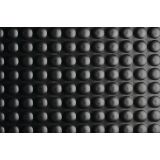 Dome Top Vinyl Matting$806.00Dome Top Vinyl Matting is a 3/16-inch vinyl anti-fatigue runner for the places where people stand and work through a shift on a hard floor. The surface is a field of raised, rounded domes, and the vendor rates the runner for ergonomic comfort and durability. It resists oil, grease, and
...
Dome Top Vinyl Matting is a 3/16-inch vinyl anti-fatigue runner for the places where people stand and work through a...
Dome Top Vinyl Matting is a 3/16-inch vinyl anti-fatigue runner for the places where people stand and work through a shift on a hard floor. The surface is a field of raised, rounded domes, and the vendor rates the runner for ergonomic comfort and durability. It resists oil, grease, and chemicals, meets FMVSS 302 flammability requirements, and comes on 75-foot rolls in 24-, 36-, 48-, and 60-inch widths, in black, black with a yellow border, or silver laminate.
What a Dome Top Runner Does Before a Standing Shift Turns Into a Sore One
Concrete does not give. A person who holds one position for a shift at an assembly station, a packing bench, an inspection point, or a parts counter puts every hour of it into their legs and lower back, and the floor gives nothing back. By the second half of the shift, the sore feet and the slowed pace show up in the work.
A dome top runner puts a textured, slightly yielding surface between the boot and the slab. The raised domes mean the foot never rests flat on one plane, so the small muscles of the foot and leg keep working instead of locking, and the 3/16-inch vinyl under the domes takes some of the hardness out of the floor. The vendor describes it as ergonomic comfort, and that is the plain-language version of what the domes are doing.
The roll format is what separates it from a stack of station mats. A line of workstations along a bench or a conveyor is covered by one continuous length, with no gaps between mats for a cart to drop into and no loose edges every four feet to lift under a boot. The comfort surface runs the whole standing path.
Why a Dome-Textured Vinyl Runner at 3/16 Inch, and Why This One
The surface is the design. Rounded domes, rather than ribs or pyramids, give the foot something to settle across without sharp edges under the sole, which is the difference between a texture that keeps a standing worker comfortable for hours and one that is only there for grip. The domes still hold a shoe when the floor is slick, but comfort is what the pattern was drawn for.
The gauge is 3/16 inch, heavier than the 1/8-inch runners built for walking traffic. That extra material is where the give comes from, and it is what lets a vinyl runner do an anti-fatigue job at all. It still lies low enough that a cart crosses it and a door clears it, which is the practical advantage of a vinyl runner over a thick foam mat in a working lane.
The compound is the industrial vinyl runner formulation: oil, grease, and chemical resistant, meeting FMVSS 302. That matters more on a standing mat than on a walkway, because a standing mat lives under a machine drip line or beside a parts washer and gets degreased with everything else. An absorbent mat in that spot swells and smells; this surface wipes down and goes back to work.
Three finishes cover three needs. Black disappears into a shop floor and hides scuffs. Black with a yellow border outlines the standing zone for facilities that color-code the floor. Silver laminate brightens the surface in clean, well-lit spaces where black reads heavy. Widths run 24 to 60 inches, with custom colors, gauges, widths, and lengths available for a fitted line.
Where It Belongs, and What It Is Not
Run it along any line of standing positions on a hard, dry-to-damp floor: assembly and inspection stations, packing benches, cashier and parts counters, machine control positions, workbenches in a garage or shop, and the strip in front of a long counter where staff stand all day. The 60-inch width covers a two-sided bench or a wide station in one piece. It is the cushioned option among the industrial and commercial vinyl floor runners we stock, the one for standing rather than walking.
The yellow-border finish is worth choosing on purpose where the standing zone is also a safety zone: a lane beside forklift traffic, a station next to a machine guard, or any floor where a marked boundary keeps people where they should be.
What it is not is a plush comfort mat, a drainage mat, or a heavy-wheel runner. It is firmer than foam by design, and someone used to a kitchen-style cushion mat will notice that. It has no holes, so a floor with standing water wants a perforated mat. And a 3/16-inch runner is for people and light carts; pallet jacks running its length will wear the domes flat.
Three Things to Check Before You Spec It
First, confirm the job is standing, not walking. If the runner is going down a corridor people pass through, a 1/8-inch ribbed or pebble runner does that job with less material and a lower edge. If people hold a position on it for hours, the dome surface and the 3/16-inch gauge are the reason to choose this one. Watch a shift: where feet stop is where this runner goes.
Second, size the width to the standing path, not the aisle. Twenty-four inches covers a single position at a counter. Thirty-six inches covers a bench where the worker steps left and right. Forty-eight inches covers a station with a step back, and 60 inches covers a two-sided bench or a wide inspection table in one piece. Rolls are 75 feet and cut to length on site; custom widths and lengths are available for a fitted line.
Third, pick the finish for the floor it lives on. Black for a shop or plant floor where scuffs and oil are the daily condition. Yellow border where the standing zone needs to read as a marked area from across the floor. Silver laminate for a lab, clean assembly, or a bright retail back counter. Lay it on a clean, dry floor and sweep beneath it during floor cleaning so grit does not work it loose.
Why Mats Inc.
We carry this runner for the customer whose people stand in a line and whose floor eats foam mats: the packing line that gets degreased nightly, the bench under a machine drip, the counter where a cushion mat was flat in a month. A dome-textured vinyl runner that gives underfoot, wipes clean, and covers the whole line in one length is the answer to that call, and Mats Inc. has been putting the right surface under standing workers since 1964.
Type Anti-fatigue vinyl runner matting, sold by the roll Material Vinyl Top surface Raised dome texture Thickness 3/16" Stock sizes 24", 36", 48", 60" widths x 75' rolls Finishes Black; black with yellow border; silver laminate Comfort rating Rated by the vendor for ergonomic comfort and durability Resistance Oil, grease, and chemical resistant Flammability Meets FMVSS 302 Custom Custom colors, gauges, widths, and lengths available Warranty 1-year limited (Mats Inc.) Frequently Asked Questions
How is it built, and how does a vinyl runner reduce fatigue?
Answered by Dustin Thompson, Owner & CEO
It is a 3/16-inch vinyl sheet with rounded domes molded across the top, in a compound that resists oil, grease, and chemicals and meets FMVSS 302. The vendor rates it for ergonomic comfort and durability. The relief comes from two things: the gauge, which puts more material between the boot and the concrete than a walking runner does, and the domes, which keep the foot from resting flat so the leg muscles keep working instead of locking up.
It is firmer than a foam mat and meant to be. The trade is a surface that carts cross, doors clear, and degreaser does not ruin, in exchange for the plush feel a kitchen mat gives on day one.
How long does it last, and what wears it out?
Answered by Dustin Thompson, Owner & CEO
The vendor does not publish a service-life figure; the floor decides it. Under standing workers and light carts, the dome tops wear slowly and evenly, and the runner stays in service until the domes in the busiest spot are worn low enough to feel flat. It carries a 1-year limited (Mats Inc.) warranty, and a look at the dome height where the feet land most once a year tells you where it stands.
What ends it early is heavy wheels and loose edges. A pallet jack running the length of a standing runner flattens the domes in its track; keep those lanes off it. An edge that lifts where a cart crosses gets kicked and torn, so tape or glue the edges at crossings. The compound handles shop oil and cleaners; wipe up strong solvents rather than leaving them.
Where should it go, and how do I keep it in place?
Answered by Dustin Thompson, Owner & CEO
Run it along the actual standing path: the stretch of floor where a person spends the shift, whether that is one counter position or a whole assembly line. Lay it flat on a clean, dry floor. Grit trapped underneath is what makes any runner creep and wear from below, so sweep beneath it during regular floor cleaning.
A straight run stays put on its own weight. Where a cart crosses the side of the runner, where it turns a corner, or where it meets a doorway, tape or glue the edges so nothing lifts under a boot or a wheel. Where two lengths meet, butt them square rather than overlapping.
Which width should I choose, and can I get a custom size?
Answered by Jinna Hopson, Vice President of Marketing
Size it to where the feet go. Twenty-four inches covers a single fixed position at a counter or a control panel. Thirty-six inches covers a bench where someone steps left and right. Forty-eight inches covers a station with a step back from the work. Sixty inches covers a two-sided bench, a wide inspection table, or two people side by side in one piece.
All four widths come on 75-foot rolls and are cut to length on site, so a long line is one continuous run. Custom widths, lengths, gauges, and colors are available when a standing zone does not match a stock roll, such as an L-shaped counter or an unusually long line. One length cut to the space always sits better than several mats butted together.
What does it look like, and which finish should I pick?
Answered by Jinna Hopson, Vice President of Marketing
A runner covered in a tight grid of small rounded bumps, like a field of half-marbles, on a flat sheet. The texture reads as soft rather than aggressive, which suits a workstation better than a ribbed or diamond surface would. At 3/16 inch it sits a little higher than a walking runner but still low enough that it does not look like a mat dropped on the floor.
Black is the quiet choice; it hides scuffs and blends into a shop floor. Black with a yellow border outlines the standing zone so a marked work lane reads at a glance, which facilities that color-code their floors want. Silver laminate brightens the surface for a lab, clean assembly, or a well-lit counter where black feels heavy. Custom colors are available for a branded or color-coded floor.
Is this the right runner for an assembly line or packing bench?
Answered by Jinna Hopson, Vice President of Marketing
Yes; a line of people standing along a bench or conveyor is the case it was made for. One continuous length covers every station with no gaps or loose edges between mats, the domes and the 3/16-inch gauge give the standing relief, and the vinyl shrugs off the oil and the nightly degreaser that would wreck a foam mat in that spot. Pick the width to the reach of the workers and the yellow border if the line sits beside forklift traffic.
Where it is the wrong pick is a wet floor or a soft-mat expectation. A dish pit or wash-down station wants a perforated drainage mat, and a customer-facing counter where a plush look matters wants a fabric-topped comfort mat. This is the industrial standing runner for the floors that do the work.
By Jinna Hopson, Vice President of Marketing, Mats Inc.
↑
Dome Top Vinyl Matting is a 3/16-inch vinyl anti-fatigue runner for the places where people stand and work through a shift on a hard floor. The surface is a field of raised, rounded domes, and the vendor rates the runner for ergonomic comfort and durability. It resists oil, grease, and chemicals, meets FMVSS 302 flammability requirements, and comes on 75-foot rolls in 24-, 36-, 48-, and 60-inch widths, in black, black with a yellow border, or silver laminate.
What a Dome Top Runner Does Before a Standing Shift Turns Into a Sore One
Concrete does not give. A person who holds one position for a shift at an assembly station, a packing bench, an inspection point, or a parts counter puts every hour of it into their legs and lower back, and the floor gives nothing back. By the second half of the shift, the sore feet and the slowed pace show up in the work.
A dome top runner puts a textured, slightly yielding surface between the boot and the slab. The raised domes mean the foot never rests flat on one plane, so the small muscles of the foot and leg keep working instead of locking, and the 3/16-inch vinyl under the domes takes some of the hardness out of the floor. The vendor describes it as ergonomic comfort, and that is the plain-language version of what the domes are doing.
The roll format is what separates it from a stack of station mats. A line of workstations along a bench or a conveyor is covered by one continuous length, with no gaps between mats for a cart to drop into and no loose edges every four feet to lift under a boot. The comfort surface runs the whole standing path.
Why a Dome-Textured Vinyl Runner at 3/16 Inch, and Why This One
The surface is the design. Rounded domes, rather than ribs or pyramids, give the foot something to settle across without sharp edges under the sole, which is the difference between a texture that keeps a standing worker comfortable for hours and one that is only there for grip. The domes still hold a shoe when the floor is slick, but comfort is what the pattern was drawn for.
The gauge is 3/16 inch, heavier than the 1/8-inch runners built for walking traffic. That extra material is where the give comes from, and it is what lets a vinyl runner do an anti-fatigue job at all. It still lies low enough that a cart crosses it and a door clears it, which is the practical advantage of a vinyl runner over a thick foam mat in a working lane.
The compound is the industrial vinyl runner formulation: oil, grease, and chemical resistant, meeting FMVSS 302. That matters more on a standing mat than on a walkway, because a standing mat lives under a machine drip line or beside a parts washer and gets degreased with everything else. An absorbent mat in that spot swells and smells; this surface wipes down and goes back to work.
Three finishes cover three needs. Black disappears into a shop floor and hides scuffs. Black with a yellow border outlines the standing zone for facilities that color-code the floor. Silver laminate brightens the surface in clean, well-lit spaces where black reads heavy. Widths run 24 to 60 inches, with custom colors, gauges, widths, and lengths available for a fitted line.
Where It Belongs, and What It Is Not
Run it along any line of standing positions on a hard, dry-to-damp floor: assembly and inspection stations, packing benches, cashier and parts counters, machine control positions, workbenches in a garage or shop, and the strip in front of a long counter where staff stand all day. The 60-inch width covers a two-sided bench or a wide station in one piece. It is the cushioned option among the industrial and commercial vinyl floor runners we stock, the one for standing rather than walking.
The yellow-border finish is worth choosing on purpose where the standing zone is also a safety zone: a lane beside forklift traffic, a station next to a machine guard, or any floor where a marked boundary keeps people where they should be.
What it is not is a plush comfort mat, a drainage mat, or a heavy-wheel runner. It is firmer than foam by design, and someone used to a kitchen-style cushion mat will notice that. It has no holes, so a floor with standing water wants a perforated mat. And a 3/16-inch runner is for people and light carts; pallet jacks running its length will wear the domes flat.
Three Things to Check Before You Spec It
First, confirm the job is standing, not walking. If the runner is going down a corridor people pass through, a 1/8-inch ribbed or pebble runner does that job with less material and a lower edge. If people hold a position on it for hours, the dome surface and the 3/16-inch gauge are the reason to choose this one. Watch a shift: where feet stop is where this runner goes.
Second, size the width to the standing path, not the aisle. Twenty-four inches covers a single position at a counter. Thirty-six inches covers a bench where the worker steps left and right. Forty-eight inches covers a station with a step back, and 60 inches covers a two-sided bench or a wide inspection table in one piece. Rolls are 75 feet and cut to length on site; custom widths and lengths are available for a fitted line.
Third, pick the finish for the floor it lives on. Black for a shop or plant floor where scuffs and oil are the daily condition. Yellow border where the standing zone needs to read as a marked area from across the floor. Silver laminate for a lab, clean assembly, or a bright retail back counter. Lay it on a clean, dry floor and sweep beneath it during floor cleaning so grit does not work it loose.
Why Mats Inc.
We carry this runner for the customer whose people stand in a line and whose floor eats foam mats: the packing line that gets degreased nightly, the bench under a machine drip, the counter where a cushion mat was flat in a month. A dome-textured vinyl runner that gives underfoot, wipes clean, and covers the whole line in one length is the answer to that call, and Mats Inc. has been putting the right surface under standing workers since 1964.
Type Anti-fatigue vinyl runner matting, sold by the roll Material Vinyl Top surface Raised dome texture Thickness 3/16" Stock sizes 24", 36", 48", 60" widths x 75' rolls Finishes Black; black with yellow border; silver laminate Comfort rating Rated by the vendor for ergonomic comfort and durability Resistance Oil, grease, and chemical resistant Flammability Meets FMVSS 302 Custom Custom colors, gauges, widths, and lengths available Warranty 1-year limited (Mats Inc.) Frequently Asked Questions
How is it built, and how does a vinyl runner reduce fatigue?
Answered by Dustin Thompson, Owner & CEO
It is a 3/16-inch vinyl sheet with rounded domes molded across the top, in a compound that resists oil, grease, and chemicals and meets FMVSS 302. The vendor rates it for ergonomic comfort and durability. The relief comes from two things: the gauge, which puts more material between the boot and the concrete than a walking runner does, and the domes, which keep the foot from resting flat so the leg muscles keep working instead of locking up.
It is firmer than a foam mat and meant to be. The trade is a surface that carts cross, doors clear, and degreaser does not ruin, in exchange for the plush feel a kitchen mat gives on day one.
How long does it last, and what wears it out?
Answered by Dustin Thompson, Owner & CEO
The vendor does not publish a service-life figure; the floor decides it. Under standing workers and light carts, the dome tops wear slowly and evenly, and the runner stays in service until the domes in the busiest spot are worn low enough to feel flat. It carries a 1-year limited (Mats Inc.) warranty, and a look at the dome height where the feet land most once a year tells you where it stands.
What ends it early is heavy wheels and loose edges. A pallet jack running the length of a standing runner flattens the domes in its track; keep those lanes off it. An edge that lifts where a cart crosses gets kicked and torn, so tape or glue the edges at crossings. The compound handles shop oil and cleaners; wipe up strong solvents rather than leaving them.
Where should it go, and how do I keep it in place?
Answered by Dustin Thompson, Owner & CEO
Run it along the actual standing path: the stretch of floor where a person spends the shift, whether that is one counter position or a whole assembly line. Lay it flat on a clean, dry floor. Grit trapped underneath is what makes any runner creep and wear from below, so sweep beneath it during regular floor cleaning.
A straight run stays put on its own weight. Where a cart crosses the side of the runner, where it turns a corner, or where it meets a doorway, tape or glue the edges so nothing lifts under a boot or a wheel. Where two lengths meet, butt them square rather than overlapping.
Which width should I choose, and can I get a custom size?
Answered by Jinna Hopson, Vice President of Marketing
Size it to where the feet go. Twenty-four inches covers a single fixed position at a counter or a control panel. Thirty-six inches covers a bench where someone steps left and right. Forty-eight inches covers a station with a step back from the work. Sixty inches covers a two-sided bench, a wide inspection table, or two people side by side in one piece.
All four widths come on 75-foot rolls and are cut to length on site, so a long line is one continuous run. Custom widths, lengths, gauges, and colors are available when a standing zone does not match a stock roll, such as an L-shaped counter or an unusually long line. One length cut to the space always sits better than several mats butted together.
What does it look like, and which finish should I pick?
Answered by Jinna Hopson, Vice President of Marketing
A runner covered in a tight grid of small rounded bumps, like a field of half-marbles, on a flat sheet. The texture reads as soft rather than aggressive, which suits a workstation better than a ribbed or diamond surface would. At 3/16 inch it sits a little higher than a walking runner but still low enough that it does not look like a mat dropped on the floor.
Black is the quiet choice; it hides scuffs and blends into a shop floor. Black with a yellow border outlines the standing zone so a marked work lane reads at a glance, which facilities that color-code their floors want. Silver laminate brightens the surface for a lab, clean assembly, or a well-lit counter where black feels heavy. Custom colors are available for a branded or color-coded floor.
Is this the right runner for an assembly line or packing bench?
Answered by Jinna Hopson, Vice President of Marketing
Yes; a line of people standing along a bench or conveyor is the case it was made for. One continuous length covers every station with no gaps or loose edges between mats, the domes and the 3/16-inch gauge give the standing relief, and the vinyl shrugs off the oil and the nightly degreaser that would wreck a foam mat in that spot. Pick the width to the reach of the workers and the yellow border if the line sits beside forklift traffic.
Where it is the wrong pick is a wet floor or a soft-mat expectation. A dish pit or wash-down station wants a perforated drainage mat, and a customer-facing counter where a plush look matters wants a fabric-topped comfort mat. This is the industrial standing runner for the floors that do the work.
By Jinna Hopson, Vice President of Marketing, Mats Inc.
↑
View Details
View Details
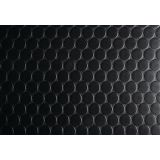 Nickel Vinyl Matting$677.00What Nickel Vinyl Matting Does Before Hard Floors Take Their Toll Not every standing zone can take a thick mat. Put a tall, spongy anti fatigue mat in a busy aisle and its edges become the problem — hand trucks snag on them, door swings clip them, and every transition
...
What Nickel Vinyl Matting Does Before Hard Floors Take Their Toll Not every standing zone can take a thick mat....
What Nickel Vinyl Matting Does Before Hard Floors Take Their Toll
Not every standing zone can take a thick mat. Put a tall, spongy anti fatigue mat in a busy aisle and its edges become the problem — hand trucks snag on them, door swings clip them, and every transition on and off becomes a spot where someone can catch a toe.
Nickel vinyl matting solves the standing problem without creating a tripping one. The surface is a tight field of low, flat-topped discs — the coin pattern the name comes from — that gives boots traction and gives feet something other than dead-flat concrete to stand on. At 1/8 inch, it's one of the thinnest anti fatigue mats you can run.
It also protects what's underneath. A vinyl runner between foot traffic and the floor takes the abrasion, the dropped parts, and the scuffing that would otherwise land on concrete sealant or finished flooring — and it comes off the roll in one continuous length, so the whole path gets covered without seams.
Why a Low-Profile Coin-Top Surface, and Why This One
This is solid vinyl through its full 1/8 inch thickness. There's no foam core to compress and no laminated layers to separate — the texture you stand on is the material itself, top to bottom. That's what lets a runner this thin keep working in industrial floor mat duty where padded construction wears out.
The vinyl resists oil, grease, and chemicals, so drips from equipment and regular chemical cleaning wipe off instead of soaking in. It also meets FMVSS 302 flammability requirements. In black, it shrugs off the scuffs and stains that make lighter matting look tired within a season.
Every roll ships as a single continuous piece — guaranteed — rather than shorter lengths seamed together. And when a stock roll doesn't match your space, custom colors, gauges, widths, and lengths are available, so an odd-length aisle or an unusually wide station doesn't force a patchwork of smaller mats.
Where It Belongs — and What It Is Not
Nickel matting earns its place where a low profile matters: walkway runs between workstations, aisles that see cart and dolly traffic, standing zones near doorways, and utility corridors where a taller mat would catch equipment or feet. It's a natural fit as a shop mat along a workbench, and its slim height keeps thresholds and transitions clean.
What it is not: a plush comfort mat. If your people stand planted in one spot for a full shift and want maximum give underfoot, a thicker profile from our line of anti-fatigue mats and runners will serve them better. This one trades cushion height for durability, traction, and a profile that stays out of the way.
Three Things to Check Before You Spec It
Three questions settle whether this is the right runner for the job.
First, think about what moves through the space. If carts, dollies, or door swings cross the matted path, the 1/8 inch profile is the reason to pick this over a taller mat — wheels roll on and off without slamming an edge, and nothing catches. If the zone is pure standing with no rolling traffic, a thicker surface may earn its height.
Second, check the exposure. Oil, grease, coolant, and chemical cleaners are all within this vinyl's tolerance — spills stay on the surface and wipe away. If the area stays wet all day rather than just seeing spills, a drainage-style mat is the better tool for that floor.
Third, measure the true run. Because the matting comes as one continuous roll, the smart move is covering the full path in a single piece — including the stretches between stations people actually walk. Custom widths and lengths are available when stock dimensions don't fit the layout.
Why Mats Inc.
Since 1964, Mats Inc. has learned that the right mat is the one the space can actually live with — and plenty of spaces can't live with thick edges. We keep this low-profile coin-top runner in the line for exactly those floors. Every roll carries our 1-year limited warranty, and our team can talk through width, length, and gauge before you cut.
Surface Raised coin-top (nickel) pattern Material Solid vinyl Thickness 1/8 inch Color Black Resistance Oil, grease, and chemical resistant Flammability Meets FMVSS 302 requirements Format Continuous single-piece roll (guaranteed) Custom options Custom colors, gauges, widths, and lengths Warranty 1-year limited (Mats Inc.) Frequently Asked Questions
What does the coin-top pattern actually do?
Answered by Dustin Thompson, Owner & CEO
Two jobs at once. The raised discs give boot soles edges to bite on, which is where the traction comes from on a surface that would otherwise be smooth vinyl. And they break up the flat contact between foot and floor — standing on texture works your feet and ankles differently than standing on dead-flat concrete, which is the whole point of putting matting under a standing worker in the first place.
Is 1/8 inch really enough to hold up in an industrial setting?
Answered by Dustin Thompson, Owner & CEO
Yes — because the whole 1/8 inch is solid vinyl. There's no foam inside to crush and no layers to delaminate; the wear surface goes all the way through. The material resists oil, grease, and chemicals, so drips and cleaning cycles stay on top and wipe off, and it meets FMVSS 302 flammability requirements. Thin fails when it's thin foam. Thin solid vinyl is just low.
Where does a low-profile runner make the most sense?
Answered by Dustin Thompson, Owner & CEO
Anywhere something rolls or swings across the matted path. Aisles with cart traffic, walkways past doorways, corridors between stations — places where a thick mat's edge becomes a snag point or a toe-catch. Lay it on a clean, dry floor and sweep beneath it during regular floor cleaning; grit trapped under any runner is what causes creep and premature wear from the underside.
Can I get widths and lengths beyond the standard roll?
Answered by Jinna Hopson, VP of Marketing
Yes. Custom widths, lengths, and gauges are all available on this matting, and each order still arrives as one continuous, guaranteed piece rather than sections seamed together. That matters for how the finished floor looks and works: a single run covering an odd-length aisle reads clean and intentional, where three butted-together mats read like an afterthought — and every joint between them is a place for edges to lift.
Does it only come in black?
Answered by Jinna Hopson, VP of Marketing
Black is the stock finish, and for this product it's the right default — it hides scuffs, tire marks, and drips, so a hard-working corridor keeps looking maintained instead of worn. That said, custom colors can be ordered when a facility needs the matting to match a color-coding scheme or a brand palette. If you want a stock finish with built-in visual zone marking, other runners in our anti-fatigue line offer border and metallic options.
Would this work in a home kitchen or behind a salon chair?
Answered by Jinna Hopson, VP of Marketing
It can, but know what you're getting. This is the thin, tough, stay-out-of-the-way option — not a soft mat you sink into. In a home, that makes it a better fit for the garage, the laundry room, or a workshop bench than the kitchen sink. If comfort underfoot is the main reason you're shopping, a plusher style from our anti-fatigue line will make you happier; if durability and a snag-free profile are the priority, this is the one.
By Dustin Thompson, Owner & CEO, Mats Inc.
↑
What Nickel Vinyl Matting Does Before Hard Floors Take Their Toll
Not every standing zone can take a thick mat. Put a tall, spongy anti fatigue mat in a busy aisle and its edges become the problem — hand trucks snag on them, door swings clip them, and every transition on and off becomes a spot where someone can catch a toe.
Nickel vinyl matting solves the standing problem without creating a tripping one. The surface is a tight field of low, flat-topped discs — the coin pattern the name comes from — that gives boots traction and gives feet something other than dead-flat concrete to stand on. At 1/8 inch, it's one of the thinnest anti fatigue mats you can run.
It also protects what's underneath. A vinyl runner between foot traffic and the floor takes the abrasion, the dropped parts, and the scuffing that would otherwise land on concrete sealant or finished flooring — and it comes off the roll in one continuous length, so the whole path gets covered without seams.
Why a Low-Profile Coin-Top Surface, and Why This One
This is solid vinyl through its full 1/8 inch thickness. There's no foam core to compress and no laminated layers to separate — the texture you stand on is the material itself, top to bottom. That's what lets a runner this thin keep working in industrial floor mat duty where padded construction wears out.
The vinyl resists oil, grease, and chemicals, so drips from equipment and regular chemical cleaning wipe off instead of soaking in. It also meets FMVSS 302 flammability requirements. In black, it shrugs off the scuffs and stains that make lighter matting look tired within a season.
Every roll ships as a single continuous piece — guaranteed — rather than shorter lengths seamed together. And when a stock roll doesn't match your space, custom colors, gauges, widths, and lengths are available, so an odd-length aisle or an unusually wide station doesn't force a patchwork of smaller mats.
Where It Belongs — and What It Is Not
Nickel matting earns its place where a low profile matters: walkway runs between workstations, aisles that see cart and dolly traffic, standing zones near doorways, and utility corridors where a taller mat would catch equipment or feet. It's a natural fit as a shop mat along a workbench, and its slim height keeps thresholds and transitions clean.
What it is not: a plush comfort mat. If your people stand planted in one spot for a full shift and want maximum give underfoot, a thicker profile from our line of anti-fatigue mats and runners will serve them better. This one trades cushion height for durability, traction, and a profile that stays out of the way.
Three Things to Check Before You Spec It
Three questions settle whether this is the right runner for the job.
First, think about what moves through the space. If carts, dollies, or door swings cross the matted path, the 1/8 inch profile is the reason to pick this over a taller mat — wheels roll on and off without slamming an edge, and nothing catches. If the zone is pure standing with no rolling traffic, a thicker surface may earn its height.
Second, check the exposure. Oil, grease, coolant, and chemical cleaners are all within this vinyl's tolerance — spills stay on the surface and wipe away. If the area stays wet all day rather than just seeing spills, a drainage-style mat is the better tool for that floor.
Third, measure the true run. Because the matting comes as one continuous roll, the smart move is covering the full path in a single piece — including the stretches between stations people actually walk. Custom widths and lengths are available when stock dimensions don't fit the layout.
Why Mats Inc.
Since 1964, Mats Inc. has learned that the right mat is the one the space can actually live with — and plenty of spaces can't live with thick edges. We keep this low-profile coin-top runner in the line for exactly those floors. Every roll carries our 1-year limited warranty, and our team can talk through width, length, and gauge before you cut.
Surface Raised coin-top (nickel) pattern Material Solid vinyl Thickness 1/8 inch Color Black Resistance Oil, grease, and chemical resistant Flammability Meets FMVSS 302 requirements Format Continuous single-piece roll (guaranteed) Custom options Custom colors, gauges, widths, and lengths Warranty 1-year limited (Mats Inc.) Frequently Asked Questions
What does the coin-top pattern actually do?
Answered by Dustin Thompson, Owner & CEO
Two jobs at once. The raised discs give boot soles edges to bite on, which is where the traction comes from on a surface that would otherwise be smooth vinyl. And they break up the flat contact between foot and floor — standing on texture works your feet and ankles differently than standing on dead-flat concrete, which is the whole point of putting matting under a standing worker in the first place.
Is 1/8 inch really enough to hold up in an industrial setting?
Answered by Dustin Thompson, Owner & CEO
Yes — because the whole 1/8 inch is solid vinyl. There's no foam inside to crush and no layers to delaminate; the wear surface goes all the way through. The material resists oil, grease, and chemicals, so drips and cleaning cycles stay on top and wipe off, and it meets FMVSS 302 flammability requirements. Thin fails when it's thin foam. Thin solid vinyl is just low.
Where does a low-profile runner make the most sense?
Answered by Dustin Thompson, Owner & CEO
Anywhere something rolls or swings across the matted path. Aisles with cart traffic, walkways past doorways, corridors between stations — places where a thick mat's edge becomes a snag point or a toe-catch. Lay it on a clean, dry floor and sweep beneath it during regular floor cleaning; grit trapped under any runner is what causes creep and premature wear from the underside.
Can I get widths and lengths beyond the standard roll?
Answered by Jinna Hopson, VP of Marketing
Yes. Custom widths, lengths, and gauges are all available on this matting, and each order still arrives as one continuous, guaranteed piece rather than sections seamed together. That matters for how the finished floor looks and works: a single run covering an odd-length aisle reads clean and intentional, where three butted-together mats read like an afterthought — and every joint between them is a place for edges to lift.
Does it only come in black?
Answered by Jinna Hopson, VP of Marketing
Black is the stock finish, and for this product it's the right default — it hides scuffs, tire marks, and drips, so a hard-working corridor keeps looking maintained instead of worn. That said, custom colors can be ordered when a facility needs the matting to match a color-coding scheme or a brand palette. If you want a stock finish with built-in visual zone marking, other runners in our anti-fatigue line offer border and metallic options.
Would this work in a home kitchen or behind a salon chair?
Answered by Jinna Hopson, VP of Marketing
It can, but know what you're getting. This is the thin, tough, stay-out-of-the-way option — not a soft mat you sink into. In a home, that makes it a better fit for the garage, the laundry room, or a workshop bench than the kitchen sink. If comfort underfoot is the main reason you're shopping, a plusher style from our anti-fatigue line will make you happier; if durability and a snag-free profile are the priority, this is the one.
By Dustin Thompson, Owner & CEO, Mats Inc.
↑
View Details
View Details
What a Vinyl Runner Does Before the Floor Under It Is Gone
A vinyl floor runner is a sacrificial layer. It takes the boot traffic, the dragged pallets, the dropped parts, and the tracked-in grit so the concrete, tile, or coating underneath does not, and when the runner wears out you replace a roll instead of a floor. Vinyl matting does that job at a lower gauge than rubber, which is why it is the format most facilities choose for long runs and wide coverage.
The surface pattern decides the second job. A ribbed or corrugated top channels water and gives a sole an edge to bite. A pyramid or pebble top grips in every direction. A diamond-plate top takes the hardest wear. A smooth top protects and cleans easily but adds no traction of its own. Choosing the pattern is choosing what the runner does beyond protecting the floor.
Most of the roll runners here are oil, grease, and chemical resistant and meet FMVSS 302 flammability requirements, which is the practical difference between vinyl matting and a hardware-store vinyl roll. On a shop or plant floor, the runner is going to meet oil; the compound has to shrug it off rather than soften.
The Mistake That Burns Buyers: Picking the Pattern and Ignoring the Gauge
The pattern is what a buyer sees in the photo, so it is what gets ordered. Then a 1/16-inch smooth roll goes down in a forklift lane and tears in a month, or a 1/4-inch corrugated roll goes into a clean office corridor and becomes a lip every door and cart catches on. Gauge is the spec that matches the runner to the load, and it is the one most often skipped.
The second version of the mistake is treating every textured runner as a wet-area runner. Ribs and pyramids resist slipping; they do not drain. Water still sits on a solid vinyl sheet. A floor that stays wet during a shift wants a drainage mat with holes through it, which is why one product on this page, Cushion Dek, is perforated and the rest are not.
The third is the roll itself. Several of these runners ship as full rolls only, 60 to 150 feet long, and a buyer who wanted a 12-foot strip ends up with a roll to store. Measure the run, then check the roll lengths before ordering; the product paragraphs below carry them.
How the Options Compare
Wide Rib Vinyl Matting is a 1/8-inch roll runner with rounded, widely spaced ribs that give a boot traction without a deep groove to trap grit. It is oil, grease, and chemical resistant, meets FMVSS 302, and comes in black or gray, in 24-, 36-, 48-, and 60-inch widths on 105-foot rolls. The 60-inch width and the gray option set it apart. Right pick for wide corridors, retail stockrooms, and back-of-house hallways where a gray runner reads cleaner than black.
Corrugated Vinyl Matting is the classic straight-rib vinyl runner in two gauges: 1/8 inch on 75-, 105-, and 150-foot rolls, and 1/4 inch on 75-foot rolls, in 24-, 36-, and 48-inch widths. The ribs run lengthwise and channel water along the lane. It resists moisture, chemicals, and stains and cleans with a hose. Strongest fit for workshop and warehouse aisles, garages, and any long straight run where one seamless length beats a row of mats.
Diamond Plate Vinyl Matting is a deeply embossed steel-plate pattern in 5/32-inch vinyl, sold full-roll in 24-, 36-, and 48-inch widths at 75 feet, in black or gray. It is built for the heaviest traffic on the page, oil, grease, chemical, and UV resistant, meets FMVSS 302, and comes plain or with a molded-in yellow safety border for marked pedestrian lanes. Strongest fit for shop floors, plant walkways, tool cribs, and service bays where the runner takes the most abuse and has to look like it belongs.
Pyramid Vinyl Matting is a 1/8-inch runner with a raised pyramid pattern that grips in every direction, in 36- and 48-inch widths on 105-foot rolls. Where ribs grip along the groove, pyramids grip on the turn, which matters where people pivot with a load or step onto the runner sideways. It resists moisture, chemicals, and debris. Strongest fit for work aisles where people turn rather than walk straight, entryway transitions, and wet-side kitchen and processing lanes.
Smooth Vinyl Matting is the floor protector with no texture at all: black vinyl in 1/16 inch at 36 by 120 feet or 1/8 inch at 36 by 60 feet, full rolls, with custom sizes and an optional slip-resistant backing. It protects a floor from furniture, equipment, and foot traffic and wipes clean, but it adds no traction of its own. Right pick for offices, showroom aisles, garage floors under clean cars, and any dry floor where protection and easy cleaning matter more than grip.
Protect Vinyl Matting is a 1/8-inch runner with a pebble surface that is skid and slip resistant and easy to keep clean, sold full-roll in 36-, 48-, and 72-inch widths at 60 feet. The 72-inch width is the widest single roll on the page, so it covers a broad aisle or a wide bay in one piece. Strongest fit for aisles, walkways, stockrooms, and assembly lines where a wide, plain, textured runner is the whole requirement.
Cushion Dek Matting is the one drainage product in the grid: a one-piece anti-slip mat for wet worker platforms with a molded pyramid surface, slotted perforations that carry water off the standing surface, and a studded underside that lifts the mat off the floor so liquid runs out underneath. It is a cut mat rather than a roll. Right pick for wash-down stations, wet processing platforms, and any standing position where water on the floor is the normal condition.
Ripple Vinyl Matting is a roll runner with a non-directional ripple texture, in 24-, 36-, and 48-inch widths on 75- and 105-foot rolls. The shallow ripples grip a shoe from any angle without a groove to pack grit into, and the surface sweeps or hoses clean. It protects floors from equipment, foot traffic, and spills. Strongest fit for service bays and pick aisles where traffic changes direction, and for floors that get swept more often than hosed.
Dome Top Vinyl Matting is a cushioned vinyl runner with a raised dome texture, built for people who stand through a shift at an assembly station, a packing bench, or a parts counter. The domes give the sole something to hold while the cushion under them takes the fatigue that concrete puts into legs and lower backs. Right pick for standing workstations lined up along a run, where a single cushioned length replaces a row of anti-fatigue mats.
Nickel Vinyl Matting is the low-profile cushioned runner: a coin-top disc texture on a thin cushioned vinyl sheet for standing zones that cannot take a tall mat. Its edges sit low enough that hand trucks cross them and door swings clear them, which is the problem thick anti-fatigue mats create in a busy aisle. Right pick for standing positions inside traffic lanes, counters with cart access behind them, and doorways where a tall mat would be an obstacle.
Three Things to Check Before You Pick
First, match the gauge to the load. Foot traffic and rolling chairs are 1/16- and 1/8-inch territory: Smooth, Wide Rib, Protect, Pyramid, Ripple, and standard Corrugated. Hand trucks and pallet jacks push the answer to 5/32-inch Diamond Plate or the heavy-duty 1/4-inch gauge of Corrugated. If a wheel heavier than a hand truck crosses the lane every day, the gauge is the spec that decides whether the runner lasts a year or a month.
Second, decide what the surface has to do beyond protecting the floor. Straight lanes with water take ribs or corrugation, which channel it along the run. Lanes where people turn take Pyramid or Ripple, which grip in every direction. Standing stations take Dome Top or Nickel, which add cushion. A floor that is wet while people stand on it takes Cushion Dek, the only one here that drains. A dry floor that just needs protecting takes Smooth.
Third, check the roll before you order. Widths run from 24 to 72 inches and rolls from 60 to 150 feet, and several products ship as full rolls only. Measure the run end to end, pick the width that covers the lane without a seam down the middle, and confirm the roll length is one you can cut down and store. Corrugated offers the most roll lengths; Protect offers the widest roll; Smooth offers custom sizes.
Why Mats Inc.
We have been cutting vinyl runners to real aisles since 1964, and this grid is as deep as it is because a warehouse pick lane, a wet processing platform, and a showroom corridor are not the same floor. Mats Inc. stocks the gauges, surfaces, widths, and cushioned versions in one place so a facility outfits every lane from one order, and we tell you which roll length you are buying before it shows up on a pallet. Every product on this page carries a 1-year limited (Mats Inc.) warranty.
Frequently Asked Questions
Which thickness do I need for a warehouse aisle with pallet jacks?
Answered by Dustin Thompson, Owner & CEO
Go to 5/32 inch or 1/4 inch. Diamond Plate at 5/32 inch is the heaviest-wearing surface on the page and handles steady wheeled traffic; Corrugated in its heavy-duty 1/4-inch gauge puts the most vinyl under the ribs for pallet jacks and hand trucks. The 1/8-inch runners are built for foot traffic and light carts, and a loaded pallet jack crossing them daily will cut through the rib tops well ahead of schedule.
One caution: the thicker the runner, the more its edge matters. A 1/4-inch edge in a wheel lane should be taped or glued down, and where two lengths meet, butt the ends square rather than overlapping them.
How long does a vinyl runner last, and what wears it out?
Answered by Dustin Thompson, Owner & CEO
None of the makers publish a year figure, and on a runner the traffic decides it. Matched to its load, a solid vinyl runner wears the texture down slowly and evenly, and it stays in service until the pattern is flat enough to stop gripping or the sheet wears through in the busiest stripe. Every product here carries a 1-year limited (Mats Inc.) warranty, and a look at the texture in the highest-traffic spot once a year tells you where it stands.
What ends one early is the wrong gauge under a wheel, a loose edge that gets kicked and torn, and strong solvents left to sit. The oil, grease, and chemical resistance on most of these runners covers shop fluids and cleaners; it does not cover a solvent puddle nobody wiped up.
Do vinyl runners need to be glued down, and can I cut them?
Answered by Dustin Thompson, Owner & CEO
Loose-lay works for a straight run on a clean, dry floor; the roll's weight and flat contact hold it, and you can lift it to wash underneath. Tape or glue the edges and end cuts where the runner crosses a doorway, turns a corner, or takes wheeled traffic at an edge. Smooth Vinyl also offers an optional slip-resistant backing for floors where loose-lay creeps.
All of these cut with a sharp utility knife along a straightedge. Unroll the runner and let it relax flat at room temperature first, since a roll stored cold or tight holds a curve and cuts crooked. Cut to the run, and butt lengths square where two meet.
Which of these is presentable enough for an office corridor or a retail back hall?
Answered by Jinna Hopson, Vice President of Marketing
Three of them. Smooth Vinyl is the cleanest look, a plain black sheet that reads as a floor protector rather than industrial matting, and it suits offices, showroom aisles, and corridors where the floor is on display. Wide Rib in gray softens the industrial read while keeping traction, which works in a retail stockroom or a hospital service hall. Nickel Vinyl's low coin texture is the most finished-looking of the cushioned runners and sits nearly flush.
The corrugated, pyramid, and diamond-plate runners belong on working floors; they look like equipment, which is right in a plant and wrong in a lobby. Keep those behind the door.
What colors do vinyl runners come in, and what does the safety-striped version look like?
Answered by Jinna Hopson, Vice President of Marketing
Black is the standard across the page, and it is the right call for shop and plant floors because it hides oil and scuffs between cleanings. Two runners also come in gray: Wide Rib and Diamond Plate. Gray reads lighter and cleaner in a corridor or stockroom and shows tracked-in grit sooner, which some facilities want as a cue to sweep.
Diamond Plate also comes with a bright yellow safety border along each edge. Down a plant aisle it marks the pedestrian lane the way a painted line would, except the line is molded into the runner and does not wear off. From a forklift seat it is the most visible runner on the page.
Can I get a vinyl runner in a custom width or length?
Answered by Jinna Hopson, Vice President of Marketing
Stock widths already run from 24 inches to 72 inches, and rolls from 60 to 150 feet, so most lanes are covered by cutting a stock roll to length on site. Smooth Vinyl is offered in custom lengths and widths for a floor that stock rolls do not fit, and the roll-runner family behind most of this page produces custom widths and lengths on request for OEM and fitted installations.
Note that several runners ship as full rolls only; a custom-cut length is a different order from a stock roll. Measure the lane, then call with the width, the length, and the surface you want and we will tell you whether it is a stock roll cut on site or a custom run.
By Dustin Thompson, Owner & CEO, Mats Inc.