




Carpet Rolls for Entryways, Walkways, and Commercial Spaces
Carpet rolls let you cover a long entry path or corridor with one continuous piece instead of a patchwork of mats. The rolls on this page run from the hobnail texture of Berber Nop and the tight loop of Astoria Nop, through the ribbed Axis Rib and Avenue Rib, to the striated Kensington Carpet and the natural-fiber Coco Coir Rolls. Every one comes in a wide roll cut to the length you need.
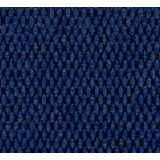 Berber Nop$428.00Berber Nop is a needlepunched polypropylene carpet with a raised hobnail texture, sold by the roll and cut to length. It is rated for indoor and outdoor use, comes in 38 solution-dyed colors, and is the same material we build many of our inlaid logo mats from. Buyers pick it
...
Berber Nop is a needlepunched polypropylene carpet with a raised hobnail texture, sold by the roll and cut to length....
Berber Nop is a needlepunched polypropylene carpet with a raised hobnail texture, sold by the roll and cut to length. It is rated for indoor and outdoor use, comes in 38 solution-dyed colors, and is the same material we build many of our inlaid logo mats from. Buyers pick it when a long run of carpet rolls has to hold a specific color as hard as it holds dirt.
What Berber Nop Does Before the Grit Reaches the Floor Behind It
An entry carpet has one job: stop the soil at the door. Berber Nop does it with a dense, felted pile rather than a scraping surface. The raised hobnails break the flat plane of the carpet, so shoe soles flex against them and release grit into the low spots between the bumps. Water follows the same path and sits in the pile instead of pooling on top.
The stakes are the floors past the carpet. Sand and salt that get through a walk-off carpet act like sandpaper on polished concrete, terrazzo, and wood. Once the finish is scratched, no amount of cleaning brings it back. A run long enough to take several strides of foot traffic keeps that abrasive load on the carpet, where a vacuum can remove it.
Roll goods matter here because a single mat rarely covers the path. A 6-foot-7-inch roll cut to 20 or 30 feet runs from the door through the vestibule and into the corridor in one piece, with no seams to lift and no gaps for grit to slip through. That continuous coverage is what makes a commercial carpet roll a walk-off system rather than a doormat.
Why Needlepunched Polypropylene, and Why This One
Most entry carpet is tufted: yarn is stitched through a backing in rows. Berber Nop is needlepunched instead. Loose polypropylene fibers are tangled into a dense felt by thousands of barbed needles, then patterned with the hobnail texture. There is no yarn row to unravel and no single tuft to pull loose, which is why the surface stays intact under heavy, pivoting foot traffic.
The fiber is 100 percent solution-dyed polypropylene. Solution-dyed means the color is mixed into the melted plastic before it becomes a fiber, so the color runs all the way through rather than sitting on the outside. Bleach, sun, and hard scrubbing cannot lift it. That is the reason the maker rates the material UV stable and stain resistant, and the reason it is offered for outdoor as well as indoor use.
The pile stands about a quarter inch high and weighs 54 ounces per square yard, on a total height of 0.47 inch and a total weight of 78 ounces per square yard. That is a heavy pile for a needlepunched carpet, and it is where the dirt-holding capacity comes from. The backing is a composite rubber, which grips the floor and keeps moisture in the carpet rather than under it.
For specifiers who need the paperwork, the material passes the ASTM D2859 surface-flammability test and the ASTM E662 smoke-density test, passes ASTM D7570 for dimensional stability, and carries Green Label Plus certification for indoor air quality. It can also contribute LEED points under MR Credit 4 and IEQ Credits 4.1, 4.3, and 5.
Where It Belongs and What It Is Not
Berber Nop belongs where a wide run of carpet has to look finished and take steady foot traffic: office lobbies, conference rooms, libraries, department stores, hotel corridors, and school entries. Because it is rated for outdoor use, it also works under a covered entry canopy or in an open vestibule that sees direct sun, which is where a conventional indoor carpet fades first.
It also serves as a plain runner or as the field for a logo mat. The hobnail texture gives an inlaid logo crisp edges, and the solution-dyed palette holds the logo colors without bleeding. Many of the custom logo mats we ship are cut from this same material, so a plain Berber Nop runner and a logo mat at the same door will match.
What it is not: a heavy-mud scraper or a cushioned standing surface. For a construction site entrance or a farm store where boots arrive caked, put an aggressive rubber or coir scraper ahead of it and let Berber Nop handle the fine grit and water that gets past. For a cashier station or packing line, an anti-fatigue mat does the job this carpet is not built for.
It is also not the right choice under pallet jacks or loaded stock carts. The composite rubber backing handles luggage carts and grocery buggies, but constant heavy rolling loads will track any carpet. A vinyl or rubber runner is the better tool in those lanes.
Three Things to Check Before You Spec It
First, how exposed is the location? Berber Nop is rated for indoor and outdoor use and the fiber is UV stable, so a sunlit vestibule or a covered exterior walkway is fair game. What it does not want is standing water with nowhere to drain. Under an open sky with no overhang, pair it with a drainage mat or choose a mat that lets water through.
Second, size the run to the path, not the door. The roll comes 6 feet 7 inches wide, and a 13-foot-2-inch width is available for lobbies where two people walk abreast. Standard lengths run in ten-foot steps from 10 to 100 feet, and custom cuts are routine. Measure from the threshold to where the crowd spreads out, and order that length.
Third, settle the color from a sample, not a screen. Each of the 38 colors is listed with a nearby PMS reference, but the maker states plainly that these are approximations and may not match the finished product. If the carpet has to sit next to a painted wall or a branded logo mat, ask us for a swatch and check it under the building's actual lighting first.
Why Mats Inc.
Berber Nop is the roll material we handle most often, because it is the one we cut logo mats from. We can tell you from the cutting table how a color reads next to its neighbors, how the hobnail texture handles a fine logo line, and how much of a doorway a 6-foot-7-inch roll really covers once the trim is accounted for. Send us the door width, run length, and color, and we will confirm all three before it ships.
Specifications Construction Non-woven, needlepunched Surface Hobnail (berber) pattern Fiber 100% solution-dyed, UV-stabilized polypropylene Backing Composite rubber Pile height 0.25" (±0.5 mm) Total height 0.47" (±7.5%) Pile weight 54 oz/sq yd (±7.5%) Total weight 78 oz/sq yd (±7.5%) Roll width 6' 7" or 13' 2" (±2%) Lengths 10' to 100' in 10' steps; custom lengths available Use Indoor and outdoor Colors 38 solution-dyed colors, PMS references listed for approximation only Dimensional stability ASTM D7570: Pass Flammability Surface flammability (FF 1-70 / ASTM D2859): Pass; Smoke density (ASTM E662): Pass Color fastness To light (ISO 105 B02): 5; to water (ISO 105 E01): 5; to shampoo (ISO 105 C06): 4-5; to rubbing (ISO 105 X12): 4 dry, 3-4 wet Indoor air quality Green Label Plus certified LEED-NC May contribute to MR Credit 4; IEQ Credits 4.1, 4.3, 5 Maintenance Vacuum with a motor-driven brush and beater bar: weekly in low-traffic areas, daily or twice daily in high-traffic areas Warranty 1-year limited (Mats Inc.) Frequently Asked Questions
What does "needlepunched" mean, and why does it matter for an entry carpet?
Answered by Dustin Thompson, Owner & CEO
Needlepunched carpet is made by driving thousands of barbed needles through a thick web of loose fibers until they lock into a dense felt. There is no yarn and no stitched row, so nothing can snag and run the way a tufted loop can. Berber Nop takes that felt and presses the hobnail pattern into it.
At a door, that construction means the surface stays intact under pivoting feet, and grit works down between the hobnails instead of sitting on top where the next shoe carries it inside. At 54 ounces of pile per square yard, there is a lot of fiber for that grit to fall into before the carpet looks full.
How long does Berber Nop last, and what shortens its life?
Answered by Dustin Thompson, Owner & CEO
The maker defines wear-out as complete removal of the wear layer, pattern, and color from normal traffic, and in a busy commercial lobby most buyers get five or more years before that point. Because the color is solution-dyed through the fiber, fading is not what usually ends it. Matting of the pile in the main walking lane is, and a beater-bar vacuum on the schedule below pushes that out several years.
What shortens it is dirt left in the pile. The maker's own maintenance guidance notes that about 15 percent of tracked-in soil is oil, which glues grit to the fiber and resists vacuuming. Regular vacuuming lifts up to 80 percent of surface dirt before it can bond. Mats Inc. covers this product with a 1-year limited warranty.
Can I use it outdoors, and does it need to be glued down?
Answered by Dustin Thompson, Owner & CEO
Yes to outdoors. The fiber is UV stabilized and the material is rated for both indoor and outdoor use, so a covered walkway, a sunlit vestibule, or an entry canopy is within its range. What to avoid is a spot where water stands with no way to drain, since the pile will hold it.
On installation, the maker requires professional installation for its own warranty, and for long runs, corners, and any outdoor placement we agree an adhesive is the right call. A short straight runner indoors can lay loose on its rubber backing. Tell us where it is going and we will recommend the method and the adhesive.
What sizes does it come in, and can you cut a custom length?
Answered by Jinna Hopson, Vice President of Marketing
The standard roll is 6 feet 7 inches wide, and we cut it in ten-foot steps from 10 feet up to 100 feet. For a wide lobby or a double door, a 13-foot-2-inch width is available on request, so you can span the opening with one piece and no center seam.
Custom lengths between those steps, and shapes for a recessed well or a turn in a corridor, are all workable. Send us the measurements and a sketch if the layout is unusual, and we will plan the cut so the finished run reads as one piece.
How close will the finished color be to the PMS number listed?
Answered by Jinna Hopson, Vice President of Marketing
Close, but treat the PMS reference as a neighborhood rather than an address. The maker lists a nearby Pantone value for each of the 38 colors and states that these are approximations that may not match the finished carpet. A textured, felted fiber also reads differently under warm lobby lighting than a flat printed chip does.
If the run has to sit against a brand-colored wall or a logo mat, ask us for a physical swatch and look at it in the actual space. The palette is broad enough, from bright red and royal blue through walnut, sterling, and black shadow, that there is almost always a shade that lands where you need it.
Can Berber Nop be made into a logo mat that matches our runners?
Answered by Jinna Hopson, Vice President of Marketing
Yes, and that is one of the best reasons to choose it. Berber Nop is the material we cut many of our inlaid logo mats from, so a logo mat at the door and a plain runner behind it come from the same fiber and the same color line. They match because they are the same carpet.
The solution-dyed fiber is also why an inlaid logo holds its edge. There is no surface dye to bleed from one color field into the next, and the hobnail texture gives the cut lines a clean look. Send us your artwork through the proof request on this page and we will return a digital proof before anything is cut.
By Dustin Thompson, Owner & CEO, Mats Inc.
↑
Berber Nop is a needlepunched polypropylene carpet with a raised hobnail texture, sold by the roll and cut to length. It is rated for indoor and outdoor use, comes in 38 solution-dyed colors, and is the same material we build many of our inlaid logo mats from. Buyers pick it when a long run of carpet rolls has to hold a specific color as hard as it holds dirt.
What Berber Nop Does Before the Grit Reaches the Floor Behind It
An entry carpet has one job: stop the soil at the door. Berber Nop does it with a dense, felted pile rather than a scraping surface. The raised hobnails break the flat plane of the carpet, so shoe soles flex against them and release grit into the low spots between the bumps. Water follows the same path and sits in the pile instead of pooling on top.
The stakes are the floors past the carpet. Sand and salt that get through a walk-off carpet act like sandpaper on polished concrete, terrazzo, and wood. Once the finish is scratched, no amount of cleaning brings it back. A run long enough to take several strides of foot traffic keeps that abrasive load on the carpet, where a vacuum can remove it.
Roll goods matter here because a single mat rarely covers the path. A 6-foot-7-inch roll cut to 20 or 30 feet runs from the door through the vestibule and into the corridor in one piece, with no seams to lift and no gaps for grit to slip through. That continuous coverage is what makes a commercial carpet roll a walk-off system rather than a doormat.
Why Needlepunched Polypropylene, and Why This One
Most entry carpet is tufted: yarn is stitched through a backing in rows. Berber Nop is needlepunched instead. Loose polypropylene fibers are tangled into a dense felt by thousands of barbed needles, then patterned with the hobnail texture. There is no yarn row to unravel and no single tuft to pull loose, which is why the surface stays intact under heavy, pivoting foot traffic.
The fiber is 100 percent solution-dyed polypropylene. Solution-dyed means the color is mixed into the melted plastic before it becomes a fiber, so the color runs all the way through rather than sitting on the outside. Bleach, sun, and hard scrubbing cannot lift it. That is the reason the maker rates the material UV stable and stain resistant, and the reason it is offered for outdoor as well as indoor use.
The pile stands about a quarter inch high and weighs 54 ounces per square yard, on a total height of 0.47 inch and a total weight of 78 ounces per square yard. That is a heavy pile for a needlepunched carpet, and it is where the dirt-holding capacity comes from. The backing is a composite rubber, which grips the floor and keeps moisture in the carpet rather than under it.
For specifiers who need the paperwork, the material passes the ASTM D2859 surface-flammability test and the ASTM E662 smoke-density test, passes ASTM D7570 for dimensional stability, and carries Green Label Plus certification for indoor air quality. It can also contribute LEED points under MR Credit 4 and IEQ Credits 4.1, 4.3, and 5.
Where It Belongs and What It Is Not
Berber Nop belongs where a wide run of carpet has to look finished and take steady foot traffic: office lobbies, conference rooms, libraries, department stores, hotel corridors, and school entries. Because it is rated for outdoor use, it also works under a covered entry canopy or in an open vestibule that sees direct sun, which is where a conventional indoor carpet fades first.
It also serves as a plain runner or as the field for a logo mat. The hobnail texture gives an inlaid logo crisp edges, and the solution-dyed palette holds the logo colors without bleeding. Many of the custom logo mats we ship are cut from this same material, so a plain Berber Nop runner and a logo mat at the same door will match.
What it is not: a heavy-mud scraper or a cushioned standing surface. For a construction site entrance or a farm store where boots arrive caked, put an aggressive rubber or coir scraper ahead of it and let Berber Nop handle the fine grit and water that gets past. For a cashier station or packing line, an anti-fatigue mat does the job this carpet is not built for.
It is also not the right choice under pallet jacks or loaded stock carts. The composite rubber backing handles luggage carts and grocery buggies, but constant heavy rolling loads will track any carpet. A vinyl or rubber runner is the better tool in those lanes.
Three Things to Check Before You Spec It
First, how exposed is the location? Berber Nop is rated for indoor and outdoor use and the fiber is UV stable, so a sunlit vestibule or a covered exterior walkway is fair game. What it does not want is standing water with nowhere to drain. Under an open sky with no overhang, pair it with a drainage mat or choose a mat that lets water through.
Second, size the run to the path, not the door. The roll comes 6 feet 7 inches wide, and a 13-foot-2-inch width is available for lobbies where two people walk abreast. Standard lengths run in ten-foot steps from 10 to 100 feet, and custom cuts are routine. Measure from the threshold to where the crowd spreads out, and order that length.
Third, settle the color from a sample, not a screen. Each of the 38 colors is listed with a nearby PMS reference, but the maker states plainly that these are approximations and may not match the finished product. If the carpet has to sit next to a painted wall or a branded logo mat, ask us for a swatch and check it under the building's actual lighting first.
Why Mats Inc.
Berber Nop is the roll material we handle most often, because it is the one we cut logo mats from. We can tell you from the cutting table how a color reads next to its neighbors, how the hobnail texture handles a fine logo line, and how much of a doorway a 6-foot-7-inch roll really covers once the trim is accounted for. Send us the door width, run length, and color, and we will confirm all three before it ships.
Specifications Construction Non-woven, needlepunched Surface Hobnail (berber) pattern Fiber 100% solution-dyed, UV-stabilized polypropylene Backing Composite rubber Pile height 0.25" (±0.5 mm) Total height 0.47" (±7.5%) Pile weight 54 oz/sq yd (±7.5%) Total weight 78 oz/sq yd (±7.5%) Roll width 6' 7" or 13' 2" (±2%) Lengths 10' to 100' in 10' steps; custom lengths available Use Indoor and outdoor Colors 38 solution-dyed colors, PMS references listed for approximation only Dimensional stability ASTM D7570: Pass Flammability Surface flammability (FF 1-70 / ASTM D2859): Pass; Smoke density (ASTM E662): Pass Color fastness To light (ISO 105 B02): 5; to water (ISO 105 E01): 5; to shampoo (ISO 105 C06): 4-5; to rubbing (ISO 105 X12): 4 dry, 3-4 wet Indoor air quality Green Label Plus certified LEED-NC May contribute to MR Credit 4; IEQ Credits 4.1, 4.3, 5 Maintenance Vacuum with a motor-driven brush and beater bar: weekly in low-traffic areas, daily or twice daily in high-traffic areas Warranty 1-year limited (Mats Inc.) Frequently Asked Questions
What does "needlepunched" mean, and why does it matter for an entry carpet?
Answered by Dustin Thompson, Owner & CEO
Needlepunched carpet is made by driving thousands of barbed needles through a thick web of loose fibers until they lock into a dense felt. There is no yarn and no stitched row, so nothing can snag and run the way a tufted loop can. Berber Nop takes that felt and presses the hobnail pattern into it.
At a door, that construction means the surface stays intact under pivoting feet, and grit works down between the hobnails instead of sitting on top where the next shoe carries it inside. At 54 ounces of pile per square yard, there is a lot of fiber for that grit to fall into before the carpet looks full.
How long does Berber Nop last, and what shortens its life?
Answered by Dustin Thompson, Owner & CEO
The maker defines wear-out as complete removal of the wear layer, pattern, and color from normal traffic, and in a busy commercial lobby most buyers get five or more years before that point. Because the color is solution-dyed through the fiber, fading is not what usually ends it. Matting of the pile in the main walking lane is, and a beater-bar vacuum on the schedule below pushes that out several years.
What shortens it is dirt left in the pile. The maker's own maintenance guidance notes that about 15 percent of tracked-in soil is oil, which glues grit to the fiber and resists vacuuming. Regular vacuuming lifts up to 80 percent of surface dirt before it can bond. Mats Inc. covers this product with a 1-year limited warranty.
Can I use it outdoors, and does it need to be glued down?
Answered by Dustin Thompson, Owner & CEO
Yes to outdoors. The fiber is UV stabilized and the material is rated for both indoor and outdoor use, so a covered walkway, a sunlit vestibule, or an entry canopy is within its range. What to avoid is a spot where water stands with no way to drain, since the pile will hold it.
On installation, the maker requires professional installation for its own warranty, and for long runs, corners, and any outdoor placement we agree an adhesive is the right call. A short straight runner indoors can lay loose on its rubber backing. Tell us where it is going and we will recommend the method and the adhesive.
What sizes does it come in, and can you cut a custom length?
Answered by Jinna Hopson, Vice President of Marketing
The standard roll is 6 feet 7 inches wide, and we cut it in ten-foot steps from 10 feet up to 100 feet. For a wide lobby or a double door, a 13-foot-2-inch width is available on request, so you can span the opening with one piece and no center seam.
Custom lengths between those steps, and shapes for a recessed well or a turn in a corridor, are all workable. Send us the measurements and a sketch if the layout is unusual, and we will plan the cut so the finished run reads as one piece.
How close will the finished color be to the PMS number listed?
Answered by Jinna Hopson, Vice President of Marketing
Close, but treat the PMS reference as a neighborhood rather than an address. The maker lists a nearby Pantone value for each of the 38 colors and states that these are approximations that may not match the finished carpet. A textured, felted fiber also reads differently under warm lobby lighting than a flat printed chip does.
If the run has to sit against a brand-colored wall or a logo mat, ask us for a physical swatch and look at it in the actual space. The palette is broad enough, from bright red and royal blue through walnut, sterling, and black shadow, that there is almost always a shade that lands where you need it.
Can Berber Nop be made into a logo mat that matches our runners?
Answered by Jinna Hopson, Vice President of Marketing
Yes, and that is one of the best reasons to choose it. Berber Nop is the material we cut many of our inlaid logo mats from, so a logo mat at the door and a plain runner behind it come from the same fiber and the same color line. They match because they are the same carpet.
The solution-dyed fiber is also why an inlaid logo holds its edge. There is no surface dye to bleed from one color field into the next, and the hobnail texture gives the cut lines a clean look. Send us your artwork through the proof request on this page and we will return a digital proof before anything is cut.
By Dustin Thompson, Owner & CEO, Mats Inc.
↑
View Details
View Details
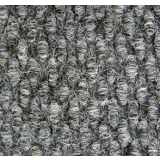 Astoria Nop$346.00Astoria Nop is the low-profile roll in our needlepunched carpet line: a dense 37-ounce polypropylene felt with a hobnail berber surface, three-eighths of an inch thick overall, in six neutral colors. It is rated for indoor use and for outdoor use under an overhang, and it is light enough to
...
Astoria Nop is the low-profile roll in our needlepunched carpet line: a dense 37-ounce polypropylene felt with a hobnail berber...
Astoria Nop is the low-profile roll in our needlepunched carpet line: a dense 37-ounce polypropylene felt with a hobnail berber surface, three-eighths of an inch thick overall, in six neutral colors. It is rated for indoor use and for outdoor use under an overhang, and it is light enough to lift and move as loose matting. When a corridor or entry needs a commercial carpet roll that stays flat, moves easily for cleaning, and does not argue with the decor, this is the one.
What Astoria Nop Does Before a Lifted Edge Becomes a Trip Point
Every walk-off carpet has to do two things at once. It has to pull grit and water off shoes, and it has to stay flat while doing it. A carpet that curls, ripples, or creeps at the threshold stops being a floor protector and becomes a hazard, and that risk grows every time a heavy mat gets dragged aside for mopping and dropped back crooked.
Astoria Nop is built with that second job in mind. At 64 ounces per square yard total, it weighs a good deal less than the heavier needlepunched rolls, so a facilities crew can lift a 10- or 20-foot runner, clean beneath it, and set it back square without a second person. A mat that gets moved gets cleaned under, and the floor beneath it stays sound.
The first job is still covered. The felted hobnail surface holds sand and salt in the low spots between the bumps, and the composite rubber backing keeps that grit and any water on the carpet rather than working through to the floor. What gets past a walk-off carpet is what grinds the finish off terrazzo, polished concrete, and wood, and that damage does not mop away.
Why Dense, Lightweight Needlepunch, and Why This One
Needlepunched carpet is felt, not fabric. Fibers are locked together by barbed needles rather than stitched through a backing in rows, so there is no loop to catch and no row to run. That construction also lets the material be cut to any shape without the edges raveling, which is why the maker recommends it for both plain runners and inlaid logo mats.
The word to notice on the spec sheet is dense. Astoria Nop packs 37 ounces of fiber per square yard into a pile only an eighth of an inch high. The maker's own description says that density is what keeps the mat from crushing under heavy traffic. A thin pile that stays upright wears better than a tall pile that flattens in the walking lane.
The fiber is 100 percent solution-dyed, UV-stabilized polypropylene. Color is locked into the fiber when it is made, not applied afterward, so sun and cleaning chemicals do not lift it. The maker states the material is not affected by extreme climate conditions, which is why it carries an indoor/outdoor rating. The color-fastness results back that up: 5 to light and 5 to water on the ISO 105 scale.
For a spec file, the material passes ASTM D2859 surface flammability and ASTM E662 smoke density, passes ASTM D7570 for dimensional stability, and is Green Label Plus certified for indoor air quality. It can contribute toward LEED-NC MR Credit 4 and IEQ Credits 4.1, 4.3, and 5.
Where It Belongs and What It Is Not
The maker lists office environments, runners, conference rooms, lobbies, libraries, department stores, and entryways as the intended uses. In practice it lands in three places: as a loose-laid runner in a corridor that gets mopped around it, as a low-profile entry carpet where a thicker roll would catch a door sweep, and as the field for a cut-shape or logo mat.
That low profile matters at doors. At 0.375 inch total height, Astoria Nop clears most door sweeps and sits close to flush with adjoining hard floor, so there is less of a lip at the transition. In a revolving-door well or a shallow recess, that is often the difference between a carpet that fits and one that binds.
Outdoors, the rating comes with a condition: the maker specifies outdoor use with an overhang. A covered walkway or an entry canopy is right. An open patio that takes standing rain is not, because the pile will hold the water and has nowhere to send it.
What it is not: a heavy scraper for caked mud, a cushioned anti-fatigue surface, or a runner for pallet jacks and loaded stock carts. Put a rubber or coir scraper ahead of it where boots arrive muddy, and use a vinyl or rubber runner in lanes that take constant heavy rolling loads.
Three Things to Check Before You Spec It
First, will the mat be moved, or fixed in place? Astoria Nop is the roll to choose when the answer is moved. Its handling weight and dimensional stability are what make loose-lay practical. If the run is long, turns a corner, or sits where doors pivot across it, an adhesive is still the right call, and the maker requires professional installation to honor its own warranty.
Second, check the clearance at the door. Measure the gap under the door sweep and the depth of any recess before ordering. Astoria Nop's 0.375-inch total height is one of the lowest in the roll-goods line. If the gap is tighter than that, a recessed frame is the fix, not a thinner carpet.
Third, pick from the palette you actually have. Six colors are offered: sterling, charcoal, steel blue, sisal, zinc, and walnut. All are neutrals meant to sit quietly against stone, tile, and wood. If the project needs a brand red or a school blue, this is not the roll. If it needs to disappear into a finished lobby, it is.
Why Mats Inc.
The question we hear most about Astoria Nop is whether a dense, thin carpet can really replace a thicker one at a busy door. The honest answer depends on the door. We ask about sweep clearance, whether the crew will lift the mat to clean, and how far the wet track runs, and we will say when a heavier roll or a scraper ahead of it is the better fit. Rolls are cut to length, and shapes for wells and turns are routine.
Specifications Construction Non-woven, needlepunched Surface Hobnail (berber) pattern Fiber 100% solution-dyed, UV-stabilized polypropylene Backing Composite rubber Pile height 0.125" (±0.5 mm) Total height 0.375" (±7.5%) Pile weight 37 oz/sq yd (±7.5%) Total weight 64 oz/sq yd (±7.5%) Roll width 6' 7" or 13' 2" (±2%) Lengths 10' to 100' in 10' steps; custom lengths and cut shapes available Use Indoor; outdoor with an overhang Colors Sterling, Charcoal, Steel Blue, Sisal, Zinc, Walnut Edge Can be cut to any shape without edge ravel Dimensional stability ASTM D7570: Pass Flammability Surface flammability (FF 1-70 / ASTM D2859): Pass; Smoke density (ASTM E662): Pass Color fastness To light (ISO 105 B02): 5; to water (ISO 105 E01): 5; to shampoo (ISO 105 C06): 4-5; to rubbing (ISO 105 X12): 4 dry, 3-4 wet Indoor air quality Green Label Plus certified LEED-NC May contribute to MR Credit 4; IEQ Credits 4.1, 4.3, 5 Maintenance Vacuum with a motor-driven brush and beater bar: weekly in low-traffic areas, daily or twice daily in high-traffic areas Warranty 1-year limited (Mats Inc.) Frequently Asked Questions
How can a carpet this thin hold up under heavy foot traffic?
Answered by Dustin Thompson, Owner & CEO
Because it is dense, not because it is tall. Astoria Nop packs 37 ounces of polypropylene fiber into every square yard of a pile that stands just an eighth of an inch. The fibers are needlepunched into a felt, so they support each other from the side rather than standing alone like tufted yarn. The maker states plainly that this density is what prevents the mat from crushing.
The practical result is a carpet that looks the same in the walking lane as it does at the edges long after a taller pile would show a flattened track. The low height also means there is less fiber to hold moisture, so it dries faster between wet rushes.
How long should Astoria Nop last, and what wears it out?
Answered by Dustin Thompson, Owner & CEO
The maker defines wear as complete removal of the wear layer, pattern, and color under normal traffic and backs the material for five years of commercial service against that. In our experience a well-kept runner in a busy corridor reaches that mark, and a loose-laid mat that gets lifted and vacuumed on schedule often goes longer. Mats Inc. covers the product with a 1-year limited warranty.
What ends it early is ground-in soil. The maker notes that roughly 15 percent of tracked-in dirt is oil, which bonds grit to the fiber if it sits. Regular vacuuming with a beater bar removes up to 80 percent of surface dirt before that happens. Daily in a busy entry, weekly in a quiet hall, and the carpet keeps both its look and its grip on grit.
Can I use it outside, and does it have to be glued down?
Answered by Dustin Thompson, Owner & CEO
Outside, yes, with a roof over it. The maker rates Astoria Nop for outdoor use with an overhang and states that extreme climate does not affect the material, so covered walkways, covered porches, and entry canopies are fine. Skip it where rain can stand on the surface with no drainage.
Gluing is a choice, not a requirement, for short straight runs indoors. The lighter weight is exactly why many buildings loose-lay it and lift it to clean. Long runs, corners, and doorways with pivoting traffic should be set with adhesive, and the maker requires professional installation to honor its own warranty. Tell us the location and we will recommend the method.
What sizes come standard, and can it be cut to an odd shape?
Answered by Jinna Hopson, Vice President of Marketing
Rolls are 6 feet 7 inches wide and cut in ten-foot steps from 10 to 100 feet, with a 13-foot-2-inch width available for wide lobbies and double doors. Custom lengths between those steps are no trouble.
Odd shapes are where this material shines. The maker confirms it can be cut into any shape without the edges raveling, so a curved recess, a revolving-door well, or an L-shaped corridor mat can be cut to fit and hold a clean edge without binding. Send a sketch with dimensions and we will plan the cut.
What does Astoria Nop look like in a finished space?
Answered by Jinna Hopson, Vice President of Marketing
Quiet and even. The hobnail berber texture reads as a fine, uniform pebble rather than a bold pattern, and the low profile keeps it from looking like a mat dropped on the floor. It reads as part of the flooring, which is what most lobby and corridor designs want from a walk-off carpet.
The six colors are all neutrals: sterling and zinc on the gray side, charcoal for a dark floor, steel blue for a cool accent, and sisal and walnut for warm interiors with wood or stone. Because a felted fiber shifts under lobby lighting, ask us for a swatch and look at it in the actual space before committing a whole run.
Is Astoria Nop a good choice for a logo mat?
Answered by Jinna Hopson, Vice President of Marketing
Yes, and the maker says so directly, listing it as a good choice for both logo and plain mats. The clean-cut edge is the reason: an inlaid logo is a set of shapes cut and fitted together, and a material that does not ravel at the cut gives those shapes crisp lines that stay crisp.
The trade-off is palette. With six neutral colors, Astoria Nop suits a tone-on-tone mark, a monogram, or a wayfinding word set into a gray or walnut field. A full-color brand logo needs a wider color range, and we will steer you to the right material for that. Send your artwork through the proof request on this page and we will return a digital proof before anything is cut.
By Dustin Thompson, Owner & CEO, Mats Inc.
↑
Astoria Nop is the low-profile roll in our needlepunched carpet line: a dense 37-ounce polypropylene felt with a hobnail berber surface, three-eighths of an inch thick overall, in six neutral colors. It is rated for indoor use and for outdoor use under an overhang, and it is light enough to lift and move as loose matting. When a corridor or entry needs a commercial carpet roll that stays flat, moves easily for cleaning, and does not argue with the decor, this is the one.
What Astoria Nop Does Before a Lifted Edge Becomes a Trip Point
Every walk-off carpet has to do two things at once. It has to pull grit and water off shoes, and it has to stay flat while doing it. A carpet that curls, ripples, or creeps at the threshold stops being a floor protector and becomes a hazard, and that risk grows every time a heavy mat gets dragged aside for mopping and dropped back crooked.
Astoria Nop is built with that second job in mind. At 64 ounces per square yard total, it weighs a good deal less than the heavier needlepunched rolls, so a facilities crew can lift a 10- or 20-foot runner, clean beneath it, and set it back square without a second person. A mat that gets moved gets cleaned under, and the floor beneath it stays sound.
The first job is still covered. The felted hobnail surface holds sand and salt in the low spots between the bumps, and the composite rubber backing keeps that grit and any water on the carpet rather than working through to the floor. What gets past a walk-off carpet is what grinds the finish off terrazzo, polished concrete, and wood, and that damage does not mop away.
Why Dense, Lightweight Needlepunch, and Why This One
Needlepunched carpet is felt, not fabric. Fibers are locked together by barbed needles rather than stitched through a backing in rows, so there is no loop to catch and no row to run. That construction also lets the material be cut to any shape without the edges raveling, which is why the maker recommends it for both plain runners and inlaid logo mats.
The word to notice on the spec sheet is dense. Astoria Nop packs 37 ounces of fiber per square yard into a pile only an eighth of an inch high. The maker's own description says that density is what keeps the mat from crushing under heavy traffic. A thin pile that stays upright wears better than a tall pile that flattens in the walking lane.
The fiber is 100 percent solution-dyed, UV-stabilized polypropylene. Color is locked into the fiber when it is made, not applied afterward, so sun and cleaning chemicals do not lift it. The maker states the material is not affected by extreme climate conditions, which is why it carries an indoor/outdoor rating. The color-fastness results back that up: 5 to light and 5 to water on the ISO 105 scale.
For a spec file, the material passes ASTM D2859 surface flammability and ASTM E662 smoke density, passes ASTM D7570 for dimensional stability, and is Green Label Plus certified for indoor air quality. It can contribute toward LEED-NC MR Credit 4 and IEQ Credits 4.1, 4.3, and 5.
Where It Belongs and What It Is Not
The maker lists office environments, runners, conference rooms, lobbies, libraries, department stores, and entryways as the intended uses. In practice it lands in three places: as a loose-laid runner in a corridor that gets mopped around it, as a low-profile entry carpet where a thicker roll would catch a door sweep, and as the field for a cut-shape or logo mat.
That low profile matters at doors. At 0.375 inch total height, Astoria Nop clears most door sweeps and sits close to flush with adjoining hard floor, so there is less of a lip at the transition. In a revolving-door well or a shallow recess, that is often the difference between a carpet that fits and one that binds.
Outdoors, the rating comes with a condition: the maker specifies outdoor use with an overhang. A covered walkway or an entry canopy is right. An open patio that takes standing rain is not, because the pile will hold the water and has nowhere to send it.
What it is not: a heavy scraper for caked mud, a cushioned anti-fatigue surface, or a runner for pallet jacks and loaded stock carts. Put a rubber or coir scraper ahead of it where boots arrive muddy, and use a vinyl or rubber runner in lanes that take constant heavy rolling loads.
Three Things to Check Before You Spec It
First, will the mat be moved, or fixed in place? Astoria Nop is the roll to choose when the answer is moved. Its handling weight and dimensional stability are what make loose-lay practical. If the run is long, turns a corner, or sits where doors pivot across it, an adhesive is still the right call, and the maker requires professional installation to honor its own warranty.
Second, check the clearance at the door. Measure the gap under the door sweep and the depth of any recess before ordering. Astoria Nop's 0.375-inch total height is one of the lowest in the roll-goods line. If the gap is tighter than that, a recessed frame is the fix, not a thinner carpet.
Third, pick from the palette you actually have. Six colors are offered: sterling, charcoal, steel blue, sisal, zinc, and walnut. All are neutrals meant to sit quietly against stone, tile, and wood. If the project needs a brand red or a school blue, this is not the roll. If it needs to disappear into a finished lobby, it is.
Why Mats Inc.
The question we hear most about Astoria Nop is whether a dense, thin carpet can really replace a thicker one at a busy door. The honest answer depends on the door. We ask about sweep clearance, whether the crew will lift the mat to clean, and how far the wet track runs, and we will say when a heavier roll or a scraper ahead of it is the better fit. Rolls are cut to length, and shapes for wells and turns are routine.
Specifications Construction Non-woven, needlepunched Surface Hobnail (berber) pattern Fiber 100% solution-dyed, UV-stabilized polypropylene Backing Composite rubber Pile height 0.125" (±0.5 mm) Total height 0.375" (±7.5%) Pile weight 37 oz/sq yd (±7.5%) Total weight 64 oz/sq yd (±7.5%) Roll width 6' 7" or 13' 2" (±2%) Lengths 10' to 100' in 10' steps; custom lengths and cut shapes available Use Indoor; outdoor with an overhang Colors Sterling, Charcoal, Steel Blue, Sisal, Zinc, Walnut Edge Can be cut to any shape without edge ravel Dimensional stability ASTM D7570: Pass Flammability Surface flammability (FF 1-70 / ASTM D2859): Pass; Smoke density (ASTM E662): Pass Color fastness To light (ISO 105 B02): 5; to water (ISO 105 E01): 5; to shampoo (ISO 105 C06): 4-5; to rubbing (ISO 105 X12): 4 dry, 3-4 wet Indoor air quality Green Label Plus certified LEED-NC May contribute to MR Credit 4; IEQ Credits 4.1, 4.3, 5 Maintenance Vacuum with a motor-driven brush and beater bar: weekly in low-traffic areas, daily or twice daily in high-traffic areas Warranty 1-year limited (Mats Inc.) Frequently Asked Questions
How can a carpet this thin hold up under heavy foot traffic?
Answered by Dustin Thompson, Owner & CEO
Because it is dense, not because it is tall. Astoria Nop packs 37 ounces of polypropylene fiber into every square yard of a pile that stands just an eighth of an inch. The fibers are needlepunched into a felt, so they support each other from the side rather than standing alone like tufted yarn. The maker states plainly that this density is what prevents the mat from crushing.
The practical result is a carpet that looks the same in the walking lane as it does at the edges long after a taller pile would show a flattened track. The low height also means there is less fiber to hold moisture, so it dries faster between wet rushes.
How long should Astoria Nop last, and what wears it out?
Answered by Dustin Thompson, Owner & CEO
The maker defines wear as complete removal of the wear layer, pattern, and color under normal traffic and backs the material for five years of commercial service against that. In our experience a well-kept runner in a busy corridor reaches that mark, and a loose-laid mat that gets lifted and vacuumed on schedule often goes longer. Mats Inc. covers the product with a 1-year limited warranty.
What ends it early is ground-in soil. The maker notes that roughly 15 percent of tracked-in dirt is oil, which bonds grit to the fiber if it sits. Regular vacuuming with a beater bar removes up to 80 percent of surface dirt before that happens. Daily in a busy entry, weekly in a quiet hall, and the carpet keeps both its look and its grip on grit.
Can I use it outside, and does it have to be glued down?
Answered by Dustin Thompson, Owner & CEO
Outside, yes, with a roof over it. The maker rates Astoria Nop for outdoor use with an overhang and states that extreme climate does not affect the material, so covered walkways, covered porches, and entry canopies are fine. Skip it where rain can stand on the surface with no drainage.
Gluing is a choice, not a requirement, for short straight runs indoors. The lighter weight is exactly why many buildings loose-lay it and lift it to clean. Long runs, corners, and doorways with pivoting traffic should be set with adhesive, and the maker requires professional installation to honor its own warranty. Tell us the location and we will recommend the method.
What sizes come standard, and can it be cut to an odd shape?
Answered by Jinna Hopson, Vice President of Marketing
Rolls are 6 feet 7 inches wide and cut in ten-foot steps from 10 to 100 feet, with a 13-foot-2-inch width available for wide lobbies and double doors. Custom lengths between those steps are no trouble.
Odd shapes are where this material shines. The maker confirms it can be cut into any shape without the edges raveling, so a curved recess, a revolving-door well, or an L-shaped corridor mat can be cut to fit and hold a clean edge without binding. Send a sketch with dimensions and we will plan the cut.
What does Astoria Nop look like in a finished space?
Answered by Jinna Hopson, Vice President of Marketing
Quiet and even. The hobnail berber texture reads as a fine, uniform pebble rather than a bold pattern, and the low profile keeps it from looking like a mat dropped on the floor. It reads as part of the flooring, which is what most lobby and corridor designs want from a walk-off carpet.
The six colors are all neutrals: sterling and zinc on the gray side, charcoal for a dark floor, steel blue for a cool accent, and sisal and walnut for warm interiors with wood or stone. Because a felted fiber shifts under lobby lighting, ask us for a swatch and look at it in the actual space before committing a whole run.
Is Astoria Nop a good choice for a logo mat?
Answered by Jinna Hopson, Vice President of Marketing
Yes, and the maker says so directly, listing it as a good choice for both logo and plain mats. The clean-cut edge is the reason: an inlaid logo is a set of shapes cut and fitted together, and a material that does not ravel at the cut gives those shapes crisp lines that stay crisp.
The trade-off is palette. With six neutral colors, Astoria Nop suits a tone-on-tone mark, a monogram, or a wayfinding word set into a gray or walnut field. A full-color brand logo needs a wider color range, and we will steer you to the right material for that. Send your artwork through the proof request on this page and we will return a digital proof before anything is cut.
By Dustin Thompson, Owner & CEO, Mats Inc.
↑
View Details
View Details
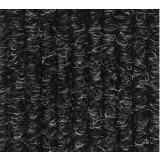 Axis Rib$395.00Axis Rib is a needlepunched carpet with a one-by-one corduroy rib running the length of the roll. Its dense 44-ounce polypropylene pile is solution-dyed and UV stabilized, it sits on a composite rubber backing, and it comes in three grays: sterling, charcoal, and black shadow. Of the carpet rolls we
...
Axis Rib is a needlepunched carpet with a one-by-one corduroy rib running the length of the roll. Its dense 44-ounce...
Axis Rib is a needlepunched carpet with a one-by-one corduroy rib running the length of the roll. Its dense 44-ounce polypropylene pile is solution-dyed and UV stabilized, it sits on a composite rubber backing, and it comes in three grays: sterling, charcoal, and black shadow. Of the carpet rolls we cut to length, this is the one that makes a long corridor look longer and hides the traffic lane while it does it.
What Axis Rib Does Before the Traffic Lane Shows
Every entry carpet develops a lane. People walk the same line from the door to the elevator, and within months that strip looks different from the edges: darker where soil settles, flatter where the pile has been pressed ten thousand times. On a flat or pebbled surface the lane reads as a stripe of wear. On a ribbed surface it does not read at all.
That is the corduroy pattern's quiet advantage. Rows of raised ribs and recessed channels already carry a strong line, so a slight flattening in the walking lane disappears into it. Dirt that would sit on top of a flat carpet drops into the channels between the ribs, where a beater-bar vacuum lifts it. The carpet looks even from the door to the far wall for longer.
The stakes past the carpet are the same as for any walk-off surface. Sand and salt that reach polished stone, terrazzo, or sealed concrete scratch the finish, and that finish does not come back with cleaning. Axis Rib's job is to hold that grit in its channels and give the crew a way to remove it before it travels.
Why a Corduroy Rib Needlepunch, and Why This One
Needlepunched carpet is made by tangling loose fibers into a dense felt with barbed needles, rather than stitching yarn through a backing. The felt is then patterned. On Axis Rib the pattern is a one-by-one corduroy: one raised rib, one channel, repeated across the roll. Because there is no stitched row, the material can be cut into any shape without the edge raveling.
The pile is 44 ounces per square yard at 0.18 inch high, on a total height of 0.47 inch and a total weight of 65 ounces per square yard. The maker describes that as heavy fiber in a dense construction and credits it with crush resistance and what it calls long-term comfort underfoot. Among the needlepunched rolls it is the middle weight, heavier than the low-profile options and lighter than the thickest berber.
The fiber is 100 percent solution-dyed, UV-stabilized polypropylene, which means the gray is in the plastic itself, not on the surface. Bleach and sun do not lift it. The color-fastness results on the cut sheet are 5 to light and 5 to water on the ISO 105 scale, and the material is rated stain resistant.
For the spec file, Axis Rib passes ASTM D2859 surface flammability and ASTM E662 smoke density, passes ASTM D7570 for dimensional stability, and is Green Label Plus certified for indoor air quality. It can contribute toward LEED-NC MR Credit 4 and IEQ Credits 4.1, 4.3, and 5.
Where It Belongs and What It Is Not
The maker's suggested uses are lobbies, libraries, department stores, entryways, and other high-traffic areas, plus spaces where people stand for extended periods. That last one is worth noting. A reception desk, a check-in counter, a museum gallery, or a pharmacy waiting line is exactly the kind of spot where a dense 44-ounce pile is more pleasant to stand on than a thin runner or bare tile.
The rib pattern also earns its place visually. Laid with the ribs running the direction of travel, it draws the eye down a corridor and makes a narrow hall feel longer and more orderly. Laid across the direction of travel it reads as a series of bars and the lane shows sooner, so orientation is a real decision, not a detail.
Axis Rib carries an indoor rating on its cut sheet. Use it inside the door: the vestibule, the lobby, the corridor, the standing area. For a covered exterior walkway or an open-air entry, a roll rated for outdoor use is the right tool.
What it is not: a scraper for caked mud, a full anti-fatigue mat for an eight-hour shift, or a runner for pallet jacks and stock carts. Put a rubber or coir scraper ahead of it where boots arrive muddy. Where people stand all day on a hard floor, a purpose-built anti-fatigue mat is the honest answer, and heavy rolling loads belong on vinyl or rubber.
Three Things to Check Before You Spec It
First, which way does the traffic run? Decide the rib direction before you order the cut. Ribs parallel to travel hide the lane and lengthen the space; ribs across travel do neither. For an L-shaped corridor, plan the turn so the ribs on each leg follow that leg's traffic, which usually means two pieces with a seam at the corner rather than one bent run.
Second, confirm it stays indoors. The cut sheet rates Axis Rib for indoor use. A vestibule inside the outer door qualifies. A porch or a walkway under a canopy does not, however dry it looks on a clear day. If the run has to start outside, ask us about an outdoor-rated roll for the exterior leg and Axis Rib for the interior leg.
Third, pick the gray that hides your soil. Three colors are offered. Sterling is the lightest and shows dark tracked-in soil first. Black shadow is the darkest and shows light dust and salt residue first. Charcoal sits between them and is the usual choice where the soil is mixed. Look at what actually comes through the door and match against it, not against the wall paint.
Why Mats Inc.
With Axis Rib the thing that goes wrong is almost never the carpet. It is a roll cut without thinking about rib direction, or a corner laid as one bent piece so the ribs fight the traffic on one leg. We ask how the space is walked before we plan the cut, and for a turn we lay out the two pieces and the seam line for you. Send a sketch with door and corridor dimensions and we will return a cut plan before anything ships.
Specifications Construction Non-woven, needlepunched Surface One-by-one corduroy rib pattern Fiber 100% solution-dyed, UV-stabilized polypropylene Backing Composite rubber Pile height 0.18" (±0.5 mm) Total height 0.47" (±7.5%) Pile weight 44 oz/sq yd (±7.5%) Total weight 65 oz/sq yd (±7.5%) Roll width 6' 7" or 13' 2" (±2%) Lengths 10' to 100' in 10' steps; custom lengths and cut shapes available Use Indoor Colors Sterling, Charcoal, Black Shadow Edge Can be cut to any shape without edge ravel Dimensional stability ASTM D7570: Pass Flammability Surface flammability (FF 1-70 / ASTM D2859): Pass; Smoke density (ASTM E662): Pass Color fastness To light (ISO 105 B02): 5; to water (ISO 105 E01): 5; to shampoo (ISO 105 C06): 4-5; to rubbing (ISO 105 X12): 4 dry, 3-4 wet Indoor air quality Green Label Plus certified LEED-NC May contribute to MR Credit 4; IEQ Credits 4.1, 4.3, 5 Maintenance Vacuum with a motor-driven brush and beater bar: weekly in low-traffic areas, daily or twice daily in high-traffic areas Warranty 1-year limited (Mats Inc.) Frequently Asked Questions
What is a corduroy rib carpet, and how is it different from a berber?
Answered by Dustin Thompson, Owner & CEO
Both start as the same kind of needlepunched felt: loose polypropylene fibers locked together by barbed needles into a dense mat. The difference is the pattern pressed into the surface. A berber has a scattered hobnail bump. A corduroy rib has straight, parallel rows, one rib and one channel repeating across the roll.
In use, the rib gives grit a channel to fall into and a beater bar a straight path to lift it out. It also carries a strong visual line, which is why wear in the walking lane shows later on a ribbed carpet than on a flatter one. At 44 ounces of pile per square yard, Axis Rib has plenty of fiber in those ribs to hold what comes through the door.
How long does Axis Rib last, and what shortens its life?
Answered by Dustin Thompson, Owner & CEO
The maker warrants the material against wear for five years of commercial use, defining wear as complete loss of the wear layer, pattern, and color. In a busy lobby that is a realistic service life with routine care, and a corridor run often goes longer. Because the fiber is solution-dyed and UV stabilized, the gray does not fade; what eventually ends the carpet is matting of the ribs in the lane. Mats Inc. covers this product with a 1-year limited warranty.
What shortens it is soil left in the channels. About 15 percent of tracked-in dirt is oil, which glues grit to the fiber if it sits, and the maker notes that regular beater-bar vacuuming removes up to 80 percent of surface dirt before that happens. Daily in a high-traffic entry, weekly in a quiet hall.
Can Axis Rib go outdoors, and how should it be installed?
Answered by Dustin Thompson, Owner & CEO
Keep it indoors. The cut sheet rates Axis Rib for indoor use, so the right home is the vestibule, lobby, corridor, or standing area inside the outer door. If an entry needs coverage that starts outside, we will pair an outdoor-rated roll on the exterior leg with Axis Rib inside.
On installation, the maker requires professional installation to honor its own warranty. For a long run, a corner, or a doorway with pivoting traffic, set it with adhesive so the leading edge stays flat. A short, straight runner can lay loose on its rubber backing. Whichever method you use, lay the ribs in the direction people walk.
What sizes does it come in, and can you cut it to fit an odd space?
Answered by Jinna Hopson, Vice President of Marketing
The roll is 6 feet 7 inches wide and cut in ten-foot steps from 10 to 100 feet. A 13-foot-2-inch width is available for wide lobbies and double-door entries so the opening can be covered without a seam down the center. Custom lengths between the standard steps are routine.
Odd shapes are fine because the material can be cut into any shape without the edge raveling. The one thing to plan with a ribbed carpet is direction: a corner or an L-shaped hall is usually cut as two pieces so the ribs follow the traffic on each leg. Send a sketch and we will lay out the pieces and the seam for you.
How does the rib pattern read in a finished lobby or corridor?
Answered by Jinna Hopson, Vice President of Marketing
Tailored. The one-by-one rib has the look of fine corduroy or a pinstripe, and in a long corridor the lines pull the eye toward the far end, so the space reads longer and more ordered. In a lobby it reads as a deliberate design choice rather than a utility mat, especially in charcoal or black shadow against light stone.
The three grays are meant to sit quietly with almost any interior palette. Sterling is a light silver, charcoal a true mid-gray, and black shadow a near-black with depth. Because a ribbed surface catches light differently along and across the rows, ask us for a swatch and look at it on the floor, in the orientation you plan to lay it.
Is Axis Rib a good fit for a branded or logo entrance?
Answered by Jinna Hopson, Vice President of Marketing
It is a strong field for a restrained brand presence. The clean-cut edge lets a shape or a wayfinding word be inlaid without fraying, and the corduroy texture gives the surrounding carpet a finished, architectural look that suits law offices, financial lobbies, hotels, and libraries.
With only three grays, it is not the roll for a full-color logo. Use it where the brand is expressed through the building's materials and a tone-on-tone mark, and pair it with a full-palette logo mat at the door if the mark itself needs color. Send your artwork through the proof request on this page and we will return a digital proof before anything is cut.
By Jinna Hopson, Vice President of Marketing, Mats Inc.
↑
Axis Rib is a needlepunched carpet with a one-by-one corduroy rib running the length of the roll. Its dense 44-ounce polypropylene pile is solution-dyed and UV stabilized, it sits on a composite rubber backing, and it comes in three grays: sterling, charcoal, and black shadow. Of the carpet rolls we cut to length, this is the one that makes a long corridor look longer and hides the traffic lane while it does it.
What Axis Rib Does Before the Traffic Lane Shows
Every entry carpet develops a lane. People walk the same line from the door to the elevator, and within months that strip looks different from the edges: darker where soil settles, flatter where the pile has been pressed ten thousand times. On a flat or pebbled surface the lane reads as a stripe of wear. On a ribbed surface it does not read at all.
That is the corduroy pattern's quiet advantage. Rows of raised ribs and recessed channels already carry a strong line, so a slight flattening in the walking lane disappears into it. Dirt that would sit on top of a flat carpet drops into the channels between the ribs, where a beater-bar vacuum lifts it. The carpet looks even from the door to the far wall for longer.
The stakes past the carpet are the same as for any walk-off surface. Sand and salt that reach polished stone, terrazzo, or sealed concrete scratch the finish, and that finish does not come back with cleaning. Axis Rib's job is to hold that grit in its channels and give the crew a way to remove it before it travels.
Why a Corduroy Rib Needlepunch, and Why This One
Needlepunched carpet is made by tangling loose fibers into a dense felt with barbed needles, rather than stitching yarn through a backing. The felt is then patterned. On Axis Rib the pattern is a one-by-one corduroy: one raised rib, one channel, repeated across the roll. Because there is no stitched row, the material can be cut into any shape without the edge raveling.
The pile is 44 ounces per square yard at 0.18 inch high, on a total height of 0.47 inch and a total weight of 65 ounces per square yard. The maker describes that as heavy fiber in a dense construction and credits it with crush resistance and what it calls long-term comfort underfoot. Among the needlepunched rolls it is the middle weight, heavier than the low-profile options and lighter than the thickest berber.
The fiber is 100 percent solution-dyed, UV-stabilized polypropylene, which means the gray is in the plastic itself, not on the surface. Bleach and sun do not lift it. The color-fastness results on the cut sheet are 5 to light and 5 to water on the ISO 105 scale, and the material is rated stain resistant.
For the spec file, Axis Rib passes ASTM D2859 surface flammability and ASTM E662 smoke density, passes ASTM D7570 for dimensional stability, and is Green Label Plus certified for indoor air quality. It can contribute toward LEED-NC MR Credit 4 and IEQ Credits 4.1, 4.3, and 5.
Where It Belongs and What It Is Not
The maker's suggested uses are lobbies, libraries, department stores, entryways, and other high-traffic areas, plus spaces where people stand for extended periods. That last one is worth noting. A reception desk, a check-in counter, a museum gallery, or a pharmacy waiting line is exactly the kind of spot where a dense 44-ounce pile is more pleasant to stand on than a thin runner or bare tile.
The rib pattern also earns its place visually. Laid with the ribs running the direction of travel, it draws the eye down a corridor and makes a narrow hall feel longer and more orderly. Laid across the direction of travel it reads as a series of bars and the lane shows sooner, so orientation is a real decision, not a detail.
Axis Rib carries an indoor rating on its cut sheet. Use it inside the door: the vestibule, the lobby, the corridor, the standing area. For a covered exterior walkway or an open-air entry, a roll rated for outdoor use is the right tool.
What it is not: a scraper for caked mud, a full anti-fatigue mat for an eight-hour shift, or a runner for pallet jacks and stock carts. Put a rubber or coir scraper ahead of it where boots arrive muddy. Where people stand all day on a hard floor, a purpose-built anti-fatigue mat is the honest answer, and heavy rolling loads belong on vinyl or rubber.
Three Things to Check Before You Spec It
First, which way does the traffic run? Decide the rib direction before you order the cut. Ribs parallel to travel hide the lane and lengthen the space; ribs across travel do neither. For an L-shaped corridor, plan the turn so the ribs on each leg follow that leg's traffic, which usually means two pieces with a seam at the corner rather than one bent run.
Second, confirm it stays indoors. The cut sheet rates Axis Rib for indoor use. A vestibule inside the outer door qualifies. A porch or a walkway under a canopy does not, however dry it looks on a clear day. If the run has to start outside, ask us about an outdoor-rated roll for the exterior leg and Axis Rib for the interior leg.
Third, pick the gray that hides your soil. Three colors are offered. Sterling is the lightest and shows dark tracked-in soil first. Black shadow is the darkest and shows light dust and salt residue first. Charcoal sits between them and is the usual choice where the soil is mixed. Look at what actually comes through the door and match against it, not against the wall paint.
Why Mats Inc.
With Axis Rib the thing that goes wrong is almost never the carpet. It is a roll cut without thinking about rib direction, or a corner laid as one bent piece so the ribs fight the traffic on one leg. We ask how the space is walked before we plan the cut, and for a turn we lay out the two pieces and the seam line for you. Send a sketch with door and corridor dimensions and we will return a cut plan before anything ships.
Specifications Construction Non-woven, needlepunched Surface One-by-one corduroy rib pattern Fiber 100% solution-dyed, UV-stabilized polypropylene Backing Composite rubber Pile height 0.18" (±0.5 mm) Total height 0.47" (±7.5%) Pile weight 44 oz/sq yd (±7.5%) Total weight 65 oz/sq yd (±7.5%) Roll width 6' 7" or 13' 2" (±2%) Lengths 10' to 100' in 10' steps; custom lengths and cut shapes available Use Indoor Colors Sterling, Charcoal, Black Shadow Edge Can be cut to any shape without edge ravel Dimensional stability ASTM D7570: Pass Flammability Surface flammability (FF 1-70 / ASTM D2859): Pass; Smoke density (ASTM E662): Pass Color fastness To light (ISO 105 B02): 5; to water (ISO 105 E01): 5; to shampoo (ISO 105 C06): 4-5; to rubbing (ISO 105 X12): 4 dry, 3-4 wet Indoor air quality Green Label Plus certified LEED-NC May contribute to MR Credit 4; IEQ Credits 4.1, 4.3, 5 Maintenance Vacuum with a motor-driven brush and beater bar: weekly in low-traffic areas, daily or twice daily in high-traffic areas Warranty 1-year limited (Mats Inc.) Frequently Asked Questions
What is a corduroy rib carpet, and how is it different from a berber?
Answered by Dustin Thompson, Owner & CEO
Both start as the same kind of needlepunched felt: loose polypropylene fibers locked together by barbed needles into a dense mat. The difference is the pattern pressed into the surface. A berber has a scattered hobnail bump. A corduroy rib has straight, parallel rows, one rib and one channel repeating across the roll.
In use, the rib gives grit a channel to fall into and a beater bar a straight path to lift it out. It also carries a strong visual line, which is why wear in the walking lane shows later on a ribbed carpet than on a flatter one. At 44 ounces of pile per square yard, Axis Rib has plenty of fiber in those ribs to hold what comes through the door.
How long does Axis Rib last, and what shortens its life?
Answered by Dustin Thompson, Owner & CEO
The maker warrants the material against wear for five years of commercial use, defining wear as complete loss of the wear layer, pattern, and color. In a busy lobby that is a realistic service life with routine care, and a corridor run often goes longer. Because the fiber is solution-dyed and UV stabilized, the gray does not fade; what eventually ends the carpet is matting of the ribs in the lane. Mats Inc. covers this product with a 1-year limited warranty.
What shortens it is soil left in the channels. About 15 percent of tracked-in dirt is oil, which glues grit to the fiber if it sits, and the maker notes that regular beater-bar vacuuming removes up to 80 percent of surface dirt before that happens. Daily in a high-traffic entry, weekly in a quiet hall.
Can Axis Rib go outdoors, and how should it be installed?
Answered by Dustin Thompson, Owner & CEO
Keep it indoors. The cut sheet rates Axis Rib for indoor use, so the right home is the vestibule, lobby, corridor, or standing area inside the outer door. If an entry needs coverage that starts outside, we will pair an outdoor-rated roll on the exterior leg with Axis Rib inside.
On installation, the maker requires professional installation to honor its own warranty. For a long run, a corner, or a doorway with pivoting traffic, set it with adhesive so the leading edge stays flat. A short, straight runner can lay loose on its rubber backing. Whichever method you use, lay the ribs in the direction people walk.
What sizes does it come in, and can you cut it to fit an odd space?
Answered by Jinna Hopson, Vice President of Marketing
The roll is 6 feet 7 inches wide and cut in ten-foot steps from 10 to 100 feet. A 13-foot-2-inch width is available for wide lobbies and double-door entries so the opening can be covered without a seam down the center. Custom lengths between the standard steps are routine.
Odd shapes are fine because the material can be cut into any shape without the edge raveling. The one thing to plan with a ribbed carpet is direction: a corner or an L-shaped hall is usually cut as two pieces so the ribs follow the traffic on each leg. Send a sketch and we will lay out the pieces and the seam for you.
How does the rib pattern read in a finished lobby or corridor?
Answered by Jinna Hopson, Vice President of Marketing
Tailored. The one-by-one rib has the look of fine corduroy or a pinstripe, and in a long corridor the lines pull the eye toward the far end, so the space reads longer and more ordered. In a lobby it reads as a deliberate design choice rather than a utility mat, especially in charcoal or black shadow against light stone.
The three grays are meant to sit quietly with almost any interior palette. Sterling is a light silver, charcoal a true mid-gray, and black shadow a near-black with depth. Because a ribbed surface catches light differently along and across the rows, ask us for a swatch and look at it on the floor, in the orientation you plan to lay it.
Is Axis Rib a good fit for a branded or logo entrance?
Answered by Jinna Hopson, Vice President of Marketing
It is a strong field for a restrained brand presence. The clean-cut edge lets a shape or a wayfinding word be inlaid without fraying, and the corduroy texture gives the surrounding carpet a finished, architectural look that suits law offices, financial lobbies, hotels, and libraries.
With only three grays, it is not the roll for a full-color logo. Use it where the brand is expressed through the building's materials and a tone-on-tone mark, and pair it with a full-palette logo mat at the door if the mark itself needs color. Send your artwork through the proof request on this page and we will return a digital proof before anything is cut.
By Jinna Hopson, Vice President of Marketing, Mats Inc.
↑
View Details
View Details
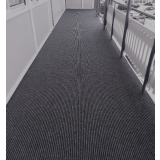 Avenue Rib$388.00Avenue Rib is a 44-ounce needlepunched carpet with a double-rib pattern, offered in one color: charcoal. The fiber is solution-dyed, UV-stabilized polypropylene on a composite rubber backing, cut to length from 6-foot-7-inch or 13-foot-2-inch rolls. For a facilities team that manages more than one building, it is the commercial carpet
...
Avenue Rib is a 44-ounce needlepunched carpet with a double-rib pattern, offered in one color: charcoal. The fiber is solution-dyed,...
Avenue Rib is a 44-ounce needlepunched carpet with a double-rib pattern, offered in one color: charcoal. The fiber is solution-dyed, UV-stabilized polypropylene on a composite rubber backing, cut to length from 6-foot-7-inch or 13-foot-2-inch rolls. For a facilities team that manages more than one building, it is the commercial carpet roll that turns entry matting into a standard instead of a decision.
What Avenue Rib Does Before Entrances Start to Drift
The quiet failure in multi-site matting is drift. One store orders a gray runner, the next orders a slightly different gray, the third picks a pattern, and within a year the chain's front doors no longer look like the same company. Replacement orders repeat the problem, because nobody remembers which gray the first store had.
Avenue Rib closes that door by having one answer. Every roll is charcoal, every roll carries the same double-rib pattern, and every roll is the same 44-ounce felt on the same rubber backing. A replacement run ordered three years from now will match the original beside it. That is what makes it a specification rather than a purchase.
Underneath the consistency, it does the ordinary job. The rib channels catch the sand and salt that would otherwise scratch stone, terrazzo, or sealed concrete past the mat, and the dense fiber holds water off the hard floor until it dries. The maker rates it for medium-to-heavy foot traffic, which describes most retail, pharmacy, office, and school entries.
Why a Double-Rib Needlepunch, and Why This One
Needlepunched carpet is a felt: loose polypropylene fibers driven together by barbed needles until they lock into a dense mat, then pressed with a surface pattern. No yarn, no stitched rows, so a cut edge stays clean and the material can be shaped to a well or a corner without raveling.
The pattern here is a double rib. Where a single-rib carpet alternates one ridge and one channel, Avenue Rib pairs the ridges, giving a wider ridge and a channel that reads as a bolder line. The maker calls it a uniquely patterned carpet, and the difference is visible from standing height: a firmer, more graphic stripe than a fine corduroy.
The numbers are the same heavy-duty class: 44 ounces of pile per square yard at 0.18 inch high, 65 ounces total at 0.47 inch overall height. The maker credits that density with preventing crushing while keeping the roll easy to move or install. The composite rubber backing grips the floor and keeps moisture in the pile rather than under it.
Solution-dyed fiber means the charcoal is mixed into the polypropylene before it is spun, so it cannot be bleached or sun-faded off the surface. The cut sheet backs that with color-fastness ratings of 5 to light and 5 to water on the ISO 105 scale, and describes the material as resilient in extreme climate conditions.
For the spec binder, Avenue Rib passes ASTM D2859 surface flammability and ASTM E662 smoke density, passes ASTM D7570 for dimensional stability, and carries Green Label Plus certification for indoor air quality. It can contribute toward LEED-NC MR Credit 4 and IEQ Credits 4.1, 4.3, and 5.
Where It Belongs and What It Is Not
The maker's suggested uses are lobbies, libraries, retail and department stores, entryways, and other high-traffic spaces. Its own photography shows the product in a drugstore vestibule, at an elevator bank, and on a stairwell landing, which is a fair picture of where it ends up: the working entries and circulation paths of buildings that see a steady crowd every day.
It fits best where the mat is expected to disappear. Charcoal reads as a neutral against almost any floor, and the double rib gives it enough texture that it does not look like a bare strip. It is the roll for the employee entrance, the back corridor, the elevator lobby, and the chain store front where every location should look the same.
The cut sheet rates Avenue Rib for indoor and outdoor use and attaches a condition to the outdoor rating that it does not spell out. Treat indoor and covered entries as clear, and ask us before specifying it for an exposed exterior location so we can confirm the condition with the maker first.
What it is not: a color choice, a heavy-mud scraper, or an anti-fatigue mat. If the brand needs its own color at the door, a multi-color roll or a logo mat is the right tool. Put a rubber or coir scraper ahead of it where boots arrive caked, and keep pallet jacks and loaded stock carts on vinyl or rubber runners.
Three Things to Check Before You Spec It
First, is one color the right answer for this portfolio? Avenue Rib is the standardizer. If you are writing a matting spec for a chain, a campus, or a property group, a single charcoal roll means every replacement matches and every site orders the same line item. If one flagship location needs a brand color, spec it separately and keep Avenue Rib as the default everywhere else.
Second, plan the rib direction and the run length. Lay the double rib parallel to travel so the channels carry grit along the path rather than damming it. Measure from the door to where the crowd fans out and order that length; rolls come in ten-foot steps from 10 to 100 feet, and the 13-foot-2-inch width covers a double door without a center seam.
Third, settle the exposure. Inside the door or under a solid canopy is straightforward. For an entry that takes direct rain, hold the order until we confirm the maker's outdoor condition for you. It is a one-day question and it keeps the warranty conversation simple later.
Why Mats Inc.
Avenue Rib is the roll we recommend when a facilities manager tells us the last thing they want is another choice. Tell us the roll length, width, and rib direction once, and reordering for the next location or the next replacement becomes a phone call rather than a new spec. If a site turns out to need something the standard cannot do, we will say so and propose the exception rather than bend the standard to fit.
Specifications Construction Non-woven, needlepunched Surface Double-rib pattern Fiber 100% solution-dyed, UV-stabilized polypropylene Backing Composite rubber Pile height 0.18" (±0.5 mm) Total height 0.47" (±7.5%) Pile weight 44 oz/sq yd (±7.5%) Total weight 65 oz/sq yd (±7.5%) Roll width 6' 7" or 13' 2" (±2%) Lengths 10' to 100' in 10' steps; custom lengths and cut shapes available Traffic rating Medium to heavy foot traffic Use Indoor; outdoor rating carries a maker's condition (ask before specifying exposed locations) Color Charcoal (only) Edge Can be cut to any shape without edge ravel Dimensional stability ASTM D7570: Pass Flammability Surface flammability (FF 1-70 / ASTM D2859): Pass; Smoke density (ASTM E662): Pass Color fastness To light (ISO 105 B02): 5; to water (ISO 105 E01): 5; to shampoo (ISO 105 C06): 4-5; to rubbing (ISO 105 X12): 4 dry, 3-4 wet Indoor air quality Green Label Plus certified LEED-NC May contribute to MR Credit 4; IEQ Credits 4.1, 4.3, 5 Maintenance Vacuum with a motor-driven brush and beater bar: weekly in low-traffic areas, daily or twice daily in high-traffic areas Warranty 1-year limited (Mats Inc.) Frequently Asked Questions
What is a double-rib carpet, and what does the second rib do?
Answered by Dustin Thompson, Owner & CEO
A rib carpet has raised ridges and recessed channels running the length of the roll. In a single rib they alternate one to one. In Avenue Rib's double rib the ridges are paired, so the surface reads as wider bands with a channel between each pair. The base material is the same needlepunched polypropylene felt: fibers locked together by barbed needles rather than stitched as yarn.
In practice the wider ridge gives the shoe a larger bearing surface, and the channel still gives grit somewhere to fall and a beater bar a straight path to lift it. Visually it is a bolder stripe than a fine corduroy, which reads well in charcoal against a light floor.
How long does Avenue Rib last, and what shortens it?
Answered by Dustin Thompson, Owner & CEO
The maker warrants Avenue Rib against wear for five years in commercial use and defines wear as complete removal of the wear layer, pattern, and color. In a medium-to-heavy traffic entry with routine care, five years is a realistic working life, and back corridors and elevator lobbies often go longer. The color does not fade, because it is solution-dyed through the fiber; what ends the carpet is matting in the walking lane. Mats Inc. covers it with a 1-year limited warranty.
Two things shorten it. Soil left in the channels, since roughly 15 percent of tracked-in dirt is oil that bonds grit to the fiber if it sits. And skipping the vacuum: the maker's guidance is that a motor-driven brush and beater bar lifts up to 80 percent of surface dirt, daily in busy entries and weekly in quiet ones.
Can Avenue Rib be used outside, and how should it be installed?
Answered by Dustin Thompson, Owner & CEO
Indoors and under cover, yes. The cut sheet rates the material for indoor and outdoor use and describes it as resilient in extreme climates, but it attaches a condition to the outdoor rating that the sheet does not print. Until we confirm that condition with the maker for your project, treat vestibules, lobbies, corridors, and solidly covered entries as clear, and ask before specifying an exposed location.
On installation, the maker requires professional installation to honor its own warranty. Long runs, corners, and doorways with pivoting traffic should be set with adhesive so the leading edge stays flat; a short, straight indoor runner can lay loose on its rubber backing. Lay the ribs in the direction of travel.
What sizes does it come in, and can it be cut for a recess or a corner?
Answered by Jinna Hopson, Vice President of Marketing
Rolls are 6 feet 7 inches wide, cut in ten-foot steps from 10 to 100 feet, with a 13-foot-2-inch width available for wide lobbies and double doors. Custom lengths between the steps are routine.
Because the needlepunched felt can be cut to any shape without the edge raveling, a recessed well, a curved vestibule, or an L-shaped corridor is straightforward. For a corner, we usually cut two pieces so the ribs follow the traffic on each leg. Send a sketch with dimensions and we will return a cut plan.
What does charcoal Avenue Rib look like in a finished space?
Answered by Jinna Hopson, Vice President of Marketing
Understated and consistent. Charcoal is dark enough to hide the mixed soil most entries see, light enough not to read as black, and neutral enough to sit against stone, tile, wood, or polished concrete without a color argument. The double rib adds a clean linear texture, so the run looks like part of the floor design rather than a utility mat.
The single color is the point for many buyers. A property group or a retail chain can specify Avenue Rib across every location and know the entrances will read the same from one address to the next. Ask us for a swatch if you want to see the charcoal against your floor before ordering a full run.
Can Avenue Rib carry a logo or match our brand colors?
Answered by Jinna Hopson, Vice President of Marketing
Not in color, and that is by design. Avenue Rib comes in charcoal only, so it is the roll for a brand that expresses itself through the building rather than the mat. Its clean-cut edge does allow a tone-on-tone inlay, such as a wayfinding word or a simple mark cut into the field, if a subtle touch is wanted.
Where the brand needs its actual colors at the door, the usual approach is a full-color logo mat at the threshold with Avenue Rib running behind it as the standard field. That keeps the brand moment where people see it and the rest of the run consistent across every location. Send artwork through the proof request on this page and we will return a digital proof before anything is cut.
By Dustin Thompson, Owner & CEO, Mats Inc.
↑
Avenue Rib is a 44-ounce needlepunched carpet with a double-rib pattern, offered in one color: charcoal. The fiber is solution-dyed, UV-stabilized polypropylene on a composite rubber backing, cut to length from 6-foot-7-inch or 13-foot-2-inch rolls. For a facilities team that manages more than one building, it is the commercial carpet roll that turns entry matting into a standard instead of a decision.
What Avenue Rib Does Before Entrances Start to Drift
The quiet failure in multi-site matting is drift. One store orders a gray runner, the next orders a slightly different gray, the third picks a pattern, and within a year the chain's front doors no longer look like the same company. Replacement orders repeat the problem, because nobody remembers which gray the first store had.
Avenue Rib closes that door by having one answer. Every roll is charcoal, every roll carries the same double-rib pattern, and every roll is the same 44-ounce felt on the same rubber backing. A replacement run ordered three years from now will match the original beside it. That is what makes it a specification rather than a purchase.
Underneath the consistency, it does the ordinary job. The rib channels catch the sand and salt that would otherwise scratch stone, terrazzo, or sealed concrete past the mat, and the dense fiber holds water off the hard floor until it dries. The maker rates it for medium-to-heavy foot traffic, which describes most retail, pharmacy, office, and school entries.
Why a Double-Rib Needlepunch, and Why This One
Needlepunched carpet is a felt: loose polypropylene fibers driven together by barbed needles until they lock into a dense mat, then pressed with a surface pattern. No yarn, no stitched rows, so a cut edge stays clean and the material can be shaped to a well or a corner without raveling.
The pattern here is a double rib. Where a single-rib carpet alternates one ridge and one channel, Avenue Rib pairs the ridges, giving a wider ridge and a channel that reads as a bolder line. The maker calls it a uniquely patterned carpet, and the difference is visible from standing height: a firmer, more graphic stripe than a fine corduroy.
The numbers are the same heavy-duty class: 44 ounces of pile per square yard at 0.18 inch high, 65 ounces total at 0.47 inch overall height. The maker credits that density with preventing crushing while keeping the roll easy to move or install. The composite rubber backing grips the floor and keeps moisture in the pile rather than under it.
Solution-dyed fiber means the charcoal is mixed into the polypropylene before it is spun, so it cannot be bleached or sun-faded off the surface. The cut sheet backs that with color-fastness ratings of 5 to light and 5 to water on the ISO 105 scale, and describes the material as resilient in extreme climate conditions.
For the spec binder, Avenue Rib passes ASTM D2859 surface flammability and ASTM E662 smoke density, passes ASTM D7570 for dimensional stability, and carries Green Label Plus certification for indoor air quality. It can contribute toward LEED-NC MR Credit 4 and IEQ Credits 4.1, 4.3, and 5.
Where It Belongs and What It Is Not
The maker's suggested uses are lobbies, libraries, retail and department stores, entryways, and other high-traffic spaces. Its own photography shows the product in a drugstore vestibule, at an elevator bank, and on a stairwell landing, which is a fair picture of where it ends up: the working entries and circulation paths of buildings that see a steady crowd every day.
It fits best where the mat is expected to disappear. Charcoal reads as a neutral against almost any floor, and the double rib gives it enough texture that it does not look like a bare strip. It is the roll for the employee entrance, the back corridor, the elevator lobby, and the chain store front where every location should look the same.
The cut sheet rates Avenue Rib for indoor and outdoor use and attaches a condition to the outdoor rating that it does not spell out. Treat indoor and covered entries as clear, and ask us before specifying it for an exposed exterior location so we can confirm the condition with the maker first.
What it is not: a color choice, a heavy-mud scraper, or an anti-fatigue mat. If the brand needs its own color at the door, a multi-color roll or a logo mat is the right tool. Put a rubber or coir scraper ahead of it where boots arrive caked, and keep pallet jacks and loaded stock carts on vinyl or rubber runners.
Three Things to Check Before You Spec It
First, is one color the right answer for this portfolio? Avenue Rib is the standardizer. If you are writing a matting spec for a chain, a campus, or a property group, a single charcoal roll means every replacement matches and every site orders the same line item. If one flagship location needs a brand color, spec it separately and keep Avenue Rib as the default everywhere else.
Second, plan the rib direction and the run length. Lay the double rib parallel to travel so the channels carry grit along the path rather than damming it. Measure from the door to where the crowd fans out and order that length; rolls come in ten-foot steps from 10 to 100 feet, and the 13-foot-2-inch width covers a double door without a center seam.
Third, settle the exposure. Inside the door or under a solid canopy is straightforward. For an entry that takes direct rain, hold the order until we confirm the maker's outdoor condition for you. It is a one-day question and it keeps the warranty conversation simple later.
Why Mats Inc.
Avenue Rib is the roll we recommend when a facilities manager tells us the last thing they want is another choice. Tell us the roll length, width, and rib direction once, and reordering for the next location or the next replacement becomes a phone call rather than a new spec. If a site turns out to need something the standard cannot do, we will say so and propose the exception rather than bend the standard to fit.
Specifications Construction Non-woven, needlepunched Surface Double-rib pattern Fiber 100% solution-dyed, UV-stabilized polypropylene Backing Composite rubber Pile height 0.18" (±0.5 mm) Total height 0.47" (±7.5%) Pile weight 44 oz/sq yd (±7.5%) Total weight 65 oz/sq yd (±7.5%) Roll width 6' 7" or 13' 2" (±2%) Lengths 10' to 100' in 10' steps; custom lengths and cut shapes available Traffic rating Medium to heavy foot traffic Use Indoor; outdoor rating carries a maker's condition (ask before specifying exposed locations) Color Charcoal (only) Edge Can be cut to any shape without edge ravel Dimensional stability ASTM D7570: Pass Flammability Surface flammability (FF 1-70 / ASTM D2859): Pass; Smoke density (ASTM E662): Pass Color fastness To light (ISO 105 B02): 5; to water (ISO 105 E01): 5; to shampoo (ISO 105 C06): 4-5; to rubbing (ISO 105 X12): 4 dry, 3-4 wet Indoor air quality Green Label Plus certified LEED-NC May contribute to MR Credit 4; IEQ Credits 4.1, 4.3, 5 Maintenance Vacuum with a motor-driven brush and beater bar: weekly in low-traffic areas, daily or twice daily in high-traffic areas Warranty 1-year limited (Mats Inc.) Frequently Asked Questions
What is a double-rib carpet, and what does the second rib do?
Answered by Dustin Thompson, Owner & CEO
A rib carpet has raised ridges and recessed channels running the length of the roll. In a single rib they alternate one to one. In Avenue Rib's double rib the ridges are paired, so the surface reads as wider bands with a channel between each pair. The base material is the same needlepunched polypropylene felt: fibers locked together by barbed needles rather than stitched as yarn.
In practice the wider ridge gives the shoe a larger bearing surface, and the channel still gives grit somewhere to fall and a beater bar a straight path to lift it. Visually it is a bolder stripe than a fine corduroy, which reads well in charcoal against a light floor.
How long does Avenue Rib last, and what shortens it?
Answered by Dustin Thompson, Owner & CEO
The maker warrants Avenue Rib against wear for five years in commercial use and defines wear as complete removal of the wear layer, pattern, and color. In a medium-to-heavy traffic entry with routine care, five years is a realistic working life, and back corridors and elevator lobbies often go longer. The color does not fade, because it is solution-dyed through the fiber; what ends the carpet is matting in the walking lane. Mats Inc. covers it with a 1-year limited warranty.
Two things shorten it. Soil left in the channels, since roughly 15 percent of tracked-in dirt is oil that bonds grit to the fiber if it sits. And skipping the vacuum: the maker's guidance is that a motor-driven brush and beater bar lifts up to 80 percent of surface dirt, daily in busy entries and weekly in quiet ones.
Can Avenue Rib be used outside, and how should it be installed?
Answered by Dustin Thompson, Owner & CEO
Indoors and under cover, yes. The cut sheet rates the material for indoor and outdoor use and describes it as resilient in extreme climates, but it attaches a condition to the outdoor rating that the sheet does not print. Until we confirm that condition with the maker for your project, treat vestibules, lobbies, corridors, and solidly covered entries as clear, and ask before specifying an exposed location.
On installation, the maker requires professional installation to honor its own warranty. Long runs, corners, and doorways with pivoting traffic should be set with adhesive so the leading edge stays flat; a short, straight indoor runner can lay loose on its rubber backing. Lay the ribs in the direction of travel.
What sizes does it come in, and can it be cut for a recess or a corner?
Answered by Jinna Hopson, Vice President of Marketing
Rolls are 6 feet 7 inches wide, cut in ten-foot steps from 10 to 100 feet, with a 13-foot-2-inch width available for wide lobbies and double doors. Custom lengths between the steps are routine.
Because the needlepunched felt can be cut to any shape without the edge raveling, a recessed well, a curved vestibule, or an L-shaped corridor is straightforward. For a corner, we usually cut two pieces so the ribs follow the traffic on each leg. Send a sketch with dimensions and we will return a cut plan.
What does charcoal Avenue Rib look like in a finished space?
Answered by Jinna Hopson, Vice President of Marketing
Understated and consistent. Charcoal is dark enough to hide the mixed soil most entries see, light enough not to read as black, and neutral enough to sit against stone, tile, wood, or polished concrete without a color argument. The double rib adds a clean linear texture, so the run looks like part of the floor design rather than a utility mat.
The single color is the point for many buyers. A property group or a retail chain can specify Avenue Rib across every location and know the entrances will read the same from one address to the next. Ask us for a swatch if you want to see the charcoal against your floor before ordering a full run.
Can Avenue Rib carry a logo or match our brand colors?
Answered by Jinna Hopson, Vice President of Marketing
Not in color, and that is by design. Avenue Rib comes in charcoal only, so it is the roll for a brand that expresses itself through the building rather than the mat. Its clean-cut edge does allow a tone-on-tone inlay, such as a wayfinding word or a simple mark cut into the field, if a subtle touch is wanted.
Where the brand needs its actual colors at the door, the usual approach is a full-color logo mat at the threshold with Avenue Rib running behind it as the standard field. That keeps the brand moment where people see it and the rest of the run consistent across every location. Send artwork through the proof request on this page and we will return a digital proof before anything is cut.
By Dustin Thompson, Owner & CEO, Mats Inc.
↑
View Details
View Details
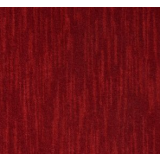 Kensington Carpet$593.00Kensington Carpet is the designer roll in our lineup: a tufted 30-ounce nylon carpet with a striated pattern drawn from the grain lines in stone and wood, in dark gray, charcoal black, navy blue, taupe, and red. It is an indoor product on a composite rubber backing, cut to length
...
Kensington Carpet is the designer roll in our lineup: a tufted 30-ounce nylon carpet with a striated pattern drawn from...
Kensington Carpet is the designer roll in our lineup: a tufted 30-ounce nylon carpet with a striated pattern drawn from the grain lines in stone and wood, in dark gray, charcoal black, navy blue, taupe, and red. It is an indoor product on a composite rubber backing, cut to length from a 6-foot-7-inch or 13-foot-2-inch roll. When a lobby or retail floor needs a commercial carpet roll that reads as interior design rather than matting, this is the one.
What Kensington Carpet Does Before the Lobby Stops Looking Finished
A lobby is specified for how it looks on opening day. The carpet that gets walked on afterward decides how long it keeps looking that way. Flat, single-color carpet shows every footpath, every coffee spill, and every dark drift of soil at the door, and a space that was designed with care starts reading tired within a season.
Kensington Carpet is built around appearance retention. The striated pattern is a field of fine, irregular lines in shifting tones of the same color, so soil that lands on it and the slight flattening in a walking lane both disappear into the pattern. The nylon fiber springs back from footfall in a way that softer fibers do not, and the tufted pile stays even across the run.
The stakes are the impression at the threshold. A hotel guest, a client, or a shopper forms an opinion of the building in the first few steps, and the floor is a large share of what they see. Carpet that still looks intended after two years of traffic is doing brand work. Carpet that looks worn is undoing it.
Why Tufted Space-Dyed Nylon, and Why This One
Most of our roll carpets are needlepunched polypropylene, a dense felt patterned on the surface. Kensington Carpet is a different construction. It is tufted: nylon yarn is stitched through a primary backing in rows, then bonded to a composite rubber backing. Tufting is how most commercial broadloom is made, and it is what gives Kensington its cut-pile hand and finished look.
The fiber is 100 percent PA6 nylon, space dyed. Space dyeing colors the yarn in short, shifting segments before it is tufted, which is what produces the striated pattern: no two inches of the roll repeat exactly, and the color reads as a blend of light and dark tones rather than a flat field. It is a design technique, but it is also why soil and traffic are hard to see on this carpet.
The pile is 30 ounces per square yard at 0.275 inch high, on a total height of 0.375 inch and a total weight of 70 ounces per square yard. That is a low overall profile with a relatively tall, soft pile, which is where the underfoot comfort the maker describes comes from. The rubber backing holds the roll to the floor and keeps moisture in the pile rather than under it.
For the spec file, Kensington Carpet carries an ASTM E648 radiant panel rating of Class 1, the flooring flammability class most institutional and corridor specifications call for. It also passes ASTM E662 smoke density and ASTM D2859 surface flammability, passes ASTM D7570 for dimensional stability, and is Green Label Plus certified for indoor air quality. It can contribute toward LEED-NC MR Credit 4 and IEQ Credits 4.1, 4.3, and 5.
Where It Belongs and What It Is Not
The maker's suggested uses read like a hospitality and corporate list: office environments, airports, conference rooms, lobbies, libraries, retail and department stores, resorts, restaurant entryways, and spas. Its own photography shows the product in a shoe boutique, an elevator lobby, a lounge, and a poolside corridor. It belongs where the carpet is part of the room, not a mat placed in it.
It also belongs deeper into the building than a walk-off mat. The maker rates it for the second and third zones of an entrance system, meaning the vestibule interior and the lobby or corridor beyond, rather than the exposed first zone at the door itself. Put a scraper or a heavier walk-off roll at the threshold and let Kensington carry the finished space behind it.
Kensington Carpet is rated for indoor use only. Nylon space-dyed yarn is not the fiber for a sun-exposed vestibule or a covered exterior walkway, and the cut sheet does not extend it there. Keep it inside the outer door.
What it is not: a scraper, a wet-weather walk-off for the first step inside, or a runner for carts and rolling loads. Grit and standing water should be stopped before they reach it. Where the same look is wanted on a floor that will be lifted and replaced in sections, the maker also produces the pattern as a 19.69-inch carpet tile and as custom logo matting.
Three Things to Check Before You Spec It
First, what sits ahead of it at the door? Kensington Carpet is a second- and third-zone product. It wants a scraper or a dense walk-off roll at the threshold to take the grit and the wet, so the striated pile gets clean shoes and does its appearance work. If the entry has no first-zone mat, add one before you specify this carpet.
Second, plan the run for pattern, not just length. Because the striae run the length of the roll, decide which direction the lines should read in the room before the cut. A 13-foot-2-inch width covers most lobbies without a center seam; where a seam is unavoidable, a striated pattern hides it far better than a solid, but the two pieces should run the same direction.
Third, choose the color for the room, then check it in the room. Dark gray and charcoal black suit cool, modern interiors and hide the most soil. Taupe warms up wood and stone. Navy blue and red carry a stronger design or brand statement. Space-dyed yarn shifts under different lighting, so ask us for a swatch and look at it under the actual fixtures.
Why Mats Inc.
Kensington Carpet is the roll our customers buy for the way a space looks, so the conversation is about pattern direction, seam placement, and what goes at the door ahead of it. Send the room dimensions and door location; we will tell you whether one 13-foot width clears the space and set up a first-zone mat in front so the carpet keeps the look you chose it for. Rolls are cut to length, and the matching tile and logo versions are available on request.
Specifications Construction Tufted Surface Designer striae (striated) pattern Fiber 100% PA6 space-dyed nylon Backing (roll goods) Composite rubber Pile height 0.275" (±0.5 mm) Total height 0.375" (±7.5%) Pile weight 30 oz/sq yd (±7.5%) Total weight 70 oz/sq yd (±7.5%) Roll width 6' 7" or 13' 2" (±2%) Lengths 10' to 100' in 10' steps; custom lengths available Also available as Carpet tile (19.69" x 19.69") and custom logo matting, on request Use Indoor only; entrance zones 2 and 3 (interior vestibule, lobby, corridor) Colors Dark Gray, Charcoal Black, Navy Blue, Taupe, Red Flammability Radiant panel (ASTM E648): Class 1; Smoke density (ASTM E662): Pass; Surface flammability (FF 1-70 / ASTM D2859): Pass Dimensional stability ASTM D7570: Pass Indoor air quality Green Label Plus certified LEED-NC May contribute to MR Credit 4; IEQ Credits 4.1, 4.3, 5 Maintenance Vacuum with a motor-driven brush and beater bar: weekly in low-traffic areas, daily or twice daily in high-traffic areas Warranty 1-year limited (Mats Inc.) Frequently Asked Questions
How is a tufted nylon carpet different from the needlepunched rolls?
Answered by Dustin Thompson, Owner & CEO
A needlepunched carpet is a felt: loose polypropylene fibers locked together by needles and patterned on top. Kensington Carpet is tufted, which means nylon yarn is stitched through a backing in rows and then bonded to a composite rubber base. Tufting gives a true cut pile with a soft hand and a finished, upholstered look.
Nylon also behaves differently underfoot. It springs back from compression better than polypropylene, so the pile stays even in the walking lane, and its 30-ounce weight sits on a low 0.375-inch overall profile. The trade-off is that nylon is an indoor fiber here; the needlepunched rolls take the door, and Kensington takes the room behind it.
How long will Kensington Carpet keep its look, and what ends it?
Answered by Dustin Thompson, Owner & CEO
The maker warrants the material against wear for five years of commercial use, defining wear as complete removal of the wear layer, pattern, and color. Because the striated, space-dyed pattern hides soil and lane flattening, this carpet tends to look acceptable well past the point where a solid would look tired, and a lobby that keeps grit off it at the door commonly reaches that mark still looking intended. Mats Inc. covers the product with a 1-year limited warranty.
What ends it early is grit that gets past the door. Sand works into a cut pile and abrades the yarn from inside, and the maker notes that about 15 percent of tracked-in soil is oil that binds that grit to the fiber. A first-zone scraper ahead of it and a beater-bar vacuum on schedule, daily in busy areas and weekly in quiet ones, are what protect the look.
Can it go in a vestibule or outdoors, and how is it installed?
Answered by Dustin Thompson, Owner & CEO
Indoors only, and preferably one step back from the door. The cut sheet rates Kensington Carpet for indoor use and for the second and third entrance zones, meaning the interior side of the vestibule, the lobby, and the corridors beyond. The first zone at the threshold, where the wet and the grit land, should be a scraper or a dense walk-off roll.
The maker requires professional installation to honor its own warranty, and for a carpet chosen for its look we agree. A glued-down run stays flat, keeps the pattern direction true, and lets a seam be placed and matched properly. Tell us the room and we will recommend the adhesive and the layout.
What widths and lengths does it come in, and how do seams work with a pattern?
Answered by Jinna Hopson, Vice President of Marketing
Rolls come 6 feet 7 inches wide and are cut in ten-foot steps from 10 to 100 feet; a 13-foot-2-inch width is available for lobbies and wide corridors so most rooms can be covered without a center seam. Custom lengths between the steps are routine.
Where a seam is unavoidable, the striated pattern is your friend. Its irregular lines break up the seam far better than a solid color would, provided both pieces run the same direction. Send us the room dimensions and door location and we will plan the layout so the lines read consistently across the space.
How does the striated pattern look in a real space?
Answered by Jinna Hopson, Vice President of Marketing
Warm and in motion. The maker describes the design as inspired by striae patterns found in nature, and that is how it reads: fine, shifting lines of lighter and darker tone within one color, like the grain in stone or wood. It gives a large floor energy without a repeating motif, so it works in a lounge, a boutique, or an elevator lobby without competing with the rest of the room.
Dark gray and charcoal black lean modern and corporate. Taupe is the warm neutral for hospitality and wood-heavy interiors. Navy blue and red are the statement colors, often used to carry a brand palette across a whole floor. Because space-dyed yarn changes character under different lighting, look at a swatch under your fixtures before you commit.
Can Kensington Carpet be matched to carpet tile or made into a logo mat?
Answered by Jinna Hopson, Vice President of Marketing
Yes to both. The maker produces the same striated pattern as a 19.69-inch carpet tile and as custom logo matting, so a building can run the roll in the lobby, tile in an office area that will be lifted and replaced in sections, and a logo mat at the elevator bank, all in one pattern and palette. Ask us for the tile or logo version when you order.
For a logo, the striated field is a flattering background: a solid-color mark set into the moving pattern reads as intentional rather than stamped on. Send your artwork through the proof request on this page and we will return a digital proof before anything is made.
By Jinna Hopson, Vice President of Marketing, Mats Inc.
↑
Kensington Carpet is the designer roll in our lineup: a tufted 30-ounce nylon carpet with a striated pattern drawn from the grain lines in stone and wood, in dark gray, charcoal black, navy blue, taupe, and red. It is an indoor product on a composite rubber backing, cut to length from a 6-foot-7-inch or 13-foot-2-inch roll. When a lobby or retail floor needs a commercial carpet roll that reads as interior design rather than matting, this is the one.
What Kensington Carpet Does Before the Lobby Stops Looking Finished
A lobby is specified for how it looks on opening day. The carpet that gets walked on afterward decides how long it keeps looking that way. Flat, single-color carpet shows every footpath, every coffee spill, and every dark drift of soil at the door, and a space that was designed with care starts reading tired within a season.
Kensington Carpet is built around appearance retention. The striated pattern is a field of fine, irregular lines in shifting tones of the same color, so soil that lands on it and the slight flattening in a walking lane both disappear into the pattern. The nylon fiber springs back from footfall in a way that softer fibers do not, and the tufted pile stays even across the run.
The stakes are the impression at the threshold. A hotel guest, a client, or a shopper forms an opinion of the building in the first few steps, and the floor is a large share of what they see. Carpet that still looks intended after two years of traffic is doing brand work. Carpet that looks worn is undoing it.
Why Tufted Space-Dyed Nylon, and Why This One
Most of our roll carpets are needlepunched polypropylene, a dense felt patterned on the surface. Kensington Carpet is a different construction. It is tufted: nylon yarn is stitched through a primary backing in rows, then bonded to a composite rubber backing. Tufting is how most commercial broadloom is made, and it is what gives Kensington its cut-pile hand and finished look.
The fiber is 100 percent PA6 nylon, space dyed. Space dyeing colors the yarn in short, shifting segments before it is tufted, which is what produces the striated pattern: no two inches of the roll repeat exactly, and the color reads as a blend of light and dark tones rather than a flat field. It is a design technique, but it is also why soil and traffic are hard to see on this carpet.
The pile is 30 ounces per square yard at 0.275 inch high, on a total height of 0.375 inch and a total weight of 70 ounces per square yard. That is a low overall profile with a relatively tall, soft pile, which is where the underfoot comfort the maker describes comes from. The rubber backing holds the roll to the floor and keeps moisture in the pile rather than under it.
For the spec file, Kensington Carpet carries an ASTM E648 radiant panel rating of Class 1, the flooring flammability class most institutional and corridor specifications call for. It also passes ASTM E662 smoke density and ASTM D2859 surface flammability, passes ASTM D7570 for dimensional stability, and is Green Label Plus certified for indoor air quality. It can contribute toward LEED-NC MR Credit 4 and IEQ Credits 4.1, 4.3, and 5.
Where It Belongs and What It Is Not
The maker's suggested uses read like a hospitality and corporate list: office environments, airports, conference rooms, lobbies, libraries, retail and department stores, resorts, restaurant entryways, and spas. Its own photography shows the product in a shoe boutique, an elevator lobby, a lounge, and a poolside corridor. It belongs where the carpet is part of the room, not a mat placed in it.
It also belongs deeper into the building than a walk-off mat. The maker rates it for the second and third zones of an entrance system, meaning the vestibule interior and the lobby or corridor beyond, rather than the exposed first zone at the door itself. Put a scraper or a heavier walk-off roll at the threshold and let Kensington carry the finished space behind it.
Kensington Carpet is rated for indoor use only. Nylon space-dyed yarn is not the fiber for a sun-exposed vestibule or a covered exterior walkway, and the cut sheet does not extend it there. Keep it inside the outer door.
What it is not: a scraper, a wet-weather walk-off for the first step inside, or a runner for carts and rolling loads. Grit and standing water should be stopped before they reach it. Where the same look is wanted on a floor that will be lifted and replaced in sections, the maker also produces the pattern as a 19.69-inch carpet tile and as custom logo matting.
Three Things to Check Before You Spec It
First, what sits ahead of it at the door? Kensington Carpet is a second- and third-zone product. It wants a scraper or a dense walk-off roll at the threshold to take the grit and the wet, so the striated pile gets clean shoes and does its appearance work. If the entry has no first-zone mat, add one before you specify this carpet.
Second, plan the run for pattern, not just length. Because the striae run the length of the roll, decide which direction the lines should read in the room before the cut. A 13-foot-2-inch width covers most lobbies without a center seam; where a seam is unavoidable, a striated pattern hides it far better than a solid, but the two pieces should run the same direction.
Third, choose the color for the room, then check it in the room. Dark gray and charcoal black suit cool, modern interiors and hide the most soil. Taupe warms up wood and stone. Navy blue and red carry a stronger design or brand statement. Space-dyed yarn shifts under different lighting, so ask us for a swatch and look at it under the actual fixtures.
Why Mats Inc.
Kensington Carpet is the roll our customers buy for the way a space looks, so the conversation is about pattern direction, seam placement, and what goes at the door ahead of it. Send the room dimensions and door location; we will tell you whether one 13-foot width clears the space and set up a first-zone mat in front so the carpet keeps the look you chose it for. Rolls are cut to length, and the matching tile and logo versions are available on request.
Specifications Construction Tufted Surface Designer striae (striated) pattern Fiber 100% PA6 space-dyed nylon Backing (roll goods) Composite rubber Pile height 0.275" (±0.5 mm) Total height 0.375" (±7.5%) Pile weight 30 oz/sq yd (±7.5%) Total weight 70 oz/sq yd (±7.5%) Roll width 6' 7" or 13' 2" (±2%) Lengths 10' to 100' in 10' steps; custom lengths available Also available as Carpet tile (19.69" x 19.69") and custom logo matting, on request Use Indoor only; entrance zones 2 and 3 (interior vestibule, lobby, corridor) Colors Dark Gray, Charcoal Black, Navy Blue, Taupe, Red Flammability Radiant panel (ASTM E648): Class 1; Smoke density (ASTM E662): Pass; Surface flammability (FF 1-70 / ASTM D2859): Pass Dimensional stability ASTM D7570: Pass Indoor air quality Green Label Plus certified LEED-NC May contribute to MR Credit 4; IEQ Credits 4.1, 4.3, 5 Maintenance Vacuum with a motor-driven brush and beater bar: weekly in low-traffic areas, daily or twice daily in high-traffic areas Warranty 1-year limited (Mats Inc.) Frequently Asked Questions
How is a tufted nylon carpet different from the needlepunched rolls?
Answered by Dustin Thompson, Owner & CEO
A needlepunched carpet is a felt: loose polypropylene fibers locked together by needles and patterned on top. Kensington Carpet is tufted, which means nylon yarn is stitched through a backing in rows and then bonded to a composite rubber base. Tufting gives a true cut pile with a soft hand and a finished, upholstered look.
Nylon also behaves differently underfoot. It springs back from compression better than polypropylene, so the pile stays even in the walking lane, and its 30-ounce weight sits on a low 0.375-inch overall profile. The trade-off is that nylon is an indoor fiber here; the needlepunched rolls take the door, and Kensington takes the room behind it.
How long will Kensington Carpet keep its look, and what ends it?
Answered by Dustin Thompson, Owner & CEO
The maker warrants the material against wear for five years of commercial use, defining wear as complete removal of the wear layer, pattern, and color. Because the striated, space-dyed pattern hides soil and lane flattening, this carpet tends to look acceptable well past the point where a solid would look tired, and a lobby that keeps grit off it at the door commonly reaches that mark still looking intended. Mats Inc. covers the product with a 1-year limited warranty.
What ends it early is grit that gets past the door. Sand works into a cut pile and abrades the yarn from inside, and the maker notes that about 15 percent of tracked-in soil is oil that binds that grit to the fiber. A first-zone scraper ahead of it and a beater-bar vacuum on schedule, daily in busy areas and weekly in quiet ones, are what protect the look.
Can it go in a vestibule or outdoors, and how is it installed?
Answered by Dustin Thompson, Owner & CEO
Indoors only, and preferably one step back from the door. The cut sheet rates Kensington Carpet for indoor use and for the second and third entrance zones, meaning the interior side of the vestibule, the lobby, and the corridors beyond. The first zone at the threshold, where the wet and the grit land, should be a scraper or a dense walk-off roll.
The maker requires professional installation to honor its own warranty, and for a carpet chosen for its look we agree. A glued-down run stays flat, keeps the pattern direction true, and lets a seam be placed and matched properly. Tell us the room and we will recommend the adhesive and the layout.
What widths and lengths does it come in, and how do seams work with a pattern?
Answered by Jinna Hopson, Vice President of Marketing
Rolls come 6 feet 7 inches wide and are cut in ten-foot steps from 10 to 100 feet; a 13-foot-2-inch width is available for lobbies and wide corridors so most rooms can be covered without a center seam. Custom lengths between the steps are routine.
Where a seam is unavoidable, the striated pattern is your friend. Its irregular lines break up the seam far better than a solid color would, provided both pieces run the same direction. Send us the room dimensions and door location and we will plan the layout so the lines read consistently across the space.
How does the striated pattern look in a real space?
Answered by Jinna Hopson, Vice President of Marketing
Warm and in motion. The maker describes the design as inspired by striae patterns found in nature, and that is how it reads: fine, shifting lines of lighter and darker tone within one color, like the grain in stone or wood. It gives a large floor energy without a repeating motif, so it works in a lounge, a boutique, or an elevator lobby without competing with the rest of the room.
Dark gray and charcoal black lean modern and corporate. Taupe is the warm neutral for hospitality and wood-heavy interiors. Navy blue and red are the statement colors, often used to carry a brand palette across a whole floor. Because space-dyed yarn changes character under different lighting, look at a swatch under your fixtures before you commit.
Can Kensington Carpet be matched to carpet tile or made into a logo mat?
Answered by Jinna Hopson, Vice President of Marketing
Yes to both. The maker produces the same striated pattern as a 19.69-inch carpet tile and as custom logo matting, so a building can run the roll in the lobby, tile in an office area that will be lifted and replaced in sections, and a logo mat at the elevator bank, all in one pattern and palette. Ask us for the tile or logo version when you order.
For a logo, the striated field is a flattering background: a solid-color mark set into the moving pattern reads as intentional rather than stamped on. Send your artwork through the proof request on this page and we will return a digital proof before anything is made.
By Jinna Hopson, Vice President of Marketing, Mats Inc.
↑
View Details
View Details
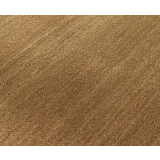 Coco Coir Rolls$711.00Coco coir rolls bring a natural-fiber entrance to a recessed well: warm, brush-textured coconut coir bonded to a sealed vinyl base, cut from the roll to fit your recess. The coir brushes grit off shoes and the vinyl backing keeps dirt and moisture on the mat instead of letting it
...
Coco coir rolls bring a natural-fiber entrance to a recessed well: warm, brush-textured coconut coir bonded to a sealed vinyl...
Coco coir rolls bring a natural-fiber entrance to a recessed well: warm, brush-textured coconut coir bonded to a sealed vinyl base, cut from the roll to fit your recess. The coir brushes grit off shoes and the vinyl backing keeps dirt and moisture on the mat instead of letting it reach the floor below — all while giving the doorway the classic, welcoming look people associate with a well-kept entrance.
What coco coir does before grit reaches your floor
Coir is the stiff, brushy fiber from coconut husks — the original boot-scraping material. Set into a recessed well at the entrance, a coir mat brushes dirt and debris off shoes as people come in, holding grit and moisture on the mat so it doesn't track across the floor beyond the door. It does that while looking like natural fiber, not industrial matting.
What keeps it off your floor is the backing. Unlike a plain woven coco mat that lets water seep straight through, this one is built on a sealed vinyl base, so moisture and grit stay on top of the mat rather than reaching the floor underneath. Recessed coir matting sits down in the well, flush with the surrounding floor, doing that work without a trip lip or a utilitarian look.
Why natural coir, and why this one
Coir's appeal is the material itself. The coconut fiber is naturally stiff and brushy, so it captures grit well, and it carries a warm, golden, textured look that synthetic mats imitate but don't quite match. For an entrance where the first impression matters — a hotel, a boutique, a traditional lobby — that natural character is the whole point.
The coir is fusion-bonded into the vinyl base at a total height of about 5/8" — roughly 0.422" of that is the coir pile — which locks the fibers in so the mat can be cut to any shape without unraveling. That's what makes it work in a recessed well, and why an odd-shaped recess or a wide entry is straightforward: a large well is laid out from the roll to read as one clean mat.
It comes in rolls about 6'7" wide, cut to your opening, and can be made with or without an inlaid logo. Color isn't limited to the natural tone, either — beyond the classic golden coir, it's offered in grey, black, blue, green, brown, and red, so the mat can stay traditional or pick up a brand or interior palette.
Coir also carries a real sustainability story: it's a renewable byproduct of the coconut harvest, and as a semipermanent, maintained walk-off system at least ten feet long it can contribute toward LEED-NC — toward recycled-content and low-emitting-material credits, with a releasable adhesive rated at zero VOC. Because the exact contribution depends on the LEED version and the credits in play, tell us the points you're targeting and we'll confirm how it fits.
Where it belongs, and what it is not
Coir belongs at indoor and covered entrances — lobbies, vestibules, conference rooms, libraries, retail floors, and recessed wells at sheltered doors. It's a natural fit for offices, retail, schools, government buildings, and hospitality entries that want a warm, natural threshold. It's one of our recessed mat inserts, cut to drop into the well flush with the floor.
It's rated for indoor use, not for an exposed outdoor doorway, for two reasons. Coir is a natural fiber that fades and wears faster in direct sun and rain than a synthetic, and the dyed colors are vegetable-based, so they can transfer if the mat gets wet. For a fully exposed entrance, a weatherproof scraper or grate is the better tool, and we'll point you to one. Expect a little natural shedding from coir early on, too.
Three things to check before you spec it
First, keep it to indoor and covered spots. Coir is at its best inside — a lobby, a vestibule, a recessed indoor well. In an open doorway taking direct sun and rain, it'll fade and wear sooner, and the vegetable-dyed colors can run if they get soaked. Save coir for sheltered entries and use a weatherproof mat where the weather hits directly.
Second, measure the opening, especially a recess. The matting comes in rolls about 6'7" wide and is cut to your dimensions, so custom shapes are workable and the cut edges hold without unraveling. For a recess wider than a single piece, sections are laid out so the well reads as one mat. Send the well dimensions and we'll plan the cut.
Third, pick the color and look. The natural golden tone is what most people picture at a front door, while the dyed options read more finished or pick up a brand color, and a logo can be inlaid. Keep in mind the colors are vegetable-dyed, so choose with the indoor setting and the impression you want at the door in mind.
Why Mats Inc.
We've specified entrance flooring since 1964, and coir is one of those materials where the right call is as much about where it goes as what it is. We help you judge whether an entrance is sheltered enough for natural fiber, size the mat to your recess, and choose the color or logo to suit the doorway — then cut it to fit and ship it ready to set. If a spot is too exposed for coir, we'll tell you and point you to something weatherproof instead.
Specifications Fiber Natural coconut fibers (coir) Backing Vinyl — sealed base keeps moisture and dirt on the mat, not through to the floor Manufacturing Fusion bonded Surface Non-directional, smooth / velour Pile height 0.422" Total height 0.625" (about 5/8") Pile weight 60 oz/sy Total weight 166 oz/sy Roll / sheet width 6'7", cut to length; custom sizes and logo mats available Flammability ASTM E648 (radiant panel): Class II LEED (LEED-NC v3) Can contribute toward MR Credit 4 (recycled content), IEQ Credit 4.1 (releasable adhesive, 0 g/L VOC), and IEQ Credit 5 (semipermanent entrance system at least 10 ft, maintained weekly) Use Indoor only; recessed wells and entryways Installation Semipermanent; set with a releasable adhesive, cut to fit flush Colors Natural, grey, black, blue, green, brown, red (vegetable-dyed except natural); with or without inlaid logo Maintenance Regular vacuuming with a motor-driven brush and beater bar Warranty 1-year limited (Mats Inc.) Frequently Asked Questions
What exactly is coco coir, and how does it clean shoes?
Answered by Dustin Thompson, Owner & CEO
Coir is the coarse natural fiber from coconut husks — the same stiff, brushy material people have used as a boot scraper for generations. Here it's fusion-bonded onto a sealed vinyl base at about 5/8" thick. As people walk across it, the coir fibers comb grit and debris off their shoes, and the vinyl backing keeps that dirt and any moisture on the mat instead of letting it seep through to the floor below.
How long does a coir mat last, and how do I keep it looking good?
Answered by Dustin Thompson, Owner & CEO
Indoors and maintained, coir holds up well — the fibers are fusion-bonded into the vinyl base, so they don't shed loose or pull out the way a woven mat can. The thing that shortens its life is weather, which is why it's rated for indoor use.
Maintenance does the rest. A regular pass with a motor-driven brush and beater bar lifts the grit ground into the fiber and removes up to 80% of the surface dirt — that's what keeps both the look and the scraping working over time.
How is it installed in a recessed well?
Answered by Dustin Thompson, Owner & CEO
It's a semipermanent installation. The mat is cut to the size and shape of the well and set down into it with a releasable adhesive, so the top finishes flush with the surrounding floor — no lip at the threshold — and it can still be lifted for a deep cleaning or replacement. Set flush, it brushes shoes the same way it would sitting proud, but it reads as a built-in part of the entrance. Send us the well dimensions and we'll cut it to fit.
What colors does it come in?
Answered by Jinna Hopson, Vice President of Marketing
Beyond the classic natural coir tone — the warm, golden look most people picture at a front door — it comes in grey, black, blue, green, brown, and red, so the mat can stay traditional or pick up a brand or interior color.
One thing to know: every color except the natural tone is vegetable-dyed, which is part of why it's an indoor product, since the dyes can transfer if the mat gets soaked. Because color shifts between a screen and the real fiber, ask for a sample before you commit.
Can it be cut to a custom size or odd-shaped recess, and can I add a logo?
Answered by Jinna Hopson, Vice President of Marketing
Yes to both. It's supplied in rolls about 6'7" wide and cut to your opening, so custom sizes and shapes are straightforward — the cut edges hold without unraveling because the fibers are bonded into the base. For a recess wider than a single piece, sections are laid out so a large well reads as one clean mat. It can also be made with or without an inlaid logo, so a coir entrance can carry a name or mark while keeping its natural texture.
Does coir suit a modern space, or only traditional entrances?
Answered by Jinna Hopson, Vice President of Marketing
Coir reads natural and classic — the brushy texture and warm tone are what people associate with a welcoming, well-kept doorway, which is why it suits hospitality, retail, and traditional or warm entrances especially well. In a sleek, minimal modern lobby, a finished synthetic or a metal grate often fits the look better. But for an entrance you want to feel natural and inviting under cover, coir looks the part in a way engineered matting doesn't quite reach.
By Jinna Hopson, Vice President of Marketing, Mats Inc.
↑
Coco coir rolls bring a natural-fiber entrance to a recessed well: warm, brush-textured coconut coir bonded to a sealed vinyl base, cut from the roll to fit your recess. The coir brushes grit off shoes and the vinyl backing keeps dirt and moisture on the mat instead of letting it reach the floor below — all while giving the doorway the classic, welcoming look people associate with a well-kept entrance.
What coco coir does before grit reaches your floor
Coir is the stiff, brushy fiber from coconut husks — the original boot-scraping material. Set into a recessed well at the entrance, a coir mat brushes dirt and debris off shoes as people come in, holding grit and moisture on the mat so it doesn't track across the floor beyond the door. It does that while looking like natural fiber, not industrial matting.
What keeps it off your floor is the backing. Unlike a plain woven coco mat that lets water seep straight through, this one is built on a sealed vinyl base, so moisture and grit stay on top of the mat rather than reaching the floor underneath. Recessed coir matting sits down in the well, flush with the surrounding floor, doing that work without a trip lip or a utilitarian look.
Why natural coir, and why this one
Coir's appeal is the material itself. The coconut fiber is naturally stiff and brushy, so it captures grit well, and it carries a warm, golden, textured look that synthetic mats imitate but don't quite match. For an entrance where the first impression matters — a hotel, a boutique, a traditional lobby — that natural character is the whole point.
The coir is fusion-bonded into the vinyl base at a total height of about 5/8" — roughly 0.422" of that is the coir pile — which locks the fibers in so the mat can be cut to any shape without unraveling. That's what makes it work in a recessed well, and why an odd-shaped recess or a wide entry is straightforward: a large well is laid out from the roll to read as one clean mat.
It comes in rolls about 6'7" wide, cut to your opening, and can be made with or without an inlaid logo. Color isn't limited to the natural tone, either — beyond the classic golden coir, it's offered in grey, black, blue, green, brown, and red, so the mat can stay traditional or pick up a brand or interior palette.
Coir also carries a real sustainability story: it's a renewable byproduct of the coconut harvest, and as a semipermanent, maintained walk-off system at least ten feet long it can contribute toward LEED-NC — toward recycled-content and low-emitting-material credits, with a releasable adhesive rated at zero VOC. Because the exact contribution depends on the LEED version and the credits in play, tell us the points you're targeting and we'll confirm how it fits.
Where it belongs, and what it is not
Coir belongs at indoor and covered entrances — lobbies, vestibules, conference rooms, libraries, retail floors, and recessed wells at sheltered doors. It's a natural fit for offices, retail, schools, government buildings, and hospitality entries that want a warm, natural threshold. It's one of our recessed mat inserts, cut to drop into the well flush with the floor.
It's rated for indoor use, not for an exposed outdoor doorway, for two reasons. Coir is a natural fiber that fades and wears faster in direct sun and rain than a synthetic, and the dyed colors are vegetable-based, so they can transfer if the mat gets wet. For a fully exposed entrance, a weatherproof scraper or grate is the better tool, and we'll point you to one. Expect a little natural shedding from coir early on, too.
Three things to check before you spec it
First, keep it to indoor and covered spots. Coir is at its best inside — a lobby, a vestibule, a recessed indoor well. In an open doorway taking direct sun and rain, it'll fade and wear sooner, and the vegetable-dyed colors can run if they get soaked. Save coir for sheltered entries and use a weatherproof mat where the weather hits directly.
Second, measure the opening, especially a recess. The matting comes in rolls about 6'7" wide and is cut to your dimensions, so custom shapes are workable and the cut edges hold without unraveling. For a recess wider than a single piece, sections are laid out so the well reads as one mat. Send the well dimensions and we'll plan the cut.
Third, pick the color and look. The natural golden tone is what most people picture at a front door, while the dyed options read more finished or pick up a brand color, and a logo can be inlaid. Keep in mind the colors are vegetable-dyed, so choose with the indoor setting and the impression you want at the door in mind.
Why Mats Inc.
We've specified entrance flooring since 1964, and coir is one of those materials where the right call is as much about where it goes as what it is. We help you judge whether an entrance is sheltered enough for natural fiber, size the mat to your recess, and choose the color or logo to suit the doorway — then cut it to fit and ship it ready to set. If a spot is too exposed for coir, we'll tell you and point you to something weatherproof instead.
Specifications Fiber Natural coconut fibers (coir) Backing Vinyl — sealed base keeps moisture and dirt on the mat, not through to the floor Manufacturing Fusion bonded Surface Non-directional, smooth / velour Pile height 0.422" Total height 0.625" (about 5/8") Pile weight 60 oz/sy Total weight 166 oz/sy Roll / sheet width 6'7", cut to length; custom sizes and logo mats available Flammability ASTM E648 (radiant panel): Class II LEED (LEED-NC v3) Can contribute toward MR Credit 4 (recycled content), IEQ Credit 4.1 (releasable adhesive, 0 g/L VOC), and IEQ Credit 5 (semipermanent entrance system at least 10 ft, maintained weekly) Use Indoor only; recessed wells and entryways Installation Semipermanent; set with a releasable adhesive, cut to fit flush Colors Natural, grey, black, blue, green, brown, red (vegetable-dyed except natural); with or without inlaid logo Maintenance Regular vacuuming with a motor-driven brush and beater bar Warranty 1-year limited (Mats Inc.) Frequently Asked Questions
What exactly is coco coir, and how does it clean shoes?
Answered by Dustin Thompson, Owner & CEO
Coir is the coarse natural fiber from coconut husks — the same stiff, brushy material people have used as a boot scraper for generations. Here it's fusion-bonded onto a sealed vinyl base at about 5/8" thick. As people walk across it, the coir fibers comb grit and debris off their shoes, and the vinyl backing keeps that dirt and any moisture on the mat instead of letting it seep through to the floor below.
How long does a coir mat last, and how do I keep it looking good?
Answered by Dustin Thompson, Owner & CEO
Indoors and maintained, coir holds up well — the fibers are fusion-bonded into the vinyl base, so they don't shed loose or pull out the way a woven mat can. The thing that shortens its life is weather, which is why it's rated for indoor use.
Maintenance does the rest. A regular pass with a motor-driven brush and beater bar lifts the grit ground into the fiber and removes up to 80% of the surface dirt — that's what keeps both the look and the scraping working over time.
How is it installed in a recessed well?
Answered by Dustin Thompson, Owner & CEO
It's a semipermanent installation. The mat is cut to the size and shape of the well and set down into it with a releasable adhesive, so the top finishes flush with the surrounding floor — no lip at the threshold — and it can still be lifted for a deep cleaning or replacement. Set flush, it brushes shoes the same way it would sitting proud, but it reads as a built-in part of the entrance. Send us the well dimensions and we'll cut it to fit.
What colors does it come in?
Answered by Jinna Hopson, Vice President of Marketing
Beyond the classic natural coir tone — the warm, golden look most people picture at a front door — it comes in grey, black, blue, green, brown, and red, so the mat can stay traditional or pick up a brand or interior color.
One thing to know: every color except the natural tone is vegetable-dyed, which is part of why it's an indoor product, since the dyes can transfer if the mat gets soaked. Because color shifts between a screen and the real fiber, ask for a sample before you commit.
Can it be cut to a custom size or odd-shaped recess, and can I add a logo?
Answered by Jinna Hopson, Vice President of Marketing
Yes to both. It's supplied in rolls about 6'7" wide and cut to your opening, so custom sizes and shapes are straightforward — the cut edges hold without unraveling because the fibers are bonded into the base. For a recess wider than a single piece, sections are laid out so a large well reads as one clean mat. It can also be made with or without an inlaid logo, so a coir entrance can carry a name or mark while keeping its natural texture.
Does coir suit a modern space, or only traditional entrances?
Answered by Jinna Hopson, Vice President of Marketing
Coir reads natural and classic — the brushy texture and warm tone are what people associate with a welcoming, well-kept doorway, which is why it suits hospitality, retail, and traditional or warm entrances especially well. In a sleek, minimal modern lobby, a finished synthetic or a metal grate often fits the look better. But for an entrance you want to feel natural and inviting under cover, coir looks the part in a way engineered matting doesn't quite reach.
By Jinna Hopson, Vice President of Marketing, Mats Inc.
↑
View Details
View Details
What a Commercial Carpet Roll Does Before the Hard Floor Behind It Takes the Damage
A commercial carpet roll is a walk-off surface stretched to the length of the path people actually take. A mat covers a doorway. A roll covers the doorway, the vestibule, and the first stretch of corridor where shoes are still shedding grit and water. That extra length is the whole point.
ISSA field guidance holds that it takes six to eight footsteps on a walk-off surface to clear the bulk of the soil from a shoe. A three-foot mat gets one step, maybe two. A ten- or twenty-foot run from a roll gets all of them, which is why roll goods show up in lobbies, school hallways, and hotel corridors.
Roll carpet also removes the seams and lifted edges that come with laying several mats end to end. One piece lays flatter, reads cleaner, and gives a floor crew one edge to check instead of a dozen.
The Mistake That Burns Buyers: Sizing the Roll to the Doorway Instead of the Traffic
The common failure with indoor carpet rolls is not the carpet. It is buying a run that is too short and too narrow for the volume of people crossing it, then asking that small area to do the work of a full walk-off zone. Three things happen next, in order.
First, the pile crushes along the center line. Every entrant walks the same eighteen inches, so that strip flattens and darkens while the edges still look new. Second, the carpet saturates on wet days because there is not enough surface to spread the water out. A saturated roll stops holding grit and starts releasing it onto the hard floor beyond.
Third, and quietest, the backing breaks down from underneath. Moisture that never dries between rushes works into the base, the roll starts to ripple, and the ripple becomes the trip point at the threshold. By then the hard floor past the carpet is scratched from the grit the undersized run let through, and scratched terrazzo or stone does not come back with a mop.
The fix is to walk the path before you order. Measure from the door to the point where the crowd fans out, and buy the roll to that length and to the width of the doorway plus a margin on each side. The rolls here are wide enough that one piece usually does it.
How the Carpet Rolls Compare
Berber Nop has a raised hobnail berber texture and the widest color range in the group, with dozens of solids referenced to standard print colors. That makes it the pick when the carpet needs to match a school, team, or brand palette exactly. Strongest fit for schools, churches, hospitality corridors, and any entry where color is part of the design brief.
Astoria Nop shares the tight nop loop construction but comes in a short list of neutral tones: sterling, charcoal, steel blue, sisal, zinc, and walnut. It reads more restrained than Berber Nop and is the simpler spec when nobody needs to match a color chip. Strongest fit for office lobbies, medical waiting areas, and property-management common corridors.
Axis Rib carries a linear ribbed surface that lays in the direction of travel and hides tracking well. It is offered in sterling, charcoal, and black shadow, so it can be tuned lighter or darker to the surrounding floor. Strongest fit for grocery and retail entries, airport concourses, and long hallways where the rib lines visually lengthen the space.
Avenue Rib is the same ribbed idea in a single charcoal colorway. Where Axis Rib gives three tones to choose from, Avenue Rib settles the question and ships in the one shade that hides the most. Strongest fit for back-of-house corridors, employee entrances, warehouse-to-office transitions, and any run where nobody is going to debate the color.
Kensington Carpet is the design-led roll in the group, with a striated pattern drawn from natural grain and a five-color palette of dark gray, charcoal black, navy blue, taupe, and red. It is the one specifiers reach for when the corridor is meant to look finished rather than utilitarian. Strongest fit for hotels, country clubs, executive office floors, and church narthexes.
Coco Coir Rolls are the only natural-fiber option here: stiff coconut coir bonded to a sealed vinyl base, about five-eighths of an inch thick. Coir scrapes harder than any of the synthetic loops and reads warm and traditional, but it belongs indoors or under cover, since sun and rain shorten its life. Strongest fit for covered lobbies, recessed entry wells, boutique retail, and restaurants that want a classic front door.
Three Things to Check Before You Pick
First, what is the roll being asked to catch? Dry grit and sand favor a scraping surface, which is where Coco Coir Rolls and the ribbed Axis Rib and Avenue Rib do their best work. Mixed wet and dry traffic through a vestibule leans toward the nop loops of Berber Nop and Astoria Nop, which hold water in the pile rather than letting it sheet across the top.
Second, how far does the traffic run before it spreads out? Rolls come 6 feet 7 inches wide and are cut to length in ten-foot steps up to 100 feet, with a 13-foot-2-inch width available for wide lobbies. Measure the actual path and order to it. A run that stops short of the fan-out point puts the wear and the grit on the hard floor beyond.
Third, how much does appearance drive the decision? If the carpet has to hit a brand or school color, Berber Nop is the only roll here with a print-referenced palette. If the corridor is meant to look like part of the interior design, Kensington Carpet is the one built for that. If the goal is to disappear into the floor, Avenue Rib in charcoal does exactly that.
Why Mats Inc.
We have specified walk-off flooring since 1964, and the recurring job with carpet rolls is not picking the carpet. It is getting the length and width right for a specific doorway and the crowd that comes through it. Send us the door dimensions and a sense of the traffic, and we will tell you how long the run should be, whether one width covers it, and which surface fits what the shoes are bringing in.
Every roll here is cut to order, and large or unusual layouts are routine for us: a 13-foot lobby span, a recessed well, a run that turns a corner. If a spot calls for a different construction than what is on this page, we will say so and point you to it rather than sell you the wrong roll.
Frequently Asked Questions
Which carpet roll should I pick for a busy entryway?
Answered by Jinna Hopson, Vice President of Marketing
Start with what the floor looks like when it fails, then work backward. If you see sandy grit tracked in, a scraping surface like Coco Coir Rolls or one of the ribbed rolls does the most work. If the problem is wet footprints across a lobby, the nop loops of Berber Nop or Astoria Nop hold moisture better.
Then let appearance settle the tie. Berber Nop for a matched color, Kensington Carpet for a designed look, Avenue Rib when you want the carpet to fade into the background. Most entries end up with one of those three answers.
Do carpet rolls need to be glued down, or can they lay loose?
Answered by Dustin Thompson, Owner & CEO
Short runners of ten or twenty feet in a straight corridor often lay loose and stay put under their own weight. Once the run gets long, turns a corner, or sits in a doorway with a lot of pivoting foot traffic, a releasable adhesive is the safer call. It keeps the roll from creeping and keeps the leading edge flat at the threshold.
Recessed wells are a special case. There the roll is cut to the well and set with releasable adhesive so it finishes flush with the surrounding floor and can still be lifted for deep cleaning. Tell us where the roll is going and we will recommend the right method.
Can a carpet roll handle carts, luggage, or wheeled traffic?
Answered by Dustin Thompson, Owner & CEO
Low, tight surfaces handle wheels better than taller pile, so the ribbed rolls and the nop loops are the ones we point to for hotel luggage carts and grocery buggies. Expect wheel lanes to show wear before the rest of the roll does. Ordering the run a little wider than the cart path spreads that wear instead of concentrating it.
For heavy rolling loads such as pallet jacks or loaded stock carts, carpet is usually the wrong material. A vinyl or rubber runner takes that traffic without tracking, and we can point you to the right one.
How long does a commercial carpet roll last?
Answered by Dustin Thompson, Owner & CEO
In a busy lobby that sees steady daily traffic, plan on roughly three to five years before the center line has crushed enough that the roll needs replacing. In a quieter corridor or a covered secondary entry, the same roll often runs seven years or more. Coir is the exception: it wears well indoors but fades fast if it takes direct sun or rain.
What ends a roll early is almost always moisture that never dries between rushes, which breaks down the backing from below. Regular vacuuming with a beater bar and a chance to dry out between wet days is what gets you to the long end of those ranges. Every roll here carries a 1-year limited (Mats Inc.) warranty.
Can I match the carpet to our brand or school colors?
Answered by Jinna Hopson, Vice President of Marketing
Yes, and Berber Nop is the roll built for it. Its colors are referenced to standard print swatches, so if your brand guide lists a print color you can usually get within a shade of it. Kensington Carpet, Astoria Nop, and Axis Rib each offer a shorter palette of grays, blues, and warm neutrals for spaces that want a coordinated rather than exact match.
Coco Coir Rolls can also carry an inlaid logo in the natural fiber, which is a distinctive look at a front door. Because screen colors and real fiber never agree perfectly, ask us for a sample before you commit a whole corridor to a shade.
What widths and lengths do carpet rolls come in, and can you cut a custom size?
Answered by Jinna Hopson, Vice President of Marketing
The standard roll is 6 feet 7 inches wide, and it is cut to length in ten-foot steps from 10 feet to 100 feet. For a wide lobby or a double-door entry, a 13-foot-2-inch width is available on request so you can span the opening without a seam down the middle.
Custom lengths outside those steps, odd shapes for a recessed well, and runs that need to turn a corner are all workable. Send us the dimensions of the space and we will plan the cut so the finished run reads as one piece.
By Jinna Hopson, Vice President of Marketing, Mats Inc.