
Coir (Coco) Entrance Matting | Outdoor Door Mats
Coco (Coir) Entrance Matting for High-Traffic Entryways
Custom sizes and logo options for businesses
Our Coco Matting uses natural coir fibers to scrape dirt and debris at the door, keeping interiors cleaner. Ideal for storefronts, offices, and lobbies, with outdoor-ready options and custom logos available.
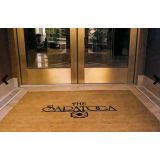
Custom Coco Mats$168.00Custom Coco Mats are made from real coconut fiber — coir — for entrances where a warm, natural-material look matters as much as keeping the floor clean. The coarse fiber scrapes grit and traps dirt at the door, while the organic texture gives a threshold a premium feel that...
Custom Coco Mats are made from real coconut fiber — coir — for entrances where a warm, natural-material look...
Custom Coco Mats are made from real coconut fiber — coir — for entrances where a warm, natural-material look matters as much as keeping the floor clean. The coarse fiber scrapes grit and traps dirt at the door, while the organic texture gives a threshold a premium feel that synthetic mats don't replicate. They sit among our indoor logo mats as the natural-fiber option, built specifically for recessed entrance wells.
Coir earns its place at the door through the fiber itself. The coarse natural strands scrape soil off shoes and hold it down in the pile, away from the walking surface. Most of the dirt inside a building arrives on foot traffic, per ISSA, and a dense coir face is built to catch it.
The coir is bonded to a vinyl backing and supplied as sheet and roll goods, so each mat is cut to the exact opening rather than forced to a stock size. It's a semipermanent installation for recessed wells: set into the recess with a releasable adhesive and sized so it sits flush with the surrounding floor. Give us the well dimensions and we cut it to fit; if you're specifying a new well, we can work from the opening you're planning.
Coir also carries a real sustainability story: it's a natural, renewable fiber — a byproduct of the coconut harvest — which is part of why it gets specified for green-minded and design-forward projects. A recessed coir entrance system can contribute toward LEED when it's specified as a maintained walk-off system and documented for the credits a project is pursuing. Because the exact contribution depends on the LEED version and the credits in play, send us the points you're targeting and we'll confirm how this fits.
This is an indoor mat. Coir is a natural fiber, so it belongs at interior and covered entrances — lobbies, vestibule wells, hospitality and institutional entries, and design-forward or sustainability-minded spaces. It isn't built for open exterior or wet exposure, where natural fiber breaks down; a synthetic scraper is the right call there.
It's custom-cut to your well, with bold logo and border options worked into the coir. Vacuum and clean it on a regular schedule, and replace it when the fiber thins or wears in the main path.
Surface Natural coconut fiber (coir) Construction Coir bonded to a vinyl backing Format Sheet & roll goods, custom-cut to the well Installation Semipermanent; set into a recessed well with releasable adhesive, sized to recess depth to sit flush Logo Bold inlaid logo and border options Use Indoor and covered entrances only Sustainability Natural, renewable fiber; may contribute toward LEED when specified as a maintained walk-off system Maintenance Vacuum and clean on a regular schedule; replace when the fiber thins Warranty 1-year limited (Mats Inc.) Frequently Asked Questions
Can we put our logo on a coco mat?
Answered by Jinna Hopson, Vice President of Marketing
Yes, within what the fiber does well. Coir takes bold, clean branding — a company name, a simple logo, a border or color block — worked into the natural mat. What it can't do is the fine detail, gradients, or photographic artwork that a printed carpet mat handles, because the fiber is coarse by nature. If your logo is bold and reads at a glance, coir gives it a distinctive, organic look; if it's intricate, we'd point you to a printed mat instead. Send us the artwork and we'll tell you honestly how it will translate.
Why choose natural coir over a synthetic entrance mat?
Answered by Jinna Hopson, Vice President of Marketing
It's about the impression and the material story. Coir reads as warm and natural in a way a synthetic mat doesn't — it suits lobbies, hospitality entries, and spaces designed around natural materials, and it pairs with a genuine sustainability message because the fiber is natural and renewable. You're trading some of the all-weather toughness of a synthetic for a premium, organic look. For an indoor entrance where first impressions and values both matter, that's often the right trade.
Does it work in a recessed entrance well, and how is it installed?
Answered by Dustin Thompson, Owner & CEO
That's what it's built for. It comes as sheet and roll goods cut to your well, and it's sized to the recess depth so it sits flush in a standard recess. It's a semipermanent installation — set in with a releasable adhesive rather than loose-laid — so it stays put as a permanent part of the entrance. Give us the well dimensions and we'll cut it to fit; if you're specifying a new well, we can work from the opening size you're planning.
Can it help with LEED certification?
Answered by Dustin Thompson, Owner & CEO
It can contribute, and it's worth setting expectations precisely. Coir is a natural, renewable material, and a recessed coir mat installed as a maintained walk-off entrance system is the kind of entryway system LEED has historically recognized — typically when it runs at least 10 feet in the main direction of travel and is cleaned on a regular schedule. The exact credit and point value depend on which LEED version your project is using, so tell us the rating system and the credits you're targeting, and we'll confirm in writing how this product fits before you spec it.
By Dustin Thompson, Owner & CEO, Mats Inc.
↑
Custom Coco Mats are made from real coconut fiber — coir — for entrances where a warm, natural-material look matters as much as keeping the floor clean. The coarse fiber scrapes grit and traps dirt at the door, while the organic texture gives a threshold a premium feel that synthetic mats don't replicate. They sit among our indoor logo mats as the natural-fiber option, built specifically for recessed entrance wells.
Coir earns its place at the door through the fiber itself. The coarse natural strands scrape soil off shoes and hold it down in the pile, away from the walking surface. Most of the dirt inside a building arrives on foot traffic, per ISSA, and a dense coir face is built to catch it.
The coir is bonded to a vinyl backing and supplied as sheet and roll goods, so each mat is cut to the exact opening rather than forced to a stock size. It's a semipermanent installation for recessed wells: set into the recess with a releasable adhesive and sized so it sits flush with the surrounding floor. Give us the well dimensions and we cut it to fit; if you're specifying a new well, we can work from the opening you're planning.
Coir also carries a real sustainability story: it's a natural, renewable fiber — a byproduct of the coconut harvest — which is part of why it gets specified for green-minded and design-forward projects. A recessed coir entrance system can contribute toward LEED when it's specified as a maintained walk-off system and documented for the credits a project is pursuing. Because the exact contribution depends on the LEED version and the credits in play, send us the points you're targeting and we'll confirm how this fits.
This is an indoor mat. Coir is a natural fiber, so it belongs at interior and covered entrances — lobbies, vestibule wells, hospitality and institutional entries, and design-forward or sustainability-minded spaces. It isn't built for open exterior or wet exposure, where natural fiber breaks down; a synthetic scraper is the right call there.
It's custom-cut to your well, with bold logo and border options worked into the coir. Vacuum and clean it on a regular schedule, and replace it when the fiber thins or wears in the main path.
Surface Natural coconut fiber (coir) Construction Coir bonded to a vinyl backing Format Sheet & roll goods, custom-cut to the well Installation Semipermanent; set into a recessed well with releasable adhesive, sized to recess depth to sit flush Logo Bold inlaid logo and border options Use Indoor and covered entrances only Sustainability Natural, renewable fiber; may contribute toward LEED when specified as a maintained walk-off system Maintenance Vacuum and clean on a regular schedule; replace when the fiber thins Warranty 1-year limited (Mats Inc.) Frequently Asked Questions
Can we put our logo on a coco mat?
Answered by Jinna Hopson, Vice President of Marketing
Yes, within what the fiber does well. Coir takes bold, clean branding — a company name, a simple logo, a border or color block — worked into the natural mat. What it can't do is the fine detail, gradients, or photographic artwork that a printed carpet mat handles, because the fiber is coarse by nature. If your logo is bold and reads at a glance, coir gives it a distinctive, organic look; if it's intricate, we'd point you to a printed mat instead. Send us the artwork and we'll tell you honestly how it will translate.
Why choose natural coir over a synthetic entrance mat?
Answered by Jinna Hopson, Vice President of Marketing
It's about the impression and the material story. Coir reads as warm and natural in a way a synthetic mat doesn't — it suits lobbies, hospitality entries, and spaces designed around natural materials, and it pairs with a genuine sustainability message because the fiber is natural and renewable. You're trading some of the all-weather toughness of a synthetic for a premium, organic look. For an indoor entrance where first impressions and values both matter, that's often the right trade.
Does it work in a recessed entrance well, and how is it installed?
Answered by Dustin Thompson, Owner & CEO
That's what it's built for. It comes as sheet and roll goods cut to your well, and it's sized to the recess depth so it sits flush in a standard recess. It's a semipermanent installation — set in with a releasable adhesive rather than loose-laid — so it stays put as a permanent part of the entrance. Give us the well dimensions and we'll cut it to fit; if you're specifying a new well, we can work from the opening size you're planning.
Can it help with LEED certification?
Answered by Dustin Thompson, Owner & CEO
It can contribute, and it's worth setting expectations precisely. Coir is a natural, renewable material, and a recessed coir mat installed as a maintained walk-off entrance system is the kind of entryway system LEED has historically recognized — typically when it runs at least 10 feet in the main direction of travel and is cleaned on a regular schedule. The exact credit and point value depend on which LEED version your project is using, so tell us the rating system and the credits you're targeting, and we'll confirm in writing how this product fits before you spec it.
By Dustin Thompson, Owner & CEO, Mats Inc.
↑
View Details
View Details
Coir MattingStarting at $70.00
Coir Matting is natural coconut-coir fiber tufted onto a solid vinyl base — the original boot-scraping fiber, set on a backing that keeps what it catches off your floor. The stiff coir brushes grit and moisture off shoes at the door, while the vinyl base seals the underside so...
Coir Matting is natural coconut-coir fiber tufted onto a solid vinyl base — the original boot-scraping fiber, set on...
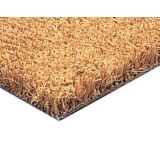
Coir Matting is natural coconut-coir fiber tufted onto a solid vinyl base — the original boot-scraping fiber, set on a backing that keeps what it catches off your floor. The stiff coir brushes grit and moisture off shoes at the door, while the vinyl base seals the underside so nothing leaks through to the floor below. It cuts cleanly to fit a recessed well or a vestibule.
What Coir Matting Does Before Grit Reaches the Floor
Coir has scraped boots clean for well over a century, and the reason is the fiber: stiff, dense, and naturally good at brushing grit and soaking up moisture off shoes. ISSA research shows the entrance is where most of a building's dirt arrives, so a mat that pulls it off early keeps it from grinding across the floor inside. The vinyl base does the other half of the job — it holds the dirt and water on the mat instead of letting it leak through to the floor underneath.
Why Coir on a Vinyl Base, and Why This One
The mat is natural coconut coir tufted into a heavy vinyl base, about five-eighths of an inch thick overall. The coir is the working surface: a tough natural fiber that brushes and holds dirt and moisture the way a synthetic mat cannot quite match. It is the fiber people picture at a welcoming front door, and it has been doing the job since coco mats first came to the States in the 1800s.
The vinyl base is what sets this apart from a plain woven coco mat. A woven-back mat lets water seep straight through to the floor; this one seals the underside, so the floor stays protected and dry beneath it. Because the fibers are locked into that base, the mat can be cut to any shape without unraveling — which is what makes it work in a recessed well.
Where It Belongs, and What It Is Not
Coir Matting is at its best in covered, contained spots — vestibules, lobbies, and recessed entrance wells at commercial and residential doors. It comes in six-foot-wide rolls cut to size, and for a large recess the pieces can be cut and fused so the seam barely shows. It sits in our range of moisture-control entrance matting as the natural-fiber option that traps grit and water on a sealed base.
What it is not is a fully-exposed outdoor mat or a drain-through grid. Coir is a natural fiber, so constant sun and rain wear it faster than a synthetic — it lasts far longer under cover. And the vinyl base means water does not drain through it; it holds moisture on top, so where a spot needs water to run away, an open grid mat is the right tool instead.
Three Things to Check Before You Spec It
First, check how exposed the spot is. Under a portico, in a vestibule, or recessed at a covered entrance, coir holds up well and looks the part. In an open doorway that takes direct sun and driving rain, it will wear and fade faster than a rubber or synthetic mat — so save coir for the sheltered entries and use something weatherproof where the elements hit.
Second, measure the opening, especially a recess. The matting comes in six-foot-wide rolls cut to your length, and custom shapes are workable because the fibers will not unravel at a cut edge. For a recess wider than a single piece, sections are cut and fused together so the joint is hard to spot. Send the well's dimensions and we will plan the layout.
Third, pick the color and expect a little shedding at first. It comes in natural, chocolate brown, and maroon, with printed designs available if you want a pattern. Like all coir, a new mat sheds some loose fiber for the first week or two — that is normal and settles down with a few vacuumings, not a defect.
Why Mats Inc.
We have specified entrance matting since 1964, and coir is a material we know how to place. We will match the thickness and color to the entrance, cut the roll to your recess, and fuse the seams so a large well reads as one clean mat — then point you to a weatherproof option instead if the spot is too exposed for natural fiber. Send the dimensions and we will lay it out.
Coir Matting — Specifications Material Natural coconut coir tufted onto a solid vinyl (PVC) base Total thickness 5/8" Base Solid vinyl — no leak-through (protects the floor) Colors Natural, chocolate brown, maroon Format 6'-wide rolls cut to size; precut standard sizes; custom shapes Recessed use Cuts without unraveling; pieces fuse with a near-invisible seam Customization Custom sizes; printed/imprinted designs available Care Shake, vacuum, or rinse Best for Covered vestibules, recessed entrance wells, sheltered entries Warranty 1-year limited (Mats Inc.) Frequently Asked Questions
What is Coir Matting made of?
Answered by Dustin Thompson, Owner & CEO
It is natural coconut-coir fiber tufted onto a heavy vinyl base, about five-eighths of an inch thick overall. Coir is the stiff, dense fiber from coconut husks — the classic boot-scraping material — and here it is locked into a solid vinyl backing rather than a woven one. That sealed base is the key difference from a plain woven coco mat: water and grit stay on the mat instead of leaking through to the floor underneath.
How long does coir last, and can it go outside?
Answered by Dustin Thompson, Owner & CEO
Coir is tough and scrapes well, but it is a natural fiber, so where it lives matters. Under cover — a vestibule, a portico, a recessed entry — it holds up and keeps its look for a good while. In a fully-exposed doorway taking direct sun and rain, it wears and fades faster than a synthetic or rubber mat, so those spots are better served by a weatherproof option. One normal quirk: a new coir mat sheds loose fiber for a week or two before it settles, which a few vacuumings clear up.
Can it fit a recessed mat well?
Answered by Dustin Thompson, Owner & CEO
Yes — that is one of its strengths. The matting comes in six-foot-wide rolls and cuts cleanly to any shape without unraveling, because the fibers are anchored into the vinyl base. For a recess wider than a single piece, sections are cut and fused together so the joining line is hard to see, and the whole thing sits down in the well at the right height. Send the recess dimensions and we will plan the cut.
What colors does it come in?
Answered by Jinna Hopson, Vice President of Marketing
Three: natural, chocolate brown, and maroon. The natural tone is the warm, golden coir look most people picture at a front door, while the brown and maroon read a little richer and more finished. All three suit a traditional or hospitality entrance where you want the doorway to feel welcoming rather than industrial — coir has a warmth that synthetic mats do not quite have.
Can we get a custom size, shape, or a printed design?
Answered by Jinna Hopson, Vice President of Marketing
Yes to all three. Because it is cut from wide rolls and the cut edges hold without unraveling, custom sizes and shapes are straightforward — useful for an odd-shaped recess or a wide entrance. Printed designs are also available if you want a pattern or motif on the coir rather than a plain field. Send your dimensions and what you have in mind, and we will confirm what works.
Does it look right at a nicer entrance?
Answered by Jinna Hopson, Vice President of Marketing
It does, in the right setting. Coir reads natural and classic — the brushy texture and warm tone are exactly what people associate with a welcoming, well-kept doorway, which is why it suits hospitality, retail, and residential entries. It is less the look for a sleek modern lobby, where a finished synthetic or grid mat fits better, but for a traditional or warm entrance under cover, coir looks the part.
By Dustin Thompson, Owner & CEO, Mats Inc.
↑
Coir Matting is natural coconut-coir fiber tufted onto a solid vinyl base — the original boot-scraping fiber, set on a backing that keeps what it catches off your floor. The stiff coir brushes grit and moisture off shoes at the door, while the vinyl base seals the underside so nothing leaks through to the floor below. It cuts cleanly to fit a recessed well or a vestibule.
What Coir Matting Does Before Grit Reaches the Floor
Coir has scraped boots clean for well over a century, and the reason is the fiber: stiff, dense, and naturally good at brushing grit and soaking up moisture off shoes. ISSA research shows the entrance is where most of a building's dirt arrives, so a mat that pulls it off early keeps it from grinding across the floor inside. The vinyl base does the other half of the job — it holds the dirt and water on the mat instead of letting it leak through to the floor underneath.
Why Coir on a Vinyl Base, and Why This One
The mat is natural coconut coir tufted into a heavy vinyl base, about five-eighths of an inch thick overall. The coir is the working surface: a tough natural fiber that brushes and holds dirt and moisture the way a synthetic mat cannot quite match. It is the fiber people picture at a welcoming front door, and it has been doing the job since coco mats first came to the States in the 1800s.
The vinyl base is what sets this apart from a plain woven coco mat. A woven-back mat lets water seep straight through to the floor; this one seals the underside, so the floor stays protected and dry beneath it. Because the fibers are locked into that base, the mat can be cut to any shape without unraveling — which is what makes it work in a recessed well.
Where It Belongs, and What It Is Not
Coir Matting is at its best in covered, contained spots — vestibules, lobbies, and recessed entrance wells at commercial and residential doors. It comes in six-foot-wide rolls cut to size, and for a large recess the pieces can be cut and fused so the seam barely shows. It sits in our range of moisture-control entrance matting as the natural-fiber option that traps grit and water on a sealed base.
What it is not is a fully-exposed outdoor mat or a drain-through grid. Coir is a natural fiber, so constant sun and rain wear it faster than a synthetic — it lasts far longer under cover. And the vinyl base means water does not drain through it; it holds moisture on top, so where a spot needs water to run away, an open grid mat is the right tool instead.
Three Things to Check Before You Spec It
First, check how exposed the spot is. Under a portico, in a vestibule, or recessed at a covered entrance, coir holds up well and looks the part. In an open doorway that takes direct sun and driving rain, it will wear and fade faster than a rubber or synthetic mat — so save coir for the sheltered entries and use something weatherproof where the elements hit.
Second, measure the opening, especially a recess. The matting comes in six-foot-wide rolls cut to your length, and custom shapes are workable because the fibers will not unravel at a cut edge. For a recess wider than a single piece, sections are cut and fused together so the joint is hard to spot. Send the well's dimensions and we will plan the layout.
Third, pick the color and expect a little shedding at first. It comes in natural, chocolate brown, and maroon, with printed designs available if you want a pattern. Like all coir, a new mat sheds some loose fiber for the first week or two — that is normal and settles down with a few vacuumings, not a defect.
Why Mats Inc.
We have specified entrance matting since 1964, and coir is a material we know how to place. We will match the thickness and color to the entrance, cut the roll to your recess, and fuse the seams so a large well reads as one clean mat — then point you to a weatherproof option instead if the spot is too exposed for natural fiber. Send the dimensions and we will lay it out.
Coir Matting — Specifications Material Natural coconut coir tufted onto a solid vinyl (PVC) base Total thickness 5/8" Base Solid vinyl — no leak-through (protects the floor) Colors Natural, chocolate brown, maroon Format 6'-wide rolls cut to size; precut standard sizes; custom shapes Recessed use Cuts without unraveling; pieces fuse with a near-invisible seam Customization Custom sizes; printed/imprinted designs available Care Shake, vacuum, or rinse Best for Covered vestibules, recessed entrance wells, sheltered entries Warranty 1-year limited (Mats Inc.) Frequently Asked Questions
What is Coir Matting made of?
Answered by Dustin Thompson, Owner & CEO
It is natural coconut-coir fiber tufted onto a heavy vinyl base, about five-eighths of an inch thick overall. Coir is the stiff, dense fiber from coconut husks — the classic boot-scraping material — and here it is locked into a solid vinyl backing rather than a woven one. That sealed base is the key difference from a plain woven coco mat: water and grit stay on the mat instead of leaking through to the floor underneath.
How long does coir last, and can it go outside?
Answered by Dustin Thompson, Owner & CEO
Coir is tough and scrapes well, but it is a natural fiber, so where it lives matters. Under cover — a vestibule, a portico, a recessed entry — it holds up and keeps its look for a good while. In a fully-exposed doorway taking direct sun and rain, it wears and fades faster than a synthetic or rubber mat, so those spots are better served by a weatherproof option. One normal quirk: a new coir mat sheds loose fiber for a week or two before it settles, which a few vacuumings clear up.
Can it fit a recessed mat well?
Answered by Dustin Thompson, Owner & CEO
Yes — that is one of its strengths. The matting comes in six-foot-wide rolls and cuts cleanly to any shape without unraveling, because the fibers are anchored into the vinyl base. For a recess wider than a single piece, sections are cut and fused together so the joining line is hard to see, and the whole thing sits down in the well at the right height. Send the recess dimensions and we will plan the cut.
What colors does it come in?
Answered by Jinna Hopson, Vice President of Marketing
Three: natural, chocolate brown, and maroon. The natural tone is the warm, golden coir look most people picture at a front door, while the brown and maroon read a little richer and more finished. All three suit a traditional or hospitality entrance where you want the doorway to feel welcoming rather than industrial — coir has a warmth that synthetic mats do not quite have.
Can we get a custom size, shape, or a printed design?
Answered by Jinna Hopson, Vice President of Marketing
Yes to all three. Because it is cut from wide rolls and the cut edges hold without unraveling, custom sizes and shapes are straightforward — useful for an odd-shaped recess or a wide entrance. Printed designs are also available if you want a pattern or motif on the coir rather than a plain field. Send your dimensions and what you have in mind, and we will confirm what works.
Does it look right at a nicer entrance?
Answered by Jinna Hopson, Vice President of Marketing
It does, in the right setting. Coir reads natural and classic — the brushy texture and warm tone are exactly what people associate with a welcoming, well-kept doorway, which is why it suits hospitality, retail, and residential entries. It is less the look for a sleek modern lobby, where a finished synthetic or grid mat fits better, but for a traditional or warm entrance under cover, coir looks the part.
By Dustin Thompson, Owner & CEO, Mats Inc.
↑
View Details
View Details
Woven Backed Cocoa MatsStarting at $26.00
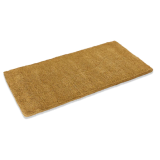
For thorough shoe cleaning, nothing can match a cocoa mat. This heavy duty mat has a "one way" absorbing action that holds up to 2 gallons of water per square yard. It won't release moisture when walked on. Easily cleaned by turning it upside down and sharply rapping with...
For thorough shoe cleaning, nothing can match a cocoa mat. This heavy duty mat has a "one way" absorbing...
- For thorough shoe cleaning, nothing can match a cocoa mat.
- This heavy duty mat has a "one way" absorbing action that holds up to 2 gallons of water per square yard.
- It won't release moisture when walked on.
- Easily cleaned by turning it upside down and sharply rapping with a broom handle.
- 1 1/2" thick.
↑
- For thorough shoe cleaning, nothing can match a cocoa mat.
- This heavy duty mat has a "one way" absorbing action that holds up to 2 gallons of water per square yard.
- It won't release moisture when walked on.
- Easily cleaned by turning it upside down and sharply rapping with a broom handle.
- 1 1/2" thick.
↑
View Details
View Details
Woven Cocoa Roll MattingStarting at $505.00
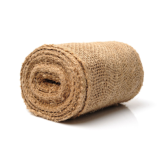
Natural cocoa fibers woven into a herringbone design that is perfect as a hallway or staircase runner. Biodegradable natural fiber. 5/16" thick. Short ends of roll not bound. Sold in 150' full rolls only....
Natural cocoa fibers woven into a herringbone design that is perfect as a hallway or staircase runner. Biodegradable natural...
- Natural cocoa fibers woven into a herringbone design that is perfect as a hallway or staircase runner.
- Biodegradable natural fiber.
- 5/16" thick.
- Short ends of roll not bound.
- Sold in 150' full rolls only.
↑
- Natural cocoa fibers woven into a herringbone design that is perfect as a hallway or staircase runner.
- Biodegradable natural fiber.
- 5/16" thick.
- Short ends of roll not bound.
- Sold in 150' full rolls only.
↑
View Details
View Details
Benefits of Coco Matting
- Eco-Friendly Material: Made from 100% natural coconut fibers, coco matting is a sustainable and biodegradable option for eco-conscious buyers.
- Excellent Dirt and Moisture Control: The rough texture of coir mats efficiently scrapes dirt and moisture off shoes, preventing debris from entering your space.
- Durable and Long-Lasting: Designed to withstand heavy foot traffic, coco mats offer long-term performance while maintaining their appearance.
- Stylish and Versatile: With a natural, rustic appearance, coco mats complement a wide variety of décor styles, from classic to contemporary.
- Easy Maintenance: Coco matting is easy to clean, requiring just a quick shake or vacuum to remove dirt and debris.
Keep Your Entrance Clean with Coco Matting
Coir floor matting is the perfect combination of style, sustainability, and practicality. Whether for your home as an outdoor coir doormat or business entrance as a recessed coco mat, these mats offer an attractive and functional solution for keeping dirt and moisture out, while protecting your floors.