





Kitchen Mats
A commercial kitchen is not one environment. The fryer station, the dish pit, and the server counter each destroy a different mat in a different way, which is why this category holds ten options instead of one. Nitrile rubber for grease. PVC sponge for dry zones. Runners for continuous work paths. Marbleized surfaces where wear needs to stay invisible.
The ten kitchen mats below range from 3/8" to 7/8" thick and cover cook lines, prep counters, dish areas, and front-of-house positions. Picking correctly starts with knowing which zone a mat is going into — that single decision matters more than every other spec combined.
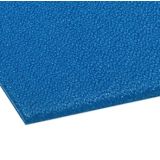 Comfort King Anti-Fatigue Matting
Starting at $83.00
What Comfort King Does Before a Standing Shift Wears People Down Comfort King is a cushioned anti-fatigue mat built for dry-area standing work. Its foam core delivers three times more resilience than a regular mat — every small weight shift gets a gentle push back instead of dead compression, and...
What Comfort King Does Before a Standing Shift Wears People Down Comfort King is a cushioned anti-fatigue mat built for...
What Comfort King Does Before a Standing Shift Wears People Down
Comfort King is a cushioned anti-fatigue mat built for dry-area standing work. Its foam core delivers three times more resilience than a regular mat — every small weight shift gets a gentle push back instead of dead compression, and that steady rebound relieves stress on knees, feet, ankle joints, and pressure points over a long stretch of standing.
Anyone who has stood on bare concrete all day knows how it ends: sore feet, stiff knees, a back that complains before the shift does. Left alone, that fatigue turns into slower work, more breaks, and a higher risk of injury at cashier stations, benches, and counters. A standing mat with real rebound changes what the floor asks of the body.
Why This Foam, and Why This One
Plenty of foam mats feel soft the first week and flat by the third. Comfort King's core is a patented anti-fatigue PVC foam engineered for rebound rather than plain squish — measured at 30 percent resiliency per ASTM D-2632. That spring is what actually eases pressure on knee, foot, and ankle joints; softness alone doesn't do it.
The surface holds up too. A pebble-textured top gives shoes something to grip, and abrasion testing comes in at half a gram or less of material lost under the Taber method — a genuine wear surface, not a throwaway pad. Anti-microbial additives throughout the mat help hold off mold, mildew, and bacterial growth between cleanings.
Two thicknesses cover different kinds of days. The 3/8-inch version suits typical standing stations, while the 1/2-inch version adds 33 percent more cushioning for long hours over hard floors. Both come as standard mats, long runners, and full rolls, so one construction can serve a single register or a whole assembly line.
Where It Belongs, and What It Is Not
Comfort King belongs anywhere people stand in a dry area: workstations, finishing and assembly benches, cashier stations, pharmacy counters, and standing posts in hospitals and care facilities. It's equally at home on a salon or barber shop floor, where a stylist holds the same spot behind a chair for hours, and at a dry home kitchen sink or standing desk.
What it is not: a wet-area mat. There are no drainage holes here, and the foam is meant to stay dry — greasy dish lines and washdown zones call for the drainage-style options elsewhere in our anti-fatigue mats and runners lineup. Keeping Comfort King in dry service is what keeps the cushion doing its job.
Three Things to Check Before You Spec It
First, match the thickness to the hours. Where people rotate through a station, the 3/8-inch version carries the load comfortably. Where one person holds the same spot on concrete most of the day, the 1/2-inch version's 33 percent extra cushioning earns its place.
Second, size to the actual standing path. Standard mats run from 2 by 3 feet up to 4 by 12 feet, rolls come in widths from 2 to 6 feet at 60-foot lengths, and custom lengths up to 60 feet let one continuous mat trace a counter or work line without seams underfoot.
Third, pick the color for the setting. Black hides scuffs in back-of-house spaces, black with yellow borders makes the mat edge obvious where foot traffic and equipment mix, and blue or steel gray sit comfortably in front-of-house and clinical settings. One note: the 6-foot-wide roll isn't offered with yellow borders.
Why Mats Inc.
We've been matching mats to standing work since 1964, and Comfort King earns its spot in our line because it answers the most common complaint about foam mats: losing their bounce. We verify the construction and test figures behind every product we carry, and we back this one with a 1-year limited Mats Inc. warranty — so the mat that arrives is the mat the spec promised.
Material Patented anti-fatigue PVC foam Thickness 3/8" and 1/2" (1/2" provides 33% more cushioning) Standard Sizes 2' x 3', 3' x 5', 3' x 12', 4' x 6', 4' x 12' Roll Sizes 2' x 60', 3' x 60', 4' x 60', 6' x 60' Custom Lengths Up to 60' Colors Black, Black/Yellow, Blue, Steel Gray (6' x 60' roll not available with yellow borders) Surface Pattern Pebble Resiliency 30% per ASTM D-2632 Abrasion ≤ 0.5 gram (Taber) Electrical Resistance 10⁹ ohms per square (ASTM D-257) Use Area Dry areas only Warranty 1-year limited (Mats Inc.) Frequently Asked Questions
What makes this different from an ordinary foam kitchen mat?
Answered by Dustin Thompson, Owner & CEO
Most household foam pads compress once and stay compressed — soft on day one, flat by the end of the month. Comfort King's core is a patented anti-fatigue PVC foam engineered for rebound, delivering three times more resilience than a regular mat and measuring 30 percent resiliency under ASTM D-2632. That spring, not plain softness, is what relieves pressure on knees, feet, and ankles. The foam also carries anti-microbial additives to help resist mold, mildew, and bacterial growth.
How well does the surface hold up under daily use?
Answered by Dustin Thompson, Owner & CEO
The pebble-textured top is a tested wear surface: Taber abrasion results show half a gram or less of material lost, which is the difference between a mat that keeps its texture through years of shoe traffic and a pad that scuffs smooth. The one condition is keeping it in dry service — this construction has no drainage and isn't built for greasy or washdown environments. In a dry station with routine cleaning, the surface and the cushion age together gracefully.
Should I choose the 3/8-inch or the 1/2-inch thickness?
Answered by Dustin Thompson, Owner & CEO
Think about how long one person holds one spot. The 3/8-inch version handles stations where staff rotate through — checkout lanes with shift changes, shared benches, a home kitchen sink. The 1/2-inch version provides 33 percent more cushioning, and that extra give matters most where someone stands on concrete in the same footprint for most of a shift: an assembly post, a pharmacy fill counter, a machine station. When in doubt for all-day concrete work, go thicker.
Does it work in customer-facing spaces like salons and checkout lanes?
Answered by Jinna Hopson, Vice President of Marketing
That's exactly where it shines. Cashier stations, pharmacy counters, and salon and barber floors are dry areas where staff stand for hours in full view of customers — the mat has to work hard and still look like it belongs. The pebble surface reads clean and intentional rather than industrial, and the blue and steel gray colorways sit comfortably in front-of-house and clinical settings where a plain black shop mat would feel out of place.
Can I get it sized to a full counter run or work line?
Answered by Jinna Hopson, Vice President of Marketing
Yes — this is one of the few anti-fatigue constructions offered as a true roll. Widths run 2, 3, 4, and 6 feet at 60-foot lengths, and custom lengths up to 60 feet mean one continuous mat can follow your counter, line, or corridor without seams underfoot. That matters day to day: no edges creeping apart mid-shift, no gaps collecting debris, and a run that looks like it was planned for the space rather than pieced together.
Which color should I pick for my space?
Answered by Jinna Hopson, Vice President of Marketing
Let the setting decide. Black is the workhorse for back-of-house stations because it hides scuffs and shoe marks. Black with yellow borders makes the mat edge unmistakable where foot traffic and rolling equipment share an aisle. Blue and steel gray belong out front — salons, pharmacies, retail counters — where the mat is part of what customers see. One planning note: the 6-foot-wide roll isn't offered with yellow borders, so wide safety-bordered runs should be built from the narrower widths.
By Jinna Hopson, Vice President of Marketing, Mats Inc.
↑
What Comfort King Does Before a Standing Shift Wears People Down
Comfort King is a cushioned anti-fatigue mat built for dry-area standing work. Its foam core delivers three times more resilience than a regular mat — every small weight shift gets a gentle push back instead of dead compression, and that steady rebound relieves stress on knees, feet, ankle joints, and pressure points over a long stretch of standing.
Anyone who has stood on bare concrete all day knows how it ends: sore feet, stiff knees, a back that complains before the shift does. Left alone, that fatigue turns into slower work, more breaks, and a higher risk of injury at cashier stations, benches, and counters. A standing mat with real rebound changes what the floor asks of the body.
Why This Foam, and Why This One
Plenty of foam mats feel soft the first week and flat by the third. Comfort King's core is a patented anti-fatigue PVC foam engineered for rebound rather than plain squish — measured at 30 percent resiliency per ASTM D-2632. That spring is what actually eases pressure on knee, foot, and ankle joints; softness alone doesn't do it.
The surface holds up too. A pebble-textured top gives shoes something to grip, and abrasion testing comes in at half a gram or less of material lost under the Taber method — a genuine wear surface, not a throwaway pad. Anti-microbial additives throughout the mat help hold off mold, mildew, and bacterial growth between cleanings.
Two thicknesses cover different kinds of days. The 3/8-inch version suits typical standing stations, while the 1/2-inch version adds 33 percent more cushioning for long hours over hard floors. Both come as standard mats, long runners, and full rolls, so one construction can serve a single register or a whole assembly line.
Where It Belongs, and What It Is Not
Comfort King belongs anywhere people stand in a dry area: workstations, finishing and assembly benches, cashier stations, pharmacy counters, and standing posts in hospitals and care facilities. It's equally at home on a salon or barber shop floor, where a stylist holds the same spot behind a chair for hours, and at a dry home kitchen sink or standing desk.
What it is not: a wet-area mat. There are no drainage holes here, and the foam is meant to stay dry — greasy dish lines and washdown zones call for the drainage-style options elsewhere in our anti-fatigue mats and runners lineup. Keeping Comfort King in dry service is what keeps the cushion doing its job.
Three Things to Check Before You Spec It
First, match the thickness to the hours. Where people rotate through a station, the 3/8-inch version carries the load comfortably. Where one person holds the same spot on concrete most of the day, the 1/2-inch version's 33 percent extra cushioning earns its place.
Second, size to the actual standing path. Standard mats run from 2 by 3 feet up to 4 by 12 feet, rolls come in widths from 2 to 6 feet at 60-foot lengths, and custom lengths up to 60 feet let one continuous mat trace a counter or work line without seams underfoot.
Third, pick the color for the setting. Black hides scuffs in back-of-house spaces, black with yellow borders makes the mat edge obvious where foot traffic and equipment mix, and blue or steel gray sit comfortably in front-of-house and clinical settings. One note: the 6-foot-wide roll isn't offered with yellow borders.
Why Mats Inc.
We've been matching mats to standing work since 1964, and Comfort King earns its spot in our line because it answers the most common complaint about foam mats: losing their bounce. We verify the construction and test figures behind every product we carry, and we back this one with a 1-year limited Mats Inc. warranty — so the mat that arrives is the mat the spec promised.
Material Patented anti-fatigue PVC foam Thickness 3/8" and 1/2" (1/2" provides 33% more cushioning) Standard Sizes 2' x 3', 3' x 5', 3' x 12', 4' x 6', 4' x 12' Roll Sizes 2' x 60', 3' x 60', 4' x 60', 6' x 60' Custom Lengths Up to 60' Colors Black, Black/Yellow, Blue, Steel Gray (6' x 60' roll not available with yellow borders) Surface Pattern Pebble Resiliency 30% per ASTM D-2632 Abrasion ≤ 0.5 gram (Taber) Electrical Resistance 10⁹ ohms per square (ASTM D-257) Use Area Dry areas only Warranty 1-year limited (Mats Inc.) Frequently Asked Questions
What makes this different from an ordinary foam kitchen mat?
Answered by Dustin Thompson, Owner & CEO
Most household foam pads compress once and stay compressed — soft on day one, flat by the end of the month. Comfort King's core is a patented anti-fatigue PVC foam engineered for rebound, delivering three times more resilience than a regular mat and measuring 30 percent resiliency under ASTM D-2632. That spring, not plain softness, is what relieves pressure on knees, feet, and ankles. The foam also carries anti-microbial additives to help resist mold, mildew, and bacterial growth.
How well does the surface hold up under daily use?
Answered by Dustin Thompson, Owner & CEO
The pebble-textured top is a tested wear surface: Taber abrasion results show half a gram or less of material lost, which is the difference between a mat that keeps its texture through years of shoe traffic and a pad that scuffs smooth. The one condition is keeping it in dry service — this construction has no drainage and isn't built for greasy or washdown environments. In a dry station with routine cleaning, the surface and the cushion age together gracefully.
Should I choose the 3/8-inch or the 1/2-inch thickness?
Answered by Dustin Thompson, Owner & CEO
Think about how long one person holds one spot. The 3/8-inch version handles stations where staff rotate through — checkout lanes with shift changes, shared benches, a home kitchen sink. The 1/2-inch version provides 33 percent more cushioning, and that extra give matters most where someone stands on concrete in the same footprint for most of a shift: an assembly post, a pharmacy fill counter, a machine station. When in doubt for all-day concrete work, go thicker.
Does it work in customer-facing spaces like salons and checkout lanes?
Answered by Jinna Hopson, Vice President of Marketing
That's exactly where it shines. Cashier stations, pharmacy counters, and salon and barber floors are dry areas where staff stand for hours in full view of customers — the mat has to work hard and still look like it belongs. The pebble surface reads clean and intentional rather than industrial, and the blue and steel gray colorways sit comfortably in front-of-house and clinical settings where a plain black shop mat would feel out of place.
Can I get it sized to a full counter run or work line?
Answered by Jinna Hopson, Vice President of Marketing
Yes — this is one of the few anti-fatigue constructions offered as a true roll. Widths run 2, 3, 4, and 6 feet at 60-foot lengths, and custom lengths up to 60 feet mean one continuous mat can follow your counter, line, or corridor without seams underfoot. That matters day to day: no edges creeping apart mid-shift, no gaps collecting debris, and a run that looks like it was planned for the space rather than pieced together.
Which color should I pick for my space?
Answered by Jinna Hopson, Vice President of Marketing
Let the setting decide. Black is the workhorse for back-of-house stations because it hides scuffs and shoe marks. Black with yellow borders makes the mat edge unmistakable where foot traffic and rolling equipment share an aisle. Blue and steel gray belong out front — salons, pharmacies, retail counters — where the mat is part of what customers see. One planning note: the 6-foot-wide roll isn't offered with yellow borders, so wide safety-bordered runs should be built from the narrower widths.
By Jinna Hopson, Vice President of Marketing, Mats Inc.
↑
View Details
View Details
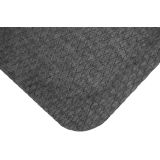 Hog Heaven Fashion Anti-Fatigue Mat$64.00Anti-fatigue kitchen mats earn their keep in the first hour on your feet, not the tenth. Standing still on tile, stone, or concrete pushes pressure straight into your heels, knees, and lower back. This cushioned kitchen mat softens that load. It pairs a fabric top that reads like an area
...
Anti-fatigue kitchen mats earn their keep in the first hour on your feet, not the tenth. Standing still on tile,...
Anti-fatigue kitchen mats earn their keep in the first hour on your feet, not the tenth. Standing still on tile, stone, or concrete pushes pressure straight into your heels, knees, and lower back. This cushioned kitchen mat softens that load. It pairs a fabric top that reads like an area rug with a dense nitrile cushion built for indoor floors.
What a Cushioned Kitchen Mat Does Before Your Legs Feel It
A hard kitchen floor gives you nothing back. Every step lands and stops, and your legs absorb the whole thing. Stand at a sink or a prep counter for forty minutes and you feel it in your calves first, then your lower back.
A padded kitchen mat works by putting something compressible under you. This one uses a high-density, closed-cell nitrile-blended cushion, which helps eliminate pressure on the lower back and legs. That small amount of give is what keeps a long stretch of standing from turning into an ache.
The second job is traction. Kitchen floor mats sit in the one spot where water, oil, and dropped food all show up. A mat that slides, curls, or goes slick underfoot creates the exact hazard it was bought to prevent. This one is certified high-traction by the National Floor Safety Institute, which runs independent slip-resistance testing for commercial floor products.
The edges matter as much as the surface. They will not crack or curl, and they give a safe transition from the floor onto the mat. A curled corner is the most common way a comfort mat turns into a trip hazard.
Why a Fabric Top, and Why This One
Most anti-fatigue mats are black rubber or vinyl. They work, and they look like they belong in a warehouse. This one swaps that surface for needle-punched, solution-dyed PET fabric at 14 ounces per square yard. Solution-dyed means the color goes into the fiber itself rather than sitting on top of it, and the surface is fade-resistant as a result.
The part that matters most is how the two layers are joined. The fabric is molded to the nitrile-blended cushion, not glued to it, so it will not separate. That is the difference that shows up years in, when a glued mat starts lifting at a corner and this one does not.
Underneath sits high-density, closed-cell nitrile and PVC-blended foam. Closed-cell is the useful part of that description: the cells are sealed, so the cushion is not an absorbent layer. A spill stays where you can deal with it.
Overall thickness is 5/8 inch over a 48-mil backing. A Max version runs 7/8 inch over a 52-mil backing if you want more underfoot. Both come in the same three stock sizes.
Two more things worth knowing. The PET fabric surface is made from at least 90% recycled content reclaimed from plastic, which is unusual for a comfort mat and matters if you are specifying against sustainability targets. And the mat is made in the USA.
Where It Belongs, and Where It Does Not
This mat is made for dry indoor settings. Home kitchens are the obvious fit: the sink, the range, the prep counter, the island where someone stands and chops. It also works well at coffee bars, break rooms, hostess stands, retail counters, registration desks, copy stations, and standing desks. Retail floors are one of its most common homes.
It is not a wet-area mat, and this is the one thing to get right. A commercial cook line, a dish pit, or a bar well means standing water and grease all day. A fabric surface in that environment holds what lands on it and stays damp.
That is the failure mode with fabric-topped comfort mats, and it is almost always a placement mistake rather than a product problem. If the floor you are covering gets hosed down, drained, or mopped through a shift, you want a drainage or grease-rated mat instead. The wider range of kitchen mats covers those wet and greasy zones.
Put simply: if the floor is dry most of the day and the mat is going somewhere people can see it, this is the right call. If the floor is wet most of the day, it is the wrong one.
Three Things to Check Before You Spec It
First, be honest about how wet the floor gets. Not "does it ever get wet" — every kitchen floor gets wet. The question is whether water sits. A splash at the sink that gets wiped up is fine. A floor that is damp for hours is not. This is the single check that decides whether this mat is the right choice.
Second, size to the work zone, not to the room. Measure where your feet actually go. Stock sizes are 2' x 3' (23" x 32"), 3' x 5' (32" x 58"), and 3' x 12' (32" x 142"). The 3' x 12' is a true kitchen runner for a galley layout or a long counter. Custom sizes come in 3-foot (32-inch) widths at whole-foot lengths up to 60 feet.
Third, check thickness against your clearances. The 5/8-inch version clears most cabinet toe kicks and interior doors without trouble. The 7/8-inch Max gives more cushion but needs more room, so check any door that swings over the mat. Also remember that mat sizes are approximate — rubber shrinks and expands with temperature and time, and manufacturing variance runs 3% to 5%.
Why Mats Inc.
We stock this mat because customers kept asking the same question: something that helps my feet, but that I am not embarrassed to have in a kitchen people walk through. Most anti-fatigue matting answers the first half and ignores the second. Mats Inc. has been sourcing commercial matting since 1964, and we carry this construction specifically for the dry, visible spots where a black rubber mat would look wrong.
Specifications
Surface material Needle-punched, solution-dyed PET fabric, 14 oz/yd², molded (not glued) to nitrile rubber Recycled content PET fabric surface made from at least 90% recycled content reclaimed from plastic Cushion High-density, closed-cell nitrile/PVC-blended foam Overall thickness 5/8" (0.625") on 48-mil backing; Max version 7/8" (0.875") on 52-mil backing Traction Certified high-traction by the National Floor Safety Institute (NFSI) Edges Will not crack or curl; safe transition from floor to mat Stock sizes & weights (5/8") 2' x 3' (23" x 32") — 5.5 lbs.
3' x 5' (32" x 58") — 14.2 lbs.
3' x 12' (32" x 142") — 35.5 lbs.Stock sizes & weights (7/8" Max) 2' x 3' (23" x 32") — 6.5 lbs.
3' x 5' (32" x 58") — 16 lbs.
3' x 12' (32" x 142") — 38.3 lbs.Custom sizes 3' (32") widths, whole-foot lengths up to 60' Size tolerance 3–5% manufacturing variance Colors Coal Black, Cobalt Blue, Cocoa Brown, Granite Recommended use Dry, indoor settings where a fabric-topped anti-fatigue mat is preferred to a vinyl or rubber top Cleaning Rinse with a hose or pressure washer; lay flat or hang to dry; return to service dry Origin Made in the USA Warranty 1-year limited (Mats Inc.) Frequently Asked Questions
What is this kitchen mat actually made of?
Answered by Dustin Thompson, Owner & CEO
Two layers. The top is needle-punched, solution-dyed PET fabric at 14 ounces per square yard. Underneath is high-density, closed-cell nitrile and PVC-blended foam over a 48-mil backing. Overall thickness is 5/8 inch, or 7/8 inch on a 52-mil backing if you go with the Max version.
The detail that separates this from cheaper fabric-topped mats is the bond. The fabric is molded into the nitrile-blended cushion rather than glued on top of it, so the two layers will not separate. On a glued mat, the corner lifts, the top layer peels, and you are looking at a trip hazard. The mat is made in the USA.
How do I clean it, and what shortens its life?
Answered by Dustin Thompson, Owner & CEO
Cleaning is simple. Rinse it with a hose or a pressure washer, then lay it flat or hang it to dry. Put it back down only once it is dry — a damp mat on a hard floor traps moisture underneath and can leave a mark on some finishes.
What shortens its life is almost always placement rather than wear. This is a dry-area mat. Put it somewhere that stays wet and the fabric surface is working against what it was designed for. Keep it on a dry floor and clean it on a normal schedule, and the solution-dyed surface holds its color because the color is in the fiber, not printed on it.
Can I use this in a restaurant or commercial kitchen?
Answered by Dustin Thompson, Owner & CEO
In the front of house, yes. Host stands, register counters, coffee bars, back-office prep areas, and service corridors are all dry-floor zones where this mat performs and looks right.
On the cook line or in a dish pit, no. Those floors carry standing water and grease through an entire shift, and a fabric surface holds both. The manufacturer recommends this mat for dry indoor settings, and that recommendation is worth following. For wet zones you want a drainage-style or grease-resistant rubber mat that lets liquid pass through and gets scrubbed daily. Ask us and we will point you at the right construction for the zone.
What sizes can I get, and is there a runner length for a galley kitchen?
Answered by Jinna Hopson, Vice President of Marketing
Three stock sizes: 2' x 3' (23" x 32") for a sink or single station, 3' x 5' (32" x 58") for a prep counter or island, and 3' x 12' (32" x 142") as a kitchen runner. That last one is the answer for galley layouts and long counter runs where a small mat just leaves you stepping on and off it.
If none of those fit, custom sizes come in 3-foot (32-inch) widths at whole-foot lengths up to 60 feet. Measure where you actually stand rather than the room itself. And build in a little tolerance — the rubber shrinks and expands with temperature and time, so finished sizes run within about 3% to 5% of nominal.
Will it look like an area rug or like a shop mat?
Answered by Jinna Hopson, Vice President of Marketing
Like a rug, which is the whole point of it. The fabric surface has the texture and matte finish of a low-pile commercial carpet rather than the gloss of vinyl or the ribbing of rubber. Four colors are available: Coal Black, Cobalt Blue, Cocoa Brown, and Granite. All four are neutral enough to sit quietly next to cabinetry and countertops instead of announcing themselves.
Because the fabric is solution-dyed, the color runs through each fiber rather than sitting on the surface, and the surface is fade-resistant. That is what keeps it from going chalky in a kitchen with a lot of natural light.
Does this work in a home kitchen, or is it meant for businesses?
Answered by Jinna Hopson, Vice President of Marketing
Both, and home kitchens are one of the places it does its best work. Residential kitchen mats sold at big-box stores are usually thin foam with a printed surface. This is a commercial construction that happens to look residential.
Where it really earns its place at home is the spot you stand longest: the sink, or the counter where someone preps dinner every night. It is also the mat to choose when the kitchen is open to a living or dining area and you did not want something that looks like equipment. Just hold to the same rule a commercial buyer follows — dry floors only.
By Jinna Hopson, Vice President of Marketing, Mats Inc.
↑
Anti-fatigue kitchen mats earn their keep in the first hour on your feet, not the tenth. Standing still on tile, stone, or concrete pushes pressure straight into your heels, knees, and lower back. This cushioned kitchen mat softens that load. It pairs a fabric top that reads like an area rug with a dense nitrile cushion built for indoor floors.
What a Cushioned Kitchen Mat Does Before Your Legs Feel It
A hard kitchen floor gives you nothing back. Every step lands and stops, and your legs absorb the whole thing. Stand at a sink or a prep counter for forty minutes and you feel it in your calves first, then your lower back.
A padded kitchen mat works by putting something compressible under you. This one uses a high-density, closed-cell nitrile-blended cushion, which helps eliminate pressure on the lower back and legs. That small amount of give is what keeps a long stretch of standing from turning into an ache.
The second job is traction. Kitchen floor mats sit in the one spot where water, oil, and dropped food all show up. A mat that slides, curls, or goes slick underfoot creates the exact hazard it was bought to prevent. This one is certified high-traction by the National Floor Safety Institute, which runs independent slip-resistance testing for commercial floor products.
The edges matter as much as the surface. They will not crack or curl, and they give a safe transition from the floor onto the mat. A curled corner is the most common way a comfort mat turns into a trip hazard.
Why a Fabric Top, and Why This One
Most anti-fatigue mats are black rubber or vinyl. They work, and they look like they belong in a warehouse. This one swaps that surface for needle-punched, solution-dyed PET fabric at 14 ounces per square yard. Solution-dyed means the color goes into the fiber itself rather than sitting on top of it, and the surface is fade-resistant as a result.
The part that matters most is how the two layers are joined. The fabric is molded to the nitrile-blended cushion, not glued to it, so it will not separate. That is the difference that shows up years in, when a glued mat starts lifting at a corner and this one does not.
Underneath sits high-density, closed-cell nitrile and PVC-blended foam. Closed-cell is the useful part of that description: the cells are sealed, so the cushion is not an absorbent layer. A spill stays where you can deal with it.
Overall thickness is 5/8 inch over a 48-mil backing. A Max version runs 7/8 inch over a 52-mil backing if you want more underfoot. Both come in the same three stock sizes.
Two more things worth knowing. The PET fabric surface is made from at least 90% recycled content reclaimed from plastic, which is unusual for a comfort mat and matters if you are specifying against sustainability targets. And the mat is made in the USA.
Where It Belongs, and Where It Does Not
This mat is made for dry indoor settings. Home kitchens are the obvious fit: the sink, the range, the prep counter, the island where someone stands and chops. It also works well at coffee bars, break rooms, hostess stands, retail counters, registration desks, copy stations, and standing desks. Retail floors are one of its most common homes.
It is not a wet-area mat, and this is the one thing to get right. A commercial cook line, a dish pit, or a bar well means standing water and grease all day. A fabric surface in that environment holds what lands on it and stays damp.
That is the failure mode with fabric-topped comfort mats, and it is almost always a placement mistake rather than a product problem. If the floor you are covering gets hosed down, drained, or mopped through a shift, you want a drainage or grease-rated mat instead. The wider range of kitchen mats covers those wet and greasy zones.
Put simply: if the floor is dry most of the day and the mat is going somewhere people can see it, this is the right call. If the floor is wet most of the day, it is the wrong one.
Three Things to Check Before You Spec It
First, be honest about how wet the floor gets. Not "does it ever get wet" — every kitchen floor gets wet. The question is whether water sits. A splash at the sink that gets wiped up is fine. A floor that is damp for hours is not. This is the single check that decides whether this mat is the right choice.
Second, size to the work zone, not to the room. Measure where your feet actually go. Stock sizes are 2' x 3' (23" x 32"), 3' x 5' (32" x 58"), and 3' x 12' (32" x 142"). The 3' x 12' is a true kitchen runner for a galley layout or a long counter. Custom sizes come in 3-foot (32-inch) widths at whole-foot lengths up to 60 feet.
Third, check thickness against your clearances. The 5/8-inch version clears most cabinet toe kicks and interior doors without trouble. The 7/8-inch Max gives more cushion but needs more room, so check any door that swings over the mat. Also remember that mat sizes are approximate — rubber shrinks and expands with temperature and time, and manufacturing variance runs 3% to 5%.
Why Mats Inc.
We stock this mat because customers kept asking the same question: something that helps my feet, but that I am not embarrassed to have in a kitchen people walk through. Most anti-fatigue matting answers the first half and ignores the second. Mats Inc. has been sourcing commercial matting since 1964, and we carry this construction specifically for the dry, visible spots where a black rubber mat would look wrong.
Specifications
Surface material Needle-punched, solution-dyed PET fabric, 14 oz/yd², molded (not glued) to nitrile rubber Recycled content PET fabric surface made from at least 90% recycled content reclaimed from plastic Cushion High-density, closed-cell nitrile/PVC-blended foam Overall thickness 5/8" (0.625") on 48-mil backing; Max version 7/8" (0.875") on 52-mil backing Traction Certified high-traction by the National Floor Safety Institute (NFSI) Edges Will not crack or curl; safe transition from floor to mat Stock sizes & weights (5/8") 2' x 3' (23" x 32") — 5.5 lbs.
3' x 5' (32" x 58") — 14.2 lbs.
3' x 12' (32" x 142") — 35.5 lbs.Stock sizes & weights (7/8" Max) 2' x 3' (23" x 32") — 6.5 lbs.
3' x 5' (32" x 58") — 16 lbs.
3' x 12' (32" x 142") — 38.3 lbs.Custom sizes 3' (32") widths, whole-foot lengths up to 60' Size tolerance 3–5% manufacturing variance Colors Coal Black, Cobalt Blue, Cocoa Brown, Granite Recommended use Dry, indoor settings where a fabric-topped anti-fatigue mat is preferred to a vinyl or rubber top Cleaning Rinse with a hose or pressure washer; lay flat or hang to dry; return to service dry Origin Made in the USA Warranty 1-year limited (Mats Inc.) Frequently Asked Questions
What is this kitchen mat actually made of?
Answered by Dustin Thompson, Owner & CEO
Two layers. The top is needle-punched, solution-dyed PET fabric at 14 ounces per square yard. Underneath is high-density, closed-cell nitrile and PVC-blended foam over a 48-mil backing. Overall thickness is 5/8 inch, or 7/8 inch on a 52-mil backing if you go with the Max version.
The detail that separates this from cheaper fabric-topped mats is the bond. The fabric is molded into the nitrile-blended cushion rather than glued on top of it, so the two layers will not separate. On a glued mat, the corner lifts, the top layer peels, and you are looking at a trip hazard. The mat is made in the USA.
How do I clean it, and what shortens its life?
Answered by Dustin Thompson, Owner & CEO
Cleaning is simple. Rinse it with a hose or a pressure washer, then lay it flat or hang it to dry. Put it back down only once it is dry — a damp mat on a hard floor traps moisture underneath and can leave a mark on some finishes.
What shortens its life is almost always placement rather than wear. This is a dry-area mat. Put it somewhere that stays wet and the fabric surface is working against what it was designed for. Keep it on a dry floor and clean it on a normal schedule, and the solution-dyed surface holds its color because the color is in the fiber, not printed on it.
Can I use this in a restaurant or commercial kitchen?
Answered by Dustin Thompson, Owner & CEO
In the front of house, yes. Host stands, register counters, coffee bars, back-office prep areas, and service corridors are all dry-floor zones where this mat performs and looks right.
On the cook line or in a dish pit, no. Those floors carry standing water and grease through an entire shift, and a fabric surface holds both. The manufacturer recommends this mat for dry indoor settings, and that recommendation is worth following. For wet zones you want a drainage-style or grease-resistant rubber mat that lets liquid pass through and gets scrubbed daily. Ask us and we will point you at the right construction for the zone.
What sizes can I get, and is there a runner length for a galley kitchen?
Answered by Jinna Hopson, Vice President of Marketing
Three stock sizes: 2' x 3' (23" x 32") for a sink or single station, 3' x 5' (32" x 58") for a prep counter or island, and 3' x 12' (32" x 142") as a kitchen runner. That last one is the answer for galley layouts and long counter runs where a small mat just leaves you stepping on and off it.
If none of those fit, custom sizes come in 3-foot (32-inch) widths at whole-foot lengths up to 60 feet. Measure where you actually stand rather than the room itself. And build in a little tolerance — the rubber shrinks and expands with temperature and time, so finished sizes run within about 3% to 5% of nominal.
Will it look like an area rug or like a shop mat?
Answered by Jinna Hopson, Vice President of Marketing
Like a rug, which is the whole point of it. The fabric surface has the texture and matte finish of a low-pile commercial carpet rather than the gloss of vinyl or the ribbing of rubber. Four colors are available: Coal Black, Cobalt Blue, Cocoa Brown, and Granite. All four are neutral enough to sit quietly next to cabinetry and countertops instead of announcing themselves.
Because the fabric is solution-dyed, the color runs through each fiber rather than sitting on the surface, and the surface is fade-resistant. That is what keeps it from going chalky in a kitchen with a lot of natural light.
Does this work in a home kitchen, or is it meant for businesses?
Answered by Jinna Hopson, Vice President of Marketing
Both, and home kitchens are one of the places it does its best work. Residential kitchen mats sold at big-box stores are usually thin foam with a printed surface. This is a commercial construction that happens to look residential.
Where it really earns its place at home is the spot you stand longest: the sink, or the counter where someone preps dinner every night. It is also the mat to choose when the kitchen is open to a living or dining area and you did not want something that looks like equipment. Just hold to the same rule a commercial buyer follows — dry floors only.
By Jinna Hopson, Vice President of Marketing, Mats Inc.
↑
View Details
View Details
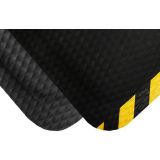 Hog Heaven Anti-Fatigue Mat
Starting at $64.00
Anti-fatigue kitchen mats have to survive the floor they are standing on. In a working kitchen that means grease, dropped oil, hot water, and cleaning chemicals, every day. This one is built from nitrile rubber for exactly that. It is the mat you put where a softer, prettier mat would...
Anti-fatigue kitchen mats have to survive the floor they are standing on. In a working kitchen that means grease, dropped...
Anti-fatigue kitchen mats have to survive the floor they are standing on. In a working kitchen that means grease, dropped oil, hot water, and cleaning chemicals, every day. This one is built from nitrile rubber for exactly that. It is the mat you put where a softer, prettier mat would be ruined inside a season.
What an Anti-Fatigue Mat Does Before a Hard Floor Catches Up With You
Standing still on quarry tile or sealed concrete is harder on a body than walking. Your legs lock in one position and take the load with no relief. The ache starts in the calves, moves to the knees, and settles in the lower back by the end of a shift.
A cushioned kitchen mat interrupts that. This one uses a high-density nitrile-blended cushion, which helps eliminate pressure on the lower back and legs. The cushion is what you are actually buying; the rubber on top is what keeps the cushion alive on a hostile floor.
The other half of the job is grip, and this is where the mat separates itself. Under ASTM C1028-96 it holds a static coefficient of friction of 0.87 dry and 0.85 wet. That wet figure is the one that matters on a kitchen floor, and it is barely below the dry number.
It is also certified high-traction by the National Floor Safety Institute, which runs independent slip-resistance testing for commercial floor products. Sloped edges give a safe transition from the floor onto the mat, and those edges will not crack or curl.
Why Nitrile Rubber, and Why This One
Most comfort mats fail from the top down. Vinyl goes brittle, foam compresses flat, and anything absorbent turns into a sponge for whatever is on the floor. Nitrile rubber is the answer to all three, which is why this construction shows up in the roughest indoor rooms.
The surface is grease and oil proof, and the cushion underneath is grease and oil resistant. It is chemical resistant, so a floor that gets sanitized daily does not degrade it. It is also welding safe, which matters more in a fabrication shop than a kitchen but tells you what the surface tolerates.
Underneath sits high-density, closed-cell nitrile and PVC-blended foam. Closed-cell means the cells are sealed, so the cushion is not an absorbent layer. The manufacturer states the cushion provides years of useful service life.
The two layers are molded together, not glued, so they will not separate. That is the failure you see on cheaper dual-layer mats, where the top lifts at a corner and the whole thing becomes a trip hazard within a year.
Cushion performance is measured, not claimed. The 5/8-inch version compresses 47.8% at 20 psi and 61.6% at 40 psi. The 7/8-inch version compresses 51.0% at 20 psi and 66.0% at 40 psi. In plain terms, the thicker mat gives more under the same weight, which is what you want for longer stretches of standing.
Two more specifications worth knowing. The mat carries an ESD rating of electrically conductive, so it can go in static-sensitive rooms. And it passes flammability standard BS-4790, tested by the metal nut method.
Where It Belongs, and Where It Is Overkill
This is the mat for the wet and greasy side of a kitchen. Cook lines, fry stations, prep tables, dish pits, bar wells, and walk-in approaches all qualify. Anywhere the floor gets mopped, drained, or hosed through a shift, this construction holds up where a fabric or foam mat would not.
It carries the same performance outside the kitchen. Assembly benches, packing stations, welding cells, labs, and any indoor floor where slag, oil, or chemicals are present are all standard placements. That is the same reasoning, applied to a different room.
Where it is more mat than you need is a quiet, dry, front-of-house spot. A hostess stand, a boutique counter, or a home kitchen island does not test any of this. Those spots want a fabric-topped comfort mat that looks like it belongs. The full range of kitchen mats covers both ends.
The real mistake with this mat is undersizing it. Buy one too small and people stand half on and half off it, which puts a foot on greasy tile and defeats the whole purpose. Cover the standing zone, not a token square of it.
Three Things to Check Before You Spec It
First, measure the working zone, not the room. Walk the station during a shift and mark where feet actually land. Stock sizes run 2' x 3' (23" x 32"), 3' x 5' (32" x 58"), 3' x 12' (32" x 142"), 4' x 6' (46" x 69"), and 4.8' x 8' (58" x 96"). A cook line usually needs a runner length rather than a mat.
Second, pick your thickness by how long people stand. The 5/8-inch version suits stations where staff move between tasks. The 7/8-inch version gives more compression and makes sense where someone holds one spot for hours. Check door swing and cart clearance before committing to the thicker one.
Third, decide whether you need the marked border. The mat comes with a solid black border or with OSHA-approved caution yellow borders on two sides. The yellow version makes the edge visible in a busy room, which is worth having where carts and foot traffic cross the same lane.
Why Mats Inc.
Buyers usually come to us after a comfort mat failed early, and it is almost always the same story: the mat was fine, but it was the wrong construction for that floor. We stock this nitrile mat because it is the one that survives a room with grease, chemicals, and constant washdown. Mats Inc. has been matching matting to real conditions since 1964, and this is what we reach for when the floor is the problem.
Specifications
Surface material Nitrile rubber; molded (not glued) to the cushion so it will not separate Cushion High-density, closed-cell nitrile/PVC-blended foam Overall thickness 5/8" (0.6250") or 7/8" (0.8750") Border options Solid black, or OSHA-approved caution yellow borders on two sides Traction Certified high-traction by the National Floor Safety Institute (NFSI); ASTM C1028-96 static coefficient of friction: dry 0.87, wet 0.85 Compression deflection 5/8": 47.8% at 20 psi, 61.6% at 40 psi
7/8": 51.0% at 20 psi, 66.0% at 40 psiStatic ESD rating of electrically conductive Resistance Welding safe; chemical resistant; surface grease/oil proof; cushion grease/oil resistant Flammability Passes BS-4790 (metal nut method) Edges Sloped for safe floor-to-mat transition; will not crack or curl Stock sizes 2' x 3' (23" x 32")
3' x 5' (32" x 58")
3' x 12' (32" x 142")
4' x 6' (46" x 69")
4.8' x 8' (58" x 96")Custom sizes Widths of 2' (23"), 3' (32"), 4' (46"), and 4.8' (58"); whole-foot lengths up to 100'. Mats over 60' have up to 2 seams. Size tolerance 3–5% manufacturing variance Recommended use Indoor commercial and industrial settings, including where slag, grease and oil, or chemicals are present Customization Can be customized with a logo, design, or message Cleaning Clean with a neutral pH detergent and rinse with a hose; lay flat or hang to dry; return to service dry Warranty 1-year limited (Mats Inc.) Frequently Asked Questions
What makes this different from a foam kitchen mat?
Answered by Dustin Thompson, Owner & CEO
Two layers instead of one. The top is nitrile rubber, and underneath is a high-density, closed-cell nitrile and PVC-blended foam cushion. A foam mat is just the cushion with nothing protecting it, which is why it flattens and tears.
The two layers here are molded together rather than glued, so they will not separate. Overall thickness is either 5/8 inch or 7/8 inch. The nitrile surface is grease and oil proof and chemical resistant, so a floor that gets sanitized every night does not eat the mat.
How well does it grip when the floor is wet?
Answered by Dustin Thompson, Owner & CEO
Better than most, and there are numbers for it. Under ASTM C1028-96 the static coefficient of friction measures 0.87 dry and 0.85 wet. The small gap between those two is the useful part — a lot of surfaces test well dry and fall apart wet. The mat is also certified high-traction by the National Floor Safety Institute.
Grip only helps if the mat is where feet are, though. The sloped edges give a safe transition on and off, and they will not crack or curl. If you undersize the mat, staff end up with one foot on greasy tile and the traction rating stops mattering.
Can I use this on a cook line, in a dish pit, or near a welding station?
Answered by Dustin Thompson, Owner & CEO
Yes to all three. This construction is made for indoor commercial and industrial rooms where slag, grease and oil, or chemicals are present. The surface is grease and oil proof, the cushion is grease and oil resistant, and the mat is welding safe.
It also carries an ESD rating of electrically conductive, which lets it go into static-sensitive areas that would rule out most comfort matting. Clean it with a neutral pH detergent and a hose rinse, then lay it flat or hang it to dry. Do not put it back down until it is dry.
What sizes are available, and can I get a length for a full cook line?
Answered by Jinna Hopson, Vice President of Marketing
Five stock sizes: 2' x 3' (23" x 32"), 3' x 5' (32" x 58"), 3' x 12' (32" x 142"), 4' x 6' (46" x 69"), and 4.8' x 8' (58" x 96"). The 3' x 12' is the usual answer for a galley kitchen or a long counter run.
For a full line, custom sizes come in widths of 2' (23"), 3' (32"), 4' (46"), and 4.8' (58") at whole-foot lengths up to 100 feet. Anything over 60 feet will have up to two seams. Allow a little tolerance in your measurements, since rubber shrinks and expands with temperature and time and finished sizes run within about 3% to 5% of nominal.
What does it actually look like on the floor?
Answered by Jinna Hopson, Vice President of Marketing
Purposeful rather than decorative. It reads as working equipment, which is right for a back-of-house kitchen and wrong for a dining room. Two border treatments are available: a solid black border, or OSHA-approved caution yellow borders on two sides.
The yellow border is worth considering in any room where carts, deliveries, and staff share the same lane, because it makes the mat's edge easy to see. If the mat is going somewhere customers look, a fabric-topped comfort mat is the better-looking choice for that spot.
Can I get one with our logo or a safety message on it?
Answered by Jinna Hopson, Vice President of Marketing
Yes. This construction can be customized with a logo, design, or message, which turns a functional comfort mat into something that also carries your branding or a standing safety reminder.
Custom work is quoted rather than ordered off a size chart, so tell us the artwork, the finished size, and where the mat is going. If the spot is greasy or gets washed down, say so up front, because that decides which construction the printed version should be built on.
By Dustin Thompson, Owner & CEO, Mats Inc.
↑
Anti-fatigue kitchen mats have to survive the floor they are standing on. In a working kitchen that means grease, dropped oil, hot water, and cleaning chemicals, every day. This one is built from nitrile rubber for exactly that. It is the mat you put where a softer, prettier mat would be ruined inside a season.
What an Anti-Fatigue Mat Does Before a Hard Floor Catches Up With You
Standing still on quarry tile or sealed concrete is harder on a body than walking. Your legs lock in one position and take the load with no relief. The ache starts in the calves, moves to the knees, and settles in the lower back by the end of a shift.
A cushioned kitchen mat interrupts that. This one uses a high-density nitrile-blended cushion, which helps eliminate pressure on the lower back and legs. The cushion is what you are actually buying; the rubber on top is what keeps the cushion alive on a hostile floor.
The other half of the job is grip, and this is where the mat separates itself. Under ASTM C1028-96 it holds a static coefficient of friction of 0.87 dry and 0.85 wet. That wet figure is the one that matters on a kitchen floor, and it is barely below the dry number.
It is also certified high-traction by the National Floor Safety Institute, which runs independent slip-resistance testing for commercial floor products. Sloped edges give a safe transition from the floor onto the mat, and those edges will not crack or curl.
Why Nitrile Rubber, and Why This One
Most comfort mats fail from the top down. Vinyl goes brittle, foam compresses flat, and anything absorbent turns into a sponge for whatever is on the floor. Nitrile rubber is the answer to all three, which is why this construction shows up in the roughest indoor rooms.
The surface is grease and oil proof, and the cushion underneath is grease and oil resistant. It is chemical resistant, so a floor that gets sanitized daily does not degrade it. It is also welding safe, which matters more in a fabrication shop than a kitchen but tells you what the surface tolerates.
Underneath sits high-density, closed-cell nitrile and PVC-blended foam. Closed-cell means the cells are sealed, so the cushion is not an absorbent layer. The manufacturer states the cushion provides years of useful service life.
The two layers are molded together, not glued, so they will not separate. That is the failure you see on cheaper dual-layer mats, where the top lifts at a corner and the whole thing becomes a trip hazard within a year.
Cushion performance is measured, not claimed. The 5/8-inch version compresses 47.8% at 20 psi and 61.6% at 40 psi. The 7/8-inch version compresses 51.0% at 20 psi and 66.0% at 40 psi. In plain terms, the thicker mat gives more under the same weight, which is what you want for longer stretches of standing.
Two more specifications worth knowing. The mat carries an ESD rating of electrically conductive, so it can go in static-sensitive rooms. And it passes flammability standard BS-4790, tested by the metal nut method.
Where It Belongs, and Where It Is Overkill
This is the mat for the wet and greasy side of a kitchen. Cook lines, fry stations, prep tables, dish pits, bar wells, and walk-in approaches all qualify. Anywhere the floor gets mopped, drained, or hosed through a shift, this construction holds up where a fabric or foam mat would not.
It carries the same performance outside the kitchen. Assembly benches, packing stations, welding cells, labs, and any indoor floor where slag, oil, or chemicals are present are all standard placements. That is the same reasoning, applied to a different room.
Where it is more mat than you need is a quiet, dry, front-of-house spot. A hostess stand, a boutique counter, or a home kitchen island does not test any of this. Those spots want a fabric-topped comfort mat that looks like it belongs. The full range of kitchen mats covers both ends.
The real mistake with this mat is undersizing it. Buy one too small and people stand half on and half off it, which puts a foot on greasy tile and defeats the whole purpose. Cover the standing zone, not a token square of it.
Three Things to Check Before You Spec It
First, measure the working zone, not the room. Walk the station during a shift and mark where feet actually land. Stock sizes run 2' x 3' (23" x 32"), 3' x 5' (32" x 58"), 3' x 12' (32" x 142"), 4' x 6' (46" x 69"), and 4.8' x 8' (58" x 96"). A cook line usually needs a runner length rather than a mat.
Second, pick your thickness by how long people stand. The 5/8-inch version suits stations where staff move between tasks. The 7/8-inch version gives more compression and makes sense where someone holds one spot for hours. Check door swing and cart clearance before committing to the thicker one.
Third, decide whether you need the marked border. The mat comes with a solid black border or with OSHA-approved caution yellow borders on two sides. The yellow version makes the edge visible in a busy room, which is worth having where carts and foot traffic cross the same lane.
Why Mats Inc.
Buyers usually come to us after a comfort mat failed early, and it is almost always the same story: the mat was fine, but it was the wrong construction for that floor. We stock this nitrile mat because it is the one that survives a room with grease, chemicals, and constant washdown. Mats Inc. has been matching matting to real conditions since 1964, and this is what we reach for when the floor is the problem.
Specifications
Surface material Nitrile rubber; molded (not glued) to the cushion so it will not separate Cushion High-density, closed-cell nitrile/PVC-blended foam Overall thickness 5/8" (0.6250") or 7/8" (0.8750") Border options Solid black, or OSHA-approved caution yellow borders on two sides Traction Certified high-traction by the National Floor Safety Institute (NFSI); ASTM C1028-96 static coefficient of friction: dry 0.87, wet 0.85 Compression deflection 5/8": 47.8% at 20 psi, 61.6% at 40 psi
7/8": 51.0% at 20 psi, 66.0% at 40 psiStatic ESD rating of electrically conductive Resistance Welding safe; chemical resistant; surface grease/oil proof; cushion grease/oil resistant Flammability Passes BS-4790 (metal nut method) Edges Sloped for safe floor-to-mat transition; will not crack or curl Stock sizes 2' x 3' (23" x 32")
3' x 5' (32" x 58")
3' x 12' (32" x 142")
4' x 6' (46" x 69")
4.8' x 8' (58" x 96")Custom sizes Widths of 2' (23"), 3' (32"), 4' (46"), and 4.8' (58"); whole-foot lengths up to 100'. Mats over 60' have up to 2 seams. Size tolerance 3–5% manufacturing variance Recommended use Indoor commercial and industrial settings, including where slag, grease and oil, or chemicals are present Customization Can be customized with a logo, design, or message Cleaning Clean with a neutral pH detergent and rinse with a hose; lay flat or hang to dry; return to service dry Warranty 1-year limited (Mats Inc.) Frequently Asked Questions
What makes this different from a foam kitchen mat?
Answered by Dustin Thompson, Owner & CEO
Two layers instead of one. The top is nitrile rubber, and underneath is a high-density, closed-cell nitrile and PVC-blended foam cushion. A foam mat is just the cushion with nothing protecting it, which is why it flattens and tears.
The two layers here are molded together rather than glued, so they will not separate. Overall thickness is either 5/8 inch or 7/8 inch. The nitrile surface is grease and oil proof and chemical resistant, so a floor that gets sanitized every night does not eat the mat.
How well does it grip when the floor is wet?
Answered by Dustin Thompson, Owner & CEO
Better than most, and there are numbers for it. Under ASTM C1028-96 the static coefficient of friction measures 0.87 dry and 0.85 wet. The small gap between those two is the useful part — a lot of surfaces test well dry and fall apart wet. The mat is also certified high-traction by the National Floor Safety Institute.
Grip only helps if the mat is where feet are, though. The sloped edges give a safe transition on and off, and they will not crack or curl. If you undersize the mat, staff end up with one foot on greasy tile and the traction rating stops mattering.
Can I use this on a cook line, in a dish pit, or near a welding station?
Answered by Dustin Thompson, Owner & CEO
Yes to all three. This construction is made for indoor commercial and industrial rooms where slag, grease and oil, or chemicals are present. The surface is grease and oil proof, the cushion is grease and oil resistant, and the mat is welding safe.
It also carries an ESD rating of electrically conductive, which lets it go into static-sensitive areas that would rule out most comfort matting. Clean it with a neutral pH detergent and a hose rinse, then lay it flat or hang it to dry. Do not put it back down until it is dry.
What sizes are available, and can I get a length for a full cook line?
Answered by Jinna Hopson, Vice President of Marketing
Five stock sizes: 2' x 3' (23" x 32"), 3' x 5' (32" x 58"), 3' x 12' (32" x 142"), 4' x 6' (46" x 69"), and 4.8' x 8' (58" x 96"). The 3' x 12' is the usual answer for a galley kitchen or a long counter run.
For a full line, custom sizes come in widths of 2' (23"), 3' (32"), 4' (46"), and 4.8' (58") at whole-foot lengths up to 100 feet. Anything over 60 feet will have up to two seams. Allow a little tolerance in your measurements, since rubber shrinks and expands with temperature and time and finished sizes run within about 3% to 5% of nominal.
What does it actually look like on the floor?
Answered by Jinna Hopson, Vice President of Marketing
Purposeful rather than decorative. It reads as working equipment, which is right for a back-of-house kitchen and wrong for a dining room. Two border treatments are available: a solid black border, or OSHA-approved caution yellow borders on two sides.
The yellow border is worth considering in any room where carts, deliveries, and staff share the same lane, because it makes the mat's edge easy to see. If the mat is going somewhere customers look, a fabric-topped comfort mat is the better-looking choice for that spot.
Can I get one with our logo or a safety message on it?
Answered by Jinna Hopson, Vice President of Marketing
Yes. This construction can be customized with a logo, design, or message, which turns a functional comfort mat into something that also carries your branding or a standing safety reminder.
Custom work is quoted rather than ordered off a size chart, so tell us the artwork, the finished size, and where the mat is going. If the spot is greasy or gets washed down, say so up front, because that decides which construction the printed version should be built on.
By Dustin Thompson, Owner & CEO, Mats Inc.
↑
View Details
View Details
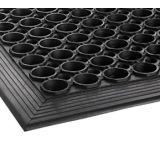 Safe Walk Jr. Rubber Mats$137.00What Safe Walk Jr. Does Before a Wet Floor Takes Someone Down Safe Walk Jr. is a lightweight anti-fatigue drainage mat for wet areas. Its raised base keeps liquids moving underneath instead of pooling where shoes land, while the rubber surface gives feet better slip resistance than the ceramic and
...
What Safe Walk Jr. Does Before a Wet Floor Takes Someone Down Safe Walk Jr. is a lightweight anti-fatigue drainage...
What Safe Walk Jr. Does Before a Wet Floor Takes Someone Down
Safe Walk Jr. is a lightweight anti-fatigue drainage mat for wet areas. Its raised base keeps liquids moving underneath instead of pooling where shoes land, while the rubber surface gives feet better slip resistance than the ceramic and cement floors it covers — and cushions the hours spent standing over them.
Wet floors don't announce themselves. Rinse water, dish spray, and spills collect through a shift, and the moment someone hurries — a rush order, a carried tray — is exactly when footing matters most. A slip at a busy station means an injured worker, a stopped line, and an incident report. Drainage under the feet changes those odds.
Why a Raised-Base Drainage Design, and Why This One
The mechanism is simple and constant: the raised base holds the standing surface above the floor, so spills and rinse-down drain through and keep moving rather than sitting under someone's next step. The result the vendor testing points to is a safer work environment — traction that outperforms bare ceramic and cement underfoot.
The rubber is a general-purpose SBR compound in black — the workhorse choice for everyday water duty. It's the right material where the floor's daily challenge is moisture rather than chemistry: dependable grip, a cushioned stand, and a surface that shrugs off the constant wet-dry cycle of a working station without fuss.
The rest of the design is built around easy living. A low profile with molded edging keeps the transition on and off the mat clean, the whole mat contains up to 60 percent recycled material, and the lightweight build means it actually gets lifted, hosed off, and put back — clean underneath included.
Where It Belongs, and What It Is Not
Safe Walk Jr. is a medium-duty solution for wet floors: dish and rinse-down stations, kitchens and cafeterias, food processing facilities, and packaging operations. It suits the stations where water is a daily reality but not an extreme one — and where the crew doing nightly cleanup will appreciate a mat one person can handle.
What it is not: the answer to every hard floor. Where oil and fats hit the floor daily, a grease-rated nitrile compound is the honest spec, and where deep grease, harsh chemicals, or punishing traffic rule the zone, the heavier-duty drainage constructions in our anti-fatigue mats and runners lineup carry that load. Matching the duty level honestly is what makes this one earn its keep for years.
Three Things to Check Before You Spec It
First, confirm water is the main event. Walk the station at the end of a real shift: if what's on the floor is rinse water, dish spray, and the day's spills, this general-purpose rubber is squarely in its lane. If there's an oil film in the picture daily, spec a grease-rated compound instead — same drainage idea, different chemistry.
Second, plan the run. Every size is 3 feet wide, with lengths of 5, 10, 15, and 20 feet, so a single mat can trace a full dish line or packing row. One planning note: mats 10 feet and longer carry a seam every 5 feet — worth knowing before you map coverage.
Third, be honest about duty level. This is a medium-duty mat by design — that's what makes it light enough to lift daily and easy to keep clean. If your environment reads heavy-industrial, step up a class instead of asking a lighter mat to survive it.
Why Mats Inc.
Not every wet floor needs the heaviest mat in the warehouse — and we've spent decades since 1964 helping buyers land on the right duty level rather than the biggest one. We carry this mat for the kitchens and lines it genuinely fits, we verify what's behind it before it ships, and we back it with a 1-year limited Mats Inc. warranty.
Construction Drainage mat; raised base promotes movement of liquids Material SBR rubber (general purpose) Color Black Thickness 1/2" Sizes 3' x 5', 3' x 10', 3' x 15', 3' x 20' (10' and longer have a seam every 5') Edges Low profile, molded edging Traction Provides better slip resistance than ceramic and cement floors Recycled Content Up to 60% Duty / Use Area Medium duty; wet areas Warranty 1-year limited (Mats Inc.) Frequently Asked Questions
How does the raised base actually make the floor safer?
Answered by Dustin Thompson, Owner & CEO
It separates feet from liquid. The raised base lifts the standing surface off the floor, so water drains down and keeps moving instead of forming the slick film that causes falls. Up top, the rubber surface grips better than the ceramic and cement floors it typically covers — so the shoe meets traction while the spill meets the drain path. The low-profile molded edging finishes the safety picture at the transition on and off the mat.
What is the mat made of, and how long will it hold up?
Answered by Dustin Thompson, Owner & CEO
It's a general-purpose SBR rubber — a proven, hard-wearing compound for water duty — with up to 60 percent recycled material in the mat. Kept in its lane, it holds up well: the wet-dry cycle of a dish station or rinse-down zone is exactly what it's built to live with. What ages it early is asking it to do a different mat's job — daily oil and fats belong on a grease-rated compound, and harsh industrial zones belong on a heavier class.
How heavy-duty is it, honestly?
Answered by Dustin Thompson, Owner & CEO
It's a medium-duty mat, and that's a feature, not a confession. Kitchens, cafeterias, dish lines, food processing, and packaging floors get exactly the drainage and traction they need in a build light enough for one person to lift and hose off nightly. Where the environment turns heavy-industrial — deep grease, harsh chemicals, relentless cart traffic — a heavier drainage class is the honest spec. Matching duty to reality is what makes any mat last.
Is a plain black mat the right look outside the back of house?
Answered by Jinna Hopson, Vice President of Marketing
Black earns its place almost anywhere a wet-area mat lives. It disappears visually against most commercial flooring, hides the scuffs and soil that land between cleanings, and the low profile keeps it reading as part of the floor rather than an obstacle on it. In a cafeteria serving line or a visible dish pass, that quiet, tidy look is usually exactly right — the mat does its safety work without asking anyone to notice it.
What lengths should I plan for a dish line?
Answered by Jinna Hopson, Vice President of Marketing
Measure the working run, not the room. Every size is 3 feet wide, and lengths of 5, 10, 15, and 20 feet let one mat follow the full path a dish crew or packer actually walks — no gaps where a wet stride lands on bare floor between two short mats. Note that mats 10 feet and longer carry a seam every 5 feet, so plan seam positions away from the busiest pivot points where you can.
Will the crew actually keep it clean?
Answered by Jinna Hopson, Vice President of Marketing
That's the quiet advantage of the lightweight build. A mat that's easy to handle gets lifted at close, rinsed, and set back — while heavy mats tend to get mopped around, letting the floor beneath become the dirtiest surface in the kitchen. This one is designed to be easy to handle, clean, and maintain, which means the drainage path stays open and the whole system keeps doing its job week after week instead of just the first one.
By Dustin Thompson, Owner & CEO, Mats Inc.
↑
What Safe Walk Jr. Does Before a Wet Floor Takes Someone Down
Safe Walk Jr. is a lightweight anti-fatigue drainage mat for wet areas. Its raised base keeps liquids moving underneath instead of pooling where shoes land, while the rubber surface gives feet better slip resistance than the ceramic and cement floors it covers — and cushions the hours spent standing over them.
Wet floors don't announce themselves. Rinse water, dish spray, and spills collect through a shift, and the moment someone hurries — a rush order, a carried tray — is exactly when footing matters most. A slip at a busy station means an injured worker, a stopped line, and an incident report. Drainage under the feet changes those odds.
Why a Raised-Base Drainage Design, and Why This One
The mechanism is simple and constant: the raised base holds the standing surface above the floor, so spills and rinse-down drain through and keep moving rather than sitting under someone's next step. The result the vendor testing points to is a safer work environment — traction that outperforms bare ceramic and cement underfoot.
The rubber is a general-purpose SBR compound in black — the workhorse choice for everyday water duty. It's the right material where the floor's daily challenge is moisture rather than chemistry: dependable grip, a cushioned stand, and a surface that shrugs off the constant wet-dry cycle of a working station without fuss.
The rest of the design is built around easy living. A low profile with molded edging keeps the transition on and off the mat clean, the whole mat contains up to 60 percent recycled material, and the lightweight build means it actually gets lifted, hosed off, and put back — clean underneath included.
Where It Belongs, and What It Is Not
Safe Walk Jr. is a medium-duty solution for wet floors: dish and rinse-down stations, kitchens and cafeterias, food processing facilities, and packaging operations. It suits the stations where water is a daily reality but not an extreme one — and where the crew doing nightly cleanup will appreciate a mat one person can handle.
What it is not: the answer to every hard floor. Where oil and fats hit the floor daily, a grease-rated nitrile compound is the honest spec, and where deep grease, harsh chemicals, or punishing traffic rule the zone, the heavier-duty drainage constructions in our anti-fatigue mats and runners lineup carry that load. Matching the duty level honestly is what makes this one earn its keep for years.
Three Things to Check Before You Spec It
First, confirm water is the main event. Walk the station at the end of a real shift: if what's on the floor is rinse water, dish spray, and the day's spills, this general-purpose rubber is squarely in its lane. If there's an oil film in the picture daily, spec a grease-rated compound instead — same drainage idea, different chemistry.
Second, plan the run. Every size is 3 feet wide, with lengths of 5, 10, 15, and 20 feet, so a single mat can trace a full dish line or packing row. One planning note: mats 10 feet and longer carry a seam every 5 feet — worth knowing before you map coverage.
Third, be honest about duty level. This is a medium-duty mat by design — that's what makes it light enough to lift daily and easy to keep clean. If your environment reads heavy-industrial, step up a class instead of asking a lighter mat to survive it.
Why Mats Inc.
Not every wet floor needs the heaviest mat in the warehouse — and we've spent decades since 1964 helping buyers land on the right duty level rather than the biggest one. We carry this mat for the kitchens and lines it genuinely fits, we verify what's behind it before it ships, and we back it with a 1-year limited Mats Inc. warranty.
Construction Drainage mat; raised base promotes movement of liquids Material SBR rubber (general purpose) Color Black Thickness 1/2" Sizes 3' x 5', 3' x 10', 3' x 15', 3' x 20' (10' and longer have a seam every 5') Edges Low profile, molded edging Traction Provides better slip resistance than ceramic and cement floors Recycled Content Up to 60% Duty / Use Area Medium duty; wet areas Warranty 1-year limited (Mats Inc.) Frequently Asked Questions
How does the raised base actually make the floor safer?
Answered by Dustin Thompson, Owner & CEO
It separates feet from liquid. The raised base lifts the standing surface off the floor, so water drains down and keeps moving instead of forming the slick film that causes falls. Up top, the rubber surface grips better than the ceramic and cement floors it typically covers — so the shoe meets traction while the spill meets the drain path. The low-profile molded edging finishes the safety picture at the transition on and off the mat.
What is the mat made of, and how long will it hold up?
Answered by Dustin Thompson, Owner & CEO
It's a general-purpose SBR rubber — a proven, hard-wearing compound for water duty — with up to 60 percent recycled material in the mat. Kept in its lane, it holds up well: the wet-dry cycle of a dish station or rinse-down zone is exactly what it's built to live with. What ages it early is asking it to do a different mat's job — daily oil and fats belong on a grease-rated compound, and harsh industrial zones belong on a heavier class.
How heavy-duty is it, honestly?
Answered by Dustin Thompson, Owner & CEO
It's a medium-duty mat, and that's a feature, not a confession. Kitchens, cafeterias, dish lines, food processing, and packaging floors get exactly the drainage and traction they need in a build light enough for one person to lift and hose off nightly. Where the environment turns heavy-industrial — deep grease, harsh chemicals, relentless cart traffic — a heavier drainage class is the honest spec. Matching duty to reality is what makes any mat last.
Is a plain black mat the right look outside the back of house?
Answered by Jinna Hopson, Vice President of Marketing
Black earns its place almost anywhere a wet-area mat lives. It disappears visually against most commercial flooring, hides the scuffs and soil that land between cleanings, and the low profile keeps it reading as part of the floor rather than an obstacle on it. In a cafeteria serving line or a visible dish pass, that quiet, tidy look is usually exactly right — the mat does its safety work without asking anyone to notice it.
What lengths should I plan for a dish line?
Answered by Jinna Hopson, Vice President of Marketing
Measure the working run, not the room. Every size is 3 feet wide, and lengths of 5, 10, 15, and 20 feet let one mat follow the full path a dish crew or packer actually walks — no gaps where a wet stride lands on bare floor between two short mats. Note that mats 10 feet and longer carry a seam every 5 feet, so plan seam positions away from the busiest pivot points where you can.
Will the crew actually keep it clean?
Answered by Jinna Hopson, Vice President of Marketing
That's the quiet advantage of the lightweight build. A mat that's easy to handle gets lifted at close, rinsed, and set back — while heavy mats tend to get mopped around, letting the floor beneath become the dirtiest surface in the kitchen. This one is designed to be easy to handle, clean, and maintain, which means the drainage path stays open and the whole system keeps doing its job week after week instead of just the first one.
By Dustin Thompson, Owner & CEO, Mats Inc.
↑
View Details
View Details
 Safe Walk Jr. Rubber Mats - Grease Resistant$189.00What Safe Walk Jr. Grease Resistant Does Before Fryer Oil Wins the Floor Safe Walk Jr. Grease Resistant is a nitrile-blend drainage mat built for the stations where oil and fats are part of the job. The nitrile rubber compound raises the mat's resistance to grease, the raised base underneath
...
What Safe Walk Jr. Grease Resistant Does Before Fryer Oil Wins the Floor Safe Walk Jr. Grease Resistant is a...
What Safe Walk Jr. Grease Resistant Does Before Fryer Oil Wins the Floor
Safe Walk Jr. Grease Resistant is a nitrile-blend drainage mat built for the stations where oil and fats are part of the job. The nitrile rubber compound raises the mat's resistance to grease, the raised base underneath keeps liquids moving away from footing, and the cushioned surface eases the standing hours in between.
Grease is the floor hazard that doesn't behave like water. It doesn't evaporate, it doesn't rinse off with a splash, and it turns tile treacherous in a film too thin to see. Worse, it works on the mat itself — ordinary rubber in a fryer zone slowly gives up. Beating it takes a compound chosen for it, not just a mat placed over it.
Why a Nitrile Blend, and Why This One
The compound is the headline. This version is built from a nitrile rubber blend specifically because nitrile increases resistance to oil and fats — so the daily splatter that reaches the floor around a fryer or grill doesn't shorten the mat's working life the way it would for a general-purpose rubber.
Under the surface, the raised base gives oil and rinse water somewhere to go, moving liquids through rather than holding them where shoes land — the design the vendor's own testing ties to a safer work environment. Up top, traction outperforms the ceramic and cement floors the mat typically covers, and a low profile with molded edging keeps every step on and off clean.
The practical details round it out: a 1/2-inch profile, a build light enough for one person to lift and rinse, and up to 60 percent recycled material in the mat. It's a working tool sized for daily handling — which, in a grease zone, is exactly what keeps it effective.
Where It Belongs, and What It Is Not
This mat belongs where fats meet the floor: fryer and grill lines, greasy prep and dish zones, food processing areas where rendered oils reach the concrete, and packaging floors that handle oils daily. It's a medium-duty answer for the food-service and processing spaces where grease is constant but conditions stop short of heavy-industrial.
What it is not: the mat for every wet floor. Where the challenge is water alone — rinse-down, dish spray, cafeteria spills without the oil — the general-purpose wet-area options in our anti-fatigue mats and runners lineup fit that duty. Spec the nitrile blend where grease is real; that's the condition it was compounded for.
Three Things to Check Before You Spec It
First, confirm grease is the daily reality, not the occasional accident. Walk the station at the end of a normal shift: if there's an oil film near the fryer, splatter tracking off the grill line, or fats reaching the floor in processing, this compound earns its place. That's the honest trigger for choosing it.
Second, map the run from the grease source outward. Every size is 3 feet wide with lengths of 5, 10, 15, and 20 feet, so coverage can start at the fryer and follow the path oily shoes actually travel. Mats 10 feet and longer carry a seam every 5 feet — set seams away from the hardest-working spots when you plan the layout.
Third, pair it with a degreasing routine. Resistance means the compound stands up to oil; it doesn't mean grease should live on the surface indefinitely. The lightweight build makes the lift-rinse-return cycle a one-person job, which keeps the drainage path open and the traction honest.
Why Mats Inc.
Grease zones are where we see the most mats fail early — bought for wet duty, dissolved by fryer duty. Since 1964 we've helped kitchens and processors match the compound to the contaminant, and we carry this nitrile-blend version for exactly that call. Every claim here is checked against the manufacturer's published data, and the mat carries a 1-year limited Mats Inc. warranty.
Construction Drainage mat; raised base promotes movement of liquids Material Nitrile rubber blend — increased resistance to oil and fats Color Terra Cotta Thickness 1/2" Sizes 3' x 5', 3' x 10', 3' x 15', 3' x 20' (10' and longer have a seam every 5') Edges Low profile, molded edging Traction Provides better slip resistance than ceramic and cement floors Recycled Content Up to 60% Duty / Use Area Medium duty; wet and oily areas Warranty 1-year limited (Mats Inc.) Frequently Asked Questions
What actually makes this version grease resistant?
Answered by Dustin Thompson, Owner & CEO
The rubber itself. This mat is built from a nitrile rubber blend, and nitrile's defining trait is increased resistance to oil and fats — the exact substances that degrade general-purpose rubber over months of fryer-line duty. It's not a coating that wears off; the resistance is the compound, top to bottom. Pair that with the raised drainage base moving oil off the footing zone, and the mat is fighting grease on both fronts at once.
If it resists grease, do we still have to clean it?
Answered by Dustin Thompson, Owner & CEO
Yes — and the distinction matters. Resistance means oil and fats don't break the compound down the way they would ordinary rubber; it doesn't mean a grease film on the walking surface is harmless to footing. Build a regular degreasing rinse into the closing routine. The mat is designed to be easy to handle, clean, and maintain, so the lift-rinse-return cycle stays a quick one-person job rather than a chore that gets skipped.
How does it handle traction on slick tile?
Answered by Dustin Thompson, Owner & CEO
Better than the floor it covers — the surface provides better slip resistance than ceramic and cement, which are precisely the floors most kitchens and processing lines stand on. The raised base does the quieter half of the work, giving oil and rinse water a path through instead of a place to pool under the next step, and the low-profile molded edging keeps the on-and-off transition from becoming its own hazard during a rush.
Why terra cotta instead of black?
Answered by Jinna Hopson, Vice President of Marketing
The color is the compound's signature — terra cotta is how this nitrile blend comes, so it doubles as an at-a-glance marker that the grease-rated mat is where it belongs. It's also simply a pleasant color to have in sight: in an open kitchen or a serving-adjacent line, terra cotta reads warm and deliberate where a black industrial mat can feel like back-of-house equipment that wandered out front. Function chose the color; the look holds its own anyway.
What size makes sense for a fry station versus a full line?
Answered by Jinna Hopson, Vice President of Marketing
Start where the oil starts. A single fry or grill station is usually well served by the 3 by 5; a hood-to-pass line where cooks slide station to station wants one continuous run — 10, 15, or 20 feet — so nobody's pivot lands on bare, greasy tile between mats. Remember that lengths of 10 feet and up carry a seam every 5 feet, so lay the run out with seams falling between stations rather than under the busiest feet.
We already run general wet-area mats — when should we switch to this one?
Answered by Jinna Hopson, Vice President of Marketing
Switch wherever grease shows up daily. General wet-area mats are the right call for rinse water and spills, but a fryer zone quietly asks more of the rubber than water duty ever does — and that's where an all-purpose mat ages fastest. The practical approach many kitchens land on: nitrile blend at the fryer and grill, general-purpose everywhere else. Each floor zone gets the compound its mess demands, and no mat is asked to survive a job it wasn't built for.
By Dustin Thompson, Owner & CEO, Mats Inc.
↑
What Safe Walk Jr. Grease Resistant Does Before Fryer Oil Wins the Floor
Safe Walk Jr. Grease Resistant is a nitrile-blend drainage mat built for the stations where oil and fats are part of the job. The nitrile rubber compound raises the mat's resistance to grease, the raised base underneath keeps liquids moving away from footing, and the cushioned surface eases the standing hours in between.
Grease is the floor hazard that doesn't behave like water. It doesn't evaporate, it doesn't rinse off with a splash, and it turns tile treacherous in a film too thin to see. Worse, it works on the mat itself — ordinary rubber in a fryer zone slowly gives up. Beating it takes a compound chosen for it, not just a mat placed over it.
Why a Nitrile Blend, and Why This One
The compound is the headline. This version is built from a nitrile rubber blend specifically because nitrile increases resistance to oil and fats — so the daily splatter that reaches the floor around a fryer or grill doesn't shorten the mat's working life the way it would for a general-purpose rubber.
Under the surface, the raised base gives oil and rinse water somewhere to go, moving liquids through rather than holding them where shoes land — the design the vendor's own testing ties to a safer work environment. Up top, traction outperforms the ceramic and cement floors the mat typically covers, and a low profile with molded edging keeps every step on and off clean.
The practical details round it out: a 1/2-inch profile, a build light enough for one person to lift and rinse, and up to 60 percent recycled material in the mat. It's a working tool sized for daily handling — which, in a grease zone, is exactly what keeps it effective.
Where It Belongs, and What It Is Not
This mat belongs where fats meet the floor: fryer and grill lines, greasy prep and dish zones, food processing areas where rendered oils reach the concrete, and packaging floors that handle oils daily. It's a medium-duty answer for the food-service and processing spaces where grease is constant but conditions stop short of heavy-industrial.
What it is not: the mat for every wet floor. Where the challenge is water alone — rinse-down, dish spray, cafeteria spills without the oil — the general-purpose wet-area options in our anti-fatigue mats and runners lineup fit that duty. Spec the nitrile blend where grease is real; that's the condition it was compounded for.
Three Things to Check Before You Spec It
First, confirm grease is the daily reality, not the occasional accident. Walk the station at the end of a normal shift: if there's an oil film near the fryer, splatter tracking off the grill line, or fats reaching the floor in processing, this compound earns its place. That's the honest trigger for choosing it.
Second, map the run from the grease source outward. Every size is 3 feet wide with lengths of 5, 10, 15, and 20 feet, so coverage can start at the fryer and follow the path oily shoes actually travel. Mats 10 feet and longer carry a seam every 5 feet — set seams away from the hardest-working spots when you plan the layout.
Third, pair it with a degreasing routine. Resistance means the compound stands up to oil; it doesn't mean grease should live on the surface indefinitely. The lightweight build makes the lift-rinse-return cycle a one-person job, which keeps the drainage path open and the traction honest.
Why Mats Inc.
Grease zones are where we see the most mats fail early — bought for wet duty, dissolved by fryer duty. Since 1964 we've helped kitchens and processors match the compound to the contaminant, and we carry this nitrile-blend version for exactly that call. Every claim here is checked against the manufacturer's published data, and the mat carries a 1-year limited Mats Inc. warranty.
Construction Drainage mat; raised base promotes movement of liquids Material Nitrile rubber blend — increased resistance to oil and fats Color Terra Cotta Thickness 1/2" Sizes 3' x 5', 3' x 10', 3' x 15', 3' x 20' (10' and longer have a seam every 5') Edges Low profile, molded edging Traction Provides better slip resistance than ceramic and cement floors Recycled Content Up to 60% Duty / Use Area Medium duty; wet and oily areas Warranty 1-year limited (Mats Inc.) Frequently Asked Questions
What actually makes this version grease resistant?
Answered by Dustin Thompson, Owner & CEO
The rubber itself. This mat is built from a nitrile rubber blend, and nitrile's defining trait is increased resistance to oil and fats — the exact substances that degrade general-purpose rubber over months of fryer-line duty. It's not a coating that wears off; the resistance is the compound, top to bottom. Pair that with the raised drainage base moving oil off the footing zone, and the mat is fighting grease on both fronts at once.
If it resists grease, do we still have to clean it?
Answered by Dustin Thompson, Owner & CEO
Yes — and the distinction matters. Resistance means oil and fats don't break the compound down the way they would ordinary rubber; it doesn't mean a grease film on the walking surface is harmless to footing. Build a regular degreasing rinse into the closing routine. The mat is designed to be easy to handle, clean, and maintain, so the lift-rinse-return cycle stays a quick one-person job rather than a chore that gets skipped.
How does it handle traction on slick tile?
Answered by Dustin Thompson, Owner & CEO
Better than the floor it covers — the surface provides better slip resistance than ceramic and cement, which are precisely the floors most kitchens and processing lines stand on. The raised base does the quieter half of the work, giving oil and rinse water a path through instead of a place to pool under the next step, and the low-profile molded edging keeps the on-and-off transition from becoming its own hazard during a rush.
Why terra cotta instead of black?
Answered by Jinna Hopson, Vice President of Marketing
The color is the compound's signature — terra cotta is how this nitrile blend comes, so it doubles as an at-a-glance marker that the grease-rated mat is where it belongs. It's also simply a pleasant color to have in sight: in an open kitchen or a serving-adjacent line, terra cotta reads warm and deliberate where a black industrial mat can feel like back-of-house equipment that wandered out front. Function chose the color; the look holds its own anyway.
What size makes sense for a fry station versus a full line?
Answered by Jinna Hopson, Vice President of Marketing
Start where the oil starts. A single fry or grill station is usually well served by the 3 by 5; a hood-to-pass line where cooks slide station to station wants one continuous run — 10, 15, or 20 feet — so nobody's pivot lands on bare, greasy tile between mats. Remember that lengths of 10 feet and up carry a seam every 5 feet, so lay the run out with seams falling between stations rather than under the busiest feet.
We already run general wet-area mats — when should we switch to this one?
Answered by Jinna Hopson, Vice President of Marketing
Switch wherever grease shows up daily. General wet-area mats are the right call for rinse water and spills, but a fryer zone quietly asks more of the rubber than water duty ever does — and that's where an all-purpose mat ages fastest. The practical approach many kitchens land on: nitrile blend at the fryer and grill, general-purpose everywhere else. Each floor zone gets the compound its mess demands, and no mat is asked to survive a job it wasn't built for.
By Dustin Thompson, Owner & CEO, Mats Inc.
↑
View Details
View Details
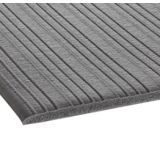 Tuff-Spun Anti-Fatigue Matting
Starting at $51.00
What Tuff-Spun Does Before the Standing Desk Goes Back Down Tuff-Spun is an anti-fatigue mat made for the way offices actually stand: at desks, counters, and workstations, in dress shoes, on hard commercial floors. An edge-to-edge polyurethane cushion softens every hour upright, giving workers a comfortable, healthy alternative to sitting...
What Tuff-Spun Does Before the Standing Desk Goes Back Down Tuff-Spun is an anti-fatigue mat made for the way offices...
What Tuff-Spun Does Before the Standing Desk Goes Back Down
Tuff-Spun is an anti-fatigue mat made for the way offices actually stand: at desks, counters, and workstations, in dress shoes, on hard commercial floors. An edge-to-edge polyurethane cushion softens every hour upright, giving workers a comfortable, healthy alternative to sitting through the whole day.
Most standing desks lose the argument to the floor. The first week feels great; by the third, feet and lower backs are negotiating the desk back down, and the sitting habit the desk was bought to break wins again. What's missing is usually underfoot — extended standing on a bare floor asks more of the body than most people will keep giving.
Why a Fabric Top Over Polyurethane, and Why This One
The standing surface is a needle-punched, solution-dyed PET fabric — 14 ounces per square yard — permanently bonded to a durable rubber layer. That bonded layer is what makes the mat resistant to punctures from high heels, the quiet killer of ordinary foam office mats. The fabric itself is naturally stain resistant, so coffee drips and scuffs clean up instead of settling in.
Underneath, the polyurethane cushion runs edge to edge — no firm border robbing the mat's outer inches of comfort — with an overall thickness of 3/4 inch. Beveled edges give a seamless transition from floor to mat and are built not to crack or curl, so the mat stays flat and trip-free through daily use.
There's a sustainability story in the surface, too: the PET fabric is made from 90 percent recycled content reclaimed from plastic. And the construction passes the CPSC-FF1-70 flammability standard — a commercial-grade detail under an office-friendly face.
Where It Belongs, and What It Is Not
Tuff-Spun belongs at commercial standing workstations: sit-stand desks, reception and service counters, mailrooms and copy areas, and any post where someone in office shoes stands for stretches of the day. It's equally at home under a home-office standing desk, where the same comfort math decides whether the desk gets used.
What it is not: a shop or wet-area mat. The fabric top and cushion are built for clean, dry spaces — floors that meet grease, water, or welding slag belong to the rubber constructions in our anti-fatigue mats and runners lineup. Keeping this one in office duty is what keeps it looking and feeling like part of the office.
Three Things to Check Before You Spec It
First, think about the shoes. If the people standing on it wear heels even occasionally, the bonded rubber layer under the fabric is the feature that matters most — it's the difference between a mat that lasts and a foam pad slowly dimpled into retirement.
Second, size to the standing pattern. The 2 by 3 foot mat suits a single desk position; the 2 by 6 foot version covers a counter run or the side-step range of a busy workstation. Sizes are approximate, with a manufacturing variance of up to 3 percent — worth a note when the fit is tight between furniture legs.
Third, match the care routine to the traffic. The mat cleans like the office around it: vacuum daily in high-traffic commercial areas or weekly in quieter ones, extract or hose off when heavier soil finds it, then hang it to dry — fully dry before it goes back into service.
Why Mats Inc.
We've watched plenty of standing-desk programs quietly stall because the floor was an afterthought — and since 1964, our answer has been matching the mat to the real conditions, office shoes included. We verify every claim on this page against the manufacturer's published data, and this mat is backed by a 1-year limited Mats Inc. warranty.
Surface Needle-punched, solution-dyed PET fabric (14 oz per square yard), permanently bonded to a durable rubber layer Cushion Polyurethane, edge-to-edge Overall Thickness 3/4" Sizes 2' x 3' (approx. 22" x 32"), 2' x 6' (approx. 22" x 70"); sizes approximate, variance up to 3% Edges Beveled, seamless floor-to-mat transition; will not crack or curl Surface Properties Stain resistant; resistant to punctures from high heels Recycled Content PET fabric surface made from 90% recycled content reclaimed from plastic Flammability Passes CPSC-FF1-70 Care Vacuum regularly (daily high-traffic, weekly lower); extract or hose off as needed; hang to dry fully before service Use Area Commercial standing workstations Warranty 1-year limited (Mats Inc.) Frequently Asked Questions
What's actually inside the mat?
Answered by Dustin Thompson, Owner & CEO
Three working layers. The top is a needle-punched, solution-dyed PET fabric at 14 ounces per square yard — a textile face, not bare foam. That fabric is permanently bonded to a durable rubber layer, which is the structural backbone of the mat. Beneath it all, a polyurethane cushion runs edge to edge at an overall 3/4-inch thickness, so the anti-fatigue support doesn't fade at the borders the way border-framed mats do.
Will dress shoes and heels tear it up?
Answered by Dustin Thompson, Owner & CEO
That's the exact problem this construction solves. Plain foam office mats die by a thousand heel dimples — every pointed heel strike is a concentrated load that punches into unprotected cushion. Here, the rubber layer bonded beneath the fabric spreads that load, making the mat resistant to punctures from high heels. The beveled edges are built to the same standard: they won't crack or curl, so the mat stays flat where feet come and go all day.
How do we keep it clean in a busy office?
Answered by Dustin Thompson, Owner & CEO
Treat it like the carpet around it, with one extra option in reserve. Vacuum daily in high-traffic commercial areas, weekly where traffic is lighter. When heavier soil or a real spill lands, the mat can be extracted or hosed off — then hang it to dry, and make sure it's fully dry before it goes back into service. The solution-dyed, stain-resistant fabric does the day-to-day work of keeping coffee and scuffs from becoming permanent residents.
Will it actually get people to use their standing desks?
Answered by Jinna Hopson, Vice President of Marketing
Comfort is usually the deciding vote. The desk raises and lowers; whether it stays raised depends on how standing feels an hour in — and that's the mat's job. The edge-to-edge cushion is designed to alleviate the pain that comes with extended standing, which is what lets the healthy alternative to all-day sitting become a habit instead of a phase. Teams that pair the desk with the mat tend to find the standing half of the routine finally sticks.
Does it look like office furniture or shop equipment?
Answered by Jinna Hopson, Vice President of Marketing
It reads as part of the office. The fabric top has a textile face rather than an industrial rubber one, the solution-dyed color holds up to light and cleaning, and the low, beveled profile sits flush enough to feel intentional at a reception counter or a row of sit-stand desks. Stain resistance does the long-term image work — the mat by the front desk still looks presentable months in, not like the well-worn welcome it replaced.
Which size fits a desk versus a counter?
Answered by Jinna Hopson, Vice President of Marketing
Match the mat to the range of motion. A single standing-desk position — feet mostly planted, small weight shifts — is well served by the 2 by 3. A reception counter, service window, or any station where someone side-steps through the day wants the 2 by 6, so the whole path stays cushioned. Sizes are approximate with up to 3 percent variance, so leave a little breathing room if the mat needs to land precisely between furniture legs.
By Jinna Hopson, Vice President of Marketing, Mats Inc.
↑
What Tuff-Spun Does Before the Standing Desk Goes Back Down
Tuff-Spun is an anti-fatigue mat made for the way offices actually stand: at desks, counters, and workstations, in dress shoes, on hard commercial floors. An edge-to-edge polyurethane cushion softens every hour upright, giving workers a comfortable, healthy alternative to sitting through the whole day.
Most standing desks lose the argument to the floor. The first week feels great; by the third, feet and lower backs are negotiating the desk back down, and the sitting habit the desk was bought to break wins again. What's missing is usually underfoot — extended standing on a bare floor asks more of the body than most people will keep giving.
Why a Fabric Top Over Polyurethane, and Why This One
The standing surface is a needle-punched, solution-dyed PET fabric — 14 ounces per square yard — permanently bonded to a durable rubber layer. That bonded layer is what makes the mat resistant to punctures from high heels, the quiet killer of ordinary foam office mats. The fabric itself is naturally stain resistant, so coffee drips and scuffs clean up instead of settling in.
Underneath, the polyurethane cushion runs edge to edge — no firm border robbing the mat's outer inches of comfort — with an overall thickness of 3/4 inch. Beveled edges give a seamless transition from floor to mat and are built not to crack or curl, so the mat stays flat and trip-free through daily use.
There's a sustainability story in the surface, too: the PET fabric is made from 90 percent recycled content reclaimed from plastic. And the construction passes the CPSC-FF1-70 flammability standard — a commercial-grade detail under an office-friendly face.
Where It Belongs, and What It Is Not
Tuff-Spun belongs at commercial standing workstations: sit-stand desks, reception and service counters, mailrooms and copy areas, and any post where someone in office shoes stands for stretches of the day. It's equally at home under a home-office standing desk, where the same comfort math decides whether the desk gets used.
What it is not: a shop or wet-area mat. The fabric top and cushion are built for clean, dry spaces — floors that meet grease, water, or welding slag belong to the rubber constructions in our anti-fatigue mats and runners lineup. Keeping this one in office duty is what keeps it looking and feeling like part of the office.
Three Things to Check Before You Spec It
First, think about the shoes. If the people standing on it wear heels even occasionally, the bonded rubber layer under the fabric is the feature that matters most — it's the difference between a mat that lasts and a foam pad slowly dimpled into retirement.
Second, size to the standing pattern. The 2 by 3 foot mat suits a single desk position; the 2 by 6 foot version covers a counter run or the side-step range of a busy workstation. Sizes are approximate, with a manufacturing variance of up to 3 percent — worth a note when the fit is tight between furniture legs.
Third, match the care routine to the traffic. The mat cleans like the office around it: vacuum daily in high-traffic commercial areas or weekly in quieter ones, extract or hose off when heavier soil finds it, then hang it to dry — fully dry before it goes back into service.
Why Mats Inc.
We've watched plenty of standing-desk programs quietly stall because the floor was an afterthought — and since 1964, our answer has been matching the mat to the real conditions, office shoes included. We verify every claim on this page against the manufacturer's published data, and this mat is backed by a 1-year limited Mats Inc. warranty.
Surface Needle-punched, solution-dyed PET fabric (14 oz per square yard), permanently bonded to a durable rubber layer Cushion Polyurethane, edge-to-edge Overall Thickness 3/4" Sizes 2' x 3' (approx. 22" x 32"), 2' x 6' (approx. 22" x 70"); sizes approximate, variance up to 3% Edges Beveled, seamless floor-to-mat transition; will not crack or curl Surface Properties Stain resistant; resistant to punctures from high heels Recycled Content PET fabric surface made from 90% recycled content reclaimed from plastic Flammability Passes CPSC-FF1-70 Care Vacuum regularly (daily high-traffic, weekly lower); extract or hose off as needed; hang to dry fully before service Use Area Commercial standing workstations Warranty 1-year limited (Mats Inc.) Frequently Asked Questions
What's actually inside the mat?
Answered by Dustin Thompson, Owner & CEO
Three working layers. The top is a needle-punched, solution-dyed PET fabric at 14 ounces per square yard — a textile face, not bare foam. That fabric is permanently bonded to a durable rubber layer, which is the structural backbone of the mat. Beneath it all, a polyurethane cushion runs edge to edge at an overall 3/4-inch thickness, so the anti-fatigue support doesn't fade at the borders the way border-framed mats do.
Will dress shoes and heels tear it up?
Answered by Dustin Thompson, Owner & CEO
That's the exact problem this construction solves. Plain foam office mats die by a thousand heel dimples — every pointed heel strike is a concentrated load that punches into unprotected cushion. Here, the rubber layer bonded beneath the fabric spreads that load, making the mat resistant to punctures from high heels. The beveled edges are built to the same standard: they won't crack or curl, so the mat stays flat where feet come and go all day.
How do we keep it clean in a busy office?
Answered by Dustin Thompson, Owner & CEO
Treat it like the carpet around it, with one extra option in reserve. Vacuum daily in high-traffic commercial areas, weekly where traffic is lighter. When heavier soil or a real spill lands, the mat can be extracted or hosed off — then hang it to dry, and make sure it's fully dry before it goes back into service. The solution-dyed, stain-resistant fabric does the day-to-day work of keeping coffee and scuffs from becoming permanent residents.
Will it actually get people to use their standing desks?
Answered by Jinna Hopson, Vice President of Marketing
Comfort is usually the deciding vote. The desk raises and lowers; whether it stays raised depends on how standing feels an hour in — and that's the mat's job. The edge-to-edge cushion is designed to alleviate the pain that comes with extended standing, which is what lets the healthy alternative to all-day sitting become a habit instead of a phase. Teams that pair the desk with the mat tend to find the standing half of the routine finally sticks.
Does it look like office furniture or shop equipment?
Answered by Jinna Hopson, Vice President of Marketing
It reads as part of the office. The fabric top has a textile face rather than an industrial rubber one, the solution-dyed color holds up to light and cleaning, and the low, beveled profile sits flush enough to feel intentional at a reception counter or a row of sit-stand desks. Stain resistance does the long-term image work — the mat by the front desk still looks presentable months in, not like the well-worn welcome it replaced.
Which size fits a desk versus a counter?
Answered by Jinna Hopson, Vice President of Marketing
Match the mat to the range of motion. A single standing-desk position — feet mostly planted, small weight shifts — is well served by the 2 by 3. A reception counter, service window, or any station where someone side-steps through the day wants the 2 by 6, so the whole path stays cushioned. Sizes are approximate with up to 3 percent variance, so leave a little breathing room if the mat needs to land precisely between furniture legs.
By Jinna Hopson, Vice President of Marketing, Mats Inc.
↑
View Details
View Details
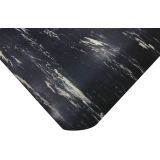 Cushion Step Marbleized Rubber Anti-Fatigue Mat$132.00What a Marbleized Anti-Fatigue Mat Solves Before Tired Feet Reach the Counter Most anti-fatigue mats look like shop equipment — black waffle patterns and drainage holes that make sense on a factory line but feel wrong at a pharmacy counter or a school front office. So in customer-visible spaces, the
...
What a Marbleized Anti-Fatigue Mat Solves Before Tired Feet Reach the Counter Most anti-fatigue mats look like shop equipment —...
What a Marbleized Anti-Fatigue Mat Solves Before Tired Feet Reach the Counter
Most anti-fatigue mats look like shop equipment — black waffle patterns and drainage holes that make sense on a factory line but feel wrong at a pharmacy counter or a school front office. So in customer-visible spaces, the mat often just doesn't happen. The people standing there pay for that decision in aching feet, stiff backs, and long afternoons.
The Cushion Step Marbleized Rubber Anti-Fatigue Mat closes that gap. It's a cushioned standing mat with a smooth, marbleized rubber surface — a finish that reads as part of the room rather than an industrial add-on. Underneath, a foam base takes the punishment out of hard floors so cashiers, techs, and staff stay comfortable through a full shift.
Standing fatigue isn't just discomfort. Over a workday it shows up as slower service, shortened attention, and the kind of shifting-and-leaning that wears people down by mid-afternoon. A cushioned surface underfoot keeps weight moving naturally, which is the whole mechanism behind ergonomic floor mats.
Why Rubber Over Foam, and Why This One
The construction is two layers doing two jobs. The wear surface is puncture-resistant rubber in a smooth marble pattern, built for traction, stability, and durability where feet, stools, and carts do their daily damage. That surface is fused to a PVC sponge foam base, which supplies the cushioning — a combined 9/16" of mat between shoes and hard flooring.
The rubber top also carries serious chemical tolerance for a mat this comfortable. It resists oil, grease, all common acids and alkalis, and organic solvents, so an incidental splash at a workstation or pharmacy bench doesn't stain or degrade the surface. Cleanup is deliberately simple: sweep it, or damp mop it, and it's presentable again.
At 1.6 pounds per square foot, the mat has enough body to stay planted where you put it, and the flammability rating meets D.O.C. FF-1-70. Safety beveled edges are available on standard-size mats, easing the transition from floor to mat so the mat itself never becomes the thing people catch a toe on.
Where It Belongs, and What It Is Not
This mat is built for interior dry areas, and its natural homes are the places where standing work meets public view: cashier stations, pharmacy counters, school offices, medical settings, and factory workstations where a smooth, cleanable surface beats an open-grid mat. It's a strong pick for a rubber anti-fatigue mat that has to look presentable while it works.
What it is not: a wet-area mat. The smooth surface that makes it easy to clean also means it belongs on floors that stay dry — wash-down zones, dish pits, and greasy line-cook stations need drainage matting designed for standing liquid. If you're weighing dry-area comfort against wet-area drainage, our full lineup of anti-fatigue mats and runners covers both sides of that line.
Three Things to Check Before You Spec It
First, confirm the environment is genuinely dry. The chemical resistance covers incidental contact — a dripped solvent, an oily part set down at a workstation — not standing water or routine wash-downs. If the floor gets hosed or mopped heavily during shifts, spec a wet-area drainage mat instead and save this one for the counter.
Second, size it to the standing path. Stock mats come in 2' x 3' for a single register or bench, 3' x 5' for a roomier station, and 3' x 12' to run the length of a counter line. Custom cuts are available in 2', 3', and 4' widths. Since safety beveled edges are offered on standard-size mats, confirm edge treatment when you order a custom cut.
Third, pick the color that fits the room. Black settles into darker floors and hides scuffs in high-traffic factory settings; gray reads lighter and pairs well with the tile and terrazzo you find in schools, pharmacies, and medical spaces. The marbleized pattern does quiet work in both colors, breaking up dust and traffic marks between cleanings.
Why Mats Inc.
Since 1964 we've helped buyers solve the standing-fatigue problem in rooms where appearance is part of the spec, not an afterthought. Every figure on this page is verified against the manufacturer's published data, we'll talk through sizing and edge options before you commit, and the mat is backed by a 1-year limited warranty from Mats Inc.
Surface material Puncture-resistant marbleized rubber, smooth marble pattern Backing PVC sponge foam, fused to the rubber surface Thickness 9/16" Weight 1.6 lbs per sq ft Stock sizes 2' x 3', 3' x 5', 3' x 12' Custom cuts Available in 2', 3', and 4' widths Colors Black, Gray Edges Safety beveled edges available on standard-size mats Chemical resistance Oil, grease, all common acids and alkalis, organic solvents Flammability D.O.C. FF-1-70 Cleaning Sweep clean or damp mop Use area Interior dry areas Warranty 1-year limited (Mats Inc.) Frequently Asked Questions
What is this mat actually made of?
Answered by Dustin Thompson, Owner & CEO
It's a fused two-layer construction, and the split matters. The top is a puncture-resistant rubber wear surface with a smooth marble pattern — that's the layer taking foot traffic, stool legs, and the occasional dropped tool. Bonded beneath it is a PVC sponge foam base that does the cushioning. Together they measure 9/16" thick, so you get real anti-fatigue relief without the soft layer ever being exposed to wear.
How does it hold up in a hard-use environment?
Answered by Dustin Thompson, Owner & CEO
The rubber surface is the workhorse: puncture-resistant, and rated to shrug off oil, grease, all common acids and alkalis, and organic solvents — the everyday chemistry of a factory workstation or pharmacy bench. At 1.6 pounds per square foot it stays put under traffic, and the flammability rating meets D.O.C. FF-1-70. Like everything we carry, it's backed by a 1-year limited warranty from Mats Inc.
Where should I place it, and how do I keep it clean?
Answered by Dustin Thompson, Owner & CEO
Place it anywhere someone stands in one spot on a dry interior floor — a register, a fill counter, a workstation, a school reception desk. The one rule is dry: standing water and wash-down zones call for drainage matting instead. Maintenance is about as light as it gets. Sweep it during the shift, damp mop it at close, and the smooth surface releases grime that would sink into an open-textured mat.
What sizes can I get, and can it be cut to fit my counter?
Answered by Jinna Hopson, Vice President of Marketing
Stock sizes run 2' x 3' for a single station, 3' x 5' where the work spreads out a bit, and 3' x 12' to cover a full counter run behind two or three registers. If none of those match your layout, custom cuts come in 2', 3', and 4' widths. One planning note: safety beveled edges are offered on standard-size mats, so ask about edge treatment when you're specifying a custom length.
Will it actually look good in a customer-facing space?
Answered by Jinna Hopson, Vice President of Marketing
That's the reason this mat exists. The marbleized pattern comes in black or gray, and the veining does two quiet jobs: it reads as a finished surface rather than shop matting, and it visually breaks up dust and traffic marks between cleanings. Gray tends to flatter the tile and terrazzo common in pharmacies, schools, and medical spaces; black anchors darker floors and busy industrial settings without showing every scuff.
Is this the right anti-fatigue mat for my space?
Answered by Jinna Hopson, Vice President of Marketing
If your standing work happens on a dry interior floor where appearance counts — a cashier line, a pharmacy, a school office, a medical setting, or a tidy factory workstation — this is the mat built for that overlap of comfort and presentation. If your floor sees standing water, heavy grease, or hose-down cleaning, you'll be happier with a wet-area drainage mat. And if you need cushioning for a long line rather than a station, we carry runner formats sized for that job too.
By Jinna Hopson, Vice President of Marketing, Mats Inc.
↑
What a Marbleized Anti-Fatigue Mat Solves Before Tired Feet Reach the Counter
Most anti-fatigue mats look like shop equipment — black waffle patterns and drainage holes that make sense on a factory line but feel wrong at a pharmacy counter or a school front office. So in customer-visible spaces, the mat often just doesn't happen. The people standing there pay for that decision in aching feet, stiff backs, and long afternoons.
The Cushion Step Marbleized Rubber Anti-Fatigue Mat closes that gap. It's a cushioned standing mat with a smooth, marbleized rubber surface — a finish that reads as part of the room rather than an industrial add-on. Underneath, a foam base takes the punishment out of hard floors so cashiers, techs, and staff stay comfortable through a full shift.
Standing fatigue isn't just discomfort. Over a workday it shows up as slower service, shortened attention, and the kind of shifting-and-leaning that wears people down by mid-afternoon. A cushioned surface underfoot keeps weight moving naturally, which is the whole mechanism behind ergonomic floor mats.
Why Rubber Over Foam, and Why This One
The construction is two layers doing two jobs. The wear surface is puncture-resistant rubber in a smooth marble pattern, built for traction, stability, and durability where feet, stools, and carts do their daily damage. That surface is fused to a PVC sponge foam base, which supplies the cushioning — a combined 9/16" of mat between shoes and hard flooring.
The rubber top also carries serious chemical tolerance for a mat this comfortable. It resists oil, grease, all common acids and alkalis, and organic solvents, so an incidental splash at a workstation or pharmacy bench doesn't stain or degrade the surface. Cleanup is deliberately simple: sweep it, or damp mop it, and it's presentable again.
At 1.6 pounds per square foot, the mat has enough body to stay planted where you put it, and the flammability rating meets D.O.C. FF-1-70. Safety beveled edges are available on standard-size mats, easing the transition from floor to mat so the mat itself never becomes the thing people catch a toe on.
Where It Belongs, and What It Is Not
This mat is built for interior dry areas, and its natural homes are the places where standing work meets public view: cashier stations, pharmacy counters, school offices, medical settings, and factory workstations where a smooth, cleanable surface beats an open-grid mat. It's a strong pick for a rubber anti-fatigue mat that has to look presentable while it works.
What it is not: a wet-area mat. The smooth surface that makes it easy to clean also means it belongs on floors that stay dry — wash-down zones, dish pits, and greasy line-cook stations need drainage matting designed for standing liquid. If you're weighing dry-area comfort against wet-area drainage, our full lineup of anti-fatigue mats and runners covers both sides of that line.
Three Things to Check Before You Spec It
First, confirm the environment is genuinely dry. The chemical resistance covers incidental contact — a dripped solvent, an oily part set down at a workstation — not standing water or routine wash-downs. If the floor gets hosed or mopped heavily during shifts, spec a wet-area drainage mat instead and save this one for the counter.
Second, size it to the standing path. Stock mats come in 2' x 3' for a single register or bench, 3' x 5' for a roomier station, and 3' x 12' to run the length of a counter line. Custom cuts are available in 2', 3', and 4' widths. Since safety beveled edges are offered on standard-size mats, confirm edge treatment when you order a custom cut.
Third, pick the color that fits the room. Black settles into darker floors and hides scuffs in high-traffic factory settings; gray reads lighter and pairs well with the tile and terrazzo you find in schools, pharmacies, and medical spaces. The marbleized pattern does quiet work in both colors, breaking up dust and traffic marks between cleanings.
Why Mats Inc.
Since 1964 we've helped buyers solve the standing-fatigue problem in rooms where appearance is part of the spec, not an afterthought. Every figure on this page is verified against the manufacturer's published data, we'll talk through sizing and edge options before you commit, and the mat is backed by a 1-year limited warranty from Mats Inc.
Surface material Puncture-resistant marbleized rubber, smooth marble pattern Backing PVC sponge foam, fused to the rubber surface Thickness 9/16" Weight 1.6 lbs per sq ft Stock sizes 2' x 3', 3' x 5', 3' x 12' Custom cuts Available in 2', 3', and 4' widths Colors Black, Gray Edges Safety beveled edges available on standard-size mats Chemical resistance Oil, grease, all common acids and alkalis, organic solvents Flammability D.O.C. FF-1-70 Cleaning Sweep clean or damp mop Use area Interior dry areas Warranty 1-year limited (Mats Inc.) Frequently Asked Questions
What is this mat actually made of?
Answered by Dustin Thompson, Owner & CEO
It's a fused two-layer construction, and the split matters. The top is a puncture-resistant rubber wear surface with a smooth marble pattern — that's the layer taking foot traffic, stool legs, and the occasional dropped tool. Bonded beneath it is a PVC sponge foam base that does the cushioning. Together they measure 9/16" thick, so you get real anti-fatigue relief without the soft layer ever being exposed to wear.
How does it hold up in a hard-use environment?
Answered by Dustin Thompson, Owner & CEO
The rubber surface is the workhorse: puncture-resistant, and rated to shrug off oil, grease, all common acids and alkalis, and organic solvents — the everyday chemistry of a factory workstation or pharmacy bench. At 1.6 pounds per square foot it stays put under traffic, and the flammability rating meets D.O.C. FF-1-70. Like everything we carry, it's backed by a 1-year limited warranty from Mats Inc.
Where should I place it, and how do I keep it clean?
Answered by Dustin Thompson, Owner & CEO
Place it anywhere someone stands in one spot on a dry interior floor — a register, a fill counter, a workstation, a school reception desk. The one rule is dry: standing water and wash-down zones call for drainage matting instead. Maintenance is about as light as it gets. Sweep it during the shift, damp mop it at close, and the smooth surface releases grime that would sink into an open-textured mat.
What sizes can I get, and can it be cut to fit my counter?
Answered by Jinna Hopson, Vice President of Marketing
Stock sizes run 2' x 3' for a single station, 3' x 5' where the work spreads out a bit, and 3' x 12' to cover a full counter run behind two or three registers. If none of those match your layout, custom cuts come in 2', 3', and 4' widths. One planning note: safety beveled edges are offered on standard-size mats, so ask about edge treatment when you're specifying a custom length.
Will it actually look good in a customer-facing space?
Answered by Jinna Hopson, Vice President of Marketing
That's the reason this mat exists. The marbleized pattern comes in black or gray, and the veining does two quiet jobs: it reads as a finished surface rather than shop matting, and it visually breaks up dust and traffic marks between cleanings. Gray tends to flatter the tile and terrazzo common in pharmacies, schools, and medical spaces; black anchors darker floors and busy industrial settings without showing every scuff.
Is this the right anti-fatigue mat for my space?
Answered by Jinna Hopson, Vice President of Marketing
If your standing work happens on a dry interior floor where appearance counts — a cashier line, a pharmacy, a school office, a medical setting, or a tidy factory workstation — this is the mat built for that overlap of comfort and presentation. If your floor sees standing water, heavy grease, or hose-down cleaning, you'll be happier with a wet-area drainage mat. And if you need cushioning for a long line rather than a station, we carry runner formats sized for that job too.
By Jinna Hopson, Vice President of Marketing, Mats Inc.
↑
View Details
View Details
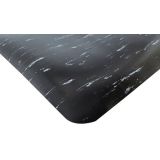 Workers Delight Marbleized Rubber Anti-Fatigue Mat$131.00What Workers Delight Marbleized Rubber Does Before the Concrete Wins Concrete doesn't negotiate. Stand on it for a full shift at a workstation and it collects its toll in aching feet, tight calves, and a lower back that complains by hour six. By the end of the week, that toll
...
What Workers Delight Marbleized Rubber Does Before the Concrete Wins Concrete doesn't negotiate. Stand on it for a full shift...
What Workers Delight Marbleized Rubber Does Before the Concrete Wins
Concrete doesn't negotiate. Stand on it for a full shift at a workstation and it collects its toll in aching feet, tight calves, and a lower back that complains by hour six. By the end of the week, that toll shows up in the work itself — slower movements, shortened patience, and more of the small mistakes tired people make.
The Workers Delight Marbleized Rubber Anti-Fatigue Mat puts a cushioned layer between your crew and that floor. The sponge base under its rubber surface gives slightly with every weight shift, keeping muscles engaged instead of locked — the working principle behind every good anti-fatigue mat, delivered here in a format tough enough for daily industrial use.
It's a standing mat for the places where fatigue and mess arrive together: assembly benches where oil migrates onto everything, pick stations, inspection tables, and counters that see eight hours of foot traffic a day. The mat cushions the standing while its surface stands up to what the work drops on it.
Why a Fused Rubber-Over-Sponge Build, and Why This One
Soft mats with soft surfaces die young on shop floors — punctured by dropped parts, chewed up by stool legs, stained by the first solvent spill. This mat splits the job between two fused layers: a puncture-resistant rubber wear surface on top, engineered for traction, stability, and durability, and a PVC sponge foam base underneath doing the cushioning work.
The chemical tolerance is the spec that separates it from ordinary cushioned mats. The rubber surface resists oil, grease, all common acids and alkalis, and organic solvents, so the everyday chemistry of a workstation wipes off instead of soaking in. Cleanup fits into a normal shift: sweep it clean, or damp mop it when the floor gets its turn.
The full build measures 9/16" thick and weighs 1.6 pounds per square foot — enough mass to hold its position under constant foot traffic without creeping across the floor. Flammability meets D.O.C. FF-1-70, and safety beveled edges are available on standard-size mats to keep the transition from floor to mat from becoming its own hazard.
The smooth marble-pattern finish earns its keep in work areas, too. Between cleanings, the veined surface visually swallows the dust, footprints, and traffic marks that turn a solid-color mat shabby by lunch, so the workspace keeps looking maintained even when the maintenance is still hours away.
Where It Belongs, and What It Is Not
This is an interior dry-area mat. Its home turf is the factory workstation, and it carries the same value into cashier stations, school offices, medical settings, and pharmacy counters — anywhere a person stands in one place on a hard floor and the mat needs to survive real use. Rubber anti-fatigue mats in this class are working equipment first, and this one is built accordingly.
What it is not: a mat for wet or wash-down floors. Its chemical resistance handles splashes and drips, not standing liquid — smooth-surface mats and hosed-down floors are a bad match. For dish pits, wet prep lines, and drainage zones, look to the wet-area side of our anti-fatigue mats and runners lineup, which is built to move water away from feet.
Three Things to Check Before You Spec It
First, read your floor honestly. Dry interior concrete or tile with incidental oil, solvent, or grease exposure is exactly what this mat wants. A floor that's routinely wet, hosed down mid-shift, or slicked with fryer grease is a different problem calling for drainage matting — putting a smooth dry-area mat there trades a fatigue problem for a slip problem.
Second, measure the standing zone before you pick a size. Stock mats run 2' x 3' for a single bench position, 3' x 5' where the operator moves around, and 3' x 12' for a multi-station run. Custom cuts come in 2', 3', and 4' widths; since safety beveled edges are offered on standard sizes, confirm edge treatment when speccing a custom length.
Third, plan the cleaning rhythm. This mat asks very little — a sweep during the shift, a damp mop at close — but it rewards consistency. Grit left underfoot grinds between shoes and any mat's surface, so the sweep matters as much as the mop. Pick black to hide industrial scuffing or gray to match lighter floors, and either color holds its look between cleanings.
Why Mats Inc.
Workstation matting is where we've spent decades earning trust: floors where the mat has to cushion a person and survive the job at the same time. We build pages like this one only from the manufacturer's published specifications, we'll help you match sizes and edge options to your actual layout, and this mat carries a 1-year limited warranty from Mats Inc.
Surface material Puncture-resistant marbleized rubber, smooth marble pattern Backing PVC sponge foam, fused to the rubber surface Thickness 9/16" Weight 1.6 lbs per sq ft Stock sizes 2' x 3', 3' x 5', 3' x 12' Custom cuts Available in 2', 3', and 4' widths Colors Black, Gray Edges Safety beveled edges available on standard-size mats Chemical resistance Oil, grease, all common acids and alkalis, organic solvents Flammability D.O.C. FF-1-70 Cleaning Sweep clean or damp mop Use area Interior dry areas Warranty 1-year limited (Mats Inc.) Frequently Asked Questions
What's underneath the marbleized surface?
Answered by Dustin Thompson, Owner & CEO
A PVC sponge foam layer, fused directly to the rubber top — and that fused build is the point. The foam does the anti-fatigue work, compressing slightly under every weight shift, while the puncture-resistant rubber above it takes the abuse a workstation dishes out. The foam never touches a dropped part or a stool leg, which is why the cushioning survives in settings where soft-top mats get destroyed. Total thickness is 9/16".
Will oil and solvents ruin it?
Answered by Dustin Thompson, Owner & CEO
No — resisting them is one of this mat's defining specs. The rubber surface is rated against oil, grease, all common acids and alkalis, and organic solvents, so the drips and splashes of ordinary bench work wipe away rather than staining or breaking down the surface. The line to respect is incidental contact versus immersion: splashes are fine, but a floor with standing liquid needs a wet-area drainage mat instead.
Will it stay in place on a busy shop floor?
Answered by Dustin Thompson, Owner & CEO
At 1.6 pounds per square foot, it has real mass — a 3' x 5' mat weighs 24 pounds — so it holds its position under all-day foot traffic instead of creeping toward the aisle. Safety beveled edges, available on standard-size mats, take care of the other placement worry by ramping the transition so a hurried boot or cart wheel rolls up rather than catching the edge.
What sizes are available, and can I get one cut to my bench line?
Answered by Jinna Hopson, Vice President of Marketing
Three stock sizes cover most stations: 2' x 3' for a fixed position, 3' x 5' where the work spreads out, and 3' x 12' to run behind a row of benches or registers. For layouts that don't fit those footprints, custom cuts are available in 2', 3', and 4' widths. Because beveled edges are offered on the standard sizes, mention edge treatment when you spec a custom length so there are no surprises at delivery.
Does the marble pattern actually matter in a work area?
Answered by Jinna Hopson, Vice President of Marketing
More than you'd think. A solid-color mat broadcasts every footprint and dust trail within an hour of mopping; the marbleized veining breaks that up visually, so the station looks maintained through the whole shift. It also means the same mat works in front-of-house spots — a cashier station or pharmacy counter — without looking like it wandered in from the loading dock. Choose black for darker industrial floors or gray for lighter tile.
Is this the right mat for my operation?
Answered by Jinna Hopson, Vice President of Marketing
If people stand at fixed positions on dry interior floors — factory workstations, inspection benches, cashier lines, school offices, medical settings, pharmacies — and the mat needs to shrug off oil and daily wear while staying presentable, yes. If your floors run wet, get hosed down, or collect kitchen grease, a drainage mat is the honest recommendation. And for cushioning a long walking route rather than a standing station, ask us about runner formats instead.
By Dustin Thompson, Owner & CEO, Mats Inc.
↑
What Workers Delight Marbleized Rubber Does Before the Concrete Wins
Concrete doesn't negotiate. Stand on it for a full shift at a workstation and it collects its toll in aching feet, tight calves, and a lower back that complains by hour six. By the end of the week, that toll shows up in the work itself — slower movements, shortened patience, and more of the small mistakes tired people make.
The Workers Delight Marbleized Rubber Anti-Fatigue Mat puts a cushioned layer between your crew and that floor. The sponge base under its rubber surface gives slightly with every weight shift, keeping muscles engaged instead of locked — the working principle behind every good anti-fatigue mat, delivered here in a format tough enough for daily industrial use.
It's a standing mat for the places where fatigue and mess arrive together: assembly benches where oil migrates onto everything, pick stations, inspection tables, and counters that see eight hours of foot traffic a day. The mat cushions the standing while its surface stands up to what the work drops on it.
Why a Fused Rubber-Over-Sponge Build, and Why This One
Soft mats with soft surfaces die young on shop floors — punctured by dropped parts, chewed up by stool legs, stained by the first solvent spill. This mat splits the job between two fused layers: a puncture-resistant rubber wear surface on top, engineered for traction, stability, and durability, and a PVC sponge foam base underneath doing the cushioning work.
The chemical tolerance is the spec that separates it from ordinary cushioned mats. The rubber surface resists oil, grease, all common acids and alkalis, and organic solvents, so the everyday chemistry of a workstation wipes off instead of soaking in. Cleanup fits into a normal shift: sweep it clean, or damp mop it when the floor gets its turn.
The full build measures 9/16" thick and weighs 1.6 pounds per square foot — enough mass to hold its position under constant foot traffic without creeping across the floor. Flammability meets D.O.C. FF-1-70, and safety beveled edges are available on standard-size mats to keep the transition from floor to mat from becoming its own hazard.
The smooth marble-pattern finish earns its keep in work areas, too. Between cleanings, the veined surface visually swallows the dust, footprints, and traffic marks that turn a solid-color mat shabby by lunch, so the workspace keeps looking maintained even when the maintenance is still hours away.
Where It Belongs, and What It Is Not
This is an interior dry-area mat. Its home turf is the factory workstation, and it carries the same value into cashier stations, school offices, medical settings, and pharmacy counters — anywhere a person stands in one place on a hard floor and the mat needs to survive real use. Rubber anti-fatigue mats in this class are working equipment first, and this one is built accordingly.
What it is not: a mat for wet or wash-down floors. Its chemical resistance handles splashes and drips, not standing liquid — smooth-surface mats and hosed-down floors are a bad match. For dish pits, wet prep lines, and drainage zones, look to the wet-area side of our anti-fatigue mats and runners lineup, which is built to move water away from feet.
Three Things to Check Before You Spec It
First, read your floor honestly. Dry interior concrete or tile with incidental oil, solvent, or grease exposure is exactly what this mat wants. A floor that's routinely wet, hosed down mid-shift, or slicked with fryer grease is a different problem calling for drainage matting — putting a smooth dry-area mat there trades a fatigue problem for a slip problem.
Second, measure the standing zone before you pick a size. Stock mats run 2' x 3' for a single bench position, 3' x 5' where the operator moves around, and 3' x 12' for a multi-station run. Custom cuts come in 2', 3', and 4' widths; since safety beveled edges are offered on standard sizes, confirm edge treatment when speccing a custom length.
Third, plan the cleaning rhythm. This mat asks very little — a sweep during the shift, a damp mop at close — but it rewards consistency. Grit left underfoot grinds between shoes and any mat's surface, so the sweep matters as much as the mop. Pick black to hide industrial scuffing or gray to match lighter floors, and either color holds its look between cleanings.
Why Mats Inc.
Workstation matting is where we've spent decades earning trust: floors where the mat has to cushion a person and survive the job at the same time. We build pages like this one only from the manufacturer's published specifications, we'll help you match sizes and edge options to your actual layout, and this mat carries a 1-year limited warranty from Mats Inc.
Surface material Puncture-resistant marbleized rubber, smooth marble pattern Backing PVC sponge foam, fused to the rubber surface Thickness 9/16" Weight 1.6 lbs per sq ft Stock sizes 2' x 3', 3' x 5', 3' x 12' Custom cuts Available in 2', 3', and 4' widths Colors Black, Gray Edges Safety beveled edges available on standard-size mats Chemical resistance Oil, grease, all common acids and alkalis, organic solvents Flammability D.O.C. FF-1-70 Cleaning Sweep clean or damp mop Use area Interior dry areas Warranty 1-year limited (Mats Inc.) Frequently Asked Questions
What's underneath the marbleized surface?
Answered by Dustin Thompson, Owner & CEO
A PVC sponge foam layer, fused directly to the rubber top — and that fused build is the point. The foam does the anti-fatigue work, compressing slightly under every weight shift, while the puncture-resistant rubber above it takes the abuse a workstation dishes out. The foam never touches a dropped part or a stool leg, which is why the cushioning survives in settings where soft-top mats get destroyed. Total thickness is 9/16".
Will oil and solvents ruin it?
Answered by Dustin Thompson, Owner & CEO
No — resisting them is one of this mat's defining specs. The rubber surface is rated against oil, grease, all common acids and alkalis, and organic solvents, so the drips and splashes of ordinary bench work wipe away rather than staining or breaking down the surface. The line to respect is incidental contact versus immersion: splashes are fine, but a floor with standing liquid needs a wet-area drainage mat instead.
Will it stay in place on a busy shop floor?
Answered by Dustin Thompson, Owner & CEO
At 1.6 pounds per square foot, it has real mass — a 3' x 5' mat weighs 24 pounds — so it holds its position under all-day foot traffic instead of creeping toward the aisle. Safety beveled edges, available on standard-size mats, take care of the other placement worry by ramping the transition so a hurried boot or cart wheel rolls up rather than catching the edge.
What sizes are available, and can I get one cut to my bench line?
Answered by Jinna Hopson, Vice President of Marketing
Three stock sizes cover most stations: 2' x 3' for a fixed position, 3' x 5' where the work spreads out, and 3' x 12' to run behind a row of benches or registers. For layouts that don't fit those footprints, custom cuts are available in 2', 3', and 4' widths. Because beveled edges are offered on the standard sizes, mention edge treatment when you spec a custom length so there are no surprises at delivery.
Does the marble pattern actually matter in a work area?
Answered by Jinna Hopson, Vice President of Marketing
More than you'd think. A solid-color mat broadcasts every footprint and dust trail within an hour of mopping; the marbleized veining breaks that up visually, so the station looks maintained through the whole shift. It also means the same mat works in front-of-house spots — a cashier station or pharmacy counter — without looking like it wandered in from the loading dock. Choose black for darker industrial floors or gray for lighter tile.
Is this the right mat for my operation?
Answered by Jinna Hopson, Vice President of Marketing
If people stand at fixed positions on dry interior floors — factory workstations, inspection benches, cashier lines, school offices, medical settings, pharmacies — and the mat needs to shrug off oil and daily wear while staying presentable, yes. If your floors run wet, get hosed down, or collect kitchen grease, a drainage mat is the honest recommendation. And for cushioning a long walking route rather than a standing station, ask us about runner formats instead.
By Dustin Thompson, Owner & CEO, Mats Inc.
↑
View Details
View Details
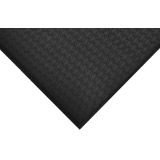 Traction Tread Rubber Runner Mats$97.00Non-slip kitchen floor mats have one job, and this runner does it about as well as rubber can. It is a thin, solid nitrile sheet built to hold grip on a floor that has water, grease, or cleaning chemicals on it. It is a traction and floor protection mat, not
...
Non-slip kitchen floor mats have one job, and this runner does it about as well as rubber can. It is...
Non-slip kitchen floor mats have one job, and this runner does it about as well as rubber can. It is a thin, solid nitrile sheet built to hold grip on a floor that has water, grease, or cleaning chemicals on it. It is a traction and floor protection mat, not a cushioned comfort mat, and knowing that up front saves you a return.
What a Non-Slip Kitchen Runner Does Before the Floor Gets Slick
Kitchen floors get dangerous in the walking lanes, not at the stations. Someone carries a hot pan from the range to the pass, crosses a wet patch by the dish area, and their footing is the only thing between them and the tile. That lane is where a traction runner belongs.
The measured grip on this one is unusually high. Under ASTM C1028-96 it holds a static coefficient of friction of 0.97 dry and 0.93 wet. A lot of surfaces look fine on a dry test and collapse when water is introduced. This one gives up very little.
It is also certified high-traction by the National Floor Safety Institute, which runs independent slip-resistance testing for commercial floor products. That certification is a third-party check on the numbers rather than a manufacturer's own claim.
The second job is protecting what is underneath. A rubber runner takes the dropped pans, the dragged crates, and the cart wheels that would otherwise chip tile or gouge a sealed floor. On a quarry tile line, that is the difference between resealing on schedule and repairing early.
Why Solid Nitrile Rubber, and Why This One
This mat is one material all the way through: solid nitrile rubber, 1/8 inch thick. There is no cushion layer, no fabric, and no backing to come apart. Nothing is bonded to anything, so there is no seam or glue line that can fail.
That construction is what lets it survive a kitchen. It is grease and oil proof and chemical resistant, so nightly sanitizing does not degrade it. It will not crack or curl, and the manufacturer states it provides years of service life.
The heat tolerance is where it separates from ordinary rubber matting. Melt point is over 500 degrees Fahrenheit, and it has been tested at temperatures up to 1800 degrees Fahrenheit for welding and slag resistance. In a kitchen that means a dropped ember or a hot pan is a non-event.
It also carries an ESD rating of electrically conductive and passes flammability standard BS 4790, tested by the metal nut method. Those are specifications you rarely need in a kitchen and absolutely need in a plant, which is why the same mat covers both rooms. The mat is made in the USA and is rated for indoor use.
The 1/8-inch profile matters more than it sounds. A thin mat lies flat, so carts and hand trucks roll across it instead of catching an edge, and it does not eat door clearance. That thinness is the trade-off for having no cushion.
Where It Belongs, and What It Will Not Do
Put it in the walking lanes and the transition zones. The path between the range and the pass, the strip in front of a dish machine, the run along a bar back, the approach to a walk-in, the stretch of floor by an ice machine. Anywhere feet move across a floor that gets wet.
It works the same way outside a kitchen. Production aisles, wash bays, machine approaches, and any indoor commercial or industrial floor that needs more slip resistance or protection than the floor itself provides.
Here is what it will not do: relieve fatigue. There is no cushion in it, so standing on this all shift feels much like standing on the floor. If someone holds one spot for hours, they need a cushioned anti-fatigue mat instead. The full range of kitchen mats covers both needs, and most working kitchens end up using each in different places.
The common mistake is buying one mat for both jobs. A comfort mat in a walking lane gets destroyed by cart traffic; a traction runner at a prep station leaves people sore. Split the floor by what happens on it and buy accordingly.
Three Things to Check Before You Spec It
First, map the lane, not the room. Walk the path people actually take and note where it crosses wet floor. Seven sizes are available, from 2' x 3' (23" x 32") up to 4' x 12' (46" x 143"), including 3' x 9', 3' x 12', 4' x 6', and 4' x 9'. Long lanes usually need two runners end to end rather than one oversized mat.
Second, decide between a 3-foot and a 4-foot width. Three feet covers a single-file lane where people pass one at a time. Four feet is the right call where two staff pass each other carrying things, or where a cart and a person share the lane at the same time.
Third, confirm the standing zones are covered separately. This runner handles the walking. If the same kitchen has a fry station or a prep table where someone stays put, that spot needs a cushioned mat. Specifying both at once is cheaper on your time than discovering the gap after install.
Why Mats Inc.
We stock this runner because it answers a question comfort matting cannot: how do you make a wet lane safe without putting something in the way of a cart. A thin, solid rubber sheet with a 0.93 wet traction rating does that, and nothing about it needs babying. Mats Inc. has been sorting floors into standing zones and moving zones since 1964, and this is what goes in the moving ones.
Specifications
Material Solid nitrile rubber (single-layer; no cushion or backing) Thickness 1/8" (0.125") Traction Certified high-traction by the National Floor Safety Institute (NFSI); ASTM C1028-96 static coefficient of friction: dry 0.97, wet 0.93 Heat resistance Melt point over 500°F; tested at temperatures up to 1800°F for welding/slag resistance Resistance Grease/oil proof; chemical resistant; welding safe Static ESD rating of electrically conductive Flammability Passes BS 4790 (metal nut method) Durability Will not crack or curl Stock sizes & weights 2' x 3' (23" x 32") — 4.7 lbs.
3' x 5' (32" x 58") — 11.6 lbs.
3' x 9' (32" x 108") — 20.9 lbs.
3' x 12' (32" x 143") — 27.9 lbs.
4' x 6' (46" x 70") — 18.7 lbs.
4' x 9' (46" x 108") — 28 lbs.
4' x 12' (46" x 143") — 37.4 lbs.Size tolerance 3–5% manufacturing variance Recommended use Indoor commercial and industrial settings requiring additional slip resistance or floor protection Cleaning Scrub with a deck brush as needed, using a neutral pH detergent; rinse with a hose or pressure washer; lay flat or hang to dry; return to service dry Origin Made in the USA Warranty 1-year limited (Mats Inc.) Frequently Asked Questions
Is this an anti-fatigue mat?
Answered by Dustin Thompson, Owner & CEO
No, and it is worth being direct about that. This is solid nitrile rubber at 1/8 inch thick, one material the whole way through. There is no foam cushion, so it does not compress under you and it will not relieve leg or back fatigue.
What that construction buys you instead is grip, floor protection, and a mat that survives conditions a cushioned mat cannot. If your problem is people standing in one spot getting sore, you want a cushioned comfort mat. If your problem is a slick floor in a walking lane, this is the right product.
How much grip does it actually have, and what can it take?
Answered by Dustin Thompson, Owner & CEO
The tested figures are 0.97 dry and 0.93 wet under ASTM C1028-96. The wet number is what matters in a kitchen, and losing only four hundredths between dry and wet is the useful part. It is also certified high-traction by the National Floor Safety Institute.
On the abuse side, it is grease and oil proof, chemical resistant, and welding safe. Melt point is over 500 degrees Fahrenheit, and it has been tested at temperatures up to 1800 degrees for welding and slag resistance. It also passes flammability standard BS 4790 and carries an ESD rating of electrically conductive.
Where should it go in a working kitchen?
Answered by Dustin Thompson, Owner & CEO
In the lanes people walk, especially the wet ones. The run between the range and the pass, the strip in front of the dish machine, the path to the walk-in, the floor by an ice machine, and the space behind a bar are all standard placements. It is rated for indoor use.
The 1/8-inch profile is a real advantage in those spots. It lies flat enough that carts and hand trucks roll straight over it rather than catching an edge, and it does not interfere with door swing. Cleaning is a deck brush scrub with a neutral pH detergent, then a hose or pressure washer rinse. Lay it flat or hang it to dry, and do not put it back down wet.
What sizes come in a runner length?
Answered by Jinna Hopson, Vice President of Marketing
Seven sizes, and four of them are true runner proportions: 3' x 9' (32" x 108") at 20.9 lbs., 3' x 12' (32" x 143") at 27.9 lbs., 4' x 9' (46" x 108") at 28 lbs., and 4' x 12' (46" x 143") at 37.4 lbs. The shorter options are 2' x 3' (4.7 lbs.), 3' x 5' (11.6 lbs.), and 4' x 6' (18.7 lbs.).
Those weights are worth knowing before cleaning day, since someone has to lift the mat to hose it down. For a lane longer than twelve feet, run two mats end to end rather than looking for one long piece. Measure the lane first and allow a little tolerance, since rubber shrinks and expands with temperature and time and finished sizes run within about 3% to 5% of nominal.
What does it look like, and will it suit a visible area?
Answered by Jinna Hopson, Vice President of Marketing
Understated, and more finished-looking than most people expect from a safety mat. The surface carries a raised tread molded across the whole face in a fine repeating pattern, so it reads as texture rather than as machinery. At 1/8 inch it sits low and flat against the floor instead of standing proud of it.
That low profile is what lets it work in semi-visible spots like a bar back, a service corridor, or a cafeteria floor, where a thick mat would look like an obstacle. For a front-of-house floor that customers stand on and look at, a fabric-topped comfort mat is still the better-looking answer.
Would this work in a home kitchen?
Answered by Jinna Hopson, Vice President of Marketing
It can, but it is usually more mat than a home needs and less comfort than a home wants. Most people shopping for a kitchen mat at home are after cushion underfoot at the sink or the stove, and this one does not provide that.
Where it genuinely fits at home is a slick tile floor that has become a problem, or a spot that takes real abuse, such as a mudroom-to-kitchen transition or the floor by a utility sink. If comfort is the goal, tell us where you stand longest and we will point you at a cushioned option instead.
By Dustin Thompson, Owner & CEO, Mats Inc.
↑
Non-slip kitchen floor mats have one job, and this runner does it about as well as rubber can. It is a thin, solid nitrile sheet built to hold grip on a floor that has water, grease, or cleaning chemicals on it. It is a traction and floor protection mat, not a cushioned comfort mat, and knowing that up front saves you a return.
What a Non-Slip Kitchen Runner Does Before the Floor Gets Slick
Kitchen floors get dangerous in the walking lanes, not at the stations. Someone carries a hot pan from the range to the pass, crosses a wet patch by the dish area, and their footing is the only thing between them and the tile. That lane is where a traction runner belongs.
The measured grip on this one is unusually high. Under ASTM C1028-96 it holds a static coefficient of friction of 0.97 dry and 0.93 wet. A lot of surfaces look fine on a dry test and collapse when water is introduced. This one gives up very little.
It is also certified high-traction by the National Floor Safety Institute, which runs independent slip-resistance testing for commercial floor products. That certification is a third-party check on the numbers rather than a manufacturer's own claim.
The second job is protecting what is underneath. A rubber runner takes the dropped pans, the dragged crates, and the cart wheels that would otherwise chip tile or gouge a sealed floor. On a quarry tile line, that is the difference between resealing on schedule and repairing early.
Why Solid Nitrile Rubber, and Why This One
This mat is one material all the way through: solid nitrile rubber, 1/8 inch thick. There is no cushion layer, no fabric, and no backing to come apart. Nothing is bonded to anything, so there is no seam or glue line that can fail.
That construction is what lets it survive a kitchen. It is grease and oil proof and chemical resistant, so nightly sanitizing does not degrade it. It will not crack or curl, and the manufacturer states it provides years of service life.
The heat tolerance is where it separates from ordinary rubber matting. Melt point is over 500 degrees Fahrenheit, and it has been tested at temperatures up to 1800 degrees Fahrenheit for welding and slag resistance. In a kitchen that means a dropped ember or a hot pan is a non-event.
It also carries an ESD rating of electrically conductive and passes flammability standard BS 4790, tested by the metal nut method. Those are specifications you rarely need in a kitchen and absolutely need in a plant, which is why the same mat covers both rooms. The mat is made in the USA and is rated for indoor use.
The 1/8-inch profile matters more than it sounds. A thin mat lies flat, so carts and hand trucks roll across it instead of catching an edge, and it does not eat door clearance. That thinness is the trade-off for having no cushion.
Where It Belongs, and What It Will Not Do
Put it in the walking lanes and the transition zones. The path between the range and the pass, the strip in front of a dish machine, the run along a bar back, the approach to a walk-in, the stretch of floor by an ice machine. Anywhere feet move across a floor that gets wet.
It works the same way outside a kitchen. Production aisles, wash bays, machine approaches, and any indoor commercial or industrial floor that needs more slip resistance or protection than the floor itself provides.
Here is what it will not do: relieve fatigue. There is no cushion in it, so standing on this all shift feels much like standing on the floor. If someone holds one spot for hours, they need a cushioned anti-fatigue mat instead. The full range of kitchen mats covers both needs, and most working kitchens end up using each in different places.
The common mistake is buying one mat for both jobs. A comfort mat in a walking lane gets destroyed by cart traffic; a traction runner at a prep station leaves people sore. Split the floor by what happens on it and buy accordingly.
Three Things to Check Before You Spec It
First, map the lane, not the room. Walk the path people actually take and note where it crosses wet floor. Seven sizes are available, from 2' x 3' (23" x 32") up to 4' x 12' (46" x 143"), including 3' x 9', 3' x 12', 4' x 6', and 4' x 9'. Long lanes usually need two runners end to end rather than one oversized mat.
Second, decide between a 3-foot and a 4-foot width. Three feet covers a single-file lane where people pass one at a time. Four feet is the right call where two staff pass each other carrying things, or where a cart and a person share the lane at the same time.
Third, confirm the standing zones are covered separately. This runner handles the walking. If the same kitchen has a fry station or a prep table where someone stays put, that spot needs a cushioned mat. Specifying both at once is cheaper on your time than discovering the gap after install.
Why Mats Inc.
We stock this runner because it answers a question comfort matting cannot: how do you make a wet lane safe without putting something in the way of a cart. A thin, solid rubber sheet with a 0.93 wet traction rating does that, and nothing about it needs babying. Mats Inc. has been sorting floors into standing zones and moving zones since 1964, and this is what goes in the moving ones.
Specifications
Material Solid nitrile rubber (single-layer; no cushion or backing) Thickness 1/8" (0.125") Traction Certified high-traction by the National Floor Safety Institute (NFSI); ASTM C1028-96 static coefficient of friction: dry 0.97, wet 0.93 Heat resistance Melt point over 500°F; tested at temperatures up to 1800°F for welding/slag resistance Resistance Grease/oil proof; chemical resistant; welding safe Static ESD rating of electrically conductive Flammability Passes BS 4790 (metal nut method) Durability Will not crack or curl Stock sizes & weights 2' x 3' (23" x 32") — 4.7 lbs.
3' x 5' (32" x 58") — 11.6 lbs.
3' x 9' (32" x 108") — 20.9 lbs.
3' x 12' (32" x 143") — 27.9 lbs.
4' x 6' (46" x 70") — 18.7 lbs.
4' x 9' (46" x 108") — 28 lbs.
4' x 12' (46" x 143") — 37.4 lbs.Size tolerance 3–5% manufacturing variance Recommended use Indoor commercial and industrial settings requiring additional slip resistance or floor protection Cleaning Scrub with a deck brush as needed, using a neutral pH detergent; rinse with a hose or pressure washer; lay flat or hang to dry; return to service dry Origin Made in the USA Warranty 1-year limited (Mats Inc.) Frequently Asked Questions
Is this an anti-fatigue mat?
Answered by Dustin Thompson, Owner & CEO
No, and it is worth being direct about that. This is solid nitrile rubber at 1/8 inch thick, one material the whole way through. There is no foam cushion, so it does not compress under you and it will not relieve leg or back fatigue.
What that construction buys you instead is grip, floor protection, and a mat that survives conditions a cushioned mat cannot. If your problem is people standing in one spot getting sore, you want a cushioned comfort mat. If your problem is a slick floor in a walking lane, this is the right product.
How much grip does it actually have, and what can it take?
Answered by Dustin Thompson, Owner & CEO
The tested figures are 0.97 dry and 0.93 wet under ASTM C1028-96. The wet number is what matters in a kitchen, and losing only four hundredths between dry and wet is the useful part. It is also certified high-traction by the National Floor Safety Institute.
On the abuse side, it is grease and oil proof, chemical resistant, and welding safe. Melt point is over 500 degrees Fahrenheit, and it has been tested at temperatures up to 1800 degrees for welding and slag resistance. It also passes flammability standard BS 4790 and carries an ESD rating of electrically conductive.
Where should it go in a working kitchen?
Answered by Dustin Thompson, Owner & CEO
In the lanes people walk, especially the wet ones. The run between the range and the pass, the strip in front of the dish machine, the path to the walk-in, the floor by an ice machine, and the space behind a bar are all standard placements. It is rated for indoor use.
The 1/8-inch profile is a real advantage in those spots. It lies flat enough that carts and hand trucks roll straight over it rather than catching an edge, and it does not interfere with door swing. Cleaning is a deck brush scrub with a neutral pH detergent, then a hose or pressure washer rinse. Lay it flat or hang it to dry, and do not put it back down wet.
What sizes come in a runner length?
Answered by Jinna Hopson, Vice President of Marketing
Seven sizes, and four of them are true runner proportions: 3' x 9' (32" x 108") at 20.9 lbs., 3' x 12' (32" x 143") at 27.9 lbs., 4' x 9' (46" x 108") at 28 lbs., and 4' x 12' (46" x 143") at 37.4 lbs. The shorter options are 2' x 3' (4.7 lbs.), 3' x 5' (11.6 lbs.), and 4' x 6' (18.7 lbs.).
Those weights are worth knowing before cleaning day, since someone has to lift the mat to hose it down. For a lane longer than twelve feet, run two mats end to end rather than looking for one long piece. Measure the lane first and allow a little tolerance, since rubber shrinks and expands with temperature and time and finished sizes run within about 3% to 5% of nominal.
What does it look like, and will it suit a visible area?
Answered by Jinna Hopson, Vice President of Marketing
Understated, and more finished-looking than most people expect from a safety mat. The surface carries a raised tread molded across the whole face in a fine repeating pattern, so it reads as texture rather than as machinery. At 1/8 inch it sits low and flat against the floor instead of standing proud of it.
That low profile is what lets it work in semi-visible spots like a bar back, a service corridor, or a cafeteria floor, where a thick mat would look like an obstacle. For a front-of-house floor that customers stand on and look at, a fabric-topped comfort mat is still the better-looking answer.
Would this work in a home kitchen?
Answered by Jinna Hopson, Vice President of Marketing
It can, but it is usually more mat than a home needs and less comfort than a home wants. Most people shopping for a kitchen mat at home are after cushion underfoot at the sink or the stove, and this one does not provide that.
Where it genuinely fits at home is a slick tile floor that has become a problem, or a spot that takes real abuse, such as a mudroom-to-kitchen transition or the floor by a utility sink. If comfort is the goal, tell us where you stand longest and we will point you at a cushioned option instead.
By Dustin Thompson, Owner & CEO, Mats Inc.
↑
View Details
View Details
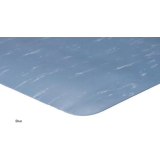 Marble Anti-Fatigue Mat
Starting at $82.15
Marble Anti-Fatigue Mats Our Marble Anti-Fatigue Mats provide an elegant solution to reduce fatigue and discomfort during long hours of standing. With a cushioned design and durable construction, these mats are perfect for kitchens, workspaces, and other high-traffic areas. The marble finish adds a touch of style while offering...
Marble Anti-Fatigue Mats Our Marble Anti-Fatigue Mats provide an elegant solution to reduce fatigue and discomfort during long hours...
Marble Anti-Fatigue Mats
Our Marble Anti-Fatigue Mats provide an elegant solution to reduce fatigue and discomfort during long hours of standing. With a cushioned design and durable construction, these mats are perfect for kitchens, workspaces, and other high-traffic areas. The marble finish adds a touch of style while offering reliable comfort and support.
- Comfortable Cushioning: Designed to alleviate pressure on your feet, legs, and back during long periods of standing.
- Durable Construction: Built to last in high-traffic areas, ensuring long-term performance and reliability.
- Stylish Marble Finish: Adds a sleek, elegant look to any workspace or kitchen while providing practical functionality.
- Slip-Resistant Surface: Features a slip-resistant bottom to keep the mat securely in place on any surface.
- Easy to Clean: Designed for low-maintenance care, simply wipe down to keep the mat looking fresh and clean.
↑
Marble Anti-Fatigue Mats
Our Marble Anti-Fatigue Mats provide an elegant solution to reduce fatigue and discomfort during long hours of standing. With a cushioned design and durable construction, these mats are perfect for kitchens, workspaces, and other high-traffic areas. The marble finish adds a touch of style while offering reliable comfort and support.
- Comfortable Cushioning: Designed to alleviate pressure on your feet, legs, and back during long periods of standing.
- Durable Construction: Built to last in high-traffic areas, ensuring long-term performance and reliability.
- Stylish Marble Finish: Adds a sleek, elegant look to any workspace or kitchen while providing practical functionality.
- Slip-Resistant Surface: Features a slip-resistant bottom to keep the mat securely in place on any surface.
- Easy to Clean: Designed for low-maintenance care, simply wipe down to keep the mat looking fresh and clean.
↑
View Details
View Details
What Kitchen Mats Do Before a Shift Ends in an Injury Report
Two problems land on the same square of floor in a kitchen. Workers stand on hard surfaces for eight or ten hours, and those same surfaces collect water, grease, and food debris continuously through service. One causes strain. The other causes slips.
A kitchen mat has to answer both at once. It cushions the standing worker so the shift does not end in back and leg pain, and it gives traction on a floor that is wet and greasy by definition. A mat that does one and not the other has solved half the problem.
Traction is measurable, and the standard is public. The National Floor Safety Institute sets 0.60 wet static coefficient of friction as the threshold for "high traction" under ANSI B101.1, because surfaces holding that level when wet have been shown to cut slip-and-fall claims by 50 to 90 percent.
That number is why "slip-resistant" on a label means less than it sounds. It is a marketing word with no test behind it. High-traction certification is a measured result: laboratory testing on an approved tribometer, then a 30-day installation in a real working environment, retested on site.
The Mistake That Burns Foodservice Buyers
The most expensive error in this category is buying one mat for the whole kitchen. A single mat type spread across grease zones and dry zones will fail fast in one of them, and the failure is not gradual.
Grease is the reason. PVC sponge and closed-cell foam cushion beautifully and cost less, but hot oil and cooking residue break down their cell structure. Put a foam mat in front of a fryer and it goes soft, curls at the edges, and starts sliding within months.
Nitrile rubber was developed for oil and chemical resistance. It shrugs off fryer splatter, cooking residue, and the caustic cleaners that dissolve PVC. It costs more per mat and it lasts through cleaning cycles that would destroy foam.
The practical rule: nitrile rubber in front of fryers, grills, and cook lines. Nitrile-blended or rubber-surfaced mats in prep and dish areas where spills happen but grease is not constant. PVC sponge only in genuinely dry zones — server stations, cashier counters, packing lines, prep counters away from sinks.
A curled edge is the tell that a mat was placed wrong. Curling means the material is under more wear than it was built for, and a curled mat is a trip hazard sitting in a kitchen that already has enough of them.
How the Ten Kitchen Mats Compare
Hog Heaven Anti-Fatigue Mat is the heavy-duty answer for grease-adjacent positions. Full nitrile rubber surface at 5/8" or 7/8" thick, with OSHA-striped border options for marking the transition where the mat meets open floor. The thickness is the point — 7/8" is what a cook standing a full shift actually needs. Strongest fit for cook lines, fryer stations, and any position where a worker stands for six hours or more in a grease environment.
Safe Walk Jr. Rubber Mats - Grease Resistant covers the same grease exposure in a lower profile at 1/2" thick. Less cushion than the 7/8" options, but lighter to lift for the weekly under-mat cleaning that determines how long any kitchen mat survives. Strongest fit for grease zones where staff lift and clean mats often, or where a thicker mat would create a cart-transition problem.
Safe Walk Jr. Rubber Mats is the standard-duty version of the same platform, without the grease-resistant compound. It belongs where water and foot traffic are the load and cooking oil is not. Strongest fit for dish areas, walk-in approaches, and back-of-house paths away from the cook line.
Traction Tread Rubber Runner Mats is the runner format — 5/8" nitrile-blended foam with a diamond-pattern surface for grip. Runners matter in kitchens because a continuous length removes the transition edges that individual mats create along a work path. Fewer edges means fewer trip points. Strongest fit for prep lines, galley kitchens, and any long continuous work path where staff move laterally all shift.
Marble Anti-Fatigue Mat comes in 1/2" and 7/8" thicknesses, letting you match cushion to how long the position is actually staffed rather than buying one thickness everywhere. The marbleized surface does real work: it hides scuffs, dirt, and early wear that show immediately on a solid-color mat. Strongest fit for mixed-duty kitchens specifying multiple positions at once, where one product family across several thicknesses simplifies reordering.
Cushion Step Marbleized Rubber Anti-Fatigue Mat bonds a rubber surface to closed-cell foam at 9/16", pairing a durable top with a cushioned core. Beveled edges on all four sides let carts roll over without catching. Strongest fit for dry zones with chemical exposure — labs, pharmacies, dental offices, and prep stations away from grease.
Workers Delight Marbleized Rubber Anti-Fatigue Mat uses the same rubber-over-foam construction at 5/8", the extra cushion aimed at longer standing shifts. The marbleized top keeps its appearance through wear that would make a solid mat look tired. Strongest fit for full-shift standing positions in clean or dry environments where the mat stays visible to staff and visitors.
Comfort King Anti-Fatigue Matting is a dry-zone cushioning mat at 3/8" or 1/2". It delivers standing comfort without the density — and the weight — of nitrile rubber. It is not built for direct grease exposure, and putting it in front of a fryer is the fastest way to ruin it. Strongest fit for server stations, cashier counters, hostess positions, and prep zones with no oil exposure.
Tuff-Spun Anti-Fatigue Matting is PVC sponge at 3/8" or 5/8", the lightest-weight cushioning option here. Easy to lift, easy to reposition, and priced below rubber — with the same hard limit on grease. Strongest fit for packing lines, bagging stations, retail-adjacent food counters, and dry back-of-house positions.
Hog Heaven Fashion Anti-Fatigue Mat adds a recycled-PET fabric top to an anti-fatigue base, built for positions customers can see. Back-of-house mats are chosen on performance alone; a mat behind a bar, a bakery counter, or an open kitchen pass is part of what the customer looks at. Strongest fit for open kitchens, bar wells, coffee and bakery counters, and any front-of-house standing position.
Three Things to Check Before You Pick
First, map the zones before you count the mats. Walk the kitchen and mark where oil actually lands — usually a tighter area than people assume, concentrated at fryers and grills. Those spots get nitrile: Hog Heaven or Safe Walk Jr. Grease Resistant. Everywhere else, Comfort King and Tuff-Spun do the job at lower weight. Buying nitrile for the whole kitchen wastes money; buying foam for the whole kitchen wastes mats.
Second, match thickness to hours standing, not to the room. Positions staffed four hours or less do fine at 3/8" to 1/2" — Tuff-Spun, Comfort King, the 1/2" Marble. Full-shift cook and prep stations need 5/8" to 7/8", which is where Hog Heaven, Traction Tread, Workers Delight, and the 7/8" Marble live. Under 3/8" is too thin to help a standing worker and curls quickly under cart traffic.
Third, decide runner or individual mats. A continuous work path is better served by a runner like Traction Tread — fewer transition edges, less realignment. Station-specific positions are better served by individual mats, because one mat can be pulled and replaced when it wears out ahead of the others. Most kitchens end up running both.
Why Mats Inc.
We have supplied commercial matting since 1964, and kitchens are where the wrong specification shows up fastest. A foam mat at a fryer station announces the mistake within a few months — curled, sliding, and now a hazard rather than a fix.
What we bring to a kitchen order is the zone conversation before the purchase order. Tell us where the fryers are, how long each position is staffed, and what your cleaning routine looks like, and we will tell you which mats go where. Ten products on one page is not indecision. It is a kitchen that needs four different answers.
Frequently Asked Questions
What is the difference between a cook line mat and a prep station mat?
Answered by Dustin Thompson, Owner & CEO
Material, almost entirely. Prep stations away from grease can use PVC sponge or closed-cell foam — they cushion well and weigh less. Cook lines and fryer-adjacent positions need nitrile rubber, because hot oil and cooking residue break down foam from the inside out.
If you have to run one mat type across both zones, choose nitrile. You will replace a foam mat in front of a fryer two or three times before a nitrile mat needs replacing, and each replacement is a stretch of time where that station has no mat at all.
How thick should a commercial kitchen mat be?
Answered by Dustin Thompson, Owner & CEO
Count hours standing, not square footage. Full-shift cook and prep positions want 5/8" to 7/8". Positions staffed four hours or less — server stations, cashier counters, bagging areas — are fine at 3/8" to 1/2".
Below 3/8" is too thin to give a standing worker meaningful relief, and thin mats curl quickly once carts start crossing them. Most fatigue complaints we hear trace back to a mat that was underspecified for the position, not to one that was too thick.
How do I keep kitchen mats from failing early?
Answered by Dustin Thompson, Owner & CEO
Lift them weekly. The floor underneath is where grease, moisture, and bacteria accumulate, and a mat sitting on a greasy floor slides — which makes it more dangerous than no mat. Sweep and dry the floor before the mat goes back down.
Daily, clear debris before it dries in, then mop with a detergent the material tolerates. Nitrile handles harsher cleaners than PVC. Nitrile rubber mats can generally go through a commercial dishwasher; PVC sponge should not, since the heat breaks down the closed-cell structure. Hose and air-dry those instead.
Where should mats actually go in a kitchen?
Answered by Jinna Hopson, Vice President of Marketing
Start with the positions where someone stands still for long stretches: the cook line, the prep counter, the dish pit, the expo pass. Those are the fatigue points. Then add the paths people walk repeatedly between them, which is where a runner earns its place over separate mats.
What often gets missed is the walk-in approach and the area just outside the dish machine. Both stay wet, both see constant traffic, and neither is a station anyone thinks of as a standing position — which is exactly why they get skipped and then generate incidents.
Which mats work where customers can see them?
Answered by Jinna Hopson, Vice President of Marketing
Open kitchens, bar wells, bakery counters, and coffee bars all put a mat in the customer's line of sight, and a scuffed industrial mat undercuts everything else in the room. The Hog Heaven Fashion was built for those positions, with a fabric top rather than a bare rubber surface.
The marbleized options are the other answer. Cushion Step, Workers Delight, and the Marble Anti-Fatigue Mat all use patterned surfaces that hide dirt and early wear far better than solid colors, which keeps them looking intentional months after a plain mat would look neglected.
Can kitchen mats be ordered in custom sizes?
Answered by Jinna Hopson, Vice President of Marketing
Kitchens are rarely built to standard mat dimensions, and a mat that does not fit its station is a mat that gets kicked out of position all shift. Runner formats handle a lot of this by covering a continuous length rather than forcing you to tile standard rectangles down a line.
Send us the station dimensions and the equipment layout, including where carts cross and where doors swing. We will tell you what comes in a stock size that fits and where a custom length is the better call.
By Dustin Thompson, Owner & CEO, Mats Inc.