




More Information
| Manufacturer | Crown Matting |
|---|
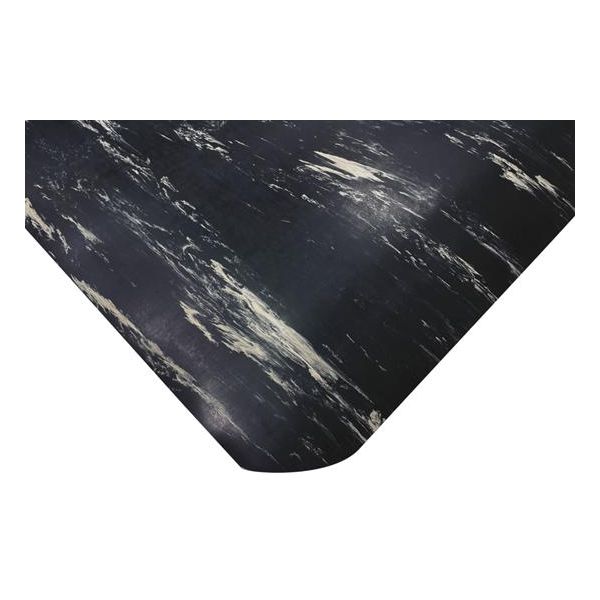
Cushion Step Marbleized Rubber Anti-Fatigue Mat
Product Number:
#0690
$132.00

Have a question? We're here to help!
Description
What a Marbleized Anti-Fatigue Mat Solves Before Tired Feet Reach the Counter
Most anti-fatigue mats look like shop equipment — black waffle patterns and drainage holes that make sense on a factory line but feel wrong at a pharmacy counter or a school front office. So in customer-visible spaces, the mat often just doesn't happen. The people standing there pay for that decision in aching feet, stiff backs, and long afternoons.
The Cushion Step Marbleized Rubber Anti-Fatigue Mat closes that gap. It's a cushioned standing mat with a smooth, marbleized rubber surface — a finish that reads as part of the room rather than an industrial add-on. Underneath, a foam base takes the punishment out of hard floors so cashiers, techs, and staff stay comfortable through a full shift.
Standing fatigue isn't just discomfort. Over a workday it shows up as slower service, shortened attention, and the kind of shifting-and-leaning that wears people down by mid-afternoon. A cushioned surface underfoot keeps weight moving naturally, which is the whole mechanism behind ergonomic floor mats.
Why Rubber Over Foam, and Why This One
The construction is two layers doing two jobs. The wear surface is puncture-resistant rubber in a smooth marble pattern, built for traction, stability, and durability where feet, stools, and carts do their daily damage. That surface is fused to a PVC sponge foam base, which supplies the cushioning — a combined 9/16" of mat between shoes and hard flooring.
The rubber top also carries serious chemical tolerance for a mat this comfortable. It resists oil, grease, all common acids and alkalis, and organic solvents, so an incidental splash at a workstation or pharmacy bench doesn't stain or degrade the surface. Cleanup is deliberately simple: sweep it, or damp mop it, and it's presentable again.
At 1.6 pounds per square foot, the mat has enough body to stay planted where you put it, and the flammability rating meets D.O.C. FF-1-70. Safety beveled edges are available on standard-size mats, easing the transition from floor to mat so the mat itself never becomes the thing people catch a toe on.
Where It Belongs, and What It Is Not
This mat is built for interior dry areas, and its natural homes are the places where standing work meets public view: cashier stations, pharmacy counters, school offices, medical settings, and factory workstations where a smooth, cleanable surface beats an open-grid mat. It's a strong pick for a rubber anti-fatigue mat that has to look presentable while it works.
What it is not: a wet-area mat. The smooth surface that makes it easy to clean also means it belongs on floors that stay dry — wash-down zones, dish pits, and greasy line-cook stations need drainage matting designed for standing liquid. If you're weighing dry-area comfort against wet-area drainage, our full lineup of anti-fatigue mats and runners covers both sides of that line.
Three Things to Check Before You Spec It
First, confirm the environment is genuinely dry. The chemical resistance covers incidental contact — a dripped solvent, an oily part set down at a workstation — not standing water or routine wash-downs. If the floor gets hosed or mopped heavily during shifts, spec a wet-area drainage mat instead and save this one for the counter.
Second, size it to the standing path. Stock mats come in 2' x 3' for a single register or bench, 3' x 5' for a roomier station, and 3' x 12' to run the length of a counter line. Custom cuts are available in 2', 3', and 4' widths. Since safety beveled edges are offered on standard-size mats, confirm edge treatment when you order a custom cut.
Third, pick the color that fits the room. Black settles into darker floors and hides scuffs in high-traffic factory settings; gray reads lighter and pairs well with the tile and terrazzo you find in schools, pharmacies, and medical spaces. The marbleized pattern does quiet work in both colors, breaking up dust and traffic marks between cleanings.
Why Mats Inc.
Since 1964 we've helped buyers solve the standing-fatigue problem in rooms where appearance is part of the spec, not an afterthought. Every figure on this page is verified against the manufacturer's published data, we'll talk through sizing and edge options before you commit, and the mat is backed by a 1-year limited warranty from Mats Inc.
| Surface material | Puncture-resistant marbleized rubber, smooth marble pattern |
| Backing | PVC sponge foam, fused to the rubber surface |
| Thickness | 9/16" |
| Weight | 1.6 lbs per sq ft |
| Stock sizes | 2' x 3', 3' x 5', 3' x 12' |
| Custom cuts | Available in 2', 3', and 4' widths |
| Colors | Black, Gray |
| Edges | Safety beveled edges available on standard-size mats |
| Chemical resistance | Oil, grease, all common acids and alkalis, organic solvents |
| Flammability | D.O.C. FF-1-70 |
| Cleaning | Sweep clean or damp mop |
| Use area | Interior dry areas |
| Warranty | 1-year limited (Mats Inc.) |
Frequently Asked Questions
What is this mat actually made of?
Answered by Dustin Thompson, Owner & CEO
It's a fused two-layer construction, and the split matters. The top is a puncture-resistant rubber wear surface with a smooth marble pattern — that's the layer taking foot traffic, stool legs, and the occasional dropped tool. Bonded beneath it is a PVC sponge foam base that does the cushioning. Together they measure 9/16" thick, so you get real anti-fatigue relief without the soft layer ever being exposed to wear.
How does it hold up in a hard-use environment?
Answered by Dustin Thompson, Owner & CEO
The rubber surface is the workhorse: puncture-resistant, and rated to shrug off oil, grease, all common acids and alkalis, and organic solvents — the everyday chemistry of a factory workstation or pharmacy bench. At 1.6 pounds per square foot it stays put under traffic, and the flammability rating meets D.O.C. FF-1-70. Like everything we carry, it's backed by a 1-year limited warranty from Mats Inc.
Where should I place it, and how do I keep it clean?
Answered by Dustin Thompson, Owner & CEO
Place it anywhere someone stands in one spot on a dry interior floor — a register, a fill counter, a workstation, a school reception desk. The one rule is dry: standing water and wash-down zones call for drainage matting instead. Maintenance is about as light as it gets. Sweep it during the shift, damp mop it at close, and the smooth surface releases grime that would sink into an open-textured mat.
What sizes can I get, and can it be cut to fit my counter?
Answered by Jinna Hopson, Vice President of Marketing
Stock sizes run 2' x 3' for a single station, 3' x 5' where the work spreads out a bit, and 3' x 12' to cover a full counter run behind two or three registers. If none of those match your layout, custom cuts come in 2', 3', and 4' widths. One planning note: safety beveled edges are offered on standard-size mats, so ask about edge treatment when you're specifying a custom length.
Will it actually look good in a customer-facing space?
Answered by Jinna Hopson, Vice President of Marketing
That's the reason this mat exists. The marbleized pattern comes in black or gray, and the veining does two quiet jobs: it reads as a finished surface rather than shop matting, and it visually breaks up dust and traffic marks between cleanings. Gray tends to flatter the tile and terrazzo common in pharmacies, schools, and medical spaces; black anchors darker floors and busy industrial settings without showing every scuff.
Is this the right anti-fatigue mat for my space?
Answered by Jinna Hopson, Vice President of Marketing
If your standing work happens on a dry interior floor where appearance counts — a cashier line, a pharmacy, a school office, a medical setting, or a tidy factory workstation — this is the mat built for that overlap of comfort and presentation. If your floor sees standing water, heavy grease, or hose-down cleaning, you'll be happier with a wet-area drainage mat. And if you need cushioning for a long line rather than a station, we carry runner formats sized for that job too.
By Jinna Hopson, Vice President of Marketing, Mats Inc.
Reviews
Write Your Own Review
Related Products
Super Scrape Rubber Mats
Safety Track Non-Skid Tape - Coarse

Smooth Marbleized Vinyl Switchboard Matting (Mil Spec)
Super Scrape Rubber Logo Mats
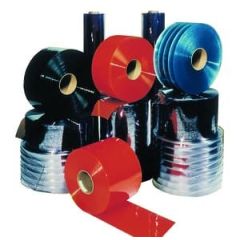
Strip Doors
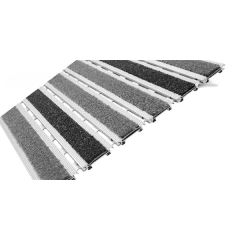
Perfec Clean 3/8" Rollup Mats - Aluminum Hinge
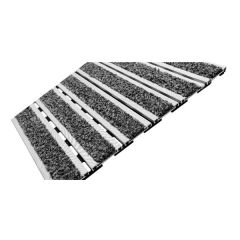
Perfec Clean 3/8" Rollup Mats - Rubber Hinge
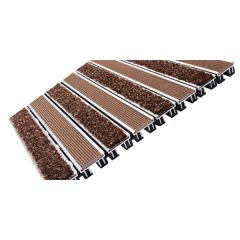
Perfec Clean 3/4" Rollup Grate - Rubber Hinge
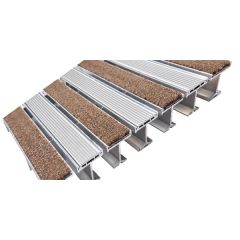
Perfec Clean 1-5/8" Grate
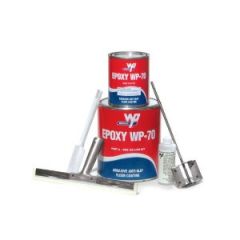
WP-70 Non-Skid Epoxy Coating