




Rubber Playground Tiles & Pavers
Outdoor rubber pavers and rubber playground tiles both turn hard or loose ground into a firm, cushioned surface, but they do two different jobs. The interlocking rubber pavers here are for patios, garden paths, yard walkways, and service areas, with a dog bone shape that locks into one connected surface. Rubber Playground Tiles are tested fall-protection tiles for the ground under play equipment. This page explains which one belongs where.
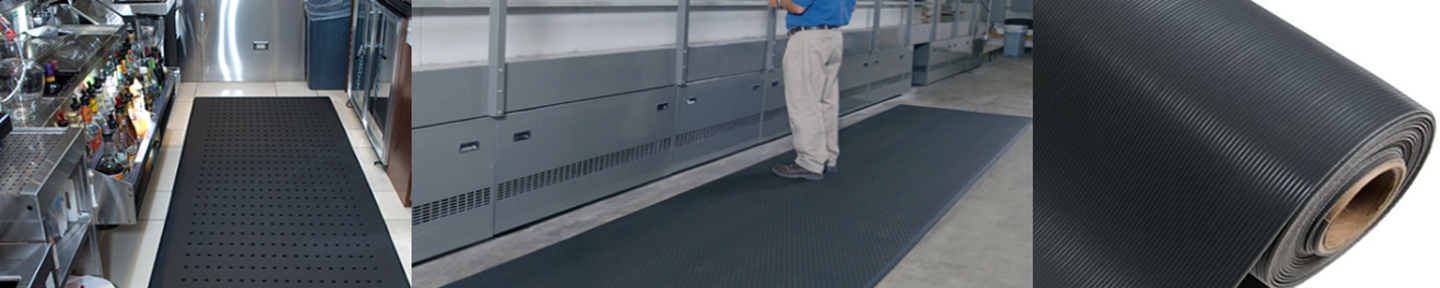
 Traction Hog Anti-Fatigue Runner Mats
Starting at $85.00
Traction Hog Anti-Fatigue Runner Mats are cushioned rubber runners for the line of stations where people stand in place all shift, on a floor that may be wet, greasy, or both. The mat is 5/8 inch of nitrile/PVC-blended foam with beveled edges, made in stock sizes from 2 by 3...
Traction Hog Anti-Fatigue Runner Mats are cushioned rubber runners for the line of stations where people stand in place all...
Traction Hog Anti-Fatigue Runner Mats are cushioned rubber runners for the line of stations where people stand in place all shift, on a floor that may be wet, greasy, or both. The mat is 5/8 inch of nitrile/PVC-blended foam with beveled edges, made in stock sizes from 2 by 3 feet to a 3-by-10-foot runner and in custom lengths to 75 feet. It comes solid or with drainage holes, is built for indoor use, and is a comfort mat first, which decides where it goes.
What an Anti-Fatigue Rubber Mat Does Before the Shift Gets Long
Standing still on a hard floor is harder on the body than walking on it. The legs lock, blood pools, and by hour six the lower back is doing work the feet were supposed to do. A cushioned rubber standing mat gives the floor a small amount of give, so the muscles in the legs keep making tiny adjustments instead of freezing in place.
That is the comfort side. The safety side is footing. A dish pit, a fry station, a wet packing line, or a cooler floor puts water and grease under the same person for hours, and a mat that cushions but slides is worse than no mat. This one is certified high-traction by the National Floor Safety Institute, an independent slip-resistance testing program, not a manufacturer claim.
The third job is the edge. A thick mat with a square edge is a trip hazard and a cart stopper. Beveled edges taper the mat down to the floor so a foot or a caster rolls onto it rather than catching, which is what keeps a comfort mat from causing the fall it was meant to prevent.
Why Nitrile-Blend Foam, and Why This One
The cushion is a 5/8-inch nitrile/PVC-blended foam. Nitrile is the rubber that tolerates oil, and it is the reason this mat is grease and oil resistant and chemical resistant rather than a plain sponge that swells and softens the first time fryer oil hits it. Nightly sanitizing with standard cleaners does not eat it.
The foam is treated with an anti-microbial that provides lifetime protection from odors and degradation. On a wet-area mat that is the difference between a mat that is hosed off and returns to service and one that starts to smell by the second month and has to be thrown out.
The two configurations are the real choice. The solid mat suits dry stations and damp ones where spills are wiped up. The version with drainage holes is for truly wet work: liquid falls through to the floor instead of pooling under a boot, which is why a rubber mat with holes belongs at a dish machine or a wash-down station and a solid one belongs at a register or an assembly bench.
It is also lightweight and flexible. A 3-by-5-foot mat weighs 13.8 pounds, and the largest stock size, 4 by 8 feet, weighs 26.7 pounds. One person picks it up, hoses it, hangs it, and puts it back, which is what actually determines whether a mat gets cleaned on schedule.
Where It Belongs, and What It Is Not
Put it wherever a person holds one position on a hard indoor floor: dish pits, fry and prep stations, bar wells, packing and inspection stations, cashier stands, lab benches, and the floor in front of a machine control panel. Wet zones take the holed version; dry and damp zones take the solid one. It is one of several cushioned and traction mats in the heavy-duty rubber runner mats range, and it is the one to reach for when comfort is the problem.
What it is not is a traffic-lane mat. Foam cushion under cart wheels and constant foot traffic compresses at the edges and wears out early, and a thick mat in a busy lane is something to walk around. Where the floor problem is people and carts crossing wet tile, a thin solid-rubber traction runner is the right product, and the two are usually used together in the same room.
It is also rated for indoor use. Outdoor UV and freeze cycles are outside what the foam is built for, so a loading dock apron or an exterior landing needs a different mat.
Three Things to Check Before You Spec It
First, decide wet or dry, and buy the matching version. If water or grease reaches the floor around the station more than occasionally, take the holed mat. If the station is dry or only sees a wiped-up spill, the solid mat is easier to keep clean and gives a smoother surface. Buying solid for a wet zone is the most common mistake with this product.
Second, size the runner to the line of stations, not the room. Measure end to end along the positions people hold: a prep line, a dish run, a packing table, an assembly bench. Custom lengths run in whole feet to 75 feet in 3-foot and 4-foot widths, so one continuous runner covers the line with no seam to lift. The 3-by-10 stock runner handles most single long stations; the five shorter stock sizes cover one or two fixed positions. Finished sizes vary 3 to 5 percent as rubber moves with temperature.
Third, plan the cleaning routine before the mat arrives. A wet-area mat has to come up, get rinsed, and dry before it goes back down. Confirm there is a place to hang it and a person on the closing shift who owns the task. A lightweight mat helps, but the schedule is what keeps the anti-microbial doing its job instead of fighting a losing battle.
Why Mats Inc.
We carry this mat because it answers the question a hard kitchen or plant floor asks every shift: how do you keep the person at the station comfortable and upright without putting something under them that soaks up grease and slides. A nitrile-blend cushion with a third-party traction certification and a holed option does that. Mats Inc. has been matching mats to standing zones since 1964, and this is the one we put where people stand still on wet floors.
Type Anti-fatigue rubber runner mat, indoor Material Nitrile/PVC-blended foam Thickness 5/8" Traction Certified high-traction by the National Floor Safety Institute (NFSI) Edges Beveled Resistance Grease and oil resistant; chemical resistant Anti-microbial Treated; lifetime protection from odors and degradation Configurations Solid, or with drainage holes for wet areas Color Black Custom runner lengths 3' (36") and 4' (48") widths; whole-foot lengths up to 75' Stock sizes & weights 2' x 3' (24" x 36") — 6.3 lbs
3' x 4' (36" x 48") — 10 lbs
3' x 5' (36" x 60") — 13.8 lbs
3' x 10' (36" x 120") — 25.6 lbs
4' x 6' (48" x 72") — 20 lbs
4' x 8' (48" x 96") — 26.7 lbsSize tolerance 3–5% manufacturing variance Cleaning Lightweight and flexible for handling; rinse, hang, and return to service dry Origin Made in the USA Warranty 1-year limited (Mats Inc.) Frequently Asked Questions
What is the mat made of, and how thick is it?
Answered by Dustin Thompson, Owner & CEO
It is a single layer of nitrile/PVC-blended foam, 5/8 inch thick, with beveled edges molded around the perimeter. There is no separate top sheet or fabric layer, so there is nothing to delaminate. The nitrile content is what gives it grease, oil, and chemical resistance; a plain PVC or polyurethane foam of the same thickness softens and breaks down under fryer oil and sanitizer much sooner.
The foam is also treated with an anti-microbial that carries lifetime protection from odors and degradation. That treatment is doing real work on a mat that lives in a wet area and gets rinsed rather than replaced.
How long will it last, and what shortens its life?
Answered by Dustin Thompson, Owner & CEO
The maker does not publish a year figure, and the honest answer is that the floor decides. Kept at a standing station, rinsed on schedule, and allowed to dry before it goes back down, the anti-microbial treatment and nitrile blend are built to hold up for years of shifts. The mat carries a 1-year limited (Mats Inc.) warranty, and a 12-month check for edge compression and surface wear is a reasonable habit.
Three things end it early. Putting it in a traffic lane where carts and constant foot traffic compress the edges. Leaving it down wet so it never dries, which no anti-microbial fully overcomes. And putting an indoor-rated foam mat outside, where UV and freezing stiffen and crack it. Avoid those three and it outlasts most of the equipment around it.
Where should I put it, and where should I not?
Answered by Dustin Thompson, Owner & CEO
Put it where one person stands in one place on a hard indoor floor: dish machines, fry and prep stations, bar wells, packing and inspection stations, register stands, lab benches, machine control positions. If the floor around that station gets wet, use the version with drainage holes so water goes through instead of sitting under a boot. If it stays dry or only sees a wiped-up spill, the solid mat is the cleaner surface.
Do not put it in a walking lane or under cart traffic; cushion compresses and wears at the edges there, and a thick mat in a lane is an obstacle. Do not put it outdoors. For a wet lane that carts cross, a thin solid-rubber traction runner is the right product, and most kitchens run both.
Which size should I pick, and can I get a custom length?
Answered by Jinna Hopson, Vice President of Marketing
Start with the run. Custom lengths are available in whole feet up to 75 feet, in 3-foot and 4-foot widths, so a prep line, a dish run, or a packing table becomes one continuous runner instead of a row of mats with seams to trip on and lift. Three feet of width covers a single row of workers; four feet covers a row that steps back from the bench.
For a single position, pick from the six stock sizes. A 2-by-3 covers a register stand; 3-by-4 or 3-by-5 covers a station where someone shifts a step left and right; 3-by-10 handles one long station; 4-by-6 and 4-by-8 suit two people side by side. Allow 3 to 5 percent on finished dimensions, since rubber shrinks and expands with temperature and time.
What does it look like on the floor?
Answered by Jinna Hopson, Vice President of Marketing
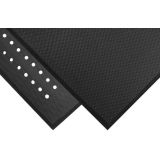
Black, with a fine textured surface and a beveled border that slopes down to the floor on all four sides, so it reads as a finished piece rather than a slab of foam. The holed version has a grid of round drainage openings across the face; the solid version is unbroken. Both sit 5/8 inch high, which is noticeable underfoot but low enough not to look like an obstacle.
Because it is black and textured, scuffs and dried spills blend in until cleaning day rather than showing white. It looks right in a back-of-house kitchen, a plant floor, a lab, or a retail counter; for a customer-facing spot where the mat is part of the decor, a fabric-topped anti-fatigue mat is the better-looking option.
Is this a good fit for a commercial kitchen, and does it handle the cleaning?
Answered by Jinna Hopson, Vice President of Marketing
Yes; wet and greasy kitchens are what the holed version is for. Water and cooking oil drain through, the nitrile blend resists grease and standard sanitizers, and the NFSI high-traction certification means the surface has been independently tested for slip resistance rather than just described as non-slip. Put it at the dish machine, the fry station, and the prep line where people stand.
The cleaning routine is the part to plan. At close, the mat comes up, gets rinsed, and hangs to dry before it goes back down. At 13.8 pounds for a 3-by-5, one person handles it. That nightly lift is what keeps a kitchen mat from becoming the thing that smells, so pick the size someone will actually move.
By Jinna Hopson, Vice President of Marketing, Mats Inc.
↑
Traction Hog Anti-Fatigue Runner Mats are cushioned rubber runners for the line of stations where people stand in place all shift, on a floor that may be wet, greasy, or both. The mat is 5/8 inch of nitrile/PVC-blended foam with beveled edges, made in stock sizes from 2 by 3 feet to a 3-by-10-foot runner and in custom lengths to 75 feet. It comes solid or with drainage holes, is built for indoor use, and is a comfort mat first, which decides where it goes.
What an Anti-Fatigue Rubber Mat Does Before the Shift Gets Long
Standing still on a hard floor is harder on the body than walking on it. The legs lock, blood pools, and by hour six the lower back is doing work the feet were supposed to do. A cushioned rubber standing mat gives the floor a small amount of give, so the muscles in the legs keep making tiny adjustments instead of freezing in place.
That is the comfort side. The safety side is footing. A dish pit, a fry station, a wet packing line, or a cooler floor puts water and grease under the same person for hours, and a mat that cushions but slides is worse than no mat. This one is certified high-traction by the National Floor Safety Institute, an independent slip-resistance testing program, not a manufacturer claim.
The third job is the edge. A thick mat with a square edge is a trip hazard and a cart stopper. Beveled edges taper the mat down to the floor so a foot or a caster rolls onto it rather than catching, which is what keeps a comfort mat from causing the fall it was meant to prevent.
Why Nitrile-Blend Foam, and Why This One
The cushion is a 5/8-inch nitrile/PVC-blended foam. Nitrile is the rubber that tolerates oil, and it is the reason this mat is grease and oil resistant and chemical resistant rather than a plain sponge that swells and softens the first time fryer oil hits it. Nightly sanitizing with standard cleaners does not eat it.
The foam is treated with an anti-microbial that provides lifetime protection from odors and degradation. On a wet-area mat that is the difference between a mat that is hosed off and returns to service and one that starts to smell by the second month and has to be thrown out.
The two configurations are the real choice. The solid mat suits dry stations and damp ones where spills are wiped up. The version with drainage holes is for truly wet work: liquid falls through to the floor instead of pooling under a boot, which is why a rubber mat with holes belongs at a dish machine or a wash-down station and a solid one belongs at a register or an assembly bench.
It is also lightweight and flexible. A 3-by-5-foot mat weighs 13.8 pounds, and the largest stock size, 4 by 8 feet, weighs 26.7 pounds. One person picks it up, hoses it, hangs it, and puts it back, which is what actually determines whether a mat gets cleaned on schedule.
Where It Belongs, and What It Is Not
Put it wherever a person holds one position on a hard indoor floor: dish pits, fry and prep stations, bar wells, packing and inspection stations, cashier stands, lab benches, and the floor in front of a machine control panel. Wet zones take the holed version; dry and damp zones take the solid one. It is one of several cushioned and traction mats in the heavy-duty rubber runner mats range, and it is the one to reach for when comfort is the problem.
What it is not is a traffic-lane mat. Foam cushion under cart wheels and constant foot traffic compresses at the edges and wears out early, and a thick mat in a busy lane is something to walk around. Where the floor problem is people and carts crossing wet tile, a thin solid-rubber traction runner is the right product, and the two are usually used together in the same room.
It is also rated for indoor use. Outdoor UV and freeze cycles are outside what the foam is built for, so a loading dock apron or an exterior landing needs a different mat.
Three Things to Check Before You Spec It
First, decide wet or dry, and buy the matching version. If water or grease reaches the floor around the station more than occasionally, take the holed mat. If the station is dry or only sees a wiped-up spill, the solid mat is easier to keep clean and gives a smoother surface. Buying solid for a wet zone is the most common mistake with this product.
Second, size the runner to the line of stations, not the room. Measure end to end along the positions people hold: a prep line, a dish run, a packing table, an assembly bench. Custom lengths run in whole feet to 75 feet in 3-foot and 4-foot widths, so one continuous runner covers the line with no seam to lift. The 3-by-10 stock runner handles most single long stations; the five shorter stock sizes cover one or two fixed positions. Finished sizes vary 3 to 5 percent as rubber moves with temperature.
Third, plan the cleaning routine before the mat arrives. A wet-area mat has to come up, get rinsed, and dry before it goes back down. Confirm there is a place to hang it and a person on the closing shift who owns the task. A lightweight mat helps, but the schedule is what keeps the anti-microbial doing its job instead of fighting a losing battle.
Why Mats Inc.
We carry this mat because it answers the question a hard kitchen or plant floor asks every shift: how do you keep the person at the station comfortable and upright without putting something under them that soaks up grease and slides. A nitrile-blend cushion with a third-party traction certification and a holed option does that. Mats Inc. has been matching mats to standing zones since 1964, and this is the one we put where people stand still on wet floors.
Type Anti-fatigue rubber runner mat, indoor Material Nitrile/PVC-blended foam Thickness 5/8" Traction Certified high-traction by the National Floor Safety Institute (NFSI) Edges Beveled Resistance Grease and oil resistant; chemical resistant Anti-microbial Treated; lifetime protection from odors and degradation Configurations Solid, or with drainage holes for wet areas Color Black Custom runner lengths 3' (36") and 4' (48") widths; whole-foot lengths up to 75' Stock sizes & weights 2' x 3' (24" x 36") — 6.3 lbs
3' x 4' (36" x 48") — 10 lbs
3' x 5' (36" x 60") — 13.8 lbs
3' x 10' (36" x 120") — 25.6 lbs
4' x 6' (48" x 72") — 20 lbs
4' x 8' (48" x 96") — 26.7 lbsSize tolerance 3–5% manufacturing variance Cleaning Lightweight and flexible for handling; rinse, hang, and return to service dry Origin Made in the USA Warranty 1-year limited (Mats Inc.) Frequently Asked Questions
What is the mat made of, and how thick is it?
Answered by Dustin Thompson, Owner & CEO
It is a single layer of nitrile/PVC-blended foam, 5/8 inch thick, with beveled edges molded around the perimeter. There is no separate top sheet or fabric layer, so there is nothing to delaminate. The nitrile content is what gives it grease, oil, and chemical resistance; a plain PVC or polyurethane foam of the same thickness softens and breaks down under fryer oil and sanitizer much sooner.
The foam is also treated with an anti-microbial that carries lifetime protection from odors and degradation. That treatment is doing real work on a mat that lives in a wet area and gets rinsed rather than replaced.
How long will it last, and what shortens its life?
Answered by Dustin Thompson, Owner & CEO
The maker does not publish a year figure, and the honest answer is that the floor decides. Kept at a standing station, rinsed on schedule, and allowed to dry before it goes back down, the anti-microbial treatment and nitrile blend are built to hold up for years of shifts. The mat carries a 1-year limited (Mats Inc.) warranty, and a 12-month check for edge compression and surface wear is a reasonable habit.
Three things end it early. Putting it in a traffic lane where carts and constant foot traffic compress the edges. Leaving it down wet so it never dries, which no anti-microbial fully overcomes. And putting an indoor-rated foam mat outside, where UV and freezing stiffen and crack it. Avoid those three and it outlasts most of the equipment around it.
Where should I put it, and where should I not?
Answered by Dustin Thompson, Owner & CEO
Put it where one person stands in one place on a hard indoor floor: dish machines, fry and prep stations, bar wells, packing and inspection stations, register stands, lab benches, machine control positions. If the floor around that station gets wet, use the version with drainage holes so water goes through instead of sitting under a boot. If it stays dry or only sees a wiped-up spill, the solid mat is the cleaner surface.
Do not put it in a walking lane or under cart traffic; cushion compresses and wears at the edges there, and a thick mat in a lane is an obstacle. Do not put it outdoors. For a wet lane that carts cross, a thin solid-rubber traction runner is the right product, and most kitchens run both.
Which size should I pick, and can I get a custom length?
Answered by Jinna Hopson, Vice President of Marketing
Start with the run. Custom lengths are available in whole feet up to 75 feet, in 3-foot and 4-foot widths, so a prep line, a dish run, or a packing table becomes one continuous runner instead of a row of mats with seams to trip on and lift. Three feet of width covers a single row of workers; four feet covers a row that steps back from the bench.
For a single position, pick from the six stock sizes. A 2-by-3 covers a register stand; 3-by-4 or 3-by-5 covers a station where someone shifts a step left and right; 3-by-10 handles one long station; 4-by-6 and 4-by-8 suit two people side by side. Allow 3 to 5 percent on finished dimensions, since rubber shrinks and expands with temperature and time.
What does it look like on the floor?
Answered by Jinna Hopson, Vice President of Marketing
Black, with a fine textured surface and a beveled border that slopes down to the floor on all four sides, so it reads as a finished piece rather than a slab of foam. The holed version has a grid of round drainage openings across the face; the solid version is unbroken. Both sit 5/8 inch high, which is noticeable underfoot but low enough not to look like an obstacle.
Because it is black and textured, scuffs and dried spills blend in until cleaning day rather than showing white. It looks right in a back-of-house kitchen, a plant floor, a lab, or a retail counter; for a customer-facing spot where the mat is part of the decor, a fabric-topped anti-fatigue mat is the better-looking option.
Is this a good fit for a commercial kitchen, and does it handle the cleaning?
Answered by Jinna Hopson, Vice President of Marketing
Yes; wet and greasy kitchens are what the holed version is for. Water and cooking oil drain through, the nitrile blend resists grease and standard sanitizers, and the NFSI high-traction certification means the surface has been independently tested for slip resistance rather than just described as non-slip. Put it at the dish machine, the fry station, and the prep line where people stand.
The cleaning routine is the part to plan. At close, the mat comes up, gets rinsed, and hangs to dry before it goes back down. At 13.8 pounds for a 3-by-5, one person handles it. That nightly lift is what keeps a kitchen mat from becoming the thing that smells, so pick the size someone will actually move.
By Jinna Hopson, Vice President of Marketing, Mats Inc.
↑
View Details
View Details
 Corrugated Rubber Matting
Starting at $783.00
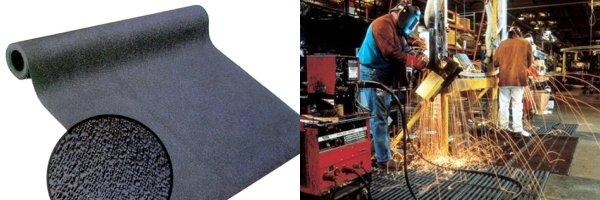
Corrugated Rubber Matting is a nitrile rubber runner sold by the roll: 1/8 inch thick, 75 feet long, in 24-, 36-, and 48-inch widths. The top is an angular-tooth ribbed pattern, the back is textured to grip the floor, and the rubber is formulated for indoor and outdoor use in...
Corrugated Rubber Matting is a nitrile rubber runner sold by the roll: 1/8 inch thick, 75 feet long, in 24-,...
Corrugated Rubber Matting is a nitrile rubber runner sold by the roll: 1/8 inch thick, 75 feet long, in 24-, 36-, and 48-inch widths. The top is an angular-tooth ribbed pattern, the back is textured to grip the floor, and the rubber is formulated for indoor and outdoor use in low or high temperatures. It is a ribbed rubber runner for long floors that need traction, protection, and less noise, and it is meant to be cut to length on site.
What a Corrugated Rubber Runner Does Before the Floor Wears Through
A long hard floor fails in a stripe. The aisle between racks, the hallway from the shop door to the bench, the run behind a counter: that is where every boot, cart, and dropped part lands, and it is where concrete pits, coatings wear off, and tile cracks first. A rolled rubber mat over that stripe takes the abuse instead of the floor.
The ribs do the second job. The angular-tooth pattern gives a boot sole edges to bite against, and it channels water and grit into the grooves instead of leaving a film on top. On a floor that gets tracked-in rain, coolant mist, or wash-down water, that is the difference between a walkway and a slide.
The third job is quieter, literally. Rubber between a hard sole and a hard floor cuts the impact noise of footsteps and carts. In a shop or plant that runs all day, a runner down the main aisle takes a measurable edge off the background noise, which is one of the reasons buyers who came for floor protection keep it.
Why Nitrile Rubber, and Why This One
This runner is solid nitrile rubber, one material through the full 1/8-inch thickness. There is no cushion layer, no fabric, and no bonded backing to separate. What you get is a thin, dense, flexible sheet that lies flat, rolls back up when it needs to move, and does not depend on a glue line to stay in one piece.
The formulation is rated for indoor and outdoor use and for low or high temperatures. That is the practical distinction from a general-purpose runner: it can run from a loading dock through a roll-up door and down a plant aisle without stiffening in the cold section or softening in the hot one. It also meets FMVSS 302 flammability requirements.
The two surfaces are built for different jobs. The top pattern is an angular tooth, sharper-edged than a rounded rib, so it holds a shoe rather than letting it skate along the groove. The back is textured rather than smooth, which gives the runner friction against the floor and helps a loose-laid length stay where it was put.
The 1/8-inch gauge is a choice, not a compromise. A thin runner sits low enough that carts, hand trucks, and rolling tool chests cross it without a bump, and it does not fight door clearances or floor transitions. It is also light enough per foot to cut and reposition without a crew.
Where It Belongs, and What It Is Not
Run it down any long hard floor that takes foot and wheel traffic: warehouse and stockroom aisles, shop and garage floors, service corridors, the strip behind a bar or counter, a covered walkway or ramp, an equipment room. Because it handles cold and heat, the same roll works from an unheated dock into a conditioned plant. It is one of the roll options among the heavy-duty rubber runner mats we stock, and the one to pick when the run is long and the floor is hard.
The vendor also lists it for OEM uses, which in practice means it is cut and fitted as a liner or protective layer inside equipment, vehicles, and cabinetry as well as laid on floors. The same roll that covers an aisle can be trimmed for a truck bed, a tool crib shelf, or a machine base.
What it is not is a comfort mat. There is no cushion in a solid 1/8-inch sheet, so a person standing in one spot for a shift will feel the floor through it. Where someone holds a station, pair it with a cushioned anti-fatigue mat at that station and let the runner handle the walking between them.
Three Things to Check Before You Spec It
First, measure the run and pick the width to the traffic, not the space. Twenty-four inches covers a single-file path where people walk one at a time. Thirty-six inches is the standard aisle width where two people pass or a cart shares the lane with a walker. Forty-eight inches covers a wide bay, a two-way corridor, or a floor you want protected wall to wall. Each roll is 75 feet, and runs are cut to length on site.
Second, decide loose-lay or fixed. The textured back holds a straight run on a clean, dry floor without adhesive, and loose-lay lets you pull the runner up to clean under it. Where the runner crosses a doorway, turns a corner, or lives under constant cart traffic, tape or glue the edges and the end cuts so they cannot lift and become the trip hazard the runner was bought to prevent.
Third, plan the seam and the cut. A 75-foot roll covers most aisles in one piece; where a run is longer, butt the two ends square rather than overlapping them, since an overlap in a cart lane catches wheels. Cut with a sharp utility knife along a straightedge, and let the roll relax flat at room temperature before trimming so the cut stays true.
Why Mats Inc.
We stock this runner because a long hard aisle is the most common floor problem a facility brings us, and the fix is not complicated: a dense rubber sheet with ribs on top and grip on the back, in a width that matches the lane, cut to the run. Mats Inc. has been fitting runners to real traffic since 1964, and this is the roll we reach for when the answer is a straight length of ribbed rubber rather than a stack of cut mats.
Type Corrugated rubber runner matting, sold by the roll Material Nitrile rubber Top surface Angular-tooth corrugated (ribbed) pattern Back Textured Thickness 1/8" Roll sizes & weights 24" x 75' — 113 lbs
36" x 75' — 168 lbs
48" x 75' — 215 lbsColor Black Use Indoor and outdoor; formulated for low and high temperatures; floor and OEM applications Flammability Meets FMVSS 302 Function Floor protection, slip and fall reduction, noise reduction Warranty 1-year limited (Mats Inc.) Frequently Asked Questions
What is this runner made of, and how is it built?
Answered by Dustin Thompson, Owner & CEO
Solid nitrile rubber, 1/8 inch thick, with no cushion layer or bonded backing. The top carries an angular-tooth corrugated pattern, which is a sharper-edged rib than a rounded corrugation and holds a shoe instead of letting it slide along the groove. The back is textured so the runner has friction against the floor.
The formulation is rated for indoor and outdoor use and for low or high temperatures, and it meets FMVSS 302 flammability requirements. Single-material construction is why it rolls, unrolls, and gets cut repeatedly without anything coming apart.
How long does a corrugated rubber runner last, and what wears it out?
Answered by Dustin Thompson, Owner & CEO
The maker does not publish a service-life figure, and on a solid rubber runner the traffic decides it. A dense 1/8-inch nitrile sheet under normal foot and cart traffic wears at the rib tops slowly and evenly, and the runner stays serviceable until the ribs flatten enough to stop channeling water. It carries a 1-year limited (Mats Inc.) warranty, and a look at the rib height and the edges once a year tells you where it stands.
Two things end it early. A loose edge or end in a cart lane gets kicked, folded, and torn, so fix edges where wheels cross. And an overlap seam takes the full impact of every caster; butt joints do not. Keep the edges down and the seams square and the runner outlasts the floor coating under it.
Do I need to glue it down, and how do I cut it?
Answered by Dustin Thompson, Owner & CEO
Not for a straight run on a clean, dry floor. The textured back and the runner's own weight, 113 to 215 pounds per roll depending on width, hold it in place, and loose-lay lets you pull it up to clean underneath. Where it crosses a doorway, turns a corner, or sits under constant wheeled traffic, tape or glue the edges and end cuts so nothing can lift.
Cutting is a sharp utility knife along a straightedge. Unroll the runner and let it relax flat at room temperature first; rubber that has been rolled tight or stored cold holds a curve and cuts crooked. Cut to the run, butt the ends square where two lengths meet, and do not overlap.
Which width should I order?
Answered by Jinna Hopson, Vice President of Marketing
Match the width to how people and carts actually use the lane. Twenty-four inches covers a single-file walkway, a narrow service corridor, or the strip behind a counter where staff walk one at a time. Thirty-six inches is the standard for an aisle where two people pass or a cart and a walker share the lane. Forty-eight inches covers a wide bay, a two-way corridor, or a floor you want protected edge to edge.
Every width comes on a 75-foot roll, so length is decided on site with a knife rather than at order time. Measure the run first; for a lane longer than 75 feet, plan the butt seam somewhere carts do not stop or turn.
What does it look like once it is down?
Answered by Jinna Hopson, Vice President of Marketing
A clean black band of fine, evenly spaced ribs running the length of the lane. The angular-tooth profile reads as crisp lines rather than a rounded wave, and because the rubber is black and the ribs are shallow, tracked-in grit and scuffs settle into the grooves instead of showing on the surface. At 1/8 inch it sits nearly flush with the floor.
It looks right in a shop, a plant, a stockroom, or a back-of-house corridor, where a straight black runner reads as intentional and tidy. For a front-of-house floor that customers judge by eye, a carpeted or fabric-topped runner is the better-looking choice; this one is built for the floors that do the work.
Can it be used outdoors or in unheated spaces, and where should it not go?
Answered by Jinna Hopson, Vice President of Marketing
Yes. The rubber is rated for indoor and outdoor use and for low or high temperatures, so it works on a covered dock, a ramp, an unheated warehouse, or a run that passes through a roll-up door from outside to in. That flexibility is the main reason to choose it over a general indoor runner when the lane is not fully climate-controlled.
Where it should not go is anywhere someone stands still for hours; there is no cushion in it, and a standing station needs an anti-fatigue mat. It is also a floor runner rather than a drainage mat, so a pit that holds standing water wants an open-pattern mat that lets liquid fall through.
By Dustin Thompson, Owner & CEO, Mats Inc.
↑
Corrugated Rubber Matting is a nitrile rubber runner sold by the roll: 1/8 inch thick, 75 feet long, in 24-, 36-, and 48-inch widths. The top is an angular-tooth ribbed pattern, the back is textured to grip the floor, and the rubber is formulated for indoor and outdoor use in low or high temperatures. It is a ribbed rubber runner for long floors that need traction, protection, and less noise, and it is meant to be cut to length on site.
What a Corrugated Rubber Runner Does Before the Floor Wears Through
A long hard floor fails in a stripe. The aisle between racks, the hallway from the shop door to the bench, the run behind a counter: that is where every boot, cart, and dropped part lands, and it is where concrete pits, coatings wear off, and tile cracks first. A rolled rubber mat over that stripe takes the abuse instead of the floor.
The ribs do the second job. The angular-tooth pattern gives a boot sole edges to bite against, and it channels water and grit into the grooves instead of leaving a film on top. On a floor that gets tracked-in rain, coolant mist, or wash-down water, that is the difference between a walkway and a slide.
The third job is quieter, literally. Rubber between a hard sole and a hard floor cuts the impact noise of footsteps and carts. In a shop or plant that runs all day, a runner down the main aisle takes a measurable edge off the background noise, which is one of the reasons buyers who came for floor protection keep it.
Why Nitrile Rubber, and Why This One
This runner is solid nitrile rubber, one material through the full 1/8-inch thickness. There is no cushion layer, no fabric, and no bonded backing to separate. What you get is a thin, dense, flexible sheet that lies flat, rolls back up when it needs to move, and does not depend on a glue line to stay in one piece.
The formulation is rated for indoor and outdoor use and for low or high temperatures. That is the practical distinction from a general-purpose runner: it can run from a loading dock through a roll-up door and down a plant aisle without stiffening in the cold section or softening in the hot one. It also meets FMVSS 302 flammability requirements.
The two surfaces are built for different jobs. The top pattern is an angular tooth, sharper-edged than a rounded rib, so it holds a shoe rather than letting it skate along the groove. The back is textured rather than smooth, which gives the runner friction against the floor and helps a loose-laid length stay where it was put.
The 1/8-inch gauge is a choice, not a compromise. A thin runner sits low enough that carts, hand trucks, and rolling tool chests cross it without a bump, and it does not fight door clearances or floor transitions. It is also light enough per foot to cut and reposition without a crew.
Where It Belongs, and What It Is Not
Run it down any long hard floor that takes foot and wheel traffic: warehouse and stockroom aisles, shop and garage floors, service corridors, the strip behind a bar or counter, a covered walkway or ramp, an equipment room. Because it handles cold and heat, the same roll works from an unheated dock into a conditioned plant. It is one of the roll options among the heavy-duty rubber runner mats we stock, and the one to pick when the run is long and the floor is hard.
The vendor also lists it for OEM uses, which in practice means it is cut and fitted as a liner or protective layer inside equipment, vehicles, and cabinetry as well as laid on floors. The same roll that covers an aisle can be trimmed for a truck bed, a tool crib shelf, or a machine base.
What it is not is a comfort mat. There is no cushion in a solid 1/8-inch sheet, so a person standing in one spot for a shift will feel the floor through it. Where someone holds a station, pair it with a cushioned anti-fatigue mat at that station and let the runner handle the walking between them.
Three Things to Check Before You Spec It
First, measure the run and pick the width to the traffic, not the space. Twenty-four inches covers a single-file path where people walk one at a time. Thirty-six inches is the standard aisle width where two people pass or a cart shares the lane with a walker. Forty-eight inches covers a wide bay, a two-way corridor, or a floor you want protected wall to wall. Each roll is 75 feet, and runs are cut to length on site.
Second, decide loose-lay or fixed. The textured back holds a straight run on a clean, dry floor without adhesive, and loose-lay lets you pull the runner up to clean under it. Where the runner crosses a doorway, turns a corner, or lives under constant cart traffic, tape or glue the edges and the end cuts so they cannot lift and become the trip hazard the runner was bought to prevent.
Third, plan the seam and the cut. A 75-foot roll covers most aisles in one piece; where a run is longer, butt the two ends square rather than overlapping them, since an overlap in a cart lane catches wheels. Cut with a sharp utility knife along a straightedge, and let the roll relax flat at room temperature before trimming so the cut stays true.
Why Mats Inc.
We stock this runner because a long hard aisle is the most common floor problem a facility brings us, and the fix is not complicated: a dense rubber sheet with ribs on top and grip on the back, in a width that matches the lane, cut to the run. Mats Inc. has been fitting runners to real traffic since 1964, and this is the roll we reach for when the answer is a straight length of ribbed rubber rather than a stack of cut mats.
Type Corrugated rubber runner matting, sold by the roll Material Nitrile rubber Top surface Angular-tooth corrugated (ribbed) pattern Back Textured Thickness 1/8" Roll sizes & weights 24" x 75' — 113 lbs
36" x 75' — 168 lbs
48" x 75' — 215 lbsColor Black Use Indoor and outdoor; formulated for low and high temperatures; floor and OEM applications Flammability Meets FMVSS 302 Function Floor protection, slip and fall reduction, noise reduction Warranty 1-year limited (Mats Inc.) Frequently Asked Questions
What is this runner made of, and how is it built?
Answered by Dustin Thompson, Owner & CEO
Solid nitrile rubber, 1/8 inch thick, with no cushion layer or bonded backing. The top carries an angular-tooth corrugated pattern, which is a sharper-edged rib than a rounded corrugation and holds a shoe instead of letting it slide along the groove. The back is textured so the runner has friction against the floor.
The formulation is rated for indoor and outdoor use and for low or high temperatures, and it meets FMVSS 302 flammability requirements. Single-material construction is why it rolls, unrolls, and gets cut repeatedly without anything coming apart.
How long does a corrugated rubber runner last, and what wears it out?
Answered by Dustin Thompson, Owner & CEO
The maker does not publish a service-life figure, and on a solid rubber runner the traffic decides it. A dense 1/8-inch nitrile sheet under normal foot and cart traffic wears at the rib tops slowly and evenly, and the runner stays serviceable until the ribs flatten enough to stop channeling water. It carries a 1-year limited (Mats Inc.) warranty, and a look at the rib height and the edges once a year tells you where it stands.
Two things end it early. A loose edge or end in a cart lane gets kicked, folded, and torn, so fix edges where wheels cross. And an overlap seam takes the full impact of every caster; butt joints do not. Keep the edges down and the seams square and the runner outlasts the floor coating under it.
Do I need to glue it down, and how do I cut it?
Answered by Dustin Thompson, Owner & CEO
Not for a straight run on a clean, dry floor. The textured back and the runner's own weight, 113 to 215 pounds per roll depending on width, hold it in place, and loose-lay lets you pull it up to clean underneath. Where it crosses a doorway, turns a corner, or sits under constant wheeled traffic, tape or glue the edges and end cuts so nothing can lift.
Cutting is a sharp utility knife along a straightedge. Unroll the runner and let it relax flat at room temperature first; rubber that has been rolled tight or stored cold holds a curve and cuts crooked. Cut to the run, butt the ends square where two lengths meet, and do not overlap.
Which width should I order?
Answered by Jinna Hopson, Vice President of Marketing
Match the width to how people and carts actually use the lane. Twenty-four inches covers a single-file walkway, a narrow service corridor, or the strip behind a counter where staff walk one at a time. Thirty-six inches is the standard for an aisle where two people pass or a cart and a walker share the lane. Forty-eight inches covers a wide bay, a two-way corridor, or a floor you want protected edge to edge.
Every width comes on a 75-foot roll, so length is decided on site with a knife rather than at order time. Measure the run first; for a lane longer than 75 feet, plan the butt seam somewhere carts do not stop or turn.
What does it look like once it is down?
Answered by Jinna Hopson, Vice President of Marketing
A clean black band of fine, evenly spaced ribs running the length of the lane. The angular-tooth profile reads as crisp lines rather than a rounded wave, and because the rubber is black and the ribs are shallow, tracked-in grit and scuffs settle into the grooves instead of showing on the surface. At 1/8 inch it sits nearly flush with the floor.
It looks right in a shop, a plant, a stockroom, or a back-of-house corridor, where a straight black runner reads as intentional and tidy. For a front-of-house floor that customers judge by eye, a carpeted or fabric-topped runner is the better-looking choice; this one is built for the floors that do the work.
Can it be used outdoors or in unheated spaces, and where should it not go?
Answered by Jinna Hopson, Vice President of Marketing
Yes. The rubber is rated for indoor and outdoor use and for low or high temperatures, so it works on a covered dock, a ramp, an unheated warehouse, or a run that passes through a roll-up door from outside to in. That flexibility is the main reason to choose it over a general indoor runner when the lane is not fully climate-controlled.
Where it should not go is anywhere someone stands still for hours; there is no cushion in it, and a standing station needs an anti-fatigue mat. It is also a floor runner rather than a drainage mat, so a pit that holds standing water wants an open-pattern mat that lets liquid fall through.
By Dustin Thompson, Owner & CEO, Mats Inc.
↑
View Details
View Details
 Commercial Neoprene Sheet Rubber
Starting at $438.00
Commercial Neoprene Sheet Rubber is smooth black sheet stock sold by the roll for cutting into gaskets, liners, pads, and protective covers. It is a 60-durometer neoprene, a medium-firm grade that holds up to sunlight, salt spray, ozone, and weathering, and to refrigerants and ammonia. Rolls come 36 or 48...
Commercial Neoprene Sheet Rubber is smooth black sheet stock sold by the roll for cutting into gaskets, liners, pads, and...
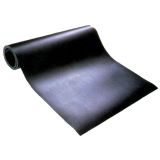
Commercial Neoprene Sheet Rubber is smooth black sheet stock sold by the roll for cutting into gaskets, liners, pads, and protective covers. It is a 60-durometer neoprene, a medium-firm grade that holds up to sunlight, salt spray, ozone, and weathering, and to refrigerants and ammonia. Rolls come 36 or 48 inches wide in 1/8- and 1/4-inch thicknesses, and every piece is cut to shape on site. It is raw material for the maintenance shop, not a finished mat.
What Neoprene Sheet Does Before the Seal Fails or the Floor Gets Chewed
Most rubber in a building is not lying on a floor. It is sitting between a hatch and its frame, under a compressor, behind a machine foot, or on the shelf where a wrench gets dropped a hundred times a day. When that rubber is missing or the wrong compound, the consequence shows up as a weather leak, a gouged bench top, a vibrating pump loosening its own bolts, or a scarred concrete pad.
A roll of sheet rubber is the fix that fits all of those, because it is cut to whatever the job needs. A 36-inch roll yields a cabinet gasket, a strip under a skid, a bench liner, and a splash guard from the same length. Neoprene is the compound chosen for the outdoor and refrigeration versions of those jobs, where ozone, sun, and weather would harden a general-purpose rubber in a season.
The stakes are in what the sheet is protecting. A gasket that cracks lets water into an enclosure; a liner that softens under a leaking fitting has to be scraped off the surface it was meant to save. Getting the compound right at the start is the difference between rubber that stays in service for years and rubber that becomes the maintenance ticket.
Why 60-Durometer Neoprene, and Why This One
Durometer is hardness. Sixty on the Shore A scale is medium-firm, about the feel of a tire tread: soft enough to compress against a rough flange and seal, firm enough to carry a load without squashing flat or tearing at a bolt hole. Softer grades seal better against uneven surfaces but wear faster; harder grades hold shape under weight but stop sealing. Sixty is the general-purpose middle.
The compound is what separates neoprene from plain black rubber. This sheet stands up to sunlight, salt spray, ozone, and weathering, which makes it the choice for gaskets and covers that live outdoors or on marine equipment. It also resists refrigerants and ammonia, which is why it shows up in HVAC and refrigeration work, and it has inherent flame-retarding characteristics.
The vendor's 60-durometer line is also rated for moderate petroleum oil exposure, which covers lubricant drips, a leaking hydraulic fitting, and the film under most shop equipment. It is not the compound for chlorinated solvents or ketones; where those are in play, the vendor calls for a different material, and so do we.
Two thicknesses cover different jobs. Eighth-inch sheet is for gaskets, cabinet seals, shelf and drawer liners, and light pads where the rubber needs to flex and follow a surface. Quarter-inch is for equipment pads, skid strips, bench and dock-edge protection, and covers that take impact. Both are smooth-finished on each face and cut cleanly with a knife.
Where It Belongs, and What It Is Not
Cut it for gaskets and weather seals on enclosures, hatches, and panel doors; liners and pads under compressors, pumps, and machine feet; shelf and bench protection in maintenance shops and tool cribs; protective covers over equipment that sits outside; and refrigeration and HVAC sealing where ammonia or refrigerant contact rules out common rubbers. It is stocked alongside the roll runners and cut mats in the heavy-duty rubber runner mats range as the piece you shape yourself.
On floors, use it where a smooth, waterproof rubber layer is the point: under a piece of equipment to keep oil and vibration off the slab, as a liner in a truck bed or a cabinet base, or as a trimmed-to-fit pad on a bench or dock edge. The 48-inch width covers a wide machine base in one piece.
What it is not is a walkway or traction mat. The surface is smooth, it carries no slip-resistance rating, and it has no cushion. A lane people walk down on a wet floor needs a ribbed or textured runner; a station someone stands at needs an anti-fatigue mat. This sheet protects surfaces and seals gaps; it does not keep boots upright.
Three Things to Check Before You Spec It
First, check what the rubber will touch. Sun, salt, ozone, weather, refrigerants, ammonia, and moderate petroleum oil are inside this compound's range. Chlorinated solvents and ketones are outside it, and heavy or continuous fuel and oil immersion calls for a nitrile sheet instead. If the answer is "mostly water and weather," neoprene is the right call; if the answer includes a solvent name, stop and confirm compatibility first.
Second, match thickness to the job, not to instinct. A gasket that is too thick will not compress evenly and leaks at the corners; a pad that is too thin lets the equipment foot cut through to the slab. Eighth-inch for anything that has to flex, seal, or line a surface; quarter-inch for anything that has to carry weight, take impact, or space a load off a floor.
Third, plan the cut and the width. Thirty-six inches covers gaskets, liners, and most pads with little waste. Forty-eight inches is for a machine base, a wide bench, or a dock edge you want covered in one piece. Lay the roll flat and let it relax at room temperature before marking; cut with a sharp utility knife against a straightedge, and cut gasket holes with a punch rather than a blade so the edge does not tear under the bolt.
Why Mats Inc.
We stock neoprene sheet because the same customers who buy runners for their aisles come back needing a gasket for the compressor enclosure, a pad under the new press, and a strip to keep the forklift from chewing the dock edge, and it is easier to cut those from one roll on the shelf than to order a fabricated part each time. Mats Inc. has been supplying rubber to working floors since 1964; this is the roll we send when the answer is "cut it to fit."
Type Neoprene rubber sheet, sold by the roll Material Neoprene (chloroprene) rubber Durometer 60 Shore A Finish Smooth, both faces Color Black Sizes 1/8" x 36" x 20'
1/4" x 36" x 20'
1/4" x 48" x 20'Weight Approx. 18 lb per 3-foot length at 1/4" x 36" Resists Sunlight, salt spray, ozone and weathering; refrigerants and ammonia; moderate petroleum oil exposure Not for Chlorinated solvents or ketones Flame behavior Inherent flame-retarding characteristics Typical uses Gasket cutting, lining, padding, protective covering; marine equipment, HVAC and refrigeration, weather sealing and enclosures Warranty 1-year limited (Mats Inc.) Frequently Asked Questions
What does 60 durometer mean, and is this sheet hard or soft?
Answered by Dustin Thompson, Owner & CEO
Durometer is a hardness scale, and 60 on the Shore A scale is medium-firm, close to a car tire tread. Press a thumbnail into it and it gives a little and springs back. That is the balance most sealing and padding jobs want: soft enough to compress against a flange or a rough concrete pad and close the gap, firm enough to carry a machine foot or a stack of parts without going flat or tearing at a bolt hole.
Softer sheet, in the 40s, seals better against very uneven surfaces but wears and creeps faster under load. Harder sheet, 70 and up, holds shape under heavy weight but stops conforming. Sixty is the grade to start with unless the job is clearly at one end of that range.
How long does neoprene sheet last, and what breaks it down?
Answered by Dustin Thompson, Owner & CEO
The vendor does not publish a service-life figure, and with sheet rubber the exposure decides it. Neoprene's reason for existing is that sun, ozone, salt, and weather do not harden it the way they harden general-purpose rubber, so a gasket or cover cut from this sheet and left outdoors stays flexible for years where a plain black rubber would crack in a season or two. Every roll carries a 1-year limited (Mats Inc.) warranty.
What shortens it is the wrong chemistry. Chlorinated solvents and ketones swell and soften neoprene, and continuous immersion in fuel or heavy oil goes beyond the moderate exposure it is rated for. Under those conditions, use a nitrile or other compound built for the media. Keep neoprene to weather, refrigerant, ammonia, and light oil duty and it outlasts the parts around it.
Where should I use it, and where should I not?
Answered by Dustin Thompson, Owner & CEO
Use it anywhere you need a cut-to-fit rubber layer that will see weather, refrigerant, ammonia, or light oil: enclosure and hatch gaskets, pads and liners under compressors and pumps, bench and shelf protection, dock-edge and skid strips, covers over outdoor equipment, and sealing in HVAC and refrigeration cabinets. On a floor, put it under equipment as a waterproof, oil-tolerant layer between the machine and the slab.
Do not use it as a walkway. The sheet is smooth on both faces, carries no slip-resistance rating, and has no cushion, so it is neither a traction runner nor an anti-fatigue mat. And do not use it where chlorinated solvents or ketones are present; that job needs a different compound.
Which thickness and width should I order?
Answered by Jinna Hopson, Vice President of Marketing
Pick thickness by the job. Eighth-inch is the gasket, seal, and liner gauge; it flexes, follows a surface, and compresses evenly under bolts. Quarter-inch is the pad and protection gauge; it spaces a machine foot off the floor, takes impact on a bench or dock edge, and holds a skid strip flat. If you are unsure, the job that has to seal wants thin and the job that has to carry weight wants thick.
Pick width by the biggest single piece you need to cut. Thirty-six inches handles gaskets, liners, and most pads from one roll with little waste. Forty-eight inches is for a wide machine base, a long bench top, or a dock edge you want covered without a seam. All three rolls are 20 feet long.
What does it look like, and does it come in other colors?
Answered by Jinna Hopson, Vice President of Marketing
Black, smooth on both faces, with a soft sheen rather than a gloss. Unrolled on a bench it lies flat and reads as a clean, uniform sheet with no pattern, no texture, and no backing layer, which is what you want when the visible result is a trimmed gasket edge or a neat pad under a machine. It cuts with a crisp edge and does not fray.
It comes in black only. Where a shop wants a contrasting color to spot a wear pad or tell one compound from another on the shelf, the red SBR sheet in the same range does that job; neoprene is the one to reach for when the exposure, not the color, is what matters.
Is this the right sheet for outdoor or marine equipment?
Answered by Jinna Hopson, Vice President of Marketing
Yes; that is where neoprene earns its keep. The compound stands up to sunlight, salt spray, ozone, and weathering, so a gasket on a dockside enclosure, a pad under a rooftop unit, or a cover over equipment stored outside stays pliable through seasons that would harden and crack ordinary rubber. The vendor lists marine equipment and weather sealing among its standard applications.
It is also the sheet for refrigeration and HVAC work because it tolerates refrigerants and ammonia. Pair the outdoor rating with the 1/8-inch gauge for seals and the 1/4-inch for pads, cut on site, and one roll covers most of what a marine or rooftop maintenance crew runs into.
By Dustin Thompson, Owner & CEO, Mats Inc.
↑
Commercial Neoprene Sheet Rubber is smooth black sheet stock sold by the roll for cutting into gaskets, liners, pads, and protective covers. It is a 60-durometer neoprene, a medium-firm grade that holds up to sunlight, salt spray, ozone, and weathering, and to refrigerants and ammonia. Rolls come 36 or 48 inches wide in 1/8- and 1/4-inch thicknesses, and every piece is cut to shape on site. It is raw material for the maintenance shop, not a finished mat.
What Neoprene Sheet Does Before the Seal Fails or the Floor Gets Chewed
Most rubber in a building is not lying on a floor. It is sitting between a hatch and its frame, under a compressor, behind a machine foot, or on the shelf where a wrench gets dropped a hundred times a day. When that rubber is missing or the wrong compound, the consequence shows up as a weather leak, a gouged bench top, a vibrating pump loosening its own bolts, or a scarred concrete pad.
A roll of sheet rubber is the fix that fits all of those, because it is cut to whatever the job needs. A 36-inch roll yields a cabinet gasket, a strip under a skid, a bench liner, and a splash guard from the same length. Neoprene is the compound chosen for the outdoor and refrigeration versions of those jobs, where ozone, sun, and weather would harden a general-purpose rubber in a season.
The stakes are in what the sheet is protecting. A gasket that cracks lets water into an enclosure; a liner that softens under a leaking fitting has to be scraped off the surface it was meant to save. Getting the compound right at the start is the difference between rubber that stays in service for years and rubber that becomes the maintenance ticket.
Why 60-Durometer Neoprene, and Why This One
Durometer is hardness. Sixty on the Shore A scale is medium-firm, about the feel of a tire tread: soft enough to compress against a rough flange and seal, firm enough to carry a load without squashing flat or tearing at a bolt hole. Softer grades seal better against uneven surfaces but wear faster; harder grades hold shape under weight but stop sealing. Sixty is the general-purpose middle.
The compound is what separates neoprene from plain black rubber. This sheet stands up to sunlight, salt spray, ozone, and weathering, which makes it the choice for gaskets and covers that live outdoors or on marine equipment. It also resists refrigerants and ammonia, which is why it shows up in HVAC and refrigeration work, and it has inherent flame-retarding characteristics.
The vendor's 60-durometer line is also rated for moderate petroleum oil exposure, which covers lubricant drips, a leaking hydraulic fitting, and the film under most shop equipment. It is not the compound for chlorinated solvents or ketones; where those are in play, the vendor calls for a different material, and so do we.
Two thicknesses cover different jobs. Eighth-inch sheet is for gaskets, cabinet seals, shelf and drawer liners, and light pads where the rubber needs to flex and follow a surface. Quarter-inch is for equipment pads, skid strips, bench and dock-edge protection, and covers that take impact. Both are smooth-finished on each face and cut cleanly with a knife.
Where It Belongs, and What It Is Not
Cut it for gaskets and weather seals on enclosures, hatches, and panel doors; liners and pads under compressors, pumps, and machine feet; shelf and bench protection in maintenance shops and tool cribs; protective covers over equipment that sits outside; and refrigeration and HVAC sealing where ammonia or refrigerant contact rules out common rubbers. It is stocked alongside the roll runners and cut mats in the heavy-duty rubber runner mats range as the piece you shape yourself.
On floors, use it where a smooth, waterproof rubber layer is the point: under a piece of equipment to keep oil and vibration off the slab, as a liner in a truck bed or a cabinet base, or as a trimmed-to-fit pad on a bench or dock edge. The 48-inch width covers a wide machine base in one piece.
What it is not is a walkway or traction mat. The surface is smooth, it carries no slip-resistance rating, and it has no cushion. A lane people walk down on a wet floor needs a ribbed or textured runner; a station someone stands at needs an anti-fatigue mat. This sheet protects surfaces and seals gaps; it does not keep boots upright.
Three Things to Check Before You Spec It
First, check what the rubber will touch. Sun, salt, ozone, weather, refrigerants, ammonia, and moderate petroleum oil are inside this compound's range. Chlorinated solvents and ketones are outside it, and heavy or continuous fuel and oil immersion calls for a nitrile sheet instead. If the answer is "mostly water and weather," neoprene is the right call; if the answer includes a solvent name, stop and confirm compatibility first.
Second, match thickness to the job, not to instinct. A gasket that is too thick will not compress evenly and leaks at the corners; a pad that is too thin lets the equipment foot cut through to the slab. Eighth-inch for anything that has to flex, seal, or line a surface; quarter-inch for anything that has to carry weight, take impact, or space a load off a floor.
Third, plan the cut and the width. Thirty-six inches covers gaskets, liners, and most pads with little waste. Forty-eight inches is for a machine base, a wide bench, or a dock edge you want covered in one piece. Lay the roll flat and let it relax at room temperature before marking; cut with a sharp utility knife against a straightedge, and cut gasket holes with a punch rather than a blade so the edge does not tear under the bolt.
Why Mats Inc.
We stock neoprene sheet because the same customers who buy runners for their aisles come back needing a gasket for the compressor enclosure, a pad under the new press, and a strip to keep the forklift from chewing the dock edge, and it is easier to cut those from one roll on the shelf than to order a fabricated part each time. Mats Inc. has been supplying rubber to working floors since 1964; this is the roll we send when the answer is "cut it to fit."
Type Neoprene rubber sheet, sold by the roll Material Neoprene (chloroprene) rubber Durometer 60 Shore A Finish Smooth, both faces Color Black Sizes 1/8" x 36" x 20'
1/4" x 36" x 20'
1/4" x 48" x 20'Weight Approx. 18 lb per 3-foot length at 1/4" x 36" Resists Sunlight, salt spray, ozone and weathering; refrigerants and ammonia; moderate petroleum oil exposure Not for Chlorinated solvents or ketones Flame behavior Inherent flame-retarding characteristics Typical uses Gasket cutting, lining, padding, protective covering; marine equipment, HVAC and refrigeration, weather sealing and enclosures Warranty 1-year limited (Mats Inc.) Frequently Asked Questions
What does 60 durometer mean, and is this sheet hard or soft?
Answered by Dustin Thompson, Owner & CEO
Durometer is a hardness scale, and 60 on the Shore A scale is medium-firm, close to a car tire tread. Press a thumbnail into it and it gives a little and springs back. That is the balance most sealing and padding jobs want: soft enough to compress against a flange or a rough concrete pad and close the gap, firm enough to carry a machine foot or a stack of parts without going flat or tearing at a bolt hole.
Softer sheet, in the 40s, seals better against very uneven surfaces but wears and creeps faster under load. Harder sheet, 70 and up, holds shape under heavy weight but stops conforming. Sixty is the grade to start with unless the job is clearly at one end of that range.
How long does neoprene sheet last, and what breaks it down?
Answered by Dustin Thompson, Owner & CEO
The vendor does not publish a service-life figure, and with sheet rubber the exposure decides it. Neoprene's reason for existing is that sun, ozone, salt, and weather do not harden it the way they harden general-purpose rubber, so a gasket or cover cut from this sheet and left outdoors stays flexible for years where a plain black rubber would crack in a season or two. Every roll carries a 1-year limited (Mats Inc.) warranty.
What shortens it is the wrong chemistry. Chlorinated solvents and ketones swell and soften neoprene, and continuous immersion in fuel or heavy oil goes beyond the moderate exposure it is rated for. Under those conditions, use a nitrile or other compound built for the media. Keep neoprene to weather, refrigerant, ammonia, and light oil duty and it outlasts the parts around it.
Where should I use it, and where should I not?
Answered by Dustin Thompson, Owner & CEO
Use it anywhere you need a cut-to-fit rubber layer that will see weather, refrigerant, ammonia, or light oil: enclosure and hatch gaskets, pads and liners under compressors and pumps, bench and shelf protection, dock-edge and skid strips, covers over outdoor equipment, and sealing in HVAC and refrigeration cabinets. On a floor, put it under equipment as a waterproof, oil-tolerant layer between the machine and the slab.
Do not use it as a walkway. The sheet is smooth on both faces, carries no slip-resistance rating, and has no cushion, so it is neither a traction runner nor an anti-fatigue mat. And do not use it where chlorinated solvents or ketones are present; that job needs a different compound.
Which thickness and width should I order?
Answered by Jinna Hopson, Vice President of Marketing
Pick thickness by the job. Eighth-inch is the gasket, seal, and liner gauge; it flexes, follows a surface, and compresses evenly under bolts. Quarter-inch is the pad and protection gauge; it spaces a machine foot off the floor, takes impact on a bench or dock edge, and holds a skid strip flat. If you are unsure, the job that has to seal wants thin and the job that has to carry weight wants thick.
Pick width by the biggest single piece you need to cut. Thirty-six inches handles gaskets, liners, and most pads from one roll with little waste. Forty-eight inches is for a wide machine base, a long bench top, or a dock edge you want covered without a seam. All three rolls are 20 feet long.
What does it look like, and does it come in other colors?
Answered by Jinna Hopson, Vice President of Marketing
Black, smooth on both faces, with a soft sheen rather than a gloss. Unrolled on a bench it lies flat and reads as a clean, uniform sheet with no pattern, no texture, and no backing layer, which is what you want when the visible result is a trimmed gasket edge or a neat pad under a machine. It cuts with a crisp edge and does not fray.
It comes in black only. Where a shop wants a contrasting color to spot a wear pad or tell one compound from another on the shelf, the red SBR sheet in the same range does that job; neoprene is the one to reach for when the exposure, not the color, is what matters.
Is this the right sheet for outdoor or marine equipment?
Answered by Jinna Hopson, Vice President of Marketing
Yes; that is where neoprene earns its keep. The compound stands up to sunlight, salt spray, ozone, and weathering, so a gasket on a dockside enclosure, a pad under a rooftop unit, or a cover over equipment stored outside stays pliable through seasons that would harden and crack ordinary rubber. The vendor lists marine equipment and weather sealing among its standard applications.
It is also the sheet for refrigeration and HVAC work because it tolerates refrigerants and ammonia. Pair the outdoor rating with the 1/8-inch gauge for seals and the 1/4-inch for pads, cut on site, and one roll covers most of what a marine or rooftop maintenance crew runs into.
By Dustin Thompson, Owner & CEO, Mats Inc.
↑
View Details
View Details
 KleenRite Rubber Matting
Starting at $890.00
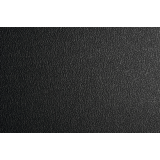
KleenRite Rubber Matting is a ripple-surface runner sold by the roll for shop, warehouse, garage, and service-bay floors where people turn, pivot, and cross in every direction. The surface is a shallow, non-directional ripple texture on a solid vinyl sheet with a smooth back. It resists oil, grease, and chemicals,...
KleenRite Rubber Matting is a ripple-surface runner sold by the roll for shop, warehouse, garage, and service-bay floors where people...
KleenRite Rubber Matting is a ripple-surface runner sold by the roll for shop, warehouse, garage, and service-bay floors where people turn, pivot, and cross in every direction. The surface is a shallow, non-directional ripple texture on a solid vinyl sheet with a smooth back. It resists oil, grease, and chemicals, sweeps or hoses clean, and comes in 24-, 36-, and 48-inch widths on 75-foot rolls, with custom lengths available.
What a Ripple Runner Does Before Someone Turns and Slips
Ribbed runners grip well in one direction: along the rib. Step onto them sideways, or turn on them with a load in your arms, and the shoe follows the groove. That is fine in a straight corridor and less fine at a workbench, a parts counter, or a bay where a technician walks around a vehicle all day. A non-directional surface grips the same way no matter which way the foot lands.
That is the ripple pattern's job. Instead of parallel lines, the surface is a field of shallow, rounded ripples with no lengthwise channel to skate along, so the sole meets texture in every direction. It also means there is no trough to trap grit and coolant; what lands on the mat stays on top where a broom or a hose takes it off.
Underneath, the runner is doing the same work any floor runner does: taking the dropped tools, the dragged parts, and the caster traffic that would otherwise pit bare concrete and wear through a floor coating. A roll runner that covers the whole working area in one piece does that without a seam every few feet.
Why a Smooth-Backed Vinyl Ripple Runner, and Why This One
The sheet is solid vinyl, a single material with no laminated layers or foam core. Vinyl is chosen for this runner because it is oil, grease, and chemical resistant, which is what a shop floor throws at it, and because it is abrasion-resistant enough to take constant foot and wheel traffic on the ripple tops without wearing smooth. It also meets FMVSS 302 flammability requirements.
The back is smooth rather than textured. That is a deliberate choice for a runner that gets cut, moved, and reused: a smooth back lies flat against a concrete or sealed floor, does not hold grit against the slab, and lifts cleanly when the floor under it needs washing. On a clean, dry floor, the runner's own weight and the flat contact hold a straight run in place.
The surface is what buyers actually see, and the vendor built it to be easy to keep looking right. The ripple texture is low and rounded, so it does not collect debris the way deep ribs do, and it cleans with a broom, a mop, or a hose. The maker describes the finish as attractive as well as easy to clean, and on a shop floor that means a runner that still looks intentional a year in.
It is also built to be customized. Standard rolls come in three widths, and the vendor offers custom colors, gauges, widths, and lengths, which is why this runner shows up as an OEM component as well as a floor covering. For the floor buyer, the practical version of that is custom lengths, so a long bay or aisle is covered in one continuous piece.
Where It Belongs, and What It Is Not
Put it where people work rather than just walk: around a lift in a service bay, along a workbench line, behind a parts or tool counter, down a warehouse pick aisle where pickers stop and turn, across a garage floor, in a stockroom. Anywhere the foot lands at odd angles is where a non-directional ripple earns its place over a ribbed runner. It sits with the other roll and cut options in the heavy-duty rubber runner mats range as the one to reach for when the traffic is multi-directional.
Because the vendor rates it for OEM use, the same roll is cut and fitted as a liner or protective surface inside cabinets, vehicles, and equipment. A shop that buys a roll for the floor often ends up trimming the offcuts for drawer liners and shelf protection.
What it is not is a comfort mat or a drainage mat. There is no cushion in a solid vinyl sheet, so a person standing in one place for a shift will feel the floor and needs an anti-fatigue mat at that station. And the surface is solid; standing water sits on top rather than draining through, so a pit or wash-down zone that stays wet wants an open-pattern drainage mat instead.
Three Things to Check Before You Spec It
First, confirm the traffic is multi-directional. If people walk a straight lane and nothing else, a ribbed runner does the job and channels water along its grooves. If they turn, pivot, back up, or work around equipment, the ripple's every-direction grip is the reason to choose this one. Watch the floor for ten minutes; the answer is usually obvious.
Second, pick the width to the work zone, not the room. Twenty-four inches covers a single-file path or the strip in front of a bench. Thirty-six inches is the standard for a work aisle or the walk-around zone on one side of a vehicle. Forty-eight inches covers a full bay width, a two-sided counter, or a floor you want protected edge to edge. Rolls are 75 feet, and custom lengths are available when a run is longer.
Third, decide how it will be cleaned and fixed down. The smooth back lets you lift and hose the runner, so plan for loose-lay if the floor under it needs regular washing. Where casters cross an edge or the runner turns a corner, tape or glue the edges so they cannot lift. Cut with a sharp utility knife along a straightedge after letting the roll relax flat at room temperature.
Why Mats Inc.
We carry this runner for the customer whose floor problem is not a straight hallway but a working bay, where a ribbed runner keeps sending shoes sideways and a cut mat keeps getting kicked out of position. A non-directional ripple surface on a roll long enough to cover the whole zone, in a compound that shrugs off oil and grease, fixes that in one piece. Mats Inc. has been matching runner surfaces to how people actually move since 1964, and this is the one for floors where they move in every direction.
Type Ripple-surface runner matting, sold by the roll Material Solid vinyl Top surface Non-directional ripple texture Back Smooth Resistance Oil, grease, and chemical resistant; abrasion-resistant Flammability Meets FMVSS 302 Color Black (custom colors available on request) Stock sizes 24" x 75'
36" x 75'
48" x 75'Custom Custom lengths available; custom widths and gauges on request Use Floor protection, slip resistance and traction; floor and OEM applications Cleaning Broom, mop, or hose Warranty 1-year limited (Mats Inc.) Frequently Asked Questions
What is KleenRite made of, and how is the surface built?
Answered by Dustin Thompson, Owner & CEO
It is a solid vinyl sheet, one material through its thickness, with a non-directional ripple texture molded into the top and a smooth back. There is no foam core, fabric layer, or bonded backing to separate. Vinyl gives it oil, grease, and chemical resistance and abrasion resistance on the ripple tops, and the compound meets FMVSS 302 flammability requirements.
The ripple is shallow and rounded rather than a deep rib. That is what makes the grip the same in every direction and what keeps grit from packing into a groove; debris stays on top where it sweeps off.
How long does a ripple runner last, and what wears it out?
Answered by Dustin Thompson, Owner & CEO
The vendor does not publish a service-life figure, and traffic decides it. An abrasion-resistant vinyl runner under normal foot and caster use wears the ripple tops slowly and evenly, and the runner stays useful until the texture is worn smooth enough to stop gripping. It carries a 1-year limited (Mats Inc.) warranty, and a once-a-year look at the texture in the busiest spot and at the edges tells you where it stands.
What ends it early is edges and chemistry. A loose edge under caster traffic gets kicked, folded, and torn, so fix the edges where wheels cross. And while vinyl handles shop oil, grease, and common cleaners, strong solvents will soften it; wipe those up rather than letting them sit.
Do I glue it down, and can I cut it on site?
Answered by Dustin Thompson, Owner & CEO
Loose-lay works for a straight run on a clean, dry floor. The smooth back sits flat, the roll's weight holds it, and you can lift it to wash the floor underneath, which is one of the reasons to choose a smooth-backed runner. Where the runner crosses a doorway, turns a corner, or takes constant cart traffic at an edge, tape or glue the edges and end cuts so they cannot lift.
Cutting is a sharp utility knife against a straightedge. Unroll it and let it relax flat at room temperature first so it does not hold a curve, then cut to the run. Where two lengths meet, butt the ends square instead of overlapping; an overlap is a lip for a caster to catch.
Which width should I choose, and can I get a custom length?
Answered by Jinna Hopson, Vice President of Marketing
Match the width to the zone where people work. Twenty-four inches covers a single-file path or the strip in front of a bench. Thirty-six inches suits a work aisle or the walk-around side of a vehicle bay. Forty-eight inches covers a full bay, a two-sided counter, or a floor you want protected edge to edge.
Standard rolls are 75 feet. If the bay or aisle is longer, custom lengths are available so the whole run is one piece with no seam. The vendor also produces custom widths and gauges on request, which matters for OEM or fitted installations more than for floor use. Measure the zone end to end before ordering.
What does it look like on the floor?
Answered by Jinna Hopson, Vice President of Marketing
A black, low-profile runner with a soft, wave-like ripple across the whole surface instead of straight lines. Because the texture has no direction, it reads as a uniform field rather than a striped strip, and it looks the same from every angle of the bay. Scuffs and dust settle into the ripple and disappear until cleaning day rather than showing as streaks.
It suits shop, warehouse, garage, and service-bay floors where a tidy black runner signals a cared-for space. For a front-of-house floor that customers judge by eye, a carpeted runner is the better-looking answer; this one is the working surface behind the counter. Custom colors are available on request for a branded or color-coded floor.
Is it right for a service bay or garage floor?
Answered by Jinna Hopson, Vice President of Marketing
Yes, and that is one of its best fits. A technician working around a vehicle steps in every direction, often with a tool or a part in hand, on a floor with oil and coolant on it. The non-directional ripple grips regardless of the angle, the vinyl shrugs off the oil and grease, and a 48-inch roll covers the walk-around zone on one side of a lift in a single piece.
Keep the fit honest: it protects the floor and steadies footing, but it is not a cushion, so a station where someone stands still under a lift for long stretches still wants an anti-fatigue mat there. Pair the two and the bay is covered.
By Jinna Hopson, Vice President of Marketing, Mats Inc.
↑
KleenRite Rubber Matting is a ripple-surface runner sold by the roll for shop, warehouse, garage, and service-bay floors where people turn, pivot, and cross in every direction. The surface is a shallow, non-directional ripple texture on a solid vinyl sheet with a smooth back. It resists oil, grease, and chemicals, sweeps or hoses clean, and comes in 24-, 36-, and 48-inch widths on 75-foot rolls, with custom lengths available.
What a Ripple Runner Does Before Someone Turns and Slips
Ribbed runners grip well in one direction: along the rib. Step onto them sideways, or turn on them with a load in your arms, and the shoe follows the groove. That is fine in a straight corridor and less fine at a workbench, a parts counter, or a bay where a technician walks around a vehicle all day. A non-directional surface grips the same way no matter which way the foot lands.
That is the ripple pattern's job. Instead of parallel lines, the surface is a field of shallow, rounded ripples with no lengthwise channel to skate along, so the sole meets texture in every direction. It also means there is no trough to trap grit and coolant; what lands on the mat stays on top where a broom or a hose takes it off.
Underneath, the runner is doing the same work any floor runner does: taking the dropped tools, the dragged parts, and the caster traffic that would otherwise pit bare concrete and wear through a floor coating. A roll runner that covers the whole working area in one piece does that without a seam every few feet.
Why a Smooth-Backed Vinyl Ripple Runner, and Why This One
The sheet is solid vinyl, a single material with no laminated layers or foam core. Vinyl is chosen for this runner because it is oil, grease, and chemical resistant, which is what a shop floor throws at it, and because it is abrasion-resistant enough to take constant foot and wheel traffic on the ripple tops without wearing smooth. It also meets FMVSS 302 flammability requirements.
The back is smooth rather than textured. That is a deliberate choice for a runner that gets cut, moved, and reused: a smooth back lies flat against a concrete or sealed floor, does not hold grit against the slab, and lifts cleanly when the floor under it needs washing. On a clean, dry floor, the runner's own weight and the flat contact hold a straight run in place.
The surface is what buyers actually see, and the vendor built it to be easy to keep looking right. The ripple texture is low and rounded, so it does not collect debris the way deep ribs do, and it cleans with a broom, a mop, or a hose. The maker describes the finish as attractive as well as easy to clean, and on a shop floor that means a runner that still looks intentional a year in.
It is also built to be customized. Standard rolls come in three widths, and the vendor offers custom colors, gauges, widths, and lengths, which is why this runner shows up as an OEM component as well as a floor covering. For the floor buyer, the practical version of that is custom lengths, so a long bay or aisle is covered in one continuous piece.
Where It Belongs, and What It Is Not
Put it where people work rather than just walk: around a lift in a service bay, along a workbench line, behind a parts or tool counter, down a warehouse pick aisle where pickers stop and turn, across a garage floor, in a stockroom. Anywhere the foot lands at odd angles is where a non-directional ripple earns its place over a ribbed runner. It sits with the other roll and cut options in the heavy-duty rubber runner mats range as the one to reach for when the traffic is multi-directional.
Because the vendor rates it for OEM use, the same roll is cut and fitted as a liner or protective surface inside cabinets, vehicles, and equipment. A shop that buys a roll for the floor often ends up trimming the offcuts for drawer liners and shelf protection.
What it is not is a comfort mat or a drainage mat. There is no cushion in a solid vinyl sheet, so a person standing in one place for a shift will feel the floor and needs an anti-fatigue mat at that station. And the surface is solid; standing water sits on top rather than draining through, so a pit or wash-down zone that stays wet wants an open-pattern drainage mat instead.
Three Things to Check Before You Spec It
First, confirm the traffic is multi-directional. If people walk a straight lane and nothing else, a ribbed runner does the job and channels water along its grooves. If they turn, pivot, back up, or work around equipment, the ripple's every-direction grip is the reason to choose this one. Watch the floor for ten minutes; the answer is usually obvious.
Second, pick the width to the work zone, not the room. Twenty-four inches covers a single-file path or the strip in front of a bench. Thirty-six inches is the standard for a work aisle or the walk-around zone on one side of a vehicle. Forty-eight inches covers a full bay width, a two-sided counter, or a floor you want protected edge to edge. Rolls are 75 feet, and custom lengths are available when a run is longer.
Third, decide how it will be cleaned and fixed down. The smooth back lets you lift and hose the runner, so plan for loose-lay if the floor under it needs regular washing. Where casters cross an edge or the runner turns a corner, tape or glue the edges so they cannot lift. Cut with a sharp utility knife along a straightedge after letting the roll relax flat at room temperature.
Why Mats Inc.
We carry this runner for the customer whose floor problem is not a straight hallway but a working bay, where a ribbed runner keeps sending shoes sideways and a cut mat keeps getting kicked out of position. A non-directional ripple surface on a roll long enough to cover the whole zone, in a compound that shrugs off oil and grease, fixes that in one piece. Mats Inc. has been matching runner surfaces to how people actually move since 1964, and this is the one for floors where they move in every direction.
Type Ripple-surface runner matting, sold by the roll Material Solid vinyl Top surface Non-directional ripple texture Back Smooth Resistance Oil, grease, and chemical resistant; abrasion-resistant Flammability Meets FMVSS 302 Color Black (custom colors available on request) Stock sizes 24" x 75'
36" x 75'
48" x 75'Custom Custom lengths available; custom widths and gauges on request Use Floor protection, slip resistance and traction; floor and OEM applications Cleaning Broom, mop, or hose Warranty 1-year limited (Mats Inc.) Frequently Asked Questions
What is KleenRite made of, and how is the surface built?
Answered by Dustin Thompson, Owner & CEO
It is a solid vinyl sheet, one material through its thickness, with a non-directional ripple texture molded into the top and a smooth back. There is no foam core, fabric layer, or bonded backing to separate. Vinyl gives it oil, grease, and chemical resistance and abrasion resistance on the ripple tops, and the compound meets FMVSS 302 flammability requirements.
The ripple is shallow and rounded rather than a deep rib. That is what makes the grip the same in every direction and what keeps grit from packing into a groove; debris stays on top where it sweeps off.
How long does a ripple runner last, and what wears it out?
Answered by Dustin Thompson, Owner & CEO
The vendor does not publish a service-life figure, and traffic decides it. An abrasion-resistant vinyl runner under normal foot and caster use wears the ripple tops slowly and evenly, and the runner stays useful until the texture is worn smooth enough to stop gripping. It carries a 1-year limited (Mats Inc.) warranty, and a once-a-year look at the texture in the busiest spot and at the edges tells you where it stands.
What ends it early is edges and chemistry. A loose edge under caster traffic gets kicked, folded, and torn, so fix the edges where wheels cross. And while vinyl handles shop oil, grease, and common cleaners, strong solvents will soften it; wipe those up rather than letting them sit.
Do I glue it down, and can I cut it on site?
Answered by Dustin Thompson, Owner & CEO
Loose-lay works for a straight run on a clean, dry floor. The smooth back sits flat, the roll's weight holds it, and you can lift it to wash the floor underneath, which is one of the reasons to choose a smooth-backed runner. Where the runner crosses a doorway, turns a corner, or takes constant cart traffic at an edge, tape or glue the edges and end cuts so they cannot lift.
Cutting is a sharp utility knife against a straightedge. Unroll it and let it relax flat at room temperature first so it does not hold a curve, then cut to the run. Where two lengths meet, butt the ends square instead of overlapping; an overlap is a lip for a caster to catch.
Which width should I choose, and can I get a custom length?
Answered by Jinna Hopson, Vice President of Marketing
Match the width to the zone where people work. Twenty-four inches covers a single-file path or the strip in front of a bench. Thirty-six inches suits a work aisle or the walk-around side of a vehicle bay. Forty-eight inches covers a full bay, a two-sided counter, or a floor you want protected edge to edge.
Standard rolls are 75 feet. If the bay or aisle is longer, custom lengths are available so the whole run is one piece with no seam. The vendor also produces custom widths and gauges on request, which matters for OEM or fitted installations more than for floor use. Measure the zone end to end before ordering.
What does it look like on the floor?
Answered by Jinna Hopson, Vice President of Marketing
A black, low-profile runner with a soft, wave-like ripple across the whole surface instead of straight lines. Because the texture has no direction, it reads as a uniform field rather than a striped strip, and it looks the same from every angle of the bay. Scuffs and dust settle into the ripple and disappear until cleaning day rather than showing as streaks.
It suits shop, warehouse, garage, and service-bay floors where a tidy black runner signals a cared-for space. For a front-of-house floor that customers judge by eye, a carpeted runner is the better-looking answer; this one is the working surface behind the counter. Custom colors are available on request for a branded or color-coded floor.
Is it right for a service bay or garage floor?
Answered by Jinna Hopson, Vice President of Marketing
Yes, and that is one of its best fits. A technician working around a vehicle steps in every direction, often with a tool or a part in hand, on a floor with oil and coolant on it. The non-directional ripple grips regardless of the angle, the vinyl shrugs off the oil and grease, and a 48-inch roll covers the walk-around zone on one side of a lift in a single piece.
Keep the fit honest: it protects the floor and steadies footing, but it is not a cushion, so a station where someone stands still under a lift for long stretches still wants an anti-fatigue mat there. Pair the two and the bay is covered.
By Jinna Hopson, Vice President of Marketing, Mats Inc.
↑
View Details
View Details
 Multi-Mat II Rubber Matting$85.00Multi-Mat II Rubber Matting is a reversible drainage mat for wet and greasy floors. The open-pattern rubber lets water, rinse, and light grease fall through to the floor instead of pooling under a boot, the non-skid surface holds footing on both faces, and a low profile lets carts roll on
...
Multi-Mat II Rubber Matting is a reversible drainage mat for wet and greasy floors. The open-pattern rubber lets water, rinse,...
Multi-Mat II Rubber Matting is a reversible drainage mat for wet and greasy floors. The open-pattern rubber lets water, rinse, and light grease fall through to the floor instead of pooling under a boot, the non-skid surface holds footing on both faces, and a low profile lets carts roll on and off without a bump. When one side wears, flip it. Cut sizes run from 2 by 3 feet to 4 by 8 feet in black general-purpose rubber.
What a Drainage Mat Does Before Standing Water Puts Someone Down
A solid mat on a wet floor moves the problem, it does not solve it. Water runs off the edges or sits on top, and a boot on a wet solid surface is a boot on a slide. Dish pits, wash-down bays, bar wells, locker-room walkways, and food-prep lines all put liquid on the floor faster than anyone mops it, and the person standing there is the one who pays for it.
A drainage mat changes the physics. The surface is an open grid of rubber with holes through it, so liquid drops through to the floor and away from the sole. The rubber that is left is what the foot lands on, and its non-skid texture does the gripping. The worker stands on a surface that stays clear even while the floor under it is soaked.
The stakes are simple. A wet-area slip is the injury that shows up most in kitchens and wash bays, and the fix is not a sign or a mop schedule; it is putting a surface between the worker and the water. This mat is built for that specific job, and the way it is built decides how long it keeps doing it.
Why a Reversible Open-Grid Rubber Mat, and Why This One
The mat is solid rubber with no top layer, backing, or foam core, molded as an open drainage pattern that is identical on both faces. That is what makes it reversible: when the top face wears or gets stained, turn the mat over and the second face is new. The vendor's own phrase for it is a design that adds to the service life of the mat, and in practice it doubles the surface you paid for.
The compound is general-purpose rubber in black, manufactured with an anti-microbial additive that inhibits the growth of bacteria and fungi in the rubber. On a mat that spends its life wet, that is the difference between one that is hosed and returned to service and one that smells by the second month. The vendor also produces a heavy-duty nitrile version in red for heavier grease and oil exposure; the black mat here is rated for some exposure to grease, oil, and water.
The profile is low. A drainage mat that sits tall becomes a lip that carts and hand trucks catch on and a step that tired feet trip over. This one is designed for easy cart access, so a bus cart, a dish rack dolly, or a keg on a hand truck rolls across it. That is why the vendor lists it for longer runs as well as single stations.
Underfoot there is a little give in the rubber, enough to be kinder than bare tile, but this is not a cushion mat. Its comfort comes from getting the water away from the feet and giving them something to grip, not from foam.
Where It Belongs, and What It Is Not
Put it where liquid hits the floor and someone has to stand or walk on it anyway: dish machines and pot sinks, bar wells and beer coolers, wash-down bays, food-prep and packing lines, shower and locker-room walkways, and the strip along a wet counter. The vendor specifies it for workstation environments and longer runs where drainage, a non-slip surface, and cart clearance are the requirements. It sits among the heavy-duty rubber runner mats as the one that lets the water through.
The black general-purpose compound is right for water and light grease. Where the floor sees heavy fryer oil, fat, or constant petroleum exposure, the vendor's nitrile version is the one to ask about instead. Match the compound to the liquid.
What it is not is an anti-fatigue mat or a dry-area runner. It does not have foam under it, so someone standing eight hours at a dry register wants a cushioned mat. And on a dry floor the open grid has nothing to drain and simply collects crumbs and grit; a solid runner is the better surface there.
Three Things to Check Before You Spec It
First, confirm the floor is actually wet, and with what. If water pools or runs across the floor during a shift, a drainage mat earns its place. If the liquid is mostly water and rinse with light grease, the black general-purpose compound covers it. If it is heavy oil or fat every shift, ask about the nitrile version rather than putting general-purpose rubber in a fryer zone.
Second, size it to the wet zone and to the carts that cross it. A 2-by-3 covers a single sink or bar-well position. A 3-by-4 or 3-by-5 covers a dish station where the worker moves a step either way. A 4-by-6 or 4-by-8 covers a wash-down area or a short run along a wet line. Keep the mat clear of the drain grate itself and leave room at the edges for the cart wheels to roll on square.
Third, plan the flip and the rinse. The mat is reversible, so mark a date and turn it over on schedule rather than waiting for one face to look tired. At close, pick it up, hose both faces, and let it drain before it goes back down; the anti-microbial compound does its best work on a mat that dries. A mat left down on a wet floor around the clock never gets that chance.
Why Mats Inc.
We stock this mat for the floors that are wet by design: the dish pit, the bar back, the wash bay. A solid runner in those spots just moves the puddle, and a cushion mat soaks it up. An open rubber grid that drains, grips on both faces, flips over when one side wears, and lets a cart roll across it is the right tool for that floor, and Mats Inc. has been putting the right tool on the right floor since 1964.
Type Reversible drainage anti-slip mat Material General-purpose rubber, black (heavy-duty nitrile version in red available on request) Surface Non-skid, open drainage pattern; identical on both faces Reversible Yes; flip to extend service life Profile Low profile for easy cart access Anti-microbial Rubber compound inhibits growth of bacteria and fungi Exposure rating Wet or dry; some exposure to grease, oil, and water Sizes Cut sizes from 2' x 3' to 4' x 8'; longer roll lengths available on request Cleaning Lift, hose both faces, allow to drain before replacing Warranty 1-year limited (Mats Inc.) Frequently Asked Questions
How is Multi-Mat II built, and what is it made of?
Answered by Dustin Thompson, Owner & CEO
It is a single piece of molded rubber with an open drainage pattern that runs all the way through, so both faces are the same non-skid surface. There is no foam core, fabric, or bonded backing. The black version is a general-purpose rubber compound, manufactured with an anti-microbial additive that inhibits bacteria and fungi in the rubber itself rather than as a coating that washes off.
Because the two faces are identical, the mat is reversible: flip it when the top face wears or stains and you are standing on a fresh surface. The vendor also makes the same mat in a heavy-duty nitrile compound, colored red, for heavier grease and oil.
How long does it last, and what shortens its life?
Answered by Dustin Thompson, Owner & CEO
The vendor does not publish a service-life figure. What it does state is that the reversible construction adds to the service life, and that is the practical number: two working faces instead of one, so a mat that would be worn out on one side keeps going on the other. It carries a 1-year limited (Mats Inc.) warranty, and flipping it on a schedule rather than when it looks tired is what gets the most out of it.
What shortens it is the wrong liquid and no dry time. General-purpose rubber rated for some grease exposure will soften and get slick under heavy fryer oil every shift; that floor wants the nitrile version. And a drainage mat left down wet around the clock never dries, which defeats the anti-microbial compound. Lift it, hose it, let it drain.
Where should I use it, and where should I not?
Answered by Dustin Thompson, Owner & CEO
Use it where the floor is wet while someone works on it: dish machines and pot sinks, bar wells, wash-down bays, food-prep and packing lines, shower and locker-room walkways, and along wet counters. The vendor specifies it for workstations and longer runs that need drainage, a non-slip surface, and low-profile cart access, and the black compound is right for water and light grease.
Do not use it as a cushion for a dry standing station; it has no foam and an anti-fatigue mat does that job. Do not put it on a dry floor as a runner, where the open grid only collects grit. And do not put the black general-purpose compound under constant heavy oil; ask about the nitrile version for that.
Which size should I pick?
Answered by Jinna Hopson, Vice President of Marketing
Size it to the wet zone, not the room. A 2-by-3 covers one sink or one bar-well position. A 3-by-4 or 3-by-5 covers a dish station where the worker takes a step either way. A 4-by-6 or 4-by-8 covers a wash-down area, a two-person station, or a short run along a wet line. Longer runs are available as roll lengths on request.
Two placement habits help. Keep the mat clear of the floor drain grate so the water it sheds has somewhere to go, and leave a few inches at the cart side so wheels roll on square rather than catching a corner. Measure the puddle, not the floor plan.
What does it look like in a kitchen or bar?
Answered by Jinna Hopson, Vice President of Marketing
A black open-grid rubber mat: a lattice of textured rubber with regular drainage openings, low to the floor, and the same pattern on both faces. It reads as working equipment rather than decor, which is exactly right for a dish pit, a bar back, or a wash bay where staff see it and customers do not. Black hides the stains that a wet, greasy floor puts on any mat between rinses.
Because the vendor's nitrile version comes in red, some operations use the two colors as a code: red where the fryer oil is, black everywhere else wet. For a front-of-house floor where the mat is on display, this is not the product; it lives behind the line.
Is this a good fit for a dish pit or wash bay where carts come through?
Answered by Jinna Hopson, Vice President of Marketing
Yes; that combination of standing water and rolling carts is the case it was designed around. The drainage pattern takes the rinse water and light grease off the surface, the non-skid faces keep the dish crew upright, and the low profile means a bus cart, dish dolly, or hand truck rolls across it instead of stopping at a lip. The vendor specifies it for exactly that: drainage, anti-slip surface, low profile for cart traffic.
Plan the routine and it stays that way: lift at close, hose both faces, let it drain, and flip it on a schedule so the two faces wear evenly. At a dish machine that runs all day, that habit is what keeps the mat from becoming the thing that smells.
By Dustin Thompson, Owner & CEO, Mats Inc.
↑
Multi-Mat II Rubber Matting is a reversible drainage mat for wet and greasy floors. The open-pattern rubber lets water, rinse, and light grease fall through to the floor instead of pooling under a boot, the non-skid surface holds footing on both faces, and a low profile lets carts roll on and off without a bump. When one side wears, flip it. Cut sizes run from 2 by 3 feet to 4 by 8 feet in black general-purpose rubber.
What a Drainage Mat Does Before Standing Water Puts Someone Down
A solid mat on a wet floor moves the problem, it does not solve it. Water runs off the edges or sits on top, and a boot on a wet solid surface is a boot on a slide. Dish pits, wash-down bays, bar wells, locker-room walkways, and food-prep lines all put liquid on the floor faster than anyone mops it, and the person standing there is the one who pays for it.
A drainage mat changes the physics. The surface is an open grid of rubber with holes through it, so liquid drops through to the floor and away from the sole. The rubber that is left is what the foot lands on, and its non-skid texture does the gripping. The worker stands on a surface that stays clear even while the floor under it is soaked.
The stakes are simple. A wet-area slip is the injury that shows up most in kitchens and wash bays, and the fix is not a sign or a mop schedule; it is putting a surface between the worker and the water. This mat is built for that specific job, and the way it is built decides how long it keeps doing it.
Why a Reversible Open-Grid Rubber Mat, and Why This One
The mat is solid rubber with no top layer, backing, or foam core, molded as an open drainage pattern that is identical on both faces. That is what makes it reversible: when the top face wears or gets stained, turn the mat over and the second face is new. The vendor's own phrase for it is a design that adds to the service life of the mat, and in practice it doubles the surface you paid for.
The compound is general-purpose rubber in black, manufactured with an anti-microbial additive that inhibits the growth of bacteria and fungi in the rubber. On a mat that spends its life wet, that is the difference between one that is hosed and returned to service and one that smells by the second month. The vendor also produces a heavy-duty nitrile version in red for heavier grease and oil exposure; the black mat here is rated for some exposure to grease, oil, and water.
The profile is low. A drainage mat that sits tall becomes a lip that carts and hand trucks catch on and a step that tired feet trip over. This one is designed for easy cart access, so a bus cart, a dish rack dolly, or a keg on a hand truck rolls across it. That is why the vendor lists it for longer runs as well as single stations.
Underfoot there is a little give in the rubber, enough to be kinder than bare tile, but this is not a cushion mat. Its comfort comes from getting the water away from the feet and giving them something to grip, not from foam.
Where It Belongs, and What It Is Not
Put it where liquid hits the floor and someone has to stand or walk on it anyway: dish machines and pot sinks, bar wells and beer coolers, wash-down bays, food-prep and packing lines, shower and locker-room walkways, and the strip along a wet counter. The vendor specifies it for workstation environments and longer runs where drainage, a non-slip surface, and cart clearance are the requirements. It sits among the heavy-duty rubber runner mats as the one that lets the water through.
The black general-purpose compound is right for water and light grease. Where the floor sees heavy fryer oil, fat, or constant petroleum exposure, the vendor's nitrile version is the one to ask about instead. Match the compound to the liquid.
What it is not is an anti-fatigue mat or a dry-area runner. It does not have foam under it, so someone standing eight hours at a dry register wants a cushioned mat. And on a dry floor the open grid has nothing to drain and simply collects crumbs and grit; a solid runner is the better surface there.
Three Things to Check Before You Spec It
First, confirm the floor is actually wet, and with what. If water pools or runs across the floor during a shift, a drainage mat earns its place. If the liquid is mostly water and rinse with light grease, the black general-purpose compound covers it. If it is heavy oil or fat every shift, ask about the nitrile version rather than putting general-purpose rubber in a fryer zone.
Second, size it to the wet zone and to the carts that cross it. A 2-by-3 covers a single sink or bar-well position. A 3-by-4 or 3-by-5 covers a dish station where the worker moves a step either way. A 4-by-6 or 4-by-8 covers a wash-down area or a short run along a wet line. Keep the mat clear of the drain grate itself and leave room at the edges for the cart wheels to roll on square.
Third, plan the flip and the rinse. The mat is reversible, so mark a date and turn it over on schedule rather than waiting for one face to look tired. At close, pick it up, hose both faces, and let it drain before it goes back down; the anti-microbial compound does its best work on a mat that dries. A mat left down on a wet floor around the clock never gets that chance.
Why Mats Inc.
We stock this mat for the floors that are wet by design: the dish pit, the bar back, the wash bay. A solid runner in those spots just moves the puddle, and a cushion mat soaks it up. An open rubber grid that drains, grips on both faces, flips over when one side wears, and lets a cart roll across it is the right tool for that floor, and Mats Inc. has been putting the right tool on the right floor since 1964.
Type Reversible drainage anti-slip mat Material General-purpose rubber, black (heavy-duty nitrile version in red available on request) Surface Non-skid, open drainage pattern; identical on both faces Reversible Yes; flip to extend service life Profile Low profile for easy cart access Anti-microbial Rubber compound inhibits growth of bacteria and fungi Exposure rating Wet or dry; some exposure to grease, oil, and water Sizes Cut sizes from 2' x 3' to 4' x 8'; longer roll lengths available on request Cleaning Lift, hose both faces, allow to drain before replacing Warranty 1-year limited (Mats Inc.) Frequently Asked Questions
How is Multi-Mat II built, and what is it made of?
Answered by Dustin Thompson, Owner & CEO
It is a single piece of molded rubber with an open drainage pattern that runs all the way through, so both faces are the same non-skid surface. There is no foam core, fabric, or bonded backing. The black version is a general-purpose rubber compound, manufactured with an anti-microbial additive that inhibits bacteria and fungi in the rubber itself rather than as a coating that washes off.
Because the two faces are identical, the mat is reversible: flip it when the top face wears or stains and you are standing on a fresh surface. The vendor also makes the same mat in a heavy-duty nitrile compound, colored red, for heavier grease and oil.
How long does it last, and what shortens its life?
Answered by Dustin Thompson, Owner & CEO
The vendor does not publish a service-life figure. What it does state is that the reversible construction adds to the service life, and that is the practical number: two working faces instead of one, so a mat that would be worn out on one side keeps going on the other. It carries a 1-year limited (Mats Inc.) warranty, and flipping it on a schedule rather than when it looks tired is what gets the most out of it.
What shortens it is the wrong liquid and no dry time. General-purpose rubber rated for some grease exposure will soften and get slick under heavy fryer oil every shift; that floor wants the nitrile version. And a drainage mat left down wet around the clock never dries, which defeats the anti-microbial compound. Lift it, hose it, let it drain.
Where should I use it, and where should I not?
Answered by Dustin Thompson, Owner & CEO
Use it where the floor is wet while someone works on it: dish machines and pot sinks, bar wells, wash-down bays, food-prep and packing lines, shower and locker-room walkways, and along wet counters. The vendor specifies it for workstations and longer runs that need drainage, a non-slip surface, and low-profile cart access, and the black compound is right for water and light grease.
Do not use it as a cushion for a dry standing station; it has no foam and an anti-fatigue mat does that job. Do not put it on a dry floor as a runner, where the open grid only collects grit. And do not put the black general-purpose compound under constant heavy oil; ask about the nitrile version for that.
Which size should I pick?
Answered by Jinna Hopson, Vice President of Marketing
Size it to the wet zone, not the room. A 2-by-3 covers one sink or one bar-well position. A 3-by-4 or 3-by-5 covers a dish station where the worker takes a step either way. A 4-by-6 or 4-by-8 covers a wash-down area, a two-person station, or a short run along a wet line. Longer runs are available as roll lengths on request.
Two placement habits help. Keep the mat clear of the floor drain grate so the water it sheds has somewhere to go, and leave a few inches at the cart side so wheels roll on square rather than catching a corner. Measure the puddle, not the floor plan.
What does it look like in a kitchen or bar?
Answered by Jinna Hopson, Vice President of Marketing
A black open-grid rubber mat: a lattice of textured rubber with regular drainage openings, low to the floor, and the same pattern on both faces. It reads as working equipment rather than decor, which is exactly right for a dish pit, a bar back, or a wash bay where staff see it and customers do not. Black hides the stains that a wet, greasy floor puts on any mat between rinses.
Because the vendor's nitrile version comes in red, some operations use the two colors as a code: red where the fryer oil is, black everywhere else wet. For a front-of-house floor where the mat is on display, this is not the product; it lives behind the line.
Is this a good fit for a dish pit or wash bay where carts come through?
Answered by Jinna Hopson, Vice President of Marketing
Yes; that combination of standing water and rolling carts is the case it was designed around. The drainage pattern takes the rinse water and light grease off the surface, the non-skid faces keep the dish crew upright, and the low profile means a bus cart, dish dolly, or hand truck rolls across it instead of stopping at a lip. The vendor specifies it for exactly that: drainage, anti-slip surface, low profile for cart traffic.
Plan the routine and it stays that way: lift at close, hose both faces, let it drain, and flip it on a schedule so the two faces wear evenly. At a dish machine that runs all day, that habit is what keeps the mat from becoming the thing that smells.
By Dustin Thompson, Owner & CEO, Mats Inc.
↑
View Details
View Details
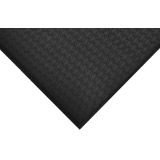 Traction Tread Rubber Runner Mats$97.00Non-slip kitchen floor mats have one job, and this runner does it about as well as rubber can. It is a thin, solid nitrile sheet built to hold grip on a floor that has water, grease, or cleaning chemicals on it. It is a traction and floor protection mat, not
...
Non-slip kitchen floor mats have one job, and this runner does it about as well as rubber can. It is...
Non-slip kitchen floor mats have one job, and this runner does it about as well as rubber can. It is a thin, solid nitrile sheet built to hold grip on a floor that has water, grease, or cleaning chemicals on it. It is a traction and floor protection mat, not a cushioned comfort mat, and knowing that up front saves you a return.
What a Non-Slip Kitchen Runner Does Before the Floor Gets Slick
Kitchen floors get dangerous in the walking lanes, not at the stations. Someone carries a hot pan from the range to the pass, crosses a wet patch by the dish area, and their footing is the only thing between them and the tile. That lane is where a traction runner belongs.
The measured grip on this one is unusually high. Under ASTM C1028-96 it holds a static coefficient of friction of 0.97 dry and 0.93 wet. A lot of surfaces look fine on a dry test and collapse when water is introduced. This one gives up very little.
It is also certified high-traction by the National Floor Safety Institute, which runs independent slip-resistance testing for commercial floor products. That certification is a third-party check on the numbers rather than a manufacturer's own claim.
The second job is protecting what is underneath. A rubber runner takes the dropped pans, the dragged crates, and the cart wheels that would otherwise chip tile or gouge a sealed floor. On a quarry tile line, that is the difference between resealing on schedule and repairing early.
Why Solid Nitrile Rubber, and Why This One
This mat is one material all the way through: solid nitrile rubber, 1/8 inch thick. There is no cushion layer, no fabric, and no backing to come apart. Nothing is bonded to anything, so there is no seam or glue line that can fail.
That construction is what lets it survive a kitchen. It is grease and oil proof and chemical resistant, so nightly sanitizing does not degrade it. It will not crack or curl, and the manufacturer states it provides years of service life.
The heat tolerance is where it separates from ordinary rubber matting. Melt point is over 500 degrees Fahrenheit, and it has been tested at temperatures up to 1800 degrees Fahrenheit for welding and slag resistance. In a kitchen that means a dropped ember or a hot pan is a non-event.
It also carries an ESD rating of electrically conductive and passes flammability standard BS 4790, tested by the metal nut method. Those are specifications you rarely need in a kitchen and absolutely need in a plant, which is why the same mat covers both rooms. The mat is made in the USA and is rated for indoor use.
The 1/8-inch profile matters more than it sounds. A thin mat lies flat, so carts and hand trucks roll across it instead of catching an edge, and it does not eat door clearance. That thinness is the trade-off for having no cushion.
Where It Belongs, and What It Will Not Do
Put it in the walking lanes and the transition zones. The path between the range and the pass, the strip in front of a dish machine, the run along a bar back, the approach to a walk-in, the stretch of floor by an ice machine. Anywhere feet move across a floor that gets wet.
It works the same way outside a kitchen. Production aisles, wash bays, machine approaches, and any indoor commercial or industrial floor that needs more slip resistance or protection than the floor itself provides.
Here is what it will not do: relieve fatigue. There is no cushion in it, so standing on this all shift feels much like standing on the floor. If someone holds one spot for hours, they need a cushioned anti-fatigue mat instead. The full range of kitchen mats covers both needs, and most working kitchens end up using each in different places.
The common mistake is buying one mat for both jobs. A comfort mat in a walking lane gets destroyed by cart traffic; a traction runner at a prep station leaves people sore. Split the floor by what happens on it and buy accordingly.
Three Things to Check Before You Spec It
First, map the lane, not the room. Walk the path people actually take and note where it crosses wet floor. Seven sizes are available, from 2' x 3' (23" x 32") up to 4' x 12' (46" x 143"), including 3' x 9', 3' x 12', 4' x 6', and 4' x 9'. Long lanes usually need two runners end to end rather than one oversized mat.
Second, decide between a 3-foot and a 4-foot width. Three feet covers a single-file lane where people pass one at a time. Four feet is the right call where two staff pass each other carrying things, or where a cart and a person share the lane at the same time.
Third, confirm the standing zones are covered separately. This runner handles the walking. If the same kitchen has a fry station or a prep table where someone stays put, that spot needs a cushioned mat. Specifying both at once is cheaper on your time than discovering the gap after install.
Why Mats Inc.
We stock this runner because it answers a question comfort matting cannot: how do you make a wet lane safe without putting something in the way of a cart. A thin, solid rubber sheet with a 0.93 wet traction rating does that, and nothing about it needs babying. Mats Inc. has been sorting floors into standing zones and moving zones since 1964, and this is what goes in the moving ones.
Specifications
Material Solid nitrile rubber (single-layer; no cushion or backing) Thickness 1/8" (0.125") Traction Certified high-traction by the National Floor Safety Institute (NFSI); ASTM C1028-96 static coefficient of friction: dry 0.97, wet 0.93 Heat resistance Melt point over 500°F; tested at temperatures up to 1800°F for welding/slag resistance Resistance Grease/oil proof; chemical resistant; welding safe Static ESD rating of electrically conductive Flammability Passes BS 4790 (metal nut method) Durability Will not crack or curl Stock sizes & weights 2' x 3' (23" x 32") — 4.7 lbs.
3' x 5' (32" x 58") — 11.6 lbs.
3' x 9' (32" x 108") — 20.9 lbs.
3' x 12' (32" x 143") — 27.9 lbs.
4' x 6' (46" x 70") — 18.7 lbs.
4' x 9' (46" x 108") — 28 lbs.
4' x 12' (46" x 143") — 37.4 lbs.Size tolerance 3–5% manufacturing variance Recommended use Indoor commercial and industrial settings requiring additional slip resistance or floor protection Cleaning Scrub with a deck brush as needed, using a neutral pH detergent; rinse with a hose or pressure washer; lay flat or hang to dry; return to service dry Origin Made in the USA Warranty 1-year limited (Mats Inc.) Frequently Asked Questions
Is this an anti-fatigue mat?
Answered by Dustin Thompson, Owner & CEO
No, and it is worth being direct about that. This is solid nitrile rubber at 1/8 inch thick, one material the whole way through. There is no foam cushion, so it does not compress under you and it will not relieve leg or back fatigue.
What that construction buys you instead is grip, floor protection, and a mat that survives conditions a cushioned mat cannot. If your problem is people standing in one spot getting sore, you want a cushioned comfort mat. If your problem is a slick floor in a walking lane, this is the right product.
How much grip does it actually have, and what can it take?
Answered by Dustin Thompson, Owner & CEO
The tested figures are 0.97 dry and 0.93 wet under ASTM C1028-96. The wet number is what matters in a kitchen, and losing only four hundredths between dry and wet is the useful part. It is also certified high-traction by the National Floor Safety Institute.
On the abuse side, it is grease and oil proof, chemical resistant, and welding safe. Melt point is over 500 degrees Fahrenheit, and it has been tested at temperatures up to 1800 degrees for welding and slag resistance. It also passes flammability standard BS 4790 and carries an ESD rating of electrically conductive.
Where should it go in a working kitchen?
Answered by Dustin Thompson, Owner & CEO
In the lanes people walk, especially the wet ones. The run between the range and the pass, the strip in front of the dish machine, the path to the walk-in, the floor by an ice machine, and the space behind a bar are all standard placements. It is rated for indoor use.
The 1/8-inch profile is a real advantage in those spots. It lies flat enough that carts and hand trucks roll straight over it rather than catching an edge, and it does not interfere with door swing. Cleaning is a deck brush scrub with a neutral pH detergent, then a hose or pressure washer rinse. Lay it flat or hang it to dry, and do not put it back down wet.
What sizes come in a runner length?
Answered by Jinna Hopson, Vice President of Marketing
Seven sizes, and four of them are true runner proportions: 3' x 9' (32" x 108") at 20.9 lbs., 3' x 12' (32" x 143") at 27.9 lbs., 4' x 9' (46" x 108") at 28 lbs., and 4' x 12' (46" x 143") at 37.4 lbs. The shorter options are 2' x 3' (4.7 lbs.), 3' x 5' (11.6 lbs.), and 4' x 6' (18.7 lbs.).
Those weights are worth knowing before cleaning day, since someone has to lift the mat to hose it down. For a lane longer than twelve feet, run two mats end to end rather than looking for one long piece. Measure the lane first and allow a little tolerance, since rubber shrinks and expands with temperature and time and finished sizes run within about 3% to 5% of nominal.
What does it look like, and will it suit a visible area?
Answered by Jinna Hopson, Vice President of Marketing
Understated, and more finished-looking than most people expect from a safety mat. The surface carries a raised tread molded across the whole face in a fine repeating pattern, so it reads as texture rather than as machinery. At 1/8 inch it sits low and flat against the floor instead of standing proud of it.
That low profile is what lets it work in semi-visible spots like a bar back, a service corridor, or a cafeteria floor, where a thick mat would look like an obstacle. For a front-of-house floor that customers stand on and look at, a fabric-topped comfort mat is still the better-looking answer.
Would this work in a home kitchen?
Answered by Jinna Hopson, Vice President of Marketing
It can, but it is usually more mat than a home needs and less comfort than a home wants. Most people shopping for a kitchen mat at home are after cushion underfoot at the sink or the stove, and this one does not provide that.
Where it genuinely fits at home is a slick tile floor that has become a problem, or a spot that takes real abuse, such as a mudroom-to-kitchen transition or the floor by a utility sink. If comfort is the goal, tell us where you stand longest and we will point you at a cushioned option instead.
By Dustin Thompson, Owner & CEO, Mats Inc.
↑
Non-slip kitchen floor mats have one job, and this runner does it about as well as rubber can. It is a thin, solid nitrile sheet built to hold grip on a floor that has water, grease, or cleaning chemicals on it. It is a traction and floor protection mat, not a cushioned comfort mat, and knowing that up front saves you a return.
What a Non-Slip Kitchen Runner Does Before the Floor Gets Slick
Kitchen floors get dangerous in the walking lanes, not at the stations. Someone carries a hot pan from the range to the pass, crosses a wet patch by the dish area, and their footing is the only thing between them and the tile. That lane is where a traction runner belongs.
The measured grip on this one is unusually high. Under ASTM C1028-96 it holds a static coefficient of friction of 0.97 dry and 0.93 wet. A lot of surfaces look fine on a dry test and collapse when water is introduced. This one gives up very little.
It is also certified high-traction by the National Floor Safety Institute, which runs independent slip-resistance testing for commercial floor products. That certification is a third-party check on the numbers rather than a manufacturer's own claim.
The second job is protecting what is underneath. A rubber runner takes the dropped pans, the dragged crates, and the cart wheels that would otherwise chip tile or gouge a sealed floor. On a quarry tile line, that is the difference between resealing on schedule and repairing early.
Why Solid Nitrile Rubber, and Why This One
This mat is one material all the way through: solid nitrile rubber, 1/8 inch thick. There is no cushion layer, no fabric, and no backing to come apart. Nothing is bonded to anything, so there is no seam or glue line that can fail.
That construction is what lets it survive a kitchen. It is grease and oil proof and chemical resistant, so nightly sanitizing does not degrade it. It will not crack or curl, and the manufacturer states it provides years of service life.
The heat tolerance is where it separates from ordinary rubber matting. Melt point is over 500 degrees Fahrenheit, and it has been tested at temperatures up to 1800 degrees Fahrenheit for welding and slag resistance. In a kitchen that means a dropped ember or a hot pan is a non-event.
It also carries an ESD rating of electrically conductive and passes flammability standard BS 4790, tested by the metal nut method. Those are specifications you rarely need in a kitchen and absolutely need in a plant, which is why the same mat covers both rooms. The mat is made in the USA and is rated for indoor use.
The 1/8-inch profile matters more than it sounds. A thin mat lies flat, so carts and hand trucks roll across it instead of catching an edge, and it does not eat door clearance. That thinness is the trade-off for having no cushion.
Where It Belongs, and What It Will Not Do
Put it in the walking lanes and the transition zones. The path between the range and the pass, the strip in front of a dish machine, the run along a bar back, the approach to a walk-in, the stretch of floor by an ice machine. Anywhere feet move across a floor that gets wet.
It works the same way outside a kitchen. Production aisles, wash bays, machine approaches, and any indoor commercial or industrial floor that needs more slip resistance or protection than the floor itself provides.
Here is what it will not do: relieve fatigue. There is no cushion in it, so standing on this all shift feels much like standing on the floor. If someone holds one spot for hours, they need a cushioned anti-fatigue mat instead. The full range of kitchen mats covers both needs, and most working kitchens end up using each in different places.
The common mistake is buying one mat for both jobs. A comfort mat in a walking lane gets destroyed by cart traffic; a traction runner at a prep station leaves people sore. Split the floor by what happens on it and buy accordingly.
Three Things to Check Before You Spec It
First, map the lane, not the room. Walk the path people actually take and note where it crosses wet floor. Seven sizes are available, from 2' x 3' (23" x 32") up to 4' x 12' (46" x 143"), including 3' x 9', 3' x 12', 4' x 6', and 4' x 9'. Long lanes usually need two runners end to end rather than one oversized mat.
Second, decide between a 3-foot and a 4-foot width. Three feet covers a single-file lane where people pass one at a time. Four feet is the right call where two staff pass each other carrying things, or where a cart and a person share the lane at the same time.
Third, confirm the standing zones are covered separately. This runner handles the walking. If the same kitchen has a fry station or a prep table where someone stays put, that spot needs a cushioned mat. Specifying both at once is cheaper on your time than discovering the gap after install.
Why Mats Inc.
We stock this runner because it answers a question comfort matting cannot: how do you make a wet lane safe without putting something in the way of a cart. A thin, solid rubber sheet with a 0.93 wet traction rating does that, and nothing about it needs babying. Mats Inc. has been sorting floors into standing zones and moving zones since 1964, and this is what goes in the moving ones.
Specifications
Material Solid nitrile rubber (single-layer; no cushion or backing) Thickness 1/8" (0.125") Traction Certified high-traction by the National Floor Safety Institute (NFSI); ASTM C1028-96 static coefficient of friction: dry 0.97, wet 0.93 Heat resistance Melt point over 500°F; tested at temperatures up to 1800°F for welding/slag resistance Resistance Grease/oil proof; chemical resistant; welding safe Static ESD rating of electrically conductive Flammability Passes BS 4790 (metal nut method) Durability Will not crack or curl Stock sizes & weights 2' x 3' (23" x 32") — 4.7 lbs.
3' x 5' (32" x 58") — 11.6 lbs.
3' x 9' (32" x 108") — 20.9 lbs.
3' x 12' (32" x 143") — 27.9 lbs.
4' x 6' (46" x 70") — 18.7 lbs.
4' x 9' (46" x 108") — 28 lbs.
4' x 12' (46" x 143") — 37.4 lbs.Size tolerance 3–5% manufacturing variance Recommended use Indoor commercial and industrial settings requiring additional slip resistance or floor protection Cleaning Scrub with a deck brush as needed, using a neutral pH detergent; rinse with a hose or pressure washer; lay flat or hang to dry; return to service dry Origin Made in the USA Warranty 1-year limited (Mats Inc.) Frequently Asked Questions
Is this an anti-fatigue mat?
Answered by Dustin Thompson, Owner & CEO
No, and it is worth being direct about that. This is solid nitrile rubber at 1/8 inch thick, one material the whole way through. There is no foam cushion, so it does not compress under you and it will not relieve leg or back fatigue.
What that construction buys you instead is grip, floor protection, and a mat that survives conditions a cushioned mat cannot. If your problem is people standing in one spot getting sore, you want a cushioned comfort mat. If your problem is a slick floor in a walking lane, this is the right product.
How much grip does it actually have, and what can it take?
Answered by Dustin Thompson, Owner & CEO
The tested figures are 0.97 dry and 0.93 wet under ASTM C1028-96. The wet number is what matters in a kitchen, and losing only four hundredths between dry and wet is the useful part. It is also certified high-traction by the National Floor Safety Institute.
On the abuse side, it is grease and oil proof, chemical resistant, and welding safe. Melt point is over 500 degrees Fahrenheit, and it has been tested at temperatures up to 1800 degrees for welding and slag resistance. It also passes flammability standard BS 4790 and carries an ESD rating of electrically conductive.
Where should it go in a working kitchen?
Answered by Dustin Thompson, Owner & CEO
In the lanes people walk, especially the wet ones. The run between the range and the pass, the strip in front of the dish machine, the path to the walk-in, the floor by an ice machine, and the space behind a bar are all standard placements. It is rated for indoor use.
The 1/8-inch profile is a real advantage in those spots. It lies flat enough that carts and hand trucks roll straight over it rather than catching an edge, and it does not interfere with door swing. Cleaning is a deck brush scrub with a neutral pH detergent, then a hose or pressure washer rinse. Lay it flat or hang it to dry, and do not put it back down wet.
What sizes come in a runner length?
Answered by Jinna Hopson, Vice President of Marketing
Seven sizes, and four of them are true runner proportions: 3' x 9' (32" x 108") at 20.9 lbs., 3' x 12' (32" x 143") at 27.9 lbs., 4' x 9' (46" x 108") at 28 lbs., and 4' x 12' (46" x 143") at 37.4 lbs. The shorter options are 2' x 3' (4.7 lbs.), 3' x 5' (11.6 lbs.), and 4' x 6' (18.7 lbs.).
Those weights are worth knowing before cleaning day, since someone has to lift the mat to hose it down. For a lane longer than twelve feet, run two mats end to end rather than looking for one long piece. Measure the lane first and allow a little tolerance, since rubber shrinks and expands with temperature and time and finished sizes run within about 3% to 5% of nominal.
What does it look like, and will it suit a visible area?
Answered by Jinna Hopson, Vice President of Marketing
Understated, and more finished-looking than most people expect from a safety mat. The surface carries a raised tread molded across the whole face in a fine repeating pattern, so it reads as texture rather than as machinery. At 1/8 inch it sits low and flat against the floor instead of standing proud of it.
That low profile is what lets it work in semi-visible spots like a bar back, a service corridor, or a cafeteria floor, where a thick mat would look like an obstacle. For a front-of-house floor that customers stand on and look at, a fabric-topped comfort mat is still the better-looking answer.
Would this work in a home kitchen?
Answered by Jinna Hopson, Vice President of Marketing
It can, but it is usually more mat than a home needs and less comfort than a home wants. Most people shopping for a kitchen mat at home are after cushion underfoot at the sink or the stove, and this one does not provide that.
Where it genuinely fits at home is a slick tile floor that has become a problem, or a spot that takes real abuse, such as a mudroom-to-kitchen transition or the floor by a utility sink. If comfort is the goal, tell us where you stand longest and we will point you at a cushioned option instead.
By Dustin Thompson, Owner & CEO, Mats Inc.
↑
View Details
View Details
What Outdoor Rubber Pavers Do Before a Path Turns to Mud
Most outdoor walking surfaces fail in the same few ways. Concrete and stone patio blocks are hard underfoot and slick when wet. Gravel scatters into the lawn. Stepping stones sink and tip. Bare dirt turns to mud after every rain. The path you walk every day ends up being the worst surface in the yard.
Interlocking rubber pavers fix that with a surface that grips wet or dry and has a little give underfoot. The pieces key into each other, so a patio or walkway goes down as one connected surface instead of loose blocks that drift apart.
Rubber playground tiles solve a different problem: what happens when a child falls. They give a measured, tested layer of cushion that stays exactly where it was laid, so the landing zone under a slide or swing never thins out the way wood chips and mulch do.
The Mistake: Treating "Soft" as the Same Thing as "Fall-Rated"
The most serious mistake with rubber surfaces is assuming anything cushioned is safe under a swing or slide. It is not. Playground surfacing has to be tested to a specific critical fall height, the highest fall it can protect against. A rubber paver can feel soft underfoot and still carry no fall rating at all.
That test is ASTM F1292-18, the standard for impact attenuation in the use zone around playground equipment. The Rubber Playground Tiles here are tested to it, with systems rated for falls of 4, 6, 8, and 10 feet. The dog bone pavers are not, and they should never be used under play equipment.
The opposite mistake happens too. Playground tiles are made for fall protection only, not for general walkways, so they are not the answer for a patio or garden path. And either product laid straight onto soft, uneven dirt will sink, rock, and lift at the edges. Both need a firm, prepared base.
How the Two Products Compare
Rubber Pavers for Horse Barns are interlocking dog bone pavers molded from 100% recycled rubber and re-vulcanized, so they stay flat instead of curling. Each piece keys into the next in several directions. They come in 7/8-inch and 1-3/4-inch thicknesses, in black, green, grey, and red, and work indoors or out.
The surface grips wet or dry and has a cushioned, anti-fatigue feel. Pavers cut and shape on site, most installs finish in a day, and they clean with a pressure washer or leaf blower. They are the right pick for patios, garden pathways, yard walkways, service roads, and working areas such as barn aisles and wash bays.
Rubber Playground Tiles are 2-foot by 2-foot recycled rubber tiles with a cross-hatch top for grip. The 1-3/4-inch tile is rated for 4-foot falls and the 3-1/8-inch tile for 6-foot falls. Adding a 2-inch foam pad under them raises the ratings to 8 and 10 feet. Every system is tested to ASTM F1292-18 and IPEMA certified.
Alignment pins and edge adhesive join the tiles into one surface that floats over concrete, asphalt, or compacted gravel, and legs underneath let water drain away. They come in six colors, with optional color speckles. They are the strongest fit for schools, daycares, parks, churches, apartment complexes, HOAs, and backyards with fixed play equipment.
Three Things to Check Before You Pick
First, whether anyone can fall onto it. If the surface sits under or around swings, slides, or climbers, it has to be Rubber Playground Tiles, sized to the fall height of the equipment. If the surface is for walking, sitting, or working, such as a patio, path, or yard walkway, the interlocking rubber pavers are the right choice.
Second, the fall height or the finished height. For playgrounds, measure the highest point a child can fall from, then choose the tile or tile-and-pad system rated for at least that height. For patios and paths, choose between the 7/8-inch and 1-3/4-inch pavers, and check the finished height against doorways, steps, and the lawn or deck next to it.
Third, the base underneath. Playground tiles go over concrete, asphalt, or well-compacted gravel with good drainage, and they are not glued to the base. Pavers interlock over a prepared subfloor, and some sizes also need adhesive. Plan the base before you order, because a poor base is what makes either surface fail early.
Why Mats Inc.
With these two products, the first question we ask is what the surface is for, before thickness or color. If a buyer says "playground," we work from the equipment's fall height to a tested system. If they say "patio" or "walkway," we work from the layout and the base. We don't send a paver to a play area, however soft it feels.
Mats Inc. has supplied commercial, industrial, and residential customers since 1964, from homes and schools to parks and working properties. We ship across the lower 48 states and Canada, and we can help plan the base and layout before anything ships.
Frequently Asked Questions
Do I need rubber pavers or rubber playground tiles?
Answered by Jinna Hopson, Vice President of Marketing
It comes down to what the surface is for. The interlocking rubber pavers are built for footing and looks: patios, garden paths, yard walkways, and service areas. Rubber Playground Tiles are built for fall protection under play equipment and are rated to a tested fall height.
If there is any play equipment on or near the surface, choose the playground tiles. If it is a place for walking, sitting, or working, the pavers give better footing and a finished, patterned look.
Can rubber pavers be installed on dirt or grass?
Answered by Dustin Thompson, Owner & CEO
Not directly. The pavers interlock over a prepared, level subfloor, and some sizes also need adhesive. Bare dirt or grass shifts and holds water, so pieces sink and edges lift. Level and compact the base first, make sure water can drain away, and plan edging before the rubber arrives.
Once the base is ready, the pavers cut and shape on site with a saw, and most installs are done in a day. The playground tiles go over concrete, asphalt, or compacted gravel, joined with alignment pins and edge adhesive, and they are not glued to the base.
Can rubber pavers go under playground equipment?
Answered by Dustin Thompson, Owner & CEO
No. Surfacing under swings, slides, and climbers has to be tested to a critical fall height under ASTM F1292-18. The dog bone pavers are not tested or rated for fall protection. They feel cushioned underfoot, but cushioned is not the same as tested.
Use the Rubber Playground Tiles instead. Their systems are rated for 4, 6, 8, and 10-foot falls and are IPEMA certified. Match the system to the tallest point a child can fall from on the equipment.
How long do outdoor rubber pavers last?
Answered by Dustin Thompson, Owner & CEO
The makers don't publish a life in years, so we don't quote one. Both products are built for outdoor use. The pavers are re-vulcanized so they stay flat rather than curling, and they can be pressure-washed. The playground tiles are dense recycled rubber, 1-3/4 or 3-1/8 inches thick, with legs underneath so water drains away.
What shortens life is almost always the base. A soft or poorly drained base lets pieces shift and edges lift, and water that ponds under the surface speeds that up. On playgrounds, check regularly for gaps or loose tiles. Coverage is our 1-year limited (Mats Inc.) warranty.
What colors do rubber pavers and playground tiles come in?
Answered by Jinna Hopson, Vice President of Marketing
The pavers come in black, green, grey, and red. Grey suits patios and garden paths where you want the surface to blend in. Red and green can outline a walkway edge or set off a seating area from the lawn. Black hides dirt on working paths. The color runs through the rubber, so scuffs don't show a different color underneath.
Rubber Playground Tiles come in six standard colors: black, green, red, blue, grey, and brown. Color speckles can be added for a custom blend, which lets a school or park match its colors or mark different play zones.
What thickness and size do I need?
Answered by Jinna Hopson, Vice President of Marketing
For patios, paths, and walkways, choose between the 7/8-inch and 1-3/4-inch pavers, and check the finished height against doorways, steps, and the lawn beside it. Paver length and width are confirmed when you order, so send us your layout and we'll work out the count and cuts.
For playgrounds, fall height decides thickness. The 1-3/4-inch tile covers 4-foot falls, and the 3-1/8-inch tile covers 6-foot falls. Add the 2-inch foam pad for 8 or 10 feet. Each tile is 2 by 2 feet, or 4 square feet, so divide your area by four to count tiles.
By Jinna Hopson, Vice President of Marketing, Mats Inc.