




Plastex Matting
Even if you take the proper precautions in the workplace, moisture will still find its way into your building. Plastex Matting’s Vynagrip heavy-duty mat is your best defense against slippery surfaces. This vinyl floor mat’s unique tread pattern provides an exceptional grip underneath your feet, reducing the danger of slips and falls while walking and preventing machinery from skidding.
Vynagrip’s non-porous grid goes beyond just offering excellent footing, as its tread design also makes for reliable drainage. The vinyl matting also inhibits the spread of germs and mildew, guaranteeing the cleanest environment possible. The two-layer structure offers anti-fatigue qualities and soft padding, making it ideal for offices with standing personnel who may otherwise experience discomfort and loss of productivity.
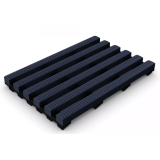 Heronrib Matting$1,020.00What Heronrib does before a wet pool deck takes someone's feet out A poolside or locker-room floor seems harmless until someone crosses it barefoot and the water underfoot decides the rest. It's tempting to trust textured tile or a fast mop. But on a flat surface, water spreads into a
...
What Heronrib does before a wet pool deck takes someone's feet out A poolside or locker-room floor seems harmless until...
What Heronrib does before a wet pool deck takes someone's feet out
A poolside or locker-room floor seems harmless until someone crosses it barefoot and the water underfoot decides the rest. It's tempting to trust textured tile or a fast mop. But on a flat surface, water spreads into a thin film right where bare feet land, and tile that grips when dry turns slick the moment it's wet.
Heronrib is built to clear that film. Its two-layer body sits on channelled underbars that self-drain in four directions, so water runs off and away instead of pooling on top. The embossed surface gives bare feet a firm grip. That's what makes it a true non-slip pool mat rather than one that only feels safe dry.
On a barefoot wet floor, a slip isn't minor. The National Floor Safety Institute links wet, hard floors to a large share of slip-and-fall injuries, and pools, showers, and changing rooms keep those floors wet from open to close. A mat that drains water away and holds grip underfoot is doing safety work every hour it's down.
Why a self-draining PVC build, and why this one
Heronrib is made from strong, non-porous PVC, and non-porous is the word that matters in a barefoot wet area. Because water can't soak in, the mat doesn't stay damp or harbor the bacteria and fungus that thrive on wet floors. On top of that, it's built with anti-microbial and anti-fungal properties, so it actively resists the athlete's foot fungus and mildew that locker rooms and showers tend to grow.
The two-layer construction is what makes the drainage work. Channelled underbars lift the walking surface off the floor and send water away in four directions, while the embossed top holds traction. That grip is certified — Classification C on the DIN 51097 barefoot ramp test, and a 0.9 dry / 0.7 wet reading on ASTM F1677 — strong figures for a surface people cross with no shoes on.
It's also made to last in tough conditions. The PVC resists most acids, alkalines, and oils, stands up to UV without degrading, and works from below freezing up to 140°F, so an outdoor deck and an indoor shower are both fair game. The two-layer body adds cushioning and sound absorption underfoot, so a busy pool hall is a little softer and quieter to walk through.
Where it belongs — and what it isn't
Heronrib earns its place wherever bare feet meet a wet floor. That's the pool deck and pool surround, but also changing rooms, locker rooms, shower rooms, spa and sauna areas, and the wet zones of gyms and recreation centers. Because it works indoors or out and contours to uneven surfaces, it suits both a tiled shower floor and a textured outdoor deck.
It's worth being clear about what this mat is not. It's a walk-on barefoot surface, not a flotation device, and not the liner-protector sheet that goes under an above-ground pool. If you're after a mat to put under a pool or a float for the water, this isn't that product. Heronrib works on top of the deck, under your feet — on concrete, tile, or a finished pool surround.
For larger areas it behaves like a system. Rolls join edge-to-edge with connector clips or welded snap track to cover a whole pool hall seamlessly, ramped edging finishes the borders so there's no trip lip, and floor hooks anchor sections where they need to stay put. The same mat scales from a single shower bay to a wall-to-wall deck.
Three Things to Check Before You Spec It
Heronrib is easy to order well once you've settled three things.
First, plan the layout and joins. For a single shower or changing bay, one cut piece does it. For a full deck or pool hall, rolls join side-to-side and end-to-end with connector clips or welded snap track, so map where the seams fall and where you'll want ramped edging to finish an exposed border cleanly.
Second, measure the whole wet path, not just the obvious spot. The walk from the pool to the showers, the full changing-room floor, the lip around a spa — size the mat to cover wherever feet are actually wet, because a dry-foot gap is exactly where the next slip happens. It cuts to fit on site, so odd shapes and obstacles aren't a problem.
Third, plan for heat and movement outdoors. The PVC handles sun and a wide temperature range, but like any thermoplastic it can shrink slightly — up to about 2%, faster in heat — so on a hot, exposed deck, anchor sections with floor hooks and leave a little room at fixed edges rather than butting it tight wall to wall.
Why Mats Inc.
We've been matching mats to real floors since 1964, and barefoot wet areas are where the wrong choice gets noticed fastest — by feet, by inspectors, and by anyone who slips. We'll help you size Heronrib to your actual wet path, plan the seams and edging for a clean install, and choose the right anchoring for an outdoor deck. It's part of our wider lineup of pool and wet-area matting, and every order is backed by our 1-year limited warranty.
Material Non-porous flexible PVC Construction Two-layer with channelled underbars; embossed top surface Thickness 13/32" (10.5 mm) Weight 1.10 lb / sq ft Roll options 33' lengths in 2', 3', and 4' widths (cut to fit on site) Custom sizes Custom matting available Slip resistance DIN 51097: Class C; ASTM F1677 dry/wet: 0.9/0.7 Drainage Four-way self-draining (channelled underbars) Chemical resistance Most acids, alkalines, and oils Temperature range -9°F to +140°F Hygiene Non-porous; anti-microbial and anti-fungal Acoustic Sound absorption Environmental 100% recyclable; no SVHC substances (REACH) UV Resists PVC degradation Warranty 1-year limited (Mats Inc.) Frequently Asked Questions
What's Heronrib made of, and how does it drain so well?
Answered by Dustin Thompson, Owner & CEO
It's made from strong, non-porous PVC in a two-layer build. The top layer carries an embossed surface that grips bare feet; underneath, a set of channelled underbars lifts that surface off the floor and lets water run away in four directions. So instead of sitting in a puddle, water clears the moment it lands. The non-porous PVC won't soak up moisture, and it's built with anti-microbial and anti-fungal properties, so the same mat that drains also resists the bacteria and fungus wet floors tend to breed.
How slip-resistant is it for bare feet, and will it last outdoors?
Answered by Dustin Thompson, Owner & CEO
Its grip is certified for barefoot use specifically — Classification C on the DIN 51097 ramp test, with a 0.9 dry / 0.7 wet reading on ASTM F1677, both strong for a no-shoes surface. As for lasting outdoors, the PVC resists UV without degrading, shrugs off most acids, alkalines, and oils, and works from below freezing up to 140°F. That combination is why the same mat holds up on a sun-exposed deck and in a daily-use shower room without going brittle or slick.
What sizes does it come in, and can it cover a big area?
Answered by Dustin Thompson, Owner & CEO
It comes in 33-foot rolls in 2-, 3-, and 4-foot widths, and you cut it to fit on site. For a large pool hall or deck, rolls join side-to-side and end-to-end with connector clips or welded snap track, so there's no practical limit to the area you can cover in one continuous, seamless surface. For a small space like a shower bay, a single cut piece does the job. Custom matting is available when a standard width won't fit the layout.
Besides right at the pool, where does Heronrib make sense?
Answered by Jinna Hopson, VP of Marketing
Anywhere people go barefoot on a wet floor. It's a natural fit for changing rooms, locker rooms, and shower rooms, the surrounds of spas and saunas, and the wet zones of gyms and recreation centers — not just the pool deck itself. Because it works indoors or outdoors and contours to uneven ground, it's as comfortable on a textured outdoor deck as on a tiled indoor floor. If a space mixes bare feet, water, and foot traffic, it belongs there.
What does it look and feel like underfoot?
Answered by Jinna Hopson, VP of Marketing
It has a clean, ribbed, embossed surface that reads as purposeful — clearly there to grip and drain rather than to decorate. The look is low-key and functional, the kind of surface that signals the floor is handled without drawing attention to itself. Underfoot, the two-layer body adds a bit of cushioning and even absorbs sound, so a busy, echoey pool hall feels a touch warmer and quieter to cross. If a specific color or finish matters for your space, let us know and we'll confirm what's available.
My pool area is an odd shape with drains and corners — will it fit?
Answered by Jinna Hopson, VP of Marketing
Almost certainly. Because it cuts to fit on site and contours to uneven surfaces, you can shape a run around drains, ladders, corners, and changing benches instead of forcing the space to match a fixed mat. Ramped edging finishes any exposed border so there's no trip lip, and for a tricky footprint custom matting is available. Send us the dimensions and the obstacles, and we'll map out a layout that covers the wet path cleanly.
Written by Dustin Thompson, Owner & CEO, Mats Inc.
↑
What Heronrib does before a wet pool deck takes someone's feet out
A poolside or locker-room floor seems harmless until someone crosses it barefoot and the water underfoot decides the rest. It's tempting to trust textured tile or a fast mop. But on a flat surface, water spreads into a thin film right where bare feet land, and tile that grips when dry turns slick the moment it's wet.
Heronrib is built to clear that film. Its two-layer body sits on channelled underbars that self-drain in four directions, so water runs off and away instead of pooling on top. The embossed surface gives bare feet a firm grip. That's what makes it a true non-slip pool mat rather than one that only feels safe dry.
On a barefoot wet floor, a slip isn't minor. The National Floor Safety Institute links wet, hard floors to a large share of slip-and-fall injuries, and pools, showers, and changing rooms keep those floors wet from open to close. A mat that drains water away and holds grip underfoot is doing safety work every hour it's down.
Why a self-draining PVC build, and why this one
Heronrib is made from strong, non-porous PVC, and non-porous is the word that matters in a barefoot wet area. Because water can't soak in, the mat doesn't stay damp or harbor the bacteria and fungus that thrive on wet floors. On top of that, it's built with anti-microbial and anti-fungal properties, so it actively resists the athlete's foot fungus and mildew that locker rooms and showers tend to grow.
The two-layer construction is what makes the drainage work. Channelled underbars lift the walking surface off the floor and send water away in four directions, while the embossed top holds traction. That grip is certified — Classification C on the DIN 51097 barefoot ramp test, and a 0.9 dry / 0.7 wet reading on ASTM F1677 — strong figures for a surface people cross with no shoes on.
It's also made to last in tough conditions. The PVC resists most acids, alkalines, and oils, stands up to UV without degrading, and works from below freezing up to 140°F, so an outdoor deck and an indoor shower are both fair game. The two-layer body adds cushioning and sound absorption underfoot, so a busy pool hall is a little softer and quieter to walk through.
Where it belongs — and what it isn't
Heronrib earns its place wherever bare feet meet a wet floor. That's the pool deck and pool surround, but also changing rooms, locker rooms, shower rooms, spa and sauna areas, and the wet zones of gyms and recreation centers. Because it works indoors or out and contours to uneven surfaces, it suits both a tiled shower floor and a textured outdoor deck.
It's worth being clear about what this mat is not. It's a walk-on barefoot surface, not a flotation device, and not the liner-protector sheet that goes under an above-ground pool. If you're after a mat to put under a pool or a float for the water, this isn't that product. Heronrib works on top of the deck, under your feet — on concrete, tile, or a finished pool surround.
For larger areas it behaves like a system. Rolls join edge-to-edge with connector clips or welded snap track to cover a whole pool hall seamlessly, ramped edging finishes the borders so there's no trip lip, and floor hooks anchor sections where they need to stay put. The same mat scales from a single shower bay to a wall-to-wall deck.
Three Things to Check Before You Spec It
Heronrib is easy to order well once you've settled three things.
First, plan the layout and joins. For a single shower or changing bay, one cut piece does it. For a full deck or pool hall, rolls join side-to-side and end-to-end with connector clips or welded snap track, so map where the seams fall and where you'll want ramped edging to finish an exposed border cleanly.
Second, measure the whole wet path, not just the obvious spot. The walk from the pool to the showers, the full changing-room floor, the lip around a spa — size the mat to cover wherever feet are actually wet, because a dry-foot gap is exactly where the next slip happens. It cuts to fit on site, so odd shapes and obstacles aren't a problem.
Third, plan for heat and movement outdoors. The PVC handles sun and a wide temperature range, but like any thermoplastic it can shrink slightly — up to about 2%, faster in heat — so on a hot, exposed deck, anchor sections with floor hooks and leave a little room at fixed edges rather than butting it tight wall to wall.
Why Mats Inc.
We've been matching mats to real floors since 1964, and barefoot wet areas are where the wrong choice gets noticed fastest — by feet, by inspectors, and by anyone who slips. We'll help you size Heronrib to your actual wet path, plan the seams and edging for a clean install, and choose the right anchoring for an outdoor deck. It's part of our wider lineup of pool and wet-area matting, and every order is backed by our 1-year limited warranty.
Material Non-porous flexible PVC Construction Two-layer with channelled underbars; embossed top surface Thickness 13/32" (10.5 mm) Weight 1.10 lb / sq ft Roll options 33' lengths in 2', 3', and 4' widths (cut to fit on site) Custom sizes Custom matting available Slip resistance DIN 51097: Class C; ASTM F1677 dry/wet: 0.9/0.7 Drainage Four-way self-draining (channelled underbars) Chemical resistance Most acids, alkalines, and oils Temperature range -9°F to +140°F Hygiene Non-porous; anti-microbial and anti-fungal Acoustic Sound absorption Environmental 100% recyclable; no SVHC substances (REACH) UV Resists PVC degradation Warranty 1-year limited (Mats Inc.) Frequently Asked Questions
What's Heronrib made of, and how does it drain so well?
Answered by Dustin Thompson, Owner & CEO
It's made from strong, non-porous PVC in a two-layer build. The top layer carries an embossed surface that grips bare feet; underneath, a set of channelled underbars lifts that surface off the floor and lets water run away in four directions. So instead of sitting in a puddle, water clears the moment it lands. The non-porous PVC won't soak up moisture, and it's built with anti-microbial and anti-fungal properties, so the same mat that drains also resists the bacteria and fungus wet floors tend to breed.
How slip-resistant is it for bare feet, and will it last outdoors?
Answered by Dustin Thompson, Owner & CEO
Its grip is certified for barefoot use specifically — Classification C on the DIN 51097 ramp test, with a 0.9 dry / 0.7 wet reading on ASTM F1677, both strong for a no-shoes surface. As for lasting outdoors, the PVC resists UV without degrading, shrugs off most acids, alkalines, and oils, and works from below freezing up to 140°F. That combination is why the same mat holds up on a sun-exposed deck and in a daily-use shower room without going brittle or slick.
What sizes does it come in, and can it cover a big area?
Answered by Dustin Thompson, Owner & CEO
It comes in 33-foot rolls in 2-, 3-, and 4-foot widths, and you cut it to fit on site. For a large pool hall or deck, rolls join side-to-side and end-to-end with connector clips or welded snap track, so there's no practical limit to the area you can cover in one continuous, seamless surface. For a small space like a shower bay, a single cut piece does the job. Custom matting is available when a standard width won't fit the layout.
Besides right at the pool, where does Heronrib make sense?
Answered by Jinna Hopson, VP of Marketing
Anywhere people go barefoot on a wet floor. It's a natural fit for changing rooms, locker rooms, and shower rooms, the surrounds of spas and saunas, and the wet zones of gyms and recreation centers — not just the pool deck itself. Because it works indoors or outdoors and contours to uneven ground, it's as comfortable on a textured outdoor deck as on a tiled indoor floor. If a space mixes bare feet, water, and foot traffic, it belongs there.
What does it look and feel like underfoot?
Answered by Jinna Hopson, VP of Marketing
It has a clean, ribbed, embossed surface that reads as purposeful — clearly there to grip and drain rather than to decorate. The look is low-key and functional, the kind of surface that signals the floor is handled without drawing attention to itself. Underfoot, the two-layer body adds a bit of cushioning and even absorbs sound, so a busy, echoey pool hall feels a touch warmer and quieter to cross. If a specific color or finish matters for your space, let us know and we'll confirm what's available.
My pool area is an odd shape with drains and corners — will it fit?
Answered by Jinna Hopson, VP of Marketing
Almost certainly. Because it cuts to fit on site and contours to uneven surfaces, you can shape a run around drains, ladders, corners, and changing benches instead of forcing the space to match a fixed mat. Ramped edging finishes any exposed border so there's no trip lip, and for a tricky footprint custom matting is available. Send us the dimensions and the obstacles, and we'll map out a layout that covers the wet path cleanly.
Written by Dustin Thompson, Owner & CEO, Mats Inc.
↑
View Details
View Details
 Vynagrip Matting
Starting at $543.00
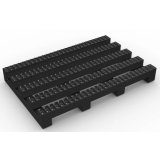
What Vynagrip does before someone slips on a wet deck Around a pool, in a locker room, or behind a wet bar, the floor is the part of the room you stop noticing — right up until a foot goes out from under someone. It's easy to assume a textured...
What Vynagrip does before someone slips on a wet deck Around a pool, in a locker room, or behind a...
What Vynagrip does before someone slips on a wet deck
Around a pool, in a locker room, or behind a wet bar, the floor is the part of the room you stop noticing — right up until a foot goes out from under someone. It's easy to assume a textured tile or a quick wipe-down has it covered. The trouble is that water has nowhere to go on a flat surface, so it sits in a thin film exactly where people walk barefoot or in wet shoes.
Vynagrip is built to break that film. Its open-grid surface lets water drain straight through to the floor below, so the top of the mat stays in contact with feet instead of with a puddle. The raised diamond tread gives shoes and bare skin something to bite into. That combination is what separates a real non-slip pool mat from one that only looks grippy while it's dry.
A slick pool deck or wet-area floor isn't a small problem. The National Floor Safety Institute points to wet, hard floors as one of the most common settings for slip-and-fall injuries, and a busy deck or beverage station sees a steady stream of wet feet all day. Matting that keeps traction underfoot while the water disappears below is doing safety work, not decoration.
Why an open-grid PVC build, and why this one
Vynagrip is made from flexible, non-porous PVC in a two-layer, open-grid construction. Non-porous matters more than it sounds. Because water and spills can't soak into the material, the mat doesn't hold moisture the way a fabric or foam surface would — so it won't turn into a home for bacteria or mildew in a damp pool area or shower room.
The two-layer grid is what makes the drainage work. Water passes through the open pattern on top and clears out underneath, so the walking surface stays usable even when the deck around it is soaked. On traction, the surface is rated R11 under DIN 51130 and scores 72–88 wet on the ASTM E303 pendulum test — strong numbers for a barefoot, wet-area mat.
It's also tougher than a pool mat strictly needs to be, which is the point: it holds up. The PVC resists most acids, alkalines, and oils, and it stays workable across a wide temperature range, from well below freezing up to 140°F. The two-layer build adds a little give underfoot too, so standing on it for a while is easier on your legs than standing on bare concrete.
Where it belongs — and what it isn't
Vynagrip earns its place anywhere water and foot traffic meet. Think pool decks and the walkway from the pool to the locker room, shower and changing areas, the floor behind a poolside bar or beverage station, and wet work zones in kitchens, food service, and refrigerated spaces. In each of these, the same job repeats: drain the water, keep the grip.
It helps to be clear about what this mat is not. It's a walk-on surface mat, not a flotation device, and it's not the liner-protector cloth that goes underneath an above-ground pool. If you're looking for a mat to put under a pool or a float for in the water, this isn't that product. Vynagrip works on top of the deck, under your feet — whether that deck is concrete, tile, or paver.
One honest note for outdoor use: the PVC itself resists sun degradation, but the red color isn't colorfast in constant direct sunlight, so a red mat in full sun will fade over time. For exposed outdoor decks, the darker colors are the safer pick. In shaded or indoor wet areas, color holds up fine.
Three Things to Check Before You Spec It
Vynagrip is straightforward to order, but three things decide whether you get the right setup the first time.
First, decide between rolls and modules. Rolls come in 33-foot lengths and standard widths, and they're easy to cut to fit on site — the right call for covering a long deck or an open wet-area floor. Modules arrive pre-cut with finished ramped edging on three sides, so they sit cleanly against a wall or workstation without a trip lip.
Second, match the format to your edges. An open run of matting in the middle of a floor is one thing; a mat people step onto from a dry surface is another. Where a clean transition matters — a doorway, the edge of a bar, the lip of a shower — ramped edging keeps the change in height gentle, so the mat itself doesn't become the thing someone trips on.
Third, plan for sun and heat. Outdoors, choose a darker color and keep the red for shaded or indoor spots. Also know that PVC can shrink slightly — up to about 2% — and heat speeds that up, so on a hot, exposed deck, leave a little room at fixed edges rather than butting the mat tight wall to wall.
Why Mats Inc.
We've been matching mats to real floors since 1964, and wet areas are where the wrong choice shows up fastest. We'll help you size Vynagrip to your actual deck or work zone, talk through rolls versus modules for your layout, and flag the details — edging, color, sun exposure — that catch people out after a mat ships. It's part of our wider lineup of pool and wet-area matting, and every order is backed by our 1-year limited warranty.
Material Non-porous flexible PVC Construction Two-layer open grid with diamond tread Thickness 5/8" (15 mm) Weight 1.6 lb / sq ft Roll sizes 33' lengths in 2', 3', and 4' widths (cut to fit on site) Module sizes 4' x 2'5" and 5' x 3' (ramped edging on three sides) Custom sizes Available on request Slip resistance DIN 51130: R11; ASTM E303 wet: 72–88 Drainage DIN 51130: V10 Chemical resistance Most acids, alkalines, and oils Temperature range -9°F to +140°F Hygiene Non-porous; resists bacteria and mildew Environmental 100% recyclable; no SVHC substances (REACH) Colors Black and red (red not colorfast in direct sun) Warranty 1-year limited (Mats Inc.) Frequently Asked Questions
What is Vynagrip actually made of, and why does that matter near water?
Answered by Dustin Thompson, Owner & CEO
It's a flexible, non-porous PVC mat built in two layers, with an open-grid top and a diamond tread. The non-porous part is the key for wet areas — water and spills can't soak in, so the mat doesn't stay damp or trap the bacteria and mildew that build up on surfaces holding moisture. The open grid lets water drain straight through instead of pooling on top, which is what keeps the walking surface grippy when everything around it is wet.
How slip-resistant is it when the deck is soaking wet?
Answered by Dustin Thompson, Owner & CEO
Wet traction is exactly what it's built for. The surface is rated R11 on the DIN 51130 ramp test and scores 72–88 wet on the ASTM E303 pendulum test, both of which point to strong grip with water present. It also drains at the V10 level, so water keeps moving off the top rather than sitting under your feet. On top of that, the PVC shrugs off most acids, alkalines, and oils and works from below freezing up to 140°F, so a hot deck or a chemical splash won't break it down.
Does it come in rolls or tiles, and can I get a custom size?
Answered by Dustin Thompson, Owner & CEO
Both. You can order it as a roll in 33-foot lengths and 2-, 3-, or 4-foot widths, which you cut to fit on site — good for long decks and open floors. Or you can order modules at 4' x 2'5" or 5' x 3' that arrive with finished ramped edging on three sides, ready to drop against a wall or bar. If your space is an odd shape, custom sizes are available on request.
Can I use this outside around the pool, or is it really an indoor mat?
Answered by Jinna Hopson, VP of Marketing
It works in both, and the pool deck is one of its best homes. Outdoors it handles weather and a wide temperature swing without getting brittle, so it's at ease on an open deck, a poolside path, or a shower and changing area. The one thing to plan for outside is sun: pick a darker color for spots in constant direct sunlight, since the red can fade out there over time. Indoors and in shade, any color holds up.
What does it look like, and what colors can I get?
Answered by Jinna Hopson, VP of Marketing
It has a clean, open diamond-grid look that reads as purposeful rather than busy — like it belongs in a working wet area, not like an afterthought. It comes in black and red as standard. Black is the easy choice for hiding the bits of grit and debris a pool deck collects, while red can mark off a zone or add a little contrast. Just remember the red is best kept out of full, constant sun.
My deck has an awkward layout — will this actually fit it?
Answered by Jinna Hopson, VP of Marketing
Most likely, yes, and that's one of its strengths. Because the rolls cut easily on site, you can shape a run around steps, drains, ladders, and corners instead of forcing your space to match a fixed mat size. For built-in spots like a bar floor or a recessed changing area, the modules with ramped edges give you a finished look. And if nothing standard works, you can have it made to a custom size to fit the exact footprint you've got.
Written by Dustin Thompson, Owner & CEO, Mats Inc.
↑
What Vynagrip does before someone slips on a wet deck
Around a pool, in a locker room, or behind a wet bar, the floor is the part of the room you stop noticing — right up until a foot goes out from under someone. It's easy to assume a textured tile or a quick wipe-down has it covered. The trouble is that water has nowhere to go on a flat surface, so it sits in a thin film exactly where people walk barefoot or in wet shoes.
Vynagrip is built to break that film. Its open-grid surface lets water drain straight through to the floor below, so the top of the mat stays in contact with feet instead of with a puddle. The raised diamond tread gives shoes and bare skin something to bite into. That combination is what separates a real non-slip pool mat from one that only looks grippy while it's dry.
A slick pool deck or wet-area floor isn't a small problem. The National Floor Safety Institute points to wet, hard floors as one of the most common settings for slip-and-fall injuries, and a busy deck or beverage station sees a steady stream of wet feet all day. Matting that keeps traction underfoot while the water disappears below is doing safety work, not decoration.
Why an open-grid PVC build, and why this one
Vynagrip is made from flexible, non-porous PVC in a two-layer, open-grid construction. Non-porous matters more than it sounds. Because water and spills can't soak into the material, the mat doesn't hold moisture the way a fabric or foam surface would — so it won't turn into a home for bacteria or mildew in a damp pool area or shower room.
The two-layer grid is what makes the drainage work. Water passes through the open pattern on top and clears out underneath, so the walking surface stays usable even when the deck around it is soaked. On traction, the surface is rated R11 under DIN 51130 and scores 72–88 wet on the ASTM E303 pendulum test — strong numbers for a barefoot, wet-area mat.
It's also tougher than a pool mat strictly needs to be, which is the point: it holds up. The PVC resists most acids, alkalines, and oils, and it stays workable across a wide temperature range, from well below freezing up to 140°F. The two-layer build adds a little give underfoot too, so standing on it for a while is easier on your legs than standing on bare concrete.
Where it belongs — and what it isn't
Vynagrip earns its place anywhere water and foot traffic meet. Think pool decks and the walkway from the pool to the locker room, shower and changing areas, the floor behind a poolside bar or beverage station, and wet work zones in kitchens, food service, and refrigerated spaces. In each of these, the same job repeats: drain the water, keep the grip.
It helps to be clear about what this mat is not. It's a walk-on surface mat, not a flotation device, and it's not the liner-protector cloth that goes underneath an above-ground pool. If you're looking for a mat to put under a pool or a float for in the water, this isn't that product. Vynagrip works on top of the deck, under your feet — whether that deck is concrete, tile, or paver.
One honest note for outdoor use: the PVC itself resists sun degradation, but the red color isn't colorfast in constant direct sunlight, so a red mat in full sun will fade over time. For exposed outdoor decks, the darker colors are the safer pick. In shaded or indoor wet areas, color holds up fine.
Three Things to Check Before You Spec It
Vynagrip is straightforward to order, but three things decide whether you get the right setup the first time.
First, decide between rolls and modules. Rolls come in 33-foot lengths and standard widths, and they're easy to cut to fit on site — the right call for covering a long deck or an open wet-area floor. Modules arrive pre-cut with finished ramped edging on three sides, so they sit cleanly against a wall or workstation without a trip lip.
Second, match the format to your edges. An open run of matting in the middle of a floor is one thing; a mat people step onto from a dry surface is another. Where a clean transition matters — a doorway, the edge of a bar, the lip of a shower — ramped edging keeps the change in height gentle, so the mat itself doesn't become the thing someone trips on.
Third, plan for sun and heat. Outdoors, choose a darker color and keep the red for shaded or indoor spots. Also know that PVC can shrink slightly — up to about 2% — and heat speeds that up, so on a hot, exposed deck, leave a little room at fixed edges rather than butting the mat tight wall to wall.
Why Mats Inc.
We've been matching mats to real floors since 1964, and wet areas are where the wrong choice shows up fastest. We'll help you size Vynagrip to your actual deck or work zone, talk through rolls versus modules for your layout, and flag the details — edging, color, sun exposure — that catch people out after a mat ships. It's part of our wider lineup of pool and wet-area matting, and every order is backed by our 1-year limited warranty.
Material Non-porous flexible PVC Construction Two-layer open grid with diamond tread Thickness 5/8" (15 mm) Weight 1.6 lb / sq ft Roll sizes 33' lengths in 2', 3', and 4' widths (cut to fit on site) Module sizes 4' x 2'5" and 5' x 3' (ramped edging on three sides) Custom sizes Available on request Slip resistance DIN 51130: R11; ASTM E303 wet: 72–88 Drainage DIN 51130: V10 Chemical resistance Most acids, alkalines, and oils Temperature range -9°F to +140°F Hygiene Non-porous; resists bacteria and mildew Environmental 100% recyclable; no SVHC substances (REACH) Colors Black and red (red not colorfast in direct sun) Warranty 1-year limited (Mats Inc.) Frequently Asked Questions
What is Vynagrip actually made of, and why does that matter near water?
Answered by Dustin Thompson, Owner & CEO
It's a flexible, non-porous PVC mat built in two layers, with an open-grid top and a diamond tread. The non-porous part is the key for wet areas — water and spills can't soak in, so the mat doesn't stay damp or trap the bacteria and mildew that build up on surfaces holding moisture. The open grid lets water drain straight through instead of pooling on top, which is what keeps the walking surface grippy when everything around it is wet.
How slip-resistant is it when the deck is soaking wet?
Answered by Dustin Thompson, Owner & CEO
Wet traction is exactly what it's built for. The surface is rated R11 on the DIN 51130 ramp test and scores 72–88 wet on the ASTM E303 pendulum test, both of which point to strong grip with water present. It also drains at the V10 level, so water keeps moving off the top rather than sitting under your feet. On top of that, the PVC shrugs off most acids, alkalines, and oils and works from below freezing up to 140°F, so a hot deck or a chemical splash won't break it down.
Does it come in rolls or tiles, and can I get a custom size?
Answered by Dustin Thompson, Owner & CEO
Both. You can order it as a roll in 33-foot lengths and 2-, 3-, or 4-foot widths, which you cut to fit on site — good for long decks and open floors. Or you can order modules at 4' x 2'5" or 5' x 3' that arrive with finished ramped edging on three sides, ready to drop against a wall or bar. If your space is an odd shape, custom sizes are available on request.
Can I use this outside around the pool, or is it really an indoor mat?
Answered by Jinna Hopson, VP of Marketing
It works in both, and the pool deck is one of its best homes. Outdoors it handles weather and a wide temperature swing without getting brittle, so it's at ease on an open deck, a poolside path, or a shower and changing area. The one thing to plan for outside is sun: pick a darker color for spots in constant direct sunlight, since the red can fade out there over time. Indoors and in shade, any color holds up.
What does it look like, and what colors can I get?
Answered by Jinna Hopson, VP of Marketing
It has a clean, open diamond-grid look that reads as purposeful rather than busy — like it belongs in a working wet area, not like an afterthought. It comes in black and red as standard. Black is the easy choice for hiding the bits of grit and debris a pool deck collects, while red can mark off a zone or add a little contrast. Just remember the red is best kept out of full, constant sun.
My deck has an awkward layout — will this actually fit it?
Answered by Jinna Hopson, VP of Marketing
Most likely, yes, and that's one of its strengths. Because the rolls cut easily on site, you can shape a run around steps, drains, ladders, and corners instead of forcing your space to match a fixed mat size. For built-in spots like a bar floor or a recessed changing area, the modules with ramped edges give you a finished look. And if nothing standard works, you can have it made to a custom size to fit the exact footprint you've got.
Written by Dustin Thompson, Owner & CEO, Mats Inc.
↑
View Details
View Details
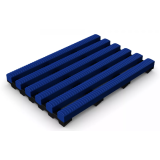 Heronrib Duckboard Vinyl Matting
Starting at $1,020.00
What Heronrib does before a wet shower floor becomes a health hazard For as long as there have been communal showers and changing rooms, there have been duckboards — slatted wooden boards laid down to keep bare feet up out of the water. The idea is right; the wood is...
What Heronrib does before a wet shower floor becomes a health hazard For as long as there have been communal...
What Heronrib does before a wet shower floor becomes a health hazard
For as long as there have been communal showers and changing rooms, there have been duckboards — slatted wooden boards laid down to keep bare feet up out of the water. The idea is right; the wood is the problem. Timber slats soak up water, go slimy underneath, splinter with age, and become a home for the athlete's foot fungus that thrives on shared wet floors.
Heronrib is a duckboard reimagined in vinyl. Like a good slatted board, it holds you up above the wet floor: its open-grid body, built from nonporous extruded PVC sections, lets water drain through and clear away beneath while you stand on a firm, embossed surface. Unlike wood, it's non-porous and carries anti-bacterial and anti-fungal additives, so it doesn't rot, splinter, or breed what wood breeds.
In a shared, barefoot wet area, that hygiene difference is the whole point. Cleaning and hygiene authorities like ISSA point to damp, hard-to-clean surfaces as a driver of both slips and the spread of fungal infection in showers and locker rooms. A duckboard that keeps feet dry, grips when wet, and rinses clean is doing real health work, not just covering a floor.
Why a vinyl duckboard beats a wooden one, and why this one
The case for vinyl over timber comes down to what water does to each. Wood absorbs it — swelling, rotting, and harboring bacteria in every grain and joint. Heronrib is made from nonporous extruded PVC, so water can't soak in; it drains off and the surface dries. That single difference is why a vinyl duckboard stays hygienic for years where a wooden one slowly turns into a liability.
The open-grid construction does the duckboard's lifting job better than slats can. The extruded PVC sections raise the walking surface and let water fall through the grid and away, while the embossed top grips bare feet — and it's certified for it, earning the full A+B+C classification on the DIN 51097 barefoot ramp test, with a 0.6 dry / 0.5 wet reading on ASTM F1677. There are no gaps wide enough to catch a toe, and no loose boards to shift underfoot.
It also outlasts wood in the conditions that destroy it. On the maker's own scale it rates a perfect 100 for durability, resists UV without degrading (apart from the red), and works from below freezing to 140°F, indoors or out. And it's kinder underfoot than bare slats on concrete: it's rated for anti-fatigue comfort, giving a firmer, warmer, more forgiving surface to stand on barefoot.
Where it belongs — and what it isn't
Heronrib belongs anywhere a duckboard or slatted mat has traditionally done the job. That's communal and shared showers, changing rooms and locker rooms, the pool deck and its surround, and sauna, spa, and Jacuzzi areas. Built for heavy barefoot traffic and effective indoors or out, it suits a busy public leisure center as readily as a smaller club — or a home wet room or shower, where wood is a constant maintenance headache.
It's worth saying what this isn't. It's a walk-on duckboard surface, not a flotation device, and not the liner sheet that goes under an above-ground pool. If you want a mat to put under a pool or a float for the water, this isn't that product. Heronrib lays on top of your existing floor — tile, concrete, or decking — and turns it into a dry, gripped, barefoot-safe surface.
The other break from tradition is coverage. Where wooden duckboards are loose sections that leave gaps and shift around, Heronrib rolls out to cover a whole floor. It comes in rolls up to 40 feet long that cut to fit on site, so a full changing room or shower block becomes one continuous surface in long strips rather than a scatter of separate boards, and we can advise on finishing the exposed borders.
Three Things to Check Before You Spec It
Replacing wooden boards with a vinyl duckboard is straightforward once you've settled three things.
First, decide roll-out or sectional. To turn a whole changing room or shower block into one continuous dry surface, order the long rolls and run them wall to wall. If you only need to cover a bench area or a single shower bay, a cut section works like a drop-in duckboard. Measure the full barefoot area, not just the walkway, so there's no wet gap where someone steps off.
Second, confirm it's the barefoot-rated surface for your traffic. This carries the top A+B+C barefoot slip classification, which is exactly what a shower or changing room needs, and it's built for heavy barefoot traffic. It also holds up under shoes in poolside and staff areas, so knowing where bare feet and shod traffic mix helps you size the coverage and place any transitions.
Third, match the color to sun and setting. It comes in blue, gray, and red, with more colors available on request. For an outdoor deck in constant sun, choose blue or gray, since the red isn't UV-stable and will fade outdoors. Indoors, any color holds up — blue reads fresh by a pool, gray stays neutral in a locker room, and red can mark off a zone.
Why Mats Inc.
We've been matching mats to real floors since 1964, and swapping tired wooden duckboards for a hygienic vinyl one is a change people feel underfoot right away. We'll help you size Heronrib to cover a whole shower or changing room, plan the roll runs and borders, and choose the right color for a barefoot communal space indoors or out. It's part of our wider lineup of pool and wet-area matting, and every order is backed by our 1-year limited warranty.
Material Nonporous extruded PVC Construction Open-grid; slip-resistant embossed surface Thickness 13/32" Weight 1.12 lb / sq ft Roll sizes 2', 3', and 4' widths x 40' (cut to fit on site) Slip resistance DIN 51097: Classification A+B+C (barefoot); ASTM F1677 dry/wet: 0.6/0.5 Hygiene Nonporous PVC with anti-bacterial and anti-fungal additives Temperature range -9°F to +140°F UV UV resistant (except red) Colors Blue, gray, red (more available on request) Mfr. rating (0–100) Durability 100 · Traction 90 · Anti-fatigue 70 Warranty 1-year limited (Mats Inc.) Frequently Asked Questions
How is a vinyl duckboard different from a traditional wooden one?
Answered by Dustin Thompson, Owner & CEO
It does the same core job — holding your feet up above the wet floor — but the way it's built solves everything wood gets wrong. Heronrib is an open grid of nonporous extruded PVC sections: the grid lifts the walking surface off the floor and lets water fall straight through and away, just like the gaps in a slatted board, while the embossed top grips bare feet. Because the vinyl doesn't absorb water, it won't swell, rot, splinter, or grow the fungus that wooden boards trap in their grain, and it carries anti-bacterial and anti-fungal additives on top of that.
Is it actually more hygienic and grippy than wooden boards?
Answered by Dustin Thompson, Owner & CEO
On both counts, yes. The nonporous PVC gives fungus and bacteria nowhere to live, and the anti-bacterial and anti-fungal additives actively resist them — a real difference from timber that soaks up water and harbors athlete's foot. For grip, it earns the full A+B+C barefoot classification on the DIN 51097 ramp test, with a 0.6 dry / 0.5 wet reading on ASTM F1677. It's also rated a perfect 100 for durability, handles UV (apart from the red), and works from below freezing to 140°F, so it stays sound where wood would rot or crack.
Can it cover a whole changing-room floor instead of loose boards?
Answered by Dustin Thompson, Owner & CEO
That's one of its biggest advantages over traditional duckboards. It comes in rolls up to 40 feet long, in 2-, 3-, and 4-foot widths, and cuts to fit on site — so instead of a scatter of loose boards with gaps between them, you can run long continuous strips across a whole room. For a small shower bay, a single cut section does it, and we can help finish the exposed borders so the edges look intentional and there's no lip to trip on.
Where would I use a vinyl duckboard?
Answered by Jinna Hopson, VP of Marketing
Anywhere you'd once have laid slatted boards to keep feet out of the water. The classic spots are communal showers, changing rooms, and locker rooms, plus pool decks and surrounds, saunas, spas, and Jacuzzi areas. Because it's built for heavy barefoot traffic and works indoors or out, it fits a busy public leisure center as easily as a smaller club — or a home wet room or shower, where wood is a constant maintenance headache. If it's a barefoot space that stays wet, a vinyl duckboard belongs there.
What does it feel like to walk on, and what colors can I get?
Answered by Jinna Hopson, VP of Marketing
It feels reassuringly solid and dry, which is the point. Instead of the cold, slick slap of wet tile or the give and splinters of old wood, you get a firm, cushioned surface with an embossed grip your feet can trust barefoot. It comes in blue, gray, and red, with more colors available on request — blue reads fresh and aquatic by a pool, gray stays neutral and hides grit in a locker room, and red can mark off a zone. Just keep the red to indoor or shaded spots, since it isn't UV-stable in constant sun.
How do I keep it clean in a busy shared shower?
Answered by Jinna Hopson, VP of Marketing
Easily, and that's a big part of why it beats wood in a communal space. Because it's nonporous and rolls up, you can hose or pressure-wash the surface, then lift a section to rinse and dry the floor underneath — no waterlogged boards, no slimy undersides. Regular cleaning keeps both the grip and the hygiene at their best. In a shared shower or changing room, that quick lift-and-rinse routine is what keeps the whole space feeling fresh rather than neglected.
Written by Jinna Hopson, VP of Marketing, Mats Inc.
↑
What Heronrib does before a wet shower floor becomes a health hazard
For as long as there have been communal showers and changing rooms, there have been duckboards — slatted wooden boards laid down to keep bare feet up out of the water. The idea is right; the wood is the problem. Timber slats soak up water, go slimy underneath, splinter with age, and become a home for the athlete's foot fungus that thrives on shared wet floors.
Heronrib is a duckboard reimagined in vinyl. Like a good slatted board, it holds you up above the wet floor: its open-grid body, built from nonporous extruded PVC sections, lets water drain through and clear away beneath while you stand on a firm, embossed surface. Unlike wood, it's non-porous and carries anti-bacterial and anti-fungal additives, so it doesn't rot, splinter, or breed what wood breeds.
In a shared, barefoot wet area, that hygiene difference is the whole point. Cleaning and hygiene authorities like ISSA point to damp, hard-to-clean surfaces as a driver of both slips and the spread of fungal infection in showers and locker rooms. A duckboard that keeps feet dry, grips when wet, and rinses clean is doing real health work, not just covering a floor.
Why a vinyl duckboard beats a wooden one, and why this one
The case for vinyl over timber comes down to what water does to each. Wood absorbs it — swelling, rotting, and harboring bacteria in every grain and joint. Heronrib is made from nonporous extruded PVC, so water can't soak in; it drains off and the surface dries. That single difference is why a vinyl duckboard stays hygienic for years where a wooden one slowly turns into a liability.
The open-grid construction does the duckboard's lifting job better than slats can. The extruded PVC sections raise the walking surface and let water fall through the grid and away, while the embossed top grips bare feet — and it's certified for it, earning the full A+B+C classification on the DIN 51097 barefoot ramp test, with a 0.6 dry / 0.5 wet reading on ASTM F1677. There are no gaps wide enough to catch a toe, and no loose boards to shift underfoot.
It also outlasts wood in the conditions that destroy it. On the maker's own scale it rates a perfect 100 for durability, resists UV without degrading (apart from the red), and works from below freezing to 140°F, indoors or out. And it's kinder underfoot than bare slats on concrete: it's rated for anti-fatigue comfort, giving a firmer, warmer, more forgiving surface to stand on barefoot.
Where it belongs — and what it isn't
Heronrib belongs anywhere a duckboard or slatted mat has traditionally done the job. That's communal and shared showers, changing rooms and locker rooms, the pool deck and its surround, and sauna, spa, and Jacuzzi areas. Built for heavy barefoot traffic and effective indoors or out, it suits a busy public leisure center as readily as a smaller club — or a home wet room or shower, where wood is a constant maintenance headache.
It's worth saying what this isn't. It's a walk-on duckboard surface, not a flotation device, and not the liner sheet that goes under an above-ground pool. If you want a mat to put under a pool or a float for the water, this isn't that product. Heronrib lays on top of your existing floor — tile, concrete, or decking — and turns it into a dry, gripped, barefoot-safe surface.
The other break from tradition is coverage. Where wooden duckboards are loose sections that leave gaps and shift around, Heronrib rolls out to cover a whole floor. It comes in rolls up to 40 feet long that cut to fit on site, so a full changing room or shower block becomes one continuous surface in long strips rather than a scatter of separate boards, and we can advise on finishing the exposed borders.
Three Things to Check Before You Spec It
Replacing wooden boards with a vinyl duckboard is straightforward once you've settled three things.
First, decide roll-out or sectional. To turn a whole changing room or shower block into one continuous dry surface, order the long rolls and run them wall to wall. If you only need to cover a bench area or a single shower bay, a cut section works like a drop-in duckboard. Measure the full barefoot area, not just the walkway, so there's no wet gap where someone steps off.
Second, confirm it's the barefoot-rated surface for your traffic. This carries the top A+B+C barefoot slip classification, which is exactly what a shower or changing room needs, and it's built for heavy barefoot traffic. It also holds up under shoes in poolside and staff areas, so knowing where bare feet and shod traffic mix helps you size the coverage and place any transitions.
Third, match the color to sun and setting. It comes in blue, gray, and red, with more colors available on request. For an outdoor deck in constant sun, choose blue or gray, since the red isn't UV-stable and will fade outdoors. Indoors, any color holds up — blue reads fresh by a pool, gray stays neutral in a locker room, and red can mark off a zone.
Why Mats Inc.
We've been matching mats to real floors since 1964, and swapping tired wooden duckboards for a hygienic vinyl one is a change people feel underfoot right away. We'll help you size Heronrib to cover a whole shower or changing room, plan the roll runs and borders, and choose the right color for a barefoot communal space indoors or out. It's part of our wider lineup of pool and wet-area matting, and every order is backed by our 1-year limited warranty.
Material Nonporous extruded PVC Construction Open-grid; slip-resistant embossed surface Thickness 13/32" Weight 1.12 lb / sq ft Roll sizes 2', 3', and 4' widths x 40' (cut to fit on site) Slip resistance DIN 51097: Classification A+B+C (barefoot); ASTM F1677 dry/wet: 0.6/0.5 Hygiene Nonporous PVC with anti-bacterial and anti-fungal additives Temperature range -9°F to +140°F UV UV resistant (except red) Colors Blue, gray, red (more available on request) Mfr. rating (0–100) Durability 100 · Traction 90 · Anti-fatigue 70 Warranty 1-year limited (Mats Inc.) Frequently Asked Questions
How is a vinyl duckboard different from a traditional wooden one?
Answered by Dustin Thompson, Owner & CEO
It does the same core job — holding your feet up above the wet floor — but the way it's built solves everything wood gets wrong. Heronrib is an open grid of nonporous extruded PVC sections: the grid lifts the walking surface off the floor and lets water fall straight through and away, just like the gaps in a slatted board, while the embossed top grips bare feet. Because the vinyl doesn't absorb water, it won't swell, rot, splinter, or grow the fungus that wooden boards trap in their grain, and it carries anti-bacterial and anti-fungal additives on top of that.
Is it actually more hygienic and grippy than wooden boards?
Answered by Dustin Thompson, Owner & CEO
On both counts, yes. The nonporous PVC gives fungus and bacteria nowhere to live, and the anti-bacterial and anti-fungal additives actively resist them — a real difference from timber that soaks up water and harbors athlete's foot. For grip, it earns the full A+B+C barefoot classification on the DIN 51097 ramp test, with a 0.6 dry / 0.5 wet reading on ASTM F1677. It's also rated a perfect 100 for durability, handles UV (apart from the red), and works from below freezing to 140°F, so it stays sound where wood would rot or crack.
Can it cover a whole changing-room floor instead of loose boards?
Answered by Dustin Thompson, Owner & CEO
That's one of its biggest advantages over traditional duckboards. It comes in rolls up to 40 feet long, in 2-, 3-, and 4-foot widths, and cuts to fit on site — so instead of a scatter of loose boards with gaps between them, you can run long continuous strips across a whole room. For a small shower bay, a single cut section does it, and we can help finish the exposed borders so the edges look intentional and there's no lip to trip on.
Where would I use a vinyl duckboard?
Answered by Jinna Hopson, VP of Marketing
Anywhere you'd once have laid slatted boards to keep feet out of the water. The classic spots are communal showers, changing rooms, and locker rooms, plus pool decks and surrounds, saunas, spas, and Jacuzzi areas. Because it's built for heavy barefoot traffic and works indoors or out, it fits a busy public leisure center as easily as a smaller club — or a home wet room or shower, where wood is a constant maintenance headache. If it's a barefoot space that stays wet, a vinyl duckboard belongs there.
What does it feel like to walk on, and what colors can I get?
Answered by Jinna Hopson, VP of Marketing
It feels reassuringly solid and dry, which is the point. Instead of the cold, slick slap of wet tile or the give and splinters of old wood, you get a firm, cushioned surface with an embossed grip your feet can trust barefoot. It comes in blue, gray, and red, with more colors available on request — blue reads fresh and aquatic by a pool, gray stays neutral and hides grit in a locker room, and red can mark off a zone. Just keep the red to indoor or shaded spots, since it isn't UV-stable in constant sun.
How do I keep it clean in a busy shared shower?
Answered by Jinna Hopson, VP of Marketing
Easily, and that's a big part of why it beats wood in a communal space. Because it's nonporous and rolls up, you can hose or pressure-wash the surface, then lift a section to rinse and dry the floor underneath — no waterlogged boards, no slimy undersides. Regular cleaning keeps both the grip and the hygiene at their best. In a shared shower or changing room, that quick lift-and-rinse routine is what keeps the whole space feeling fresh rather than neglected.
Written by Jinna Hopson, VP of Marketing, Mats Inc.
↑
View Details
View Details
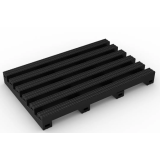 Heronair Matting
Starting at $588.00
What Heronair does before a wet work floor causes a fall In a busy work area, the floor gets wet and stays wet — washdown, splashes, drips, tracked-in water. It's easy to assume a quick mop or a coat of non-slip paint keeps people safe. The catch is that water...
What Heronair does before a wet work floor causes a fall In a busy work area, the floor gets wet...
What Heronair does before a wet work floor causes a fall
In a busy work area, the floor gets wet and stays wet — washdown, splashes, drips, tracked-in water. It's easy to assume a quick mop or a coat of non-slip paint keeps people safe. The catch is that water spreads into a thin film on a hard floor, right where people walk and stand, and a painted or tiled surface that grips dry can turn slick the moment it's wet.
Heronair is built to take that film out of play. It's an open-grid PVC mat that's impermeable to fluids, so water and debris drop through and disperse below the surface instead of pooling on top. The etched surface gives shoes traction, and the mat keeps draining even when the floor around it is soaked. That's the difference between a real non-slip wet-area mat and a surface that only behaves when it's dry.
A wet, slick work floor isn't a minor nuisance. The National Floor Safety Institute ties wet, hard floors to a large share of slip, trip, and fall injuries, and a walkway or wet work zone keeps feeding that risk shift after shift. A mat that drains the water away and holds grip underfoot is doing safety work the whole time it's down.
Why a lightweight tubular PVC build, and why this one
Heronair is made from non-porous PVC in a two-layer, tubular construction — and that hollow build is the heart of what makes it different. The tubes make the mat genuinely light: at around 0.9 pounds per square foot, it's easy to lift, roll, and reposition by hand. In a space where mats get pulled up for cleaning or moved between tasks, that lightness is a real day-to-day advantage.
The same open structure that keeps it light also keeps it draining. Liquids pass straight through and clear away beneath the mat, and it's certified slip resistant at R11 with V10 drainage under DIN 51130. Grip comes from an etched surface, so traction is strongest across the lines of the pattern. The hollow body also insulates against a cold floor and absorbs sound, taking some of the chill and clatter out of a hard work area.
Because people stand on these floors for hours, the cushioning matters. The give in the tubular build reduces fatigue underfoot, which is easier on legs and backs than bare concrete. The PVC itself resists most acids, alkalines, and oils, handles UV without degrading, and works from below freezing up to 140°F. Made in black, it's produced from post-industrial recycled material — averaging at least 30% recycled content — and the whole mat is 100% recyclable.
Where it belongs — and what it isn't
Heronair belongs in wet, working spaces where people are on their feet in shoes. Think light-industrial areas and walkways, washdown zones, beverage and prep stations, and the wet service and back-of-house areas around a pool — pump and equipment rooms, plant rooms, and staff walkways — rather than the barefoot deck itself. Wherever liquids underfoot meet standing workers, it earns its place.
It's worth being clear about what this mat is not. It's a shod, walk-on work mat — not a barefoot-certified pool mat, not a flotation device, and not the liner sheet that goes under an above-ground pool. For the barefoot pool deck, shower, or changing room, a barefoot-rated mat is the right call. Heronair's job is the working wet floor, in shoes, where drainage and anti-fatigue support matter most.
How it goes down is simple. It comes in 33-foot rolls, cuts to fit on site, and contours to uneven surfaces, so it follows a real floor instead of fighting it. For larger areas, rolls join side-to-side and end-to-end with connector clips or welded snap track, and ramped edging finishes an exposed border so the mat doesn't become a trip point.
Three Things to Check Before You Spec It
Heronair is easy to order well once you've thought through three things.
First, match it to the duty. This is the lighter, more versatile end of wet-area matting — ideal where you want easy handling, anti-fatigue support, and reliable drainage in shoes. For the most punishing wet floors or the highest wet-grip demands, a heavier, higher-traction mat may suit better. Be honest about how hard the floor gets worked before you choose.
Second, measure the whole wet path and plan the joins. Size the mat to cover wherever liquid actually reaches — the full washdown zone, the length of a walkway — since a dry-foot gap is where the next slip waits. For bigger areas, map where rolls will join with clips or snap track and where ramped edging finishes the border.
Third, plan for heat and movement. The PVC handles a wide temperature range, but like any thermoplastic it can shrink slightly — up to about 2%, faster in heat — so in a hot space or an exposed spot, leave a little room at fixed edges rather than butting it tight wall to wall, and use edging or clips to keep sections in place.
Why Mats Inc.
We've been matching mats to real floors since 1964, and wet work areas are where the wrong mat shows up fastest — in sore legs, slick steps, and mats too heavy to bother moving. We'll help you decide whether Heronair's lightweight, easy-handling build fits your space or whether a heavier mat suits the duty, size it to your actual wet path, and plan the seams and edging. It's part of our wider lineup of pool and wet-area matting, and every order is backed by our 1-year limited warranty.
Material Non-porous flexible PVC Construction Two-layer tubular (hollow); etched open-grid surface Thickness 3/8" (10 mm) Weight 0.9 lb / sq ft Roll options 33' lengths in 2', 3', and 4' widths (cut to fit on site) Custom sizes Custom matting available Slip resistance DIN 51130: R11; ASTM F1677: 0.6/0.6; ASTM E303 wet: 58–77 (by direction) Drainage DIN 51130: V10 Chemical resistance Most acids, alkalines, and oils Temperature range -9°F to +140°F Hygiene Non-porous PVC; naturally resists bacteria growth Acoustic / thermal Sound absorption; insulating Environmental 100% recyclable; black made from ≥30% post-industrial recycled content; no SVHC (REACH) UV Resists PVC degradation Color Black (other colors available) Warranty 1-year limited (Mats Inc.) Frequently Asked Questions
What's Heronair made of, and why is it so light?
Answered by Dustin Thompson, Owner & CEO
It's made from non-porous PVC in a two-layer, tubular construction — essentially an open grid of hollow tubes. That hollow build is why it's light: about 0.9 pounds per square foot, easy to lift, roll, and move by hand. The open structure also means it's impermeable to fluids — water and debris drop straight through and clear away underneath instead of pooling on top. So the same thing that makes it light also makes it drain, and keeps the walking surface usable when the floor's wet.
How slip-resistant and tough is it, especially with chemicals around?
Answered by Dustin Thompson, Owner & CEO
It's certified slip resistant at R11 with V10 drainage under DIN 51130, with traction coming from an etched surface — grip is strongest across the lines of the pattern, reading 58 to 77 wet on the ASTM E303 pendulum test depending on direction. On toughness, the PVC resists most acids, alkalines, and oils, stands up to UV without degrading, and works from below freezing up to 140°F. That's what lets the same mat hold up in a washdown area, a chemical-prone work zone, or an outdoor walkway without going brittle.
What sizes does it come in, and can it cover a large floor?
Answered by Dustin Thompson, Owner & CEO
It comes in 33-foot rolls in 2-, 3-, and 4-foot widths, and you cut it to fit on site. For a large floor, rolls join side-to-side and end-to-end with connector clips or welded snap track, so you can cover a whole walkway or work area in one continuous surface. Because it contours to uneven ground, it follows a real floor rather than needing a perfectly flat one, and custom matting is available when a standard width won't fit.
Can I use this around a pool, or is it really a workplace mat?
Answered by Jinna Hopson, VP of Marketing
It's really a workplace mat, and that's where it shines — light-industrial areas, walkways, washdown and prep zones. Around a pool, its place is the working, in-shoes areas: pump and plant rooms, staff walkways, and back-of-house service spaces, rather than the barefoot deck or shower. For those barefoot areas you'd want a barefoot-rated pool mat instead. If your space is a wet floor where people work on their feet in shoes, Heronair fits.
What does it look like underfoot?
Answered by Jinna Hopson, VP of Marketing
It has a practical, industrial look — an open, etched grid that clearly reads as a working surface built to drain and grip, not as decoration. The standard color is black, which is the easy choice for a work area because it hides the grit, oil, and debris these floors collect between cleanings; the black version is also the one made from recycled material. Other colors are available if you want to mark off a zone or match a scheme — tell us what you need and we'll confirm the options.
My work area has an awkward layout — will it fit, and is it easy to live with?
Answered by Jinna Hopson, VP of Marketing
Yes on both counts. Because it cuts to fit on site and contours to uneven surfaces, you can shape a run around machinery, drains, and corners instead of forcing the space to match a fixed mat. And it's genuinely easy to live with day to day: it's light enough to lift or roll up for cleaning by hand, needs no special tools, and rinses down with a hose. Send us your layout and we'll help you plan widths, joins, and edging.
Written by Dustin Thompson, Owner & CEO, Mats Inc.
↑
What Heronair does before a wet work floor causes a fall
In a busy work area, the floor gets wet and stays wet — washdown, splashes, drips, tracked-in water. It's easy to assume a quick mop or a coat of non-slip paint keeps people safe. The catch is that water spreads into a thin film on a hard floor, right where people walk and stand, and a painted or tiled surface that grips dry can turn slick the moment it's wet.
Heronair is built to take that film out of play. It's an open-grid PVC mat that's impermeable to fluids, so water and debris drop through and disperse below the surface instead of pooling on top. The etched surface gives shoes traction, and the mat keeps draining even when the floor around it is soaked. That's the difference between a real non-slip wet-area mat and a surface that only behaves when it's dry.
A wet, slick work floor isn't a minor nuisance. The National Floor Safety Institute ties wet, hard floors to a large share of slip, trip, and fall injuries, and a walkway or wet work zone keeps feeding that risk shift after shift. A mat that drains the water away and holds grip underfoot is doing safety work the whole time it's down.
Why a lightweight tubular PVC build, and why this one
Heronair is made from non-porous PVC in a two-layer, tubular construction — and that hollow build is the heart of what makes it different. The tubes make the mat genuinely light: at around 0.9 pounds per square foot, it's easy to lift, roll, and reposition by hand. In a space where mats get pulled up for cleaning or moved between tasks, that lightness is a real day-to-day advantage.
The same open structure that keeps it light also keeps it draining. Liquids pass straight through and clear away beneath the mat, and it's certified slip resistant at R11 with V10 drainage under DIN 51130. Grip comes from an etched surface, so traction is strongest across the lines of the pattern. The hollow body also insulates against a cold floor and absorbs sound, taking some of the chill and clatter out of a hard work area.
Because people stand on these floors for hours, the cushioning matters. The give in the tubular build reduces fatigue underfoot, which is easier on legs and backs than bare concrete. The PVC itself resists most acids, alkalines, and oils, handles UV without degrading, and works from below freezing up to 140°F. Made in black, it's produced from post-industrial recycled material — averaging at least 30% recycled content — and the whole mat is 100% recyclable.
Where it belongs — and what it isn't
Heronair belongs in wet, working spaces where people are on their feet in shoes. Think light-industrial areas and walkways, washdown zones, beverage and prep stations, and the wet service and back-of-house areas around a pool — pump and equipment rooms, plant rooms, and staff walkways — rather than the barefoot deck itself. Wherever liquids underfoot meet standing workers, it earns its place.
It's worth being clear about what this mat is not. It's a shod, walk-on work mat — not a barefoot-certified pool mat, not a flotation device, and not the liner sheet that goes under an above-ground pool. For the barefoot pool deck, shower, or changing room, a barefoot-rated mat is the right call. Heronair's job is the working wet floor, in shoes, where drainage and anti-fatigue support matter most.
How it goes down is simple. It comes in 33-foot rolls, cuts to fit on site, and contours to uneven surfaces, so it follows a real floor instead of fighting it. For larger areas, rolls join side-to-side and end-to-end with connector clips or welded snap track, and ramped edging finishes an exposed border so the mat doesn't become a trip point.
Three Things to Check Before You Spec It
Heronair is easy to order well once you've thought through three things.
First, match it to the duty. This is the lighter, more versatile end of wet-area matting — ideal where you want easy handling, anti-fatigue support, and reliable drainage in shoes. For the most punishing wet floors or the highest wet-grip demands, a heavier, higher-traction mat may suit better. Be honest about how hard the floor gets worked before you choose.
Second, measure the whole wet path and plan the joins. Size the mat to cover wherever liquid actually reaches — the full washdown zone, the length of a walkway — since a dry-foot gap is where the next slip waits. For bigger areas, map where rolls will join with clips or snap track and where ramped edging finishes the border.
Third, plan for heat and movement. The PVC handles a wide temperature range, but like any thermoplastic it can shrink slightly — up to about 2%, faster in heat — so in a hot space or an exposed spot, leave a little room at fixed edges rather than butting it tight wall to wall, and use edging or clips to keep sections in place.
Why Mats Inc.
We've been matching mats to real floors since 1964, and wet work areas are where the wrong mat shows up fastest — in sore legs, slick steps, and mats too heavy to bother moving. We'll help you decide whether Heronair's lightweight, easy-handling build fits your space or whether a heavier mat suits the duty, size it to your actual wet path, and plan the seams and edging. It's part of our wider lineup of pool and wet-area matting, and every order is backed by our 1-year limited warranty.
Material Non-porous flexible PVC Construction Two-layer tubular (hollow); etched open-grid surface Thickness 3/8" (10 mm) Weight 0.9 lb / sq ft Roll options 33' lengths in 2', 3', and 4' widths (cut to fit on site) Custom sizes Custom matting available Slip resistance DIN 51130: R11; ASTM F1677: 0.6/0.6; ASTM E303 wet: 58–77 (by direction) Drainage DIN 51130: V10 Chemical resistance Most acids, alkalines, and oils Temperature range -9°F to +140°F Hygiene Non-porous PVC; naturally resists bacteria growth Acoustic / thermal Sound absorption; insulating Environmental 100% recyclable; black made from ≥30% post-industrial recycled content; no SVHC (REACH) UV Resists PVC degradation Color Black (other colors available) Warranty 1-year limited (Mats Inc.) Frequently Asked Questions
What's Heronair made of, and why is it so light?
Answered by Dustin Thompson, Owner & CEO
It's made from non-porous PVC in a two-layer, tubular construction — essentially an open grid of hollow tubes. That hollow build is why it's light: about 0.9 pounds per square foot, easy to lift, roll, and move by hand. The open structure also means it's impermeable to fluids — water and debris drop straight through and clear away underneath instead of pooling on top. So the same thing that makes it light also makes it drain, and keeps the walking surface usable when the floor's wet.
How slip-resistant and tough is it, especially with chemicals around?
Answered by Dustin Thompson, Owner & CEO
It's certified slip resistant at R11 with V10 drainage under DIN 51130, with traction coming from an etched surface — grip is strongest across the lines of the pattern, reading 58 to 77 wet on the ASTM E303 pendulum test depending on direction. On toughness, the PVC resists most acids, alkalines, and oils, stands up to UV without degrading, and works from below freezing up to 140°F. That's what lets the same mat hold up in a washdown area, a chemical-prone work zone, or an outdoor walkway without going brittle.
What sizes does it come in, and can it cover a large floor?
Answered by Dustin Thompson, Owner & CEO
It comes in 33-foot rolls in 2-, 3-, and 4-foot widths, and you cut it to fit on site. For a large floor, rolls join side-to-side and end-to-end with connector clips or welded snap track, so you can cover a whole walkway or work area in one continuous surface. Because it contours to uneven ground, it follows a real floor rather than needing a perfectly flat one, and custom matting is available when a standard width won't fit.
Can I use this around a pool, or is it really a workplace mat?
Answered by Jinna Hopson, VP of Marketing
It's really a workplace mat, and that's where it shines — light-industrial areas, walkways, washdown and prep zones. Around a pool, its place is the working, in-shoes areas: pump and plant rooms, staff walkways, and back-of-house service spaces, rather than the barefoot deck or shower. For those barefoot areas you'd want a barefoot-rated pool mat instead. If your space is a wet floor where people work on their feet in shoes, Heronair fits.
What does it look like underfoot?
Answered by Jinna Hopson, VP of Marketing
It has a practical, industrial look — an open, etched grid that clearly reads as a working surface built to drain and grip, not as decoration. The standard color is black, which is the easy choice for a work area because it hides the grit, oil, and debris these floors collect between cleanings; the black version is also the one made from recycled material. Other colors are available if you want to mark off a zone or match a scheme — tell us what you need and we'll confirm the options.
My work area has an awkward layout — will it fit, and is it easy to live with?
Answered by Jinna Hopson, VP of Marketing
Yes on both counts. Because it cuts to fit on site and contours to uneven surfaces, you can shape a run around machinery, drains, and corners instead of forcing the space to match a fixed mat. And it's genuinely easy to live with day to day: it's light enough to lift or roll up for cleaning by hand, needs no special tools, and rinses down with a hose. Send us your layout and we'll help you plan widths, joins, and edging.
Written by Dustin Thompson, Owner & CEO, Mats Inc.
↑
View Details
View Details
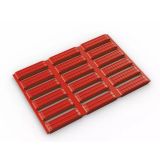 Floorline Matting$765.00What Floorline does before a wet floor sends someone down Around a pool, behind a bar, or across a changing-room floor, the wet patch you don't notice is the one that trips someone. It's easy to assume textured tile or a quick mop has it covered. But water spreads into
...
What Floorline does before a wet floor sends someone down Around a pool, behind a bar, or across a changing-room...
What Floorline does before a wet floor sends someone down
Around a pool, behind a bar, or across a changing-room floor, the wet patch you don't notice is the one that trips someone. It's easy to assume textured tile or a quick mop has it covered. But water spreads into a thin film on a flat surface, right where feet land, and a surface that grips dry can turn slick the instant it's wet — in shoes or bare feet.
Floorline is built to clear that film. Its open-grid, embossed surface lets water and spills drain straight through to the floor below, so the part you stand on stays above the puddle. The etched top gives shoes and bare skin a firm grip. That combination is what makes it a true non-slip wet-area mat rather than one that only behaves when it's dry.
A slick leisure or wet floor isn't a small problem. Hygiene and floor-care authorities like ISSA point to wet, soiled floors as a leading source of both slip injuries and sanitation issues, and a pool deck, bar, or changing room keeps those floors wet all day. A mat that drains the water away, grips underfoot, and rinses clean is doing real safety and hygiene work.
Why a thin, single-tier PVC build, and why this one
Floorline is made from a single tier of flexible, non-porous PVC in an open-grid form. That single-tier build is the heart of what sets it apart: at 1/4 inch thick and about 0.76 pounds per square foot, it's the lightest, thinnest mat of its kind we carry — genuinely easy to carry, move, and lift for cleaning, and soft enough underfoot that standing on it all shift is easy on the legs.
Thin doesn't mean it gives up grip. It carries the highest slip and drainage certifications of its family — R11 and V10 under DIN 51130, Classification C on the DIN 51097 barefoot ramp test, and a 1.0 dry / 0.8 wet reading on ASTM F1677. So it's rated for both shoes and bare feet, with water clearing through the grid the whole time. It's also built with anti-microbial and anti-fungal properties that protect bare feet against the fungus changing rooms tend to grow.
It holds up in tough, wet conditions too. The non-porous PVC resists most acids, alkalines, and oils, stands up to UV, and works from below freezing to 140°F, so an outdoor deck and an indoor shower are both fair game. It carries a EN13501-1 Cfl-s1 fire classification, absorbs sound, and is 100% recyclable with no SVHC substances.
Where it belongs — and what it isn't
Floorline earns its place anywhere water and feet meet. That's the pool deck and poolside walkway, shower floors, changing and locker rooms, and recreation centers — and just as much the wet floors of hospitality, like bar flooring, commercial kitchens, and the areas behind a counter where spills and breakages are constant. Because it's certified for shoes and bare feet alike, one mat covers a lot of ground.
It helps to be clear about what this mat is not. It's a walk-on surface mat, not a flotation device, and not the liner sheet that goes under an above-ground pool. If you're after a mat to put under a pool or a float for the water, this isn't that product. Floorline works on top of the floor, under your feet — on concrete, tile, decking, or a finished pool surround.
One honest note for outdoor use: the PVC resists sun, but the red color isn't colorfast in constant direct sunlight, so a red mat in full sun will fade over time. For exposed outdoor decks the darker color is the safer pick; in shaded or indoor spaces, either holds up fine.
Three Things to Check Before You Spec It
Floorline is easy to order well once you've settled three things.
First, match it to the duty. This is the light, thin, soft end of wet-area matting — ideal where comfort underfoot, easy handling, and reliable grip matter, like a bar floor, a changing room, or a poolside walkway. For the most punishing, heavy-rolling-load floors, a thicker, heavier mat may suit better. Be honest about how hard the floor gets worked before you choose.
Second, measure the whole wet path. The walk from the pool to the showers, the full length behind a bar, the changing-room floor — size the mat to cover wherever feet are actually wet, because a dry-foot gap is exactly where the next slip happens. It comes in 2- and 3-foot-wide rolls and cuts to fit on site, so odd shapes and obstacles aren't a problem.
Third, plan for sun and heat outdoors. Choose the darker color for spots in constant direct sun. And like any thermoplastic, the PVC can shrink slightly — up to about 2%, faster in heat — so on a hot, exposed deck, leave a little room at fixed edges rather than butting it tight wall to wall.
Why Mats Inc.
We've been matching mats to real floors since 1964, and wet leisure and hospitality floors are where the wrong choice shows up fastest — in slips, in sore feet, and in mats too awkward to lift and clean. We'll help you size Floorline to your actual wet path, choose between widths, and pick the right color for sun or shade. It's part of our wider lineup of pool and wet-area matting, and every order is backed by our 1-year limited warranty.
Material Single-tier non-porous flexible PVC Construction Open grid with embossed surface Thickness 1/4" (6 mm) Weight 0.76 lb / sq ft Roll options 33' lengths in 2' and 3' widths (cut to fit on site) Slip resistance DIN 51130: R11; DIN 51097: Class C (barefoot); ASTM F1677 dry/wet: 1.0/0.8 Drainage DIN 51130: V10 Hygiene Non-porous PVC; anti-microbial and anti-fungal Chemical resistance Most acids, alkalines, and oils Temperature range -9°F to +140°F Fire classification EN 13501-1:2007 Cfl-s1 Acoustic Sound absorption Environmental 100% recyclable; no SVHC substances (REACH) UV Resists PVC degradation (red not colorfast in direct sun) Colors Black and red Warranty 1-year limited (Mats Inc.) Frequently Asked Questions
What's Floorline made of, and how does it grip and drain?
Answered by Dustin Thompson, Owner & CEO
It's made from a single tier of non-porous, flexible PVC in an open-grid form with an embossed top. Two things make it work on a wet floor. First, the open grid lets water and spills drain straight through to the floor below, so you're standing on the mat instead of on a film of water. Second, the embossed surface gives shoes and bare feet edges to grip. The PVC is non-porous so it won't soak up moisture, and it's built with anti-microbial and anti-fungal properties to resist the fungus and bacteria wet floors breed.
How slip-resistant is it, for shoes and bare feet?
Answered by Dustin Thompson, Owner & CEO
It's rated for both, which is part of what makes it versatile. It carries R11 and V10 drainage under DIN 51130 for shod traffic, Classification C on the DIN 51097 barefoot ramp test, and a 1.0 dry / 0.8 wet reading on ASTM F1677 — among the strongest figures in its family. Grip comes from an etched surface, so traction is best across the lines of the pattern. In practice that means the same mat works under a lifeguard's shoes and a swimmer's bare feet without compromise.
What sizes does it come in, and can I cover a large area?
Answered by Dustin Thompson, Owner & CEO
It comes in 33-foot rolls in 2- and 3-foot widths, and you cut it to fit on site — no special tools or prep visit needed. For a longer run, like a poolside walkway or the length behind a bar, you simply lay and trim to the distance you need. Because it contours to uneven surfaces, it follows a real floor rather than needing a perfectly flat one. For widths beyond the standard rolls, ask us and we'll work out the best layout.
Where does Floorline work best?
Answered by Jinna Hopson, VP of Marketing
Anywhere water and feet meet, indoors or out. It's a natural around pool decks and poolside walkways, in showers, changing and locker rooms, and recreation centers. It's also a favorite in hospitality — bar floors, the area behind a counter, and commercial kitchens — where spills and the odd breakage are constant and staff are on their feet for hours. Because it's certified for both shoes and bare feet, one mat handles a lot of different spaces.
What does it look like, and what colors can I get?
Answered by Jinna Hopson, VP of Marketing
It has a clean, low-profile grid look that reads as tidy and purposeful rather than bulky — being thin, it sits close to the floor and doesn't dominate a space. It comes in black and red. Black is the easy, neutral choice that hides grit and debris around a pool or behind a bar, while red can mark off a zone or add a little warmth. Just keep the red out of constant direct sun, where it can fade over time.
My space is an odd shape and I'll be moving the mat to clean — is that easy?
Answered by Jinna Hopson, VP of Marketing
Both are easy, and they're where this mat shines. Because it cuts to fit on site and contours to uneven surfaces, you can shape a run around drains, corners, and fixtures instead of forcing the space to match a fixed mat. And being the lightest, thinnest mat of its kind, it's simple to roll or lift by hand for cleaning — rinse it, let the floor underneath dry, and lay it back down. Send us your layout and we'll help you plan it.
Written by Jinna Hopson, VP of Marketing, Mats Inc.
↑
What Floorline does before a wet floor sends someone down
Around a pool, behind a bar, or across a changing-room floor, the wet patch you don't notice is the one that trips someone. It's easy to assume textured tile or a quick mop has it covered. But water spreads into a thin film on a flat surface, right where feet land, and a surface that grips dry can turn slick the instant it's wet — in shoes or bare feet.
Floorline is built to clear that film. Its open-grid, embossed surface lets water and spills drain straight through to the floor below, so the part you stand on stays above the puddle. The etched top gives shoes and bare skin a firm grip. That combination is what makes it a true non-slip wet-area mat rather than one that only behaves when it's dry.
A slick leisure or wet floor isn't a small problem. Hygiene and floor-care authorities like ISSA point to wet, soiled floors as a leading source of both slip injuries and sanitation issues, and a pool deck, bar, or changing room keeps those floors wet all day. A mat that drains the water away, grips underfoot, and rinses clean is doing real safety and hygiene work.
Why a thin, single-tier PVC build, and why this one
Floorline is made from a single tier of flexible, non-porous PVC in an open-grid form. That single-tier build is the heart of what sets it apart: at 1/4 inch thick and about 0.76 pounds per square foot, it's the lightest, thinnest mat of its kind we carry — genuinely easy to carry, move, and lift for cleaning, and soft enough underfoot that standing on it all shift is easy on the legs.
Thin doesn't mean it gives up grip. It carries the highest slip and drainage certifications of its family — R11 and V10 under DIN 51130, Classification C on the DIN 51097 barefoot ramp test, and a 1.0 dry / 0.8 wet reading on ASTM F1677. So it's rated for both shoes and bare feet, with water clearing through the grid the whole time. It's also built with anti-microbial and anti-fungal properties that protect bare feet against the fungus changing rooms tend to grow.
It holds up in tough, wet conditions too. The non-porous PVC resists most acids, alkalines, and oils, stands up to UV, and works from below freezing to 140°F, so an outdoor deck and an indoor shower are both fair game. It carries a EN13501-1 Cfl-s1 fire classification, absorbs sound, and is 100% recyclable with no SVHC substances.
Where it belongs — and what it isn't
Floorline earns its place anywhere water and feet meet. That's the pool deck and poolside walkway, shower floors, changing and locker rooms, and recreation centers — and just as much the wet floors of hospitality, like bar flooring, commercial kitchens, and the areas behind a counter where spills and breakages are constant. Because it's certified for shoes and bare feet alike, one mat covers a lot of ground.
It helps to be clear about what this mat is not. It's a walk-on surface mat, not a flotation device, and not the liner sheet that goes under an above-ground pool. If you're after a mat to put under a pool or a float for the water, this isn't that product. Floorline works on top of the floor, under your feet — on concrete, tile, decking, or a finished pool surround.
One honest note for outdoor use: the PVC resists sun, but the red color isn't colorfast in constant direct sunlight, so a red mat in full sun will fade over time. For exposed outdoor decks the darker color is the safer pick; in shaded or indoor spaces, either holds up fine.
Three Things to Check Before You Spec It
Floorline is easy to order well once you've settled three things.
First, match it to the duty. This is the light, thin, soft end of wet-area matting — ideal where comfort underfoot, easy handling, and reliable grip matter, like a bar floor, a changing room, or a poolside walkway. For the most punishing, heavy-rolling-load floors, a thicker, heavier mat may suit better. Be honest about how hard the floor gets worked before you choose.
Second, measure the whole wet path. The walk from the pool to the showers, the full length behind a bar, the changing-room floor — size the mat to cover wherever feet are actually wet, because a dry-foot gap is exactly where the next slip happens. It comes in 2- and 3-foot-wide rolls and cuts to fit on site, so odd shapes and obstacles aren't a problem.
Third, plan for sun and heat outdoors. Choose the darker color for spots in constant direct sun. And like any thermoplastic, the PVC can shrink slightly — up to about 2%, faster in heat — so on a hot, exposed deck, leave a little room at fixed edges rather than butting it tight wall to wall.
Why Mats Inc.
We've been matching mats to real floors since 1964, and wet leisure and hospitality floors are where the wrong choice shows up fastest — in slips, in sore feet, and in mats too awkward to lift and clean. We'll help you size Floorline to your actual wet path, choose between widths, and pick the right color for sun or shade. It's part of our wider lineup of pool and wet-area matting, and every order is backed by our 1-year limited warranty.
Material Single-tier non-porous flexible PVC Construction Open grid with embossed surface Thickness 1/4" (6 mm) Weight 0.76 lb / sq ft Roll options 33' lengths in 2' and 3' widths (cut to fit on site) Slip resistance DIN 51130: R11; DIN 51097: Class C (barefoot); ASTM F1677 dry/wet: 1.0/0.8 Drainage DIN 51130: V10 Hygiene Non-porous PVC; anti-microbial and anti-fungal Chemical resistance Most acids, alkalines, and oils Temperature range -9°F to +140°F Fire classification EN 13501-1:2007 Cfl-s1 Acoustic Sound absorption Environmental 100% recyclable; no SVHC substances (REACH) UV Resists PVC degradation (red not colorfast in direct sun) Colors Black and red Warranty 1-year limited (Mats Inc.) Frequently Asked Questions
What's Floorline made of, and how does it grip and drain?
Answered by Dustin Thompson, Owner & CEO
It's made from a single tier of non-porous, flexible PVC in an open-grid form with an embossed top. Two things make it work on a wet floor. First, the open grid lets water and spills drain straight through to the floor below, so you're standing on the mat instead of on a film of water. Second, the embossed surface gives shoes and bare feet edges to grip. The PVC is non-porous so it won't soak up moisture, and it's built with anti-microbial and anti-fungal properties to resist the fungus and bacteria wet floors breed.
How slip-resistant is it, for shoes and bare feet?
Answered by Dustin Thompson, Owner & CEO
It's rated for both, which is part of what makes it versatile. It carries R11 and V10 drainage under DIN 51130 for shod traffic, Classification C on the DIN 51097 barefoot ramp test, and a 1.0 dry / 0.8 wet reading on ASTM F1677 — among the strongest figures in its family. Grip comes from an etched surface, so traction is best across the lines of the pattern. In practice that means the same mat works under a lifeguard's shoes and a swimmer's bare feet without compromise.
What sizes does it come in, and can I cover a large area?
Answered by Dustin Thompson, Owner & CEO
It comes in 33-foot rolls in 2- and 3-foot widths, and you cut it to fit on site — no special tools or prep visit needed. For a longer run, like a poolside walkway or the length behind a bar, you simply lay and trim to the distance you need. Because it contours to uneven surfaces, it follows a real floor rather than needing a perfectly flat one. For widths beyond the standard rolls, ask us and we'll work out the best layout.
Where does Floorline work best?
Answered by Jinna Hopson, VP of Marketing
Anywhere water and feet meet, indoors or out. It's a natural around pool decks and poolside walkways, in showers, changing and locker rooms, and recreation centers. It's also a favorite in hospitality — bar floors, the area behind a counter, and commercial kitchens — where spills and the odd breakage are constant and staff are on their feet for hours. Because it's certified for both shoes and bare feet, one mat handles a lot of different spaces.
What does it look like, and what colors can I get?
Answered by Jinna Hopson, VP of Marketing
It has a clean, low-profile grid look that reads as tidy and purposeful rather than bulky — being thin, it sits close to the floor and doesn't dominate a space. It comes in black and red. Black is the easy, neutral choice that hides grit and debris around a pool or behind a bar, while red can mark off a zone or add a little warmth. Just keep the red out of constant direct sun, where it can fade over time.
My space is an odd shape and I'll be moving the mat to clean — is that easy?
Answered by Jinna Hopson, VP of Marketing
Both are easy, and they're where this mat shines. Because it cuts to fit on site and contours to uneven surfaces, you can shape a run around drains, corners, and fixtures instead of forcing the space to match a fixed mat. And being the lightest, thinnest mat of its kind, it's simple to roll or lift by hand for cleaning — rinse it, let the floor underneath dry, and lay it back down. Send us your layout and we'll help you plan it.
Written by Jinna Hopson, VP of Marketing, Mats Inc.
↑
View Details
View Details