





- Home
- Products
All Floor Mats
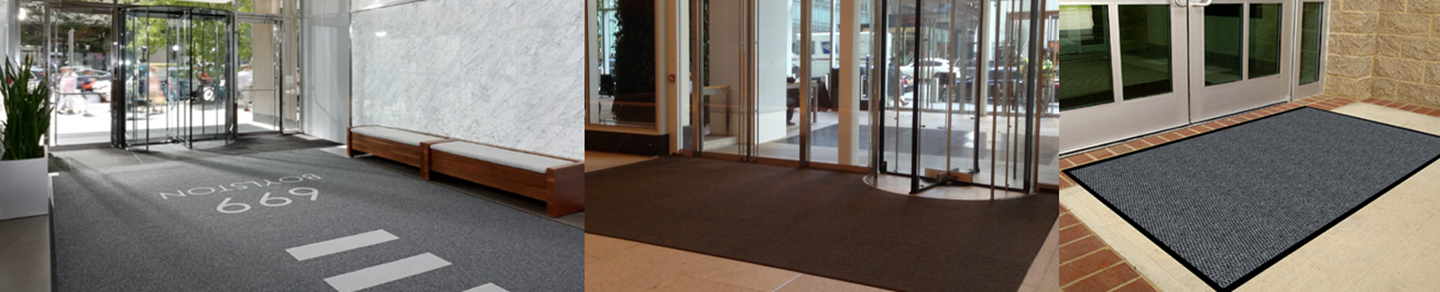
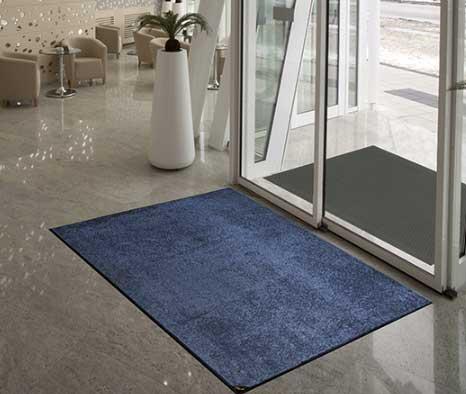
Floor mats can elevate your commercial or industrial space in many ways. These anti-slip floor mats can protect employees and visitors from slips, trips, and falls while also safeguarding your flooring. These fixtures can also reduce noise levels in the workplace, create a more comfortable atmosphere, and make it easier to clean up spills quickly.
If you want to reap the benefits our non-slip floor mats provide, shop at Mats Inc. today. Mats Inc. provides a large array of customizable floor mats for use in facilities such as banks, hotels, insurance companies, and other oriented establishments.
You can view all our floor mats here. Our anti-slip floor mat selection includes outdoor & indoor floor mats as well as stair treads & risers. We also have Specialty Mats, Eco-Friendly Mats and Mat Accessories. All our floor mats come with an array of customization options so that you can choose the best fit for your space. Shop now or contact us for more information about the products we offer.





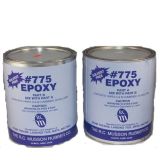 #775 Epoxy Flooring Adhesive$273.00A two part epoxy adhesive for installation of Disc-O-Tile and Disc-O-Tread. It is the only recommended adhesive for below grade flooring installation. Each unit contains a Part "A" and Part "B" packed in one gallon cans to be mixed to produce one gallon of adhesive. One unit will cover
...
A two part epoxy adhesive for installation of Disc-O-Tile and Disc-O-Tread. It is the only recommended adhesive for below...
- A two part epoxy adhesive for installation of Disc-O-Tile and Disc-O-Tread.
- It is the only recommended adhesive for below grade flooring installation.
- Each unit contains a Part "A" and Part "B" packed in one gallon cans to be mixed to produce one gallon of adhesive.
- One unit will cover approximately 150 square feet.
- Environmentally friendly.
- Available in one gallon kit.
↑
- A two part epoxy adhesive for installation of Disc-O-Tile and Disc-O-Tread.
- It is the only recommended adhesive for below grade flooring installation.
- Each unit contains a Part "A" and Part "B" packed in one gallon cans to be mixed to produce one gallon of adhesive.
- One unit will cover approximately 150 square feet.
- Environmentally friendly.
- Available in one gallon kit.
↑
View Details
View Details
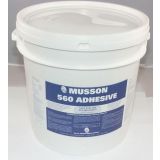 #560 Rubber Flooring Adhesive$114.00A latex adhesive for installation of rubber flooring or tiles over suspended wood or suspended concrete floors and over suitable on grade concrete floors. May be used with rubber stair treads. Where excessive moisture exist, installation is not recommended. Environmentally friendly. Covers approximately 150 square feet per gallon, single
...
A latex adhesive for installation of rubber flooring or tiles over suspended wood or suspended concrete floors and over...
- A latex adhesive for installation of rubber flooring or tiles over suspended wood or suspended concrete floors and over suitable on grade concrete floors.
- May be used with rubber stair treads.
- Where excessive moisture exist, installation is not recommended.
- Environmentally friendly.
- Covers approximately 150 square feet per gallon, single coat.
- Available in gallon can or 4 gallon pail.
↑
- A latex adhesive for installation of rubber flooring or tiles over suspended wood or suspended concrete floors and over suitable on grade concrete floors.
- May be used with rubber stair treads.
- Where excessive moisture exist, installation is not recommended.
- Environmentally friendly.
- Covers approximately 150 square feet per gallon, single coat.
- Available in gallon can or 4 gallon pail.
↑
View Details
View Details
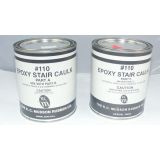 #110 Epoxy Nose Caulk$77.00Epoxy nose caulk should be used on all stair treads installations. It is necessary when Adjusta-Nose treads are being installed or when the step nosing is worn, broken or rounded. This two part epoxy nose calk will fill voids at the nose and give needed support underneath the stair
...
Epoxy nose caulk should be used on all stair treads installations. It is necessary when Adjusta-Nose treads are being...
- Epoxy nose caulk should be used on all stair treads installations.
- It is necessary when Adjusta-Nose treads are being installed or when the step nosing is worn, broken or rounded.
- This two part epoxy nose calk will fill voids at the nose and give needed support underneath the stair tread nosing.
- Stair sealant can also be used to repair surface of step.
- Available in quart units.
↑
- Epoxy nose caulk should be used on all stair treads installations.
- It is necessary when Adjusta-Nose treads are being installed or when the step nosing is worn, broken or rounded.
- This two part epoxy nose calk will fill voids at the nose and give needed support underneath the stair tread nosing.
- Stair sealant can also be used to repair surface of step.
- Available in quart units.
↑
View Details
View Details
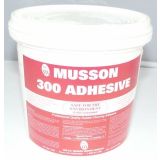 #300 Water Based Contact Adhesive$68.00A water based contact adhesive for bonding rubber and vinyl stair treads and risers to concrete, wood, terrazzo, metal or marble. Brush on both surfaces Installs approximately 75 feet of treads per gallon. Available in quart or gallon cans.
...
A water based contact adhesive for bonding rubber and vinyl stair treads and risers to concrete, wood, terrazzo, metal...
- A water based contact adhesive for bonding rubber and vinyl stair treads and risers to concrete, wood, terrazzo, metal or marble.
- Brush on both surfaces
- Installs approximately 75 feet of treads per gallon.
- Available in quart or gallon cans.
↑
- A water based contact adhesive for bonding rubber and vinyl stair treads and risers to concrete, wood, terrazzo, metal or marble.
- Brush on both surfaces
- Installs approximately 75 feet of treads per gallon.
- Available in quart or gallon cans.
↑
View Details
View Details
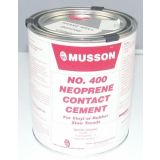 #400 Neoprene Contact Adhesive$68.00Rapid drying, solvent based contact adhesive. Formulated for bonding rubber and vinyl treads to concrete, terrazzo, metal, marble or wood. Brush both surfaces, installs approximately 75 lineal feet of treads per gallon. Contains solvent, highly flammable. Available in quarts or gallon cans.
...
Rapid drying, solvent based contact adhesive. Formulated for bonding rubber and vinyl treads to concrete, terrazzo, metal, marble or...
- Rapid drying, solvent based contact adhesive.
- Formulated for bonding rubber and vinyl treads to concrete, terrazzo, metal, marble or wood.
- Brush both surfaces, installs approximately 75 lineal feet of treads per gallon.
- Contains solvent, highly flammable.
- Available in quarts or gallon cans.
↑
- Rapid drying, solvent based contact adhesive.
- Formulated for bonding rubber and vinyl treads to concrete, terrazzo, metal, marble or wood.
- Brush both surfaces, installs approximately 75 lineal feet of treads per gallon.
- Contains solvent, highly flammable.
- Available in quarts or gallon cans.
↑
View Details
View Details
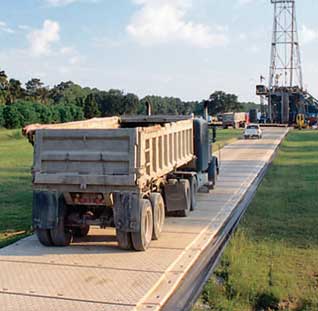
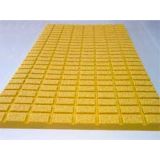 Rotary Table & Rig Floor MatsRotary Table & Rig Floor Mats are not cut from a roll. Each one is cast from a two-component polyurethane blend to drawings you supply, with stainless steel studs set into the surface while the material is still forming. That production method is why the traction is part of the
...
Rotary Table & Rig Floor Mats are not cut from a roll. Each one is cast from a two-component polyurethane...
Rotary Table & Rig Floor Mats are not cut from a roll. Each one is cast from a two-component polyurethane blend to drawings you supply, with stainless steel studs set into the surface while the material is still forming. That production method is why the traction is part of the mat rather than a layer applied to the top of it.
What This Matting Does Before Someone Loses Their Footing
The drill floor problem is not dirt, it is film. Oil-based drilling fluid spreads into a thin, continuous layer across steel decking, and a boot landing on that layer has almost nothing to bite. Crews still have to move, still have to handle pipe, and still have to get to the console fast when something changes.
This matting attacks the film two ways at once. Channels formed across the face give fluid somewhere to go, so it drains off the walking surface instead of sitting on it. Then the embedded stainless studs project through whatever film remains and make contact with the boot sole directly, which is the part a textured surface alone cannot do.
The stakes are why drilling rig mats get specified at all. A slip on a working floor rarely stays a slip, because the crew member going down is usually near moving pipe, rotating equipment, or an opening. Getting footing right on the deck is upstream of most of what a rig safety program is trying to prevent.
Why Cast Polyurethane, and Why This Formulation
The base material is a custom blend of polyol polyurethane, mixed as two components and cured in place rather than extruded. It is 100% solids with zero VOC, meaning nothing evaporates out of the material as it cures. Nothing leaving the mix is what keeps the studs locked in position and the mat dimensionally true to the drawing it was made from.
The hardness sits at 95 Shore A, which is firm enough that dragged tongs and pipe do not gouge into it. On its own that would make a brittle mat, so the formulation carries 231% elongation and 3,000 psi tensile strength alongside it. Hard on the surface, elastic through the body — that combination is what stops edges tearing off under equipment.
Split tear resistance of 400 lb F/IN is the number that matters most in practice, because edge failure is how matting usually dies on a drill floor. Once something catches an edge and starts a tear, the mat unzips from there. Abrasion loss measures 4.4 mg per 1,000 cycles on a CS-17 Taber wheel, so the traction face wears slowly under the grit that comes up from the pits.
Environmental testing covers the conditions rigs actually run in. Weatherability passed 2,500 hours, the cold temperature rating reaches −70ºC for northern and arctic locations, and an independent laboratory passed the material for UL94-HB flammability. Flash point is 175ºC. Structural matting for load and ground problems sits alongside this product under Rotary Table & Rig Floor Mats.
Where It Belongs, and What It Is Not
The rotary table surround is the primary application, and it is where most operations start. From there, coverage typically extends wherever crews plant their feet under load: alongside the tongs, across the route to the console, and over any span walked while guiding equipment. Marine and offshore platforms specify it for the same reasons land rigs do, with heavier weathering exposure on top.
Because each mat is made to supplied drawings, it fits around the openings and equipment that are actually on your deck rather than forcing you to work around a standard rectangle. Sloped edges are part of the standard build, so the transition onto the mat is a ramp rather than a lip that catches a toe.
What it is not: this is a walking surface, not a load platform. It does not distribute equipment weight, level a setup, or protect ground. Those are jobs for structural matting, and specifying this product for them is the most common mismatch in the category.
One spec deserves a direct clarification. The material tests at 400 volts per mil dielectric strength under ASTM D149, and that figure describes the polyurethane itself. It is not an electrical safety rating. Insulating matting for live electrical work is qualified under ASTM D178 and is a separate product class. Do not substitute this for rated switchboard matting.
Three Things to Check Before You Spec It
First, get the drawing right, because the drawing is the product. Manufacturing works from your supplied specifications, so measure the rotary table opening, the deck obstructions, and the equipment footprints the mat has to clear. A field measurement that is close enough for a stock mat is not close enough here, and remaking a custom mat costs you a delivery cycle.
Second, pick thickness against your traffic rather than defaulting. Rotary table mats run 1.25" as standard, which is the right call under pipe handling and heavy tong work. The 0.75" build exists for areas with lighter equipment traffic, and other thicknesses are made to request. Thickness also drives weight, at roughly 8 lbs per square foot.
Third, decide what the mat needs to say before it goes into production. Company name, rig number, and danger callouts are embedded during manufacture in a contrasting color, not applied afterward. That means the marking decision has to happen up front, and it is worth getting your safety team in the room for it rather than treating it as a finishing detail.
Why Mats Inc.
Custom matting creates a records problem that shows up two years later, when a mat needs replacing or a second rig needs the same layout. We keep your drawings and color specifications on file, so a reorder matches what is already on the deck instead of restarting the measurement process. We have been in industrial flooring since 1964, and on made-to-order work that continuity is most of the value.
Specifications
Material Two-component custom blend polyol polyurethane; 100% solids Traction Surface Embedded stainless steel studs with molded fluid runoff channels Thickness 1.25" standard; 0.75" available; other thicknesses to request Weight Approximately 8 lbs per sq ft Sizing Custom manufactured to supplied drawings and specifications Color Any color; typically safety yellow with orange sloped edges Embedded Markings Company name, rig number, danger callouts and zones in contrasting color Hardness 95 Shore A Tensile Strength 3,000 psi Elongation 231% Split Tear 400 lb F/IN Taber Abrasion 4.4 mg loss per 1,000 cycles (CS-17 wheel) Weatherability 2,500 hours passed Cold Temperature Rating −70ºC Flash Point 175ºC VOC 0 Dielectric Strength 400 volts/mil (ASTM D149) — material property; not rated insulating matting Flammability UL94-HB pass (independent laboratory test) Attachment Conventional rig floor attachment methods Serviceability Worn surfaces repairable, restorable, and resurfaceable Warranty 1-year limited (Mats Inc.) Frequently Asked Questions
What does two-component, 100% solids construction mean in practice?
It describes how the mat is formed. Two chemical components are mixed and cured into their final shape rather than melted and pushed through a die, and 100% solids means nothing evaporates out during that cure. Materials that carry solvents shrink as those solvents leave, which pulls the shape slightly off and can loosen anything set into the surface. Here the stainless studs are placed while the polyurethane is forming around them and stay exactly where they were positioned. Zero VOC is the other consequence, which matters for enclosed rig floors and shipboard spaces where ventilation is limited. — Dustin Thompson
What do the material numbers actually tell me about drill floor performance?
The interesting part is the combination rather than any single figure. At 95 Shore A the surface is firm enough that tongs, slips, and dragged pipe do not carve into it. A material that hard would normally be brittle and crack, so the formulation pairs it with 231% elongation and 3,000 psi tensile strength, which lets the body flex instead of fracturing. Then 400 lb F/IN split tear resistance addresses the actual failure mode: matting on a drill floor almost always dies from an edge tear that propagates inward, not from the middle wearing through. Taber abrasion loss of 4.4 mg per 1,000 cycles covers the slow grinding from pit grit. — Dustin Thompson
How does it attach, and can it work around equipment on the deck?
Attachment uses conventional rig floor methods, so it integrates with how your deck is already set up rather than requiring a proprietary system. Fitting is the part worth dwelling on, though. Because production works from drawings you supply, the mat can be shaped around the rotary table opening, equipment bases, hatches, and anything else fixed on the deck. Sloped edges come standard, which keeps the perimeter from becoming the trip hazard the mat was installed to eliminate. Complex deck geometry is normal for this product rather than an exception that costs you a compromise. — Dustin Thompson
How do we get the sizing right when we order?
Send drawings if you have them, and if you do not, measure the rotary table opening, the outer boundary you want covered, and the position of anything fixed the mat has to clear. Manufacturing builds to what you supply, so accuracy up front is what prevents a remake and a lost delivery cycle. Plan for handling as well: at roughly 8 lbs per square foot, a mat covering a meaningful area gets heavy enough that placement is a crew task rather than a one-person job. Send us what you have and we will work through the measurements before anything goes into production. — Jinna Hopson
Does it still look like a safety surface after a few years?
Longer than applied graphics would, because the color and the markings are cast into the material rather than painted onto it. A surface that gets scoured by fluid and dragged pipe strips paint and decals fairly quickly, but embedded contrast color wears at the same rate as everything around it, so callouts stay readable. When the traction face does eventually dull, the mat can be repaired, restored, and resurfaced rather than replaced, which brings the appearance and the grip back together. Crews notice when a danger zone has faded to the point of being decorative, so this matters more than it sounds. — Jinna Hopson
Can we standardize the same layout across several rigs?
Yes, and it is worth doing deliberately. Once a drawing and a color specification exist, the same layout can be produced for additional units, with the rig number varied per mat while everything else stays identical. The benefit is not visual consistency for its own sake; it is that crews moving between rigs read the same danger zones in the same places without recalibrating. Operations that have already settled on a hazard marking scheme can have the matting produced to that scheme, which avoids putting a competing standard on the deck. — Jinna Hopson
Written by Jinna Hopson, Vice President of Marketing, Mats Inc.
↑
Rotary Table & Rig Floor Mats are not cut from a roll. Each one is cast from a two-component polyurethane blend to drawings you supply, with stainless steel studs set into the surface while the material is still forming. That production method is why the traction is part of the mat rather than a layer applied to the top of it.
What This Matting Does Before Someone Loses Their Footing
The drill floor problem is not dirt, it is film. Oil-based drilling fluid spreads into a thin, continuous layer across steel decking, and a boot landing on that layer has almost nothing to bite. Crews still have to move, still have to handle pipe, and still have to get to the console fast when something changes.
This matting attacks the film two ways at once. Channels formed across the face give fluid somewhere to go, so it drains off the walking surface instead of sitting on it. Then the embedded stainless studs project through whatever film remains and make contact with the boot sole directly, which is the part a textured surface alone cannot do.
The stakes are why drilling rig mats get specified at all. A slip on a working floor rarely stays a slip, because the crew member going down is usually near moving pipe, rotating equipment, or an opening. Getting footing right on the deck is upstream of most of what a rig safety program is trying to prevent.
Why Cast Polyurethane, and Why This Formulation
The base material is a custom blend of polyol polyurethane, mixed as two components and cured in place rather than extruded. It is 100% solids with zero VOC, meaning nothing evaporates out of the material as it cures. Nothing leaving the mix is what keeps the studs locked in position and the mat dimensionally true to the drawing it was made from.
The hardness sits at 95 Shore A, which is firm enough that dragged tongs and pipe do not gouge into it. On its own that would make a brittle mat, so the formulation carries 231% elongation and 3,000 psi tensile strength alongside it. Hard on the surface, elastic through the body — that combination is what stops edges tearing off under equipment.
Split tear resistance of 400 lb F/IN is the number that matters most in practice, because edge failure is how matting usually dies on a drill floor. Once something catches an edge and starts a tear, the mat unzips from there. Abrasion loss measures 4.4 mg per 1,000 cycles on a CS-17 Taber wheel, so the traction face wears slowly under the grit that comes up from the pits.
Environmental testing covers the conditions rigs actually run in. Weatherability passed 2,500 hours, the cold temperature rating reaches −70ºC for northern and arctic locations, and an independent laboratory passed the material for UL94-HB flammability. Flash point is 175ºC. Structural matting for load and ground problems sits alongside this product under Rotary Table & Rig Floor Mats.
Where It Belongs, and What It Is Not
The rotary table surround is the primary application, and it is where most operations start. From there, coverage typically extends wherever crews plant their feet under load: alongside the tongs, across the route to the console, and over any span walked while guiding equipment. Marine and offshore platforms specify it for the same reasons land rigs do, with heavier weathering exposure on top.
Because each mat is made to supplied drawings, it fits around the openings and equipment that are actually on your deck rather than forcing you to work around a standard rectangle. Sloped edges are part of the standard build, so the transition onto the mat is a ramp rather than a lip that catches a toe.
What it is not: this is a walking surface, not a load platform. It does not distribute equipment weight, level a setup, or protect ground. Those are jobs for structural matting, and specifying this product for them is the most common mismatch in the category.
One spec deserves a direct clarification. The material tests at 400 volts per mil dielectric strength under ASTM D149, and that figure describes the polyurethane itself. It is not an electrical safety rating. Insulating matting for live electrical work is qualified under ASTM D178 and is a separate product class. Do not substitute this for rated switchboard matting.
Three Things to Check Before You Spec It
First, get the drawing right, because the drawing is the product. Manufacturing works from your supplied specifications, so measure the rotary table opening, the deck obstructions, and the equipment footprints the mat has to clear. A field measurement that is close enough for a stock mat is not close enough here, and remaking a custom mat costs you a delivery cycle.
Second, pick thickness against your traffic rather than defaulting. Rotary table mats run 1.25" as standard, which is the right call under pipe handling and heavy tong work. The 0.75" build exists for areas with lighter equipment traffic, and other thicknesses are made to request. Thickness also drives weight, at roughly 8 lbs per square foot.
Third, decide what the mat needs to say before it goes into production. Company name, rig number, and danger callouts are embedded during manufacture in a contrasting color, not applied afterward. That means the marking decision has to happen up front, and it is worth getting your safety team in the room for it rather than treating it as a finishing detail.
Why Mats Inc.
Custom matting creates a records problem that shows up two years later, when a mat needs replacing or a second rig needs the same layout. We keep your drawings and color specifications on file, so a reorder matches what is already on the deck instead of restarting the measurement process. We have been in industrial flooring since 1964, and on made-to-order work that continuity is most of the value.
Specifications
Material Two-component custom blend polyol polyurethane; 100% solids Traction Surface Embedded stainless steel studs with molded fluid runoff channels Thickness 1.25" standard; 0.75" available; other thicknesses to request Weight Approximately 8 lbs per sq ft Sizing Custom manufactured to supplied drawings and specifications Color Any color; typically safety yellow with orange sloped edges Embedded Markings Company name, rig number, danger callouts and zones in contrasting color Hardness 95 Shore A Tensile Strength 3,000 psi Elongation 231% Split Tear 400 lb F/IN Taber Abrasion 4.4 mg loss per 1,000 cycles (CS-17 wheel) Weatherability 2,500 hours passed Cold Temperature Rating −70ºC Flash Point 175ºC VOC 0 Dielectric Strength 400 volts/mil (ASTM D149) — material property; not rated insulating matting Flammability UL94-HB pass (independent laboratory test) Attachment Conventional rig floor attachment methods Serviceability Worn surfaces repairable, restorable, and resurfaceable Warranty 1-year limited (Mats Inc.) Frequently Asked Questions
What does two-component, 100% solids construction mean in practice?
It describes how the mat is formed. Two chemical components are mixed and cured into their final shape rather than melted and pushed through a die, and 100% solids means nothing evaporates out during that cure. Materials that carry solvents shrink as those solvents leave, which pulls the shape slightly off and can loosen anything set into the surface. Here the stainless studs are placed while the polyurethane is forming around them and stay exactly where they were positioned. Zero VOC is the other consequence, which matters for enclosed rig floors and shipboard spaces where ventilation is limited. — Dustin Thompson
What do the material numbers actually tell me about drill floor performance?
The interesting part is the combination rather than any single figure. At 95 Shore A the surface is firm enough that tongs, slips, and dragged pipe do not carve into it. A material that hard would normally be brittle and crack, so the formulation pairs it with 231% elongation and 3,000 psi tensile strength, which lets the body flex instead of fracturing. Then 400 lb F/IN split tear resistance addresses the actual failure mode: matting on a drill floor almost always dies from an edge tear that propagates inward, not from the middle wearing through. Taber abrasion loss of 4.4 mg per 1,000 cycles covers the slow grinding from pit grit. — Dustin Thompson
How does it attach, and can it work around equipment on the deck?
Attachment uses conventional rig floor methods, so it integrates with how your deck is already set up rather than requiring a proprietary system. Fitting is the part worth dwelling on, though. Because production works from drawings you supply, the mat can be shaped around the rotary table opening, equipment bases, hatches, and anything else fixed on the deck. Sloped edges come standard, which keeps the perimeter from becoming the trip hazard the mat was installed to eliminate. Complex deck geometry is normal for this product rather than an exception that costs you a compromise. — Dustin Thompson
How do we get the sizing right when we order?
Send drawings if you have them, and if you do not, measure the rotary table opening, the outer boundary you want covered, and the position of anything fixed the mat has to clear. Manufacturing builds to what you supply, so accuracy up front is what prevents a remake and a lost delivery cycle. Plan for handling as well: at roughly 8 lbs per square foot, a mat covering a meaningful area gets heavy enough that placement is a crew task rather than a one-person job. Send us what you have and we will work through the measurements before anything goes into production. — Jinna Hopson
Does it still look like a safety surface after a few years?
Longer than applied graphics would, because the color and the markings are cast into the material rather than painted onto it. A surface that gets scoured by fluid and dragged pipe strips paint and decals fairly quickly, but embedded contrast color wears at the same rate as everything around it, so callouts stay readable. When the traction face does eventually dull, the mat can be repaired, restored, and resurfaced rather than replaced, which brings the appearance and the grip back together. Crews notice when a danger zone has faded to the point of being decorative, so this matters more than it sounds. — Jinna Hopson
Can we standardize the same layout across several rigs?
Yes, and it is worth doing deliberately. Once a drawing and a color specification exist, the same layout can be produced for additional units, with the rig number varied per mat while everything else stays identical. The benefit is not visual consistency for its own sake; it is that crews moving between rigs read the same danger zones in the same places without recalibrating. Operations that have already settled on a hazard marking scheme can have the matting produced to that scheme, which avoids putting a competing standard on the deck. — Jinna Hopson
Written by Jinna Hopson, Vice President of Marketing, Mats Inc.
↑
View Details
View Details
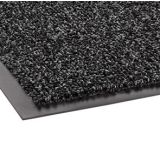 Fore-Runner Mat
Starting at $47.00
Fore-Runner Mat The Fore-Runner Mat is a durable and highly effective entrance mat designed to trap dirt, moisture, and debris, keeping your indoor spaces clean and safe. Made from high-performance materials, this mat is perfect for high-traffic entryways in commercial buildings, offices, and retail environments. Its sleek, low-profile design ensures...
Fore-Runner Mat The Fore-Runner Mat is a durable and highly effective entrance mat designed to trap dirt, moisture, and debris,...
Fore-Runner Mat
The Fore-Runner Mat is a durable and highly effective entrance mat designed to trap dirt, moisture, and debris, keeping your indoor spaces clean and safe. Made from high-performance materials, this mat is perfect for high-traffic entryways in commercial buildings, offices, and retail environments. Its sleek, low-profile design ensures easy placement while offering long-lasting protection for your floors.
Key Features of the Fore-Runner Mat
- Effective Dirt and Moisture Trapping: The Fore-Runner Mat is designed to capture dirt, moisture, and debris, preventing them from entering your building and reducing cleaning costs.
- Durable Construction: Made from heavy-duty materials, this mat is built to withstand constant foot traffic and maintain its performance over time.
- Slip-Resistant Backing: The mat features a slip-resistant backing that keeps it securely in place, reducing the risk of slips and falls.
- Low-Profile Design: The sleek, low-profile design allows for easy placement in doorways and entryways without obstructing foot traffic or creating tripping hazards.
- Easy to Maintain: The Fore-Runner Mat is easy to clean, requiring only a quick vacuum or shake to remove trapped dirt and debris.
- Versatile Applications: Ideal for commercial buildings, retail stores, and office entryways, ensuring a clean and professional appearance for any space.
Perfect for High-Traffic Entryways
The Fore-Runner Mat is the perfect choice for maintaining cleanliness and safety in high-traffic areas. With its effective dirt-trapping capabilities and durable construction, this mat ensures long-lasting protection for your floors while keeping your space looking professional and clean.
↑
Fore-Runner Mat
The Fore-Runner Mat is a durable and highly effective entrance mat designed to trap dirt, moisture, and debris, keeping your indoor spaces clean and safe. Made from high-performance materials, this mat is perfect for high-traffic entryways in commercial buildings, offices, and retail environments. Its sleek, low-profile design ensures easy placement while offering long-lasting protection for your floors.
Key Features of the Fore-Runner Mat
- Effective Dirt and Moisture Trapping: The Fore-Runner Mat is designed to capture dirt, moisture, and debris, preventing them from entering your building and reducing cleaning costs.
- Durable Construction: Made from heavy-duty materials, this mat is built to withstand constant foot traffic and maintain its performance over time.
- Slip-Resistant Backing: The mat features a slip-resistant backing that keeps it securely in place, reducing the risk of slips and falls.
- Low-Profile Design: The sleek, low-profile design allows for easy placement in doorways and entryways without obstructing foot traffic or creating tripping hazards.
- Easy to Maintain: The Fore-Runner Mat is easy to clean, requiring only a quick vacuum or shake to remove trapped dirt and debris.
- Versatile Applications: Ideal for commercial buildings, retail stores, and office entryways, ensuring a clean and professional appearance for any space.
Perfect for High-Traffic Entryways
The Fore-Runner Mat is the perfect choice for maintaining cleanliness and safety in high-traffic areas. With its effective dirt-trapping capabilities and durable construction, this mat ensures long-lasting protection for your floors while keeping your space looking professional and clean.
↑
View Details
View Details
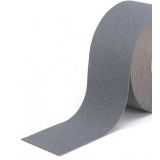 Safety Track Resilient Medium Non-Skid Tape$369.00Rubberized, textured non-slip is designed for heavy shoe traffic, yet is comfortable enough for bare feet. Provides unparalleled coefficient of friction in both industrial and commercial applications. Coated with an aggressive adhesive designed with industrial and commercial applications in mind. National Flooring Safety Institute Certified for "high traction". Available
...
Rubberized, textured non-slip is designed for heavy shoe traffic, yet is comfortable enough for bare feet. Provides unparalleled coefficient...
- Rubberized, textured non-slip is designed for heavy shoe traffic, yet is comfortable enough for bare feet.
- Provides unparalleled coefficient of friction in both industrial and commercial applications.
- Coated with an aggressive adhesive designed with industrial and commercial applications in mind.
- National Flooring Safety Institute Certified for "high traction".
- Available in black or gray.
- Sold in full cases only.
Related Products: #3520
↑
- Rubberized, textured non-slip is designed for heavy shoe traffic, yet is comfortable enough for bare feet.
- Provides unparalleled coefficient of friction in both industrial and commercial applications.
- Coated with an aggressive adhesive designed with industrial and commercial applications in mind.
- National Flooring Safety Institute Certified for "high traction".
- Available in black or gray.
- Sold in full cases only.
Related Products: #3520
↑
View Details
View Details
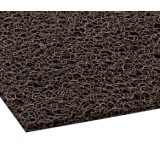 3M Vinyl Loop Wet Area Matting
Starting at $241.00
Same high quality material as our nomad cushion plus except without a backing. The open construction allows water to run through the matting. The matting stays dry and helps to reduce the possibility of slips and falls. Made for locker rooms, for use around showers, saunas and whirlpools. Custom...
Same high quality material as our nomad cushion plus except without a backing. The open construction allows water to...
- Same high quality material as our nomad cushion plus except without a backing.
- The open construction allows water to run through the matting.
- The matting stays dry and helps to reduce the possibility of slips and falls.
- Made for locker rooms, for use around showers, saunas and whirlpools.
- Custom lengths available.
↑
- Same high quality material as our nomad cushion plus except without a backing.
- The open construction allows water to run through the matting.
- The matting stays dry and helps to reduce the possibility of slips and falls.
- Made for locker rooms, for use around showers, saunas and whirlpools.
- Custom lengths available.
↑
View Details
View Details
- Same high quality material as our nomad cushion plus except without a backing.
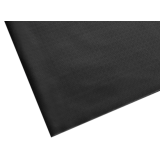 Protect Vinyl Matting
Starting at $664.00
Protect Vinyl Matting is a 1/8-inch vinyl floor runner for dry areas, with a pebble-textured surface that is slip resistant and chemical resistant. It is light and flexible enough for one person to roll up and move, sits low enough that it does not become a trip hazard, and comes...
Protect Vinyl Matting is a 1/8-inch vinyl floor runner for dry areas, with a pebble-textured surface that is slip resistant...
Protect Vinyl Matting is a 1/8-inch vinyl floor runner for dry areas, with a pebble-textured surface that is slip resistant and chemical resistant. It is light and flexible enough for one person to roll up and move, sits low enough that it does not become a trip hazard, and comes in black in 3-, 4-, and 6-foot widths on 60-foot rolls, with custom cut lengths up to 60 feet. It is the plain, wide, textured runner for the floors that just need protecting.
What a Dry-Area Vinyl Runner Does Before the Floor Under It Is Ruined
A lot of floors do not have a slip problem or a water problem. They have a wear problem. A stock room, an assembly line, a church hall, a warehouse aisle: the traffic is dry, but it is constant, and the sealed concrete or tile takes every boot, dolly wheel, and dropped part in the same stripe until the finish is gone. Refinishing that floor means shutting the area down.
A vinyl floor protector runner takes the wear instead. It is a sacrificial surface: replaced as a roll rather than as a floor, easy to lift when the floor underneath needs cleaning, and wide enough here, at up to 6 feet, to cover a whole lane in one piece. When it is worn, a roll is swapped and the floor beneath it is still new.
The pebble surface adds the second job. A plain smooth runner protects the floor but gives a shoe nothing to hold; a pebble texture keeps footing secure on a dry floor without the deep grooves of a ribbed runner that trap grit. It is the middle ground between a protective sheet and a traction mat.
Why Pebble-Surface Extruded Vinyl, and Why This One
The runner is solid extruded vinyl, one material through its 1/8-inch thickness, with the pebble pattern formed into the surface. The vendor publishes the numbers behind that: an average density of 40 to 45 pounds per cubic foot and an average hardness of 70 to 80 on the Shore scale, measured under ASTM D-2240. That is a firm, dense sheet that lies flat and does not compress or dent under a dolly wheel.
Wear is the spec that matters most on a floor protector, and it is published too: under the Taber abrasion test, ASTM D-4060 with an H-38 wheel for 2,000 revolutions, the surface loses less than 1 percent of its material. In plain terms, the pebble texture that provides the footing does not sand away under foot traffic the way a softer runner does.
The other two design choices are about handling. It is light and flexible, so a 4-by-60-foot length rolls up and moves without a crew, which is what makes it practical to lift for floor cleaning or to relocate when a line changes. And it is low profile: at 1/8 inch, the edge is thin enough that it does not catch a foot or a cart, which is the trip hazard a thicker runner introduces.
Widths are the standout. Three feet covers a standard walkway, 4 feet a wide aisle, and 6 feet a full lane or a double-wide stock-room row in one piece with no seam, which few runners offer. Rolls are 60 feet, with custom cut lengths up to 60 feet, in black.
Where It Belongs, and What It Is Not
The vendor's own application list is the right one: factories, finishing and assembly stations, churches, warehouses, stock rooms, and storage areas. In practice that means the aisle between racks, the floor along a bench line, the corridor behind a sanctuary, the walkway through a storage cage, and any dry lane where the floor needs a protective layer that people can still walk on safely. It sits among the industrial and commercial vinyl floor runners we stock as the wide, plain, dry-area protector.
The 6-foot width is what makes it different in use. Where a narrow runner leaves bare floor on either side that still wears, a 6-foot roll protects the full lane, and a stock room can be covered wall to wall in two or three lengths laid side by side.
What it is not is a wet-area runner, a heavy-wheel runner, or a cushion. The vendor rates it for dry areas, and the pebble surface is not a drainage or wet-traction pattern; a floor that gets wet wants a ribbed, pyramid, or perforated surface. At 1/8 inch it is built for foot traffic and light carts, not pallet jacks. And a solid vinyl sheet has no foam, so a standing station still wants an anti-fatigue mat.
Three Things to Check Before You Spec It
First, confirm the floor is dry. This is the one spec that decides it. If the lane sees tracked-in rain, mop water, coolant, or spills during a shift, choose a runner with a wet-traction surface instead. If the problem is wear and footing on a dry floor, this is the right runner and the wide widths make it the efficient one.
Second, size the width to the wear, not the walkway. Look at where the floor is actually scuffed. If the wear stripe is a single path, 3 feet covers it. If carts pass walkers, 4 feet. If the whole lane between racks or benches shows wear, 6 feet covers it in one piece and stops the bare-floor strips on either side from wearing next. Rolls are 60 feet and are cut to length on site or ordered as a custom cut length.
Third, plan for lifting it. One of the reasons to choose a light, flexible runner is that it comes up for floor cleaning and goes back down. Loose-lay is fine for a straight run on a clean, dry floor; tape the edges only where a cart crosses the side or the runner turns a corner. If the runner is going to be moved regularly, keep the seams simple and butt lengths square rather than overlapping.
Why Mats Inc.
We stock this runner for the customer who calls about a worn floor rather than a slippery one: the stock room whose sealed concrete is going gray in the aisle, the assembly line whose tile is chipping under the dollies. A dense, abrasion-rated vinyl protector in a 6-foot width that one person can roll up is the answer to that call, and Mats Inc. has been putting protection between traffic and floors since 1964.
Type Dry-area vinyl floor runner, sold by the roll Material Solid extruded vinyl Surface Pebble pattern; slip resistant Thickness 1/8" (0.110"–0.140") Density 40–45 lb/ft³ (average) Hardness 70–80 Shore (average), ASTM D-2240 Abrasion <1.0% loss, H-38 wheel, 2,000 revolutions, ASTM D-4060 Resistance Chemical resistant Stock sizes 3' x 60'
4' x 60'
6' x 60'Custom Custom cut lengths up to 60' Color Black Use Dry areas: factories, finishing and assembly stations, churches, warehouses, stock rooms, storage areas Handling Lightweight and flexible; low profile Warranty 1-year limited (Mats Inc.) Frequently Asked Questions
What is it made of, and what do the hardness and density numbers mean?
Answered by Dustin Thompson, Owner & CEO
Solid extruded vinyl, one material through the 1/8-inch thickness, with a pebble texture formed into the top. The vendor publishes an average density of 40 to 45 pounds per cubic foot and an average hardness of 70 to 80 Shore under ASTM D-2240. Together those describe a firm, dense sheet: it lies flat, it does not dent under a dolly wheel, and it does not stretch or bunch when it is dragged into position.
Hardness in the 70s is the same range as a hard rubber sole. Soft enough to flex and roll, firm enough that the pebble texture holds its shape under traffic instead of mashing flat.
How long does it last, and what wears it out?
Answered by Dustin Thompson, Owner & CEO
The vendor does not publish a year figure, but it does publish the wear test, which is more useful. Under ASTM D-4060, an H-38 abrasive wheel run 2,000 revolutions over the surface removes less than 1 percent of the material. That is a low loss rate for a vinyl runner, and it is why the pebble texture keeps its footing under daily foot traffic rather than polishing smooth. It carries a 1-year limited (Mats Inc.) warranty.
What shortens it is use outside its rating. It is a dry-area runner; standing water and constant wet cleaning are not what it is built for. It is a foot-and-light-cart runner; a pallet jack running the same line cuts through a 1/8-inch sheet in months. And a loose edge in a cart lane gets kicked and torn. Keep it dry, keep the heavy wheels off it, and fix the edges where carts cross.
Where should I use it, and where should I not?
Answered by Dustin Thompson, Owner & CEO
Use it on dry floors that need protecting and safe footing: warehouse and stock-room aisles, the floor along an assembly or finishing line, storage cages, church halls and corridors, factory walkways, and the lane behind a counter. The vendor lists exactly those. The 6-foot width is the one to use when the whole lane shows wear rather than a single path.
Do not use it where the floor gets wet during a shift; a ribbed, pyramid, or perforated surface is built for that and this one is not. Do not put it under pallet jacks or forklifts. And do not treat it as a cushion; a solid vinyl sheet has no foam, so a station where someone stands all day wants an anti-fatigue mat.
Which width should I choose, and can I get a custom length?
Answered by Jinna Hopson, Vice President of Marketing
Match the width to the wear on the floor. If the scuffing is one path down the middle, 3 feet covers it. If carts and walkers share the lane, 4 feet. If the whole floor between the racks or benches is wearing, 6 feet covers it edge to edge in a single piece, and a wide room can be covered wall to wall with two or three lengths side by side.
Standard rolls are 60 feet in all three widths, and custom cut lengths are available up to 60 feet, so you can order the exact run instead of trimming a roll on site. Measure the lane end to end and, for side-by-side coverage, the room width, before ordering.
What does it look like on the floor?
Answered by Jinna Hopson, Vice President of Marketing
A flat black runner with a fine, even pebble texture across the surface, like a matte grain rather than a pattern. It has no ribs or raised shapes, so it reads as a plain protective sheet, and at 1/8 inch it sits nearly flush with the floor. The texture is subtle enough that the runner looks like part of the floor from a few feet away, which suits a church corridor or a showroom stock room as well as a warehouse.
Black hides scuffs and dust between cleanings. It comes in black only; where a floor needs a lighter or color-coded runner, a rounded-rib runner in gray is the option in this range.
Is this the right runner for a church hall or a retail stock room?
Answered by Jinna Hopson, Vice President of Marketing
Yes; the vendor names churches and stock rooms specifically, and they share the same profile: dry floors, steady foot traffic, occasional carts or dollies, and a need to protect a finished floor without making the space look industrial. A plain black pebble runner does that, and its light weight means the facilities team can roll it up for a floor clean or an event and put it back without help.
Use the 3- or 4-foot width for a corridor or aisle and the 6-foot width where a whole floor section needs covering, such as the path from a loading door through a stock room. Keep it to dry areas; the entry itself wants a proper entrance mat.
By Dustin Thompson, Owner & CEO, Mats Inc.
↑
Protect Vinyl Matting is a 1/8-inch vinyl floor runner for dry areas, with a pebble-textured surface that is slip resistant and chemical resistant. It is light and flexible enough for one person to roll up and move, sits low enough that it does not become a trip hazard, and comes in black in 3-, 4-, and 6-foot widths on 60-foot rolls, with custom cut lengths up to 60 feet. It is the plain, wide, textured runner for the floors that just need protecting.
What a Dry-Area Vinyl Runner Does Before the Floor Under It Is Ruined
A lot of floors do not have a slip problem or a water problem. They have a wear problem. A stock room, an assembly line, a church hall, a warehouse aisle: the traffic is dry, but it is constant, and the sealed concrete or tile takes every boot, dolly wheel, and dropped part in the same stripe until the finish is gone. Refinishing that floor means shutting the area down.
A vinyl floor protector runner takes the wear instead. It is a sacrificial surface: replaced as a roll rather than as a floor, easy to lift when the floor underneath needs cleaning, and wide enough here, at up to 6 feet, to cover a whole lane in one piece. When it is worn, a roll is swapped and the floor beneath it is still new.
The pebble surface adds the second job. A plain smooth runner protects the floor but gives a shoe nothing to hold; a pebble texture keeps footing secure on a dry floor without the deep grooves of a ribbed runner that trap grit. It is the middle ground between a protective sheet and a traction mat.
Why Pebble-Surface Extruded Vinyl, and Why This One
The runner is solid extruded vinyl, one material through its 1/8-inch thickness, with the pebble pattern formed into the surface. The vendor publishes the numbers behind that: an average density of 40 to 45 pounds per cubic foot and an average hardness of 70 to 80 on the Shore scale, measured under ASTM D-2240. That is a firm, dense sheet that lies flat and does not compress or dent under a dolly wheel.
Wear is the spec that matters most on a floor protector, and it is published too: under the Taber abrasion test, ASTM D-4060 with an H-38 wheel for 2,000 revolutions, the surface loses less than 1 percent of its material. In plain terms, the pebble texture that provides the footing does not sand away under foot traffic the way a softer runner does.
The other two design choices are about handling. It is light and flexible, so a 4-by-60-foot length rolls up and moves without a crew, which is what makes it practical to lift for floor cleaning or to relocate when a line changes. And it is low profile: at 1/8 inch, the edge is thin enough that it does not catch a foot or a cart, which is the trip hazard a thicker runner introduces.
Widths are the standout. Three feet covers a standard walkway, 4 feet a wide aisle, and 6 feet a full lane or a double-wide stock-room row in one piece with no seam, which few runners offer. Rolls are 60 feet, with custom cut lengths up to 60 feet, in black.
Where It Belongs, and What It Is Not
The vendor's own application list is the right one: factories, finishing and assembly stations, churches, warehouses, stock rooms, and storage areas. In practice that means the aisle between racks, the floor along a bench line, the corridor behind a sanctuary, the walkway through a storage cage, and any dry lane where the floor needs a protective layer that people can still walk on safely. It sits among the industrial and commercial vinyl floor runners we stock as the wide, plain, dry-area protector.
The 6-foot width is what makes it different in use. Where a narrow runner leaves bare floor on either side that still wears, a 6-foot roll protects the full lane, and a stock room can be covered wall to wall in two or three lengths laid side by side.
What it is not is a wet-area runner, a heavy-wheel runner, or a cushion. The vendor rates it for dry areas, and the pebble surface is not a drainage or wet-traction pattern; a floor that gets wet wants a ribbed, pyramid, or perforated surface. At 1/8 inch it is built for foot traffic and light carts, not pallet jacks. And a solid vinyl sheet has no foam, so a standing station still wants an anti-fatigue mat.
Three Things to Check Before You Spec It
First, confirm the floor is dry. This is the one spec that decides it. If the lane sees tracked-in rain, mop water, coolant, or spills during a shift, choose a runner with a wet-traction surface instead. If the problem is wear and footing on a dry floor, this is the right runner and the wide widths make it the efficient one.
Second, size the width to the wear, not the walkway. Look at where the floor is actually scuffed. If the wear stripe is a single path, 3 feet covers it. If carts pass walkers, 4 feet. If the whole lane between racks or benches shows wear, 6 feet covers it in one piece and stops the bare-floor strips on either side from wearing next. Rolls are 60 feet and are cut to length on site or ordered as a custom cut length.
Third, plan for lifting it. One of the reasons to choose a light, flexible runner is that it comes up for floor cleaning and goes back down. Loose-lay is fine for a straight run on a clean, dry floor; tape the edges only where a cart crosses the side or the runner turns a corner. If the runner is going to be moved regularly, keep the seams simple and butt lengths square rather than overlapping.
Why Mats Inc.
We stock this runner for the customer who calls about a worn floor rather than a slippery one: the stock room whose sealed concrete is going gray in the aisle, the assembly line whose tile is chipping under the dollies. A dense, abrasion-rated vinyl protector in a 6-foot width that one person can roll up is the answer to that call, and Mats Inc. has been putting protection between traffic and floors since 1964.
Type Dry-area vinyl floor runner, sold by the roll Material Solid extruded vinyl Surface Pebble pattern; slip resistant Thickness 1/8" (0.110"–0.140") Density 40–45 lb/ft³ (average) Hardness 70–80 Shore (average), ASTM D-2240 Abrasion <1.0% loss, H-38 wheel, 2,000 revolutions, ASTM D-4060 Resistance Chemical resistant Stock sizes 3' x 60'
4' x 60'
6' x 60'Custom Custom cut lengths up to 60' Color Black Use Dry areas: factories, finishing and assembly stations, churches, warehouses, stock rooms, storage areas Handling Lightweight and flexible; low profile Warranty 1-year limited (Mats Inc.) Frequently Asked Questions
What is it made of, and what do the hardness and density numbers mean?
Answered by Dustin Thompson, Owner & CEO
Solid extruded vinyl, one material through the 1/8-inch thickness, with a pebble texture formed into the top. The vendor publishes an average density of 40 to 45 pounds per cubic foot and an average hardness of 70 to 80 Shore under ASTM D-2240. Together those describe a firm, dense sheet: it lies flat, it does not dent under a dolly wheel, and it does not stretch or bunch when it is dragged into position.
Hardness in the 70s is the same range as a hard rubber sole. Soft enough to flex and roll, firm enough that the pebble texture holds its shape under traffic instead of mashing flat.
How long does it last, and what wears it out?
Answered by Dustin Thompson, Owner & CEO
The vendor does not publish a year figure, but it does publish the wear test, which is more useful. Under ASTM D-4060, an H-38 abrasive wheel run 2,000 revolutions over the surface removes less than 1 percent of the material. That is a low loss rate for a vinyl runner, and it is why the pebble texture keeps its footing under daily foot traffic rather than polishing smooth. It carries a 1-year limited (Mats Inc.) warranty.
What shortens it is use outside its rating. It is a dry-area runner; standing water and constant wet cleaning are not what it is built for. It is a foot-and-light-cart runner; a pallet jack running the same line cuts through a 1/8-inch sheet in months. And a loose edge in a cart lane gets kicked and torn. Keep it dry, keep the heavy wheels off it, and fix the edges where carts cross.
Where should I use it, and where should I not?
Answered by Dustin Thompson, Owner & CEO
Use it on dry floors that need protecting and safe footing: warehouse and stock-room aisles, the floor along an assembly or finishing line, storage cages, church halls and corridors, factory walkways, and the lane behind a counter. The vendor lists exactly those. The 6-foot width is the one to use when the whole lane shows wear rather than a single path.
Do not use it where the floor gets wet during a shift; a ribbed, pyramid, or perforated surface is built for that and this one is not. Do not put it under pallet jacks or forklifts. And do not treat it as a cushion; a solid vinyl sheet has no foam, so a station where someone stands all day wants an anti-fatigue mat.
Which width should I choose, and can I get a custom length?
Answered by Jinna Hopson, Vice President of Marketing
Match the width to the wear on the floor. If the scuffing is one path down the middle, 3 feet covers it. If carts and walkers share the lane, 4 feet. If the whole floor between the racks or benches is wearing, 6 feet covers it edge to edge in a single piece, and a wide room can be covered wall to wall with two or three lengths side by side.
Standard rolls are 60 feet in all three widths, and custom cut lengths are available up to 60 feet, so you can order the exact run instead of trimming a roll on site. Measure the lane end to end and, for side-by-side coverage, the room width, before ordering.
What does it look like on the floor?
Answered by Jinna Hopson, Vice President of Marketing
A flat black runner with a fine, even pebble texture across the surface, like a matte grain rather than a pattern. It has no ribs or raised shapes, so it reads as a plain protective sheet, and at 1/8 inch it sits nearly flush with the floor. The texture is subtle enough that the runner looks like part of the floor from a few feet away, which suits a church corridor or a showroom stock room as well as a warehouse.
Black hides scuffs and dust between cleanings. It comes in black only; where a floor needs a lighter or color-coded runner, a rounded-rib runner in gray is the option in this range.
Is this the right runner for a church hall or a retail stock room?
Answered by Jinna Hopson, Vice President of Marketing
Yes; the vendor names churches and stock rooms specifically, and they share the same profile: dry floors, steady foot traffic, occasional carts or dollies, and a need to protect a finished floor without making the space look industrial. A plain black pebble runner does that, and its light weight means the facilities team can roll it up for a floor clean or an event and put it back without help.
Use the 3- or 4-foot width for a corridor or aisle and the 6-foot width where a whole floor section needs covering, such as the path from a loading door through a stock room. Keep it to dry areas; the entry itself wants a proper entrance mat.
By Dustin Thompson, Owner & CEO, Mats Inc.
↑
View Details
View Details
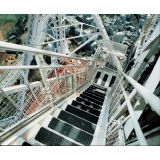 Conformable Safety Track Non-Skid Tape$170.00Mineral coated anti-slip material with foil backing that conforms around corners and to irregular surfaces. Used on diamond tread safety plates, steps, ladders, ramps, equipment, vehicles and other irregular surfaces to create a non-slip surface. Black color.
...
Mineral coated anti-slip material with foil backing that conforms around corners and to irregular surfaces. Used on diamond tread...
- Mineral coated anti-slip material with foil backing that conforms around corners and to irregular surfaces.
- Used on diamond tread safety plates, steps, ladders, ramps, equipment, vehicles and other irregular surfaces to create a non-slip surface.
- Black color.
↑
- Mineral coated anti-slip material with foil backing that conforms around corners and to irregular surfaces.
- Used on diamond tread safety plates, steps, ladders, ramps, equipment, vehicles and other irregular surfaces to create a non-slip surface.
- Black color.
↑
View Details
View Details
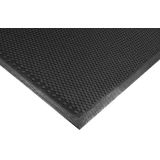 Safety Scrape Rubber Mats
Starting at $46.00
A rubber scraper mat earns its place at the door by doing two jobs at once: pulling grit off shoes, and holding footing where a wet floor turns slick. Safety Scrape does both. Its molded grip surface bites in wet, greasy, and oily conditions that leave smoother mats treacherous,...
A rubber scraper mat earns its place at the door by doing two jobs at once: pulling grit off...
A rubber scraper mat earns its place at the door by doing two jobs at once: pulling grit off shoes, and holding footing where a wet floor turns slick. Safety Scrape does both. Its molded grip surface bites in wet, greasy, and oily conditions that leave smoother mats treacherous, so it works as well inside a wet kitchen as it does outside as an exterior scraper.
What Safety Scrape Does Before a Slick Floor Becomes a Claim
The trouble with most entrance mats shows up the moment the floor gets wet. A surface that grips when dry can go slippery underfoot, and that is exactly when a slip-and-fall claim starts. Safety Scrape is built for that moment. The cleated surface keeps traction in wet and oily conditions, and those same cleats scrape dirt and sand off shoes so loose grit does not track across the floor behind it.
Why Molded Nitrile, and Why This One
The mat is molded from solid nitrile rubber — a synthetic rubber that shrugs off oil, grease, and harsh chemicals instead of breaking down in them. That is why it holds up in kitchens and production areas where animal fats and cleaners would degrade a cheaper mat. The grip comes from cleats molded into the face, not a coating that wears off.
The traction is a tested rating, not just a textured look. Safety Scrape is certified high-traction by the National Floor Safety Institute, the independent body that rates slip resistance, and it posts a static coefficient of friction — a standard grip measurement — of 0.74 dry under ASTM C1028-96, which sits in the high-traction range. It also passes the DOC FF1-70 surface-flammability standard.
Where It Belongs, and Where It Doesn't
Safety Scrape fits anywhere wet or oily footing meets incoming dirt: commercial kitchens, food-prep and processing areas, locker rooms, industrial workshops, and exterior building entrances in wet climates. It reads as utility-first, so it is at home behind the counter, at a service entry, or on an inclined walkway where safe footing matters more than polish. It is one of the exterior scraper and traction mats we carry, chosen for the wet-and-greasy end of that range.
What it is not is a lobby showpiece. The molded surface is functional, not decorative, so for a customer-facing main entrance where presentation leads, a finished entrance mat usually carries the look better. Use Safety Scrape where the real job is footing and scraping — indoors or out.
Three Things to Check Before You Spec It
First, match the surface to the conditions. If the floor sees standing water, grease, or chemical splash, the nitrile build and cleated grip are the whole point — that is where Safety Scrape outperforms a smooth or fabric mat. In a dry, low-risk spot, a lighter mat may be enough.
Second, size it to the traffic path, not the doorway. Grit needs several footsteps on the mat to come off, and ISSA field data shows roughly 12 times more dirt enters a building during wet weather — which is also when footing is least stable. A mat too short for the path lets shoes skip both the cleats and the grip surface.
Third, plan placement and upkeep. A scraper works best paired with an absorbent mat just inside, so the scraper knocks off grit and the second stage takes the moisture. Lift and clear trapped grit underneath on a regular schedule, since debris packed beneath a mat is what shortens its life early.
Why Mats Inc.
We have specified entrance and safety matting since 1964, and we choose traction products by the test data, not the sales sheet. Safety Scrape earns its spot because its slip rating is independently certified and its nitrile build survives the kitchens and entrances that break down lesser mats. Tell us the conditions and the traffic path, and we will confirm it is the right call for your floor.
Safety Scrape — Specifications Material 100% nitrile rubber Surface Molded grip-surface cleats Thickness 3/16" (about 0.19") Slip resistance NFSI-certified high-traction; 0.74 dry static coefficient of friction (ASTM C1028-96) Flammability Passes DOC FF1-70 (surface flammability) Resistance Oil, grease, and chemical resistant Cleaning Hose or pressure-wash; deck brush with neutral-pH detergent; commercial-dishwasher safe; autoclave-sterilizable Standard sizes 2'×3', 3'×5', 3'×10', 4'×6', 4'×10' (approximate; rubber varies 3–5% with temperature) Best for Commercial kitchens, food processing, locker rooms, industrial workshops, wet or greasy areas, exterior entrances Frequently Asked Questions
What is Safety Scrape made of, and how slip-resistant is it really?
Answered by Dustin Thompson, Owner & CEO
Safety Scrape is molded from solid nitrile rubber, with the grip cleats built into the face rather than coated on top, so the traction does not wear away. The slip resistance is a tested rating: it is certified high-traction by the National Floor Safety Institute and posts a 0.74 dry static coefficient of friction under ASTM C1028-96, which sits in the high-traction range. It also passes the DOC FF1-70 surface-flammability standard. The cleats hold footing in wet and oily conditions — exactly where smooth mats turn slick.
How do I clean it, and how long should it last?
Answered by Dustin Thompson, Owner & CEO
Cleaning is about as simple as commercial matting gets. Shake off the loose grit, then hose or pressure-wash it; for a deeper clean, scrub with a deck brush and a neutral-pH detergent and hang it to dry before putting it back. It is safe in a commercial dishwasher and can be sterilized in an autoclave where that is required. At a commercial placement, plan on several years of service. The habit that extends it is lifting the mat regularly to clear grit trapped underneath, since packed debris is what wears a mat out early.
Can I use it both indoors and outdoors, and will it stay in place?
Answered by Dustin Thompson, Owner & CEO
Yes — it is built for both. Indoors it suits wet zones like kitchens, food-prep areas, and locker rooms; outdoors it works as an exterior scraper at building entrances, especially in wet climates. The mat is lightweight and flexible, which makes it easy to lift and clean, so on a smooth floor in a busy path it is worth checking that it sits flat and is not shifting. The best results come from placing it right where the wet meets the foot traffic, not off to the side of the path.
What sizes does it come in, and how do I pick the right one?
Answered by Jinna Hopson, Vice President of Marketing
Safety Scrape comes in a set of standard sizes, from a compact 2-by-3-foot mat up to a 3-by-10-foot runner, with a few widths in between. The size that matters is the one matched to the actual traffic path — people need several steps on the mat for the cleats to do their work, so a mat chosen to look tidy rather than to cover where feet land lets shoes miss the grip surface entirely. Tell us the doorway width and how far the path runs, and we will point you to the size that fits.
Will it look out of place at a customer-facing entrance?
Answered by Jinna Hopson, Vice President of Marketing
Its look is functional first. The molded grip surface reads as purpose-built — clean and intentional, but utilitarian rather than decorative. That suits service entries, back-of-house doors, and wet work zones perfectly. For a main lobby or a storefront where the entrance is part of the first impression, a more finished mat usually carries the look better. The simplest approach is to let the role decide: where safe footing is the real job, Safety Scrape looks exactly as serious as it is.
Does it come in different colors, or can I add a logo?
Answered by Jinna Hopson, Vice President of Marketing
Safety Scrape is a single functional construction — a molded black grip surface — so it is not a color or logo product. The trade-off is deliberate: every part of the design works toward traction and scraping, not appearance. If you want a brand or a custom color at the door, that belongs on a logo or carpet-inlay construction built for print, which we can point you to. Where the priority is footing and dirt control, the standard surface is the right tool.
By Dustin Thompson, Owner & CEO, Mats Inc.
↑
A rubber scraper mat earns its place at the door by doing two jobs at once: pulling grit off shoes, and holding footing where a wet floor turns slick. Safety Scrape does both. Its molded grip surface bites in wet, greasy, and oily conditions that leave smoother mats treacherous, so it works as well inside a wet kitchen as it does outside as an exterior scraper.
What Safety Scrape Does Before a Slick Floor Becomes a Claim
The trouble with most entrance mats shows up the moment the floor gets wet. A surface that grips when dry can go slippery underfoot, and that is exactly when a slip-and-fall claim starts. Safety Scrape is built for that moment. The cleated surface keeps traction in wet and oily conditions, and those same cleats scrape dirt and sand off shoes so loose grit does not track across the floor behind it.
Why Molded Nitrile, and Why This One
The mat is molded from solid nitrile rubber — a synthetic rubber that shrugs off oil, grease, and harsh chemicals instead of breaking down in them. That is why it holds up in kitchens and production areas where animal fats and cleaners would degrade a cheaper mat. The grip comes from cleats molded into the face, not a coating that wears off.
The traction is a tested rating, not just a textured look. Safety Scrape is certified high-traction by the National Floor Safety Institute, the independent body that rates slip resistance, and it posts a static coefficient of friction — a standard grip measurement — of 0.74 dry under ASTM C1028-96, which sits in the high-traction range. It also passes the DOC FF1-70 surface-flammability standard.
Where It Belongs, and Where It Doesn't
Safety Scrape fits anywhere wet or oily footing meets incoming dirt: commercial kitchens, food-prep and processing areas, locker rooms, industrial workshops, and exterior building entrances in wet climates. It reads as utility-first, so it is at home behind the counter, at a service entry, or on an inclined walkway where safe footing matters more than polish. It is one of the exterior scraper and traction mats we carry, chosen for the wet-and-greasy end of that range.
What it is not is a lobby showpiece. The molded surface is functional, not decorative, so for a customer-facing main entrance where presentation leads, a finished entrance mat usually carries the look better. Use Safety Scrape where the real job is footing and scraping — indoors or out.
Three Things to Check Before You Spec It
First, match the surface to the conditions. If the floor sees standing water, grease, or chemical splash, the nitrile build and cleated grip are the whole point — that is where Safety Scrape outperforms a smooth or fabric mat. In a dry, low-risk spot, a lighter mat may be enough.
Second, size it to the traffic path, not the doorway. Grit needs several footsteps on the mat to come off, and ISSA field data shows roughly 12 times more dirt enters a building during wet weather — which is also when footing is least stable. A mat too short for the path lets shoes skip both the cleats and the grip surface.
Third, plan placement and upkeep. A scraper works best paired with an absorbent mat just inside, so the scraper knocks off grit and the second stage takes the moisture. Lift and clear trapped grit underneath on a regular schedule, since debris packed beneath a mat is what shortens its life early.
Why Mats Inc.
We have specified entrance and safety matting since 1964, and we choose traction products by the test data, not the sales sheet. Safety Scrape earns its spot because its slip rating is independently certified and its nitrile build survives the kitchens and entrances that break down lesser mats. Tell us the conditions and the traffic path, and we will confirm it is the right call for your floor.
Safety Scrape — Specifications Material 100% nitrile rubber Surface Molded grip-surface cleats Thickness 3/16" (about 0.19") Slip resistance NFSI-certified high-traction; 0.74 dry static coefficient of friction (ASTM C1028-96) Flammability Passes DOC FF1-70 (surface flammability) Resistance Oil, grease, and chemical resistant Cleaning Hose or pressure-wash; deck brush with neutral-pH detergent; commercial-dishwasher safe; autoclave-sterilizable Standard sizes 2'×3', 3'×5', 3'×10', 4'×6', 4'×10' (approximate; rubber varies 3–5% with temperature) Best for Commercial kitchens, food processing, locker rooms, industrial workshops, wet or greasy areas, exterior entrances Frequently Asked Questions
What is Safety Scrape made of, and how slip-resistant is it really?
Answered by Dustin Thompson, Owner & CEO
Safety Scrape is molded from solid nitrile rubber, with the grip cleats built into the face rather than coated on top, so the traction does not wear away. The slip resistance is a tested rating: it is certified high-traction by the National Floor Safety Institute and posts a 0.74 dry static coefficient of friction under ASTM C1028-96, which sits in the high-traction range. It also passes the DOC FF1-70 surface-flammability standard. The cleats hold footing in wet and oily conditions — exactly where smooth mats turn slick.
How do I clean it, and how long should it last?
Answered by Dustin Thompson, Owner & CEO
Cleaning is about as simple as commercial matting gets. Shake off the loose grit, then hose or pressure-wash it; for a deeper clean, scrub with a deck brush and a neutral-pH detergent and hang it to dry before putting it back. It is safe in a commercial dishwasher and can be sterilized in an autoclave where that is required. At a commercial placement, plan on several years of service. The habit that extends it is lifting the mat regularly to clear grit trapped underneath, since packed debris is what wears a mat out early.
Can I use it both indoors and outdoors, and will it stay in place?
Answered by Dustin Thompson, Owner & CEO
Yes — it is built for both. Indoors it suits wet zones like kitchens, food-prep areas, and locker rooms; outdoors it works as an exterior scraper at building entrances, especially in wet climates. The mat is lightweight and flexible, which makes it easy to lift and clean, so on a smooth floor in a busy path it is worth checking that it sits flat and is not shifting. The best results come from placing it right where the wet meets the foot traffic, not off to the side of the path.
What sizes does it come in, and how do I pick the right one?
Answered by Jinna Hopson, Vice President of Marketing
Safety Scrape comes in a set of standard sizes, from a compact 2-by-3-foot mat up to a 3-by-10-foot runner, with a few widths in between. The size that matters is the one matched to the actual traffic path — people need several steps on the mat for the cleats to do their work, so a mat chosen to look tidy rather than to cover where feet land lets shoes miss the grip surface entirely. Tell us the doorway width and how far the path runs, and we will point you to the size that fits.
Will it look out of place at a customer-facing entrance?
Answered by Jinna Hopson, Vice President of Marketing
Its look is functional first. The molded grip surface reads as purpose-built — clean and intentional, but utilitarian rather than decorative. That suits service entries, back-of-house doors, and wet work zones perfectly. For a main lobby or a storefront where the entrance is part of the first impression, a more finished mat usually carries the look better. The simplest approach is to let the role decide: where safe footing is the real job, Safety Scrape looks exactly as serious as it is.
Does it come in different colors, or can I add a logo?
Answered by Jinna Hopson, Vice President of Marketing
Safety Scrape is a single functional construction — a molded black grip surface — so it is not a color or logo product. The trade-off is deliberate: every part of the design works toward traction and scraping, not appearance. If you want a brand or a custom color at the door, that belongs on a logo or carpet-inlay construction built for print, which we can point you to. Where the priority is footing and dirt control, the standard surface is the right tool.
By Dustin Thompson, Owner & CEO, Mats Inc.
↑
View Details
View Details
- Logo Floor Mats8items
- Entrance Mats32items
- Recessed Entrance Matting & Grate Systems10items
- Horse Stall Mats11items
- Gym Flooring8items
- Waterhog Mats10items
- Pool & Drainage Mats11items
- Anti-Fatigue Mats & Runners44items
- Carpet Tiles15items
- Electrical / Switchboard Matting8items
- Vinyl Flooring4items
- Kitchen Mats10items
- Temporary Road Mats2items
- Rotary Table & Rig Floor Mats2items
- Rubber Pavers2items
- Bar Mats8items
- Stair Treads, Risers, Landing Tiles & Adhesives20items
- Garage Flooring2items
- Desk Chair Mats5items
- Rubber Runners6items
- Vinyl Runners9items
- Coco Matting4items
- Anti-Static Matting8items
- Anti-Vibration Pads & Acoustical Matting1 item
- Conductive Matting5items
- Absorbent Floor Mats 12items
- Carpet Rolls6items
- Flexible Steel & Drag Mats2items
- Pharmacy, Lab, & Clean Room Mats19items
- Anti-Slip Mats, Tapes & Coatings8items
- Green & Eco-Friendly Mats16items
- Sheet Rubber1 item
- Cheap Carpet Rugs / Closeout Sale1 item
- Strip Doors, Welding Screens & Mats1 item
- View All111items
- AGP1 item
- AHF Products1 item
- Animat1 item
- Apache Mills4items
- Crown Matting27items
- Custom Mat4items
- Dimex16items
- Durable Corporation3items
- EZ Flex4items
- Fleck Manufacturing1 item
- KEMPF1 item
- Kendall Tiles1 item
- KIMCO1 item
- LEA-DER1 item
- Lister Industries1 item
- LRP Rubber7items
- M+A Matting23items
- Mats-Inc3items
- Mohawk flooring1 item
- Musson Rubber Company17items
- Newpark Mats & Integration/NPK2items
- North West Rubber1 item
- Notrax4items
- Plastex7items
- Portico Systems18items
- Reese4items
- Rubber Logix2items
- SafeGuard Technology1 item
- SpaceLinks4items
- Static Smart1 item
- The Rubber Man1 item