




Eco-Friendly Floor Mats
Eco-friendly floor mats provide a sustainable solution for protecting your floors while reducing environmental impact. Made from recycled and renewable materials, these mats offer durability, slip resistance, and excellent dirt-trapping properties. Ideal for homes, offices, and commercial spaces, eco-friendly mats combine functionality and sustainability to create a cleaner, greener environment.
 Super Scrape Rubber Logo Mats$185.00Super Scrape Rubber Logo Mats put your logo on a mat that earns its place at the door. The nitrile rubber surface uses raised circular cleats to scrape dirt and water off shoes before they reach your floors, and the artwork is set into the rubber rather than coated
...
Super Scrape Rubber Logo Mats put your logo on a mat that earns its place at the door. The...
Super Scrape Rubber Logo Mats put your logo on a mat that earns its place at the door. The nitrile rubber surface uses raised circular cleats to scrape dirt and water off shoes before they reach your floors, and the artwork is set into the rubber rather than coated on top — so the branding holds up through heavy traffic instead of scuffing away. They're among the most rugged of our outdoor logo mats, built for real commercial use indoors or out.
The logo is digitally printed on a polymeric film, then heat-pressed into the nitrile rubber so it becomes part of the mat. That process reproduces photo-realistic detail — multi-color artwork, tones, and gradients all come through cleanly, which is what separates these printed floor mats from simple one-color welcome mats. You get 150 standard colors to work from, with PMS matching available — up to four PMS colors per design — when a logo has to be exact.
The raised cleats give the mat a high-traction surface that's certified by the National Floor Safety Institute, which matters at a wet entrance where a slip turns into a liability claim. The all-nitrile build also resists oils and chemicals, so the mat holds up at tougher doorways — entries near commercial kitchens, service bays, and manufacturing floors — not just clean lobby entrances. It works indoors or out, though under constant direct sun the printed color softens over time.
The mat comes in standard sizes from 2.5' x 3' up to 6' x 8', so most entrances are covered without custom cutting — what's custom is the artwork, built to your logo and colors. Cleaning is simple: shake or sweep off loose debris and hose it down, or have it commercially laundered. Plan to replace it when the cleats wear smooth or the printed color has faded enough to lose its punch at the door.
Material Nitrile rubber (oil- and chemical-resistant) Logo / image Digitally printed polymeric film, heat-pressed into the rubber Thickness 3/16" (0.1875") Surface Raised circular cleats; high-traction Traction rating NFSI Certified high-traction Colors 150 standard; PMS matching available (up to 4 per design) Standard sizes 2.5'×3', 3'×4', 3'×5', 3'×10', 4'×6', 4'×8', 6'×6', 6'×8' Use Indoor and outdoor Care Hose off, sweep, or commercially launder Warranty 1-year limited (Mats Inc.) Frequently Asked Questions
How well does the logo hold up outdoors and under heavy traffic?
Answered by Dustin Thompson, Owner & CEO
Better than a surface-printed mat. The artwork is printed on a film and heat-pressed into the nitrile rubber, so it's set into the mat instead of sitting on top as a coating that can scuff or peel. Under heavy door traffic, the raised cleats usually wear smooth before the logo gives out. Outdoors, direct sun is the limiting factor — the color softens gradually over the years rather than failing all at once.
Can you match our exact brand colors?
Answered by Jinna Hopson, Vice President of Marketing
Yes. There are 150 standard colors to work from, which covers most logos as they are. When a brand needs precise color, PMS matching is available for up to four colors per design. Because the image is digitally printed before it's pressed into the rubber, photo-realistic detail holds up — multi-color marks, gradients, and fine type come through cleanly instead of being simplified into flat blocks.
What artwork do you need from us, and how detailed can the logo get?
Answered by Jinna Hopson, Vice President of Marketing
Print-ready artwork works best — vector files or high-resolution images reproduce most cleanly. The process handles real detail, including photo-realistic images, multi-color designs, and shaded tones. As a rule of thumb, keep text at least half an inch tall and lines at least a sixteenth of an inch thick so they hold up in production. Send us the logo and the size you need, and we'll confirm how it reproduces before anything is made.
Can these go near kitchens or areas with oil and chemicals?
Answered by Dustin Thompson, Owner & CEO
Yes — that's one of the real advantages of nitrile rubber. Standard rubber softens and breaks down with regular oil and chemical exposure, while nitrile resists both. That lets the mat hold up at doorways near commercial kitchens, auto and service bays, manufacturing floors, and food-service areas, where a standard logo mat would degrade.
By Dustin Thompson, Owner & CEO, Mats Inc.
↑
Super Scrape Rubber Logo Mats put your logo on a mat that earns its place at the door. The nitrile rubber surface uses raised circular cleats to scrape dirt and water off shoes before they reach your floors, and the artwork is set into the rubber rather than coated on top — so the branding holds up through heavy traffic instead of scuffing away. They're among the most rugged of our outdoor logo mats, built for real commercial use indoors or out.
The logo is digitally printed on a polymeric film, then heat-pressed into the nitrile rubber so it becomes part of the mat. That process reproduces photo-realistic detail — multi-color artwork, tones, and gradients all come through cleanly, which is what separates these printed floor mats from simple one-color welcome mats. You get 150 standard colors to work from, with PMS matching available — up to four PMS colors per design — when a logo has to be exact.
The raised cleats give the mat a high-traction surface that's certified by the National Floor Safety Institute, which matters at a wet entrance where a slip turns into a liability claim. The all-nitrile build also resists oils and chemicals, so the mat holds up at tougher doorways — entries near commercial kitchens, service bays, and manufacturing floors — not just clean lobby entrances. It works indoors or out, though under constant direct sun the printed color softens over time.
The mat comes in standard sizes from 2.5' x 3' up to 6' x 8', so most entrances are covered without custom cutting — what's custom is the artwork, built to your logo and colors. Cleaning is simple: shake or sweep off loose debris and hose it down, or have it commercially laundered. Plan to replace it when the cleats wear smooth or the printed color has faded enough to lose its punch at the door.
Material Nitrile rubber (oil- and chemical-resistant) Logo / image Digitally printed polymeric film, heat-pressed into the rubber Thickness 3/16" (0.1875") Surface Raised circular cleats; high-traction Traction rating NFSI Certified high-traction Colors 150 standard; PMS matching available (up to 4 per design) Standard sizes 2.5'×3', 3'×4', 3'×5', 3'×10', 4'×6', 4'×8', 6'×6', 6'×8' Use Indoor and outdoor Care Hose off, sweep, or commercially launder Warranty 1-year limited (Mats Inc.) Frequently Asked Questions
How well does the logo hold up outdoors and under heavy traffic?
Answered by Dustin Thompson, Owner & CEO
Better than a surface-printed mat. The artwork is printed on a film and heat-pressed into the nitrile rubber, so it's set into the mat instead of sitting on top as a coating that can scuff or peel. Under heavy door traffic, the raised cleats usually wear smooth before the logo gives out. Outdoors, direct sun is the limiting factor — the color softens gradually over the years rather than failing all at once.
Can you match our exact brand colors?
Answered by Jinna Hopson, Vice President of Marketing
Yes. There are 150 standard colors to work from, which covers most logos as they are. When a brand needs precise color, PMS matching is available for up to four colors per design. Because the image is digitally printed before it's pressed into the rubber, photo-realistic detail holds up — multi-color marks, gradients, and fine type come through cleanly instead of being simplified into flat blocks.
What artwork do you need from us, and how detailed can the logo get?
Answered by Jinna Hopson, Vice President of Marketing
Print-ready artwork works best — vector files or high-resolution images reproduce most cleanly. The process handles real detail, including photo-realistic images, multi-color designs, and shaded tones. As a rule of thumb, keep text at least half an inch tall and lines at least a sixteenth of an inch thick so they hold up in production. Send us the logo and the size you need, and we'll confirm how it reproduces before anything is made.
Can these go near kitchens or areas with oil and chemicals?
Answered by Dustin Thompson, Owner & CEO
Yes — that's one of the real advantages of nitrile rubber. Standard rubber softens and breaks down with regular oil and chemical exposure, while nitrile resists both. That lets the mat hold up at doorways near commercial kitchens, auto and service bays, manufacturing floors, and food-service areas, where a standard logo mat would degrade.
By Dustin Thompson, Owner & CEO, Mats Inc.
↑
View Details
View Details
 Super Scrape Rubber Mats$63.50What the Scraper Does Before the Building Ever Sees the Shoe Scraper mats are the first defender outside the building — the outdoor entrance mat that takes the heavy debris off the shoe before any indoor matting or interior flooring has to deal with it. ISSA field data shows 12
...
What the Scraper Does Before the Building Ever Sees the Shoe Scraper mats are the first defender outside the building...
What the Scraper Does Before the Building Ever Sees the Shoe
Scraper mats are the first defender outside the building — the outdoor entrance mat that takes the heavy debris off the shoe before any indoor matting or interior flooring has to deal with it. ISSA field data shows 12 times more dirt enters a building during wet weather, and the scraping zone at the exterior threshold is where the bulk of that load is supposed to get knocked off.
A scraper mat that's the right construction for the exposure removes mud, gravel, snow, and grit before they cross the threshold — which is what lets the indoor mat on the other side of the door actually do its moisture-absorption job instead of being overwhelmed by debris.
The Mistake That Burns Outdoor Scraper Buyers
The most common mistake at scraper placements is undersizing the mat or using an indoor-rated construction at an exterior threshold. Indoor mats with carpet faces fade and curl within months of UV and freeze/thaw exposure, and a too-small scraper mat at a wide entrance lets most of the inbound traffic bypass the scraping action entirely.
The downstream consequences compound: heavy debris rides shoes onto the interior flooring, accelerating wear on the floor finish and overwhelming the indoor matting that was supposed to handle moisture. Slip-and-fall risk that NFSI tracks at building entrances spikes when scraper mats fail or are absent — wet shoes carrying mud and grit onto interior flooring is one of the most consistent commercial liability sources at the threshold.
Matching the construction to the exposure and sizing for the actual entry width is what avoids the cycle.
How the Four Options Compare
Each option in the grid handles a different scraping problem. Picking between them comes down to what the entrance is actually fighting and what role the mat plays at the door.
Super Scrape Rubber Mats use molded surface cleats to dig into shoe treads and dislodge mud, gravel, snow, and heavy debris on contact. All-rubber construction handles UV, freeze/thaw cycling, and the slip resistance that wet exterior conditions demand. Strongest fit for high-volume commercial entries where aggressive dirt removal is the primary job — schools, healthcare facility exteriors, retail storefronts, government buildings, and any threshold where heavy debris arrives daily.
Super Scrape Rubber Logo Mats combine the cleated scraping action with a custom logo molded into the all-rubber surface. This is an unusual combination — most logo mats use carpet faces that won't survive exterior UV and weather, so they're indoor-only. The Super Scrape Logo construction is rubber throughout, which gives you the scraping function of a commercial outdoor mat plus brand presentation at the threshold.
Right pick for customer-facing main entrances where the outdoor mat is part of the building's first impression — retail storefronts, hospitality entries, corporate main lobbies, and schools where the institution identity belongs at the exterior door.
Mat-A-Dor Mats use hundreds of resilient rubber fingers that scrape shoes automatically on contact — the fingers go to work the moment they're stepped on. Beveled borders prevent tripping, and the construction hides trapped dirt rather than displaying it. Distinctive feature: the rubber-finger surface doubles as anti-fatigue cushioning, which makes Mat-A-Dor a strong fit for exterior placements that also serve as stand-up work zones — guard stations, valet stands, drive-through windows, and entry-adjacent posts where a worker stands for extended periods.
Safety Scrape Rubber Mats prioritize maximum traction alongside scraping action. Built for environments where stable footing is the safety priority — kitchens with grease and water on the floor, locker rooms, inclined surfaces, behind counters, production areas, and exterior building entrances where wet or oily conditions are constant. Right pick when slip-and-fall risk is the dominant problem and the mat needs to keep the walking surface grippy in conditions that would make other mats slick.
Three Things to Check Before You Pick
First, what the entrance is actually fighting. Heavy mud, gravel, or snow at a high-volume commercial threshold calls for the most aggressive cleated scraping — Super Scrape Rubber. Wet, oily, or sloped exterior conditions where traction is the safety priority — Safety Scrape Rubber. Customer-facing entrance where the scraper also needs to carry the brand — Super Scrape Rubber Logo. Entry that doubles as a stand-up work zone — Mat-A-Dor.
Second, size. ISSA's six-to-eight-footstep rule applies at the scraper zone too: a small mat at a wide entrance lets the bulk of inbound traffic bypass the scraping action. Match the mat width to the entry width, and size the length to catch at least three or four steps before the threshold.
Third, what comes after the scraper. Scraper mats handle debris removal but aren't built for moisture absorption — they need to be paired with indoor matting on the other side of the threshold for the full entrance system to work. If the scraper is doing the entire job alone, the indoor flooring will pay the price within a few months.
Why Mats Inc.
The four scrapers in the grid above are what's stayed on the floor across decades of watching what survives at exterior thresholds. Constructions that didn't hold up to UV, freeze/thaw, and continuous debris exposure retired from the catalog. The ones still here are the ones we'd put outside our own front door.
Getting the scraper spec right at the start is what keeps the indoor matting on the other side of the threshold from being overwhelmed by debris — and that's what keeps the floor inside the building from absorbing wear it was never built for. Spec consultation available if you want a second opinion before committing.
Frequently Asked Questions
How do I tell which of the four scrapers fits my entrance?
Answered by Dustin Thompson, Owner & CEO
Start with what the entrance is actually fighting. Heavy mud, gravel, or snow at a high-volume commercial threshold — Super Scrape Rubber Mats with molded surface cleats do the most aggressive dirt removal. Same situation but the entry needs to carry the brand — Super Scrape Rubber Logo Mats combine cleated scraping with a molded logo, which is unusual for scraper-grade construction.
Entry where the mat doubles as a stand-up work zone — Mat-A-Dor's rubber fingers scrape on contact and provide anti-fatigue underfoot. Wet, oily, or sloped exterior conditions where traction is the safety priority — Safety Scrape Rubber Mats keep the walking surface stable in conditions that make other mats slick. Send the entry details if you can't tell which fits.
Where should the scraper mat actually go at the entrance?
Answered by Dustin Thompson, Owner & CEO
Directly outside the door, oriented so the bulk of inbound traffic crosses the mat before reaching the threshold. ISSA research shows it takes six to eight footsteps to wipe a shoe clean — the scraper mat needs to be sized to catch at least the first few of those steps. Standard placement is right at the exterior threshold with the long dimension aligned to the natural traffic path.
For high-volume commercial entries, pairing the scraper outside with an indoor mat or runner inside gets the full six-to-eight-step coverage. Undersizing the scraper is the most common placement mistake — a small mat at a wide entrance lets most of the inbound shoes bypass the scraping action entirely, which means the heavy debris ends up on the interior flooring anyway.
Can I get a scraper mat with a logo for a customer-facing entry?
Answered by Jinna Hopson, Vice President of Marketing
Yes — Super Scrape Rubber Logo Mats in the grid above are specifically built for that, which is unusual for scraper-grade construction. Most logo mats use carpet faces that won't survive exterior UV, weather, and freeze/thaw cycling, so they're indoor-only. The Super Scrape Logo construction is all-rubber with the logo molded into the surface, which gives you the scraping action of a commercial outdoor mat plus brand presentation at the threshold.
For customer-facing entries at retail storefronts, hospitality entries, corporate main lobbies, and schools where the outdoor mat is part of the building's first impression, branded scraper matting at the door reinforces brand identity in a way an unbranded scraper can't. Color options on rubber logo mats are narrower than indoor carpet-faced options because the compound chemistry has to prioritize weatherability, but the branding capability is real.
How long should an outdoor scraper mat last?
Answered by Dustin Thompson, Owner & CEO
Three to five years at moderate-traffic commercial entries, two to three years at the busiest high-volume entrances. Three things end the lifespan early: undersizing (the mat takes traffic concentrated in a small area and wears unevenly), skipped maintenance (debris accumulates underneath and breaks down the backing from below), and wrong placement (mat sits where the bulk of traffic doesn't actually cross it, which means the scraping action degrades through partial use rather than full use).
Rubber scraper construction handles UV, freeze/thaw, and weather exposure well, so the construction itself typically isn't what fails — it's the application around the mat. Lift the scraper monthly to clear accumulated grit from beneath, and the mat hits the upper end of the range.
Do scraper mats look out of place at a customer-facing entry?
Answered by Jinna Hopson, Vice President of Marketing
Depends on the construction. The molded cleat surface on Super Scrape Rubber Mats reads as functional but tidy — appropriate at schools, healthcare, government, retail entries, and commercial thresholds where utility matters more than decorative presentation. Mat-A-Dor's rubber-finger surface has a distinctive appearance that reads as intentional commercial rather than strictly utilitarian. Safety Scrape Rubber Mats have the most utility-focused look — best suited for service entries, loading docks, and industrial thresholds, less so at hospitality or corporate main lobbies.
For customer-facing main entrances where brand presentation matters, Super Scrape Rubber Logo Mats are the option in the grid that combines scraping function with intentional visual presence. The other three constructions fit better at secondary, service, or operations-focused entries.
Can I get scraper mats in custom sizes for non-standard entries?
Answered by Jinna Hopson, Vice President of Marketing
Yes, with options across all four constructions. Super Scrape Rubber Mats and Safety Scrape Rubber Mats support custom rectangular sizing within standard manufacturing tolerances. Super Scrape Rubber Logo Mats are inherently custom — the logo, sizing, and color configuration are specified per order based on the design. Mat-A-Dor Mats are available in multiple standard sizes; custom dimensions are possible with longer lead times.
For irregular entry shapes — angled thresholds, recessed entries, wide commercial entries that need multiple connected mats — send us the dimensions and design intent and we'll confirm what's manufacturable. Custom orders typically take two to four weeks depending on construction and complexity.
By Jinna Hopson, Vice President of Marketing, Mats Inc.
↑
What the Scraper Does Before the Building Ever Sees the Shoe
Scraper mats are the first defender outside the building — the outdoor entrance mat that takes the heavy debris off the shoe before any indoor matting or interior flooring has to deal with it. ISSA field data shows 12 times more dirt enters a building during wet weather, and the scraping zone at the exterior threshold is where the bulk of that load is supposed to get knocked off.
A scraper mat that's the right construction for the exposure removes mud, gravel, snow, and grit before they cross the threshold — which is what lets the indoor mat on the other side of the door actually do its moisture-absorption job instead of being overwhelmed by debris.
The Mistake That Burns Outdoor Scraper Buyers
The most common mistake at scraper placements is undersizing the mat or using an indoor-rated construction at an exterior threshold. Indoor mats with carpet faces fade and curl within months of UV and freeze/thaw exposure, and a too-small scraper mat at a wide entrance lets most of the inbound traffic bypass the scraping action entirely.
The downstream consequences compound: heavy debris rides shoes onto the interior flooring, accelerating wear on the floor finish and overwhelming the indoor matting that was supposed to handle moisture. Slip-and-fall risk that NFSI tracks at building entrances spikes when scraper mats fail or are absent — wet shoes carrying mud and grit onto interior flooring is one of the most consistent commercial liability sources at the threshold.
Matching the construction to the exposure and sizing for the actual entry width is what avoids the cycle.
How the Four Options Compare
Each option in the grid handles a different scraping problem. Picking between them comes down to what the entrance is actually fighting and what role the mat plays at the door.
Super Scrape Rubber Mats use molded surface cleats to dig into shoe treads and dislodge mud, gravel, snow, and heavy debris on contact. All-rubber construction handles UV, freeze/thaw cycling, and the slip resistance that wet exterior conditions demand. Strongest fit for high-volume commercial entries where aggressive dirt removal is the primary job — schools, healthcare facility exteriors, retail storefronts, government buildings, and any threshold where heavy debris arrives daily.
Super Scrape Rubber Logo Mats combine the cleated scraping action with a custom logo molded into the all-rubber surface. This is an unusual combination — most logo mats use carpet faces that won't survive exterior UV and weather, so they're indoor-only. The Super Scrape Logo construction is rubber throughout, which gives you the scraping function of a commercial outdoor mat plus brand presentation at the threshold.
Right pick for customer-facing main entrances where the outdoor mat is part of the building's first impression — retail storefronts, hospitality entries, corporate main lobbies, and schools where the institution identity belongs at the exterior door.
Mat-A-Dor Mats use hundreds of resilient rubber fingers that scrape shoes automatically on contact — the fingers go to work the moment they're stepped on. Beveled borders prevent tripping, and the construction hides trapped dirt rather than displaying it. Distinctive feature: the rubber-finger surface doubles as anti-fatigue cushioning, which makes Mat-A-Dor a strong fit for exterior placements that also serve as stand-up work zones — guard stations, valet stands, drive-through windows, and entry-adjacent posts where a worker stands for extended periods.
Safety Scrape Rubber Mats prioritize maximum traction alongside scraping action. Built for environments where stable footing is the safety priority — kitchens with grease and water on the floor, locker rooms, inclined surfaces, behind counters, production areas, and exterior building entrances where wet or oily conditions are constant. Right pick when slip-and-fall risk is the dominant problem and the mat needs to keep the walking surface grippy in conditions that would make other mats slick.
Three Things to Check Before You Pick
First, what the entrance is actually fighting. Heavy mud, gravel, or snow at a high-volume commercial threshold calls for the most aggressive cleated scraping — Super Scrape Rubber. Wet, oily, or sloped exterior conditions where traction is the safety priority — Safety Scrape Rubber. Customer-facing entrance where the scraper also needs to carry the brand — Super Scrape Rubber Logo. Entry that doubles as a stand-up work zone — Mat-A-Dor.
Second, size. ISSA's six-to-eight-footstep rule applies at the scraper zone too: a small mat at a wide entrance lets the bulk of inbound traffic bypass the scraping action. Match the mat width to the entry width, and size the length to catch at least three or four steps before the threshold.
Third, what comes after the scraper. Scraper mats handle debris removal but aren't built for moisture absorption — they need to be paired with indoor matting on the other side of the threshold for the full entrance system to work. If the scraper is doing the entire job alone, the indoor flooring will pay the price within a few months.
Why Mats Inc.
The four scrapers in the grid above are what's stayed on the floor across decades of watching what survives at exterior thresholds. Constructions that didn't hold up to UV, freeze/thaw, and continuous debris exposure retired from the catalog. The ones still here are the ones we'd put outside our own front door.
Getting the scraper spec right at the start is what keeps the indoor matting on the other side of the threshold from being overwhelmed by debris — and that's what keeps the floor inside the building from absorbing wear it was never built for. Spec consultation available if you want a second opinion before committing.
Frequently Asked Questions
How do I tell which of the four scrapers fits my entrance?
Answered by Dustin Thompson, Owner & CEO
Start with what the entrance is actually fighting. Heavy mud, gravel, or snow at a high-volume commercial threshold — Super Scrape Rubber Mats with molded surface cleats do the most aggressive dirt removal. Same situation but the entry needs to carry the brand — Super Scrape Rubber Logo Mats combine cleated scraping with a molded logo, which is unusual for scraper-grade construction.
Entry where the mat doubles as a stand-up work zone — Mat-A-Dor's rubber fingers scrape on contact and provide anti-fatigue underfoot. Wet, oily, or sloped exterior conditions where traction is the safety priority — Safety Scrape Rubber Mats keep the walking surface stable in conditions that make other mats slick. Send the entry details if you can't tell which fits.
Where should the scraper mat actually go at the entrance?
Answered by Dustin Thompson, Owner & CEO
Directly outside the door, oriented so the bulk of inbound traffic crosses the mat before reaching the threshold. ISSA research shows it takes six to eight footsteps to wipe a shoe clean — the scraper mat needs to be sized to catch at least the first few of those steps. Standard placement is right at the exterior threshold with the long dimension aligned to the natural traffic path.
For high-volume commercial entries, pairing the scraper outside with an indoor mat or runner inside gets the full six-to-eight-step coverage. Undersizing the scraper is the most common placement mistake — a small mat at a wide entrance lets most of the inbound shoes bypass the scraping action entirely, which means the heavy debris ends up on the interior flooring anyway.
Can I get a scraper mat with a logo for a customer-facing entry?
Answered by Jinna Hopson, Vice President of Marketing
Yes — Super Scrape Rubber Logo Mats in the grid above are specifically built for that, which is unusual for scraper-grade construction. Most logo mats use carpet faces that won't survive exterior UV, weather, and freeze/thaw cycling, so they're indoor-only. The Super Scrape Logo construction is all-rubber with the logo molded into the surface, which gives you the scraping action of a commercial outdoor mat plus brand presentation at the threshold.
For customer-facing entries at retail storefronts, hospitality entries, corporate main lobbies, and schools where the outdoor mat is part of the building's first impression, branded scraper matting at the door reinforces brand identity in a way an unbranded scraper can't. Color options on rubber logo mats are narrower than indoor carpet-faced options because the compound chemistry has to prioritize weatherability, but the branding capability is real.
How long should an outdoor scraper mat last?
Answered by Dustin Thompson, Owner & CEO
Three to five years at moderate-traffic commercial entries, two to three years at the busiest high-volume entrances. Three things end the lifespan early: undersizing (the mat takes traffic concentrated in a small area and wears unevenly), skipped maintenance (debris accumulates underneath and breaks down the backing from below), and wrong placement (mat sits where the bulk of traffic doesn't actually cross it, which means the scraping action degrades through partial use rather than full use).
Rubber scraper construction handles UV, freeze/thaw, and weather exposure well, so the construction itself typically isn't what fails — it's the application around the mat. Lift the scraper monthly to clear accumulated grit from beneath, and the mat hits the upper end of the range.
Do scraper mats look out of place at a customer-facing entry?
Answered by Jinna Hopson, Vice President of Marketing
Depends on the construction. The molded cleat surface on Super Scrape Rubber Mats reads as functional but tidy — appropriate at schools, healthcare, government, retail entries, and commercial thresholds where utility matters more than decorative presentation. Mat-A-Dor's rubber-finger surface has a distinctive appearance that reads as intentional commercial rather than strictly utilitarian. Safety Scrape Rubber Mats have the most utility-focused look — best suited for service entries, loading docks, and industrial thresholds, less so at hospitality or corporate main lobbies.
For customer-facing main entrances where brand presentation matters, Super Scrape Rubber Logo Mats are the option in the grid that combines scraping function with intentional visual presence. The other three constructions fit better at secondary, service, or operations-focused entries.
Can I get scraper mats in custom sizes for non-standard entries?
Answered by Jinna Hopson, Vice President of Marketing
Yes, with options across all four constructions. Super Scrape Rubber Mats and Safety Scrape Rubber Mats support custom rectangular sizing within standard manufacturing tolerances. Super Scrape Rubber Logo Mats are inherently custom — the logo, sizing, and color configuration are specified per order based on the design. Mat-A-Dor Mats are available in multiple standard sizes; custom dimensions are possible with longer lead times.
For irregular entry shapes — angled thresholds, recessed entries, wide commercial entries that need multiple connected mats — send us the dimensions and design intent and we'll confirm what's manufacturable. Custom orders typically take two to four weeks depending on construction and complexity.
By Jinna Hopson, Vice President of Marketing, Mats Inc.
↑
View Details
View Details
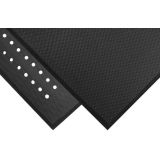 Traction Hog Anti-Fatigue Runner Mats
Starting at $85.00
Traction Hog Anti-Fatigue Runner Mats are cushioned rubber runners for the line of stations where people stand in place all shift, on a floor that may be wet, greasy, or both. The mat is 5/8 inch of nitrile/PVC-blended foam with beveled edges, made in stock sizes from 2 by 3...
Traction Hog Anti-Fatigue Runner Mats are cushioned rubber runners for the line of stations where people stand in place all...
Traction Hog Anti-Fatigue Runner Mats are cushioned rubber runners for the line of stations where people stand in place all shift, on a floor that may be wet, greasy, or both. The mat is 5/8 inch of nitrile/PVC-blended foam with beveled edges, made in stock sizes from 2 by 3 feet to a 3-by-10-foot runner and in custom lengths to 75 feet. It comes solid or with drainage holes, is built for indoor use, and is a comfort mat first, which decides where it goes.
What an Anti-Fatigue Rubber Mat Does Before the Shift Gets Long
Standing still on a hard floor is harder on the body than walking on it. The legs lock, blood pools, and by hour six the lower back is doing work the feet were supposed to do. A cushioned rubber standing mat gives the floor a small amount of give, so the muscles in the legs keep making tiny adjustments instead of freezing in place.
That is the comfort side. The safety side is footing. A dish pit, a fry station, a wet packing line, or a cooler floor puts water and grease under the same person for hours, and a mat that cushions but slides is worse than no mat. This one is certified high-traction by the National Floor Safety Institute, an independent slip-resistance testing program, not a manufacturer claim.
The third job is the edge. A thick mat with a square edge is a trip hazard and a cart stopper. Beveled edges taper the mat down to the floor so a foot or a caster rolls onto it rather than catching, which is what keeps a comfort mat from causing the fall it was meant to prevent.
Why Nitrile-Blend Foam, and Why This One
The cushion is a 5/8-inch nitrile/PVC-blended foam. Nitrile is the rubber that tolerates oil, and it is the reason this mat is grease and oil resistant and chemical resistant rather than a plain sponge that swells and softens the first time fryer oil hits it. Nightly sanitizing with standard cleaners does not eat it.
The foam is treated with an anti-microbial that provides lifetime protection from odors and degradation. On a wet-area mat that is the difference between a mat that is hosed off and returns to service and one that starts to smell by the second month and has to be thrown out.
The two configurations are the real choice. The solid mat suits dry stations and damp ones where spills are wiped up. The version with drainage holes is for truly wet work: liquid falls through to the floor instead of pooling under a boot, which is why a rubber mat with holes belongs at a dish machine or a wash-down station and a solid one belongs at a register or an assembly bench.
It is also lightweight and flexible. A 3-by-5-foot mat weighs 13.8 pounds, and the largest stock size, 4 by 8 feet, weighs 26.7 pounds. One person picks it up, hoses it, hangs it, and puts it back, which is what actually determines whether a mat gets cleaned on schedule.
Where It Belongs, and What It Is Not
Put it wherever a person holds one position on a hard indoor floor: dish pits, fry and prep stations, bar wells, packing and inspection stations, cashier stands, lab benches, and the floor in front of a machine control panel. Wet zones take the holed version; dry and damp zones take the solid one. It is one of several cushioned and traction mats in the heavy-duty rubber runner mats range, and it is the one to reach for when comfort is the problem.
What it is not is a traffic-lane mat. Foam cushion under cart wheels and constant foot traffic compresses at the edges and wears out early, and a thick mat in a busy lane is something to walk around. Where the floor problem is people and carts crossing wet tile, a thin solid-rubber traction runner is the right product, and the two are usually used together in the same room.
It is also rated for indoor use. Outdoor UV and freeze cycles are outside what the foam is built for, so a loading dock apron or an exterior landing needs a different mat.
Three Things to Check Before You Spec It
First, decide wet or dry, and buy the matching version. If water or grease reaches the floor around the station more than occasionally, take the holed mat. If the station is dry or only sees a wiped-up spill, the solid mat is easier to keep clean and gives a smoother surface. Buying solid for a wet zone is the most common mistake with this product.
Second, size the runner to the line of stations, not the room. Measure end to end along the positions people hold: a prep line, a dish run, a packing table, an assembly bench. Custom lengths run in whole feet to 75 feet in 3-foot and 4-foot widths, so one continuous runner covers the line with no seam to lift. The 3-by-10 stock runner handles most single long stations; the five shorter stock sizes cover one or two fixed positions. Finished sizes vary 3 to 5 percent as rubber moves with temperature.
Third, plan the cleaning routine before the mat arrives. A wet-area mat has to come up, get rinsed, and dry before it goes back down. Confirm there is a place to hang it and a person on the closing shift who owns the task. A lightweight mat helps, but the schedule is what keeps the anti-microbial doing its job instead of fighting a losing battle.
Why Mats Inc.
We carry this mat because it answers the question a hard kitchen or plant floor asks every shift: how do you keep the person at the station comfortable and upright without putting something under them that soaks up grease and slides. A nitrile-blend cushion with a third-party traction certification and a holed option does that. Mats Inc. has been matching mats to standing zones since 1964, and this is the one we put where people stand still on wet floors.
Type Anti-fatigue rubber runner mat, indoor Material Nitrile/PVC-blended foam Thickness 5/8" Traction Certified high-traction by the National Floor Safety Institute (NFSI) Edges Beveled Resistance Grease and oil resistant; chemical resistant Anti-microbial Treated; lifetime protection from odors and degradation Configurations Solid, or with drainage holes for wet areas Color Black Custom runner lengths 3' (36") and 4' (48") widths; whole-foot lengths up to 75' Stock sizes & weights 2' x 3' (24" x 36") — 6.3 lbs
3' x 4' (36" x 48") — 10 lbs
3' x 5' (36" x 60") — 13.8 lbs
3' x 10' (36" x 120") — 25.6 lbs
4' x 6' (48" x 72") — 20 lbs
4' x 8' (48" x 96") — 26.7 lbsSize tolerance 3–5% manufacturing variance Cleaning Lightweight and flexible for handling; rinse, hang, and return to service dry Origin Made in the USA Warranty 1-year limited (Mats Inc.) Frequently Asked Questions
What is the mat made of, and how thick is it?
Answered by Dustin Thompson, Owner & CEO
It is a single layer of nitrile/PVC-blended foam, 5/8 inch thick, with beveled edges molded around the perimeter. There is no separate top sheet or fabric layer, so there is nothing to delaminate. The nitrile content is what gives it grease, oil, and chemical resistance; a plain PVC or polyurethane foam of the same thickness softens and breaks down under fryer oil and sanitizer much sooner.
The foam is also treated with an anti-microbial that carries lifetime protection from odors and degradation. That treatment is doing real work on a mat that lives in a wet area and gets rinsed rather than replaced.
How long will it last, and what shortens its life?
Answered by Dustin Thompson, Owner & CEO
The maker does not publish a year figure, and the honest answer is that the floor decides. Kept at a standing station, rinsed on schedule, and allowed to dry before it goes back down, the anti-microbial treatment and nitrile blend are built to hold up for years of shifts. The mat carries a 1-year limited (Mats Inc.) warranty, and a 12-month check for edge compression and surface wear is a reasonable habit.
Three things end it early. Putting it in a traffic lane where carts and constant foot traffic compress the edges. Leaving it down wet so it never dries, which no anti-microbial fully overcomes. And putting an indoor-rated foam mat outside, where UV and freezing stiffen and crack it. Avoid those three and it outlasts most of the equipment around it.
Where should I put it, and where should I not?
Answered by Dustin Thompson, Owner & CEO
Put it where one person stands in one place on a hard indoor floor: dish machines, fry and prep stations, bar wells, packing and inspection stations, register stands, lab benches, machine control positions. If the floor around that station gets wet, use the version with drainage holes so water goes through instead of sitting under a boot. If it stays dry or only sees a wiped-up spill, the solid mat is the cleaner surface.
Do not put it in a walking lane or under cart traffic; cushion compresses and wears at the edges there, and a thick mat in a lane is an obstacle. Do not put it outdoors. For a wet lane that carts cross, a thin solid-rubber traction runner is the right product, and most kitchens run both.
Which size should I pick, and can I get a custom length?
Answered by Jinna Hopson, Vice President of Marketing
Start with the run. Custom lengths are available in whole feet up to 75 feet, in 3-foot and 4-foot widths, so a prep line, a dish run, or a packing table becomes one continuous runner instead of a row of mats with seams to trip on and lift. Three feet of width covers a single row of workers; four feet covers a row that steps back from the bench.
For a single position, pick from the six stock sizes. A 2-by-3 covers a register stand; 3-by-4 or 3-by-5 covers a station where someone shifts a step left and right; 3-by-10 handles one long station; 4-by-6 and 4-by-8 suit two people side by side. Allow 3 to 5 percent on finished dimensions, since rubber shrinks and expands with temperature and time.
What does it look like on the floor?
Answered by Jinna Hopson, Vice President of Marketing
Black, with a fine textured surface and a beveled border that slopes down to the floor on all four sides, so it reads as a finished piece rather than a slab of foam. The holed version has a grid of round drainage openings across the face; the solid version is unbroken. Both sit 5/8 inch high, which is noticeable underfoot but low enough not to look like an obstacle.
Because it is black and textured, scuffs and dried spills blend in until cleaning day rather than showing white. It looks right in a back-of-house kitchen, a plant floor, a lab, or a retail counter; for a customer-facing spot where the mat is part of the decor, a fabric-topped anti-fatigue mat is the better-looking option.
Is this a good fit for a commercial kitchen, and does it handle the cleaning?
Answered by Jinna Hopson, Vice President of Marketing
Yes; wet and greasy kitchens are what the holed version is for. Water and cooking oil drain through, the nitrile blend resists grease and standard sanitizers, and the NFSI high-traction certification means the surface has been independently tested for slip resistance rather than just described as non-slip. Put it at the dish machine, the fry station, and the prep line where people stand.
The cleaning routine is the part to plan. At close, the mat comes up, gets rinsed, and hangs to dry before it goes back down. At 13.8 pounds for a 3-by-5, one person handles it. That nightly lift is what keeps a kitchen mat from becoming the thing that smells, so pick the size someone will actually move.
By Jinna Hopson, Vice President of Marketing, Mats Inc.
↑
Traction Hog Anti-Fatigue Runner Mats are cushioned rubber runners for the line of stations where people stand in place all shift, on a floor that may be wet, greasy, or both. The mat is 5/8 inch of nitrile/PVC-blended foam with beveled edges, made in stock sizes from 2 by 3 feet to a 3-by-10-foot runner and in custom lengths to 75 feet. It comes solid or with drainage holes, is built for indoor use, and is a comfort mat first, which decides where it goes.
What an Anti-Fatigue Rubber Mat Does Before the Shift Gets Long
Standing still on a hard floor is harder on the body than walking on it. The legs lock, blood pools, and by hour six the lower back is doing work the feet were supposed to do. A cushioned rubber standing mat gives the floor a small amount of give, so the muscles in the legs keep making tiny adjustments instead of freezing in place.
That is the comfort side. The safety side is footing. A dish pit, a fry station, a wet packing line, or a cooler floor puts water and grease under the same person for hours, and a mat that cushions but slides is worse than no mat. This one is certified high-traction by the National Floor Safety Institute, an independent slip-resistance testing program, not a manufacturer claim.
The third job is the edge. A thick mat with a square edge is a trip hazard and a cart stopper. Beveled edges taper the mat down to the floor so a foot or a caster rolls onto it rather than catching, which is what keeps a comfort mat from causing the fall it was meant to prevent.
Why Nitrile-Blend Foam, and Why This One
The cushion is a 5/8-inch nitrile/PVC-blended foam. Nitrile is the rubber that tolerates oil, and it is the reason this mat is grease and oil resistant and chemical resistant rather than a plain sponge that swells and softens the first time fryer oil hits it. Nightly sanitizing with standard cleaners does not eat it.
The foam is treated with an anti-microbial that provides lifetime protection from odors and degradation. On a wet-area mat that is the difference between a mat that is hosed off and returns to service and one that starts to smell by the second month and has to be thrown out.
The two configurations are the real choice. The solid mat suits dry stations and damp ones where spills are wiped up. The version with drainage holes is for truly wet work: liquid falls through to the floor instead of pooling under a boot, which is why a rubber mat with holes belongs at a dish machine or a wash-down station and a solid one belongs at a register or an assembly bench.
It is also lightweight and flexible. A 3-by-5-foot mat weighs 13.8 pounds, and the largest stock size, 4 by 8 feet, weighs 26.7 pounds. One person picks it up, hoses it, hangs it, and puts it back, which is what actually determines whether a mat gets cleaned on schedule.
Where It Belongs, and What It Is Not
Put it wherever a person holds one position on a hard indoor floor: dish pits, fry and prep stations, bar wells, packing and inspection stations, cashier stands, lab benches, and the floor in front of a machine control panel. Wet zones take the holed version; dry and damp zones take the solid one. It is one of several cushioned and traction mats in the heavy-duty rubber runner mats range, and it is the one to reach for when comfort is the problem.
What it is not is a traffic-lane mat. Foam cushion under cart wheels and constant foot traffic compresses at the edges and wears out early, and a thick mat in a busy lane is something to walk around. Where the floor problem is people and carts crossing wet tile, a thin solid-rubber traction runner is the right product, and the two are usually used together in the same room.
It is also rated for indoor use. Outdoor UV and freeze cycles are outside what the foam is built for, so a loading dock apron or an exterior landing needs a different mat.
Three Things to Check Before You Spec It
First, decide wet or dry, and buy the matching version. If water or grease reaches the floor around the station more than occasionally, take the holed mat. If the station is dry or only sees a wiped-up spill, the solid mat is easier to keep clean and gives a smoother surface. Buying solid for a wet zone is the most common mistake with this product.
Second, size the runner to the line of stations, not the room. Measure end to end along the positions people hold: a prep line, a dish run, a packing table, an assembly bench. Custom lengths run in whole feet to 75 feet in 3-foot and 4-foot widths, so one continuous runner covers the line with no seam to lift. The 3-by-10 stock runner handles most single long stations; the five shorter stock sizes cover one or two fixed positions. Finished sizes vary 3 to 5 percent as rubber moves with temperature.
Third, plan the cleaning routine before the mat arrives. A wet-area mat has to come up, get rinsed, and dry before it goes back down. Confirm there is a place to hang it and a person on the closing shift who owns the task. A lightweight mat helps, but the schedule is what keeps the anti-microbial doing its job instead of fighting a losing battle.
Why Mats Inc.
We carry this mat because it answers the question a hard kitchen or plant floor asks every shift: how do you keep the person at the station comfortable and upright without putting something under them that soaks up grease and slides. A nitrile-blend cushion with a third-party traction certification and a holed option does that. Mats Inc. has been matching mats to standing zones since 1964, and this is the one we put where people stand still on wet floors.
Type Anti-fatigue rubber runner mat, indoor Material Nitrile/PVC-blended foam Thickness 5/8" Traction Certified high-traction by the National Floor Safety Institute (NFSI) Edges Beveled Resistance Grease and oil resistant; chemical resistant Anti-microbial Treated; lifetime protection from odors and degradation Configurations Solid, or with drainage holes for wet areas Color Black Custom runner lengths 3' (36") and 4' (48") widths; whole-foot lengths up to 75' Stock sizes & weights 2' x 3' (24" x 36") — 6.3 lbs
3' x 4' (36" x 48") — 10 lbs
3' x 5' (36" x 60") — 13.8 lbs
3' x 10' (36" x 120") — 25.6 lbs
4' x 6' (48" x 72") — 20 lbs
4' x 8' (48" x 96") — 26.7 lbsSize tolerance 3–5% manufacturing variance Cleaning Lightweight and flexible for handling; rinse, hang, and return to service dry Origin Made in the USA Warranty 1-year limited (Mats Inc.) Frequently Asked Questions
What is the mat made of, and how thick is it?
Answered by Dustin Thompson, Owner & CEO
It is a single layer of nitrile/PVC-blended foam, 5/8 inch thick, with beveled edges molded around the perimeter. There is no separate top sheet or fabric layer, so there is nothing to delaminate. The nitrile content is what gives it grease, oil, and chemical resistance; a plain PVC or polyurethane foam of the same thickness softens and breaks down under fryer oil and sanitizer much sooner.
The foam is also treated with an anti-microbial that carries lifetime protection from odors and degradation. That treatment is doing real work on a mat that lives in a wet area and gets rinsed rather than replaced.
How long will it last, and what shortens its life?
Answered by Dustin Thompson, Owner & CEO
The maker does not publish a year figure, and the honest answer is that the floor decides. Kept at a standing station, rinsed on schedule, and allowed to dry before it goes back down, the anti-microbial treatment and nitrile blend are built to hold up for years of shifts. The mat carries a 1-year limited (Mats Inc.) warranty, and a 12-month check for edge compression and surface wear is a reasonable habit.
Three things end it early. Putting it in a traffic lane where carts and constant foot traffic compress the edges. Leaving it down wet so it never dries, which no anti-microbial fully overcomes. And putting an indoor-rated foam mat outside, where UV and freezing stiffen and crack it. Avoid those three and it outlasts most of the equipment around it.
Where should I put it, and where should I not?
Answered by Dustin Thompson, Owner & CEO
Put it where one person stands in one place on a hard indoor floor: dish machines, fry and prep stations, bar wells, packing and inspection stations, register stands, lab benches, machine control positions. If the floor around that station gets wet, use the version with drainage holes so water goes through instead of sitting under a boot. If it stays dry or only sees a wiped-up spill, the solid mat is the cleaner surface.
Do not put it in a walking lane or under cart traffic; cushion compresses and wears at the edges there, and a thick mat in a lane is an obstacle. Do not put it outdoors. For a wet lane that carts cross, a thin solid-rubber traction runner is the right product, and most kitchens run both.
Which size should I pick, and can I get a custom length?
Answered by Jinna Hopson, Vice President of Marketing
Start with the run. Custom lengths are available in whole feet up to 75 feet, in 3-foot and 4-foot widths, so a prep line, a dish run, or a packing table becomes one continuous runner instead of a row of mats with seams to trip on and lift. Three feet of width covers a single row of workers; four feet covers a row that steps back from the bench.
For a single position, pick from the six stock sizes. A 2-by-3 covers a register stand; 3-by-4 or 3-by-5 covers a station where someone shifts a step left and right; 3-by-10 handles one long station; 4-by-6 and 4-by-8 suit two people side by side. Allow 3 to 5 percent on finished dimensions, since rubber shrinks and expands with temperature and time.
What does it look like on the floor?
Answered by Jinna Hopson, Vice President of Marketing
Black, with a fine textured surface and a beveled border that slopes down to the floor on all four sides, so it reads as a finished piece rather than a slab of foam. The holed version has a grid of round drainage openings across the face; the solid version is unbroken. Both sit 5/8 inch high, which is noticeable underfoot but low enough not to look like an obstacle.
Because it is black and textured, scuffs and dried spills blend in until cleaning day rather than showing white. It looks right in a back-of-house kitchen, a plant floor, a lab, or a retail counter; for a customer-facing spot where the mat is part of the decor, a fabric-topped anti-fatigue mat is the better-looking option.
Is this a good fit for a commercial kitchen, and does it handle the cleaning?
Answered by Jinna Hopson, Vice President of Marketing
Yes; wet and greasy kitchens are what the holed version is for. Water and cooking oil drain through, the nitrile blend resists grease and standard sanitizers, and the NFSI high-traction certification means the surface has been independently tested for slip resistance rather than just described as non-slip. Put it at the dish machine, the fry station, and the prep line where people stand.
The cleaning routine is the part to plan. At close, the mat comes up, gets rinsed, and hangs to dry before it goes back down. At 13.8 pounds for a 3-by-5, one person handles it. That nightly lift is what keeps a kitchen mat from becoming the thing that smells, so pick the size someone will actually move.
By Jinna Hopson, Vice President of Marketing, Mats Inc.
↑
View Details
View Details
 Cushion Tile
Starting at $10.00
What Cushion Tile does before a hard, wet floor wears people out A wet concrete or tile floor around a pool, in a plant room, or behind a counter does two kinds of damage you don't always connect. It's slick where water sits, and it's punishing to stand on for...
What Cushion Tile does before a hard, wet floor wears people out A wet concrete or tile floor around a...
What Cushion Tile does before a hard, wet floor wears people out
A wet concrete or tile floor around a pool, in a plant room, or behind a counter does two kinds of damage you don't always connect. It's slick where water sits, and it's punishing to stand on for hours — hard, cold, and unforgiving on legs, backs, and feet. Most people notice the slip risk and miss the standing fatigue, but both come from the same hard, wet surface.
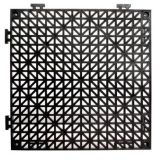
Cushion Tile takes on both at once. Each tile is a thick, flexible vinyl square with a waffle-grid, open-mesh surface, so it lifts your feet up out of the water while water drains away through the grid below. At the same time, the give in the recycled vinyl cushions every step, so a floor that used to punish now gives a little back. You stand drier and more comfortably on the same spot.
On a wet, hard floor, that combination matters more than it looks. Standing all day on unforgiving concrete is a genuine source of fatigue and strain, and standing water on top of it adds a slip risk. A cushioned tile that raises feet above the water and softens the surface underneath is protecting the people on it and the floor itself.
Why a recycled cushioned tile, and why this one
Cushion Tile is molded from recycled flexible vinyl, which does two useful things. It gives the tile its cushioning flex — enough to conform to an uneven floor and soften a hard surface underfoot — and it puts a recycled material to work instead of a virgin one, which matters if sustainability is part of your spec. The vinyl is grease and moisture resistant, so a wet or greasy floor doesn't break it down.
The surface is a waffle-grid, open-mesh top on a 3/4-inch-thick tile — noticeably thicker than a thin drainage mat, which is where the cushioning comes from. The open grid lets water and debris fall through and away, keeping the top of the tile clear while your feet stay up above any standing water. It guards against slipping and against the wear that vibration and moisture put on a floor.
It goes down without tools or a contractor. The 12-by-12-inch tiles interlock on every side to build a surface of any size or shape, and they trim to fit around a drain, a bench, or a corner. Interlocking beveled edge and corner pieces ramp the 3/4-inch height down to the floor for a finished, trip-free border. When it's time to clean, you lift a section, rinse, and drop it back.
Where it belongs — and what it isn't
Cushion Tile suits any hard, wet, or greasy floor where people stand or move around. That includes pool decks and surrounds, locker and changing rooms, and shower approaches, but also the wet, standing-work zones it was bred for — behind bars and counters, in plant and equipment rooms, workshops, and washdown areas. Because it handles indoors and out and conforms to an uneven floor, it covers a lot of different ground.
It's worth being clear about what this isn't. It's a walk-on cushioned floor tile, not a flotation device, and not the liner sheet that goes under an above-ground pool. If you want a mat to put under a pool or a float for the water, this isn't that product. Cushion Tile installs on top of your existing floor and turns a hard, wet surface into a cushioned, draining one.
One honest note on grip: this tile's strength is cushioning and lifting feet above the water, and its waffle surface gives solid footing for a walkway or standing area. For the most slip-critical wet spots — a steep, constantly streaming surface where aggressive traction is the priority — a coarser, grittier surface may serve better, and we can point you to one. For general wet-area comfort and safety, this is a strong fit.
Three Things to Check Before You Spec It
Cushion Tile is simple to order once you've thought through three things.
First, size the coverage and count your tiles. Each tile covers one square foot, so a deck or work zone is just its area in tiles, plus edge and corner pieces for any exposed sides. Because it's ideal for covering large surfaces, map the whole area you want cushioned and draining, not just a single standing spot.
Second, plan your edges. Wherever the tiled surface meets open floor people step onto, the beveled edge and corner pieces ramp the 3/4-inch height down so there's no lip to trip on and carts can roll on and off. Decide which sides are exposed before you order so the right ramp pieces come with the tiles.
Third, pick a color for the setting. It comes in several colors, including blue, green, gray, red, and beige, with more available. Blue and gray read clean and neutral around a pool or in a locker room; beige is easy and warm; brighter colors can zone an area or mark a walkway. Darker, muted tones show grit the least between cleanings.
Why Mats Inc.
We've been matching mats to real floors since 1964, and a hard, wet floor is one of the clearest cases for the right surface — it shows up in comfort, safety, and how the floor holds up. We'll help you work out how many tiles and edge pieces your space needs, choose a color for the room, and flag whether Cushion Tile's cushioned surface or a grittier one suits your particular wet spot. It's part of our wider lineup of pool and wet-area matting, and every order is backed by our 1-year limited warranty.
Material Recycled flexible vinyl Surface Waffle-grid, open-mesh top Tile size 12" x 12" Thickness 3/4" Weight ~1.5 lb per tile Colors Blue, green, gray, red, beige (more available) Edge / corner pieces Interlocking beveled edge (2" x 12") and corner (2" x 13.6") ramps Installation Interlocking modular; snaps together; trims to fit any size or shape Use Indoor or outdoor; grease and moisture resistant; conforms to uneven floors Sustainability Made from recycled material Warranty 1-year limited (Mats Inc.) Frequently Asked Questions
How does Cushion Tile keep feet out of the water and still feel soft?
Answered by Dustin Thompson, Owner & CEO
It does both jobs with one design. Each tile is a 3/4-inch-thick square of flexible recycled vinyl with a waffle-grid, open-mesh top. The grid raises your feet above the floor and lets water drain straight through and away, so you're standing on the tile rather than in a puddle. And because the vinyl is thick and flexible, it gives underfoot — that cushioning is where the "cushion" in the name comes from. The same flex also lets it conform to a floor that isn't perfectly flat.
Will it hold up on a wet, greasy, or outdoor floor?
Answered by Dustin Thompson, Owner & CEO
It's built for exactly those conditions. The recycled vinyl is grease and moisture resistant, so a wet pool deck, a greasy back-of-house floor, or a damp plant room won't degrade it, and it works indoors or outdoors. It also guards the floor beneath it from the wear that vibration and moisture cause. At 3/4 inch thick it's a substantial tile rather than a thin mat, and while the maker rates it for years of service, through us it's backed by our 1-year limited warranty.
What size are the tiles, and can I cover a big area?
Answered by Dustin Thompson, Owner & CEO
Each tile is 12 by 12 inches — one square foot — and they interlock on every side, so you can build a surface of any size or shape by snapping more together. It's specifically suited to covering large surfaces, so a whole pool deck or work floor is very doable. The tiles trim to fit around drains, corners, and equipment, and interlocking beveled edge and corner pieces finish the exposed borders. Custom sizing is available if you need it.
Where does Cushion Tile make the most sense?
Answered by Jinna Hopson, VP of Marketing
Anywhere a hard floor is wet or greasy and people stand or move on it. Around water, that's pool decks and surrounds, locker and changing rooms, and shower approaches. It's just as at home in the standing-work spots it was designed for — behind a bar or counter, in a plant or equipment room, a workshop, or a washdown area. Because it works indoors and out and conforms to uneven ground, it fits both a poolside setting and a working back-of-house floor.
What colors does it come in, and how should I choose?
Answered by Jinna Hopson, VP of Marketing
It comes in several colors, including blue, green, gray, red, and beige, with more available. The color is a chance to fit the tile to the room: blue and gray feel clean and neutral around a pool or in a locker room, beige reads warm and low-key, and brighter shades like green or red can mark off a walkway or zone an area for safety. If you want the floor to stay looking tidy between cleanings, the darker, muted tones hide grit and debris best.
My space is an odd shape — can I make it fit, and even zone areas by color?
Answered by Jinna Hopson, VP of Marketing
Yes to both. Because every tile interlocks on all sides and trims with a knife, you can build a surface to any footprint — around a curved pool edge, a drain, or a bench — and finish the exposed sides with beveled edge and corner ramps for a clean border. And with several colors to choose from, you can mix them to mark walkways, zone a wet area, or match a facility's look. Send us your layout and we'll help you plan the tiles, edges, and colors.
Written by Dustin Thompson, Owner & CEO, Mats Inc.
↑
What Cushion Tile does before a hard, wet floor wears people out
A wet concrete or tile floor around a pool, in a plant room, or behind a counter does two kinds of damage you don't always connect. It's slick where water sits, and it's punishing to stand on for hours — hard, cold, and unforgiving on legs, backs, and feet. Most people notice the slip risk and miss the standing fatigue, but both come from the same hard, wet surface.
Cushion Tile takes on both at once. Each tile is a thick, flexible vinyl square with a waffle-grid, open-mesh surface, so it lifts your feet up out of the water while water drains away through the grid below. At the same time, the give in the recycled vinyl cushions every step, so a floor that used to punish now gives a little back. You stand drier and more comfortably on the same spot.
On a wet, hard floor, that combination matters more than it looks. Standing all day on unforgiving concrete is a genuine source of fatigue and strain, and standing water on top of it adds a slip risk. A cushioned tile that raises feet above the water and softens the surface underneath is protecting the people on it and the floor itself.
Why a recycled cushioned tile, and why this one
Cushion Tile is molded from recycled flexible vinyl, which does two useful things. It gives the tile its cushioning flex — enough to conform to an uneven floor and soften a hard surface underfoot — and it puts a recycled material to work instead of a virgin one, which matters if sustainability is part of your spec. The vinyl is grease and moisture resistant, so a wet or greasy floor doesn't break it down.
The surface is a waffle-grid, open-mesh top on a 3/4-inch-thick tile — noticeably thicker than a thin drainage mat, which is where the cushioning comes from. The open grid lets water and debris fall through and away, keeping the top of the tile clear while your feet stay up above any standing water. It guards against slipping and against the wear that vibration and moisture put on a floor.
It goes down without tools or a contractor. The 12-by-12-inch tiles interlock on every side to build a surface of any size or shape, and they trim to fit around a drain, a bench, or a corner. Interlocking beveled edge and corner pieces ramp the 3/4-inch height down to the floor for a finished, trip-free border. When it's time to clean, you lift a section, rinse, and drop it back.
Where it belongs — and what it isn't
Cushion Tile suits any hard, wet, or greasy floor where people stand or move around. That includes pool decks and surrounds, locker and changing rooms, and shower approaches, but also the wet, standing-work zones it was bred for — behind bars and counters, in plant and equipment rooms, workshops, and washdown areas. Because it handles indoors and out and conforms to an uneven floor, it covers a lot of different ground.
It's worth being clear about what this isn't. It's a walk-on cushioned floor tile, not a flotation device, and not the liner sheet that goes under an above-ground pool. If you want a mat to put under a pool or a float for the water, this isn't that product. Cushion Tile installs on top of your existing floor and turns a hard, wet surface into a cushioned, draining one.
One honest note on grip: this tile's strength is cushioning and lifting feet above the water, and its waffle surface gives solid footing for a walkway or standing area. For the most slip-critical wet spots — a steep, constantly streaming surface where aggressive traction is the priority — a coarser, grittier surface may serve better, and we can point you to one. For general wet-area comfort and safety, this is a strong fit.
Three Things to Check Before You Spec It
Cushion Tile is simple to order once you've thought through three things.
First, size the coverage and count your tiles. Each tile covers one square foot, so a deck or work zone is just its area in tiles, plus edge and corner pieces for any exposed sides. Because it's ideal for covering large surfaces, map the whole area you want cushioned and draining, not just a single standing spot.
Second, plan your edges. Wherever the tiled surface meets open floor people step onto, the beveled edge and corner pieces ramp the 3/4-inch height down so there's no lip to trip on and carts can roll on and off. Decide which sides are exposed before you order so the right ramp pieces come with the tiles.
Third, pick a color for the setting. It comes in several colors, including blue, green, gray, red, and beige, with more available. Blue and gray read clean and neutral around a pool or in a locker room; beige is easy and warm; brighter colors can zone an area or mark a walkway. Darker, muted tones show grit the least between cleanings.
Why Mats Inc.
We've been matching mats to real floors since 1964, and a hard, wet floor is one of the clearest cases for the right surface — it shows up in comfort, safety, and how the floor holds up. We'll help you work out how many tiles and edge pieces your space needs, choose a color for the room, and flag whether Cushion Tile's cushioned surface or a grittier one suits your particular wet spot. It's part of our wider lineup of pool and wet-area matting, and every order is backed by our 1-year limited warranty.
Material Recycled flexible vinyl Surface Waffle-grid, open-mesh top Tile size 12" x 12" Thickness 3/4" Weight ~1.5 lb per tile Colors Blue, green, gray, red, beige (more available) Edge / corner pieces Interlocking beveled edge (2" x 12") and corner (2" x 13.6") ramps Installation Interlocking modular; snaps together; trims to fit any size or shape Use Indoor or outdoor; grease and moisture resistant; conforms to uneven floors Sustainability Made from recycled material Warranty 1-year limited (Mats Inc.) Frequently Asked Questions
How does Cushion Tile keep feet out of the water and still feel soft?
Answered by Dustin Thompson, Owner & CEO
It does both jobs with one design. Each tile is a 3/4-inch-thick square of flexible recycled vinyl with a waffle-grid, open-mesh top. The grid raises your feet above the floor and lets water drain straight through and away, so you're standing on the tile rather than in a puddle. And because the vinyl is thick and flexible, it gives underfoot — that cushioning is where the "cushion" in the name comes from. The same flex also lets it conform to a floor that isn't perfectly flat.
Will it hold up on a wet, greasy, or outdoor floor?
Answered by Dustin Thompson, Owner & CEO
It's built for exactly those conditions. The recycled vinyl is grease and moisture resistant, so a wet pool deck, a greasy back-of-house floor, or a damp plant room won't degrade it, and it works indoors or outdoors. It also guards the floor beneath it from the wear that vibration and moisture cause. At 3/4 inch thick it's a substantial tile rather than a thin mat, and while the maker rates it for years of service, through us it's backed by our 1-year limited warranty.
What size are the tiles, and can I cover a big area?
Answered by Dustin Thompson, Owner & CEO
Each tile is 12 by 12 inches — one square foot — and they interlock on every side, so you can build a surface of any size or shape by snapping more together. It's specifically suited to covering large surfaces, so a whole pool deck or work floor is very doable. The tiles trim to fit around drains, corners, and equipment, and interlocking beveled edge and corner pieces finish the exposed borders. Custom sizing is available if you need it.
Where does Cushion Tile make the most sense?
Answered by Jinna Hopson, VP of Marketing
Anywhere a hard floor is wet or greasy and people stand or move on it. Around water, that's pool decks and surrounds, locker and changing rooms, and shower approaches. It's just as at home in the standing-work spots it was designed for — behind a bar or counter, in a plant or equipment room, a workshop, or a washdown area. Because it works indoors and out and conforms to uneven ground, it fits both a poolside setting and a working back-of-house floor.
What colors does it come in, and how should I choose?
Answered by Jinna Hopson, VP of Marketing
It comes in several colors, including blue, green, gray, red, and beige, with more available. The color is a chance to fit the tile to the room: blue and gray feel clean and neutral around a pool or in a locker room, beige reads warm and low-key, and brighter shades like green or red can mark off a walkway or zone an area for safety. If you want the floor to stay looking tidy between cleanings, the darker, muted tones hide grit and debris best.
My space is an odd shape — can I make it fit, and even zone areas by color?
Answered by Jinna Hopson, VP of Marketing
Yes to both. Because every tile interlocks on all sides and trims with a knife, you can build a surface to any footprint — around a curved pool edge, a drain, or a bench — and finish the exposed sides with beveled edge and corner ramps for a clean border. And with several colors to choose from, you can mix them to mark walkways, zone a wet area, or match a facility's look. Send us your layout and we'll help you plan the tiles, edges, and colors.
Written by Dustin Thompson, Owner & CEO, Mats Inc.
↑
View Details
View Details
 Solid Top Cushion Tile
Starting at $10.00
Solid Top Cushion Tile is a modular anti-fatigue mat for dry work areas: solid-surface vulcanized rubber sections that lock together into whatever footprint your line, cell, or bench run actually needs. The top stays sealed so debris sweeps off instead of falling in, while rubber nibs underneath keep air...
Solid Top Cushion Tile is a modular anti-fatigue mat for dry work areas: solid-surface vulcanized rubber sections that lock...
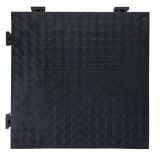
Solid Top Cushion Tile is a modular anti-fatigue mat for dry work areas: solid-surface vulcanized rubber sections that lock together into whatever footprint your line, cell, or bench run actually needs. The top stays sealed so debris sweeps off instead of falling in, while rubber nibs underneath keep air moving beneath the mat and add give to every step.
What Solid Top Cushion Tile Does Before a Dry Floor Wears Your Crew Down
Dry industrial floors punish people twice. Concrete stiffens legs and backs over a shift, and the fixed rectangular mats most facilities buy never quite fit the workspace — so operators end up standing half on, half off the cushion, right where the work happens.
A modular solid-top mat closes both gaps. Sections connect into the real shape of the station, so the cushion is under every position that matters. The textured surface keeps footing sure, and the sealed top means metal shavings, dust, and packaging debris stay where a broom can reach them.
The nib underside does quiet work too: it holds the mat off the floor so air circulates beneath, keeping the concrete under the mat drier instead of sealing in mopping moisture and condensation.
Why This Construction, and Why This One
The body is vulcanized rubber with an anti-fatigue textured surface, and it wears like it sounds: surface loss of half a percent or less after 1,000 cycles on the standard abrasion test. At 2.2 pounds per square foot, an assembled installation has real heft — it stays where you put it without adhesive.
Connectors are molded into two sides of each 3-by-3-foot section, so assemblies build out in any direction, reconfigure when the work cell changes, and let a worn high-traffic section swap out individually. The compound carries 47% recycled material, and flammability is rated to DOC FF 1-70.
Edging is optional: snap-on beveled ramps, in black or safety yellow, finish any side that faces foot traffic. Each finished side adds roughly 3 inches to the overall dimension.
Where It Belongs, and What It Is Not
This tile earns its footprint in factories, workstations, large work cells, and assembly lines — dry areas where coverage is big, irregular, or likely to be rearranged, and where debris control matters as much as cushion. If your matting needs to wrap a machine base or follow an L-shaped bench run, modular is the format that fits.
It is not a wet-area mat: no drainage means standing liquid stays on top, so washdown zones and greasy lines call for a perforated mat instead. And a single fixed station with standard dimensions is served more simply by a one-piece mat from the anti-fatigue mats and runners range. This tile's case is dry coverage shaped like your work, not like a stock rectangle.
Three Things to Check Before You Spec It
First, confirm the area truly runs dry. Occasional mopping is fine — the nib underside helps the floor beneath dry — but recurring spills, washdowns, or oil point you to a drainage-style mat rather than a solid top.
Second, map the real footprint. Sections are 3 by 3 feet, custom assemblies run up to 12 by 30 feet, and workstation layouts order in full-foot increments. Sketch where people actually stand and walk through a full shift — the point of modular is covering that shape edge to edge.
Third, plan the ramps. Count the sides that face open floor and spec snap-on beveled edging for those — yellow where you want the perimeter to announce itself, black where you don't — and remember each finished side adds about 3 inches to the assembly.
Why Mats Inc.
Modular dry-area installations succeed or fail at the sketch stage — the section count, the ramp sides, the 3 inches the edging adds. Send us the dimensions of the cell and a note on what the floor sees in a week, and we'll turn it into a section-and-ramp order that assembles into full coverage the first time, with no orphan gaps where someone stands.
Format Modular solid-surface sections; molded-in connectors on two sides Section size 3' x 3' Custom assemblies Up to 12' x 30'; workstations in full-foot increments Material / surface Vulcanized rubber with anti-fatigue textured solid top; rubber nib underside for comfort and aeration Color Black Abrasion resistance ≤0.5% loss at 1,000 cycles (ASTM D3884) Weight 2.2 lbs per sq. ft. Flammability DOC FF 1-70 Recycled content 47% Edging Optional snap-on beveled ramps, black or yellow; each finished side adds ~3" Warranty 1-year limited (Mats Inc.) Frequently Asked Questions
When is a solid top the right call instead of a perforated mat?
Answered by Dustin Thompson, Owner & CEO
When the floor runs dry and the debris is solid. In a machine shop or on a packing line, shavings, dust, and scrap stay on a sealed surface where a broom clears them in seconds — the same material falling into perforations gets ground underfoot and works into the openings.
The moment liquid becomes a daily fact of that floor, the logic flips and drainage wins. Solid top is the dry-area specialist.
How durable is it, really, and what would end its life early?
Answered by Dustin Thompson, Owner & CEO
The wear numbers are about as strong as this class gets: half a percent or less surface loss after 1,000 abrasion cycles, in dense vulcanized rubber weighing 2.2 pounds per square foot. Treated as a floor fixture rather than a consumable, installations commonly run many years — and a high-wear section in front of one machine swaps out without touching the rest.
What cuts life short: parking it under standing liquid it was never meant to drain, or letting grit sit in the connector joints until seams stop locking flat.
How does installation work across a big or odd-shaped cell?
Answered by Dustin Thompson, Owner & CEO
No adhesive, no tools. Each section carries connectors on two sides — start at the primary operator position, lock sections outward until the footprint is covered, and press every joint flush as you go. The assembly's own weight keeps it planted.
Snap ramps onto the sides that face walking traffic, wrap sections around machine bases as the shape demands, and when the cell gets rearranged next year, unlock and rebuild to the new layout.
It only comes in black — how do I keep a big installation from looking grim?
Answered by Jinna Hopson, VP of Marketing
Lean into it. A continuous black rubber field reads as deliberate, engineered flooring — far cleaner than a patchwork of mismatched mats collected over the years. The uniformity is the aesthetic.
Yellow snap-on ramps are your accent tool: they trace the perimeter in the same visual language as floor marking, which makes the whole cell look planned and keeps edges conspicuous exactly where people step on and off.
What sizes can I build, and how does the edging change the math?
Answered by Jinna Hopson, VP of Marketing
Sections are 3 by 3 feet and build into custom assemblies up to 12 by 30 feet, ordered in full-foot increments — L-shapes, U-shaped cells, and long assembly-line runs all come from the same units.
Budget the edging into your dimensions: each ramped side adds about 3 inches. In a tight aisle, that's the difference between a clean fit and a mat that crowds the cart path, so measure to the walls, not just the work.
Would this work outside a factory — a stockroom, a workshop, a packing bench at home?
Answered by Jinna Hopson, VP of Marketing
Anywhere someone stands for hours on a dry hard floor, yes — retail stockrooms, shipping benches, framing counters, a serious garage workshop. The modular format is actually friendlier outside the factory, since small spaces rarely match stock mat sizes and a two- or three-section assembly fits exactly.
Just hold the one rule: dry duty. If the space doubles as a wash bay or sees regular spills, choose a drainage mat instead.
By Dustin Thompson, Owner & CEO, Mats Inc.
↑
Solid Top Cushion Tile is a modular anti-fatigue mat for dry work areas: solid-surface vulcanized rubber sections that lock together into whatever footprint your line, cell, or bench run actually needs. The top stays sealed so debris sweeps off instead of falling in, while rubber nibs underneath keep air moving beneath the mat and add give to every step.
What Solid Top Cushion Tile Does Before a Dry Floor Wears Your Crew Down
Dry industrial floors punish people twice. Concrete stiffens legs and backs over a shift, and the fixed rectangular mats most facilities buy never quite fit the workspace — so operators end up standing half on, half off the cushion, right where the work happens.
A modular solid-top mat closes both gaps. Sections connect into the real shape of the station, so the cushion is under every position that matters. The textured surface keeps footing sure, and the sealed top means metal shavings, dust, and packaging debris stay where a broom can reach them.
The nib underside does quiet work too: it holds the mat off the floor so air circulates beneath, keeping the concrete under the mat drier instead of sealing in mopping moisture and condensation.
Why This Construction, and Why This One
The body is vulcanized rubber with an anti-fatigue textured surface, and it wears like it sounds: surface loss of half a percent or less after 1,000 cycles on the standard abrasion test. At 2.2 pounds per square foot, an assembled installation has real heft — it stays where you put it without adhesive.
Connectors are molded into two sides of each 3-by-3-foot section, so assemblies build out in any direction, reconfigure when the work cell changes, and let a worn high-traffic section swap out individually. The compound carries 47% recycled material, and flammability is rated to DOC FF 1-70.
Edging is optional: snap-on beveled ramps, in black or safety yellow, finish any side that faces foot traffic. Each finished side adds roughly 3 inches to the overall dimension.
Where It Belongs, and What It Is Not
This tile earns its footprint in factories, workstations, large work cells, and assembly lines — dry areas where coverage is big, irregular, or likely to be rearranged, and where debris control matters as much as cushion. If your matting needs to wrap a machine base or follow an L-shaped bench run, modular is the format that fits.
It is not a wet-area mat: no drainage means standing liquid stays on top, so washdown zones and greasy lines call for a perforated mat instead. And a single fixed station with standard dimensions is served more simply by a one-piece mat from the anti-fatigue mats and runners range. This tile's case is dry coverage shaped like your work, not like a stock rectangle.
Three Things to Check Before You Spec It
First, confirm the area truly runs dry. Occasional mopping is fine — the nib underside helps the floor beneath dry — but recurring spills, washdowns, or oil point you to a drainage-style mat rather than a solid top.
Second, map the real footprint. Sections are 3 by 3 feet, custom assemblies run up to 12 by 30 feet, and workstation layouts order in full-foot increments. Sketch where people actually stand and walk through a full shift — the point of modular is covering that shape edge to edge.
Third, plan the ramps. Count the sides that face open floor and spec snap-on beveled edging for those — yellow where you want the perimeter to announce itself, black where you don't — and remember each finished side adds about 3 inches to the assembly.
Why Mats Inc.
Modular dry-area installations succeed or fail at the sketch stage — the section count, the ramp sides, the 3 inches the edging adds. Send us the dimensions of the cell and a note on what the floor sees in a week, and we'll turn it into a section-and-ramp order that assembles into full coverage the first time, with no orphan gaps where someone stands.
Format Modular solid-surface sections; molded-in connectors on two sides Section size 3' x 3' Custom assemblies Up to 12' x 30'; workstations in full-foot increments Material / surface Vulcanized rubber with anti-fatigue textured solid top; rubber nib underside for comfort and aeration Color Black Abrasion resistance ≤0.5% loss at 1,000 cycles (ASTM D3884) Weight 2.2 lbs per sq. ft. Flammability DOC FF 1-70 Recycled content 47% Edging Optional snap-on beveled ramps, black or yellow; each finished side adds ~3" Warranty 1-year limited (Mats Inc.) Frequently Asked Questions
When is a solid top the right call instead of a perforated mat?
Answered by Dustin Thompson, Owner & CEO
When the floor runs dry and the debris is solid. In a machine shop or on a packing line, shavings, dust, and scrap stay on a sealed surface where a broom clears them in seconds — the same material falling into perforations gets ground underfoot and works into the openings.
The moment liquid becomes a daily fact of that floor, the logic flips and drainage wins. Solid top is the dry-area specialist.
How durable is it, really, and what would end its life early?
Answered by Dustin Thompson, Owner & CEO
The wear numbers are about as strong as this class gets: half a percent or less surface loss after 1,000 abrasion cycles, in dense vulcanized rubber weighing 2.2 pounds per square foot. Treated as a floor fixture rather than a consumable, installations commonly run many years — and a high-wear section in front of one machine swaps out without touching the rest.
What cuts life short: parking it under standing liquid it was never meant to drain, or letting grit sit in the connector joints until seams stop locking flat.
How does installation work across a big or odd-shaped cell?
Answered by Dustin Thompson, Owner & CEO
No adhesive, no tools. Each section carries connectors on two sides — start at the primary operator position, lock sections outward until the footprint is covered, and press every joint flush as you go. The assembly's own weight keeps it planted.
Snap ramps onto the sides that face walking traffic, wrap sections around machine bases as the shape demands, and when the cell gets rearranged next year, unlock and rebuild to the new layout.
It only comes in black — how do I keep a big installation from looking grim?
Answered by Jinna Hopson, VP of Marketing
Lean into it. A continuous black rubber field reads as deliberate, engineered flooring — far cleaner than a patchwork of mismatched mats collected over the years. The uniformity is the aesthetic.
Yellow snap-on ramps are your accent tool: they trace the perimeter in the same visual language as floor marking, which makes the whole cell look planned and keeps edges conspicuous exactly where people step on and off.
What sizes can I build, and how does the edging change the math?
Answered by Jinna Hopson, VP of Marketing
Sections are 3 by 3 feet and build into custom assemblies up to 12 by 30 feet, ordered in full-foot increments — L-shapes, U-shaped cells, and long assembly-line runs all come from the same units.
Budget the edging into your dimensions: each ramped side adds about 3 inches. In a tight aisle, that's the difference between a clean fit and a mat that crowds the cart path, so measure to the walls, not just the work.
Would this work outside a factory — a stockroom, a workshop, a packing bench at home?
Answered by Jinna Hopson, VP of Marketing
Anywhere someone stands for hours on a dry hard floor, yes — retail stockrooms, shipping benches, framing counters, a serious garage workshop. The modular format is actually friendlier outside the factory, since small spaces rarely match stock mat sizes and a two- or three-section assembly fits exactly.
Just hold the one rule: dry duty. If the space doubles as a wash bay or sees regular spills, choose a drainage mat instead.
By Dustin Thompson, Owner & CEO, Mats Inc.
↑
View Details
View Details
 Interlocking Rubber Tiles
Starting at $17.00
Interlocking rubber tiles are the gym floor you can put down yourself. They snap together edge to edge — no glue, no adhesive, no installer — so a garage, basement, or home gym goes from bare slab to finished rubber floor in an afternoon. And because they lock rather than...
Interlocking rubber tiles are the gym floor you can put down yourself. They snap together edge to edge — no...
Interlocking rubber tiles are the gym floor you can put down yourself. They snap together edge to edge — no glue, no adhesive, no installer — so a garage, basement, or home gym goes from bare slab to finished rubber floor in an afternoon. And because they lock rather than bond, you can add to them, pull them up, or take them with you when the space changes.
What Interlocking Rubber Tiles Do Before Your Floor Pays for It
A workout floor takes a beating — dropped dumbbells, dragged equipment, foot traffic, sweat. On bare concrete or a finished floor, that wear lands directly on the surface. Interlocking tiles put a layer of dense rubber between the workout and the floor, soaking up impact and protecting what's underneath.
They also give you grip and a little cushion underfoot, which matters for safety and comfort during a session. Because each tile locks to the next, the surface holds together as a single floor instead of sliding mats — no shifting, no gaps to trip on, no edges curling up mid-workout.
Why Interlocking Tiles, and Why These
The whole idea of a tile is the locking edge. Each one snaps into its neighbors with no adhesive, so you cover exactly the area you want and can expand or rearrange it later — something a glued roll can't do. That makes tiles the easiest rubber floor to install, and the only one you can realistically take with you.
These are made from recycled rubber diverted from the waste stream, so the same density that makes them tough also keeps material out of a landfill. They're tested low for VOCs — the gases that flooring can off-gas indoors — and they contribute toward LEED credits, which matters on commercial and institutional projects.
They come in three thicknesses, from 1/4 inch up to 1/2 inch, so you can match the tile to the load, and in 19 colors with a standard 10% color fleck mixed into the rubber — so the floor can match a brand palette or simply look better than plain black.
Where Interlocking Tiles Belong, and Where They Don't
Tiles are the natural pick for spaces that change or grow: home and garage gyms, basements, multi-use rooms, studios, and any layout you might rearrange. The no-adhesive install means no damage to the floor below, which is ideal for a rental or a finished basement.
Where they're less suited is a dedicated heavy-drop zone — for repeated dropped barbells and Olympic lifts, our heavy-duty gym matting is built for that punishment. And for a large, permanent, wall-to-wall commercial floor, rolls give you fewer seams.
Tiles win on flexibility; rolls win on seamlessness; heavy-duty matting wins in the drop zone. All three are part of the wider gym flooring lineup, because different spaces call for different surfaces.
Three Things to Check Before You Spec Them
Three things decide whether tiles are right and which ones you need.
First, thickness against use. For bodyweight training, cardio, and general fitness, 1/4 inch to 3/8 inch is usually enough. For busier rooms and heavier equipment, step up to 1/2 inch. If you're regularly dropping loaded barbells, that's past what tiles are for — the heavy-duty matting is the surface built to absorb it.
Second, the coverage and layout. Each tile is 25 inches across including the locking tabs, so measure your space and plan for the border tiles you'll trim to fit walls, doorways, and equipment. Decide on color while you're at it — there are 19 to choose from.
Third, the subfloor. Tiles want a clean, flat, dry surface to lock over. They go down without adhesive and hold together by the locks and their own weight, so the prep is simple — but a level subfloor keeps the seams tight and the floor flat over time.
Why Mats Inc.
Mats Inc. has matched surfaces to floors since 1964, and a tile floor is a friendly project once we know the room and how it gets used. We'll help you settle on a thickness, pick from the 19 colors, and work out the tile count so you order the right amount with the fewest offcuts.
We specify rather than install, so the focus is getting the spec and the layout right — and pointing you to recycled, low-emitting tiles that earn their place on a green-building project. Every order is backed by our one-year limited warranty.
Format Interlocking tiles — snap together, no adhesive Tile size 25″ across, including locking tabs (24″ square style also available) Thickness 1/4″ (6 mm), 3/8″ (9 mm), 1/2″ (12 mm) Material Recycled rubber, diverted from the waste stream Colors 19 colors, standard 10% color fleck Density 68.3 lb/ft³ (ASTM E96) Tensile strength 265 psi (ASTM D412) Hardness Shore A 65 ±5 (ASTM D2240) Slip resistance Coefficient of friction 0.84–0.90 (ASTM C1028) Abrasion 0.33–0.35 g loss, 2,000 cycles (Taber, ASTM D4060) VOC emissions < 0.05 mg/m³ (CDPH v1.2 — low-emitting) LEED Contributes toward MR and EQ credits Installation Snap-together over a clean, flat, dry subfloor; no adhesive Maintenance Sweep or vacuum; damp mop with a neutral cleaner Warranty 1-year limited (Mats Inc.) Frequently Asked Questions
What are interlocking rubber tiles made of?
Answered by Dustin Thompson, Owner & CEO
They're made from recycled rubber — material diverted from the waste stream and bound into a dense, solid tile. That density is what does the work: at about 68 pounds per cubic foot with a firm Shore A 65 hardness, the rubber absorbs impact and stands up to equipment without compressing. The recycled content puts reclaimed material back to use, and the tiles test low for VOCs, so they're a sound choice for indoor air.
How durable are they, and what wears them out?
Answered by Dustin Thompson, Owner & CEO
Built right, a rubber tile floor lasts many years — often a decade or more — because dense recycled rubber shrugs off foot traffic and equipment. The numbers back it up, with 265 psi tensile strength and very low abrasion loss in standard Taber testing.
What shortens their life is usually the wrong thickness for the load, gaps left between poorly fitted tiles, or harsh solvent cleaners. A thickness matched to use and a neutral cleaner keep them going.
How do interlocking tiles install — do I need glue?
Answered by Dustin Thompson, Owner & CEO
No glue. Each tile has interlocking edges that snap into the next, so the floor goes down as a connected sheet held by the locks and its own weight. Start from one corner, work across a clean, flat, dry subfloor, and trim the border tiles to fit walls and around racks.
Because there's no adhesive, you can lift and relock them later — which is what makes tiles so easy to live with, and so kind to the floor underneath.
What size are the tiles, and how many do I need?
Answered by Jinna Hopson, Vice President of Marketing
Each interlocking tile is 25 inches across, including the locking tabs, so a handful covers a surprising amount of floor. Measure your space, then plan for the border tiles you'll trim to fit walls, doorways, and equipment.
Tell us the room dimensions and we'll help you work out the tile count — and whether a 24-inch square tile style suits a glued or loose-laid layout better for your room.
What colors do they come in?
Answered by Jinna Hopson, Vice President of Marketing
Nineteen, which is unusual for gym flooring. Every tile comes with a standard 10% color fleck mixed into the rubber, in shades from grey, blue, and teal to red, green, gold and more, plus near-solid charcoal and black.
A commercial studio can match its brand palette, and a home gym can pick something that doesn't look industrial. Because the color is part of the rubber rather than a coating, it won't wear off underfoot.
Are interlocking tiles a good choice for a home or basement gym?
Answered by Jinna Hopson, Vice President of Marketing
They're one of the best, especially when you don't want to glue anything down. The tiles lock together over a basement, garage, or spare-room floor with no adhesive and no damage to what's underneath, so they suit a rental or a finished space. You can floor just the training area, add tiles as the gym grows, and pull them up if you move. For the heaviest lifting, pair them with heavier matting in the drop zone.
By Jinna Hopson, Vice President of Marketing, Mats Inc.
↑
Interlocking rubber tiles are the gym floor you can put down yourself. They snap together edge to edge — no glue, no adhesive, no installer — so a garage, basement, or home gym goes from bare slab to finished rubber floor in an afternoon. And because they lock rather than bond, you can add to them, pull them up, or take them with you when the space changes.
What Interlocking Rubber Tiles Do Before Your Floor Pays for It
A workout floor takes a beating — dropped dumbbells, dragged equipment, foot traffic, sweat. On bare concrete or a finished floor, that wear lands directly on the surface. Interlocking tiles put a layer of dense rubber between the workout and the floor, soaking up impact and protecting what's underneath.
They also give you grip and a little cushion underfoot, which matters for safety and comfort during a session. Because each tile locks to the next, the surface holds together as a single floor instead of sliding mats — no shifting, no gaps to trip on, no edges curling up mid-workout.
Why Interlocking Tiles, and Why These
The whole idea of a tile is the locking edge. Each one snaps into its neighbors with no adhesive, so you cover exactly the area you want and can expand or rearrange it later — something a glued roll can't do. That makes tiles the easiest rubber floor to install, and the only one you can realistically take with you.
These are made from recycled rubber diverted from the waste stream, so the same density that makes them tough also keeps material out of a landfill. They're tested low for VOCs — the gases that flooring can off-gas indoors — and they contribute toward LEED credits, which matters on commercial and institutional projects.
They come in three thicknesses, from 1/4 inch up to 1/2 inch, so you can match the tile to the load, and in 19 colors with a standard 10% color fleck mixed into the rubber — so the floor can match a brand palette or simply look better than plain black.
Where Interlocking Tiles Belong, and Where They Don't
Tiles are the natural pick for spaces that change or grow: home and garage gyms, basements, multi-use rooms, studios, and any layout you might rearrange. The no-adhesive install means no damage to the floor below, which is ideal for a rental or a finished basement.
Where they're less suited is a dedicated heavy-drop zone — for repeated dropped barbells and Olympic lifts, our heavy-duty gym matting is built for that punishment. And for a large, permanent, wall-to-wall commercial floor, rolls give you fewer seams.
Tiles win on flexibility; rolls win on seamlessness; heavy-duty matting wins in the drop zone. All three are part of the wider gym flooring lineup, because different spaces call for different surfaces.
Three Things to Check Before You Spec Them
Three things decide whether tiles are right and which ones you need.
First, thickness against use. For bodyweight training, cardio, and general fitness, 1/4 inch to 3/8 inch is usually enough. For busier rooms and heavier equipment, step up to 1/2 inch. If you're regularly dropping loaded barbells, that's past what tiles are for — the heavy-duty matting is the surface built to absorb it.
Second, the coverage and layout. Each tile is 25 inches across including the locking tabs, so measure your space and plan for the border tiles you'll trim to fit walls, doorways, and equipment. Decide on color while you're at it — there are 19 to choose from.
Third, the subfloor. Tiles want a clean, flat, dry surface to lock over. They go down without adhesive and hold together by the locks and their own weight, so the prep is simple — but a level subfloor keeps the seams tight and the floor flat over time.
Why Mats Inc.
Mats Inc. has matched surfaces to floors since 1964, and a tile floor is a friendly project once we know the room and how it gets used. We'll help you settle on a thickness, pick from the 19 colors, and work out the tile count so you order the right amount with the fewest offcuts.
We specify rather than install, so the focus is getting the spec and the layout right — and pointing you to recycled, low-emitting tiles that earn their place on a green-building project. Every order is backed by our one-year limited warranty.
Format Interlocking tiles — snap together, no adhesive Tile size 25″ across, including locking tabs (24″ square style also available) Thickness 1/4″ (6 mm), 3/8″ (9 mm), 1/2″ (12 mm) Material Recycled rubber, diverted from the waste stream Colors 19 colors, standard 10% color fleck Density 68.3 lb/ft³ (ASTM E96) Tensile strength 265 psi (ASTM D412) Hardness Shore A 65 ±5 (ASTM D2240) Slip resistance Coefficient of friction 0.84–0.90 (ASTM C1028) Abrasion 0.33–0.35 g loss, 2,000 cycles (Taber, ASTM D4060) VOC emissions < 0.05 mg/m³ (CDPH v1.2 — low-emitting) LEED Contributes toward MR and EQ credits Installation Snap-together over a clean, flat, dry subfloor; no adhesive Maintenance Sweep or vacuum; damp mop with a neutral cleaner Warranty 1-year limited (Mats Inc.) Frequently Asked Questions
What are interlocking rubber tiles made of?
Answered by Dustin Thompson, Owner & CEO
They're made from recycled rubber — material diverted from the waste stream and bound into a dense, solid tile. That density is what does the work: at about 68 pounds per cubic foot with a firm Shore A 65 hardness, the rubber absorbs impact and stands up to equipment without compressing. The recycled content puts reclaimed material back to use, and the tiles test low for VOCs, so they're a sound choice for indoor air.
How durable are they, and what wears them out?
Answered by Dustin Thompson, Owner & CEO
Built right, a rubber tile floor lasts many years — often a decade or more — because dense recycled rubber shrugs off foot traffic and equipment. The numbers back it up, with 265 psi tensile strength and very low abrasion loss in standard Taber testing.
What shortens their life is usually the wrong thickness for the load, gaps left between poorly fitted tiles, or harsh solvent cleaners. A thickness matched to use and a neutral cleaner keep them going.
How do interlocking tiles install — do I need glue?
Answered by Dustin Thompson, Owner & CEO
No glue. Each tile has interlocking edges that snap into the next, so the floor goes down as a connected sheet held by the locks and its own weight. Start from one corner, work across a clean, flat, dry subfloor, and trim the border tiles to fit walls and around racks.
Because there's no adhesive, you can lift and relock them later — which is what makes tiles so easy to live with, and so kind to the floor underneath.
What size are the tiles, and how many do I need?
Answered by Jinna Hopson, Vice President of Marketing
Each interlocking tile is 25 inches across, including the locking tabs, so a handful covers a surprising amount of floor. Measure your space, then plan for the border tiles you'll trim to fit walls, doorways, and equipment.
Tell us the room dimensions and we'll help you work out the tile count — and whether a 24-inch square tile style suits a glued or loose-laid layout better for your room.
What colors do they come in?
Answered by Jinna Hopson, Vice President of Marketing
Nineteen, which is unusual for gym flooring. Every tile comes with a standard 10% color fleck mixed into the rubber, in shades from grey, blue, and teal to red, green, gold and more, plus near-solid charcoal and black.
A commercial studio can match its brand palette, and a home gym can pick something that doesn't look industrial. Because the color is part of the rubber rather than a coating, it won't wear off underfoot.
Are interlocking tiles a good choice for a home or basement gym?
Answered by Jinna Hopson, Vice President of Marketing
They're one of the best, especially when you don't want to glue anything down. The tiles lock together over a basement, garage, or spare-room floor with no adhesive and no damage to what's underneath, so they suit a rental or a finished space. You can floor just the training area, add tiles as the gym grows, and pull them up if you move. For the heaviest lifting, pair them with heavier matting in the drop zone.
By Jinna Hopson, Vice President of Marketing, Mats Inc.
↑
View Details
View Details
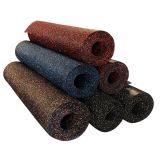 Rubber Gym Flooring Rolls
Starting at $2.99
Rubber gym flooring rolls give you the most floor with the fewest seams. Where tiles and single mats leave you lines to manage, a roll lays down in long, continuous runs — cleaner to look at, faster to cover a big room, and harder for equipment to shift around. These...
Rubber gym flooring rolls give you the most floor with the fewest seams. Where tiles and single mats leave you...
Rubber gym flooring rolls give you the most floor with the fewest seams. Where tiles and single mats leave you lines to manage, a roll lays down in long, continuous runs — cleaner to look at, faster to cover a big room, and harder for equipment to shift around. These are recycled-rubber rolls built to take dropped weights and heavy machines without passing the damage into the floor below.
What Rubber Gym Flooring Rolls Do Before Your Subfloor Pays for It
Every dropped dumbbell and loaded barbell sends force somewhere. On a bare slab or a finished floor, that force goes straight into the surface — cracked tile, dented concrete, gouged wood, and noise that travels through the building. A rubber roll sits between the workout and the floor and absorbs most of that energy before it lands.
That's the real job here: protecting the subfloor, the equipment, and the people training. The rolls also knock down the noise and shock that carry to rooms below — independent testing rates them high for both airborne sound (STC 59) and impact sound (IIC 69), strong marks for a floor over an occupied space. And the dense surface gives shoes and equipment enough grip to stay put.
Why Recycled Rubber Rolls, and Why This One
These rolls are made from recycled tire rubber — SBR (styrene-butadiene rubber) bound with polyurethane — at about 92% recycled content, so the same density that makes them tough also keeps a lot of scrap tire out of a landfill. That density is real, 65 to 80 pounds per cubic foot, which is what lets the rubber absorb impact and stay flat under weights instead of bouncing.
They come in three thicknesses, from 1/4 inch up to 1/2 inch, so you can match the floor to the load instead of buying one thickness for the whole building. Thinner runs suit cardio and general fitness; the half-inch handles busier rooms and heavier equipment. Because they're cut to length, a roll can cover a full room edge to edge with very few seams. For the heaviest lifting — dropped barbells and Olympic platforms — our heavy-duty gym matting is the surface built for that punishment.
Color isn't an afterthought either. Beyond solid black, the rolls come in fleck blends across blues, grays, reds, greens and more, so a commercial studio can match a brand palette and a home gym can skip the plain-industrial look.
Where Rolls Belong, and Where They Don't
Rolls are at their best in big, open, more-or-less permanent floors: commercial gyms, school and team weight rooms, fitness studios, and full garage or basement builds where you want wall-to-wall coverage. The flat, continuous surface makes a large room look finished and stay put under heavy traffic.
Where they're not the easy answer is a space that changes often. If you expect to rearrange the room, move equipment between spots, or take the floor with you, interlocking tiles handle that better — they come up and go back down without adhesive.
And for a dedicated drop zone — a deadlift or Olympic platform — our heavy-duty gym matting is purpose-built to take repeated heavy drops, rather than rolling the whole room. Rolls are one option in the wider gym flooring lineup, because different spaces call for different surfaces.
Three Things to Check Before You Spec Rolls
Three things decide whether a roll is right and which one to order.
First, thickness against the load. For bodyweight training, stretching, and cardio, 1/4 inch to 3/8 inch is usually enough. For busier rooms and heavier equipment, the 1/2 inch gives you more cushion and protection. If you're regularly dropping loaded barbells, that's past what these rolls are for — the heavy-duty gym matting is the surface built to absorb it. Speccing thin to save on material is the most common way subfloors get damaged.
Second, the room and the length. Measure the actual training area, not the whole slab — rolls cut to any length, so you only cover what you use. Note the doorways, posts, and racks you'll trim around, and decide whether you want one continuous run or a couple of shorter pieces that are easier to handle.
Third, how it attaches. A roll can sit loose under light use, but most installs use double-sided tape or adhesive so edges stay down and seams stay tight, especially in high-traffic and commercial rooms. Let the rubber relax to room temperature first, then trim to fit — that keeps it from shifting or curling later.
Why Mats Inc.
Mats Inc. has spent since 1964 figuring out which surface belongs on which floor, and rubber rolls are a straightforward call once we know the load and the room. We'll help you land on a thickness instead of guessing, work out how much length the space actually needs, and flag the install method that fits your subfloor.
We specify rather than install, so the advice is about getting the spec right the first time — not selling you more rubber than the room calls for. Every order is backed by our one-year limited warranty.
Material Recycled SBR (styrene-butadiene) tire rubber with polyurethane binder; ~92% recycled content Thickness options 1/4″ (6 mm), 3/8″ (9 mm), 1/2″ (12 mm) Roll width 4 ft (48″) Length Cut to length (standard runs 15–100 ft) Density 65–80 lb/ft³ Slip resistance Coefficient of friction > 0.9 (ASTM D2047) Acoustics STC 59 (airborne sound) / IIC 69 (impact sound) Durability Tensile > 220 psi; elongation 155%; tear 80 pli; abrasion < 1.7 g (1,000 cycles) Flammability Passes burning pill test Color options Solid black plus fleck blends — blues, grays, reds, greens, cocoa, and granite/sandstone tones Installation Acclimate to room temperature, trim to fit, secure with adhesive or double-sided tape Maintenance Sweep or vacuum; damp mop with a neutral cleaner Warranty 1-year limited (Mats Inc.) Frequently Asked Questions
What are these rolls actually made of?
Answered by Dustin Thompson, Owner & CEO
They're made from recycled tire rubber — SBR, short for styrene-butadiene rubber — ground down and bound with polyurethane into a dense, solid sheet at about 92% recycled content. That density is the point, around 65 to 80 pounds per cubic foot: it's what lets the roll absorb the impact of dropped weights and stay flat under heavy machines instead of compressing or bouncing. It also puts a lot of scrap tire to good use instead of a landfill.
How long will rubber gym flooring rolls last, and what wears them out?
Answered by Dustin Thompson, Owner & CEO
In a normal gym, quality rubber rolls last many years — often a decade or more — because dense recycled rubber handles foot traffic and equipment without breaking down. What ends their life early is usually the wrong thickness for the load: a thin roll under a platform takes punishment it wasn't built for.
Standing water trapped underneath and harsh solvent cleaners can also shorten the life. A thickness matched to the load, and a neutral cleaner instead of solvents, go a long way.
Do I have to glue them down?
Answered by Dustin Thompson, Owner & CEO
Not always. For a small, low-traffic area a roll can lie loose, held by its own weight. For most rooms — and almost any commercial floor — double-sided tape or adhesive is worth it, because it keeps the edges flat and the seams tight under daily use.
Whatever the method, let the roll relax to room temperature first and trim it to fit. Rubber that's been rolled tight needs time to settle before it lies flat.
How do I know how much to order if they're cut to length?
Answered by Jinna Hopson, Vice President of Marketing
Measure the area you'll actually train on, not the entire floor — most home and garage gyms only need the working zone covered. Because the rolls are cut to any length, you order to that measurement rather than forcing the room to fit fixed sizes.
Map out where doorways, racks, and posts fall so we can plan trims and seams, and tell us if you'd rather have one long run or a few shorter pieces that are easier to move and lay.
What colors do they come in?
Answered by Jinna Hopson, Vice President of Marketing
More than you might expect. The base is solid black, which hides scuffs and is the usual pick for hard-working commercial floors. From there, the rolls come in fleck blends — flecks of color mixed into the black rubber — in blues, grays, reds, greens, cocoa, and stone-like granite and sandstone tones.
A studio can pull its brand colors into the floor, and a home gym can land on something warmer than plain black. Because the color is in the material rather than a top coating, it won't wear off where you walk and train.
Will rubber rolls work in a home or basement gym, or are they just for commercial spaces?
Answered by Jinna Hopson, Vice President of Marketing
Both. The same rolls that go into commercial gyms work just as well in a basement, garage, or spare-room setup — you're just covering a smaller area. In a basement, the impact absorption and noise dampening are a real plus over a finished room or bedroom below.
Pick a thickness that matches what you'll lift, cover the training zone, and a home space gets the same protected, finished floor a commercial gym has — without redoing the whole slab.
By Jinna Hopson, Vice President of Marketing, Mats Inc.
↑
Rubber gym flooring rolls give you the most floor with the fewest seams. Where tiles and single mats leave you lines to manage, a roll lays down in long, continuous runs — cleaner to look at, faster to cover a big room, and harder for equipment to shift around. These are recycled-rubber rolls built to take dropped weights and heavy machines without passing the damage into the floor below.
What Rubber Gym Flooring Rolls Do Before Your Subfloor Pays for It
Every dropped dumbbell and loaded barbell sends force somewhere. On a bare slab or a finished floor, that force goes straight into the surface — cracked tile, dented concrete, gouged wood, and noise that travels through the building. A rubber roll sits between the workout and the floor and absorbs most of that energy before it lands.
That's the real job here: protecting the subfloor, the equipment, and the people training. The rolls also knock down the noise and shock that carry to rooms below — independent testing rates them high for both airborne sound (STC 59) and impact sound (IIC 69), strong marks for a floor over an occupied space. And the dense surface gives shoes and equipment enough grip to stay put.
Why Recycled Rubber Rolls, and Why This One
These rolls are made from recycled tire rubber — SBR (styrene-butadiene rubber) bound with polyurethane — at about 92% recycled content, so the same density that makes them tough also keeps a lot of scrap tire out of a landfill. That density is real, 65 to 80 pounds per cubic foot, which is what lets the rubber absorb impact and stay flat under weights instead of bouncing.
They come in three thicknesses, from 1/4 inch up to 1/2 inch, so you can match the floor to the load instead of buying one thickness for the whole building. Thinner runs suit cardio and general fitness; the half-inch handles busier rooms and heavier equipment. Because they're cut to length, a roll can cover a full room edge to edge with very few seams. For the heaviest lifting — dropped barbells and Olympic platforms — our heavy-duty gym matting is the surface built for that punishment.
Color isn't an afterthought either. Beyond solid black, the rolls come in fleck blends across blues, grays, reds, greens and more, so a commercial studio can match a brand palette and a home gym can skip the plain-industrial look.
Where Rolls Belong, and Where They Don't
Rolls are at their best in big, open, more-or-less permanent floors: commercial gyms, school and team weight rooms, fitness studios, and full garage or basement builds where you want wall-to-wall coverage. The flat, continuous surface makes a large room look finished and stay put under heavy traffic.
Where they're not the easy answer is a space that changes often. If you expect to rearrange the room, move equipment between spots, or take the floor with you, interlocking tiles handle that better — they come up and go back down without adhesive.
And for a dedicated drop zone — a deadlift or Olympic platform — our heavy-duty gym matting is purpose-built to take repeated heavy drops, rather than rolling the whole room. Rolls are one option in the wider gym flooring lineup, because different spaces call for different surfaces.
Three Things to Check Before You Spec Rolls
Three things decide whether a roll is right and which one to order.
First, thickness against the load. For bodyweight training, stretching, and cardio, 1/4 inch to 3/8 inch is usually enough. For busier rooms and heavier equipment, the 1/2 inch gives you more cushion and protection. If you're regularly dropping loaded barbells, that's past what these rolls are for — the heavy-duty gym matting is the surface built to absorb it. Speccing thin to save on material is the most common way subfloors get damaged.
Second, the room and the length. Measure the actual training area, not the whole slab — rolls cut to any length, so you only cover what you use. Note the doorways, posts, and racks you'll trim around, and decide whether you want one continuous run or a couple of shorter pieces that are easier to handle.
Third, how it attaches. A roll can sit loose under light use, but most installs use double-sided tape or adhesive so edges stay down and seams stay tight, especially in high-traffic and commercial rooms. Let the rubber relax to room temperature first, then trim to fit — that keeps it from shifting or curling later.
Why Mats Inc.
Mats Inc. has spent since 1964 figuring out which surface belongs on which floor, and rubber rolls are a straightforward call once we know the load and the room. We'll help you land on a thickness instead of guessing, work out how much length the space actually needs, and flag the install method that fits your subfloor.
We specify rather than install, so the advice is about getting the spec right the first time — not selling you more rubber than the room calls for. Every order is backed by our one-year limited warranty.
Material Recycled SBR (styrene-butadiene) tire rubber with polyurethane binder; ~92% recycled content Thickness options 1/4″ (6 mm), 3/8″ (9 mm), 1/2″ (12 mm) Roll width 4 ft (48″) Length Cut to length (standard runs 15–100 ft) Density 65–80 lb/ft³ Slip resistance Coefficient of friction > 0.9 (ASTM D2047) Acoustics STC 59 (airborne sound) / IIC 69 (impact sound) Durability Tensile > 220 psi; elongation 155%; tear 80 pli; abrasion < 1.7 g (1,000 cycles) Flammability Passes burning pill test Color options Solid black plus fleck blends — blues, grays, reds, greens, cocoa, and granite/sandstone tones Installation Acclimate to room temperature, trim to fit, secure with adhesive or double-sided tape Maintenance Sweep or vacuum; damp mop with a neutral cleaner Warranty 1-year limited (Mats Inc.) Frequently Asked Questions
What are these rolls actually made of?
Answered by Dustin Thompson, Owner & CEO
They're made from recycled tire rubber — SBR, short for styrene-butadiene rubber — ground down and bound with polyurethane into a dense, solid sheet at about 92% recycled content. That density is the point, around 65 to 80 pounds per cubic foot: it's what lets the roll absorb the impact of dropped weights and stay flat under heavy machines instead of compressing or bouncing. It also puts a lot of scrap tire to good use instead of a landfill.
How long will rubber gym flooring rolls last, and what wears them out?
Answered by Dustin Thompson, Owner & CEO
In a normal gym, quality rubber rolls last many years — often a decade or more — because dense recycled rubber handles foot traffic and equipment without breaking down. What ends their life early is usually the wrong thickness for the load: a thin roll under a platform takes punishment it wasn't built for.
Standing water trapped underneath and harsh solvent cleaners can also shorten the life. A thickness matched to the load, and a neutral cleaner instead of solvents, go a long way.
Do I have to glue them down?
Answered by Dustin Thompson, Owner & CEO
Not always. For a small, low-traffic area a roll can lie loose, held by its own weight. For most rooms — and almost any commercial floor — double-sided tape or adhesive is worth it, because it keeps the edges flat and the seams tight under daily use.
Whatever the method, let the roll relax to room temperature first and trim it to fit. Rubber that's been rolled tight needs time to settle before it lies flat.
How do I know how much to order if they're cut to length?
Answered by Jinna Hopson, Vice President of Marketing
Measure the area you'll actually train on, not the entire floor — most home and garage gyms only need the working zone covered. Because the rolls are cut to any length, you order to that measurement rather than forcing the room to fit fixed sizes.
Map out where doorways, racks, and posts fall so we can plan trims and seams, and tell us if you'd rather have one long run or a few shorter pieces that are easier to move and lay.
What colors do they come in?
Answered by Jinna Hopson, Vice President of Marketing
More than you might expect. The base is solid black, which hides scuffs and is the usual pick for hard-working commercial floors. From there, the rolls come in fleck blends — flecks of color mixed into the black rubber — in blues, grays, reds, greens, cocoa, and stone-like granite and sandstone tones.
A studio can pull its brand colors into the floor, and a home gym can land on something warmer than plain black. Because the color is in the material rather than a top coating, it won't wear off where you walk and train.
Will rubber rolls work in a home or basement gym, or are they just for commercial spaces?
Answered by Jinna Hopson, Vice President of Marketing
Both. The same rolls that go into commercial gyms work just as well in a basement, garage, or spare-room setup — you're just covering a smaller area. In a basement, the impact absorption and noise dampening are a real plus over a finished room or bedroom below.
Pick a thickness that matches what you'll lift, cover the training zone, and a home space gets the same protected, finished floor a commercial gym has — without redoing the whole slab.
By Jinna Hopson, Vice President of Marketing, Mats Inc.
↑
View Details
View Details
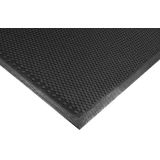 Safety Scrape Rubber Mats
Starting at $46.00
A rubber scraper mat earns its place at the door by doing two jobs at once: pulling grit off shoes, and holding footing where a wet floor turns slick. Safety Scrape does both. Its molded grip surface bites in wet, greasy, and oily conditions that leave smoother mats treacherous,...
A rubber scraper mat earns its place at the door by doing two jobs at once: pulling grit off...
A rubber scraper mat earns its place at the door by doing two jobs at once: pulling grit off shoes, and holding footing where a wet floor turns slick. Safety Scrape does both. Its molded grip surface bites in wet, greasy, and oily conditions that leave smoother mats treacherous, so it works as well inside a wet kitchen as it does outside as an exterior scraper.
What Safety Scrape Does Before a Slick Floor Becomes a Claim
The trouble with most entrance mats shows up the moment the floor gets wet. A surface that grips when dry can go slippery underfoot, and that is exactly when a slip-and-fall claim starts. Safety Scrape is built for that moment. The cleated surface keeps traction in wet and oily conditions, and those same cleats scrape dirt and sand off shoes so loose grit does not track across the floor behind it.
Why Molded Nitrile, and Why This One
The mat is molded from solid nitrile rubber — a synthetic rubber that shrugs off oil, grease, and harsh chemicals instead of breaking down in them. That is why it holds up in kitchens and production areas where animal fats and cleaners would degrade a cheaper mat. The grip comes from cleats molded into the face, not a coating that wears off.
The traction is a tested rating, not just a textured look. Safety Scrape is certified high-traction by the National Floor Safety Institute, the independent body that rates slip resistance, and it posts a static coefficient of friction — a standard grip measurement — of 0.74 dry under ASTM C1028-96, which sits in the high-traction range. It also passes the DOC FF1-70 surface-flammability standard.
Where It Belongs, and Where It Doesn't
Safety Scrape fits anywhere wet or oily footing meets incoming dirt: commercial kitchens, food-prep and processing areas, locker rooms, industrial workshops, and exterior building entrances in wet climates. It reads as utility-first, so it is at home behind the counter, at a service entry, or on an inclined walkway where safe footing matters more than polish. It is one of the exterior scraper and traction mats we carry, chosen for the wet-and-greasy end of that range.
What it is not is a lobby showpiece. The molded surface is functional, not decorative, so for a customer-facing main entrance where presentation leads, a finished entrance mat usually carries the look better. Use Safety Scrape where the real job is footing and scraping — indoors or out.
Three Things to Check Before You Spec It
First, match the surface to the conditions. If the floor sees standing water, grease, or chemical splash, the nitrile build and cleated grip are the whole point — that is where Safety Scrape outperforms a smooth or fabric mat. In a dry, low-risk spot, a lighter mat may be enough.
Second, size it to the traffic path, not the doorway. Grit needs several footsteps on the mat to come off, and ISSA field data shows roughly 12 times more dirt enters a building during wet weather — which is also when footing is least stable. A mat too short for the path lets shoes skip both the cleats and the grip surface.
Third, plan placement and upkeep. A scraper works best paired with an absorbent mat just inside, so the scraper knocks off grit and the second stage takes the moisture. Lift and clear trapped grit underneath on a regular schedule, since debris packed beneath a mat is what shortens its life early.
Why Mats Inc.
We have specified entrance and safety matting since 1964, and we choose traction products by the test data, not the sales sheet. Safety Scrape earns its spot because its slip rating is independently certified and its nitrile build survives the kitchens and entrances that break down lesser mats. Tell us the conditions and the traffic path, and we will confirm it is the right call for your floor.
Safety Scrape — Specifications Material 100% nitrile rubber Surface Molded grip-surface cleats Thickness 3/16" (about 0.19") Slip resistance NFSI-certified high-traction; 0.74 dry static coefficient of friction (ASTM C1028-96) Flammability Passes DOC FF1-70 (surface flammability) Resistance Oil, grease, and chemical resistant Cleaning Hose or pressure-wash; deck brush with neutral-pH detergent; commercial-dishwasher safe; autoclave-sterilizable Standard sizes 2'×3', 3'×5', 3'×10', 4'×6', 4'×10' (approximate; rubber varies 3–5% with temperature) Best for Commercial kitchens, food processing, locker rooms, industrial workshops, wet or greasy areas, exterior entrances Frequently Asked Questions
What is Safety Scrape made of, and how slip-resistant is it really?
Answered by Dustin Thompson, Owner & CEO
Safety Scrape is molded from solid nitrile rubber, with the grip cleats built into the face rather than coated on top, so the traction does not wear away. The slip resistance is a tested rating: it is certified high-traction by the National Floor Safety Institute and posts a 0.74 dry static coefficient of friction under ASTM C1028-96, which sits in the high-traction range. It also passes the DOC FF1-70 surface-flammability standard. The cleats hold footing in wet and oily conditions — exactly where smooth mats turn slick.
How do I clean it, and how long should it last?
Answered by Dustin Thompson, Owner & CEO
Cleaning is about as simple as commercial matting gets. Shake off the loose grit, then hose or pressure-wash it; for a deeper clean, scrub with a deck brush and a neutral-pH detergent and hang it to dry before putting it back. It is safe in a commercial dishwasher and can be sterilized in an autoclave where that is required. At a commercial placement, plan on several years of service. The habit that extends it is lifting the mat regularly to clear grit trapped underneath, since packed debris is what wears a mat out early.
Can I use it both indoors and outdoors, and will it stay in place?
Answered by Dustin Thompson, Owner & CEO
Yes — it is built for both. Indoors it suits wet zones like kitchens, food-prep areas, and locker rooms; outdoors it works as an exterior scraper at building entrances, especially in wet climates. The mat is lightweight and flexible, which makes it easy to lift and clean, so on a smooth floor in a busy path it is worth checking that it sits flat and is not shifting. The best results come from placing it right where the wet meets the foot traffic, not off to the side of the path.
What sizes does it come in, and how do I pick the right one?
Answered by Jinna Hopson, Vice President of Marketing
Safety Scrape comes in a set of standard sizes, from a compact 2-by-3-foot mat up to a 3-by-10-foot runner, with a few widths in between. The size that matters is the one matched to the actual traffic path — people need several steps on the mat for the cleats to do their work, so a mat chosen to look tidy rather than to cover where feet land lets shoes miss the grip surface entirely. Tell us the doorway width and how far the path runs, and we will point you to the size that fits.
Will it look out of place at a customer-facing entrance?
Answered by Jinna Hopson, Vice President of Marketing
Its look is functional first. The molded grip surface reads as purpose-built — clean and intentional, but utilitarian rather than decorative. That suits service entries, back-of-house doors, and wet work zones perfectly. For a main lobby or a storefront where the entrance is part of the first impression, a more finished mat usually carries the look better. The simplest approach is to let the role decide: where safe footing is the real job, Safety Scrape looks exactly as serious as it is.
Does it come in different colors, or can I add a logo?
Answered by Jinna Hopson, Vice President of Marketing
Safety Scrape is a single functional construction — a molded black grip surface — so it is not a color or logo product. The trade-off is deliberate: every part of the design works toward traction and scraping, not appearance. If you want a brand or a custom color at the door, that belongs on a logo or carpet-inlay construction built for print, which we can point you to. Where the priority is footing and dirt control, the standard surface is the right tool.
By Dustin Thompson, Owner & CEO, Mats Inc.
↑
A rubber scraper mat earns its place at the door by doing two jobs at once: pulling grit off shoes, and holding footing where a wet floor turns slick. Safety Scrape does both. Its molded grip surface bites in wet, greasy, and oily conditions that leave smoother mats treacherous, so it works as well inside a wet kitchen as it does outside as an exterior scraper.
What Safety Scrape Does Before a Slick Floor Becomes a Claim
The trouble with most entrance mats shows up the moment the floor gets wet. A surface that grips when dry can go slippery underfoot, and that is exactly when a slip-and-fall claim starts. Safety Scrape is built for that moment. The cleated surface keeps traction in wet and oily conditions, and those same cleats scrape dirt and sand off shoes so loose grit does not track across the floor behind it.
Why Molded Nitrile, and Why This One
The mat is molded from solid nitrile rubber — a synthetic rubber that shrugs off oil, grease, and harsh chemicals instead of breaking down in them. That is why it holds up in kitchens and production areas where animal fats and cleaners would degrade a cheaper mat. The grip comes from cleats molded into the face, not a coating that wears off.
The traction is a tested rating, not just a textured look. Safety Scrape is certified high-traction by the National Floor Safety Institute, the independent body that rates slip resistance, and it posts a static coefficient of friction — a standard grip measurement — of 0.74 dry under ASTM C1028-96, which sits in the high-traction range. It also passes the DOC FF1-70 surface-flammability standard.
Where It Belongs, and Where It Doesn't
Safety Scrape fits anywhere wet or oily footing meets incoming dirt: commercial kitchens, food-prep and processing areas, locker rooms, industrial workshops, and exterior building entrances in wet climates. It reads as utility-first, so it is at home behind the counter, at a service entry, or on an inclined walkway where safe footing matters more than polish. It is one of the exterior scraper and traction mats we carry, chosen for the wet-and-greasy end of that range.
What it is not is a lobby showpiece. The molded surface is functional, not decorative, so for a customer-facing main entrance where presentation leads, a finished entrance mat usually carries the look better. Use Safety Scrape where the real job is footing and scraping — indoors or out.
Three Things to Check Before You Spec It
First, match the surface to the conditions. If the floor sees standing water, grease, or chemical splash, the nitrile build and cleated grip are the whole point — that is where Safety Scrape outperforms a smooth or fabric mat. In a dry, low-risk spot, a lighter mat may be enough.
Second, size it to the traffic path, not the doorway. Grit needs several footsteps on the mat to come off, and ISSA field data shows roughly 12 times more dirt enters a building during wet weather — which is also when footing is least stable. A mat too short for the path lets shoes skip both the cleats and the grip surface.
Third, plan placement and upkeep. A scraper works best paired with an absorbent mat just inside, so the scraper knocks off grit and the second stage takes the moisture. Lift and clear trapped grit underneath on a regular schedule, since debris packed beneath a mat is what shortens its life early.
Why Mats Inc.
We have specified entrance and safety matting since 1964, and we choose traction products by the test data, not the sales sheet. Safety Scrape earns its spot because its slip rating is independently certified and its nitrile build survives the kitchens and entrances that break down lesser mats. Tell us the conditions and the traffic path, and we will confirm it is the right call for your floor.
Safety Scrape — Specifications Material 100% nitrile rubber Surface Molded grip-surface cleats Thickness 3/16" (about 0.19") Slip resistance NFSI-certified high-traction; 0.74 dry static coefficient of friction (ASTM C1028-96) Flammability Passes DOC FF1-70 (surface flammability) Resistance Oil, grease, and chemical resistant Cleaning Hose or pressure-wash; deck brush with neutral-pH detergent; commercial-dishwasher safe; autoclave-sterilizable Standard sizes 2'×3', 3'×5', 3'×10', 4'×6', 4'×10' (approximate; rubber varies 3–5% with temperature) Best for Commercial kitchens, food processing, locker rooms, industrial workshops, wet or greasy areas, exterior entrances Frequently Asked Questions
What is Safety Scrape made of, and how slip-resistant is it really?
Answered by Dustin Thompson, Owner & CEO
Safety Scrape is molded from solid nitrile rubber, with the grip cleats built into the face rather than coated on top, so the traction does not wear away. The slip resistance is a tested rating: it is certified high-traction by the National Floor Safety Institute and posts a 0.74 dry static coefficient of friction under ASTM C1028-96, which sits in the high-traction range. It also passes the DOC FF1-70 surface-flammability standard. The cleats hold footing in wet and oily conditions — exactly where smooth mats turn slick.
How do I clean it, and how long should it last?
Answered by Dustin Thompson, Owner & CEO
Cleaning is about as simple as commercial matting gets. Shake off the loose grit, then hose or pressure-wash it; for a deeper clean, scrub with a deck brush and a neutral-pH detergent and hang it to dry before putting it back. It is safe in a commercial dishwasher and can be sterilized in an autoclave where that is required. At a commercial placement, plan on several years of service. The habit that extends it is lifting the mat regularly to clear grit trapped underneath, since packed debris is what wears a mat out early.
Can I use it both indoors and outdoors, and will it stay in place?
Answered by Dustin Thompson, Owner & CEO
Yes — it is built for both. Indoors it suits wet zones like kitchens, food-prep areas, and locker rooms; outdoors it works as an exterior scraper at building entrances, especially in wet climates. The mat is lightweight and flexible, which makes it easy to lift and clean, so on a smooth floor in a busy path it is worth checking that it sits flat and is not shifting. The best results come from placing it right where the wet meets the foot traffic, not off to the side of the path.
What sizes does it come in, and how do I pick the right one?
Answered by Jinna Hopson, Vice President of Marketing
Safety Scrape comes in a set of standard sizes, from a compact 2-by-3-foot mat up to a 3-by-10-foot runner, with a few widths in between. The size that matters is the one matched to the actual traffic path — people need several steps on the mat for the cleats to do their work, so a mat chosen to look tidy rather than to cover where feet land lets shoes miss the grip surface entirely. Tell us the doorway width and how far the path runs, and we will point you to the size that fits.
Will it look out of place at a customer-facing entrance?
Answered by Jinna Hopson, Vice President of Marketing
Its look is functional first. The molded grip surface reads as purpose-built — clean and intentional, but utilitarian rather than decorative. That suits service entries, back-of-house doors, and wet work zones perfectly. For a main lobby or a storefront where the entrance is part of the first impression, a more finished mat usually carries the look better. The simplest approach is to let the role decide: where safe footing is the real job, Safety Scrape looks exactly as serious as it is.
Does it come in different colors, or can I add a logo?
Answered by Jinna Hopson, Vice President of Marketing
Safety Scrape is a single functional construction — a molded black grip surface — so it is not a color or logo product. The trade-off is deliberate: every part of the design works toward traction and scraping, not appearance. If you want a brand or a custom color at the door, that belongs on a logo or carpet-inlay construction built for print, which we can point you to. Where the priority is footing and dirt control, the standard surface is the right tool.
By Dustin Thompson, Owner & CEO, Mats Inc.
↑
View Details
View Details
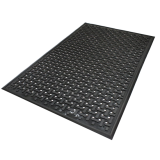 Comfort Flow Anti-Fatigue Mats$61.00What Comfort Flow Does Before a Wet Floor Becomes a Slip Report Comfort Flow is a flow-through anti-fatigue mat built for the places where water, grease, and long standing shifts all land on the same floor. Drainage holes carry liquid straight through instead of letting it pool underfoot, while a
...
What Comfort Flow Does Before a Wet Floor Becomes a Slip Report Comfort Flow is a flow-through anti-fatigue mat built...
What Comfort Flow Does Before a Wet Floor Becomes a Slip Report
Comfort Flow is a flow-through anti-fatigue mat built for the places where water, grease, and long standing shifts all land on the same floor. Drainage holes carry liquid straight through instead of letting it pool underfoot, while a high-density nitrile rubber cushion softens every hour spent standing over that floor.
Wet floors punish twice. Standing water and grease take footing first — one hurried step at a busy station is all a slip needs — and the hard, damp floor underneath grinds away at feet, knees, and backs through the rest of the shift. A wet-area mat has to solve both problems at once, or it isn't solving either.
Why Flow-Through Nitrile, and Why This One
The cushion is a high-density, closed-cell nitrile rubber foam — grease and oil proof, chemical resistant, and welding safe. Closed-cell matters in a wet zone: the material resists soaking up what lands on it, so the mat keeps working in conditions that break down ordinary foam.
Safety is certified, not assumed. The mat is certified high-traction by the National Floor Safety Institute, and beveled edges give feet and carts a safe transition from floor to mat instead of a trip point. A lifetime anti-microbial treatment works between cleanings to prevent odors and degradation of the mat itself.
Then there's the part your closing crew will notice: the design is lightweight and flexible. When the shift ends, the mat picks up easily, hoses down, and goes back into service — no wrestling a waterlogged slab of rubber across a wet kitchen floor at eleven at night.
Where It Belongs, and What It Is Not
Comfort Flow belongs in wet areas where grease, oil, or chemicals show up on the floor: dish stations and prep lines, wet industrial work cells, wash bays, and stations where hoses run daily. Anywhere staff stand over a floor that never quite dries, the drainage holes and cushion earn their place together.
What it is not: a solid-surface comfort mat for dry stations. If the floor stays dry, drainage holes solve a problem you don't have, and the solid dry-area constructions in our anti-fatigue mats and runners lineup are the better match. This one is purpose-built for the wet zone.
Three Things to Check Before You Spec It
First, confirm it's a true wet zone. Walk the station during a real shift: if water, grease, or rinse-down runoff reaches the floor daily, flow-through drainage earns its place. If the mess is occasional, a solid-top mat is easier to live with and keeps crumbs and small parts from falling through.
Second, plan the cleaning routine before the mat arrives. The whole point of a lightweight, flexible design is that it actually gets lifted — hosed down, drained, and returned — instead of being cleaned around. Decide who lifts it and when, and the anti-microbial treatment handles the hours in between.
Third, look at the traffic crossing it. Beveled edges keep the floor-to-mat transition safe, but placement still matters: set the mat so hurried foot traffic lands on the certified high-traction surface, not on a wet strip of bare floor between two mats.
Why Mats Inc.
We've been putting the right mat under wet, hard-working floors since 1964, and this one covers a need the heavy-duty drainage class doesn't: crews who need real wet-area protection they can lift with one hand at closing. We confirm what's behind every product we sell, and this mat carries a 1-year limited Mats Inc. warranty.
Construction Flow-through mat with drainage holes Cushion High-density, closed-cell nitrile rubber foam Resistance Grease and oil proof; chemical resistant; welding safe Traction Certified high-traction by NFSI Edges Beveled for safe floor-to-mat transition Hygiene Lifetime anti-microbial treatment against odors and mat degradation Handling Lightweight, flexible; lifts for hose-down cleaning Use Area Wet areas where grease, oil, or chemicals may be present Warranty 1-year limited (Mats Inc.) Frequently Asked Questions
How does one mat fight slips and fatigue at the same time?
Answered by Dustin Thompson, Owner & CEO
The two jobs share one design. Drainage holes carry water and grease through the mat instead of letting them sit where shoes land, and the surface itself is certified high-traction by the National Floor Safety Institute — so footing holds even mid-rush. Meanwhile the high-density, closed-cell nitrile rubber foam underneath cushions every standing hour. Solid mats in wet zones trap liquid on top; flow-through construction is what lets one mat do both jobs honestly.
Will daily grease and chemicals break the mat down?
Answered by Dustin Thompson, Owner & CEO
This construction is built for exactly that exposure: the nitrile rubber is grease and oil proof, chemical resistant, and welding safe, and the closed-cell foam resists soaking up what the shift throws at it. A lifetime anti-microbial treatment guards the mat against odors and material degradation between cleanings. Ordinary foam mats in a greasy wet zone swell, stink, and crumble — this one is specified so the environment that justifies the mat doesn't destroy it.
Is it safe where staff move fast across it?
Answered by Dustin Thompson, Owner & CEO
That's the setting it's certified for. NFSI high-traction certification means the surface has been independently tested for slip resistance, and the beveled edges slope down to the floor so a hurried step onto or off the mat doesn't catch a raised edge. Placement finishes the job: run the mat along the full standing-and-stepping path so quick feet stay on the traction surface rather than crossing wet bare floor between coverage.
We run a busy commercial kitchen — is this the right kind of mat for the line?
Answered by Jinna Hopson, Vice President of Marketing
If your line gets wet — dish spray, prep runoff, grease that finds the floor no matter how careful the crew is — then yes, this is the class of mat that belongs there. It's a different tool than the cushioned kitchen comfort mats made for dry home use: those are built for softness alone, while this one pairs the cushion with drainage and certified traction because a working line demands both. Match the mat to how your kitchen actually runs.
How hard is it to live with day to day?
Answered by Jinna Hopson, Vice President of Marketing
Easier than most wet-area mats, and that's by design. The lightweight, flexible build means one person can lift it at close, hose it down, let it drain, and set it back — a routine a tired crew will actually keep. That matters more than it sounds: heavy mats tend to get mopped around instead of cleaned under, and the floor beneath them quietly becomes the dirtiest spot in the building. A mat the team will lift stays part of the cleaning routine.
How much of the floor should it cover?
Answered by Jinna Hopson, Vice President of Marketing
Cover where the feet and the water actually are. Walk the station during a working shift and watch two things: where people stand longest, and where liquid lands or travels. The mat should span both — a strip that stops short leaves a wet gap right where someone steps off. For stations, size to the work zone with a little margin on each side; for longer runs along a line or sink row, plan coverage as one continuous path. Our team can help match available sizes to your layout.
By Dustin Thompson, Owner & CEO, Mats Inc.
↑
What Comfort Flow Does Before a Wet Floor Becomes a Slip Report
Comfort Flow is a flow-through anti-fatigue mat built for the places where water, grease, and long standing shifts all land on the same floor. Drainage holes carry liquid straight through instead of letting it pool underfoot, while a high-density nitrile rubber cushion softens every hour spent standing over that floor.
Wet floors punish twice. Standing water and grease take footing first — one hurried step at a busy station is all a slip needs — and the hard, damp floor underneath grinds away at feet, knees, and backs through the rest of the shift. A wet-area mat has to solve both problems at once, or it isn't solving either.
Why Flow-Through Nitrile, and Why This One
The cushion is a high-density, closed-cell nitrile rubber foam — grease and oil proof, chemical resistant, and welding safe. Closed-cell matters in a wet zone: the material resists soaking up what lands on it, so the mat keeps working in conditions that break down ordinary foam.
Safety is certified, not assumed. The mat is certified high-traction by the National Floor Safety Institute, and beveled edges give feet and carts a safe transition from floor to mat instead of a trip point. A lifetime anti-microbial treatment works between cleanings to prevent odors and degradation of the mat itself.
Then there's the part your closing crew will notice: the design is lightweight and flexible. When the shift ends, the mat picks up easily, hoses down, and goes back into service — no wrestling a waterlogged slab of rubber across a wet kitchen floor at eleven at night.
Where It Belongs, and What It Is Not
Comfort Flow belongs in wet areas where grease, oil, or chemicals show up on the floor: dish stations and prep lines, wet industrial work cells, wash bays, and stations where hoses run daily. Anywhere staff stand over a floor that never quite dries, the drainage holes and cushion earn their place together.
What it is not: a solid-surface comfort mat for dry stations. If the floor stays dry, drainage holes solve a problem you don't have, and the solid dry-area constructions in our anti-fatigue mats and runners lineup are the better match. This one is purpose-built for the wet zone.
Three Things to Check Before You Spec It
First, confirm it's a true wet zone. Walk the station during a real shift: if water, grease, or rinse-down runoff reaches the floor daily, flow-through drainage earns its place. If the mess is occasional, a solid-top mat is easier to live with and keeps crumbs and small parts from falling through.
Second, plan the cleaning routine before the mat arrives. The whole point of a lightweight, flexible design is that it actually gets lifted — hosed down, drained, and returned — instead of being cleaned around. Decide who lifts it and when, and the anti-microbial treatment handles the hours in between.
Third, look at the traffic crossing it. Beveled edges keep the floor-to-mat transition safe, but placement still matters: set the mat so hurried foot traffic lands on the certified high-traction surface, not on a wet strip of bare floor between two mats.
Why Mats Inc.
We've been putting the right mat under wet, hard-working floors since 1964, and this one covers a need the heavy-duty drainage class doesn't: crews who need real wet-area protection they can lift with one hand at closing. We confirm what's behind every product we sell, and this mat carries a 1-year limited Mats Inc. warranty.
Construction Flow-through mat with drainage holes Cushion High-density, closed-cell nitrile rubber foam Resistance Grease and oil proof; chemical resistant; welding safe Traction Certified high-traction by NFSI Edges Beveled for safe floor-to-mat transition Hygiene Lifetime anti-microbial treatment against odors and mat degradation Handling Lightweight, flexible; lifts for hose-down cleaning Use Area Wet areas where grease, oil, or chemicals may be present Warranty 1-year limited (Mats Inc.) Frequently Asked Questions
How does one mat fight slips and fatigue at the same time?
Answered by Dustin Thompson, Owner & CEO
The two jobs share one design. Drainage holes carry water and grease through the mat instead of letting them sit where shoes land, and the surface itself is certified high-traction by the National Floor Safety Institute — so footing holds even mid-rush. Meanwhile the high-density, closed-cell nitrile rubber foam underneath cushions every standing hour. Solid mats in wet zones trap liquid on top; flow-through construction is what lets one mat do both jobs honestly.
Will daily grease and chemicals break the mat down?
Answered by Dustin Thompson, Owner & CEO
This construction is built for exactly that exposure: the nitrile rubber is grease and oil proof, chemical resistant, and welding safe, and the closed-cell foam resists soaking up what the shift throws at it. A lifetime anti-microbial treatment guards the mat against odors and material degradation between cleanings. Ordinary foam mats in a greasy wet zone swell, stink, and crumble — this one is specified so the environment that justifies the mat doesn't destroy it.
Is it safe where staff move fast across it?
Answered by Dustin Thompson, Owner & CEO
That's the setting it's certified for. NFSI high-traction certification means the surface has been independently tested for slip resistance, and the beveled edges slope down to the floor so a hurried step onto or off the mat doesn't catch a raised edge. Placement finishes the job: run the mat along the full standing-and-stepping path so quick feet stay on the traction surface rather than crossing wet bare floor between coverage.
We run a busy commercial kitchen — is this the right kind of mat for the line?
Answered by Jinna Hopson, Vice President of Marketing
If your line gets wet — dish spray, prep runoff, grease that finds the floor no matter how careful the crew is — then yes, this is the class of mat that belongs there. It's a different tool than the cushioned kitchen comfort mats made for dry home use: those are built for softness alone, while this one pairs the cushion with drainage and certified traction because a working line demands both. Match the mat to how your kitchen actually runs.
How hard is it to live with day to day?
Answered by Jinna Hopson, Vice President of Marketing
Easier than most wet-area mats, and that's by design. The lightweight, flexible build means one person can lift it at close, hose it down, let it drain, and set it back — a routine a tired crew will actually keep. That matters more than it sounds: heavy mats tend to get mopped around instead of cleaned under, and the floor beneath them quietly becomes the dirtiest spot in the building. A mat the team will lift stays part of the cleaning routine.
How much of the floor should it cover?
Answered by Jinna Hopson, Vice President of Marketing
Cover where the feet and the water actually are. Walk the station during a working shift and watch two things: where people stand longest, and where liquid lands or travels. The mat should span both — a strip that stops short leaves a wet gap right where someone steps off. For stations, size to the work zone with a little margin on each side; for longer runs along a line or sink row, plan coverage as one continuous path. Our team can help match available sizes to your layout.
By Dustin Thompson, Owner & CEO, Mats Inc.
↑
View Details
View Details
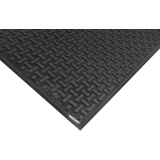 Comfort Scrape Anti Fatigue Mats$62.00What Comfort Scrape Does Before Grit and Grease Leave the Station Comfort Scrape is two mats doing one job: a scraper mat and an anti-fatigue mat in a single bi-level design. The raised standing surface cushions long shifts over a hard floor, while the lower level traps dirt, debris, and
...
What Comfort Scrape Does Before Grit and Grease Leave the Station Comfort Scrape is two mats doing one job: a...
What Comfort Scrape Does Before Grit and Grease Leave the Station
Comfort Scrape is two mats doing one job: a scraper mat and an anti-fatigue mat in a single bi-level design. The raised standing surface cushions long shifts over a hard floor, while the lower level traps dirt, debris, and drips beneath shoe level — so what lands at the station stays at the station.
Without it, the messiest spot on the floor travels. Grit and grease ride out on shoe soles, spreading a slip hazard down every walkway and grinding into flooring far from where the work happens. Meanwhile the person standing in that spot all shift absorbs the hard floor through their feet, knees, and back. One mat can interrupt both problems.
Why a Bi-Level Scraper Over Nitrile, and Why This One
The bi-level construction is the heart of it. Shoes ride on the upper surface while the recessed wells below collect what falls — dirt, metal shavings, food debris, drips — holding it out of the standing path and off the soles that would otherwise track it through the building.
The material is built for the environments that need scraping most. High-density, closed-cell nitrile rubber foam gives the cushion its anti-fatigue quality and shrugs off the mess: grease and oil proof, chemical resistant, and welding safe. A lifetime anti-microbial treatment protects the mat itself against odors and degradation between cleanings.
Safety is certified rather than assumed — the surface is certified high-traction by the National Floor Safety Institute, and beveled edges give feet and cart wheels a safe transition from floor to mat. When the wells fill up, the lightweight, flexible design lifts easily, and the mat can be commercially laundered to strip out oil, grease, and soil completely.
Where It Belongs, and What It Is Not
Comfort Scrape belongs at working stations where grease, oil, or chemicals meet foot traffic: prep and dish areas, machine and fabrication stations, parts-washing benches, and packing posts where debris gathers underfoot. It earns a special place at the boundary between a messy zone and the rest of the floor — the last stop before shoes carry the mess onward.
What it is not: an entrance doormat, and not a flow-through drainage mat. This design contains what falls rather than draining it through, so wash-down zones with steady standing water are better matched to the drainage-style options in our anti-fatigue mats and runners lineup. Comfort Scrape is for the station where debris, not water volume, is the daily enemy.
Three Things to Check Before You Spec It
First, look at what actually ends up underfoot. If the station generates grit, shavings, food debris, or greasy drips, the bi-level wells earn their place by capturing it. If the real problem is water by the gallon, a flow-through drainage mat is the honest answer — trapping isn't the same job as draining.
Second, plan the emptying and cleaning rhythm before the mat arrives. The wells do their job by filling, so build a routine around lifting the mat, clearing what it caught, and giving it a real wash — it's launderable, so oil, grease, and ground-in soil come all the way out rather than accumulating for good.
Third, place it across the step-off path. The scraping only helps if shoes cross the mat before leaving the zone, so position it where people actually pivot and exit — with the beveled edges facing the traffic so every transition on and off stays a safe one.
Why Mats Inc.
Tracked grit is one of the quietest problems we've watched wear down facilities since 1964 — it dulls floors, spreads slip hazards, and doubles the housekeeping load one shoe sole at a time. We carry this mat because it stops that at the source, we verify every claim on this page against published product data, and we back it with a 1-year limited Mats Inc. warranty.
Construction Bi-level scraper and anti-fatigue mat; traps dirt and debris to prevent tracking Cushion High-density, closed-cell nitrile rubber foam Resistance Grease and oil proof; chemical resistant; welding safe Traction Certified high-traction by NFSI Edges Beveled for safe floor-to-mat transition Hygiene Lifetime anti-microbial treatment against odors and mat degradation Cleaning Lightweight, flexible handling; commercially launderable to remove oil, grease, and soil Use Area Areas where grease, oil, or chemicals may be present Warranty 1-year limited (Mats Inc.) Frequently Asked Questions
How does the bi-level design actually work?
Answered by Dustin Thompson, Owner & CEO
Think of it as a standing deck over a catch basin. Shoes stay on the raised upper surface, and everything that falls — grit, shavings, food debris, greasy drips — settles into the recessed wells below, out of the standing path. That's what prevents tracking: the mess never sits where soles can pick it up. The cushion underneath is high-density, closed-cell nitrile rubber foam, so the mat is doing genuine anti-fatigue work the entire time it's scraping.
Will grease, chemicals, or welding work wear it out?
Answered by Dustin Thompson, Owner & CEO
This construction is specified for exactly those exposures: the nitrile rubber is grease and oil proof, chemical resistant, and welding safe, and the closed-cell foam resists soaking up what the shift drops on it. A lifetime anti-microbial treatment protects the mat against odors and material breakdown between cleanings. The practical habit that keeps any grease-rated mat at its best is not letting buildup sit indefinitely — and since this one launders, a real reset is always available.
Is it safe where people move quickly on and off it?
Answered by Dustin Thompson, Owner & CEO
Yes — the surface is certified high-traction by the National Floor Safety Institute, independent testing rather than a marketing claim, and the beveled edges slope to the floor so a hurried step doesn't catch a raised lip. Placement does the rest: set the mat so the natural pivot-and-exit path crosses it fully, keeping fast feet on the certified surface instead of on a greasy strip of bare floor beside it.
Isn't a scraper mat something for the front door?
Answered by Jinna Hopson, Vice President of Marketing
That's the natural instinct — most of us picture scraping happening at an entrance. This one scrapes where the mess is made instead. A dish station, a machine post, or a prep line generates its own debris all day, and an entrance mat forty feet away does nothing about it. Comfort Scrape puts the capture right at the source, while cushioning the person standing there — a combination an entrance mat was never designed to offer.
Will it really keep the floors around the station cleaner?
Answered by Jinna Hopson, Vice President of Marketing
That's the change facilities notice first. When debris drops into the wells instead of lying in the standing path, it stops riding out on shoe soles — so the hallway past the kitchen stays presentable, the showroom floor beside the shop keeps its finish, and housekeeping stops chasing the same trail of grit every day. The mat quietly shrinks the messy zone down to its own footprint, and the rest of the building shows it.
How much of the station should it cover?
Answered by Jinna Hopson, Vice President of Marketing
Cover the standing zone and the step-off path together. Watch the station during a real shift: where feet plant for the work, and which direction people leave. The mat should span both, because a mat that ends one stride short of the exit path lets shoes step from debris straight onto clean floor. Size to the work zone with margin on the exit side, and our team can help match available sizes to the station's footprint.
By Dustin Thompson, Owner & CEO, Mats Inc.
↑
What Comfort Scrape Does Before Grit and Grease Leave the Station
Comfort Scrape is two mats doing one job: a scraper mat and an anti-fatigue mat in a single bi-level design. The raised standing surface cushions long shifts over a hard floor, while the lower level traps dirt, debris, and drips beneath shoe level — so what lands at the station stays at the station.
Without it, the messiest spot on the floor travels. Grit and grease ride out on shoe soles, spreading a slip hazard down every walkway and grinding into flooring far from where the work happens. Meanwhile the person standing in that spot all shift absorbs the hard floor through their feet, knees, and back. One mat can interrupt both problems.
Why a Bi-Level Scraper Over Nitrile, and Why This One
The bi-level construction is the heart of it. Shoes ride on the upper surface while the recessed wells below collect what falls — dirt, metal shavings, food debris, drips — holding it out of the standing path and off the soles that would otherwise track it through the building.
The material is built for the environments that need scraping most. High-density, closed-cell nitrile rubber foam gives the cushion its anti-fatigue quality and shrugs off the mess: grease and oil proof, chemical resistant, and welding safe. A lifetime anti-microbial treatment protects the mat itself against odors and degradation between cleanings.
Safety is certified rather than assumed — the surface is certified high-traction by the National Floor Safety Institute, and beveled edges give feet and cart wheels a safe transition from floor to mat. When the wells fill up, the lightweight, flexible design lifts easily, and the mat can be commercially laundered to strip out oil, grease, and soil completely.
Where It Belongs, and What It Is Not
Comfort Scrape belongs at working stations where grease, oil, or chemicals meet foot traffic: prep and dish areas, machine and fabrication stations, parts-washing benches, and packing posts where debris gathers underfoot. It earns a special place at the boundary between a messy zone and the rest of the floor — the last stop before shoes carry the mess onward.
What it is not: an entrance doormat, and not a flow-through drainage mat. This design contains what falls rather than draining it through, so wash-down zones with steady standing water are better matched to the drainage-style options in our anti-fatigue mats and runners lineup. Comfort Scrape is for the station where debris, not water volume, is the daily enemy.
Three Things to Check Before You Spec It
First, look at what actually ends up underfoot. If the station generates grit, shavings, food debris, or greasy drips, the bi-level wells earn their place by capturing it. If the real problem is water by the gallon, a flow-through drainage mat is the honest answer — trapping isn't the same job as draining.
Second, plan the emptying and cleaning rhythm before the mat arrives. The wells do their job by filling, so build a routine around lifting the mat, clearing what it caught, and giving it a real wash — it's launderable, so oil, grease, and ground-in soil come all the way out rather than accumulating for good.
Third, place it across the step-off path. The scraping only helps if shoes cross the mat before leaving the zone, so position it where people actually pivot and exit — with the beveled edges facing the traffic so every transition on and off stays a safe one.
Why Mats Inc.
Tracked grit is one of the quietest problems we've watched wear down facilities since 1964 — it dulls floors, spreads slip hazards, and doubles the housekeeping load one shoe sole at a time. We carry this mat because it stops that at the source, we verify every claim on this page against published product data, and we back it with a 1-year limited Mats Inc. warranty.
Construction Bi-level scraper and anti-fatigue mat; traps dirt and debris to prevent tracking Cushion High-density, closed-cell nitrile rubber foam Resistance Grease and oil proof; chemical resistant; welding safe Traction Certified high-traction by NFSI Edges Beveled for safe floor-to-mat transition Hygiene Lifetime anti-microbial treatment against odors and mat degradation Cleaning Lightweight, flexible handling; commercially launderable to remove oil, grease, and soil Use Area Areas where grease, oil, or chemicals may be present Warranty 1-year limited (Mats Inc.) Frequently Asked Questions
How does the bi-level design actually work?
Answered by Dustin Thompson, Owner & CEO
Think of it as a standing deck over a catch basin. Shoes stay on the raised upper surface, and everything that falls — grit, shavings, food debris, greasy drips — settles into the recessed wells below, out of the standing path. That's what prevents tracking: the mess never sits where soles can pick it up. The cushion underneath is high-density, closed-cell nitrile rubber foam, so the mat is doing genuine anti-fatigue work the entire time it's scraping.
Will grease, chemicals, or welding work wear it out?
Answered by Dustin Thompson, Owner & CEO
This construction is specified for exactly those exposures: the nitrile rubber is grease and oil proof, chemical resistant, and welding safe, and the closed-cell foam resists soaking up what the shift drops on it. A lifetime anti-microbial treatment protects the mat against odors and material breakdown between cleanings. The practical habit that keeps any grease-rated mat at its best is not letting buildup sit indefinitely — and since this one launders, a real reset is always available.
Is it safe where people move quickly on and off it?
Answered by Dustin Thompson, Owner & CEO
Yes — the surface is certified high-traction by the National Floor Safety Institute, independent testing rather than a marketing claim, and the beveled edges slope to the floor so a hurried step doesn't catch a raised lip. Placement does the rest: set the mat so the natural pivot-and-exit path crosses it fully, keeping fast feet on the certified surface instead of on a greasy strip of bare floor beside it.
Isn't a scraper mat something for the front door?
Answered by Jinna Hopson, Vice President of Marketing
That's the natural instinct — most of us picture scraping happening at an entrance. This one scrapes where the mess is made instead. A dish station, a machine post, or a prep line generates its own debris all day, and an entrance mat forty feet away does nothing about it. Comfort Scrape puts the capture right at the source, while cushioning the person standing there — a combination an entrance mat was never designed to offer.
Will it really keep the floors around the station cleaner?
Answered by Jinna Hopson, Vice President of Marketing
That's the change facilities notice first. When debris drops into the wells instead of lying in the standing path, it stops riding out on shoe soles — so the hallway past the kitchen stays presentable, the showroom floor beside the shop keeps its finish, and housekeeping stops chasing the same trail of grit every day. The mat quietly shrinks the messy zone down to its own footprint, and the rest of the building shows it.
How much of the station should it cover?
Answered by Jinna Hopson, Vice President of Marketing
Cover the standing zone and the step-off path together. Watch the station during a real shift: where feet plant for the work, and which direction people leave. The mat should span both, because a mat that ends one stride short of the exit path lets shoes step from debris straight onto clean floor. Size to the work zone with margin on the exit side, and our team can help match available sizes to the station's footprint.
By Dustin Thompson, Owner & CEO, Mats Inc.
↑
View Details
View Details
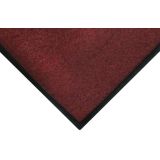 Brush Hog Mats$64.00Brush Hog Mats put a coarse, brush-like nylon surface at the door — the kind of aggressive scraping a wet or muddy outdoor entrance needs. The stiff turf-pile fibers strip dirt and water off shoes and filter both down below the surface, while drainable borders carry water off the
...
Brush Hog Mats put a coarse, brush-like nylon surface at the door — the kind of aggressive scraping a...
Brush Hog Mats put a coarse, brush-like nylon surface at the door — the kind of aggressive scraping a wet or muddy outdoor entrance needs. The stiff turf-pile fibers strip dirt and water off shoes and filter both down below the surface, while drainable borders carry water off the mat. It is built for outdoor entryways where keeping grit outside the building is the whole job.
What Brush Hog Does Before Dirt Tracks Inside
An outdoor entrance is where a building's dirt arrives — ISSA research shows most of it comes in on shoes at the door. A coarse scraper like Brush Hog takes that grit off early and filters it down below the pile, so it does not ride across the floor inside. The drainable borders let rain and snowmelt run off the mat instead of pooling on top, which keeps the surface working in wet weather rather than turning into a puddle at the threshold.
Why Coarse Turf-Pile Nylon, and Why This One
The scraping surface is extra-coarse solution-dyed nylon in a dense turf pile, weighing about 26 ounces per square yard over a 3/8-inch-thick mat. The stiff fiber is what does the scraping, and because it is solution-dyed — the color locked into the fiber — it does not fade in sunlight the way a surface-dyed mat would after a season outdoors.
Underneath is an SBR rubber backing — a synthetic rubber — that holds the mat in place, and it is made with 20% recycled rubber reclaimed from car tires. The mat is certified high-traction by the National Floor Safety Institute and passes the DOC-FF1-70 surface-flammability standard. It comes with a smooth backing as standard, or a cleated backing that grips a carpeted floor.
Where It Belongs, and What It Is Not
Brush Hog is built for outdoor building entrances — the first mat a shoe hits, where the job is stripping off the worst of the dirt and water. The drainable borders and below-surface filtering make it a fit for wet, exposed thresholds, and it sits in our range of moisture-control entrance matting as the coarse scraper that keeps grit and standing water off the floor inside.
What it is not is a wiper or a soft, finished mat. The coarse pile is aggressive by design, so it scrapes far better than it dries — pair it with an absorbent mat just inside to take the moisture off shoes once Brush Hog has done the rough work. Its look is purely functional, which suits a service or exterior entrance more than a polished lobby.
Three Things to Check Before You Spec It
First, pick the backing for the floor it sits on. The standard smooth backing is right for a hard outdoor surface. If the mat will sit on carpet or you want extra hold against shifting, the cleated backing grips better. One limit to note: mats longer than 40 feet come only with the smooth backing.
Second, size it to the traffic path. It comes in a wide range of standard sizes, and in custom widths of three, four, or six feet cut to length up to sixty feet. Size it so shoes take several steps across the pile — a mat too short for the path lets feet skip the scraping surface entirely.
Third, plan it as the first stage, not the only one. Brush Hog scrapes and filters outside; it does not dry feet on its own. Set an absorbent mat just inside the door so the scraper knocks off the grit and water and the second mat takes whatever moisture is left, keeping the floor beyond it clean and dry.
Why Mats Inc.
We have specified entrance matting since 1964, and an outdoor scraper only works if it is matched to the door and the floor. We will help you weigh smooth against cleated backing, size the mat to the traffic path, and set it up as the first stage in a two-mat system so the dirt stops outside. Tell us the entrance and we will spec it to fit.
Brush Hog Mats — Specifications Surface Extra-coarse solution-dyed nylon, turf-pile Face weight 26 oz/sq yd Overall thickness 3/8" Backing SBR rubber, 78-mil — smooth (standard) or cleated (option); 20% post-consumer recycled rubber Traction NFSI-certified high-traction Flammability Passes DOC-FF1-70 (surface ↑
Brush Hog Mats put a coarse, brush-like nylon surface at the door — the kind of aggressive scraping a wet or muddy outdoor entrance needs. The stiff turf-pile fibers strip dirt and water off shoes and filter both down below the surface, while drainable borders carry water off the mat. It is built for outdoor entryways where keeping grit outside the building is the whole job.
What Brush Hog Does Before Dirt Tracks Inside
An outdoor entrance is where a building's dirt arrives — ISSA research shows most of it comes in on shoes at the door. A coarse scraper like Brush Hog takes that grit off early and filters it down below the pile, so it does not ride across the floor inside. The drainable borders let rain and snowmelt run off the mat instead of pooling on top, which keeps the surface working in wet weather rather than turning into a puddle at the threshold.
Why Coarse Turf-Pile Nylon, and Why This One
The scraping surface is extra-coarse solution-dyed nylon in a dense turf pile, weighing about 26 ounces per square yard over a 3/8-inch-thick mat. The stiff fiber is what does the scraping, and because it is solution-dyed — the color locked into the fiber — it does not fade in sunlight the way a surface-dyed mat would after a season outdoors.
Underneath is an SBR rubber backing — a synthetic rubber — that holds the mat in place, and it is made with 20% recycled rubber reclaimed from car tires. The mat is certified high-traction by the National Floor Safety Institute and passes the DOC-FF1-70 surface-flammability standard. It comes with a smooth backing as standard, or a cleated backing that grips a carpeted floor.
Where It Belongs, and What It Is Not
Brush Hog is built for outdoor building entrances — the first mat a shoe hits, where the job is stripping off the worst of the dirt and water. The drainable borders and below-surface filtering make it a fit for wet, exposed thresholds, and it sits in our range of moisture-control entrance matting as the coarse scraper that keeps grit and standing water off the floor inside.
What it is not is a wiper or a soft, finished mat. The coarse pile is aggressive by design, so it scrapes far better than it dries — pair it with an absorbent mat just inside to take the moisture off shoes once Brush Hog has done the rough work. Its look is purely functional, which suits a service or exterior entrance more than a polished lobby.
Three Things to Check Before You Spec It
First, pick the backing for the floor it sits on. The standard smooth backing is right for a hard outdoor surface. If the mat will sit on carpet or you want extra hold against shifting, the cleated backing grips better. One limit to note: mats longer than 40 feet come only with the smooth backing.
Second, size it to the traffic path. It comes in a wide range of standard sizes, and in custom widths of three, four, or six feet cut to length up to sixty feet. Size it so shoes take several steps across the pile — a mat too short for the path lets feet skip the scraping surface entirely.
Third, plan it as the first stage, not the only one. Brush Hog scrapes and filters outside; it does not dry feet on its own. Set an absorbent mat just inside the door so the scraper knocks off the grit and water and the second mat takes whatever moisture is left, keeping the floor beyond it clean and dry.
Why Mats Inc.
We have specified entrance matting since 1964, and an outdoor scraper only works if it is matched to the door and the floor. We will help you weigh smooth against cleated backing, size the mat to the traffic path, and set it up as the first stage in a two-mat system so the dirt stops outside. Tell us the entrance and we will spec it to fit.
Brush Hog Mats — Specifications Surface Extra-coarse solution-dyed nylon, turf-pile Face weight 26 oz/sq yd Overall thickness 3/8" Backing SBR rubber, 78-mil — smooth (standard) or cleated (option); 20% post-consumer recycled rubber Traction NFSI-certified high-traction Flammability Passes DOC-FF1-70 (surface ↑
View Details
View Details
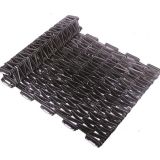 Tire Link Mats$71.00What Tire Link Mats Do Before Heavy Traffic Grinds a Walkway Down Tire link mats are the brute-force answer to the hardest-working floors: recycled tire rubber links woven on galvanized steel wire into an open mesh that water and debris fall straight through. The walking surface stays clear while the
...
What Tire Link Mats Do Before Heavy Traffic Grinds a Walkway Down Tire link mats are the brute-force answer to...
What Tire Link Mats Do Before Heavy Traffic Grinds a Walkway Down
Tire link mats are the brute-force answer to the hardest-working floors: recycled tire rubber links woven on galvanized steel wire into an open mesh that water and debris fall straight through. The walking surface stays clear while the mess collects below shoe level — and the links themselves are built to take the heaviest traffic for years.
High-traffic wet zones defeat ordinary matting quickly. Grit grinds surfaces down, water sits where boots land, and the mat that looked sturdy in month one is curling and bald by winter's end. This is a different class of tool — rubber that already survived life as a tire, doing a second tour on your busiest walkway.
Why Recycled Tire Links on Steel Wire, and Why This One
The construction is nearly a century old for a reason: the design was first patented in 1923, and it endures because nothing about it is delicate. Links cut from bias-ply tire rubber are woven on galvanized steel wires, producing a 5/8-inch-thick mat with no coating to wear off and no foam to crush flat.
The open mesh is the working feature. Rain, slush, mud, and grit pass through the weave instead of pooling on top, so traction lives on a clear surface even in weather that soaks everything else. When it's time to clean, the mat simply rolls up — sweep or hose what gathered beneath, roll it back out, done.
There's also a genuine sustainability story built in: the mat consists of approximately 90 percent recycled content, and every 12 square feet puts one whole recycled tire back to work. Two weave patterns are available — herringbone and straight — and edges can be finished with beveled or squared nosing.
Where It Belongs, and What It Is Not
Tire link mats belong where traffic is relentless and conditions are wet: building entrances and service doors, outdoor walkways and steps, dock and yard transitions, and the muddy, slushy approaches that see boots by the hundreds. The harder the duty, the more this construction makes sense.
What it is not: a cushioned standing mat. Its job is surviving traffic and shedding water, not easing a fixed shift at a workstation — that comfort work belongs to the options in our anti-fatigue mats and runners lineup. Give the tire links the doorway and the walkway, and let a purpose-built cushion handle the standing post.
Three Things to Check Before You Spec It
First, pick the weave for the setting. The herringbone pattern lays the links in an angled, woven look that reads a touch more finished; the straight weave keeps rows aligned for a plainer, utilitarian face. Both share identical construction and thickness — the choice is visual and traffic will never know the difference.
Second, plan sizes and edges together. Standard mats run from compact doorway sizes up to 3 feet by 12 feet, with custom sizing available. Dimensions are approximate unless nosing is specified, so order beveled or squared nosing where exact fit or a finished transition edge matters. Runs over 12 feet should be sectionalized for easier handling, and oversized mats carry special handling.
Third, build the simple cleaning habit. Everything the mesh swallows is waiting underneath, so the routine is: roll the mat up, clear what collected, roll it back. It's a two-minute job that keeps the drainage path open — and it's the only maintenance this construction really asks for.
Why Mats Inc.
Some products earn their place with technology; this one earned it with a hundred years of doorways. We've been sending tire link matting into the wettest, busiest entries our customers own since 1964, because it simply refuses to quit there. We verify what's behind every product we carry, and this mat is backed by a 1-year limited Mats Inc. warranty.
Material Recycled rubber links from bias-ply tires, woven on galvanized steel wires Thickness 5/8" Surface Open mesh; non-directional Weave Patterns Herringbone, straight Recycled Content Approximately 90%; every 12 sq ft contains one recycled tire Standard Sizes From 17" x 25" up to 36" x 144"; custom sizing available Edging Beveled or squared nosing available; dimensions approximate without nosing Handling Notes Made in one piece where possible; mats over 12' long should be sectionalized; special handling applies over 7' wide or 25' long Use Area High-traffic and wet areas Warranty 1-year limited (Mats Inc.) Frequently Asked Questions
What makes tire links tougher than a regular rubber mat?
Answered by Dustin Thompson, Owner & CEO
The rubber's first job was being a tire. Links cut from bias-ply tire rubber carry the toughness that material was engineered for — abrasion, weather, load — and the galvanized steel wire weave holds them together without glue, stitching, or a backing that can delaminate. The design was patented back in 1923 and has outlived generations of newer matting for a simple reason: there's no weak layer to fail first.
How long does it really last under constant traffic?
Answered by Dustin Thompson, Owner & CEO
This construction is rated to withstand the heaviest traffic for several years — and that's the punishing kind of duty, not office hallways. Thick rubber links wear the way a tire tread does, gradually and evenly, rather than the way coated mats fail, all at once when the surface gives. On a doorway that eats ordinary mats every season, the arithmetic of a mat measured in years changes the whole maintenance picture.
How does the open weave keep the surface safer when it's wet?
Answered by Dustin Thompson, Owner & CEO
Water can't make a surface slick if it isn't on the surface. The mesh openings let rain, slush, and grit drop through immediately, so boots meet rubber links instead of a film of water sitting on top of a solid mat. Debris works the same way — tracked-in gravel and mud fall below shoe level rather than rolling underfoot. The surface is non-directional too, so there's no wrong way to lay it for traction.
Will it look right at our entrance, or too industrial?
Answered by Jinna Hopson, Vice President of Marketing
It wears its toughness openly, and in the right setting that's exactly the message. At a plant door, a service entrance, a campus building that sees weather, or a farm and yard transition, the woven rubber reads as purposeful — especially in the herringbone pattern, which gives the surface an orderly, almost textile look. For a polished lobby where softness and color set the tone, pair it outside the door and let interior matting take over past the threshold.
How do I get the size and edges right?
Answered by Jinna Hopson, Vice President of Marketing
Start with the traffic path, then decide the edges. Standard sizes run from compact doorway mats up to 3 by 12 feet, with custom sizing available for wider or longer runs. Two details matter at order time: dimensions are approximate unless you specify nosing, so choose beveled or squared nosing where the fit is exact or the edge meets open floor — and plan runs over 12 feet as sections, which makes lifting and cleaning a one-person job instead of a project.
What does the recycled content actually amount to?
Answered by Jinna Hopson, Vice President of Marketing
Something you can count. The mat is roughly 90 percent recycled content, and every 12 square feet contains one full recycled tire — so a 3 by 8 foot doorway mat is two tires that stayed out of a landfill and went back to work. For organizations tracking sustainability commitments, it's a rare line item where the greener choice is also the most durable one on the list, and the math is simple enough to put in the report.
By Dustin Thompson, Owner & CEO, Mats Inc.
↑
What Tire Link Mats Do Before Heavy Traffic Grinds a Walkway Down
Tire link mats are the brute-force answer to the hardest-working floors: recycled tire rubber links woven on galvanized steel wire into an open mesh that water and debris fall straight through. The walking surface stays clear while the mess collects below shoe level — and the links themselves are built to take the heaviest traffic for years.
High-traffic wet zones defeat ordinary matting quickly. Grit grinds surfaces down, water sits where boots land, and the mat that looked sturdy in month one is curling and bald by winter's end. This is a different class of tool — rubber that already survived life as a tire, doing a second tour on your busiest walkway.
Why Recycled Tire Links on Steel Wire, and Why This One
The construction is nearly a century old for a reason: the design was first patented in 1923, and it endures because nothing about it is delicate. Links cut from bias-ply tire rubber are woven on galvanized steel wires, producing a 5/8-inch-thick mat with no coating to wear off and no foam to crush flat.
The open mesh is the working feature. Rain, slush, mud, and grit pass through the weave instead of pooling on top, so traction lives on a clear surface even in weather that soaks everything else. When it's time to clean, the mat simply rolls up — sweep or hose what gathered beneath, roll it back out, done.
There's also a genuine sustainability story built in: the mat consists of approximately 90 percent recycled content, and every 12 square feet puts one whole recycled tire back to work. Two weave patterns are available — herringbone and straight — and edges can be finished with beveled or squared nosing.
Where It Belongs, and What It Is Not
Tire link mats belong where traffic is relentless and conditions are wet: building entrances and service doors, outdoor walkways and steps, dock and yard transitions, and the muddy, slushy approaches that see boots by the hundreds. The harder the duty, the more this construction makes sense.
What it is not: a cushioned standing mat. Its job is surviving traffic and shedding water, not easing a fixed shift at a workstation — that comfort work belongs to the options in our anti-fatigue mats and runners lineup. Give the tire links the doorway and the walkway, and let a purpose-built cushion handle the standing post.
Three Things to Check Before You Spec It
First, pick the weave for the setting. The herringbone pattern lays the links in an angled, woven look that reads a touch more finished; the straight weave keeps rows aligned for a plainer, utilitarian face. Both share identical construction and thickness — the choice is visual and traffic will never know the difference.
Second, plan sizes and edges together. Standard mats run from compact doorway sizes up to 3 feet by 12 feet, with custom sizing available. Dimensions are approximate unless nosing is specified, so order beveled or squared nosing where exact fit or a finished transition edge matters. Runs over 12 feet should be sectionalized for easier handling, and oversized mats carry special handling.
Third, build the simple cleaning habit. Everything the mesh swallows is waiting underneath, so the routine is: roll the mat up, clear what collected, roll it back. It's a two-minute job that keeps the drainage path open — and it's the only maintenance this construction really asks for.
Why Mats Inc.
Some products earn their place with technology; this one earned it with a hundred years of doorways. We've been sending tire link matting into the wettest, busiest entries our customers own since 1964, because it simply refuses to quit there. We verify what's behind every product we carry, and this mat is backed by a 1-year limited Mats Inc. warranty.
Material Recycled rubber links from bias-ply tires, woven on galvanized steel wires Thickness 5/8" Surface Open mesh; non-directional Weave Patterns Herringbone, straight Recycled Content Approximately 90%; every 12 sq ft contains one recycled tire Standard Sizes From 17" x 25" up to 36" x 144"; custom sizing available Edging Beveled or squared nosing available; dimensions approximate without nosing Handling Notes Made in one piece where possible; mats over 12' long should be sectionalized; special handling applies over 7' wide or 25' long Use Area High-traffic and wet areas Warranty 1-year limited (Mats Inc.) Frequently Asked Questions
What makes tire links tougher than a regular rubber mat?
Answered by Dustin Thompson, Owner & CEO
The rubber's first job was being a tire. Links cut from bias-ply tire rubber carry the toughness that material was engineered for — abrasion, weather, load — and the galvanized steel wire weave holds them together without glue, stitching, or a backing that can delaminate. The design was patented back in 1923 and has outlived generations of newer matting for a simple reason: there's no weak layer to fail first.
How long does it really last under constant traffic?
Answered by Dustin Thompson, Owner & CEO
This construction is rated to withstand the heaviest traffic for several years — and that's the punishing kind of duty, not office hallways. Thick rubber links wear the way a tire tread does, gradually and evenly, rather than the way coated mats fail, all at once when the surface gives. On a doorway that eats ordinary mats every season, the arithmetic of a mat measured in years changes the whole maintenance picture.
How does the open weave keep the surface safer when it's wet?
Answered by Dustin Thompson, Owner & CEO
Water can't make a surface slick if it isn't on the surface. The mesh openings let rain, slush, and grit drop through immediately, so boots meet rubber links instead of a film of water sitting on top of a solid mat. Debris works the same way — tracked-in gravel and mud fall below shoe level rather than rolling underfoot. The surface is non-directional too, so there's no wrong way to lay it for traction.
Will it look right at our entrance, or too industrial?
Answered by Jinna Hopson, Vice President of Marketing
It wears its toughness openly, and in the right setting that's exactly the message. At a plant door, a service entrance, a campus building that sees weather, or a farm and yard transition, the woven rubber reads as purposeful — especially in the herringbone pattern, which gives the surface an orderly, almost textile look. For a polished lobby where softness and color set the tone, pair it outside the door and let interior matting take over past the threshold.
How do I get the size and edges right?
Answered by Jinna Hopson, Vice President of Marketing
Start with the traffic path, then decide the edges. Standard sizes run from compact doorway mats up to 3 by 12 feet, with custom sizing available for wider or longer runs. Two details matter at order time: dimensions are approximate unless you specify nosing, so choose beveled or squared nosing where the fit is exact or the edge meets open floor — and plan runs over 12 feet as sections, which makes lifting and cleaning a one-person job instead of a project.
What does the recycled content actually amount to?
Answered by Jinna Hopson, Vice President of Marketing
Something you can count. The mat is roughly 90 percent recycled content, and every 12 square feet contains one full recycled tire — so a 3 by 8 foot doorway mat is two tires that stayed out of a landfill and went back to work. For organizations tracking sustainability commitments, it's a rare line item where the greener choice is also the most durable one on the list, and the math is simple enough to put in the report.
By Dustin Thompson, Owner & CEO, Mats Inc.
↑
View Details
View Details
Benefits of Eco-Friendly Floor Mats
- Sustainable Materials: Crafted from renewable resources, like recycled rubber, these mats help reduce waste and promote environmental responsibility.
- Durable and Long-Lasting: Built to withstand heavy use, eco-friendly mats offer long-term performance while minimizing environmental impact.
- Slip-Resistant Surface: Designed to provide excellent traction, these mats reduce the risk of slips and falls in both wet and dry conditions.
- Effective Dirt and Moisture Control: Traps dirt, moisture, and debris, helping to keep floors clean and protected in high-traffic areas.
- Versatile Applications: Environmental mats are suitable for entryways, offices, retail spaces, and homes, offering a sustainable choice for any environment.
Choose Eco-Friendly Floor Mats for a Greener Future
Eco-friendly floor mats are the perfect solution for those looking to reduce their environmental footprint without compromising on quality or performance. With their sustainable materials and durable design, these mats offer long-lasting protection for your floors while contributing to a cleaner, greener world.
© 2025 Mats Inc. All Rights ReservedShop By