




Durable Corporation
Durable Corporation is a trusted leader in manufacturing high-quality industrial and commercial mats, flooring, and loading dock equipment. With over 100 years of experience, Durable Corporation has built a reputation for delivering products that offer long-lasting durability, safety, and performance in the most demanding environments. Their extensive range of products includes entrance mats, anti-fatigue mats, loading dock bumpers, and industrial flooring solutions.
Durable Corporation’s commitment to innovation, quality, and sustainability ensures that each product is crafted to meet the highest standards of performance. Whether you need heavy-duty mats for industrial settings or durable dock bumpers for your loading area, Durable Corporation provides solutions that protect surfaces, enhance safety, and improve efficiency.
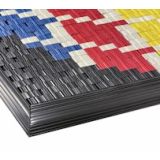 Vinyl Link Mat
Starting at $209.00
A vinyl link mat is an entrance mat made of short vinyl links woven tightly over steel wires. The close weave grips shoes, pulls dirt off at the door, and stays safe for high heels. It comes in thirteen colors and can carry a custom logo or lettering, so...
A vinyl link mat is an entrance mat made of short vinyl links woven tightly over steel wires. The...
A vinyl link mat is an entrance mat made of short vinyl links woven tightly over steel wires. The close weave grips shoes, pulls dirt off at the door, and stays safe for high heels. It comes in thirteen colors and can carry a custom logo or lettering, so the mat that cleans shoes can also greet visitors with your brand.
What a Vinyl Link Mat Does Before Dirt Reaches the Floor
Most of the dirt inside a building walks in on shoes, and ISSA field data shows about twelve times more dirt comes in during wet weather. A vinyl link mat gives every step a firm, textured surface to scrape against. Grit comes off at the threshold instead of being tracked across the floor inside.
It also handles a problem many entrance mats ignore: footing. The gaps between the links are less than one-eighth of an inch, too narrow for a heel to sink into. That makes it a strong fit for lobbies, offices, and event spaces where dress shoes and high heels cross the door all day.
Why Woven Vinyl Links, and Why This One
Each link is a piece of extruded vinyl, half an inch wide and two inches long. The links are threaded onto galvanized steel wires and packed close together. The finished mat is seven-sixteenths of an inch thick and weighs about 2.3 pounds per square foot, so it lies flat and stays put under steady foot traffic.
The vinyl is stain-resistant, which helps the mat keep a clean look at a busy door. It comes in thirteen colors: black, blue, gray, green, brown, rust, light blue, yellow, maroon, purple, red, white, and sand. Logos and lettering are set into the mat in contrasting colored links, with bold block letters a popular style.
The edge is finished one of two ways. A beveled edge slopes down to meet the floor, for a mat that sits on top of the surface. A square edge is made for a recessed well, where the mat drops in level with the floor around it. You pick the edge color separately from the mat color.
Where It Belongs, and What It Is Not
A vinyl link mat fits entrances where cleaning and first impressions both count: office lobbies, hotels, banks, churches, schools, and retail storefronts. It works as a surface mat or set into a recessed well, and it sits in our range of entrance mats for the door that needs a scraper with a finished look.
What it is not is a drying mat. It is built to scrape and grip, not to soak up water. At a door that sees rain, pair it with an absorbent mat just inside so wet shoes dry before they reach a hard floor. That two-mat setup keeps both the dirt and the water at the entrance.
Three Things to Check Before You Spec It
First, look at who walks through the door. If dress shoes and high heels are common, the tight link spacing is the main reason to choose this mat, because heels do not catch in openings under one-eighth of an inch. For a door that mostly sees work boots and heavy mud, a more open, aggressive scraper may be the better call.
Second, measure the opening and choose the edge. Width runs left to right across the door, and length runs in the direction people walk. The recommended maximum width is eight feet. Pick a beveled edge for a mat that sits on the floor or a square edge for a recessed well, then choose the edge color.
Third, decide whether the mat should carry your brand. A plain mat can be ordered in any of the thirteen colors. A logo mat needs high-resolution digital artwork, as a JPEG, TIFF, or EPS file, and a signed proof before it goes into production. Build that approval step into your timeline.
Why Mats Inc.
We have specified entrance matting since 1964, and a vinyl link mat is one we build to the opening, not pull off a shelf. Send us the door width, the walking direction, and whether the mat sits on the floor or in a well. We will help you choose the edge, settle the colors, and walk your logo artwork through proof approval.
Vinyl Link Mat — Specifications Construction Extruded vinyl links (1/2" × 2") woven on galvanized steel wires Thickness 7/16" Weight ~2.3 lb/sq ft Surface Close weave; link openings under 1/8" (safe for high-heel traffic) Properties Stain-resistant vinyl; good traction underfoot Colors Black, blue, gray, green, brown, rust, light blue, yellow, maroon, purple, red, white, sand Edging Beveled (surface application) or square (recess application); edge color specified separately Sizing Made to your width (left to right) and length (traffic direction); recommended maximum width 8' Size tolerance ±1/4" beveled edge; +0/−1/8" square edge Logos & lettering Available; high-resolution JPEG, TIFF, or EPS artwork; signed proof required before production Warranty 1-year limited (Mats Inc.) Frequently Asked Questions
What is a vinyl link mat made of, and how does it hold up?
Answered by Dustin Thompson, Owner & CEO
It is built from extruded vinyl links, each half an inch by two inches, woven tightly onto galvanized steel wires. The finished mat is seven-sixteenths of an inch thick and weighs about 2.3 pounds per square foot, so it lies flat and resists shifting. The vinyl is stain-resistant, which helps it keep a clean look at a busy door.
How long it lasts depends on the traffic it sees and how much grit crosses it. Rather than quote a number of years, we size and spec it to your door so it is working in the conditions it was built for.
Is a vinyl link mat safe for high heels?
Answered by Dustin Thompson, Owner & CEO
Yes, and that is one of its main strengths. The links are woven close together, leaving openings of less than one-eighth of an inch. A heel tip has nowhere to sink or catch, which is a real concern on open scraper mats with wide gaps. The textured vinyl also gives good traction underfoot, so it suits lobbies, offices, and event spaces where dress shoes are the norm.
Can it sit on the floor, or does it need a recessed well?
Answered by Dustin Thompson, Owner & CEO
Either works, and the edge decides it. For a mat that sits on top of the floor, order a beveled edge, which slopes down to meet the surface. For a recessed well, order a square edge so the mat drops in level with the floor around it.
Square-edge mats are held to a tighter tolerance, plus zero to minus one-eighth of an inch, so they fit the well snugly. Beveled mats hold to plus or minus a quarter inch.
What colors does it come in?
Answered by Jinna Hopson, Vice President of Marketing
Thirteen: black, blue, gray, green, brown, rust, light blue, yellow, maroon, purple, red, white, and sand. You choose the mat color and the edge color separately, so you can match a building's palette or frame the mat with a contrasting border. Darker shades such as black, brown, and gray hide everyday dirt well, while brighter colors make a bolder statement at the front door.
Can you add our logo or lettering?
Answered by Jinna Hopson, Vice President of Marketing
Yes. Logos and lettering are set into the mat in contrasting colored links, and bold block letters are a popular style. We need your artwork as a high-resolution digital file: a JPEG, TIFF, or EPS.
Before production, you will get a proof to review and sign, and nothing is made until that signed approval comes back. That step makes sure the colors and layout look right before your mat is built.
How do I size and order a custom vinyl link mat?
Answered by Jinna Hopson, Vice President of Marketing
Every mat is built to the size you give us. Measure width as the left-to-right distance across the door, and length in the direction people walk. The recommended maximum width is eight feet. Along with the size, tell us the mat color, the edge color, and whether you want a beveled or square edge, and we will take it from there.
By Jinna Hopson, Vice President of Marketing, Mats Inc.
↑
A vinyl link mat is an entrance mat made of short vinyl links woven tightly over steel wires. The close weave grips shoes, pulls dirt off at the door, and stays safe for high heels. It comes in thirteen colors and can carry a custom logo or lettering, so the mat that cleans shoes can also greet visitors with your brand.
What a Vinyl Link Mat Does Before Dirt Reaches the Floor
Most of the dirt inside a building walks in on shoes, and ISSA field data shows about twelve times more dirt comes in during wet weather. A vinyl link mat gives every step a firm, textured surface to scrape against. Grit comes off at the threshold instead of being tracked across the floor inside.
It also handles a problem many entrance mats ignore: footing. The gaps between the links are less than one-eighth of an inch, too narrow for a heel to sink into. That makes it a strong fit for lobbies, offices, and event spaces where dress shoes and high heels cross the door all day.
Why Woven Vinyl Links, and Why This One
Each link is a piece of extruded vinyl, half an inch wide and two inches long. The links are threaded onto galvanized steel wires and packed close together. The finished mat is seven-sixteenths of an inch thick and weighs about 2.3 pounds per square foot, so it lies flat and stays put under steady foot traffic.
The vinyl is stain-resistant, which helps the mat keep a clean look at a busy door. It comes in thirteen colors: black, blue, gray, green, brown, rust, light blue, yellow, maroon, purple, red, white, and sand. Logos and lettering are set into the mat in contrasting colored links, with bold block letters a popular style.
The edge is finished one of two ways. A beveled edge slopes down to meet the floor, for a mat that sits on top of the surface. A square edge is made for a recessed well, where the mat drops in level with the floor around it. You pick the edge color separately from the mat color.
Where It Belongs, and What It Is Not
A vinyl link mat fits entrances where cleaning and first impressions both count: office lobbies, hotels, banks, churches, schools, and retail storefronts. It works as a surface mat or set into a recessed well, and it sits in our range of entrance mats for the door that needs a scraper with a finished look.
What it is not is a drying mat. It is built to scrape and grip, not to soak up water. At a door that sees rain, pair it with an absorbent mat just inside so wet shoes dry before they reach a hard floor. That two-mat setup keeps both the dirt and the water at the entrance.
Three Things to Check Before You Spec It
First, look at who walks through the door. If dress shoes and high heels are common, the tight link spacing is the main reason to choose this mat, because heels do not catch in openings under one-eighth of an inch. For a door that mostly sees work boots and heavy mud, a more open, aggressive scraper may be the better call.
Second, measure the opening and choose the edge. Width runs left to right across the door, and length runs in the direction people walk. The recommended maximum width is eight feet. Pick a beveled edge for a mat that sits on the floor or a square edge for a recessed well, then choose the edge color.
Third, decide whether the mat should carry your brand. A plain mat can be ordered in any of the thirteen colors. A logo mat needs high-resolution digital artwork, as a JPEG, TIFF, or EPS file, and a signed proof before it goes into production. Build that approval step into your timeline.
Why Mats Inc.
We have specified entrance matting since 1964, and a vinyl link mat is one we build to the opening, not pull off a shelf. Send us the door width, the walking direction, and whether the mat sits on the floor or in a well. We will help you choose the edge, settle the colors, and walk your logo artwork through proof approval.
Vinyl Link Mat — Specifications Construction Extruded vinyl links (1/2" × 2") woven on galvanized steel wires Thickness 7/16" Weight ~2.3 lb/sq ft Surface Close weave; link openings under 1/8" (safe for high-heel traffic) Properties Stain-resistant vinyl; good traction underfoot Colors Black, blue, gray, green, brown, rust, light blue, yellow, maroon, purple, red, white, sand Edging Beveled (surface application) or square (recess application); edge color specified separately Sizing Made to your width (left to right) and length (traffic direction); recommended maximum width 8' Size tolerance ±1/4" beveled edge; +0/−1/8" square edge Logos & lettering Available; high-resolution JPEG, TIFF, or EPS artwork; signed proof required before production Warranty 1-year limited (Mats Inc.) Frequently Asked Questions
What is a vinyl link mat made of, and how does it hold up?
Answered by Dustin Thompson, Owner & CEO
It is built from extruded vinyl links, each half an inch by two inches, woven tightly onto galvanized steel wires. The finished mat is seven-sixteenths of an inch thick and weighs about 2.3 pounds per square foot, so it lies flat and resists shifting. The vinyl is stain-resistant, which helps it keep a clean look at a busy door.
How long it lasts depends on the traffic it sees and how much grit crosses it. Rather than quote a number of years, we size and spec it to your door so it is working in the conditions it was built for.
Is a vinyl link mat safe for high heels?
Answered by Dustin Thompson, Owner & CEO
Yes, and that is one of its main strengths. The links are woven close together, leaving openings of less than one-eighth of an inch. A heel tip has nowhere to sink or catch, which is a real concern on open scraper mats with wide gaps. The textured vinyl also gives good traction underfoot, so it suits lobbies, offices, and event spaces where dress shoes are the norm.
Can it sit on the floor, or does it need a recessed well?
Answered by Dustin Thompson, Owner & CEO
Either works, and the edge decides it. For a mat that sits on top of the floor, order a beveled edge, which slopes down to meet the surface. For a recessed well, order a square edge so the mat drops in level with the floor around it.
Square-edge mats are held to a tighter tolerance, plus zero to minus one-eighth of an inch, so they fit the well snugly. Beveled mats hold to plus or minus a quarter inch.
What colors does it come in?
Answered by Jinna Hopson, Vice President of Marketing
Thirteen: black, blue, gray, green, brown, rust, light blue, yellow, maroon, purple, red, white, and sand. You choose the mat color and the edge color separately, so you can match a building's palette or frame the mat with a contrasting border. Darker shades such as black, brown, and gray hide everyday dirt well, while brighter colors make a bolder statement at the front door.
Can you add our logo or lettering?
Answered by Jinna Hopson, Vice President of Marketing
Yes. Logos and lettering are set into the mat in contrasting colored links, and bold block letters are a popular style. We need your artwork as a high-resolution digital file: a JPEG, TIFF, or EPS.
Before production, you will get a proof to review and sign, and nothing is made until that signed approval comes back. That step makes sure the colors and layout look right before your mat is built.
How do I size and order a custom vinyl link mat?
Answered by Jinna Hopson, Vice President of Marketing
Every mat is built to the size you give us. Measure width as the left-to-right distance across the door, and length in the direction people walk. The recommended maximum width is eight feet. Along with the size, tell us the mat color, the edge color, and whether you want a beveled or square edge, and we will take it from there.
By Jinna Hopson, Vice President of Marketing, Mats Inc.
↑
View Details
View Details
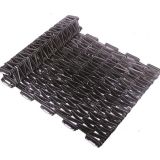 Tire Link Mats$71.00What Tire Link Mats Do Before Heavy Traffic Grinds a Walkway Down Tire link mats are the brute-force answer to the hardest-working floors: recycled tire rubber links woven on galvanized steel wire into an open mesh that water and debris fall straight through. The walking surface stays clear while the
...
What Tire Link Mats Do Before Heavy Traffic Grinds a Walkway Down Tire link mats are the brute-force answer to...
What Tire Link Mats Do Before Heavy Traffic Grinds a Walkway Down
Tire link mats are the brute-force answer to the hardest-working floors: recycled tire rubber links woven on galvanized steel wire into an open mesh that water and debris fall straight through. The walking surface stays clear while the mess collects below shoe level — and the links themselves are built to take the heaviest traffic for years.
High-traffic wet zones defeat ordinary matting quickly. Grit grinds surfaces down, water sits where boots land, and the mat that looked sturdy in month one is curling and bald by winter's end. This is a different class of tool — rubber that already survived life as a tire, doing a second tour on your busiest walkway.
Why Recycled Tire Links on Steel Wire, and Why This One
The construction is nearly a century old for a reason: the design was first patented in 1923, and it endures because nothing about it is delicate. Links cut from bias-ply tire rubber are woven on galvanized steel wires, producing a 5/8-inch-thick mat with no coating to wear off and no foam to crush flat.
The open mesh is the working feature. Rain, slush, mud, and grit pass through the weave instead of pooling on top, so traction lives on a clear surface even in weather that soaks everything else. When it's time to clean, the mat simply rolls up — sweep or hose what gathered beneath, roll it back out, done.
There's also a genuine sustainability story built in: the mat consists of approximately 90 percent recycled content, and every 12 square feet puts one whole recycled tire back to work. Two weave patterns are available — herringbone and straight — and edges can be finished with beveled or squared nosing.
Where It Belongs, and What It Is Not
Tire link mats belong where traffic is relentless and conditions are wet: building entrances and service doors, outdoor walkways and steps, dock and yard transitions, and the muddy, slushy approaches that see boots by the hundreds. The harder the duty, the more this construction makes sense.
What it is not: a cushioned standing mat. Its job is surviving traffic and shedding water, not easing a fixed shift at a workstation — that comfort work belongs to the options in our anti-fatigue mats and runners lineup. Give the tire links the doorway and the walkway, and let a purpose-built cushion handle the standing post.
Three Things to Check Before You Spec It
First, pick the weave for the setting. The herringbone pattern lays the links in an angled, woven look that reads a touch more finished; the straight weave keeps rows aligned for a plainer, utilitarian face. Both share identical construction and thickness — the choice is visual and traffic will never know the difference.
Second, plan sizes and edges together. Standard mats run from compact doorway sizes up to 3 feet by 12 feet, with custom sizing available. Dimensions are approximate unless nosing is specified, so order beveled or squared nosing where exact fit or a finished transition edge matters. Runs over 12 feet should be sectionalized for easier handling, and oversized mats carry special handling.
Third, build the simple cleaning habit. Everything the mesh swallows is waiting underneath, so the routine is: roll the mat up, clear what collected, roll it back. It's a two-minute job that keeps the drainage path open — and it's the only maintenance this construction really asks for.
Why Mats Inc.
Some products earn their place with technology; this one earned it with a hundred years of doorways. We've been sending tire link matting into the wettest, busiest entries our customers own since 1964, because it simply refuses to quit there. We verify what's behind every product we carry, and this mat is backed by a 1-year limited Mats Inc. warranty.
Material Recycled rubber links from bias-ply tires, woven on galvanized steel wires Thickness 5/8" Surface Open mesh; non-directional Weave Patterns Herringbone, straight Recycled Content Approximately 90%; every 12 sq ft contains one recycled tire Standard Sizes From 17" x 25" up to 36" x 144"; custom sizing available Edging Beveled or squared nosing available; dimensions approximate without nosing Handling Notes Made in one piece where possible; mats over 12' long should be sectionalized; special handling applies over 7' wide or 25' long Use Area High-traffic and wet areas Warranty 1-year limited (Mats Inc.) Frequently Asked Questions
What makes tire links tougher than a regular rubber mat?
Answered by Dustin Thompson, Owner & CEO
The rubber's first job was being a tire. Links cut from bias-ply tire rubber carry the toughness that material was engineered for — abrasion, weather, load — and the galvanized steel wire weave holds them together without glue, stitching, or a backing that can delaminate. The design was patented back in 1923 and has outlived generations of newer matting for a simple reason: there's no weak layer to fail first.
How long does it really last under constant traffic?
Answered by Dustin Thompson, Owner & CEO
This construction is rated to withstand the heaviest traffic for several years — and that's the punishing kind of duty, not office hallways. Thick rubber links wear the way a tire tread does, gradually and evenly, rather than the way coated mats fail, all at once when the surface gives. On a doorway that eats ordinary mats every season, the arithmetic of a mat measured in years changes the whole maintenance picture.
How does the open weave keep the surface safer when it's wet?
Answered by Dustin Thompson, Owner & CEO
Water can't make a surface slick if it isn't on the surface. The mesh openings let rain, slush, and grit drop through immediately, so boots meet rubber links instead of a film of water sitting on top of a solid mat. Debris works the same way — tracked-in gravel and mud fall below shoe level rather than rolling underfoot. The surface is non-directional too, so there's no wrong way to lay it for traction.
Will it look right at our entrance, or too industrial?
Answered by Jinna Hopson, Vice President of Marketing
It wears its toughness openly, and in the right setting that's exactly the message. At a plant door, a service entrance, a campus building that sees weather, or a farm and yard transition, the woven rubber reads as purposeful — especially in the herringbone pattern, which gives the surface an orderly, almost textile look. For a polished lobby where softness and color set the tone, pair it outside the door and let interior matting take over past the threshold.
How do I get the size and edges right?
Answered by Jinna Hopson, Vice President of Marketing
Start with the traffic path, then decide the edges. Standard sizes run from compact doorway mats up to 3 by 12 feet, with custom sizing available for wider or longer runs. Two details matter at order time: dimensions are approximate unless you specify nosing, so choose beveled or squared nosing where the fit is exact or the edge meets open floor — and plan runs over 12 feet as sections, which makes lifting and cleaning a one-person job instead of a project.
What does the recycled content actually amount to?
Answered by Jinna Hopson, Vice President of Marketing
Something you can count. The mat is roughly 90 percent recycled content, and every 12 square feet contains one full recycled tire — so a 3 by 8 foot doorway mat is two tires that stayed out of a landfill and went back to work. For organizations tracking sustainability commitments, it's a rare line item where the greener choice is also the most durable one on the list, and the math is simple enough to put in the report.
By Dustin Thompson, Owner & CEO, Mats Inc.
↑
What Tire Link Mats Do Before Heavy Traffic Grinds a Walkway Down
Tire link mats are the brute-force answer to the hardest-working floors: recycled tire rubber links woven on galvanized steel wire into an open mesh that water and debris fall straight through. The walking surface stays clear while the mess collects below shoe level — and the links themselves are built to take the heaviest traffic for years.
High-traffic wet zones defeat ordinary matting quickly. Grit grinds surfaces down, water sits where boots land, and the mat that looked sturdy in month one is curling and bald by winter's end. This is a different class of tool — rubber that already survived life as a tire, doing a second tour on your busiest walkway.
Why Recycled Tire Links on Steel Wire, and Why This One
The construction is nearly a century old for a reason: the design was first patented in 1923, and it endures because nothing about it is delicate. Links cut from bias-ply tire rubber are woven on galvanized steel wires, producing a 5/8-inch-thick mat with no coating to wear off and no foam to crush flat.
The open mesh is the working feature. Rain, slush, mud, and grit pass through the weave instead of pooling on top, so traction lives on a clear surface even in weather that soaks everything else. When it's time to clean, the mat simply rolls up — sweep or hose what gathered beneath, roll it back out, done.
There's also a genuine sustainability story built in: the mat consists of approximately 90 percent recycled content, and every 12 square feet puts one whole recycled tire back to work. Two weave patterns are available — herringbone and straight — and edges can be finished with beveled or squared nosing.
Where It Belongs, and What It Is Not
Tire link mats belong where traffic is relentless and conditions are wet: building entrances and service doors, outdoor walkways and steps, dock and yard transitions, and the muddy, slushy approaches that see boots by the hundreds. The harder the duty, the more this construction makes sense.
What it is not: a cushioned standing mat. Its job is surviving traffic and shedding water, not easing a fixed shift at a workstation — that comfort work belongs to the options in our anti-fatigue mats and runners lineup. Give the tire links the doorway and the walkway, and let a purpose-built cushion handle the standing post.
Three Things to Check Before You Spec It
First, pick the weave for the setting. The herringbone pattern lays the links in an angled, woven look that reads a touch more finished; the straight weave keeps rows aligned for a plainer, utilitarian face. Both share identical construction and thickness — the choice is visual and traffic will never know the difference.
Second, plan sizes and edges together. Standard mats run from compact doorway sizes up to 3 feet by 12 feet, with custom sizing available. Dimensions are approximate unless nosing is specified, so order beveled or squared nosing where exact fit or a finished transition edge matters. Runs over 12 feet should be sectionalized for easier handling, and oversized mats carry special handling.
Third, build the simple cleaning habit. Everything the mesh swallows is waiting underneath, so the routine is: roll the mat up, clear what collected, roll it back. It's a two-minute job that keeps the drainage path open — and it's the only maintenance this construction really asks for.
Why Mats Inc.
Some products earn their place with technology; this one earned it with a hundred years of doorways. We've been sending tire link matting into the wettest, busiest entries our customers own since 1964, because it simply refuses to quit there. We verify what's behind every product we carry, and this mat is backed by a 1-year limited Mats Inc. warranty.
Material Recycled rubber links from bias-ply tires, woven on galvanized steel wires Thickness 5/8" Surface Open mesh; non-directional Weave Patterns Herringbone, straight Recycled Content Approximately 90%; every 12 sq ft contains one recycled tire Standard Sizes From 17" x 25" up to 36" x 144"; custom sizing available Edging Beveled or squared nosing available; dimensions approximate without nosing Handling Notes Made in one piece where possible; mats over 12' long should be sectionalized; special handling applies over 7' wide or 25' long Use Area High-traffic and wet areas Warranty 1-year limited (Mats Inc.) Frequently Asked Questions
What makes tire links tougher than a regular rubber mat?
Answered by Dustin Thompson, Owner & CEO
The rubber's first job was being a tire. Links cut from bias-ply tire rubber carry the toughness that material was engineered for — abrasion, weather, load — and the galvanized steel wire weave holds them together without glue, stitching, or a backing that can delaminate. The design was patented back in 1923 and has outlived generations of newer matting for a simple reason: there's no weak layer to fail first.
How long does it really last under constant traffic?
Answered by Dustin Thompson, Owner & CEO
This construction is rated to withstand the heaviest traffic for several years — and that's the punishing kind of duty, not office hallways. Thick rubber links wear the way a tire tread does, gradually and evenly, rather than the way coated mats fail, all at once when the surface gives. On a doorway that eats ordinary mats every season, the arithmetic of a mat measured in years changes the whole maintenance picture.
How does the open weave keep the surface safer when it's wet?
Answered by Dustin Thompson, Owner & CEO
Water can't make a surface slick if it isn't on the surface. The mesh openings let rain, slush, and grit drop through immediately, so boots meet rubber links instead of a film of water sitting on top of a solid mat. Debris works the same way — tracked-in gravel and mud fall below shoe level rather than rolling underfoot. The surface is non-directional too, so there's no wrong way to lay it for traction.
Will it look right at our entrance, or too industrial?
Answered by Jinna Hopson, Vice President of Marketing
It wears its toughness openly, and in the right setting that's exactly the message. At a plant door, a service entrance, a campus building that sees weather, or a farm and yard transition, the woven rubber reads as purposeful — especially in the herringbone pattern, which gives the surface an orderly, almost textile look. For a polished lobby where softness and color set the tone, pair it outside the door and let interior matting take over past the threshold.
How do I get the size and edges right?
Answered by Jinna Hopson, Vice President of Marketing
Start with the traffic path, then decide the edges. Standard sizes run from compact doorway mats up to 3 by 12 feet, with custom sizing available for wider or longer runs. Two details matter at order time: dimensions are approximate unless you specify nosing, so choose beveled or squared nosing where the fit is exact or the edge meets open floor — and plan runs over 12 feet as sections, which makes lifting and cleaning a one-person job instead of a project.
What does the recycled content actually amount to?
Answered by Jinna Hopson, Vice President of Marketing
Something you can count. The mat is roughly 90 percent recycled content, and every 12 square feet contains one full recycled tire — so a 3 by 8 foot doorway mat is two tires that stayed out of a landfill and went back to work. For organizations tracking sustainability commitments, it's a rare line item where the greener choice is also the most durable one on the list, and the math is simple enough to put in the report.
By Dustin Thompson, Owner & CEO, Mats Inc.
↑
View Details
View Details
Why Choose Durable Corporation?
- Long-Lasting Durability: Designed to withstand heavy traffic and extreme conditions, ensuring maximum performance and longevity.
- Safety First: Slip-resistant, anti-fatigue, and shock-absorbing products that prioritize safety in high-risk areas.
- Innovative Designs: Featuring cutting-edge materials and designs to enhance comfort and safety in industrial and commercial spaces.
- Eco-Friendly Solutions: Durable Corporation integrates sustainable materials into many of their products, offering environmentally responsible solutions.
From loading docks to industrial floors, Durable Corporation is dedicated to providing the best in flooring and safety solutions. Explore the Durable product range and experience the quality and reliability that have made them a trusted name for decades.