




Carpet Tiles for Commercial and Residential Spaces
The carpet tiles on this page sort into five jobs, not fourteen separate decisions. Some belong in the entry zone. Some are built for the traffic lanes behind it. Some carry a cushion for floors people stand on. One handles rooms full of electronics, and the rest are chosen mostly on how the floor should look. Start with the job, not the swatch.
That order matters because the wrong tile in the wrong zone is what shortens a floor's life. A design-led tile at the door wears out fast. A hard-use tile in a boardroom looks like a hard-use tile. Both mistakes are avoidable in about five minutes of planning.
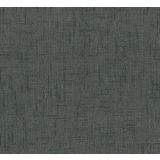
 Noordic Carpet Tile$280.00Noordic is a textured loop tile built for the floors people actually walk across all day — lobbies, library floors, retail aisles and the stretch of floor just inside an entryway. It is an indoor tile, and it is meant to look presentable years into its life rather than only
...
Noordic is a textured loop tile built for the floors people actually walk across all day — lobbies, library floors,...
Noordic is a textured loop tile built for the floors people actually walk across all day — lobbies, library floors, retail aisles and the stretch of floor just inside an entryway. It is an indoor tile, and it is meant to look presentable years into its life rather than only on the day it goes down.
Most of what determines that is the surface. A loop that scatters light and a color that runs all the way through the fiber will hide a working floor's ordinary soil far longer than a smooth, surface-dyed one.
What a Textured Loop Tile Does Before Your Floor Starts Looking Tired
Commercial carpet tiles rarely fail by wearing through. They fail by looking dull. Soil works its way down into the fiber, dulls the color, and the floor reads dirty even after it has been vacuumed. Once that happens, nobody cares how much life is technically left in the tile.
A textured loop surface fights that. The loops sit at varying heights, so the surface breaks up light instead of reflecting it evenly. Footprints, vacuum lines and light soil scatter across that texture rather than showing as clean marks on a flat field.
Routine vacuuming with a motor-driven brush and beater bar pulls up to 80% of surface dirt off a carpet tile floor, and doing it on schedule is the single most effective thing you can do for the floor's appearance. Weekly is enough in light-use rooms. Higher-traffic areas want daily, sometimes twice daily.
The remaining fraction is the problem. Roughly 15% of soil content clings to the fiber and resists vacuuming outright, building into soil reservoirs that get tracked deeper into the building over time. Frequent light cleaning keeps that from accumulating; waiting until the floor looks bad means a much harder restoration.
Why a Solution-Dyed Textured Loop, and Why This One
The fiber is PET — polyethylene terephthalate, the same polymer family as a beverage bottle — and it is solution dyed. That means the color is added while the fiber is still liquid, so it runs through the strand instead of sitting on the outside of it.
The practical result is color that holds. There is no dyed surface layer to abrade off in a traffic lane, and the tile passes lightfastness testing, so a floor near a glass entry or a south-facing window does not fade unevenly against the rest of the room.
Construction is a 20 oz per square yard face weight at a 1/10 gauge, on a modular backing, with a total nominal thickness of 0.246 inches. That is a mid-weight commercial specification: substantial enough for a library or a retail floor, and honestly not the tile for a loading corridor or an industrial floor.
A soil-release treatment is applied to the face, which is what makes routine vacuuming and light cleaning work as well as they do. The tile also carries a static rating below 3.0 kV under AATCC-134 — enough to keep ordinary walking shocks down in a dry building, though not a substitute for a dedicated static-control tile in a room full of electronics.
On the environmental side, the tile is NSF/ANSI 140 Gold certified with 40.71% total recycled content, and it contributes to LEED-NC under MR Credit 4 and IEQ Credits 4.1, 4.3 and 5. It is Class 1 under the flooring radiant panel test, passes the pill test, holds smoke density under 450 flaming per ASTM E 662, and is compliant for ADA accessible routes.
Where It Belongs, and Where It Is Not the Right Tile
The sweet spot is indoor floors that carry steady foot traffic and still have to look composed: lobbies, library reading rooms and stacks, retail and department store floors, and the interior stretch behind an entryway. It handles the traffic those spaces see without reading as a heavy-duty industrial product.
It belongs behind an entrance mat, not in place of one. Grit walked in from outside is abrasive, and a mid-weight loop is not built to absorb that job. Let a scraping and moisture-holding construction handle the first several feet inside the door and let Noordic take the floor beyond it.
Two situations rule it out. It is an indoor tile, so exterior and covered-exterior positions are off the table. And because a carpet tile has a high insulation value, it is not recommended over under-floor heating systems that are in use — the heat does not pass through it usefully and the assembly is working against itself.
It also is not the answer for a room full of sensitive electronics. The static rating is good for a general-purpose floor, but a server room or an electronics assembly bench needs a purpose-built static-control tile. When you are working out which tile handles which zone, the full range of carpet tiles sorts by exactly that question.
Three Things to Check Before You Spec It
First, check the subfloor before you check anything else. Tiles can be loose laid over a flat, dry floor that is free of oil, grease and other impurities. Cracks need filling, uneven floors need hardboard over them, and dusty floors need priming. Let the tiles acclimate at 60 to 70 degrees Fahrenheit for 24 hours before laying.
Second, check what rolls across it. Loose laid works for ordinary foot traffic, and securing one row in five with double-sided tape is advisable on large installations. Under caster chairs, that is not enough — those areas need to be fully secured, or the chairs will walk the tiles apart over a few months.
Third, check your quantities and your batch numbers. Tiles are 24 inches by 24 inches and ship 18 to a carton, covering 72 square feet at 43.4 pounds per carton. Order attic stock in the same run, and only lay tiles from the same batch together — mixed batches will read as a shading difference across the floor.
Why Mats Inc.
We specify rather than install, which means we have no reason to push a heavier tile than your traffic warrants or a lighter one than it needs. A 20 oz textured loop is right for a lot of floors and wrong for some, and we will tell you which one you have. Since 1964 that has been the whole job: matching the construction to the zone.
Construction Textured loop Fiber PET (polyethylene terephthalate) Dye method Solution dyed Face weight 20 oz/sy (678 g/m²) Gauge 1/10 (3.94 rows/cm) Total thickness 0.246 in. nominal average Tile size 18 in. x 18 in. approx. (45.72 x 45.72 cm) Coverage per case 27 sq. ft. (2.51 m²) Pattern repeat None Backing Modular; cushion backing available as an option Surface treatment Soil release Adhesive Commercial premium modular and LVT adhesive; adhesive tabs optional Packaging 12 tiles per case, 27 sq. ft., [CONFIRM case weight] lbs. Recycled content 40.71% total NSF/ANSI 140 Gold certified Flooring radiant panel Class 1 Smoke density Less than 450.0 flaming (ASTM E 662) Static Less than 3.0 kV (AATCC-134) Accessibility Compliant for ADA accessible routes LEED-NC MR Credit 4; IEQ Credits 4.1, 4.3, 5 Warranty 1-year limited (Mats Inc.) Frequently Asked Questions
What is a textured loop, and how is it different from a cut pile carpet tile?
Answered by Dustin Thompson, Owner & CEO
In a loop construction the yarn stays looped at the surface instead of being sheared open. A textured loop varies the height of those loops, so the surface is uneven rather than flat and uniform. Nothing is exposed at the fiber tip the way it is in a cut pile.
That matters for how the floor ages. Cut pile shows footprints, vacuum tracks and crushing plainly, because you are looking at a smooth surface. A textured loop scatters all of that. It is the reason loop constructions dominate commercial and high traffic carpet tiles while cut pile stays mostly residential.
How long will this tile last, and what shortens it?
Answered by Dustin Thompson, Owner & CEO
For a 20 oz commercial loop tile, plan on roughly ten to fifteen years in offices, libraries and other moderate-use rooms, and seven to ten years across busier lobby and retail floors. Traffic lanes inside an entryway are the first area to show age, and often need replacing before the field does.
What ends it early is almost always soil, not wear. Abrasive grit tracked in from outside grinds at the fiber, and the 15% of soil that resists vacuuming builds up until the color dulls permanently. An entrance mat at the door and a real vacuuming schedule do more for service life than anything else. The tile carries a 1-year limited warranty from Mats Inc.
What does the subfloor need before installation, and can we lay it ourselves?
Answered by Dustin Thompson, Owner & CEO
A capable in-house crew can handle it. The floor needs to be flat, dry and free of oil, grease and other impurities. Fill cracks, cover uneven areas with hardboard, prime anything dusty, and let the tiles sit at 60 to 70 degrees Fahrenheit for 24 hours first.
Snap a marker cross at the center of the room and work outward, shifting the cross if it helps land full tiles in doorways. Turn every alternate tile 90 degrees for a checkerboard — an arrow on the back shows pile direction. Tiles can be loose laid, with one row in five taped on large jobs, but any area under caster chairs has to be fully secured.
Will the color fade or shade unevenly over time?
Answered by Jinna Hopson, Vice President of Marketing
Fading is not the concern here. The fiber is solution dyed, so the color is locked into the strand rather than applied to the outside of it, and the tile passes lightfastness testing. A floor beside a glass entry will hold its color against a shaded corner of the same room.
Shading is a different issue, and it is an installation one. Lay tiles from two different batch numbers side by side and the eye will pick up the difference under raking light. Keep batches together, and if you are patching years later, pull from attic stock rather than ordering fresh.
Can this be used in a home, or is it strictly commercial?
Answered by Jinna Hopson, Vice President of Marketing
It works in a home, and people use commercial carpet squares residentially for exactly the reason you would expect — one damaged square comes up and gets replaced without touching the rest of the room. Home offices, finished basements and family rooms are the usual spots.
Two cautions. This is an indoor tile, so a sunroom or a covered porch is out. And if the room has under-floor heating in use, this is the wrong product — a carpet tile insulates well enough that the heat does not come through usefully.
Are there cushioned or coordinating options if the space needs something softer?
Answered by Jinna Hopson, Vice President of Marketing
Yes. A cushion backing is available as an option in place of the standard modular backing, which gives you a softer step and a quieter room without laying a separate underlay. That is worth considering for a library, a waiting area, or anywhere people stand rather than pass through.
For a floor that needs more than one look, the 24 by 24 module lets you build a pattern from stock. Two colorways in a checkerboard or plank layout, or a darker run down a corridor, reads as a designed floor while keeping every square individually replaceable. Tell us the space and we will work out the layout with you.
By Dustin Thompson, Owner & CEO, Mats Inc.
↑
Noordic is a textured loop tile built for the floors people actually walk across all day — lobbies, library floors, retail aisles and the stretch of floor just inside an entryway. It is an indoor tile, and it is meant to look presentable years into its life rather than only on the day it goes down.
Most of what determines that is the surface. A loop that scatters light and a color that runs all the way through the fiber will hide a working floor's ordinary soil far longer than a smooth, surface-dyed one.
What a Textured Loop Tile Does Before Your Floor Starts Looking Tired
Commercial carpet tiles rarely fail by wearing through. They fail by looking dull. Soil works its way down into the fiber, dulls the color, and the floor reads dirty even after it has been vacuumed. Once that happens, nobody cares how much life is technically left in the tile.
A textured loop surface fights that. The loops sit at varying heights, so the surface breaks up light instead of reflecting it evenly. Footprints, vacuum lines and light soil scatter across that texture rather than showing as clean marks on a flat field.
Routine vacuuming with a motor-driven brush and beater bar pulls up to 80% of surface dirt off a carpet tile floor, and doing it on schedule is the single most effective thing you can do for the floor's appearance. Weekly is enough in light-use rooms. Higher-traffic areas want daily, sometimes twice daily.
The remaining fraction is the problem. Roughly 15% of soil content clings to the fiber and resists vacuuming outright, building into soil reservoirs that get tracked deeper into the building over time. Frequent light cleaning keeps that from accumulating; waiting until the floor looks bad means a much harder restoration.
Why a Solution-Dyed Textured Loop, and Why This One
The fiber is PET — polyethylene terephthalate, the same polymer family as a beverage bottle — and it is solution dyed. That means the color is added while the fiber is still liquid, so it runs through the strand instead of sitting on the outside of it.
The practical result is color that holds. There is no dyed surface layer to abrade off in a traffic lane, and the tile passes lightfastness testing, so a floor near a glass entry or a south-facing window does not fade unevenly against the rest of the room.
Construction is a 20 oz per square yard face weight at a 1/10 gauge, on a modular backing, with a total nominal thickness of 0.246 inches. That is a mid-weight commercial specification: substantial enough for a library or a retail floor, and honestly not the tile for a loading corridor or an industrial floor.
A soil-release treatment is applied to the face, which is what makes routine vacuuming and light cleaning work as well as they do. The tile also carries a static rating below 3.0 kV under AATCC-134 — enough to keep ordinary walking shocks down in a dry building, though not a substitute for a dedicated static-control tile in a room full of electronics.
On the environmental side, the tile is NSF/ANSI 140 Gold certified with 40.71% total recycled content, and it contributes to LEED-NC under MR Credit 4 and IEQ Credits 4.1, 4.3 and 5. It is Class 1 under the flooring radiant panel test, passes the pill test, holds smoke density under 450 flaming per ASTM E 662, and is compliant for ADA accessible routes.
Where It Belongs, and Where It Is Not the Right Tile
The sweet spot is indoor floors that carry steady foot traffic and still have to look composed: lobbies, library reading rooms and stacks, retail and department store floors, and the interior stretch behind an entryway. It handles the traffic those spaces see without reading as a heavy-duty industrial product.
It belongs behind an entrance mat, not in place of one. Grit walked in from outside is abrasive, and a mid-weight loop is not built to absorb that job. Let a scraping and moisture-holding construction handle the first several feet inside the door and let Noordic take the floor beyond it.
Two situations rule it out. It is an indoor tile, so exterior and covered-exterior positions are off the table. And because a carpet tile has a high insulation value, it is not recommended over under-floor heating systems that are in use — the heat does not pass through it usefully and the assembly is working against itself.
It also is not the answer for a room full of sensitive electronics. The static rating is good for a general-purpose floor, but a server room or an electronics assembly bench needs a purpose-built static-control tile. When you are working out which tile handles which zone, the full range of carpet tiles sorts by exactly that question.
Three Things to Check Before You Spec It
First, check the subfloor before you check anything else. Tiles can be loose laid over a flat, dry floor that is free of oil, grease and other impurities. Cracks need filling, uneven floors need hardboard over them, and dusty floors need priming. Let the tiles acclimate at 60 to 70 degrees Fahrenheit for 24 hours before laying.
Second, check what rolls across it. Loose laid works for ordinary foot traffic, and securing one row in five with double-sided tape is advisable on large installations. Under caster chairs, that is not enough — those areas need to be fully secured, or the chairs will walk the tiles apart over a few months.
Third, check your quantities and your batch numbers. Tiles are 24 inches by 24 inches and ship 18 to a carton, covering 72 square feet at 43.4 pounds per carton. Order attic stock in the same run, and only lay tiles from the same batch together — mixed batches will read as a shading difference across the floor.
Why Mats Inc.
We specify rather than install, which means we have no reason to push a heavier tile than your traffic warrants or a lighter one than it needs. A 20 oz textured loop is right for a lot of floors and wrong for some, and we will tell you which one you have. Since 1964 that has been the whole job: matching the construction to the zone.
Construction Textured loop Fiber PET (polyethylene terephthalate) Dye method Solution dyed Face weight 20 oz/sy (678 g/m²) Gauge 1/10 (3.94 rows/cm) Total thickness 0.246 in. nominal average Tile size 18 in. x 18 in. approx. (45.72 x 45.72 cm) Coverage per case 27 sq. ft. (2.51 m²) Pattern repeat None Backing Modular; cushion backing available as an option Surface treatment Soil release Adhesive Commercial premium modular and LVT adhesive; adhesive tabs optional Packaging 12 tiles per case, 27 sq. ft., [CONFIRM case weight] lbs. Recycled content 40.71% total NSF/ANSI 140 Gold certified Flooring radiant panel Class 1 Smoke density Less than 450.0 flaming (ASTM E 662) Static Less than 3.0 kV (AATCC-134) Accessibility Compliant for ADA accessible routes LEED-NC MR Credit 4; IEQ Credits 4.1, 4.3, 5 Warranty 1-year limited (Mats Inc.) Frequently Asked Questions
What is a textured loop, and how is it different from a cut pile carpet tile?
Answered by Dustin Thompson, Owner & CEO
In a loop construction the yarn stays looped at the surface instead of being sheared open. A textured loop varies the height of those loops, so the surface is uneven rather than flat and uniform. Nothing is exposed at the fiber tip the way it is in a cut pile.
That matters for how the floor ages. Cut pile shows footprints, vacuum tracks and crushing plainly, because you are looking at a smooth surface. A textured loop scatters all of that. It is the reason loop constructions dominate commercial and high traffic carpet tiles while cut pile stays mostly residential.
How long will this tile last, and what shortens it?
Answered by Dustin Thompson, Owner & CEO
For a 20 oz commercial loop tile, plan on roughly ten to fifteen years in offices, libraries and other moderate-use rooms, and seven to ten years across busier lobby and retail floors. Traffic lanes inside an entryway are the first area to show age, and often need replacing before the field does.
What ends it early is almost always soil, not wear. Abrasive grit tracked in from outside grinds at the fiber, and the 15% of soil that resists vacuuming builds up until the color dulls permanently. An entrance mat at the door and a real vacuuming schedule do more for service life than anything else. The tile carries a 1-year limited warranty from Mats Inc.
What does the subfloor need before installation, and can we lay it ourselves?
Answered by Dustin Thompson, Owner & CEO
A capable in-house crew can handle it. The floor needs to be flat, dry and free of oil, grease and other impurities. Fill cracks, cover uneven areas with hardboard, prime anything dusty, and let the tiles sit at 60 to 70 degrees Fahrenheit for 24 hours first.
Snap a marker cross at the center of the room and work outward, shifting the cross if it helps land full tiles in doorways. Turn every alternate tile 90 degrees for a checkerboard — an arrow on the back shows pile direction. Tiles can be loose laid, with one row in five taped on large jobs, but any area under caster chairs has to be fully secured.
Will the color fade or shade unevenly over time?
Answered by Jinna Hopson, Vice President of Marketing
Fading is not the concern here. The fiber is solution dyed, so the color is locked into the strand rather than applied to the outside of it, and the tile passes lightfastness testing. A floor beside a glass entry will hold its color against a shaded corner of the same room.
Shading is a different issue, and it is an installation one. Lay tiles from two different batch numbers side by side and the eye will pick up the difference under raking light. Keep batches together, and if you are patching years later, pull from attic stock rather than ordering fresh.
Can this be used in a home, or is it strictly commercial?
Answered by Jinna Hopson, Vice President of Marketing
It works in a home, and people use commercial carpet squares residentially for exactly the reason you would expect — one damaged square comes up and gets replaced without touching the rest of the room. Home offices, finished basements and family rooms are the usual spots.
Two cautions. This is an indoor tile, so a sunroom or a covered porch is out. And if the room has under-floor heating in use, this is the wrong product — a carpet tile insulates well enough that the heat does not come through usefully.
Are there cushioned or coordinating options if the space needs something softer?
Answered by Jinna Hopson, Vice President of Marketing
Yes. A cushion backing is available as an option in place of the standard modular backing, which gives you a softer step and a quieter room without laying a separate underlay. That is worth considering for a library, a waiting area, or anywhere people stand rather than pass through.
For a floor that needs more than one look, the 24 by 24 module lets you build a pattern from stock. Two colorways in a checkerboard or plank layout, or a darker run down a corridor, reads as a designed floor while keeping every square individually replaceable. Tell us the space and we will work out the layout with you.
By Dustin Thompson, Owner & CEO, Mats Inc.
↑
View Details
View Details
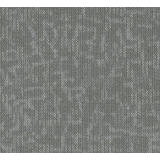
 Rover Carpet Tile$225.00Rover is a linear-pattern carpet tile built for rooms where the floor should have some movement in it without becoming the thing people look at. Tone-on-tone stripes fade into one another across the surface, so the pattern reads as texture from standing height rather than as a graphic. It comes
...
Rover is a linear-pattern carpet tile built for rooms where the floor should have some movement in it without becoming...
Rover is a linear-pattern carpet tile built for rooms where the floor should have some movement in it without becoming the thing people look at. Tone-on-tone stripes fade into one another across the surface, so the pattern reads as texture from standing height rather than as a graphic.
It comes in five quick-ship colorways, all subtle neutrals with the stripes placed deliberately rather than evenly. The format is an 18 by 36 inch plank rather than a square, which gives the pattern a long axis to run along. That combination — a quiet palette and a directional module — is what makes it a working floor for offices, retail and hospitality rather than a statement one.
What a Linear Tile Does Before a Large Floor Starts Reading Flat
Big floor plates have a specific problem. Run one solid neutral across an open office or a retail sales floor and the room loses its sense of scale. The floor becomes a blank field, and every scuff, seam and traffic lane shows up against it because there is nothing else for the eye to catch.
A linear design solves that quietly. The stripes give the floor direction, so a long room reads as having length and a wide one reads as having width. It is the same trick a rug uses in a residential room, applied across commercial square footage.
The tone-on-tone part matters just as much. Because the lines shift in shade rather than in color, they behave like shadows falling across the floor instead of like a printed stripe. That is what keeps the pattern from competing with furniture, signage or merchandise sitting on top of it.
The practical payoff shows up years later. Pattern and shade variation disguise ordinary soil and light wear the way a flat field never does, which means the floor keeps looking maintained for longer between deep cleanings.
Why a Tone-on-Tone Linear Design, and Why This One
Plenty of commercial carpet tiles carry a pattern. Most of them commit to it — a visible stripe, a strong texture, something with a clear repeat you have to design the room around. Rover deliberately does not.
The lines here fade and meld into each other rather than holding a crisp edge. The effect is closer to how light and shadow actually fall across a floor through a window or under a linear light fixture. You get visual interest without a pattern the room has to accommodate.
The five colorways are all subtle neutrals, which is a real constraint and worth knowing up front. This is not the tile for a bold accent floor or a branded color match. It is the tile for a palette that already exists and needs a floor that agrees with it.
All five are quick ship. On a renovation running to a fixed reopening date, that changes the calculation more than most specification details do — you are not building a schedule around a mill lead time.
Where It Belongs, and Where It Is Not the Right Tile
The natural home is a floor with a lot of square footage and a professional look to maintain: corporate offices, retail sales floors, hospitality spaces, mass merchandisers, specialty stores, pharmacies and drugstores. Educational and government interiors sit comfortably here too, where the floor has to look composed on a working budget.
Think of it as a field tile rather than a threshold one. Grit tracked in from outside is abrasive and will grind down any interior tile put directly in its path, so this belongs behind a proper entrance construction, not in place of one. Working out which tile handles which zone is exactly what the full range of carpet tiles sorts by.
Three situations point elsewhere. If you need a specific brand color on the floor, five neutral colorways will not get you there. If the space is a server room, an electronics bench or anywhere static is a live concern, that calls for a purpose-built static-control tile. And the manufacturer does not recommend these tiles over in-floor heating, because the insulation value of the tile works against the system underneath.
Three Things to Check Before You Spec It
First, plan the layout before a crew starts. The installation instructions call for turning alternate tiles 90 degrees to produce a checker pattern, and every tile carries an arrow on the back marking pile direction. On an 18 by 36 inch plank, that quarter turn is what crosses the lines into a grid instead of running them straight down the room.
Second, check the palette against the room, not against a sample board. Tone-on-tone neutrals read differently under warm retail lighting than under cool office lighting, and the shadow effect that makes this tile work is a lighting-dependent one. Get a sample into the actual space before committing to a colorway.
Third, sort your quantities and your batches at the same time. Order attic stock with the original run and store it flat and out of sunlight. On a patterned plank, a replacement from a later batch shows up faster than it would on a solid, because the lines have to align as well as the color.
Why Mats Inc.
Design-led tiles get specified from a photo more often than any other kind, and that is where floors go wrong. We have been sorting commercial floors by zone since 1964, and the question we will ask is not which colorway you like — it is what walks across that floor, and what is catching the grit before it gets there. Rover is right for a lot of interior floors and wrong at a threshold, and we would rather tell you that up front.
Construction Patterned scroll Fiber Solution-dyed PET Dye method Solution dyed Face weight 16 oz/sy (543 g/m²) Pile density 9,143 oz/yd³ (339.03 kg/m³) Gauge 1/12 (4.72 rows/cm) Stitches 10.2 per in. (4.02 per cm) Total thickness 0.213 in. nominal average Tile size 18 in. x 36 in. approx. (45.72 x 91.44 cm) Coverage per carton 54 sq. ft. (6 sq. yd.) Packaging 12 tiles per carton, 30.95 lbs. Colorways Five quick-ship: Solar Linen, Cosmic Blue, Interlapse Grey, Jet Lag, Standard Tan Standard backing Modular Optional backing Cushion Surface treatment Soil release Standard adhesive Commercial premium modular and LVT adhesive Recycled content 42.95% total NSF/ANSI 140 Gold certified Flooring radiant panel Class 1 Smoke density Less than 450.0 flaming (ASTM E 662) Static Less than 3.0 kV (AATCC-134) Pill test Pass Light fastness Pass Accessibility Compliant for ADA accessible routes Warranty 1-year limited (Mats Inc.) Frequently Asked Questions
What does a tone-on-tone linear pattern actually look like on a finished floor?
Answered by Jinna Hopson, Vice President of Marketing
Much quieter than the sample suggests. Up close you can see the stripes clearly. From standing height, the lines soften into each other and the floor reads as a textured neutral with a direction to it, closer to shadows falling across the room than to a printed pattern.
That is the reason it works in spaces full of other visual information. In a retail floor with merchandise, or an office with furniture and signage, a strong floor pattern fights everything sitting on it. This one gives the room movement and then gets out of the way.
Does the stripe direction matter when we install it?
Answered by Dustin Thompson, Owner & CEO
It matters more than on any solid tile, and the manufacturer has already made the call. The installation instructions specify turning alternate tiles 90 degrees to obtain a checker pattern, and every tile carries an arrow on the back showing pile direction. On an 18 by 36 inch plank, that quarter turn is what crosses the lines into a grid rather than running them straight down the room.
So the job is not picking a layout, it is holding the one that is specified. Mark the room, set the marker cross in the center and work outward from it, and check the arrows as you go. A crew that loses track partway through leaves a floor that reads as a mistake from across the room. Lay only tiles carrying the same batch number together.
How long should we expect a commercial carpet tile like this to last?
Answered by Dustin Thompson, Owner & CEO
As a planning range for commercial carpet tile, figure ten to fifteen years in offices and other moderate-use rooms, seven to ten years across busier retail and hospitality floors, and five to seven years in the lanes carrying constant traffic. Tell us the space and we will confirm the specifics for this tile.
What ends a floor early is soil more than wear. Abrasive grit walked in from outside cuts at the fiber every time somebody steps on it, which is why an entrance construction at the door does more for service life than anything you can change about the field tile. Rover carries a 1-year limited warranty from Mats Inc.
What colors does it come in, and can we get a custom match?
Answered by Jinna Hopson, Vice President of Marketing
Five colorways — Solar Linen, Cosmic Blue, Interlapse Grey, Jet Lag and Standard Tan — all subtle neutrals, all quick ship. That is the honest scope. This is a stock program built for speed, not a custom dye run, so if you need an exact brand color underfoot, it is not the product to push into that job.
What you can do is build variation from what exists. Two of the five in an alternating layout, or a darker one running down a corridor against a lighter open floor, gives you a designed floor with every plank still individually replaceable. Tell us the palette and we will work out which combination holds up.
How much should we order, and how do we handle replacements later?
Answered by Dustin Thompson, Owner & CEO
Each carton holds 12 planks and covers 54 square feet, or six square yards, so quantities land in 54 square foot steps. Take the room square footage, add for cuts at the walls, then add five to ten percent as attic stock on top of that. Order it all together so the whole floor comes from the same production run, and store the extra flat, dry and out of direct sunlight.
That last part earns its keep on a patterned plank. A replacement ordered three years later has to match on shade and on line alignment, and dye lots move over time. The manufacturer is explicit that only tiles from the same batch number should be laid together. Send us the room dimensions and we will work the count with cuts and attic stock included.
Would this work in a home office or a finished basement?
Answered by Jinna Hopson, Vice President of Marketing
It can, and the neutral palette suits a home better than most commercial patterns do. People choose commercial carpet tile residentially for the obvious reason: one damaged tile lifts out and gets replaced without disturbing the rest of the room.
The standard backing is a firm commercial modular backing, but a cushion backing is available on this tile, so if you want something softer underfoot in a bedroom or playroom, ask for that version rather than looking elsewhere. In a basement, check the slab for moisture before anything goes down, since that is the most common cause of a failed install below grade. If the room has in-floor heating, this is not the right floor covering for it.
By Jinna Hopson, Vice President of Marketing, Mats Inc.
↑
Rover is a linear-pattern carpet tile built for rooms where the floor should have some movement in it without becoming the thing people look at. Tone-on-tone stripes fade into one another across the surface, so the pattern reads as texture from standing height rather than as a graphic.
It comes in five quick-ship colorways, all subtle neutrals with the stripes placed deliberately rather than evenly. The format is an 18 by 36 inch plank rather than a square, which gives the pattern a long axis to run along. That combination — a quiet palette and a directional module — is what makes it a working floor for offices, retail and hospitality rather than a statement one.
What a Linear Tile Does Before a Large Floor Starts Reading Flat
Big floor plates have a specific problem. Run one solid neutral across an open office or a retail sales floor and the room loses its sense of scale. The floor becomes a blank field, and every scuff, seam and traffic lane shows up against it because there is nothing else for the eye to catch.
A linear design solves that quietly. The stripes give the floor direction, so a long room reads as having length and a wide one reads as having width. It is the same trick a rug uses in a residential room, applied across commercial square footage.
The tone-on-tone part matters just as much. Because the lines shift in shade rather than in color, they behave like shadows falling across the floor instead of like a printed stripe. That is what keeps the pattern from competing with furniture, signage or merchandise sitting on top of it.
The practical payoff shows up years later. Pattern and shade variation disguise ordinary soil and light wear the way a flat field never does, which means the floor keeps looking maintained for longer between deep cleanings.
Why a Tone-on-Tone Linear Design, and Why This One
Plenty of commercial carpet tiles carry a pattern. Most of them commit to it — a visible stripe, a strong texture, something with a clear repeat you have to design the room around. Rover deliberately does not.
The lines here fade and meld into each other rather than holding a crisp edge. The effect is closer to how light and shadow actually fall across a floor through a window or under a linear light fixture. You get visual interest without a pattern the room has to accommodate.
The five colorways are all subtle neutrals, which is a real constraint and worth knowing up front. This is not the tile for a bold accent floor or a branded color match. It is the tile for a palette that already exists and needs a floor that agrees with it.
All five are quick ship. On a renovation running to a fixed reopening date, that changes the calculation more than most specification details do — you are not building a schedule around a mill lead time.
Where It Belongs, and Where It Is Not the Right Tile
The natural home is a floor with a lot of square footage and a professional look to maintain: corporate offices, retail sales floors, hospitality spaces, mass merchandisers, specialty stores, pharmacies and drugstores. Educational and government interiors sit comfortably here too, where the floor has to look composed on a working budget.
Think of it as a field tile rather than a threshold one. Grit tracked in from outside is abrasive and will grind down any interior tile put directly in its path, so this belongs behind a proper entrance construction, not in place of one. Working out which tile handles which zone is exactly what the full range of carpet tiles sorts by.
Three situations point elsewhere. If you need a specific brand color on the floor, five neutral colorways will not get you there. If the space is a server room, an electronics bench or anywhere static is a live concern, that calls for a purpose-built static-control tile. And the manufacturer does not recommend these tiles over in-floor heating, because the insulation value of the tile works against the system underneath.
Three Things to Check Before You Spec It
First, plan the layout before a crew starts. The installation instructions call for turning alternate tiles 90 degrees to produce a checker pattern, and every tile carries an arrow on the back marking pile direction. On an 18 by 36 inch plank, that quarter turn is what crosses the lines into a grid instead of running them straight down the room.
Second, check the palette against the room, not against a sample board. Tone-on-tone neutrals read differently under warm retail lighting than under cool office lighting, and the shadow effect that makes this tile work is a lighting-dependent one. Get a sample into the actual space before committing to a colorway.
Third, sort your quantities and your batches at the same time. Order attic stock with the original run and store it flat and out of sunlight. On a patterned plank, a replacement from a later batch shows up faster than it would on a solid, because the lines have to align as well as the color.
Why Mats Inc.
Design-led tiles get specified from a photo more often than any other kind, and that is where floors go wrong. We have been sorting commercial floors by zone since 1964, and the question we will ask is not which colorway you like — it is what walks across that floor, and what is catching the grit before it gets there. Rover is right for a lot of interior floors and wrong at a threshold, and we would rather tell you that up front.
Construction Patterned scroll Fiber Solution-dyed PET Dye method Solution dyed Face weight 16 oz/sy (543 g/m²) Pile density 9,143 oz/yd³ (339.03 kg/m³) Gauge 1/12 (4.72 rows/cm) Stitches 10.2 per in. (4.02 per cm) Total thickness 0.213 in. nominal average Tile size 18 in. x 36 in. approx. (45.72 x 91.44 cm) Coverage per carton 54 sq. ft. (6 sq. yd.) Packaging 12 tiles per carton, 30.95 lbs. Colorways Five quick-ship: Solar Linen, Cosmic Blue, Interlapse Grey, Jet Lag, Standard Tan Standard backing Modular Optional backing Cushion Surface treatment Soil release Standard adhesive Commercial premium modular and LVT adhesive Recycled content 42.95% total NSF/ANSI 140 Gold certified Flooring radiant panel Class 1 Smoke density Less than 450.0 flaming (ASTM E 662) Static Less than 3.0 kV (AATCC-134) Pill test Pass Light fastness Pass Accessibility Compliant for ADA accessible routes Warranty 1-year limited (Mats Inc.) Frequently Asked Questions
What does a tone-on-tone linear pattern actually look like on a finished floor?
Answered by Jinna Hopson, Vice President of Marketing
Much quieter than the sample suggests. Up close you can see the stripes clearly. From standing height, the lines soften into each other and the floor reads as a textured neutral with a direction to it, closer to shadows falling across the room than to a printed pattern.
That is the reason it works in spaces full of other visual information. In a retail floor with merchandise, or an office with furniture and signage, a strong floor pattern fights everything sitting on it. This one gives the room movement and then gets out of the way.
Does the stripe direction matter when we install it?
Answered by Dustin Thompson, Owner & CEO
It matters more than on any solid tile, and the manufacturer has already made the call. The installation instructions specify turning alternate tiles 90 degrees to obtain a checker pattern, and every tile carries an arrow on the back showing pile direction. On an 18 by 36 inch plank, that quarter turn is what crosses the lines into a grid rather than running them straight down the room.
So the job is not picking a layout, it is holding the one that is specified. Mark the room, set the marker cross in the center and work outward from it, and check the arrows as you go. A crew that loses track partway through leaves a floor that reads as a mistake from across the room. Lay only tiles carrying the same batch number together.
How long should we expect a commercial carpet tile like this to last?
Answered by Dustin Thompson, Owner & CEO
As a planning range for commercial carpet tile, figure ten to fifteen years in offices and other moderate-use rooms, seven to ten years across busier retail and hospitality floors, and five to seven years in the lanes carrying constant traffic. Tell us the space and we will confirm the specifics for this tile.
What ends a floor early is soil more than wear. Abrasive grit walked in from outside cuts at the fiber every time somebody steps on it, which is why an entrance construction at the door does more for service life than anything you can change about the field tile. Rover carries a 1-year limited warranty from Mats Inc.
What colors does it come in, and can we get a custom match?
Answered by Jinna Hopson, Vice President of Marketing
Five colorways — Solar Linen, Cosmic Blue, Interlapse Grey, Jet Lag and Standard Tan — all subtle neutrals, all quick ship. That is the honest scope. This is a stock program built for speed, not a custom dye run, so if you need an exact brand color underfoot, it is not the product to push into that job.
What you can do is build variation from what exists. Two of the five in an alternating layout, or a darker one running down a corridor against a lighter open floor, gives you a designed floor with every plank still individually replaceable. Tell us the palette and we will work out which combination holds up.
How much should we order, and how do we handle replacements later?
Answered by Dustin Thompson, Owner & CEO
Each carton holds 12 planks and covers 54 square feet, or six square yards, so quantities land in 54 square foot steps. Take the room square footage, add for cuts at the walls, then add five to ten percent as attic stock on top of that. Order it all together so the whole floor comes from the same production run, and store the extra flat, dry and out of direct sunlight.
That last part earns its keep on a patterned plank. A replacement ordered three years later has to match on shade and on line alignment, and dye lots move over time. The manufacturer is explicit that only tiles from the same batch number should be laid together. Send us the room dimensions and we will work the count with cuts and attic stock included.
Would this work in a home office or a finished basement?
Answered by Jinna Hopson, Vice President of Marketing
It can, and the neutral palette suits a home better than most commercial patterns do. People choose commercial carpet tile residentially for the obvious reason: one damaged tile lifts out and gets replaced without disturbing the rest of the room.
The standard backing is a firm commercial modular backing, but a cushion backing is available on this tile, so if you want something softer underfoot in a bedroom or playroom, ask for that version rather than looking elsewhere. In a basement, check the slab for moisture before anything goes down, since that is the most common cause of a failed install below grade. If the room has in-floor heating, this is not the right floor covering for it.
By Jinna Hopson, Vice President of Marketing, Mats Inc.
↑
View Details
View Details
 Cross Guard Carpet Tile$275.00Cross Guard is built for the parts of a building that take the most walking. The pattern comes from intersecting urban pathways — layered lines running across a textured base in neutral earth tones — and the construction is aimed squarely at handling heavy traffic without the floor looking beaten
...
Cross Guard is built for the parts of a building that take the most walking. The pattern comes from intersecting...
Cross Guard is built for the parts of a building that take the most walking. The pattern comes from intersecting urban pathways — layered lines running across a textured base in neutral earth tones — and the construction is aimed squarely at handling heavy traffic without the floor looking beaten down.
It comes in a 24 inch by 24 inch module at a 1/12 gauge, which is a fine gauge for a commercial carpet tile. That density is the whole reason it holds up where a lighter tile would flatten out.
What a Fine-Gauge Tile Does Before Your Traffic Lanes Give Out
Walk any commercial building and you can trace the routes people take without being told. The path from the door to the elevator, the line between a service counter and a back room — those strips wear out years ahead of the floor around them, and they are what makes an otherwise sound floor look old.
Two things happen in those lanes. The pile gets crushed flat under repeated footfall, so the surface loses its texture and starts reflecting light differently than the field around it. And grit walked in from outside grinds at the fiber every time somebody steps on it, dulling the color permanently.
Density is the main defense against the first problem. Packing more yarn ends into the same square inch means each individual tuft carries less of the load, so the surface springs back instead of matting down. A tile with room between the tufts crushes; a tightly packed one resists.
Pattern handles what density cannot. A layered, multi-directional design with tonal variation across it disguises the wear and soil that does accumulate, because there is no flat uniform field for a traffic lane to show up against.
Why a 1/12 Gauge and a Layered Pattern, and Why This One
Gauge describes how closely the needle rows sit across the width of the machine. At 1/12 there are twelve rows per inch — 4.72 rows per centimeter — which puts this at the finer end of the commercial range. More rows means more yarn ends per square inch and a denser surface underfoot.
That density does two jobs at once. It resists crushing in the lanes, and it holds pattern definition. A coarse-gauge tile blurs a fine pattern into mush; a fine gauge keeps the intersecting lines legible, which is why this design can carry detail without turning muddy.
The pattern itself is doing real work rather than decorating. Layered lines crossing at angles over a textured base break up the straight wear paths that form between two fixed points in a building. Where a solid tile would show a visible track, this one absorbs it into the design.
The palette is neutral earth tones, which is a deliberate choice for a high-traffic product. Earth tones hide tracked-in soil between cleanings far better than pale neutrals or saturated colors do, so the floor looks maintained on a normal cleaning schedule rather than an aggressive one.
Where It Belongs, and Where It Is Not the Right Tile
Put this where traffic concentrates: corridors, elevator approaches, the stretch of lobby behind an entrance, and the paths that cut across an open floor plate. Corporate offices, retail and mass merchandise floors, hospitality spaces, schools, government interiors, pharmacies and specialty stores all have those zones.
It also works as a whole-floor tile when the whole floor is busy. In a building where there is no quiet zone to speak of, specifying one dense tile throughout is simpler than mapping grades room by room, and the earth-tone palette carries across mixed spaces without looking utilitarian.
What it is not is a threshold product. Heavy traffic and entrance duty are different jobs — the entry zone needs a construction that scrapes grit and holds moisture, and no interior tile does that. Put a proper entrance mat in the first several feet and let this take the floor behind it. Sorting which construction handles which zone is what the full range of carpet tiles is organized around.
It is also not an industrial floor covering. Heavy foot traffic in a commercial building is a different load than pallet jacks, forklifts and dropped tooling. If that is your environment, carpet of any construction is the wrong category.
Three Things to Check Before You Spec It
First, walk the building and mark where people actually go. The value of a dense tile is concentrated in the lanes, so knowing where those run tells you whether you need it across the whole floor or only through the corridors and approaches. Watch during a busy hour rather than guessing from a floor plan.
Second, check what is happening at your entrances before you spend anything on the interior. A dense tile behind an unprotected door still eats grit all day. Fix the entry zone first, then specify the floor behind it — that order matters more than the grade you land on.
Third, confirm your subfloor and your quantities together. Tiles need a flat, dry, clean floor with cracks filled and dusty surfaces primed. At 24 inches square, calculate coverage, add for perimeter cuts, then add five to ten percent attic stock from the same run so a patch years from now still matches on shade and pattern alignment.
Why Mats Inc.
A heavy-traffic tile is the easiest place in a building to overspend and the easiest to underspend, usually in the same order. We have been sorting floors by zone since 1964, and the useful question is not which tile is toughest — it is where your traffic concentrates and what is stopping grit at the door. Tell us the building and the doors, and we will tell you where the density earns its place and where a lighter grade is fine.
Tile size 24 in. x 24 in. approx. (60.96 x 60.96 cm) Tiles per carton 18 Coverage per carton 72 sq. ft. (8 sq. yd.) Carton weight 43.27 lbs. Total thickness 0.273 in. nominal average Colorways Three: Dapple Grey, Slate, Steel Construction Patterned scroll Fiber Solution-dyed PET Dye method Solution dyed Face weight 20 oz/sy (678 g/m²) Pile density 10,141 oz/yd³ (376.03 kg/m³) Gauge 1/12 (4.72 rows/cm) Standard backing Modular Optional backing Cushion Surface treatment Soil release Standard adhesive Commercial premium modular and LVT adhesive Recycled content 40.71% total NSF/ANSI 140 Gold certified Flooring radiant panel Class 1 Smoke density Less than 450.0 flaming (ASTM E 662) Static Less than 3.0 kV (AATCC-134) Pill test Pass Light fastness Pass Accessibility Compliant for ADA accessible routes Warranty 1-year limited (Mats Inc.) Frequently Asked Questions
What does 1/12 gauge mean, and why does it matter for a high-traffic floor?
Answered by Dustin Thompson, Owner & CEO
Gauge counts the needle rows across the width of the tufting machine. At 1/12 you get twelve rows per inch, or 4.72 per centimeter, which sits at the finer end of the commercial range and puts more yarn ends into every square inch of surface.
On a busy floor that density does the heavy lifting. When tufts are packed tightly, each one carries a smaller share of every footstep, so the pile springs back rather than matting flat. A coarser tile with more space between tufts crushes in the lanes first, and crushed pile is what makes a floor look worn out long before it has worn through.
How long will it hold up in a busy corridor?
Answered by Dustin Thompson, Owner & CEO
As a planning range for commercial carpet tile, expect ten to fifteen years in moderate-use rooms, seven to ten across busy retail and lobby floors, and five to seven in the hardest-worked lanes. A denser construction pushes you toward the upper end of whichever range applies rather than changing the range itself.
What decides it is grit, not footfall. Abrasive material tracked in from outside cuts at the fiber constantly, so an entrance construction at the door does more for service life than any upgrade to the field tile. Vacuum the lanes on a real schedule and this floor will outlast a lighter tile in the same position by a comfortable margin. Cross Guard carries a 1-year limited warranty from Mats Inc.
How do we work out quantities, and does the layout need planning?
Answered by Dustin Thompson, Owner & CEO
Tiles are 24 inches by 24 inches, so four cover a square yard. Take the room's square footage, add for cuts at the perimeter, then add five to ten percent attic stock ordered in the same run and stored flat, dry and out of sunlight.
Layout deserves a decision before the first tile goes down. This pattern has direction in it, so running every tile the same way versus quarter-turning alternates produces two different floors — both fine, but only if the crew holds to one. Snap a center line, work outward, and shift it if that lands full tiles in the doorways.
What does the pattern actually look like once it is down?
Answered by Jinna Hopson, Vice President of Marketing
Less busy than a sample implies. The lines layer and intersect the way paths cross in a city block, but they sit over a textured base in earth tones, so from standing height the floor reads as a rich neutral with movement in it rather than as a graphic pattern.
That restraint is what lets it work in a lobby as well as a corridor. It has enough going on to disguise soil and traffic marks, and not so much that it competes with furniture, signage or whatever else the room is meant to show off.
Is it too heavy-duty for a lobby or a customer-facing space?
Answered by Jinna Hopson, Vice President of Marketing
Not at all, and that is the point of it. Plenty of high traffic carpet tiles look like what they are — utilitarian, obviously chosen for wear. This one was designed to handle the traffic and still belong in a space customers walk through.
Retail floors, hotel corridors, school common areas and pharmacy aisles are exactly the situations it suits: places that see constant footfall and still have to look considered. If anything, the risk runs the other way, since people specify something prettier and lighter for those rooms and then replace it early.
Can we get it in our brand colors or a custom pattern?
Answered by Jinna Hopson, Vice President of Marketing
The palette here is neutral earth tones, chosen deliberately because those shades hide tracked-in soil better than pale or saturated ones do. Tell us the colorway you have in mind and we will confirm what is currently available in the range.
For brand color at floor level, the better answer is usually placement rather than a custom tile. A logo mat or a printed entrance construction at the door carries your color and artwork where people actually look for it, and the field tile behind it stays neutral and replaceable square by square.
By Dustin Thompson, Owner & CEO, Mats Inc.
↑
Cross Guard is built for the parts of a building that take the most walking. The pattern comes from intersecting urban pathways — layered lines running across a textured base in neutral earth tones — and the construction is aimed squarely at handling heavy traffic without the floor looking beaten down.
It comes in a 24 inch by 24 inch module at a 1/12 gauge, which is a fine gauge for a commercial carpet tile. That density is the whole reason it holds up where a lighter tile would flatten out.
What a Fine-Gauge Tile Does Before Your Traffic Lanes Give Out
Walk any commercial building and you can trace the routes people take without being told. The path from the door to the elevator, the line between a service counter and a back room — those strips wear out years ahead of the floor around them, and they are what makes an otherwise sound floor look old.
Two things happen in those lanes. The pile gets crushed flat under repeated footfall, so the surface loses its texture and starts reflecting light differently than the field around it. And grit walked in from outside grinds at the fiber every time somebody steps on it, dulling the color permanently.
Density is the main defense against the first problem. Packing more yarn ends into the same square inch means each individual tuft carries less of the load, so the surface springs back instead of matting down. A tile with room between the tufts crushes; a tightly packed one resists.
Pattern handles what density cannot. A layered, multi-directional design with tonal variation across it disguises the wear and soil that does accumulate, because there is no flat uniform field for a traffic lane to show up against.
Why a 1/12 Gauge and a Layered Pattern, and Why This One
Gauge describes how closely the needle rows sit across the width of the machine. At 1/12 there are twelve rows per inch — 4.72 rows per centimeter — which puts this at the finer end of the commercial range. More rows means more yarn ends per square inch and a denser surface underfoot.
That density does two jobs at once. It resists crushing in the lanes, and it holds pattern definition. A coarse-gauge tile blurs a fine pattern into mush; a fine gauge keeps the intersecting lines legible, which is why this design can carry detail without turning muddy.
The pattern itself is doing real work rather than decorating. Layered lines crossing at angles over a textured base break up the straight wear paths that form between two fixed points in a building. Where a solid tile would show a visible track, this one absorbs it into the design.
The palette is neutral earth tones, which is a deliberate choice for a high-traffic product. Earth tones hide tracked-in soil between cleanings far better than pale neutrals or saturated colors do, so the floor looks maintained on a normal cleaning schedule rather than an aggressive one.
Where It Belongs, and Where It Is Not the Right Tile
Put this where traffic concentrates: corridors, elevator approaches, the stretch of lobby behind an entrance, and the paths that cut across an open floor plate. Corporate offices, retail and mass merchandise floors, hospitality spaces, schools, government interiors, pharmacies and specialty stores all have those zones.
It also works as a whole-floor tile when the whole floor is busy. In a building where there is no quiet zone to speak of, specifying one dense tile throughout is simpler than mapping grades room by room, and the earth-tone palette carries across mixed spaces without looking utilitarian.
What it is not is a threshold product. Heavy traffic and entrance duty are different jobs — the entry zone needs a construction that scrapes grit and holds moisture, and no interior tile does that. Put a proper entrance mat in the first several feet and let this take the floor behind it. Sorting which construction handles which zone is what the full range of carpet tiles is organized around.
It is also not an industrial floor covering. Heavy foot traffic in a commercial building is a different load than pallet jacks, forklifts and dropped tooling. If that is your environment, carpet of any construction is the wrong category.
Three Things to Check Before You Spec It
First, walk the building and mark where people actually go. The value of a dense tile is concentrated in the lanes, so knowing where those run tells you whether you need it across the whole floor or only through the corridors and approaches. Watch during a busy hour rather than guessing from a floor plan.
Second, check what is happening at your entrances before you spend anything on the interior. A dense tile behind an unprotected door still eats grit all day. Fix the entry zone first, then specify the floor behind it — that order matters more than the grade you land on.
Third, confirm your subfloor and your quantities together. Tiles need a flat, dry, clean floor with cracks filled and dusty surfaces primed. At 24 inches square, calculate coverage, add for perimeter cuts, then add five to ten percent attic stock from the same run so a patch years from now still matches on shade and pattern alignment.
Why Mats Inc.
A heavy-traffic tile is the easiest place in a building to overspend and the easiest to underspend, usually in the same order. We have been sorting floors by zone since 1964, and the useful question is not which tile is toughest — it is where your traffic concentrates and what is stopping grit at the door. Tell us the building and the doors, and we will tell you where the density earns its place and where a lighter grade is fine.
Tile size 24 in. x 24 in. approx. (60.96 x 60.96 cm) Tiles per carton 18 Coverage per carton 72 sq. ft. (8 sq. yd.) Carton weight 43.27 lbs. Total thickness 0.273 in. nominal average Colorways Three: Dapple Grey, Slate, Steel Construction Patterned scroll Fiber Solution-dyed PET Dye method Solution dyed Face weight 20 oz/sy (678 g/m²) Pile density 10,141 oz/yd³ (376.03 kg/m³) Gauge 1/12 (4.72 rows/cm) Standard backing Modular Optional backing Cushion Surface treatment Soil release Standard adhesive Commercial premium modular and LVT adhesive Recycled content 40.71% total NSF/ANSI 140 Gold certified Flooring radiant panel Class 1 Smoke density Less than 450.0 flaming (ASTM E 662) Static Less than 3.0 kV (AATCC-134) Pill test Pass Light fastness Pass Accessibility Compliant for ADA accessible routes Warranty 1-year limited (Mats Inc.) Frequently Asked Questions
What does 1/12 gauge mean, and why does it matter for a high-traffic floor?
Answered by Dustin Thompson, Owner & CEO
Gauge counts the needle rows across the width of the tufting machine. At 1/12 you get twelve rows per inch, or 4.72 per centimeter, which sits at the finer end of the commercial range and puts more yarn ends into every square inch of surface.
On a busy floor that density does the heavy lifting. When tufts are packed tightly, each one carries a smaller share of every footstep, so the pile springs back rather than matting flat. A coarser tile with more space between tufts crushes in the lanes first, and crushed pile is what makes a floor look worn out long before it has worn through.
How long will it hold up in a busy corridor?
Answered by Dustin Thompson, Owner & CEO
As a planning range for commercial carpet tile, expect ten to fifteen years in moderate-use rooms, seven to ten across busy retail and lobby floors, and five to seven in the hardest-worked lanes. A denser construction pushes you toward the upper end of whichever range applies rather than changing the range itself.
What decides it is grit, not footfall. Abrasive material tracked in from outside cuts at the fiber constantly, so an entrance construction at the door does more for service life than any upgrade to the field tile. Vacuum the lanes on a real schedule and this floor will outlast a lighter tile in the same position by a comfortable margin. Cross Guard carries a 1-year limited warranty from Mats Inc.
How do we work out quantities, and does the layout need planning?
Answered by Dustin Thompson, Owner & CEO
Tiles are 24 inches by 24 inches, so four cover a square yard. Take the room's square footage, add for cuts at the perimeter, then add five to ten percent attic stock ordered in the same run and stored flat, dry and out of sunlight.
Layout deserves a decision before the first tile goes down. This pattern has direction in it, so running every tile the same way versus quarter-turning alternates produces two different floors — both fine, but only if the crew holds to one. Snap a center line, work outward, and shift it if that lands full tiles in the doorways.
What does the pattern actually look like once it is down?
Answered by Jinna Hopson, Vice President of Marketing
Less busy than a sample implies. The lines layer and intersect the way paths cross in a city block, but they sit over a textured base in earth tones, so from standing height the floor reads as a rich neutral with movement in it rather than as a graphic pattern.
That restraint is what lets it work in a lobby as well as a corridor. It has enough going on to disguise soil and traffic marks, and not so much that it competes with furniture, signage or whatever else the room is meant to show off.
Is it too heavy-duty for a lobby or a customer-facing space?
Answered by Jinna Hopson, Vice President of Marketing
Not at all, and that is the point of it. Plenty of high traffic carpet tiles look like what they are — utilitarian, obviously chosen for wear. This one was designed to handle the traffic and still belong in a space customers walk through.
Retail floors, hotel corridors, school common areas and pharmacy aisles are exactly the situations it suits: places that see constant footfall and still have to look considered. If anything, the risk runs the other way, since people specify something prettier and lighter for those rooms and then replace it early.
Can we get it in our brand colors or a custom pattern?
Answered by Jinna Hopson, Vice President of Marketing
The palette here is neutral earth tones, chosen deliberately because those shades hide tracked-in soil better than pale or saturated ones do. Tell us the colorway you have in mind and we will confirm what is currently available in the range.
For brand color at floor level, the better answer is usually placement rather than a custom tile. A logo mat or a printed entrance construction at the door carries your color and artwork where people actually look for it, and the field tile behind it stays neutral and replaceable square by square.
By Dustin Thompson, Owner & CEO, Mats Inc.
↑
View Details
View Details
 Freestahyl Carpet Tile$275.00Freestahyl is a patterned scroll tile aimed at a specific frustration: most patterned commercial carpet tiles are either too loud to coordinate with anything or too quiet to be worth specifying. This one is built to sit between those, translating the geometry of abstract urban murals into a floor that
...
Freestahyl is a patterned scroll tile aimed at a specific frustration: most patterned commercial carpet tiles are either too loud...
Freestahyl is a patterned scroll tile aimed at a specific frustration: most patterned commercial carpet tiles are either too loud to coordinate with anything or too quiet to be worth specifying. This one is built to sit between those, translating the geometry of abstract urban murals into a floor that gives a room character without becoming the focal point.
It runs across 24 inch tiles in seven saturated neutral tones, on a solution-dyed fiber carrying recycled content. The tile is NSF/ANSI 140 Gold certified, which matters more on a patterned product than on a plain one — a pattern only holds up if its tones stay in the same relationship to each other for the life of the floor.
What a Coordinating Pattern Does Before Your Floor Boxes You In
Here is how patterned floors usually go wrong. Somebody picks a tile from a sample the size of a book, likes the pattern, and orders enough for a whole floor. Installed across a few thousand square feet, that pattern is roughly ten times as loud as it looked on the sample board.
From then on the room works around the floor. Furniture, wall color, signage and artwork all have to defer to a pattern nobody planned to make the centerpiece. Changing it means replacing the floor, so the room stays constrained for a decade.
The opposite failure is just as common. A pattern chosen to be safe disappears entirely once it is down, and you end up with what amounts to a solid floor at a patterned tile's specification. The visual interest you were paying attention to never materializes.
A scroll pattern built for coordination avoids both. It carries enough movement to register as a designed floor and enough restraint that the room above it stays open to change. That flexibility is the actual product here.
Why a Solution-Dyed Scroll Pattern, and Why This One
Scroll describes the pattern's character — flowing, curved forms rather than the straight lines and grids most commercial carpet patterns rely on. Curves do something useful on a floor: they read as organic and they hide the geometry of the tile grid, so a modular floor stops looking modular.
Solution dyeing matters differently on a patterned tile than on a solid. When color is locked into the fiber rather than applied to its surface, every tone in the pattern ages at the same rate. The light and dark elements hold their relationship to each other instead of drifting apart as the floor wears.
That is what keeps a pattern from going muddy. On a surface-dyed patterned tile, the tones that catch the most traffic lose color first, and the design slowly flattens into an uneven smear. Here the pattern you install is the pattern you have in year eight.
The construction underneath is a 15 ounce face weight at 8,852 ounces per cubic yard pile density, tufted at 1/12 gauge with 10.5 stitches per inch, over a modular backing at 0.217 inches total thickness. That is a fine, tightly stitched build, which is what a detailed pattern needs — a coarser gauge cannot hold definition in a scroll form.
The tile is certified NSF/ANSI 140 at the Gold level, the sustainability standard written specifically for commercial carpet, and carries 48.75% total recycled content. The standard covers manufacturing, energy, materials and reclamation rather than testing a single attribute, which is why it carries weight on projects with environmental requirements.
Where It Belongs, and Where It Is Not the Right Tile
This suits interiors where the floor is part of the design conversation: lobbies, libraries, corporate offices, retail and department store floors, hospitality spaces, mass merchandisers, educational and government interiors, pharmacies and drugstores. The common thread is a room that needs to look current and still function as a working floor.
It is particularly useful on large open plans. A pattern with movement in it keeps a big floor plate from reading as an empty field, and the scroll forms disguise seams and tile edges better than a linear pattern does, so a wide open space looks continuous rather than gridded.
Three things it is not. It is not an entrance construction — grit tracked in from outside grinds at any interior tile in its path, so a scraping system belongs in the first several feet and this belongs behind it. Sorting which construction handles which zone is how the full range of carpet tiles is organized.
It is an indoor product rated for zones two and three, not an exterior or threshold surface. And it is not recommended over in-floor heating, because the insulation value of the tile works against the system underneath. On softness, the standard backing is a firm commercial modular construction, but a cushion backing is available on this tile if a room needs give underfoot.
Three Things to Check Before You Spec It
First, see it at scale before you commit. Order enough samples to lay out a few square yards on the actual floor, not one tile on a desk. A scroll pattern behaves completely differently across an area than it does in isolation, and that is the difference between a floor you like and a floor you tolerate.
Second, check it against what the room already contains. This tile is designed to coordinate, but coordinate with what is a question only you can answer. Bring the wall color, the furniture fabric and any branded elements into the same room as the sample, under the lighting that space actually uses.
Third, plan quantities and batches together. Tiles are 24 inches square and ship 18 to a carton covering 72 square feet at 41 pounds, so calculate coverage, add for perimeter cuts, then add five to ten percent as attic stock from the same run. Only tiles carrying the same batch number should be laid together, and on a patterned floor a mismatched batch shows faster than it would on a solid.
Why Mats Inc.
Patterned tiles get chosen from photographs more than any other flooring product, and photographs flatten scale. We have been putting floors into commercial buildings since 1964, and the thing we push hardest on with a patterned specification is seeing it laid out in the room before the order goes in. Tell us the space and we will get enough samples in front of you to make that call properly.
Tile size 24 in. x 24 in. approx. (60.96 x 60.96 cm) Tiles per carton 18 Coverage per carton 72 sq. ft. (8 sq. yd.) Carton weight 41 lbs. Total thickness 0.217 in. nominal average Colorways Seven: Bice, Riverstone, Moleskin, Sloe, Blackstone, Adobe, Wren Construction Patterned scroll Fiber Solution-dyed nylon with recycled content Dye method Solution dyed Face weight 15 oz/sy (509 g/m²) Pile density 8,852 oz/yd³ (328.24 kg/m³) Gauge 1/12 (4.72 rows/cm) Stitches 10.5 per in. (4.13 per cm) Standard backing Modular Optional backing Cushion Surface treatment Soil release Standard adhesive Commercial premium modular and LVT adhesive Application Indoor; zones 2–3 Recycled content 48.75% total NSF/ANSI 140 Gold certified Flooring radiant panel Class 1 Smoke density Less than 450.0 flaming (ASTM E 662) Static Less than 3.0 kV (AATCC-134) Pill test Pass Light fastness Pass Accessibility Compliant for ADA accessible routes Warranty 1-year limited (Mats Inc.) Frequently Asked Questions
What does solution dyed mean, and why does it matter more on a patterned tile?
Answered by Dustin Thompson, Owner & CEO
Solution dyeing puts the color in while the fiber is still liquid, so it runs through the whole strand. The alternative applies color to fiber that already exists, which leaves a dyed layer sitting on the outside of it.
On a solid floor that difference shows up as fading. On a patterned one it shows up as the pattern degrading, because the tones taking the most traffic lose color faster than the ones that do not, and the design goes flat and uneven. With the color locked into the fiber, every element of the pattern ages together and the floor still reads the way it was designed to years later.
How long will a tile like this last, and what wears it out?
Answered by Dustin Thompson, Owner & CEO
As a planning range for commercial carpet tile, figure ten to fifteen years in offices and moderate-use rooms, and seven to ten across busier retail and hospitality floors. The traffic lanes always go first, often years ahead of the field around them, which is what modular flooring is good at handling. This is a 15 ounce face weight at a fine 1/12 gauge, which is a pattern-definition build rather than a heavy-traffic one.
Soil is what ends a floor, not footsteps. Abrasive grit walked in from outside cuts at the fiber constantly, so what happens at your entrances decides more about service life than anything about the field tile. Vacuum the lanes on a real schedule and the floor reaches the top of its range. Freestahyl carries a 1-year limited warranty from Mats Inc.
How should the tiles be laid?
Answered by Dustin Thompson, Owner & CEO
The manufacturer specifies a quarter turn: alternate tiles rotated 90 degrees into a checker pattern, with an arrow on the back of each tile marking pile direction. On a flowing scroll form that rotation is what crosses the pattern into itself and keeps the tile grid from reading as a grid, so it is doing design work as well as installation work.
The rest is standard method. Store tiles at room temperature beforehand, work over a flat, dry subfloor with cracks filled and dusty areas primed, snap a center line and work outward — shifting the line if that lands full tiles in the doorways rather than slivers. Secure one row in five with double-sided tape on large installations, fully secure any tiles under caster chairs, and lay only tiles from the same batch number together.
Will the pattern feel like too much across a whole floor?
Answered by Jinna Hopson, Vice President of Marketing
That is exactly the worry this tile was designed around, and the honest answer is that scale changes everything. A pattern always reads stronger across a room than it does on a sample, which is why we push people to lay out several tiles together in the actual space before ordering.
What makes this one manageable is that the scroll forms flow rather than repeat sharply. Your eye follows the movement instead of counting a repeat, and the quarter-turn installation crosses the pattern so it disguises where one tile ends and the next begins. The floor reads as a single surface with character rather than as a grid of patterned squares.
What colors does it come in, and can it coordinate with a solid tile?
Answered by Jinna Hopson, Vice President of Marketing
Seven saturated neutrals: Bice, Riverstone, Moleskin, Sloe, Blackstone, Adobe and Wren. Saturated is the operative word — these are neutrals with real depth in them rather than washed-out greys, which is what lets a pattern hold its own without shouting.
Coordinating is the point of it. The usual approach runs the pattern through the open areas where you want movement, then a quieter solid or textured tile down corridors and in smaller rooms, matched on backing height so the transitions sit flat. That also gives you a way to zone a large floor plate without walls — pattern in the collaborative areas, solid in the heads-down ones, and the floor does some of the wayfinding for you.
Would this work in a home, or is it strictly commercial?
Answered by Jinna Hopson, Vice President of Marketing
It works residentially, and a home office or a finished basement is where it makes the most sense — a patterned floor gives a functional room some personality, and any square that gets damaged lifts out and gets replaced without touching the rest.
The standard backing is a firm commercial construction rather than a soft one, but a cushion backing is available on this tile, so a bedroom or playroom wanting give underfoot can have that version rather than a different product entirely. One thing to check either way: if the room has in-floor heating, this is not the right floor covering for it.
By Jinna Hopson, Vice President of Marketing, Mats Inc.
↑
Freestahyl is a patterned scroll tile aimed at a specific frustration: most patterned commercial carpet tiles are either too loud to coordinate with anything or too quiet to be worth specifying. This one is built to sit between those, translating the geometry of abstract urban murals into a floor that gives a room character without becoming the focal point.
It runs across 24 inch tiles in seven saturated neutral tones, on a solution-dyed fiber carrying recycled content. The tile is NSF/ANSI 140 Gold certified, which matters more on a patterned product than on a plain one — a pattern only holds up if its tones stay in the same relationship to each other for the life of the floor.
What a Coordinating Pattern Does Before Your Floor Boxes You In
Here is how patterned floors usually go wrong. Somebody picks a tile from a sample the size of a book, likes the pattern, and orders enough for a whole floor. Installed across a few thousand square feet, that pattern is roughly ten times as loud as it looked on the sample board.
From then on the room works around the floor. Furniture, wall color, signage and artwork all have to defer to a pattern nobody planned to make the centerpiece. Changing it means replacing the floor, so the room stays constrained for a decade.
The opposite failure is just as common. A pattern chosen to be safe disappears entirely once it is down, and you end up with what amounts to a solid floor at a patterned tile's specification. The visual interest you were paying attention to never materializes.
A scroll pattern built for coordination avoids both. It carries enough movement to register as a designed floor and enough restraint that the room above it stays open to change. That flexibility is the actual product here.
Why a Solution-Dyed Scroll Pattern, and Why This One
Scroll describes the pattern's character — flowing, curved forms rather than the straight lines and grids most commercial carpet patterns rely on. Curves do something useful on a floor: they read as organic and they hide the geometry of the tile grid, so a modular floor stops looking modular.
Solution dyeing matters differently on a patterned tile than on a solid. When color is locked into the fiber rather than applied to its surface, every tone in the pattern ages at the same rate. The light and dark elements hold their relationship to each other instead of drifting apart as the floor wears.
That is what keeps a pattern from going muddy. On a surface-dyed patterned tile, the tones that catch the most traffic lose color first, and the design slowly flattens into an uneven smear. Here the pattern you install is the pattern you have in year eight.
The construction underneath is a 15 ounce face weight at 8,852 ounces per cubic yard pile density, tufted at 1/12 gauge with 10.5 stitches per inch, over a modular backing at 0.217 inches total thickness. That is a fine, tightly stitched build, which is what a detailed pattern needs — a coarser gauge cannot hold definition in a scroll form.
The tile is certified NSF/ANSI 140 at the Gold level, the sustainability standard written specifically for commercial carpet, and carries 48.75% total recycled content. The standard covers manufacturing, energy, materials and reclamation rather than testing a single attribute, which is why it carries weight on projects with environmental requirements.
Where It Belongs, and Where It Is Not the Right Tile
This suits interiors where the floor is part of the design conversation: lobbies, libraries, corporate offices, retail and department store floors, hospitality spaces, mass merchandisers, educational and government interiors, pharmacies and drugstores. The common thread is a room that needs to look current and still function as a working floor.
It is particularly useful on large open plans. A pattern with movement in it keeps a big floor plate from reading as an empty field, and the scroll forms disguise seams and tile edges better than a linear pattern does, so a wide open space looks continuous rather than gridded.
Three things it is not. It is not an entrance construction — grit tracked in from outside grinds at any interior tile in its path, so a scraping system belongs in the first several feet and this belongs behind it. Sorting which construction handles which zone is how the full range of carpet tiles is organized.
It is an indoor product rated for zones two and three, not an exterior or threshold surface. And it is not recommended over in-floor heating, because the insulation value of the tile works against the system underneath. On softness, the standard backing is a firm commercial modular construction, but a cushion backing is available on this tile if a room needs give underfoot.
Three Things to Check Before You Spec It
First, see it at scale before you commit. Order enough samples to lay out a few square yards on the actual floor, not one tile on a desk. A scroll pattern behaves completely differently across an area than it does in isolation, and that is the difference between a floor you like and a floor you tolerate.
Second, check it against what the room already contains. This tile is designed to coordinate, but coordinate with what is a question only you can answer. Bring the wall color, the furniture fabric and any branded elements into the same room as the sample, under the lighting that space actually uses.
Third, plan quantities and batches together. Tiles are 24 inches square and ship 18 to a carton covering 72 square feet at 41 pounds, so calculate coverage, add for perimeter cuts, then add five to ten percent as attic stock from the same run. Only tiles carrying the same batch number should be laid together, and on a patterned floor a mismatched batch shows faster than it would on a solid.
Why Mats Inc.
Patterned tiles get chosen from photographs more than any other flooring product, and photographs flatten scale. We have been putting floors into commercial buildings since 1964, and the thing we push hardest on with a patterned specification is seeing it laid out in the room before the order goes in. Tell us the space and we will get enough samples in front of you to make that call properly.
Tile size 24 in. x 24 in. approx. (60.96 x 60.96 cm) Tiles per carton 18 Coverage per carton 72 sq. ft. (8 sq. yd.) Carton weight 41 lbs. Total thickness 0.217 in. nominal average Colorways Seven: Bice, Riverstone, Moleskin, Sloe, Blackstone, Adobe, Wren Construction Patterned scroll Fiber Solution-dyed nylon with recycled content Dye method Solution dyed Face weight 15 oz/sy (509 g/m²) Pile density 8,852 oz/yd³ (328.24 kg/m³) Gauge 1/12 (4.72 rows/cm) Stitches 10.5 per in. (4.13 per cm) Standard backing Modular Optional backing Cushion Surface treatment Soil release Standard adhesive Commercial premium modular and LVT adhesive Application Indoor; zones 2–3 Recycled content 48.75% total NSF/ANSI 140 Gold certified Flooring radiant panel Class 1 Smoke density Less than 450.0 flaming (ASTM E 662) Static Less than 3.0 kV (AATCC-134) Pill test Pass Light fastness Pass Accessibility Compliant for ADA accessible routes Warranty 1-year limited (Mats Inc.) Frequently Asked Questions
What does solution dyed mean, and why does it matter more on a patterned tile?
Answered by Dustin Thompson, Owner & CEO
Solution dyeing puts the color in while the fiber is still liquid, so it runs through the whole strand. The alternative applies color to fiber that already exists, which leaves a dyed layer sitting on the outside of it.
On a solid floor that difference shows up as fading. On a patterned one it shows up as the pattern degrading, because the tones taking the most traffic lose color faster than the ones that do not, and the design goes flat and uneven. With the color locked into the fiber, every element of the pattern ages together and the floor still reads the way it was designed to years later.
How long will a tile like this last, and what wears it out?
Answered by Dustin Thompson, Owner & CEO
As a planning range for commercial carpet tile, figure ten to fifteen years in offices and moderate-use rooms, and seven to ten across busier retail and hospitality floors. The traffic lanes always go first, often years ahead of the field around them, which is what modular flooring is good at handling. This is a 15 ounce face weight at a fine 1/12 gauge, which is a pattern-definition build rather than a heavy-traffic one.
Soil is what ends a floor, not footsteps. Abrasive grit walked in from outside cuts at the fiber constantly, so what happens at your entrances decides more about service life than anything about the field tile. Vacuum the lanes on a real schedule and the floor reaches the top of its range. Freestahyl carries a 1-year limited warranty from Mats Inc.
How should the tiles be laid?
Answered by Dustin Thompson, Owner & CEO
The manufacturer specifies a quarter turn: alternate tiles rotated 90 degrees into a checker pattern, with an arrow on the back of each tile marking pile direction. On a flowing scroll form that rotation is what crosses the pattern into itself and keeps the tile grid from reading as a grid, so it is doing design work as well as installation work.
The rest is standard method. Store tiles at room temperature beforehand, work over a flat, dry subfloor with cracks filled and dusty areas primed, snap a center line and work outward — shifting the line if that lands full tiles in the doorways rather than slivers. Secure one row in five with double-sided tape on large installations, fully secure any tiles under caster chairs, and lay only tiles from the same batch number together.
Will the pattern feel like too much across a whole floor?
Answered by Jinna Hopson, Vice President of Marketing
That is exactly the worry this tile was designed around, and the honest answer is that scale changes everything. A pattern always reads stronger across a room than it does on a sample, which is why we push people to lay out several tiles together in the actual space before ordering.
What makes this one manageable is that the scroll forms flow rather than repeat sharply. Your eye follows the movement instead of counting a repeat, and the quarter-turn installation crosses the pattern so it disguises where one tile ends and the next begins. The floor reads as a single surface with character rather than as a grid of patterned squares.
What colors does it come in, and can it coordinate with a solid tile?
Answered by Jinna Hopson, Vice President of Marketing
Seven saturated neutrals: Bice, Riverstone, Moleskin, Sloe, Blackstone, Adobe and Wren. Saturated is the operative word — these are neutrals with real depth in them rather than washed-out greys, which is what lets a pattern hold its own without shouting.
Coordinating is the point of it. The usual approach runs the pattern through the open areas where you want movement, then a quieter solid or textured tile down corridors and in smaller rooms, matched on backing height so the transitions sit flat. That also gives you a way to zone a large floor plate without walls — pattern in the collaborative areas, solid in the heads-down ones, and the floor does some of the wayfinding for you.
Would this work in a home, or is it strictly commercial?
Answered by Jinna Hopson, Vice President of Marketing
It works residentially, and a home office or a finished basement is where it makes the most sense — a patterned floor gives a functional room some personality, and any square that gets damaged lifts out and gets replaced without touching the rest.
The standard backing is a firm commercial construction rather than a soft one, but a cushion backing is available on this tile, so a bedroom or playroom wanting give underfoot can have that version rather than a different product entirely. One thing to check either way: if the room has in-floor heating, this is not the right floor covering for it.
By Jinna Hopson, Vice President of Marketing, Mats Inc.
↑
View Details
View Details
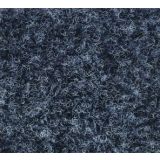 Cushioned Carpet Tile$255.00A cushioned carpet tile is built for one specific situation: rooms where people stand in place for hours rather than passing through. A 3/8 inch closed-cell foam backing gives underfoot, easing pressure on feet and legs, and the dense velour surface adds warmth to the room while it does it.
...
A cushioned carpet tile is built for one specific situation: rooms where people stand in place for hours rather than...
A cushioned carpet tile is built for one specific situation: rooms where people stand in place for hours rather than passing through. A 3/8 inch closed-cell foam backing gives underfoot, easing pressure on feet and legs, and the dense velour surface adds warmth to the room while it does it.
Pharmacies have made it a favorite for exactly that reason. It is the same reason it shows up behind service counters, at reception desks, in interior drive-thru positions, and anywhere a job keeps somebody standing in one spot all shift.
What a Cushion-Backed Tile Does Before Your Floor Turns Into a Patchwork
Watch what happens in a building where staff stand all day on a hard floor. Somebody brings in a mat for behind the counter. Somebody else brings in a different one. Within a year the floor is a collection of mismatched rectangles in various states of curling.
Those mats create problems of their own. Edges lift and become trip hazards. They collect dirt underneath where nobody cleans. They slide out of position. And the floor stops reading as a designed space and starts reading as a workaround.
The underlying complaint is real, though. Standing still on an unyielding surface is harder on the body than walking on one, because the same muscles hold the same position with nothing absorbing the load. That is why people improvise a solution rather than putting up with it.
Building the give into the floor itself removes the whole problem. Commercial carpet tiles with padding put the cushioning under the entire working area, with no edges, no gaps, and nothing to reposition. The floor stays one continuous surface and still gives when somebody stands on it.
Why a Closed-Cell Foam Backing and a Velour Surface, and Why This One
The cushioning comes from a 3/8 inch closed-cell expanded PVC backing bonded to the tile rather than from a separate pad underneath. That is a meaningful distinction. The tile installs as one piece, with nothing to align, nothing to shift under the carpet, and one less material in the assembly to fail.
Closed-cell is the important part of that description. The foam's cells are sealed rather than open, so the backing does not soak up spills or hold moisture the way an open-cell pad would. That matters behind a pharmacy counter or a beverage station more than it does in a corridor.
Cushion density is 14 pounds per cubic foot nominal, which is what makes the foam supportive rather than merely soft. Cushioning that compresses too easily feels unstable underfoot and makes rolling anything across it a chore. This is engineered to absorb pressure through each step and return to shape, not to sink.
The surface is a non-woven dense velour in 100 percent polyester, and it is doing more than looking plush. The density is what makes it resilient, so it recovers from being stood on rather than holding an impression, and it carries a warmth a flat commercial loop does not. In a room people occupy for eight hours, that warmth registers.
The weights tell you how much material is actually here: 28 ounces per square yard of pile against a 359 ounce total weight, at a 0.24 inch pile within a 0.62 inch total height. That total is almost entirely backing, which is the whole point of the product.
Put the two together and you get a floor that performs like a comfort surface but installs and behaves like a commercial tile. Every square still lifts out individually, so a damaged section behind a counter gets replaced without touching the rest of the room.
Where It Belongs, and Where It Is Not the Right Tile
Specify it where people stand rather than where they walk: pharmacy and drugstore dispensing areas, interior drive-thru positions, retail service counters, hospitality front desks, office reception, and the working side of any specialty store counter. Government service windows fall into the same pattern.
It also earns its place in rooms that want acoustic help. Rated at 24 decibels or better for sound insulation, the foam backing absorbs footfall noise instead of transmitting it, which changes how a hard-surfaced room with a lot of glass actually sounds to the people working in it.
Where it is not the right choice is under heavy rolling loads. Carts, pallet trucks, and constant chair-caster traffic all concentrate weight on a small contact patch, and a cushioned backing is the wrong construction to put under that. Those areas want a dense, firm-backed tile instead, and the full range of carpet tiles sorts by exactly that question.
It also does not belong anywhere near a threshold. This carries an interior zone three rating, the deepest interior zone and the one furthest from the door. Entrance duty means scraping grit and holding moisture, which no interior tile is built to do, cushioned or otherwise.
One more exclusion, and it surprises people: this is not recommended over in-floor heating. The same insulation value that makes a foam-backed tile warm underfoot works directly against a system trying to push heat up through the floor. If radiant heat is already in the slab, this is the wrong surface to put on top of it.
Three Things to Check Before You Spec It
First, separate the standing zones from the walking ones. The value here is concentrated where somebody holds a position, so mark those areas on a plan and be honest about how much of the floor genuinely qualifies. A pass-through corridor gains very little from a cushioned backing.
Second, check what rolls. Chairs are the thing people forget. If there are caster chairs in the area, those tiles need to be fully secured rather than loose laid, or the wheels will work them apart. If carts move through regularly, that zone probably wants a different construction entirely.
Third, pick your tile size and confirm your transitions together. This comes as an 18 inch square shipping 10 to a box at 22.5 square feet, or an 18 by 36 inch plank shipping 10 to a box at 45 square feet. At 0.62 inches total height it sits considerably taller than a standard-backed tile, so any junction with another flooring product needs a planned height change rather than a discovered one.
Why Mats Inc.
Comfort flooring gets specified as an afterthought more often than not, usually after somebody complains. We have been working on commercial floors since 1964, and the useful conversation happens before that point: which positions in your building keep people standing, how big those zones actually are, and what is moving across them. Answer those three and this tile either fits obviously or it does not.
Tile sizes 18 in. x 18 in. or 18 in. x 36 in. (±2%) Tiles per box 10, either size Coverage per box 22.5 sq. ft. (18 x 18 in.); 45 sq. ft. (18 x 36 in.) Total height 0.62 in. (±7.5%) Pile height 0.24 in. (±0.5 mm) Colorways Two: Charcoal, Brown Construction Non-woven needle-felt, dense velour pattern Fiber 100% non-woven polyester with coating Primary backing Closed-cell expanded PVC, 3/8 in. foam Cushion density 14 lbs/cu. ft. nominal Pile weight 28 oz/sy (±7.5%) Total weight 359 oz/sy (±7.5%) Underlay Not required — cushioning is integral to the backing Application Indoor; zone 3 Indoor air quality CRI Green Label Plus certified Dimensional stability Pass (EN 986) Sound insulation ≥24 dB (ISO 10140-1:2010) Thermal retention 0.13 m·K/W, pass (ISO 11092) Electrostatic propensity >2 kV (EN 1815) Electrical resistivity Pass at RH ≥40% (IBM / ICL) Radiant panel Class I (ASTM E648) Smoke density Pass (ASTM E662) Surface flammability Pass (FF 1-70 / ASTM D2859) Color fastness Light 5; water 4–5; shampoo 5; rubbing 4–5 dry and wet (ISO 105) LEED-NC MR Credit 4; IEQ Credits 4.1, 4.3, 5 Warranty 1-year limited (Mats Inc.); professional installation required for coverage Frequently Asked Questions
How does a foam backing actually help someone standing all day?
Answered by Dustin Thompson, Owner & CEO
Standing still is harder on the body than moving. When you walk, your weight shifts constantly and different muscles take turns carrying it. Hold one position on a hard floor and the same muscles stay loaded the whole time, with nothing underneath absorbing any of it.
A 3/8 inch cushion at 14 pounds per cubic foot gives slightly under each step and returns, which spreads pressure across the foot instead of concentrating it. That density is the number that matters. Softer foam would feel unstable, firmer foam would not give at all. It is not a medical device and we would not pitch it as one. It is a floor that stops working against the person standing on it.
Will the cushion flatten out over time?
Answered by Dustin Thompson, Owner & CEO
Foot traffic is not what compresses a foam backing. Distributed weight from standing and walking is exactly the load closed-cell expanded PVC is built for, and it recovers between steps rather than accumulating a set. At 359 ounces per square yard, most of what you are laying down is backing material doing that work.
Point loads are the real enemy. A heavy fixture leg, a filing cabinet corner, or a chair caster concentrates weight onto a tiny area and holds it there, and that will leave a permanent impression. Put wide load spreaders under fixed furniture, secure any area with caster chairs, and route carts around rather than across.
Do we need an underlay, and how does it install?
Answered by Dustin Thompson, Owner & CEO
No underlay. The cushioning is part of the backing, so what you lay is the finished assembly, with no pad to cut, align, or worry about shifting underneath. That is the practical advantage over pairing a standard tile with separate padding, where the two layers can move independently and telegraph through.
Installation follows the manufacturer's method: store tiles at 60 to 70 degrees first, work over a flat, dry, clean subfloor with cracks filled and dusty surfaces primed, then snap a center line and work outward so full tiles land in the doorways. Alternate tiles turn 90 degrees into a checker pattern, an arrow on the back marks pile direction, and only tiles from the same batch go down together. Secure one row in five with double-sided tape on large installations, and fully secure anywhere with caster chairs.
What does a velour surface actually look and feel like?
Answered by Jinna Hopson, Vice President of Marketing
Softer and warmer than most people expect from a commercial floor. This is a dense non-woven velour, so the surface is close and even with a slight sheen to it, and it reads as a considered material rather than as workplace carpet. Underfoot it feels smooth rather than textured or ribbed.
It is also resilient, which matters in a standing zone. A less dense surface would hold the impression of someone who stood in the same spot for six hours. This one springs back, so the floor behind a counter does not develop a visible worn patch where the person actually works. It comes in charcoal and brown, both of which carry soil well in a working area.
Would this work in a home?
Answered by Jinna Hopson, Vice President of Marketing
It is one of the better commercial carpet squares for residential use, and the reasons overlap more than you would think. A kitchen you cook in, a laundry room, a hobby bench, a standing desk in a home office. All of those keep you in one spot, and a cushioned floor changes how long you last there comfortably. The closed-cell backing also means a spill does not soak into the padding.
It suits a basement too, where a bare slab underneath is usually the actual complaint. Check the slab for moisture before anything goes down, since that is the most common cause of a failed install below grade, and skip it entirely if the room has in-floor heating. Each square staying individually replaceable is worth as much in a house as in a store.
What sizes does it come in, and can we run it alongside another tile?
Answered by Jinna Hopson, Vice President of Marketing
Two formats: an 18 inch square and an 18 by 36 inch plank, both shipping 10 to a box, at 22.5 square feet for the square and 45 for the plank. The square is easier to fit into an awkward working area behind a counter. The plank covers a long service line with fewer seams. Both come in charcoal and brown.
Running it alongside a firmer tile is the usual approach and a good one. Put the cushioned surface through the standing zones and a standard-backed tile across the walking areas, so you get comfort where it counts without putting foam under a cart route. The one thing to sort out early is the height difference, since at 0.62 inches this is roughly three times the thickness of a typical modular tile and that transition needs a proper detail rather than a butt joint.
By Dustin Thompson, Owner & CEO, Mats Inc.
↑
A cushioned carpet tile is built for one specific situation: rooms where people stand in place for hours rather than passing through. A 3/8 inch closed-cell foam backing gives underfoot, easing pressure on feet and legs, and the dense velour surface adds warmth to the room while it does it.
Pharmacies have made it a favorite for exactly that reason. It is the same reason it shows up behind service counters, at reception desks, in interior drive-thru positions, and anywhere a job keeps somebody standing in one spot all shift.
What a Cushion-Backed Tile Does Before Your Floor Turns Into a Patchwork
Watch what happens in a building where staff stand all day on a hard floor. Somebody brings in a mat for behind the counter. Somebody else brings in a different one. Within a year the floor is a collection of mismatched rectangles in various states of curling.
Those mats create problems of their own. Edges lift and become trip hazards. They collect dirt underneath where nobody cleans. They slide out of position. And the floor stops reading as a designed space and starts reading as a workaround.
The underlying complaint is real, though. Standing still on an unyielding surface is harder on the body than walking on one, because the same muscles hold the same position with nothing absorbing the load. That is why people improvise a solution rather than putting up with it.
Building the give into the floor itself removes the whole problem. Commercial carpet tiles with padding put the cushioning under the entire working area, with no edges, no gaps, and nothing to reposition. The floor stays one continuous surface and still gives when somebody stands on it.
Why a Closed-Cell Foam Backing and a Velour Surface, and Why This One
The cushioning comes from a 3/8 inch closed-cell expanded PVC backing bonded to the tile rather than from a separate pad underneath. That is a meaningful distinction. The tile installs as one piece, with nothing to align, nothing to shift under the carpet, and one less material in the assembly to fail.
Closed-cell is the important part of that description. The foam's cells are sealed rather than open, so the backing does not soak up spills or hold moisture the way an open-cell pad would. That matters behind a pharmacy counter or a beverage station more than it does in a corridor.
Cushion density is 14 pounds per cubic foot nominal, which is what makes the foam supportive rather than merely soft. Cushioning that compresses too easily feels unstable underfoot and makes rolling anything across it a chore. This is engineered to absorb pressure through each step and return to shape, not to sink.
The surface is a non-woven dense velour in 100 percent polyester, and it is doing more than looking plush. The density is what makes it resilient, so it recovers from being stood on rather than holding an impression, and it carries a warmth a flat commercial loop does not. In a room people occupy for eight hours, that warmth registers.
The weights tell you how much material is actually here: 28 ounces per square yard of pile against a 359 ounce total weight, at a 0.24 inch pile within a 0.62 inch total height. That total is almost entirely backing, which is the whole point of the product.
Put the two together and you get a floor that performs like a comfort surface but installs and behaves like a commercial tile. Every square still lifts out individually, so a damaged section behind a counter gets replaced without touching the rest of the room.
Where It Belongs, and Where It Is Not the Right Tile
Specify it where people stand rather than where they walk: pharmacy and drugstore dispensing areas, interior drive-thru positions, retail service counters, hospitality front desks, office reception, and the working side of any specialty store counter. Government service windows fall into the same pattern.
It also earns its place in rooms that want acoustic help. Rated at 24 decibels or better for sound insulation, the foam backing absorbs footfall noise instead of transmitting it, which changes how a hard-surfaced room with a lot of glass actually sounds to the people working in it.
Where it is not the right choice is under heavy rolling loads. Carts, pallet trucks, and constant chair-caster traffic all concentrate weight on a small contact patch, and a cushioned backing is the wrong construction to put under that. Those areas want a dense, firm-backed tile instead, and the full range of carpet tiles sorts by exactly that question.
It also does not belong anywhere near a threshold. This carries an interior zone three rating, the deepest interior zone and the one furthest from the door. Entrance duty means scraping grit and holding moisture, which no interior tile is built to do, cushioned or otherwise.
One more exclusion, and it surprises people: this is not recommended over in-floor heating. The same insulation value that makes a foam-backed tile warm underfoot works directly against a system trying to push heat up through the floor. If radiant heat is already in the slab, this is the wrong surface to put on top of it.
Three Things to Check Before You Spec It
First, separate the standing zones from the walking ones. The value here is concentrated where somebody holds a position, so mark those areas on a plan and be honest about how much of the floor genuinely qualifies. A pass-through corridor gains very little from a cushioned backing.
Second, check what rolls. Chairs are the thing people forget. If there are caster chairs in the area, those tiles need to be fully secured rather than loose laid, or the wheels will work them apart. If carts move through regularly, that zone probably wants a different construction entirely.
Third, pick your tile size and confirm your transitions together. This comes as an 18 inch square shipping 10 to a box at 22.5 square feet, or an 18 by 36 inch plank shipping 10 to a box at 45 square feet. At 0.62 inches total height it sits considerably taller than a standard-backed tile, so any junction with another flooring product needs a planned height change rather than a discovered one.
Why Mats Inc.
Comfort flooring gets specified as an afterthought more often than not, usually after somebody complains. We have been working on commercial floors since 1964, and the useful conversation happens before that point: which positions in your building keep people standing, how big those zones actually are, and what is moving across them. Answer those three and this tile either fits obviously or it does not.
Tile sizes 18 in. x 18 in. or 18 in. x 36 in. (±2%) Tiles per box 10, either size Coverage per box 22.5 sq. ft. (18 x 18 in.); 45 sq. ft. (18 x 36 in.) Total height 0.62 in. (±7.5%) Pile height 0.24 in. (±0.5 mm) Colorways Two: Charcoal, Brown Construction Non-woven needle-felt, dense velour pattern Fiber 100% non-woven polyester with coating Primary backing Closed-cell expanded PVC, 3/8 in. foam Cushion density 14 lbs/cu. ft. nominal Pile weight 28 oz/sy (±7.5%) Total weight 359 oz/sy (±7.5%) Underlay Not required — cushioning is integral to the backing Application Indoor; zone 3 Indoor air quality CRI Green Label Plus certified Dimensional stability Pass (EN 986) Sound insulation ≥24 dB (ISO 10140-1:2010) Thermal retention 0.13 m·K/W, pass (ISO 11092) Electrostatic propensity >2 kV (EN 1815) Electrical resistivity Pass at RH ≥40% (IBM / ICL) Radiant panel Class I (ASTM E648) Smoke density Pass (ASTM E662) Surface flammability Pass (FF 1-70 / ASTM D2859) Color fastness Light 5; water 4–5; shampoo 5; rubbing 4–5 dry and wet (ISO 105) LEED-NC MR Credit 4; IEQ Credits 4.1, 4.3, 5 Warranty 1-year limited (Mats Inc.); professional installation required for coverage Frequently Asked Questions
How does a foam backing actually help someone standing all day?
Answered by Dustin Thompson, Owner & CEO
Standing still is harder on the body than moving. When you walk, your weight shifts constantly and different muscles take turns carrying it. Hold one position on a hard floor and the same muscles stay loaded the whole time, with nothing underneath absorbing any of it.
A 3/8 inch cushion at 14 pounds per cubic foot gives slightly under each step and returns, which spreads pressure across the foot instead of concentrating it. That density is the number that matters. Softer foam would feel unstable, firmer foam would not give at all. It is not a medical device and we would not pitch it as one. It is a floor that stops working against the person standing on it.
Will the cushion flatten out over time?
Answered by Dustin Thompson, Owner & CEO
Foot traffic is not what compresses a foam backing. Distributed weight from standing and walking is exactly the load closed-cell expanded PVC is built for, and it recovers between steps rather than accumulating a set. At 359 ounces per square yard, most of what you are laying down is backing material doing that work.
Point loads are the real enemy. A heavy fixture leg, a filing cabinet corner, or a chair caster concentrates weight onto a tiny area and holds it there, and that will leave a permanent impression. Put wide load spreaders under fixed furniture, secure any area with caster chairs, and route carts around rather than across.
Do we need an underlay, and how does it install?
Answered by Dustin Thompson, Owner & CEO
No underlay. The cushioning is part of the backing, so what you lay is the finished assembly, with no pad to cut, align, or worry about shifting underneath. That is the practical advantage over pairing a standard tile with separate padding, where the two layers can move independently and telegraph through.
Installation follows the manufacturer's method: store tiles at 60 to 70 degrees first, work over a flat, dry, clean subfloor with cracks filled and dusty surfaces primed, then snap a center line and work outward so full tiles land in the doorways. Alternate tiles turn 90 degrees into a checker pattern, an arrow on the back marks pile direction, and only tiles from the same batch go down together. Secure one row in five with double-sided tape on large installations, and fully secure anywhere with caster chairs.
What does a velour surface actually look and feel like?
Answered by Jinna Hopson, Vice President of Marketing
Softer and warmer than most people expect from a commercial floor. This is a dense non-woven velour, so the surface is close and even with a slight sheen to it, and it reads as a considered material rather than as workplace carpet. Underfoot it feels smooth rather than textured or ribbed.
It is also resilient, which matters in a standing zone. A less dense surface would hold the impression of someone who stood in the same spot for six hours. This one springs back, so the floor behind a counter does not develop a visible worn patch where the person actually works. It comes in charcoal and brown, both of which carry soil well in a working area.
Would this work in a home?
Answered by Jinna Hopson, Vice President of Marketing
It is one of the better commercial carpet squares for residential use, and the reasons overlap more than you would think. A kitchen you cook in, a laundry room, a hobby bench, a standing desk in a home office. All of those keep you in one spot, and a cushioned floor changes how long you last there comfortably. The closed-cell backing also means a spill does not soak into the padding.
It suits a basement too, where a bare slab underneath is usually the actual complaint. Check the slab for moisture before anything goes down, since that is the most common cause of a failed install below grade, and skip it entirely if the room has in-floor heating. Each square staying individually replaceable is worth as much in a house as in a store.
What sizes does it come in, and can we run it alongside another tile?
Answered by Jinna Hopson, Vice President of Marketing
Two formats: an 18 inch square and an 18 by 36 inch plank, both shipping 10 to a box, at 22.5 square feet for the square and 45 for the plank. The square is easier to fit into an awkward working area behind a counter. The plank covers a long service line with fewer seams. Both come in charcoal and brown.
Running it alongside a firmer tile is the usual approach and a good one. Put the cushioned surface through the standing zones and a standard-backed tile across the walking areas, so you get comfort where it counts without putting foam under a cart route. The one thing to sort out early is the height difference, since at 0.62 inches this is roughly three times the thickness of a typical modular tile and that transition needs a proper detail rather than a butt joint.
By Dustin Thompson, Owner & CEO, Mats Inc.
↑
View Details
View Details
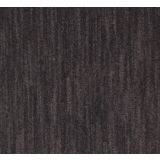 Kensington Carpet Tile$345.00Kensington is a premium commercial carpet tile for spaces that need to look refined and still absorb heavy traffic. It is tufted from 100 percent space-dyed nylon at a 30 ounce pile weight, carrying a designer striae pattern inspired by the banding found in nature. Most floors force a choice
...
Kensington is a premium commercial carpet tile for spaces that need to look refined and still absorb heavy traffic. It...
Kensington is a premium commercial carpet tile for spaces that need to look refined and still absorb heavy traffic. It is tufted from 100 percent space-dyed nylon at a 30 ounce pile weight, carrying a designer striae pattern inspired by the banding found in nature. Most floors force a choice between looking considered and lasting well. This one is built not to.
The part that sets it apart is not the tile itself. Kensington exists as carpet tile, as sheet goods in two widths, and as custom and logo matting, all in the same design family. That means one look can run through an entire building instead of stopping at the edge of each room.
What a Multi-Format Line Does Before Your Building Looks Assembled by Committee
Most commercial buildings end up with three different flooring stories. Tile through the offices, broadloom in the conference rooms or executive areas, and a mat at the front door that was ordered separately, from a different supplier, in whatever colors were available.
Nobody plans it that way. Each decision is reasonable in isolation, and each one is made months apart by different people solving different problems. The result is a building where the floor changes character every time you walk through a doorway.
Entrances take the worst of it. The mat at the door is the first flooring anybody sees, and it is almost always the piece that matches nothing. It reads as equipment rather than as part of the space, which undercuts whatever the lobby was designed to convey.
A line that spans tile, sheet and matting closes those gaps. The offices, the seamless areas and the entry all draw from the same design family, so the building reads as one continuous decision rather than a sequence of unrelated ones.
Why a Premium Multi-Format Line, and Why This One
Refined and hard-wearing usually pull in opposite directions. Surfaces that look considered tend to be finer and mat down faster; surfaces that shrug off traffic tend to look industrial. What buys you both is fiber and density, and that is where this tile spends its construction.
The fiber is 100 percent space-dyed PA6 nylon rather than the polyester used in most stock commercial tile. Nylon recovers from compression better, which is what keeps a pile standing in a corridor after a few years of the same footfall. Space dyeing puts tonal variation into the yarn itself, which is where the depth in the striae pattern comes from.
The weights back that up. Pile weight is 30 ounces per square yard against a 150 ounce total weight, at a total height of 0.375 inches over a 0.275 inch pile. That is a substantially denser build than a general-purpose tile, and density is the specification that decides whether a floor still looks maintained in year six.
The three formats each solve a different problem. Modular tile gives you replaceability, so a damaged square in a corridor lifts out on its own. Sheet goods, at 6 feet 7 inches or 13 feet 2 inches wide, give you an unbroken surface where seams would distract. Custom matting puts the same design at the door.
Specifying across all three from one family also removes a coordination problem that otherwise never fully resolves. Matching color and character across separate manufacturers is guesswork under real lighting, and it is the reason so many buildings end up with a floor that nearly matches.
Where It Belongs, and Where It Is Not the Right Tile
The natural fit is anywhere appearance carries weight and traffic is real: corporate offices, hotel and hospitality interiors, conference rooms, airports, libraries, retail and specialty store floors, government buildings, educational interiors, pharmacies and drugstores. Anywhere the floor is part of how the space presents itself.
It works particularly well on projects covering a whole building rather than a single room. If you are specifying a lobby, corridors, offices and an entrance in one pass, the multi-format range is doing work that a tile-only product cannot.
Where it is not the answer is a purely functional space. A stockroom, a back corridor or a utility area does not need premium construction, and that density is better placed on the floors people see. The full range of carpet tiles is organized around matching the grade to the zone.
Two constraints are worth knowing before you commit. This is an indoor-only product, rated for zones two and three rather than the exposed threshold itself. And it is not recommended over in-floor heating, because the insulation value of the tile works against the system underneath.
Three Things to Check Before You Spec It
First, work out your formats before your colors. Walk the building and decide which areas want replaceable tile, which want seamless sheet, and whether the entrance should carry artwork. Getting that map settled first is what makes a single specification cover the whole project.
Second, plan for a quarter-turn layout, because the manufacturer specifies it. Alternate tiles are turned 90 degrees to produce a checker pattern, and an arrow on the back of each tile marks pile direction. On a striae design that quarter turn is not a formality — crossing the banding is what produces the movement the pattern is designed for.
Third, sort quantities and attic stock together. Tiles run 19.69 inches square and ship 20 to a box covering 54.18 square feet, so take the area, add for perimeter cuts, then add five to ten percent ordered in the same run and stored flat and dry. Only tiles from the same batch number should be laid together.
Why Mats Inc.
Buildings rarely get specified all at once, which is how floors end up mismatched — the lobby happens in one budget year and the entrance mat in another. We have been working commercial floors since 1964, and with a line that spans tile, sheet and matting the useful move is to plan all three now even if you install them in stages. Tell us the building and we will map it out so the pieces still agree in two years.
Tile size 19.69 in. x 19.69 in. (±2%) Tiles per box 20 Coverage per box 54.18 sq. ft. Total height 0.375 in. (±7.5%) Pile height 0.275 in. (±0.5 mm) Colorways Five: Dark Grey, Charcoal Black, Navy Blue, Taupe, Red Also available as Sheet/roll goods in 6 ft. 7 in. or 13 ft. 2 in. width; custom and logo matting Manufacturing process Tufted Surface aspect Designer striae pattern Fiber 100% space-dyed PA6 nylon Primary backing Premium eco bitumen Pile weight 30 oz/sy (±7.5%) Total weight 150 oz/sy (±7.5%) Application Indoor only; zones 2–3 Indoor air quality Green Label Plus certified Dimensional stability Pass (ASTM D7570-09) Sound insulation ≥24 dB (ISO 10140-1:2010) Thermal retention 0.13 m·K/W, pass (ISO 11092) Electrostatic propensity >2 kV (EN 1815) Electrical resistivity Pass at RH ≥40% (IBM / ICL) Radiant panel Class 1 (ASTM E648 / DIN 4102) Smoke density Pass (ASTM E662) Surface flammability Pass (FF 1-70 / ASTM D2859) Color fastness Light 5; water 5; shampoo 4–5; rubbing 4 dry, 3–4 wet (ISO 105) LEED-NC MR Credit 4; IEQ Credits 4.1, 4.3, 5 Warranty 1-year limited (Mats Inc.); professional installation required for coverage Frequently Asked Questions
How can one tile be both refined-looking and heavy-traffic rated?
Answered by Dustin Thompson, Owner & CEO
The two are not opposed, but hitting both takes a heavier build. This one is tufted from 100 percent space-dyed PA6 nylon at 30 ounces per square yard of pile weight, with a 150 ounce total weight and a 0.275 inch pile. Nylon recovers from compression better than the polyester used in most stock commercial tile, which is what keeps a corridor from developing visible lanes.
The looks come from the same place. Space dyeing puts tonal variation into the yarn before it is tufted, so the striae banding has depth in it rather than being printed on. Cheaper tiles pick a side: toughness from a coarse flat surface that reads utilitarian, or looks from a finer surface that crushes in the traffic. Send us your traffic levels and we will confirm the figures against your spec.
How long should a premium tile like this last?
Answered by Dustin Thompson, Owner & CEO
Commercial carpet tile generally plans out at ten to fifteen years in offices and moderate-use rooms and seven to ten on busier retail and hospitality floors, with the hardest-worked lanes turning over sooner than the field around them. A 30 ounce nylon construction tends to land at the top of whichever band applies rather than shifting the band.
The variable that moves those numbers most is what reaches the floor from outside, which is worth remembering when you are specifying the entrance from the same line. Kensington carries a 1-year limited warranty from Mats Inc., and warranty coverage on this line depends on professional installation — worth building into the plan rather than treating as optional.
How do we handle layout and ordering across the different formats?
Answered by Dustin Thompson, Owner & CEO
Order everything in one go if the schedule allows. Tile, sheet and matting produced in the same run will agree on shade in a way that staged orders cannot guarantee, and only tiles carrying the same batch number should be laid together. If the project has to phase, tell us up front so we can plan around it.
For the tile portion the method is specified rather than optional. Tiles are laid with alternate squares turned 90 degrees to a checker pattern, working outward from a center line so full tiles land in doorways, over a flat, dry, clean subfloor with cracks filled and dusty areas primed. On large installations one row in five gets secured with double-sided tape, and tiles under caster chairs are fully secured. Where tile meets sheet goods, plan the transition height in advance.
When should we use tile versus sheet goods?
Answered by Jinna Hopson, Vice President of Marketing
Tile wherever things get spilled, dragged or worn unevenly — corridors, open offices, retail floors, anywhere a single damaged square would otherwise mean living with a patch. Replaceability is worth a great deal in a working space, and each box covers 54.18 square feet so quantities are easy to plan around.
Sheet goods where the eye should travel uninterrupted. Boardrooms, executive floors, hotel suites and smaller formal rooms all benefit from a surface with no grid in it, in either a 6 foot 7 inch or 13 foot 2 inch width. Those are also the rooms where the acoustic figure earns attention: this construction is rated at 24 decibels or better for sound insulation, which matters more in a quiet room than a busy one.
What colors does the range come in?
Answered by Jinna Hopson, Vice President of Marketing
Five colorways: Dark Grey, Charcoal Black, Navy Blue, Taupe and Red. That is a wider palette than most premium commercial ranges offer, and the two saturated options matter — Navy and Red let a floor carry brand color without going to a custom dye run, which is rare in a stock program.
The same design family runs across all three formats, so a color decision made once holds across the whole project. That consistency is worth more than the specific shade in most cases. Choosing a floor tone that agrees with your walls, furniture and branding is straightforward when you choose once. It gets difficult when the entrance mat comes from a different supplier's color card six months later.
Can we put our logo or branding into the entrance?
Answered by Jinna Hopson, Vice President of Marketing
Yes, and this is the part of the line most people overlook. Custom and logo matting comes from the same family as the tile, so an entrance carrying your artwork sits in the same design language as the floor behind it rather than reading as a separate item.
The entrance is the highest-value place in a building to put branding, because it is the one piece of flooring everyone looks directly at. Doing it within the same line means it also does its actual job — catching what comes in off the street — without looking like equipment parked in your lobby. Send us your artwork and the door dimensions and we will work it through.
By Jinna Hopson, Vice President of Marketing, Mats Inc.
↑
Kensington is a premium commercial carpet tile for spaces that need to look refined and still absorb heavy traffic. It is tufted from 100 percent space-dyed nylon at a 30 ounce pile weight, carrying a designer striae pattern inspired by the banding found in nature. Most floors force a choice between looking considered and lasting well. This one is built not to.
The part that sets it apart is not the tile itself. Kensington exists as carpet tile, as sheet goods in two widths, and as custom and logo matting, all in the same design family. That means one look can run through an entire building instead of stopping at the edge of each room.
What a Multi-Format Line Does Before Your Building Looks Assembled by Committee
Most commercial buildings end up with three different flooring stories. Tile through the offices, broadloom in the conference rooms or executive areas, and a mat at the front door that was ordered separately, from a different supplier, in whatever colors were available.
Nobody plans it that way. Each decision is reasonable in isolation, and each one is made months apart by different people solving different problems. The result is a building where the floor changes character every time you walk through a doorway.
Entrances take the worst of it. The mat at the door is the first flooring anybody sees, and it is almost always the piece that matches nothing. It reads as equipment rather than as part of the space, which undercuts whatever the lobby was designed to convey.
A line that spans tile, sheet and matting closes those gaps. The offices, the seamless areas and the entry all draw from the same design family, so the building reads as one continuous decision rather than a sequence of unrelated ones.
Why a Premium Multi-Format Line, and Why This One
Refined and hard-wearing usually pull in opposite directions. Surfaces that look considered tend to be finer and mat down faster; surfaces that shrug off traffic tend to look industrial. What buys you both is fiber and density, and that is where this tile spends its construction.
The fiber is 100 percent space-dyed PA6 nylon rather than the polyester used in most stock commercial tile. Nylon recovers from compression better, which is what keeps a pile standing in a corridor after a few years of the same footfall. Space dyeing puts tonal variation into the yarn itself, which is where the depth in the striae pattern comes from.
The weights back that up. Pile weight is 30 ounces per square yard against a 150 ounce total weight, at a total height of 0.375 inches over a 0.275 inch pile. That is a substantially denser build than a general-purpose tile, and density is the specification that decides whether a floor still looks maintained in year six.
The three formats each solve a different problem. Modular tile gives you replaceability, so a damaged square in a corridor lifts out on its own. Sheet goods, at 6 feet 7 inches or 13 feet 2 inches wide, give you an unbroken surface where seams would distract. Custom matting puts the same design at the door.
Specifying across all three from one family also removes a coordination problem that otherwise never fully resolves. Matching color and character across separate manufacturers is guesswork under real lighting, and it is the reason so many buildings end up with a floor that nearly matches.
Where It Belongs, and Where It Is Not the Right Tile
The natural fit is anywhere appearance carries weight and traffic is real: corporate offices, hotel and hospitality interiors, conference rooms, airports, libraries, retail and specialty store floors, government buildings, educational interiors, pharmacies and drugstores. Anywhere the floor is part of how the space presents itself.
It works particularly well on projects covering a whole building rather than a single room. If you are specifying a lobby, corridors, offices and an entrance in one pass, the multi-format range is doing work that a tile-only product cannot.
Where it is not the answer is a purely functional space. A stockroom, a back corridor or a utility area does not need premium construction, and that density is better placed on the floors people see. The full range of carpet tiles is organized around matching the grade to the zone.
Two constraints are worth knowing before you commit. This is an indoor-only product, rated for zones two and three rather than the exposed threshold itself. And it is not recommended over in-floor heating, because the insulation value of the tile works against the system underneath.
Three Things to Check Before You Spec It
First, work out your formats before your colors. Walk the building and decide which areas want replaceable tile, which want seamless sheet, and whether the entrance should carry artwork. Getting that map settled first is what makes a single specification cover the whole project.
Second, plan for a quarter-turn layout, because the manufacturer specifies it. Alternate tiles are turned 90 degrees to produce a checker pattern, and an arrow on the back of each tile marks pile direction. On a striae design that quarter turn is not a formality — crossing the banding is what produces the movement the pattern is designed for.
Third, sort quantities and attic stock together. Tiles run 19.69 inches square and ship 20 to a box covering 54.18 square feet, so take the area, add for perimeter cuts, then add five to ten percent ordered in the same run and stored flat and dry. Only tiles from the same batch number should be laid together.
Why Mats Inc.
Buildings rarely get specified all at once, which is how floors end up mismatched — the lobby happens in one budget year and the entrance mat in another. We have been working commercial floors since 1964, and with a line that spans tile, sheet and matting the useful move is to plan all three now even if you install them in stages. Tell us the building and we will map it out so the pieces still agree in two years.
Tile size 19.69 in. x 19.69 in. (±2%) Tiles per box 20 Coverage per box 54.18 sq. ft. Total height 0.375 in. (±7.5%) Pile height 0.275 in. (±0.5 mm) Colorways Five: Dark Grey, Charcoal Black, Navy Blue, Taupe, Red Also available as Sheet/roll goods in 6 ft. 7 in. or 13 ft. 2 in. width; custom and logo matting Manufacturing process Tufted Surface aspect Designer striae pattern Fiber 100% space-dyed PA6 nylon Primary backing Premium eco bitumen Pile weight 30 oz/sy (±7.5%) Total weight 150 oz/sy (±7.5%) Application Indoor only; zones 2–3 Indoor air quality Green Label Plus certified Dimensional stability Pass (ASTM D7570-09) Sound insulation ≥24 dB (ISO 10140-1:2010) Thermal retention 0.13 m·K/W, pass (ISO 11092) Electrostatic propensity >2 kV (EN 1815) Electrical resistivity Pass at RH ≥40% (IBM / ICL) Radiant panel Class 1 (ASTM E648 / DIN 4102) Smoke density Pass (ASTM E662) Surface flammability Pass (FF 1-70 / ASTM D2859) Color fastness Light 5; water 5; shampoo 4–5; rubbing 4 dry, 3–4 wet (ISO 105) LEED-NC MR Credit 4; IEQ Credits 4.1, 4.3, 5 Warranty 1-year limited (Mats Inc.); professional installation required for coverage Frequently Asked Questions
How can one tile be both refined-looking and heavy-traffic rated?
Answered by Dustin Thompson, Owner & CEO
The two are not opposed, but hitting both takes a heavier build. This one is tufted from 100 percent space-dyed PA6 nylon at 30 ounces per square yard of pile weight, with a 150 ounce total weight and a 0.275 inch pile. Nylon recovers from compression better than the polyester used in most stock commercial tile, which is what keeps a corridor from developing visible lanes.
The looks come from the same place. Space dyeing puts tonal variation into the yarn before it is tufted, so the striae banding has depth in it rather than being printed on. Cheaper tiles pick a side: toughness from a coarse flat surface that reads utilitarian, or looks from a finer surface that crushes in the traffic. Send us your traffic levels and we will confirm the figures against your spec.
How long should a premium tile like this last?
Answered by Dustin Thompson, Owner & CEO
Commercial carpet tile generally plans out at ten to fifteen years in offices and moderate-use rooms and seven to ten on busier retail and hospitality floors, with the hardest-worked lanes turning over sooner than the field around them. A 30 ounce nylon construction tends to land at the top of whichever band applies rather than shifting the band.
The variable that moves those numbers most is what reaches the floor from outside, which is worth remembering when you are specifying the entrance from the same line. Kensington carries a 1-year limited warranty from Mats Inc., and warranty coverage on this line depends on professional installation — worth building into the plan rather than treating as optional.
How do we handle layout and ordering across the different formats?
Answered by Dustin Thompson, Owner & CEO
Order everything in one go if the schedule allows. Tile, sheet and matting produced in the same run will agree on shade in a way that staged orders cannot guarantee, and only tiles carrying the same batch number should be laid together. If the project has to phase, tell us up front so we can plan around it.
For the tile portion the method is specified rather than optional. Tiles are laid with alternate squares turned 90 degrees to a checker pattern, working outward from a center line so full tiles land in doorways, over a flat, dry, clean subfloor with cracks filled and dusty areas primed. On large installations one row in five gets secured with double-sided tape, and tiles under caster chairs are fully secured. Where tile meets sheet goods, plan the transition height in advance.
When should we use tile versus sheet goods?
Answered by Jinna Hopson, Vice President of Marketing
Tile wherever things get spilled, dragged or worn unevenly — corridors, open offices, retail floors, anywhere a single damaged square would otherwise mean living with a patch. Replaceability is worth a great deal in a working space, and each box covers 54.18 square feet so quantities are easy to plan around.
Sheet goods where the eye should travel uninterrupted. Boardrooms, executive floors, hotel suites and smaller formal rooms all benefit from a surface with no grid in it, in either a 6 foot 7 inch or 13 foot 2 inch width. Those are also the rooms where the acoustic figure earns attention: this construction is rated at 24 decibels or better for sound insulation, which matters more in a quiet room than a busy one.
What colors does the range come in?
Answered by Jinna Hopson, Vice President of Marketing
Five colorways: Dark Grey, Charcoal Black, Navy Blue, Taupe and Red. That is a wider palette than most premium commercial ranges offer, and the two saturated options matter — Navy and Red let a floor carry brand color without going to a custom dye run, which is rare in a stock program.
The same design family runs across all three formats, so a color decision made once holds across the whole project. That consistency is worth more than the specific shade in most cases. Choosing a floor tone that agrees with your walls, furniture and branding is straightforward when you choose once. It gets difficult when the entrance mat comes from a different supplier's color card six months later.
Can we put our logo or branding into the entrance?
Answered by Jinna Hopson, Vice President of Marketing
Yes, and this is the part of the line most people overlook. Custom and logo matting comes from the same family as the tile, so an entrance carrying your artwork sits in the same design language as the floor behind it rather than reading as a separate item.
The entrance is the highest-value place in a building to put branding, because it is the one piece of flooring everyone looks directly at. Doing it within the same line means it also does its actual job — catching what comes in off the street — without looking like equipment parked in your lobby. Send us your artwork and the door dimensions and we will work it through.
By Jinna Hopson, Vice President of Marketing, Mats Inc.
↑
View Details
View Details
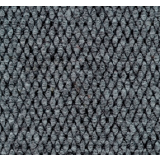 Berber Carpet Tile$205.00Berber Carpet Tile is a dense, needlepunched tile built for the areas most carpet gives up on — entryways, wet zones and floors that carry traffic all day. It is a 54 ounce all-weather construction in solution-dyed polypropylene, and it comes in 21 colors, so a tile chosen for how
...
Berber Carpet Tile is a dense, needlepunched tile built for the areas most carpet gives up on — entryways, wet...
Berber Carpet Tile is a dense, needlepunched tile built for the areas most carpet gives up on — entryways, wet zones and floors that carry traffic all day. It is a 54 ounce all-weather construction in solution-dyed polypropylene, and it comes in 21 colors, so a tile chosen for how it performs does not have to look like a utility product.
It is also unusually flexible about where it goes. The same tile works at a college entrance, down an office corridor and across a retail floor, which is rarer than it sounds in a category where most products are built for one job.
What a Wet-Area Tile Does Before the Damp Zone Behind Your Door Gives Out
Most buildings plan for moisture at exactly one point: the door. An entrance mat goes down, and everything past it gets treated as dry floor. On a rainy Tuesday that assumption falls apart within about twenty feet.
Water travels further than people expect. Umbrellas drip, coats drip, and shoes stay damp well past whatever walk-off surface they crossed. The zone just beyond the entrance stays wet for hours in bad weather, and it is usually specified as though it never gets damp at all.
Carpet that stays damp does not simply dry and carry on. Persistent moisture keeps the surface matted, holds soil in place rather than letting it release, and works its way into the structure where it eventually causes odor and adhesion problems.
Specifying an all-weather tile through that transitional zone closes the gap. You get a surface that handles being wet as a normal condition rather than an emergency, and the dry interior floor beyond it stops absorbing damage it was never built for.
Why a Needlepunched Berber Construction, and Why This One
This is not a tufted carpet. The fibers are mechanically entangled into a dense non-woven fabric rather than stitched into a backing as loops, and the berber look comes from a hobnail surface pattern pressed into that fabric. It is closer in construction to a commercial entrance textile than to an office carpet.
That distinction is the whole reason it survives a wet doorway. There is no tufted yarn to be pulled, so nothing can snag and run. A caster wheel, a dragged table leg or a dolly crossing the floor meets a continuous fabric rather than individual loops sitting proud of a backing.
The fiber does the moisture work. It is 100 percent solution-dyed polypropylene, which absorbs almost no water — moisture sits at the surface and releases rather than wicking into the structure. Solution dyeing puts the color into the fiber itself, and the fiber is UV stabilized, so a floor in direct sun through entrance glazing holds its color instead of fading along the bright edge.
The weights are what separate this from a general-purpose tile. Pile weight is 54 ounces per square yard against a 169 ounce total, at a 0.25 inch pile within a 0.47 inch total height. That is a low, extremely dense surface rather than a tall soft one, which is exactly what you want where wet shoes land and where wheels cross.
Color is where it stops behaving like a durability product. Twenty-one colors are stocked, spanning warm neutrals like coir, natural beige, taupe and sterling, deeper tones in chocolate, walnut, teak and black shadow, and genuine saturated options — cardinal red, garnet, azure, midnight blue, verde and hunter green, loden, rosewood and autumn.
Where It Belongs, and Where It Is Not the Right Tile
Put it in the transitional zones first. The stretch of floor between an entrance mat and the dry interior, vestibule floors, corridors that lead in from exterior doors, and any area where wet weather regularly reaches the carpet. That is where the specification pays for itself.
Beyond that it is genuinely versatile. Office environments, airports, conference rooms, lobbies, libraries, retail and department stores, resorts, restaurant entryways and spas all use it as a general-purpose floor, not only in the wet spots. The same material is also the most widely used logo mat substrate in the range, which is why an entrance mat and the floor behind it can match exactly.
What it does not do is scrape. Pulling grit off a shoe and holding standing water in a recessed border are jobs for a rubber scraper grid or a drainage system, and no textile does them. Think of this as the resilient floor working immediately behind that hardware, which is how the full range of carpet tiles is organized.
Two constraints are worth settling early. It is an indoor product rated for zones two and three, not the exposed threshold itself. And it is not recommended over in-floor heating, because the insulation value of the tile works against the system underneath.
Three Things to Check Before You Spec It
First, trace where wet weather actually reaches. Walk the building on a rainy day rather than estimating from a plan. The damp zone is almost always larger than people assume, and knowing its real extent tells you how far this tile should run before a standard interior tile takes over.
Second, check your transitions and confirm the flame rating against your specification. At 0.47 inches total height this sits taller than most interior tile, so any threshold where it meets a thinner floor needs a transition planned rather than improvised. The radiant panel rating is Class II, so if your project calls for Class I in corridors or exit paths, confirm that before you commit.
Third, plan the layout and the quantities together. Tiles run 19.69 inches square and ship 12 to a box covering 32.5 square feet. Alternate tiles are turned 90 degrees to a checker pattern with an arrow on the back marking pile direction, so order five to ten percent above coverage in the same run, store it flat and dry, and lay only tiles carrying the same batch number.
Why Mats Inc.
Moisture is the failure nobody specifies for, because the floor looks fine the day it goes in and the problem only shows up in bad weather eight months later. We have been putting floors into commercial buildings since 1964, and on this product the question we ask is where your doors are and how far the wet gets past them. Tell us that and the boundary between this tile and your interior floor draws itself.
Tile size 19.69 in. x 19.69 in. (±2%) Tiles per box 12 Coverage per box 32.5 sq. ft. Total height 0.47 in. (±7.5%) Pile height 0.25 in. (±0.5 mm) Colorways 21: Cardinal Red, Garnet, Coir/Natural, Natural Beige, Loden, Taupe, Azure, Steel Blue, Midnight Blue, Prism, Verde Green, Hunter Green, Zinc, Autumn, Rosewood, Chocolate, Walnut, Teak, Sterling, Black Shadow, Gris/Charcoal Manufacturing process Non-woven, needlepunched Surface aspect Hobnail (berber) pattern Fiber 100% solution-dyed, UV-stabilized polypropylene Backing Premium eco bitumen Pile weight 54 oz/sy (±7.5%) Total weight 169 oz/sy (±7.5%) Application Indoor only; zones 2–3 Indoor air quality CRI Green Label Plus certified Dimensional stability Pass (EN 986) Sound insulation ≥24 dB (ISO 10140-1:2010) Thermal retention 0.13 m·K/W, pass (ISO 11092) Electrostatic propensity >2 kV (EN 1815) Electrical resistivity Pass at RH ≥40% (IBM / ICL) Radiant panel Class II (ASTM E648) Smoke density Pass (ASTM E662) Surface flammability Pass (FF 1-70 / ASTM D2859) Color fastness Light 5; water 5; shampoo 5; rubbing 4 dry, 3–4 wet (ISO 105) LEED-NC MR Credit 4; IEQ Credits 4.1, 4.3, 5 Warranty 1-year limited (Mats Inc.); professional installation required for coverage Frequently Asked Questions
What makes Berber different from other commercial carpet tiles?
Answered by Dustin Thompson, Owner & CEO
It is made a different way. Most commercial tile is tufted, with yarn stitched through a backing and left as loops or sheared into a cut pile. This one is needlepunched — the fibers are mechanically entangled into a single dense fabric, and the berber look comes from a hobnail pattern pressed into that surface rather than from individual loops.
The practical difference shows up under abuse. There is no tufted yarn to catch, so nothing can be pulled or run, which matters where dollies, casters and dragged furniture cross the floor daily. At 54 ounces of pile weight it is also a considerably denser build than a general-purpose office tile, and the textured surface scatters light so footprints and tracked soil break up across the pattern.
How does it handle areas that get wet?
Answered by Dustin Thompson, Owner & CEO
The fiber is the answer. It is 100 percent polypropylene, which absorbs almost no water, so moisture stays at the surface and releases rather than wicking down into the structure and sitting there. That is what the all-weather description refers to, and it is the reason this holds up in a vestibule that gets soaked every time it rains.
It is worth being clear about the limits. This is a moisture-tolerant floor covering, not a drainage product and not an outdoor surface — it is rated for indoor use. Standing water or a permanently saturated area needs a drainage construction with somewhere for the water to actually go.
How long does it last, and how much should we order?
Answered by Dustin Thompson, Owner & CEO
Commercial carpet tile plans out at ten to fifteen years in light-use rooms and seven to ten across busier floors, with entrance-adjacent zones turning over faster than anything else in a building. A 54 ounce needlepunched construction is one of the better builds for reaching the top of whichever band applies.
Boxes hold 12 tiles and cover 32.5 square feet, so take your area, add for perimeter cuts, then add five to ten percent as attic stock ordered in the same run and stored flat and dry. In a wet zone that reserve matters more than usual, since those tiles are the most likely to need replacing individually. Berber Carpet Tile carries a 1-year limited warranty from Mats Inc., and warranty coverage on this line depends on professional installation.
What colors are available?
Answered by Jinna Hopson, Vice President of Marketing
Twenty-one, which is a remarkable range for a tile chosen mainly on performance. The neutrals run from coir and natural beige through taupe, sterling, zinc and gris to black shadow. The warm tones cover chocolate, walnut, teak, rosewood and autumn. And there are real colors in here too — cardinal red, garnet, azure, steel blue, midnight blue, loden, verde and hunter green.
My advice is to view samples in the actual light of the space and, if it is going into a damp zone, to look at one wet as well as dry. Carpet darkens noticeably when damp, and a mid-tone absorbs that shift far more gracefully than a pale color does. Because the same material is the standard logo mat substrate, an entrance mat can be matched to the floor exactly rather than approximately.
Can we use it across a whole building or only in the wet areas?
Answered by Jinna Hopson, Vice President of Marketing
Across the whole building, and plenty of people do exactly that. Its flexibility is the selling point — the same tile works at a college entry, down an administrative corridor and out across an open office, so you are not managing three products and three color decisions on one project.
Whether you should depends on how much of the floor genuinely needs it. A firm, dense surface is the right call where traffic and weather reach, and a quieter zone may be better served by a softer interior tile. One thing to confirm first: the radiant panel rating here is Class II, so if your corridors or exit paths are specified for Class I, that will shape where this can run.
Does it work in a home?
Answered by Jinna Hopson, Vice President of Marketing
It suits the rooms in a house that behave most like commercial spaces. A mudroom, a back entry, a basement stair landing, a laundry room — all places where wet shoes and heavy use arrive together, and where residential carpet tends to look tired quickly. The fact that nothing can snag makes it a reasonable choice around pets, too.
The thing to weigh is comfort. This is a firm, low, dense surface rather than a plush one, and at 0.47 inches total height it sits taller than most residential flooring, so any doorway where it meets an existing floor will need a transition. A bedroom wanting softness underfoot points toward a cushion-backed tile instead.
By Dustin Thompson, Owner & CEO, Mats Inc.
↑
Berber Carpet Tile is a dense, needlepunched tile built for the areas most carpet gives up on — entryways, wet zones and floors that carry traffic all day. It is a 54 ounce all-weather construction in solution-dyed polypropylene, and it comes in 21 colors, so a tile chosen for how it performs does not have to look like a utility product.
It is also unusually flexible about where it goes. The same tile works at a college entrance, down an office corridor and across a retail floor, which is rarer than it sounds in a category where most products are built for one job.
What a Wet-Area Tile Does Before the Damp Zone Behind Your Door Gives Out
Most buildings plan for moisture at exactly one point: the door. An entrance mat goes down, and everything past it gets treated as dry floor. On a rainy Tuesday that assumption falls apart within about twenty feet.
Water travels further than people expect. Umbrellas drip, coats drip, and shoes stay damp well past whatever walk-off surface they crossed. The zone just beyond the entrance stays wet for hours in bad weather, and it is usually specified as though it never gets damp at all.
Carpet that stays damp does not simply dry and carry on. Persistent moisture keeps the surface matted, holds soil in place rather than letting it release, and works its way into the structure where it eventually causes odor and adhesion problems.
Specifying an all-weather tile through that transitional zone closes the gap. You get a surface that handles being wet as a normal condition rather than an emergency, and the dry interior floor beyond it stops absorbing damage it was never built for.
Why a Needlepunched Berber Construction, and Why This One
This is not a tufted carpet. The fibers are mechanically entangled into a dense non-woven fabric rather than stitched into a backing as loops, and the berber look comes from a hobnail surface pattern pressed into that fabric. It is closer in construction to a commercial entrance textile than to an office carpet.
That distinction is the whole reason it survives a wet doorway. There is no tufted yarn to be pulled, so nothing can snag and run. A caster wheel, a dragged table leg or a dolly crossing the floor meets a continuous fabric rather than individual loops sitting proud of a backing.
The fiber does the moisture work. It is 100 percent solution-dyed polypropylene, which absorbs almost no water — moisture sits at the surface and releases rather than wicking into the structure. Solution dyeing puts the color into the fiber itself, and the fiber is UV stabilized, so a floor in direct sun through entrance glazing holds its color instead of fading along the bright edge.
The weights are what separate this from a general-purpose tile. Pile weight is 54 ounces per square yard against a 169 ounce total, at a 0.25 inch pile within a 0.47 inch total height. That is a low, extremely dense surface rather than a tall soft one, which is exactly what you want where wet shoes land and where wheels cross.
Color is where it stops behaving like a durability product. Twenty-one colors are stocked, spanning warm neutrals like coir, natural beige, taupe and sterling, deeper tones in chocolate, walnut, teak and black shadow, and genuine saturated options — cardinal red, garnet, azure, midnight blue, verde and hunter green, loden, rosewood and autumn.
Where It Belongs, and Where It Is Not the Right Tile
Put it in the transitional zones first. The stretch of floor between an entrance mat and the dry interior, vestibule floors, corridors that lead in from exterior doors, and any area where wet weather regularly reaches the carpet. That is where the specification pays for itself.
Beyond that it is genuinely versatile. Office environments, airports, conference rooms, lobbies, libraries, retail and department stores, resorts, restaurant entryways and spas all use it as a general-purpose floor, not only in the wet spots. The same material is also the most widely used logo mat substrate in the range, which is why an entrance mat and the floor behind it can match exactly.
What it does not do is scrape. Pulling grit off a shoe and holding standing water in a recessed border are jobs for a rubber scraper grid or a drainage system, and no textile does them. Think of this as the resilient floor working immediately behind that hardware, which is how the full range of carpet tiles is organized.
Two constraints are worth settling early. It is an indoor product rated for zones two and three, not the exposed threshold itself. And it is not recommended over in-floor heating, because the insulation value of the tile works against the system underneath.
Three Things to Check Before You Spec It
First, trace where wet weather actually reaches. Walk the building on a rainy day rather than estimating from a plan. The damp zone is almost always larger than people assume, and knowing its real extent tells you how far this tile should run before a standard interior tile takes over.
Second, check your transitions and confirm the flame rating against your specification. At 0.47 inches total height this sits taller than most interior tile, so any threshold where it meets a thinner floor needs a transition planned rather than improvised. The radiant panel rating is Class II, so if your project calls for Class I in corridors or exit paths, confirm that before you commit.
Third, plan the layout and the quantities together. Tiles run 19.69 inches square and ship 12 to a box covering 32.5 square feet. Alternate tiles are turned 90 degrees to a checker pattern with an arrow on the back marking pile direction, so order five to ten percent above coverage in the same run, store it flat and dry, and lay only tiles carrying the same batch number.
Why Mats Inc.
Moisture is the failure nobody specifies for, because the floor looks fine the day it goes in and the problem only shows up in bad weather eight months later. We have been putting floors into commercial buildings since 1964, and on this product the question we ask is where your doors are and how far the wet gets past them. Tell us that and the boundary between this tile and your interior floor draws itself.
Tile size 19.69 in. x 19.69 in. (±2%) Tiles per box 12 Coverage per box 32.5 sq. ft. Total height 0.47 in. (±7.5%) Pile height 0.25 in. (±0.5 mm) Colorways 21: Cardinal Red, Garnet, Coir/Natural, Natural Beige, Loden, Taupe, Azure, Steel Blue, Midnight Blue, Prism, Verde Green, Hunter Green, Zinc, Autumn, Rosewood, Chocolate, Walnut, Teak, Sterling, Black Shadow, Gris/Charcoal Manufacturing process Non-woven, needlepunched Surface aspect Hobnail (berber) pattern Fiber 100% solution-dyed, UV-stabilized polypropylene Backing Premium eco bitumen Pile weight 54 oz/sy (±7.5%) Total weight 169 oz/sy (±7.5%) Application Indoor only; zones 2–3 Indoor air quality CRI Green Label Plus certified Dimensional stability Pass (EN 986) Sound insulation ≥24 dB (ISO 10140-1:2010) Thermal retention 0.13 m·K/W, pass (ISO 11092) Electrostatic propensity >2 kV (EN 1815) Electrical resistivity Pass at RH ≥40% (IBM / ICL) Radiant panel Class II (ASTM E648) Smoke density Pass (ASTM E662) Surface flammability Pass (FF 1-70 / ASTM D2859) Color fastness Light 5; water 5; shampoo 5; rubbing 4 dry, 3–4 wet (ISO 105) LEED-NC MR Credit 4; IEQ Credits 4.1, 4.3, 5 Warranty 1-year limited (Mats Inc.); professional installation required for coverage Frequently Asked Questions
What makes Berber different from other commercial carpet tiles?
Answered by Dustin Thompson, Owner & CEO
It is made a different way. Most commercial tile is tufted, with yarn stitched through a backing and left as loops or sheared into a cut pile. This one is needlepunched — the fibers are mechanically entangled into a single dense fabric, and the berber look comes from a hobnail pattern pressed into that surface rather than from individual loops.
The practical difference shows up under abuse. There is no tufted yarn to catch, so nothing can be pulled or run, which matters where dollies, casters and dragged furniture cross the floor daily. At 54 ounces of pile weight it is also a considerably denser build than a general-purpose office tile, and the textured surface scatters light so footprints and tracked soil break up across the pattern.
How does it handle areas that get wet?
Answered by Dustin Thompson, Owner & CEO
The fiber is the answer. It is 100 percent polypropylene, which absorbs almost no water, so moisture stays at the surface and releases rather than wicking down into the structure and sitting there. That is what the all-weather description refers to, and it is the reason this holds up in a vestibule that gets soaked every time it rains.
It is worth being clear about the limits. This is a moisture-tolerant floor covering, not a drainage product and not an outdoor surface — it is rated for indoor use. Standing water or a permanently saturated area needs a drainage construction with somewhere for the water to actually go.
How long does it last, and how much should we order?
Answered by Dustin Thompson, Owner & CEO
Commercial carpet tile plans out at ten to fifteen years in light-use rooms and seven to ten across busier floors, with entrance-adjacent zones turning over faster than anything else in a building. A 54 ounce needlepunched construction is one of the better builds for reaching the top of whichever band applies.
Boxes hold 12 tiles and cover 32.5 square feet, so take your area, add for perimeter cuts, then add five to ten percent as attic stock ordered in the same run and stored flat and dry. In a wet zone that reserve matters more than usual, since those tiles are the most likely to need replacing individually. Berber Carpet Tile carries a 1-year limited warranty from Mats Inc., and warranty coverage on this line depends on professional installation.
What colors are available?
Answered by Jinna Hopson, Vice President of Marketing
Twenty-one, which is a remarkable range for a tile chosen mainly on performance. The neutrals run from coir and natural beige through taupe, sterling, zinc and gris to black shadow. The warm tones cover chocolate, walnut, teak, rosewood and autumn. And there are real colors in here too — cardinal red, garnet, azure, steel blue, midnight blue, loden, verde and hunter green.
My advice is to view samples in the actual light of the space and, if it is going into a damp zone, to look at one wet as well as dry. Carpet darkens noticeably when damp, and a mid-tone absorbs that shift far more gracefully than a pale color does. Because the same material is the standard logo mat substrate, an entrance mat can be matched to the floor exactly rather than approximately.
Can we use it across a whole building or only in the wet areas?
Answered by Jinna Hopson, Vice President of Marketing
Across the whole building, and plenty of people do exactly that. Its flexibility is the selling point — the same tile works at a college entry, down an administrative corridor and out across an open office, so you are not managing three products and three color decisions on one project.
Whether you should depends on how much of the floor genuinely needs it. A firm, dense surface is the right call where traffic and weather reach, and a quieter zone may be better served by a softer interior tile. One thing to confirm first: the radiant panel rating here is Class II, so if your corridors or exit paths are specified for Class I, that will shape where this can run.
Does it work in a home?
Answered by Jinna Hopson, Vice President of Marketing
It suits the rooms in a house that behave most like commercial spaces. A mudroom, a back entry, a basement stair landing, a laundry room — all places where wet shoes and heavy use arrive together, and where residential carpet tends to look tired quickly. The fact that nothing can snag makes it a reasonable choice around pets, too.
The thing to weigh is comfort. This is a firm, low, dense surface rather than a plush one, and at 0.47 inches total height it sits taller than most residential flooring, so any doorway where it meets an existing floor will need a transition. A bedroom wanting softness underfoot points toward a cushion-backed tile instead.
By Dustin Thompson, Owner & CEO, Mats Inc.
↑
View Details
View Details
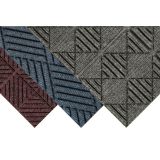 Waterhog Carpet Tiles$215.00Waterhog Carpet Tiles are an entrance system built in modular form. The surface is bi-level — raised nubs that scrape dirt and moisture off shoes and drop it below shoe level, where it stops getting tracked forward. The backing is 100-mil cleated SBR rubber, which is what holds the whole
...
Waterhog Carpet Tiles are an entrance system built in modular form. The surface is bi-level — raised nubs that scrape...
Waterhog Carpet Tiles are an entrance system built in modular form. The surface is bi-level — raised nubs that scrape dirt and moisture off shoes and drop it below shoe level, where it stops getting tracked forward. The backing is 100-mil cleated SBR rubber, which is what holds the whole thing flat and in place.
What the tile format adds is scale. Entrance protection is usually sold as a mat, and a mat covers whatever area a mat covers. Tiles come 18 inches square, 12 to a case covering 27 square feet, so you cover the area the entrance actually needs.
What a Modular Entrance System Does Before Half Your Traffic Walks Around It
Here is the failure nobody notices until it is pointed out. A building puts a mat inside its main door. The door is twelve feet wide, the mat is five. People come in at an angle, cut toward the elevator, and a large share of them never set foot on it.
The mat is doing its job perfectly. It is just not in the path of most of the traffic, so most of what walks in walks straight past it and onto the finished floor beyond.
Getting soil off a shoe also takes distance, not just contact. One or two steps on a scraping surface removes a fraction of what is on a sole. It takes several strides of continuous walk-off to get the bulk of it, which a single mat length cannot physically provide.
A tile system fixes both problems at once, because you are no longer buying a mat size — you are covering an area. Run the tiles wall to wall across the entry and out as far as the traffic pattern needs, and there is no way around and no shortage of distance.
Why a Bi-Level Surface Over Cleated Rubber, and Why This One
Bi-level means the surface works on two planes. Reinforced rubber nubs stand up through the fabric and do the scraping, and the space between them is where the debris goes. Once it drops below the level a shoe touches, it stops being picked back up and carried inside.
Those nubs do a second job. They hold the surrounding fibers upright under traffic, so the pile does not crush flat in the highest-use strip. Crushed pile is what kills an entrance surface — once it flattens, the scraping action goes with it.
The fabric is solution-dyed PET at 30 ounces per square yard, so color is locked into the fiber rather than applied to it. It resists staining, dries quickly, and will not fade or rot — which matters at an entrance more than anywhere else in a building, since that is the surface that gets wet.
The backing is 100-mil universal cleated SBR rubber, bringing overall tile thickness to 1/4 inch. Cleated means it grips both hard floors and carpet, so the tiles lie flat rather than creeping under traffic. The tiles are certified high-traction by the National Floor Safety Institute, which is a tested slip-resistance rating rather than a marketing claim.
The modular format also changes what happens when something goes wrong. A worn or damaged tile lifts out and gets replaced on its own, so a burn mark or a torn corner is a single 18 inch square rather than a reason to pull the whole entrance.
There is a recycled-content story here that holds up to scrutiny. The PET fabric is made from at least 90% recycled content reclaimed from plastic, and the rubber backing contains 20% recycled rubber from car tires.
Where It Belongs, and Where It Is Not the Right Tile
This belongs at entrances, and specifically at wide or busy ones. Main building doors, storefronts, lobby entries, school and office front doors, and vestibules where traffic arrives from several directions at once. Anywhere the entry is too wide for a mat to cover honestly.
It also suits large-format applications a mat cannot address — long entry corridors, transitional areas between an exterior door and an interior floor, or a whole vestibule floor treated as one continuous walk-off surface. The tiles can be installed inside or outside, so a covered entry approach and the vestibule behind it can run the same surface without a change of product at the threshold.
The tiles work in surface or recessed installations. Recessed is worth considering on new construction or a renovation with a mat well, since it brings the entrance flush with the surrounding floor and removes the edge entirely.
What this is not is a field tile. A rubber-backed scraping surface is the wrong thing to run through an open office or a conference room, and at 1/4 inch it is a different height than most interior tiles. Its role is to protect what comes after it, which is how the full range of carpet tiles is organized — entrance construction first, interior floor behind it.
Three Things to Check Before You Spec It
First, measure the door and watch the traffic, not the entry mat you already have. Note how wide the opening is and which directions people actually travel once inside. That walking pattern, not the doorway dimension, tells you how much area the tiles need to cover, and at 27 square feet per case the arithmetic is straightforward once you know the area.
Second, decide surface or recessed early, and plan the edge either way. Recessed installation needs a mat well of the right depth, which is a construction decision rather than a flooring one. Surface installation works anywhere but leaves a perimeter, and vinyl nosing is available to finish that border — worth deciding on before the order rather than after the tiles are down.
Third, order the adhesive with the tiles. Installation requires a solvent-free adhesive, supplied separately, and confirming that at order time avoids a crew arriving with tiles and nothing to bond them with. While you are at it, confirm the 1/4 inch overall height against the adjoining floor so the transition is designed rather than discovered.
Why Mats Inc.
Entrance protection is the one flooring decision where the common mistake is buying too little rather than the wrong thing. We have been specifying entrance systems since 1964, and the question we ask first is how wide your doors are and where people go once they are through them. Send us the opening dimensions and a description of the traffic and we will work out how much area actually needs covering.
Tile size 18 in. x 18 in. Tiles per case 12 Coverage per case 27 sq. ft. Case weight 29 lbs. Overall thickness 1/4 in. Construction Bi-level with reinforced rubber nubs Surface material Solution-dyed PET (polyethylene terephthalate) Surface weight 30 oz/yd² Backing SBR rubber, universal cleated, 100-mil Patterns Diamond, diagonal, geometric Colors Seven: Black Smoke, Chestnut Brown, Grey Ash, Indigo, Khaki, Maroon, Southern Pine Application Indoor or outdoor Installation Surface or recessed; solvent-free adhesive required, supplied separately Border option Vinyl nosing, supplied separately Traction Certified high-traction (NFSI) Recycled content Surface at least 90% recycled PET; backing 20% recycled rubber Warranty 1-year limited (Mats Inc.) Frequently Asked Questions
What does bi-level mean, and why does it beat a flat surface?
Answered by Dustin Thompson, Owner & CEO
Bi-level means the surface operates on two heights. Reinforced rubber nubs project up through the fabric and scrape the sole of the shoe, and the recessed space between them collects what comes off. Once debris is below the level a shoe reaches, it stays there instead of being picked up again on the next pass.
A flat surface has nowhere to put anything. It holds soil at the same height the shoe contacts, so a good portion gets redistributed with every step across it and eventually walked onto your floor. The nubs also hold the surrounding fibers upright under traffic, which keeps the pile from crushing flat and losing its scraping action.
How well does it hold up in constant entrance traffic?
Answered by Dustin Thompson, Owner & CEO
The construction is aimed squarely at that. A 30 ounce per square yard PET surface over a 100-mil cleated rubber backing is a substantial build, and the reinforced nubs are specifically there to extend performance life by stopping the pile from crushing under the heaviest footfall.
PET also handles what entrances actually face. It is solution dyed, so color runs through the fiber rather than sitting on it, and it resists staining, sheds water quickly, and will not fade or rot. And because the system is modular, a tile that does eventually give out is replaced on its own rather than triggering a whole new entrance. Vacuum regularly, daily in the busiest areas, and let it dry fully before it goes back into service. Waterhog Carpet Tiles carry a 1-year limited warranty from Mats Inc.
How much area do we need to cover, and how does it install?
Answered by Dustin Thompson, Owner & CEO
Cover the full width of the opening, then run it inward far enough that people take several strides on it. Tiles are 18 inches square and ship 12 to a case covering 27 square feet at 29 pounds, so once you know the area the count works itself out. The most common mistake is treating an entrance as a doormat-sized problem.
Installation goes surface or recessed, and either way it is a bonded installation — a solvent-free adhesive is required and is supplied separately, so order it alongside the tiles. Surface installation needs a flat, dry subfloor and leaves a perimeter, which vinyl nosing can finish. Recessed drops the system into a mat well and brings it flush with the surrounding floor. Confirm the 1/4 inch height against the adjoining floor before ordering either way.
What do the three patterns actually look like?
Answered by Jinna Hopson, Vice President of Marketing
Diamond is the most familiar and the most forgiving — a repeating diamond grid that reads as texture and hides soil well between cleanings. Diagonal runs on the angle, which draws the eye forward into the building and works nicely where the entry leads somewhere specific.
Geometric is the most contemporary of the three and holds its own in a designed lobby rather than looking like protective equipment. All three are working surfaces first, so none of them will disappear into a room, but the pattern choice genuinely changes how deliberate the entrance looks.
How do we pick a color that works with the floor behind it?
Answered by Jinna Hopson, Vice President of Marketing
Seven colors gives you real room: Black Smoke, Grey Ash and Indigo on the cooler side, Chestnut Brown and Khaki running warm, plus Maroon and Southern Pine when the entrance should carry some depth. The useful instinct is to go darker than your interior floor rather than matching it, since this is the surface holding everything that came in off the street.
Beyond that, treat it as the transition rather than a match. An entrance that relates to your interior palette without copying it reads as intentional, and it keeps the eye moving into the space instead of stopping at a seam where two nearly-identical tones meet.
Can we get a logo or custom artwork in the entrance?
Answered by Jinna Hopson, Vice President of Marketing
These tiles are a stock program — three patterns, seven colors, no custom artwork built into the tile itself. That is deliberate, since the modular format is about covering an area properly rather than about branding.
The usual approach is to do both jobs in sequence. Custom branded entrance products do exist, and pairing one with a tiled walk-off area gives you the logo where people look and the coverage where the traffic actually is. Tell us your entrance dimensions and what you want to display and we will lay out how the two pieces work together.
By Dustin Thompson, Owner & CEO, Mats Inc.
↑
Waterhog Carpet Tiles are an entrance system built in modular form. The surface is bi-level — raised nubs that scrape dirt and moisture off shoes and drop it below shoe level, where it stops getting tracked forward. The backing is 100-mil cleated SBR rubber, which is what holds the whole thing flat and in place.
What the tile format adds is scale. Entrance protection is usually sold as a mat, and a mat covers whatever area a mat covers. Tiles come 18 inches square, 12 to a case covering 27 square feet, so you cover the area the entrance actually needs.
What a Modular Entrance System Does Before Half Your Traffic Walks Around It
Here is the failure nobody notices until it is pointed out. A building puts a mat inside its main door. The door is twelve feet wide, the mat is five. People come in at an angle, cut toward the elevator, and a large share of them never set foot on it.
The mat is doing its job perfectly. It is just not in the path of most of the traffic, so most of what walks in walks straight past it and onto the finished floor beyond.
Getting soil off a shoe also takes distance, not just contact. One or two steps on a scraping surface removes a fraction of what is on a sole. It takes several strides of continuous walk-off to get the bulk of it, which a single mat length cannot physically provide.
A tile system fixes both problems at once, because you are no longer buying a mat size — you are covering an area. Run the tiles wall to wall across the entry and out as far as the traffic pattern needs, and there is no way around and no shortage of distance.
Why a Bi-Level Surface Over Cleated Rubber, and Why This One
Bi-level means the surface works on two planes. Reinforced rubber nubs stand up through the fabric and do the scraping, and the space between them is where the debris goes. Once it drops below the level a shoe touches, it stops being picked back up and carried inside.
Those nubs do a second job. They hold the surrounding fibers upright under traffic, so the pile does not crush flat in the highest-use strip. Crushed pile is what kills an entrance surface — once it flattens, the scraping action goes with it.
The fabric is solution-dyed PET at 30 ounces per square yard, so color is locked into the fiber rather than applied to it. It resists staining, dries quickly, and will not fade or rot — which matters at an entrance more than anywhere else in a building, since that is the surface that gets wet.
The backing is 100-mil universal cleated SBR rubber, bringing overall tile thickness to 1/4 inch. Cleated means it grips both hard floors and carpet, so the tiles lie flat rather than creeping under traffic. The tiles are certified high-traction by the National Floor Safety Institute, which is a tested slip-resistance rating rather than a marketing claim.
The modular format also changes what happens when something goes wrong. A worn or damaged tile lifts out and gets replaced on its own, so a burn mark or a torn corner is a single 18 inch square rather than a reason to pull the whole entrance.
There is a recycled-content story here that holds up to scrutiny. The PET fabric is made from at least 90% recycled content reclaimed from plastic, and the rubber backing contains 20% recycled rubber from car tires.
Where It Belongs, and Where It Is Not the Right Tile
This belongs at entrances, and specifically at wide or busy ones. Main building doors, storefronts, lobby entries, school and office front doors, and vestibules where traffic arrives from several directions at once. Anywhere the entry is too wide for a mat to cover honestly.
It also suits large-format applications a mat cannot address — long entry corridors, transitional areas between an exterior door and an interior floor, or a whole vestibule floor treated as one continuous walk-off surface. The tiles can be installed inside or outside, so a covered entry approach and the vestibule behind it can run the same surface without a change of product at the threshold.
The tiles work in surface or recessed installations. Recessed is worth considering on new construction or a renovation with a mat well, since it brings the entrance flush with the surrounding floor and removes the edge entirely.
What this is not is a field tile. A rubber-backed scraping surface is the wrong thing to run through an open office or a conference room, and at 1/4 inch it is a different height than most interior tiles. Its role is to protect what comes after it, which is how the full range of carpet tiles is organized — entrance construction first, interior floor behind it.
Three Things to Check Before You Spec It
First, measure the door and watch the traffic, not the entry mat you already have. Note how wide the opening is and which directions people actually travel once inside. That walking pattern, not the doorway dimension, tells you how much area the tiles need to cover, and at 27 square feet per case the arithmetic is straightforward once you know the area.
Second, decide surface or recessed early, and plan the edge either way. Recessed installation needs a mat well of the right depth, which is a construction decision rather than a flooring one. Surface installation works anywhere but leaves a perimeter, and vinyl nosing is available to finish that border — worth deciding on before the order rather than after the tiles are down.
Third, order the adhesive with the tiles. Installation requires a solvent-free adhesive, supplied separately, and confirming that at order time avoids a crew arriving with tiles and nothing to bond them with. While you are at it, confirm the 1/4 inch overall height against the adjoining floor so the transition is designed rather than discovered.
Why Mats Inc.
Entrance protection is the one flooring decision where the common mistake is buying too little rather than the wrong thing. We have been specifying entrance systems since 1964, and the question we ask first is how wide your doors are and where people go once they are through them. Send us the opening dimensions and a description of the traffic and we will work out how much area actually needs covering.
Tile size 18 in. x 18 in. Tiles per case 12 Coverage per case 27 sq. ft. Case weight 29 lbs. Overall thickness 1/4 in. Construction Bi-level with reinforced rubber nubs Surface material Solution-dyed PET (polyethylene terephthalate) Surface weight 30 oz/yd² Backing SBR rubber, universal cleated, 100-mil Patterns Diamond, diagonal, geometric Colors Seven: Black Smoke, Chestnut Brown, Grey Ash, Indigo, Khaki, Maroon, Southern Pine Application Indoor or outdoor Installation Surface or recessed; solvent-free adhesive required, supplied separately Border option Vinyl nosing, supplied separately Traction Certified high-traction (NFSI) Recycled content Surface at least 90% recycled PET; backing 20% recycled rubber Warranty 1-year limited (Mats Inc.) Frequently Asked Questions
What does bi-level mean, and why does it beat a flat surface?
Answered by Dustin Thompson, Owner & CEO
Bi-level means the surface operates on two heights. Reinforced rubber nubs project up through the fabric and scrape the sole of the shoe, and the recessed space between them collects what comes off. Once debris is below the level a shoe reaches, it stays there instead of being picked up again on the next pass.
A flat surface has nowhere to put anything. It holds soil at the same height the shoe contacts, so a good portion gets redistributed with every step across it and eventually walked onto your floor. The nubs also hold the surrounding fibers upright under traffic, which keeps the pile from crushing flat and losing its scraping action.
How well does it hold up in constant entrance traffic?
Answered by Dustin Thompson, Owner & CEO
The construction is aimed squarely at that. A 30 ounce per square yard PET surface over a 100-mil cleated rubber backing is a substantial build, and the reinforced nubs are specifically there to extend performance life by stopping the pile from crushing under the heaviest footfall.
PET also handles what entrances actually face. It is solution dyed, so color runs through the fiber rather than sitting on it, and it resists staining, sheds water quickly, and will not fade or rot. And because the system is modular, a tile that does eventually give out is replaced on its own rather than triggering a whole new entrance. Vacuum regularly, daily in the busiest areas, and let it dry fully before it goes back into service. Waterhog Carpet Tiles carry a 1-year limited warranty from Mats Inc.
How much area do we need to cover, and how does it install?
Answered by Dustin Thompson, Owner & CEO
Cover the full width of the opening, then run it inward far enough that people take several strides on it. Tiles are 18 inches square and ship 12 to a case covering 27 square feet at 29 pounds, so once you know the area the count works itself out. The most common mistake is treating an entrance as a doormat-sized problem.
Installation goes surface or recessed, and either way it is a bonded installation — a solvent-free adhesive is required and is supplied separately, so order it alongside the tiles. Surface installation needs a flat, dry subfloor and leaves a perimeter, which vinyl nosing can finish. Recessed drops the system into a mat well and brings it flush with the surrounding floor. Confirm the 1/4 inch height against the adjoining floor before ordering either way.
What do the three patterns actually look like?
Answered by Jinna Hopson, Vice President of Marketing
Diamond is the most familiar and the most forgiving — a repeating diamond grid that reads as texture and hides soil well between cleanings. Diagonal runs on the angle, which draws the eye forward into the building and works nicely where the entry leads somewhere specific.
Geometric is the most contemporary of the three and holds its own in a designed lobby rather than looking like protective equipment. All three are working surfaces first, so none of them will disappear into a room, but the pattern choice genuinely changes how deliberate the entrance looks.
How do we pick a color that works with the floor behind it?
Answered by Jinna Hopson, Vice President of Marketing
Seven colors gives you real room: Black Smoke, Grey Ash and Indigo on the cooler side, Chestnut Brown and Khaki running warm, plus Maroon and Southern Pine when the entrance should carry some depth. The useful instinct is to go darker than your interior floor rather than matching it, since this is the surface holding everything that came in off the street.
Beyond that, treat it as the transition rather than a match. An entrance that relates to your interior palette without copying it reads as intentional, and it keeps the eye moving into the space instead of stopping at a seam where two nearly-identical tones meet.
Can we get a logo or custom artwork in the entrance?
Answered by Jinna Hopson, Vice President of Marketing
These tiles are a stock program — three patterns, seven colors, no custom artwork built into the tile itself. That is deliberate, since the modular format is about covering an area properly rather than about branding.
The usual approach is to do both jobs in sequence. Custom branded entrance products do exist, and pairing one with a tiled walk-off area gives you the logo where people look and the coverage where the traffic actually is. Tell us your entrance dimensions and what you want to display and we will lay out how the two pieces work together.
By Dustin Thompson, Owner & CEO, Mats Inc.
↑
View Details
View Details
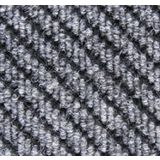 Diagonal Commercial Carpet Tile$279.00This is a needle-punched carpet tile with a diagonal pattern and a premium ECO bitumen backing — a commercial carpet tile built for floors that take a beating from open to close. It's made as a lighter, thinner tile than most heavy-duty modular flooring, which makes it easier to handle
...
This is a needle-punched carpet tile with a diagonal pattern and a premium ECO bitumen backing — a commercial carpet...
This is a needle-punched carpet tile with a diagonal pattern and a premium ECO bitumen backing — a commercial carpet tile built for floors that take a beating from open to close. It's made as a lighter, thinner tile than most heavy-duty modular flooring, which makes it easier to handle on install day without giving up the fiber density that keeps traffic lanes from showing early.
What This Carpet Tile Does Before Traffic Wears a Path Through Your Floor
Every person who walks into your building brings grit with them. Sand, salt, and street dirt ride in on shoe soles and get ground into whatever surface they land on next. On a hard floor, that grit acts like sandpaper underfoot. On a soft floor, it settles down into the fibers and grinds away at them from the inside with every step.
A commercial carpet tile does two jobs at once here. The surface catches that debris and holds it below the walking plane, so it stops migrating deeper into the building. And the tile takes the abrasion instead of your subfloor. Guidance from ISSA holds that soil keeps transferring off shoes for the first six to eight footsteps past a door, which is exactly why the flooring in your busiest lanes wears first.
When traffic wins, you see it before you feel it. Lanes darken between the door and the elevator. Pile flattens where carts turn the same corner a hundred times a day. The floor reads tired even right after a cleaning. Modular carpet flooring gives you a way out of that: the worn tiles come up, new ones go down, and the rest of the floor stays exactly where it is.
Why Needle-Punched Construction, and Why This One
Needle-punched carpet isn't tufted or woven. Thousands of barbed needles drive loose fibers down through a backing web, over and over, until they lock into a dense matted mass. There are no loops to snag, no tufts to pull free, and no yarn ends waiting to unravel when a cart wheel or a chair caster catches a seam.
That construction is why the 39 oz. face weight matters. In a needle-punched tile, weight goes into fiber density rather than pile height, so you end up with a surface that resists crushing instead of one that stands tall and then mats down. It's a low-profile floor that stays low-profile, which is the whole point in a high traffic space.
The backing is a premium ECO bitumen layer. Bitumen gives a tile dimensional stability — it resists the shrinking, curling, and edge lift that turn an aging tile floor into a visible patchwork. That stability is what keeps seams tight across a big open plan where several hundred tiles all have to line up and stay lined up.
What sets this one apart from the heaviest options is the profile. It's built lighter and thinner on purpose. That matters when your crew is carrying cartons up a stairwell, working around a door swing with limited clearance, or trying to meet an existing threshold height without adding a transition strip.
Where It Belongs, and Where It Doesn't
Corporate offices, retail sales floors, hospitality spaces, mass merchandise aisles, schools, government buildings, pharmacies, and specialty stores. Those are the environments this tile is built for. The common thread is steady foot traffic on a floor that still has to look presentable to the people walking across it every day.
Think of it as the interior surface downstream of your entrance system. Scraper matting at the door takes the heavy debris and standing water. This tile handles what gets past that — fine grit, everyday abrasion, and wear across corridors, open plans, and transition zones. It sits alongside the rest of our commercial carpet tiles that share that same job.
Here's what it isn't: a padded or cushion-backed tile. There's no foam or felt cushion underneath this one, and it isn't engineered to deliver softness or impact absorption underfoot. If you want a plush feel for a bedroom or a finished basement, or you specifically need cushioning, that's a different construction and we'd point you somewhere else.
It's also not an entrance mat or a wet-area surface. It isn't built to hold water, and it shouldn't be the first thing a wet shoe touches on a rainy Monday. Put a proper scraper and wiper system at the door, let this tile work behind it, and both will last a lot longer.
Three Things to Check Before You Spec It
First, map your traffic honestly. Count the doors that feed the space and think about where people actually funnel. A corridor between two elevator banks sees a different load than a perimeter office. Density and abrasion resistance matter most in the funnels, so spec for your worst lane rather than your average one.
Second, look at your subfloor and your height budget. This tile needs a flat, clean, dry substrate — bitumen-backed tiles telegraph high spots and debris straight through to the surface. Then check your thresholds and door undercuts. A thinner tile buys you clearance, but only if you know what you're working with before the order goes in.
Third, plan the layout and order attic stock. A diagonal pattern is directional, so decide up front how you want it to run and mark the tiles accordingly. Then order extra from the same run. When a tile gets damaged two years from now, a matching replacement out of your own closet beats hunting for a close-enough dye lot.
Why Mats Inc.
We've been sourcing commercial flooring since 1964, and we carry this tile for one narrow reason: the density-to-profile ratio is hard to find. Most tiles that survive this kind of traffic are thick and heavy, which limits where you can put them. This one isn't, so it works in buildings where handling and height are real constraints. It ships with our 1-year limited warranty, and we'll walk your layout with you before you order.
Product Type Modular commercial carpet tile Construction Needle-punched (non-woven) Face Weight 39 oz. Pattern Diagonal Backing Premium ECO bitumen Profile Lighter, thinner build than heavyweight commercial tile Cushion Backing None — hard-backed tile Typical Environments Corporate offices, retail, hospitality, mass merchandise, education, government, pharmacy and drugstore, specialty stores Warranty 1-year limited (Mats Inc.) Frequently Asked Questions
What does needle-punched actually mean, and how is it different from a regular carpet tile?
Most carpet you've walked on is tufted — yarn gets stitched up through a backing and left as loops or cut ends. Needle-punched carpet skips that entirely. Loose fibers get driven down through a backing web by thousands of barbed needles until they tangle and lock together into one dense mat.
The practical difference shows up under abuse. There's no loop for a cart wheel to catch, no tuft for a chair caster to pull, and no yarn end that can start unraveling and take a seam with it. In a lobby or a corridor, that's the difference between a floor that ages and a floor that unravels. — Dustin Thompson, Owner & CEO, Mats Inc.
How much traffic can this really take?
The 39 oz. face weight is the number to anchor on. In a needle-punched tile, that weight becomes fiber density rather than pile height, so the surface resists crushing under repeated load instead of standing tall and then flattening into a visible traffic lane. It's built for the heavy-duty commercial end of the range, not light residential use.
Pair that with the bitumen backing and you get dimensional stability across the whole floor — the tiles hold their shape and their seams instead of shrinking and curling at the corners. In practice that means a retail floor or an office corridor that still looks intentional after a few years of carts, luggage, and steady foot traffic. — Dustin Thompson, Owner & CEO, Mats Inc.
Where should this go in a building?
Put it where people walk constantly and the floor still has to look decent — corridors, open office plans, retail sales floors, school hallways, hospitality circulation, checkout zones, and the transition areas between spaces. Anywhere you'd expect a traffic lane to show up within a year is a good candidate.
Where I'd steer you away: right inside an exterior door, or anywhere water pools. This is an interior surface. It needs a scraper and wiper system working ahead of it at the entrance so the heavy debris and standing water never reach it in the first place. — Dustin Thompson, Owner & CEO, Mats Inc.
What size are the tiles, and how do I work out how many I need?
Tile dimensions and carton coverage can shift by production run, so give us a call and we'll confirm the current numbers before you order rather than you working from something you found on another site. That one check saves a lot of grief on install day.
The math itself is simple once you have it. Measure the length and width of each area in feet, multiply for square footage, add the rooms together, then add ten percent on top for cuts around columns and doorways plus attic stock for future replacements. Bring us the room dimensions and we'll do the carton count with you. — Jinna Hopson, Vice President of Marketing, Mats Inc.
What does the diagonal pattern look like on a finished floor?
The diagonal runs across the face of each tile, which gives you a lot more visual control than a flat solid field. Lay every tile the same direction and you get a continuous linear look that pulls the eye down a corridor. Rotate them and you get a subtle checkerboard texture that keeps a big open floor from feeling like a parking lot.
There's a practical payoff too. Pattern breaks up sightlines, so footprints, scuffs, and everyday soil don't announce themselves the way they do on an unbroken solid color. In a space that gets vacuumed nightly but walked on all day, that's the difference between looking maintained and looking neglected. — Jinna Hopson, Vice President of Marketing, Mats Inc.
Can I work this into a branded or designed space?
Yes, and the smart approach is to let each surface do its own job. This tile is your workhorse field — it covers the traffic areas and holds up. It isn't a custom-printed product, so the branding doesn't live here.
What we'd usually suggest is a custom logo mat at the entrance where people slow down and actually look at the floor, with this tile carrying the space behind it. Your brand gets a clean moment at the threshold, and the rest of the floor stays durable and quiet. If you're building a palette around an existing brand standard, send it over and we'll walk through what coordinates. — Jinna Hopson, Vice President of Marketing, Mats Inc.
Written by Dustin Thompson, Owner & CEO, Mats Inc.
↑
This is a needle-punched carpet tile with a diagonal pattern and a premium ECO bitumen backing — a commercial carpet tile built for floors that take a beating from open to close. It's made as a lighter, thinner tile than most heavy-duty modular flooring, which makes it easier to handle on install day without giving up the fiber density that keeps traffic lanes from showing early.
What This Carpet Tile Does Before Traffic Wears a Path Through Your Floor
Every person who walks into your building brings grit with them. Sand, salt, and street dirt ride in on shoe soles and get ground into whatever surface they land on next. On a hard floor, that grit acts like sandpaper underfoot. On a soft floor, it settles down into the fibers and grinds away at them from the inside with every step.
A commercial carpet tile does two jobs at once here. The surface catches that debris and holds it below the walking plane, so it stops migrating deeper into the building. And the tile takes the abrasion instead of your subfloor. Guidance from ISSA holds that soil keeps transferring off shoes for the first six to eight footsteps past a door, which is exactly why the flooring in your busiest lanes wears first.
When traffic wins, you see it before you feel it. Lanes darken between the door and the elevator. Pile flattens where carts turn the same corner a hundred times a day. The floor reads tired even right after a cleaning. Modular carpet flooring gives you a way out of that: the worn tiles come up, new ones go down, and the rest of the floor stays exactly where it is.
Why Needle-Punched Construction, and Why This One
Needle-punched carpet isn't tufted or woven. Thousands of barbed needles drive loose fibers down through a backing web, over and over, until they lock into a dense matted mass. There are no loops to snag, no tufts to pull free, and no yarn ends waiting to unravel when a cart wheel or a chair caster catches a seam.
That construction is why the 39 oz. face weight matters. In a needle-punched tile, weight goes into fiber density rather than pile height, so you end up with a surface that resists crushing instead of one that stands tall and then mats down. It's a low-profile floor that stays low-profile, which is the whole point in a high traffic space.
The backing is a premium ECO bitumen layer. Bitumen gives a tile dimensional stability — it resists the shrinking, curling, and edge lift that turn an aging tile floor into a visible patchwork. That stability is what keeps seams tight across a big open plan where several hundred tiles all have to line up and stay lined up.
What sets this one apart from the heaviest options is the profile. It's built lighter and thinner on purpose. That matters when your crew is carrying cartons up a stairwell, working around a door swing with limited clearance, or trying to meet an existing threshold height without adding a transition strip.
Where It Belongs, and Where It Doesn't
Corporate offices, retail sales floors, hospitality spaces, mass merchandise aisles, schools, government buildings, pharmacies, and specialty stores. Those are the environments this tile is built for. The common thread is steady foot traffic on a floor that still has to look presentable to the people walking across it every day.
Think of it as the interior surface downstream of your entrance system. Scraper matting at the door takes the heavy debris and standing water. This tile handles what gets past that — fine grit, everyday abrasion, and wear across corridors, open plans, and transition zones. It sits alongside the rest of our commercial carpet tiles that share that same job.
Here's what it isn't: a padded or cushion-backed tile. There's no foam or felt cushion underneath this one, and it isn't engineered to deliver softness or impact absorption underfoot. If you want a plush feel for a bedroom or a finished basement, or you specifically need cushioning, that's a different construction and we'd point you somewhere else.
It's also not an entrance mat or a wet-area surface. It isn't built to hold water, and it shouldn't be the first thing a wet shoe touches on a rainy Monday. Put a proper scraper and wiper system at the door, let this tile work behind it, and both will last a lot longer.
Three Things to Check Before You Spec It
First, map your traffic honestly. Count the doors that feed the space and think about where people actually funnel. A corridor between two elevator banks sees a different load than a perimeter office. Density and abrasion resistance matter most in the funnels, so spec for your worst lane rather than your average one.
Second, look at your subfloor and your height budget. This tile needs a flat, clean, dry substrate — bitumen-backed tiles telegraph high spots and debris straight through to the surface. Then check your thresholds and door undercuts. A thinner tile buys you clearance, but only if you know what you're working with before the order goes in.
Third, plan the layout and order attic stock. A diagonal pattern is directional, so decide up front how you want it to run and mark the tiles accordingly. Then order extra from the same run. When a tile gets damaged two years from now, a matching replacement out of your own closet beats hunting for a close-enough dye lot.
Why Mats Inc.
We've been sourcing commercial flooring since 1964, and we carry this tile for one narrow reason: the density-to-profile ratio is hard to find. Most tiles that survive this kind of traffic are thick and heavy, which limits where you can put them. This one isn't, so it works in buildings where handling and height are real constraints. It ships with our 1-year limited warranty, and we'll walk your layout with you before you order.
Product Type Modular commercial carpet tile Construction Needle-punched (non-woven) Face Weight 39 oz. Pattern Diagonal Backing Premium ECO bitumen Profile Lighter, thinner build than heavyweight commercial tile Cushion Backing None — hard-backed tile Typical Environments Corporate offices, retail, hospitality, mass merchandise, education, government, pharmacy and drugstore, specialty stores Warranty 1-year limited (Mats Inc.) Frequently Asked Questions
What does needle-punched actually mean, and how is it different from a regular carpet tile?
Most carpet you've walked on is tufted — yarn gets stitched up through a backing and left as loops or cut ends. Needle-punched carpet skips that entirely. Loose fibers get driven down through a backing web by thousands of barbed needles until they tangle and lock together into one dense mat.
The practical difference shows up under abuse. There's no loop for a cart wheel to catch, no tuft for a chair caster to pull, and no yarn end that can start unraveling and take a seam with it. In a lobby or a corridor, that's the difference between a floor that ages and a floor that unravels. — Dustin Thompson, Owner & CEO, Mats Inc.
How much traffic can this really take?
The 39 oz. face weight is the number to anchor on. In a needle-punched tile, that weight becomes fiber density rather than pile height, so the surface resists crushing under repeated load instead of standing tall and then flattening into a visible traffic lane. It's built for the heavy-duty commercial end of the range, not light residential use.
Pair that with the bitumen backing and you get dimensional stability across the whole floor — the tiles hold their shape and their seams instead of shrinking and curling at the corners. In practice that means a retail floor or an office corridor that still looks intentional after a few years of carts, luggage, and steady foot traffic. — Dustin Thompson, Owner & CEO, Mats Inc.
Where should this go in a building?
Put it where people walk constantly and the floor still has to look decent — corridors, open office plans, retail sales floors, school hallways, hospitality circulation, checkout zones, and the transition areas between spaces. Anywhere you'd expect a traffic lane to show up within a year is a good candidate.
Where I'd steer you away: right inside an exterior door, or anywhere water pools. This is an interior surface. It needs a scraper and wiper system working ahead of it at the entrance so the heavy debris and standing water never reach it in the first place. — Dustin Thompson, Owner & CEO, Mats Inc.
What size are the tiles, and how do I work out how many I need?
Tile dimensions and carton coverage can shift by production run, so give us a call and we'll confirm the current numbers before you order rather than you working from something you found on another site. That one check saves a lot of grief on install day.
The math itself is simple once you have it. Measure the length and width of each area in feet, multiply for square footage, add the rooms together, then add ten percent on top for cuts around columns and doorways plus attic stock for future replacements. Bring us the room dimensions and we'll do the carton count with you. — Jinna Hopson, Vice President of Marketing, Mats Inc.
What does the diagonal pattern look like on a finished floor?
The diagonal runs across the face of each tile, which gives you a lot more visual control than a flat solid field. Lay every tile the same direction and you get a continuous linear look that pulls the eye down a corridor. Rotate them and you get a subtle checkerboard texture that keeps a big open floor from feeling like a parking lot.
There's a practical payoff too. Pattern breaks up sightlines, so footprints, scuffs, and everyday soil don't announce themselves the way they do on an unbroken solid color. In a space that gets vacuumed nightly but walked on all day, that's the difference between looking maintained and looking neglected. — Jinna Hopson, Vice President of Marketing, Mats Inc.
Can I work this into a branded or designed space?
Yes, and the smart approach is to let each surface do its own job. This tile is your workhorse field — it covers the traffic areas and holds up. It isn't a custom-printed product, so the branding doesn't live here.
What we'd usually suggest is a custom logo mat at the entrance where people slow down and actually look at the floor, with this tile carrying the space behind it. Your brand gets a clean moment at the threshold, and the rest of the floor stays durable and quiet. If you're building a palette around an existing brand standard, send it over and we'll walk through what coordinates. — Jinna Hopson, Vice President of Marketing, Mats Inc.
Written by Dustin Thompson, Owner & CEO, Mats Inc.
↑
View Details
View Details
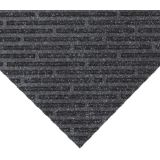 REPP-Tile Recycled PET Carpet Tile$295.00REPP-Tile is a commercial carpet tile made entirely from recycled PET, finished in a broken diagonal design. It's built for the part of a building that takes the most abuse and gets judged the hardest — the entrance and the floor immediately behind it. When a tile finally gives out,
...
REPP-Tile is a commercial carpet tile made entirely from recycled PET, finished in a broken diagonal design. It's built for...
REPP-Tile is a commercial carpet tile made entirely from recycled PET, finished in a broken diagonal design. It's built for the part of a building that takes the most abuse and gets judged the hardest — the entrance and the floor immediately behind it. When a tile finally gives out, you pull that one and leave the rest alone.
What a Recycled Carpet Tile Does Before Your Entrance Starts Showing Its Age
An entrance floor fights on three fronts at once. Soil and moisture arrive on every shoe. Rolling luggage, carts, and hand trucks concentrate load into the same narrow lanes. And in most modern buildings, daylight pours through a glass storefront onto that exact spot for hours a day.
A dense commercial carpet tile handles the first two directly. The face holds soil and moisture down below the walking plane so it stops spreading deeper into the building, and it absorbs the abrasion that would otherwise land on your finished flooring. ISSA data puts wet-weather soil loading at roughly twelve times what a dry day brings in, which is why entrance flooring ages on a different clock than everything else.
The third front — sunlight — is where a lot of entrance carpet quietly loses. Traffic wear you expect and plan around. Fading you don't, until one afternoon you notice the strip near the window has drifted a shade lighter than the rest of the floor and no amount of cleaning brings it back. That's a material problem, and it gets solved at the fiber, not with maintenance.
Why 100% Recycled PET, and Why This Tile
PET is the polymer family behind beverage bottles, and it brings two properties that matter enormously on a floor. It's naturally stain resistant — that resistance is part of the material itself, not a topical treatment sprayed on at the factory that wears thin after a few extraction cycles. Spills sit on the surface long enough for you to get to them.
The fiber in REPP-Tile is solution-dyed, which is the answer to that fading problem. Instead of dyeing finished yarn from the outside, the color is mixed into the molten polymer before the fiber is ever extruded. Color runs all the way through every strand rather than coating it, so UV exposure and aggressive cleaning have far less to work with.
Then there's the weight. At 70 oz. per square yard, this sits at the heavy end of commercial carpet tile. In an entrance, face weight is what stands between constant traffic and a visible lane, because density is what resists crushing when the same three feet of floor absorbs every person who walks through the door.
The recycled content runs both directions, which is the part worth understanding. The tile is made from 100% recycled PET, and at end of life it can be recycled again — a genuine closed loop rather than a one-time diversion. If you're tracking material circularity for a sustainability standard or a client requirement, that distinction is usually the one being asked about.
Where It Belongs, and Where It Doesn't
Entrances first. Vestibules, storefront thresholds, lobby transitions, and the corridors that carry traffic away from a main door — that's what this tile is built for. It also holds up across retail sales floors, office circulation, and any modular carpet flooring run where the load is heavy and the floor still has to look composed.
Think of it as the durable interior surface working behind your scraper matting rather than replacing it. Heavy grit and standing water should be caught at the door by a dedicated scraper and wiper system. REPP-Tile takes what gets past that, along with the sustained abrasion of daily traffic. It sits with the rest of our commercial carpet tiles that share that role.
What it isn't: a padded or cushion-backed tile. There's no foam, felt, or underlay bonded to this one, and it isn't engineered for impact absorption or plush underfoot softness. If you're after cushioning for a basement, a bedroom, or an area where people are on their feet all day and comfort is the goal, that's a different construction and we'll point you to it.
It's also not a glue-down permanent field or an outdoor surface. Installation runs on an adhesive tape system rather than full-spread adhesive, which is a real advantage when you want tiles to come up individually — but it does mean the subfloor has to be genuinely clean, dry, and flat before you start.
Three Things to Check Before You Spec It
First, run your square footage against the tile size. Each tile is 19.5 inches square and cases hold sixteen, which works out to about 42 square feet of coverage per case. Measure each area, total it, then add roughly ten percent for cuts around columns and door frames plus attic stock for replacements down the road.
Second, sort out the subfloor and the tape. The adhesive tape system installs separately and isn't included, so it needs to be on the order. More importantly, tape-set tiles telegraph whatever is underneath them — a high spot, leftover adhesive ridges, or a damp slab will show up in the finished floor within weeks. Prep the substrate before the tiles arrive, not after.
Third, commit to the maintenance schedule honestly. REPP-Tile is specified for daily vacuuming with a commercial machine running a rotary brush or beater bar, plus hot water extraction at least four times a year — closer to six if you're in a salt-and-sand climate. Start that clock on installation day. A tile maintained from day one and a tile rescued at year two are not the same floor.
Why Mats Inc.
We've been specifying commercial flooring since 1964, and REPP-Tile earns its spot in our line for a combination that's genuinely uncommon: full recycled content and closed-loop recyclability paired with a 70 oz. face weight that can actually survive an entrance. Most tiles deliver one or the other. We'll also tell you plainly that it comes in one design and one color, which makes the specification decision fast and the floor consistent. It ships with our 1-year limited warranty.
Product Type Modular commercial carpet tile Tile Size 19.5 in. x 19.5 in. Case Quantity 16 tiles per case Material Solution-dyed PET, 100% recycled content Face Weight 70 oz. per square yard Design Broken diagonal Color Anthracite Performance Fade resistant, stain resistant Flammability Passes DOC FF1-70 Installation Adhesive tape system, sold separately Cushion Backing None — hard-backed tile Recyclability Recyclable at end of life, closed-loop Maintenance Daily vacuum with rotary brush or beater bar; hot water extraction 4 to 6 times per year Warranty 1-year limited (Mats Inc.) Frequently Asked Questions
What does 100% recycled PET mean, and is it as tough as a virgin fiber?
PET is the polymer used in beverage bottles, and recycled PET carpet fiber is made by reprocessing that material back into fiber. The important thing to understand is that recycling PET doesn't meaningfully degrade what it does on a floor — the abrasion resistance and the natural stain resistance come from the polymer chemistry, and that chemistry survives the process intact.
So you're not making a durability trade to get the recycled content. And because REPP-Tile can be recycled again at the end of its life rather than heading to a landfill, the material stays in circulation. If a client or a sustainability standard is asking you about circularity rather than just recycled input, that closed loop is the answer they're looking for. — Dustin Thompson, Owner & CEO, Mats Inc.
How much traffic will this actually take?
The number to anchor on is 70 oz. per square yard. That's a heavy face weight for a carpet tile, and in an entrance or a corridor, weight is what resists crushing — a denser face keeps its structure under repeated load instead of matting down into a lane you can see from across the lobby. It also passes DOC FF1-70 flammability, which is the standard most commercial specs are checking for.
Where I'd set expectations honestly: durability here depends on maintenance more than most people want to hear. The daily vacuum and the quarterly hot water extraction aren't suggestions. Abrasive soil left sitting in the fiber is what actually kills entrance carpet, and no face weight fully compensates for skipping that. — Dustin Thompson, Owner & CEO, Mats Inc.
Where should this go in a building, and how does it install?
Put it at the entrance and immediately behind it — vestibules, storefront thresholds, lobby transitions, and the corridors carrying traffic inward. It works well across retail floors and office circulation too. What it shouldn't be is the very first surface a wet shoe touches; give it a scraper and wiper system at the door doing the heavy lifting ahead of it.
Installation uses an adhesive tape system rather than full-spread glue, and that tape is ordered separately. The upside is real: individual tiles lift out and get replaced without disturbing the field, which is the whole argument for modular flooring in the first place. The requirement is a clean, dry, flat subfloor. Tape-set tiles will telegraph anything you leave underneath them. — Dustin Thompson, Owner & CEO, Mats Inc.
What size are the tiles, and how do I figure out how many cases I need?
Each tile is 19.5 inches square and they ship sixteen to a case, which comes out to roughly 42 square feet of coverage per case. That number is your starting point for the whole estimate.
Measure each area's length and width in feet, multiply for square footage, add your areas together, then add about ten percent on top. That extra covers the cuts you'll make around columns, door frames, and irregular walls, plus attic stock so you have matching tiles on hand when one gets damaged in a year or two. Divide the total by 42 and round up for your case count — or send us the room dimensions and we'll run it with you. — Jinna Hopson, Vice President of Marketing, Mats Inc.
What does the broken diagonal design look like installed, and will it fade?
The design is a broken diagonal in anthracite — a deep charcoal. Broken diagonal reads as texture rather than as an obvious repeating motif, so it gives a large floor visual movement without ever competing with the rest of your space. Depending on how you orient the tiles, you can run it as a continuous directional look or rotate for a subtler crosshatch.
On fading, this is where the solution-dyed fiber earns its place. Color is locked into the polymer before the fiber is formed rather than applied to the outside, so sunlight through a glass entrance and repeated hot water extraction don't lift it the way they can with surface-dyed carpet. The practical upshot is that the strip by the window still matches the middle of the floor in year three. — Jinna Hopson, Vice President of Marketing, Mats Inc.
How does REPP-Tile fit into a branded or designed entrance?
Beautifully, and the reason is that anthracite is a genuine neutral. A deep charcoal field doesn't fight your brand colors, your signage, or your millwork — it sits underneath everything and lets the elements you actually want people looking at do the work. Designers reach for that tone constantly for exactly this reason.
The approach we'd suggest is a custom logo mat right at the door, where people naturally slow down and glance at the floor, with this tile carrying the field behind it. Your brand gets one clean, intentional moment at the threshold, and the rest of the entrance stays quiet and durable. If you're working to an existing brand standard, send it over and we'll talk through how it sits against the charcoal. — Jinna Hopson, Vice President of Marketing, Mats Inc.
Written by Jinna Hopson, Vice President of Marketing, Mats Inc.
↑
REPP-Tile is a commercial carpet tile made entirely from recycled PET, finished in a broken diagonal design. It's built for the part of a building that takes the most abuse and gets judged the hardest — the entrance and the floor immediately behind it. When a tile finally gives out, you pull that one and leave the rest alone.
What a Recycled Carpet Tile Does Before Your Entrance Starts Showing Its Age
An entrance floor fights on three fronts at once. Soil and moisture arrive on every shoe. Rolling luggage, carts, and hand trucks concentrate load into the same narrow lanes. And in most modern buildings, daylight pours through a glass storefront onto that exact spot for hours a day.
A dense commercial carpet tile handles the first two directly. The face holds soil and moisture down below the walking plane so it stops spreading deeper into the building, and it absorbs the abrasion that would otherwise land on your finished flooring. ISSA data puts wet-weather soil loading at roughly twelve times what a dry day brings in, which is why entrance flooring ages on a different clock than everything else.
The third front — sunlight — is where a lot of entrance carpet quietly loses. Traffic wear you expect and plan around. Fading you don't, until one afternoon you notice the strip near the window has drifted a shade lighter than the rest of the floor and no amount of cleaning brings it back. That's a material problem, and it gets solved at the fiber, not with maintenance.
Why 100% Recycled PET, and Why This Tile
PET is the polymer family behind beverage bottles, and it brings two properties that matter enormously on a floor. It's naturally stain resistant — that resistance is part of the material itself, not a topical treatment sprayed on at the factory that wears thin after a few extraction cycles. Spills sit on the surface long enough for you to get to them.
The fiber in REPP-Tile is solution-dyed, which is the answer to that fading problem. Instead of dyeing finished yarn from the outside, the color is mixed into the molten polymer before the fiber is ever extruded. Color runs all the way through every strand rather than coating it, so UV exposure and aggressive cleaning have far less to work with.
Then there's the weight. At 70 oz. per square yard, this sits at the heavy end of commercial carpet tile. In an entrance, face weight is what stands between constant traffic and a visible lane, because density is what resists crushing when the same three feet of floor absorbs every person who walks through the door.
The recycled content runs both directions, which is the part worth understanding. The tile is made from 100% recycled PET, and at end of life it can be recycled again — a genuine closed loop rather than a one-time diversion. If you're tracking material circularity for a sustainability standard or a client requirement, that distinction is usually the one being asked about.
Where It Belongs, and Where It Doesn't
Entrances first. Vestibules, storefront thresholds, lobby transitions, and the corridors that carry traffic away from a main door — that's what this tile is built for. It also holds up across retail sales floors, office circulation, and any modular carpet flooring run where the load is heavy and the floor still has to look composed.
Think of it as the durable interior surface working behind your scraper matting rather than replacing it. Heavy grit and standing water should be caught at the door by a dedicated scraper and wiper system. REPP-Tile takes what gets past that, along with the sustained abrasion of daily traffic. It sits with the rest of our commercial carpet tiles that share that role.
What it isn't: a padded or cushion-backed tile. There's no foam, felt, or underlay bonded to this one, and it isn't engineered for impact absorption or plush underfoot softness. If you're after cushioning for a basement, a bedroom, or an area where people are on their feet all day and comfort is the goal, that's a different construction and we'll point you to it.
It's also not a glue-down permanent field or an outdoor surface. Installation runs on an adhesive tape system rather than full-spread adhesive, which is a real advantage when you want tiles to come up individually — but it does mean the subfloor has to be genuinely clean, dry, and flat before you start.
Three Things to Check Before You Spec It
First, run your square footage against the tile size. Each tile is 19.5 inches square and cases hold sixteen, which works out to about 42 square feet of coverage per case. Measure each area, total it, then add roughly ten percent for cuts around columns and door frames plus attic stock for replacements down the road.
Second, sort out the subfloor and the tape. The adhesive tape system installs separately and isn't included, so it needs to be on the order. More importantly, tape-set tiles telegraph whatever is underneath them — a high spot, leftover adhesive ridges, or a damp slab will show up in the finished floor within weeks. Prep the substrate before the tiles arrive, not after.
Third, commit to the maintenance schedule honestly. REPP-Tile is specified for daily vacuuming with a commercial machine running a rotary brush or beater bar, plus hot water extraction at least four times a year — closer to six if you're in a salt-and-sand climate. Start that clock on installation day. A tile maintained from day one and a tile rescued at year two are not the same floor.
Why Mats Inc.
We've been specifying commercial flooring since 1964, and REPP-Tile earns its spot in our line for a combination that's genuinely uncommon: full recycled content and closed-loop recyclability paired with a 70 oz. face weight that can actually survive an entrance. Most tiles deliver one or the other. We'll also tell you plainly that it comes in one design and one color, which makes the specification decision fast and the floor consistent. It ships with our 1-year limited warranty.
Product Type Modular commercial carpet tile Tile Size 19.5 in. x 19.5 in. Case Quantity 16 tiles per case Material Solution-dyed PET, 100% recycled content Face Weight 70 oz. per square yard Design Broken diagonal Color Anthracite Performance Fade resistant, stain resistant Flammability Passes DOC FF1-70 Installation Adhesive tape system, sold separately Cushion Backing None — hard-backed tile Recyclability Recyclable at end of life, closed-loop Maintenance Daily vacuum with rotary brush or beater bar; hot water extraction 4 to 6 times per year Warranty 1-year limited (Mats Inc.) Frequently Asked Questions
What does 100% recycled PET mean, and is it as tough as a virgin fiber?
PET is the polymer used in beverage bottles, and recycled PET carpet fiber is made by reprocessing that material back into fiber. The important thing to understand is that recycling PET doesn't meaningfully degrade what it does on a floor — the abrasion resistance and the natural stain resistance come from the polymer chemistry, and that chemistry survives the process intact.
So you're not making a durability trade to get the recycled content. And because REPP-Tile can be recycled again at the end of its life rather than heading to a landfill, the material stays in circulation. If a client or a sustainability standard is asking you about circularity rather than just recycled input, that closed loop is the answer they're looking for. — Dustin Thompson, Owner & CEO, Mats Inc.
How much traffic will this actually take?
The number to anchor on is 70 oz. per square yard. That's a heavy face weight for a carpet tile, and in an entrance or a corridor, weight is what resists crushing — a denser face keeps its structure under repeated load instead of matting down into a lane you can see from across the lobby. It also passes DOC FF1-70 flammability, which is the standard most commercial specs are checking for.
Where I'd set expectations honestly: durability here depends on maintenance more than most people want to hear. The daily vacuum and the quarterly hot water extraction aren't suggestions. Abrasive soil left sitting in the fiber is what actually kills entrance carpet, and no face weight fully compensates for skipping that. — Dustin Thompson, Owner & CEO, Mats Inc.
Where should this go in a building, and how does it install?
Put it at the entrance and immediately behind it — vestibules, storefront thresholds, lobby transitions, and the corridors carrying traffic inward. It works well across retail floors and office circulation too. What it shouldn't be is the very first surface a wet shoe touches; give it a scraper and wiper system at the door doing the heavy lifting ahead of it.
Installation uses an adhesive tape system rather than full-spread glue, and that tape is ordered separately. The upside is real: individual tiles lift out and get replaced without disturbing the field, which is the whole argument for modular flooring in the first place. The requirement is a clean, dry, flat subfloor. Tape-set tiles will telegraph anything you leave underneath them. — Dustin Thompson, Owner & CEO, Mats Inc.
What size are the tiles, and how do I figure out how many cases I need?
Each tile is 19.5 inches square and they ship sixteen to a case, which comes out to roughly 42 square feet of coverage per case. That number is your starting point for the whole estimate.
Measure each area's length and width in feet, multiply for square footage, add your areas together, then add about ten percent on top. That extra covers the cuts you'll make around columns, door frames, and irregular walls, plus attic stock so you have matching tiles on hand when one gets damaged in a year or two. Divide the total by 42 and round up for your case count — or send us the room dimensions and we'll run it with you. — Jinna Hopson, Vice President of Marketing, Mats Inc.
What does the broken diagonal design look like installed, and will it fade?
The design is a broken diagonal in anthracite — a deep charcoal. Broken diagonal reads as texture rather than as an obvious repeating motif, so it gives a large floor visual movement without ever competing with the rest of your space. Depending on how you orient the tiles, you can run it as a continuous directional look or rotate for a subtler crosshatch.
On fading, this is where the solution-dyed fiber earns its place. Color is locked into the polymer before the fiber is formed rather than applied to the outside, so sunlight through a glass entrance and repeated hot water extraction don't lift it the way they can with surface-dyed carpet. The practical upshot is that the strip by the window still matches the middle of the floor in year three. — Jinna Hopson, Vice President of Marketing, Mats Inc.
How does REPP-Tile fit into a branded or designed entrance?
Beautifully, and the reason is that anthracite is a genuine neutral. A deep charcoal field doesn't fight your brand colors, your signage, or your millwork — it sits underneath everything and lets the elements you actually want people looking at do the work. Designers reach for that tone constantly for exactly this reason.
The approach we'd suggest is a custom logo mat right at the door, where people naturally slow down and glance at the floor, with this tile carrying the field behind it. Your brand gets one clean, intentional moment at the threshold, and the rest of the entrance stays quiet and durable. If you're working to an existing brand standard, send it over and we'll talk through how it sits against the charcoal. — Jinna Hopson, Vice President of Marketing, Mats Inc.
Written by Jinna Hopson, Vice President of Marketing, Mats Inc.
↑
View Details
View Details
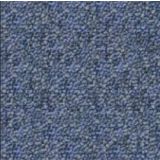 Discovery ESD Carpet Tile$379.00Discovery ESD Carpet Tile is a static dissipative modular tile built to drain electrostatic charge out of a room instead of letting it build up in the people walking through it. A continuous conductive monofilament runs through the yarn, tying the whole floor to a ground path. It's a 24
...
Discovery ESD Carpet Tile is a static dissipative modular tile built to drain electrostatic charge out of a room instead...
Discovery ESD Carpet Tile is a static dissipative modular tile built to drain electrostatic charge out of a room instead of letting it build up in the people walking through it. A continuous conductive monofilament runs through the yarn, tying the whole floor to a ground path. It's a 24 by 24 inch tufted tile that meets ANSI/ESD S20.20 and reads as ordinary commercial carpet.
What ESD Carpet Tile Does Before a Charge Reaches Your Equipment
Walking generates static. Every footstep separates and rejoins two surfaces, and ordinary carpet is good at holding the charge that comes off that. The person carrying it usually feels nothing at all. The charge is simply there, riding along, waiting for the first grounded thing they touch.
In a room full of sensitive electronics, that first grounded thing is often a circuit board, a connector, or a rack. Static dissipative flooring interrupts the sequence earlier. Conductive fiber gives the charge a controlled path to ground continuously as the person walks, so it drains away instead of accumulating to the point where it can jump.
The numbers here are measured, not estimated. Tested to ESD STM 97.2 with conductive footwear, this floor holds body voltage under 20 volts. Tested to AATCC 134-06 without conductive footwear, it stays under 0.4 kV. That gap between the two is worth sitting with, because it tells you the flooring is half of a system.
What makes electrostatic damage expensive is that it's usually invisible. A component takes a hit, keeps working, and fails weeks later in the field. This tile meets the recommended guidelines in DoD HDBK 236A, Section 40.1.2 for Class 1 sensitive devices, which is the category where that latent failure risk is highest.
Why Conductive Monofilament Construction, and Why This Tile
There are two ways to make carpet dissipative. One is a topical antistatic treatment sprayed onto finished carpet, which works until it wears off or gets cleaned away. The other is building conductive material into the fiber itself. This tile does the second — a continuous conductive monofilament runs through the yarn as a permanent structural element.
Permanent is the operative word. There's no treatment to reapply, no performance curve that decays over the maintenance cycle, and no moment three years in where the floor quietly stops doing its job while everyone assumes it still is.
Electrical resistance measures 1.0 x 10⁶ to 1.0 x 10⁹ ohms under ANSI/ESD S7.1. Under ANSI/ESD S20.20-2014, the flooring and footwear system together stays inside the required limits of under 1 x 10⁹ ohms and under 100 volts peak when used with approved footwear.
Underneath the static story is a genuinely heavy-duty commercial carpet tile. It's tufted in a textured loop at 1/10 gauge, 10 stitches per inch, with a density of 7,642 and 24 oz. per square yard of tufted yarn weight. Average pile height is 0.114 inch. Its TARR texture and appearance retention rating is above 3.0, which is the heavy-duty classification.
The fiber is premium branded solution-dyed nylon, meaning color is locked into the polymer rather than applied to the surface, and it carries a mill-applied soil protection treatment. Recycled content runs 61%. The primary backing is non-woven synthetic; the secondary backing is 100% PVC-free, phthalate-free, recyclable, and made from recycled material.
Certifications stack up in a way that matters on institutional specs. Flammability passes ASTM E-648 Flooring Radiant Panel at Class 1, smoke density passes ASTM E-662 NBS at less than 450, indoor air quality carries Green Label Plus certification, and the tile is Cradle to Cradle Certified at the Silver level.
Where It Belongs, and Where It Doesn't
The environments this tile was built for are specific: E911 dispatch centers, air traffic control facilities, electronics manufacturing, test and R&D labs, and broadcast studios and recording suites. What those share is around-the-clock staffing, sensitive equipment, and a compliance requirement someone has to sign off on.
The compliance list follows from that. It's FAA-STD-019f compliant for aviation facilities, Motorola R56 compliant for communications sites, and ATIS-0600321.2010 compliant for telecom. If your spec cites any of those by name, this tile answers it directly. It sits with the rest of our commercial carpet tiles, though it solves a problem none of the others touch.
It installs over standard subfloors or over access flooring, which matters because so many of these rooms are built on raised floor systems. Both installation methods are documented, and the access flooring approach is different enough that you want the right instructions in hand before the crew starts.
Here's what it is not. It isn't a padded or cushion-backed tile — there's no foam, felt, or underlay, and it isn't built for impact absorption or plush underfoot softness. It also isn't a loose-lay or peel-and-stick product. It requires conductive adhesive and a proper ground connection, because a dissipative floor with nowhere to send the charge is just carpet.
And it isn't the right answer if you only want general antistatic comfort in an ordinary office — somewhere to stop the doorknob shock. This is engineered compliance flooring with the documentation and installation requirements that come with that. For a standard office floor, a conventional commercial tile costs less to install and does everything you actually need.
Three Things to Check Before You Spec It
First, confirm whether your requirement is antistatic or true ESD. Those are different performance classes and people use the words interchangeably, which causes real problems at inspection. Find the standard your specification actually cites. If it names ANSI/ESD S20.20, FAA-STD-019f, Motorola R56, or ATIS-0600321, you need dissipative flooring with documentation, not an antistatic treatment.
Second, plan the grounding before you plan the floor. This system needs one ground connection per 1,000 square feet, installed with conductive adhesive and tied in with a ground strip or connector kit. That's an electrical scope item as much as a flooring one. Get it into the drawings early rather than discovering it the week of installation.
Third, budget for footwear. The flooring and the footwear are one system, and the test data says so plainly — under 20 volts with conductive footwear, under 400 volts without. Both numbers are good, but only the first meets the tightest requirements. If your facility can't enforce a footwear protocol, know that going in so nobody is surprised by a field measurement later.
Why Mats Inc.
We've been specifying commercial flooring since 1964, and ESD work is where the difference between a distributor and a specifier actually shows. This tile arrives with a full submittal package — product specifications, separate installation instructions for standard and access flooring, and maintenance documentation — because the people buying it have to hand that to an inspector. It's available with no order minimums, so a single control room is as workable as a full facility. We'll walk the grounding plan with you before anything ships.
Product Type Static dissipative modular carpet tile Standard Size 24 in. x 24 in. (60.9 cm x 60.9 cm) Packaging 12 tiles per carton / 5.33 sq. yd. Construction Tufted, textured loop Gauge / Stitches per Inch 1/10 gauge / 10.0 stitches per inch Density 7,642 Tufted Yarn Weight 24 oz. per sq. yd. (813.74 g/m²) Average Pile Height 0.114 inch (2.9 mm) Fiber Premium branded ECO solution nylon, 100% solution dyed Conductive Technology Continuous conductive monofilament Electrical Resistance 1.0 x 10⁶ – 1.0 x 10⁹ ohms (ANSI/ESD S7.1) Electrostatic Propensity Less than 20 V with conductive footwear (ESD STM 97.2); less than 0.4 kV without (AATCC 134-06) System Compliance ANSI/ESD S20.20-2014, with approved footwear: under 1 x 10⁹ ohms and under 100 V peak Additional Compliance DoD HDBK 236A Sec. 40.1.2 (Class 1), FAA-STD-019f, Motorola R56, ATIS-0600321.2010 Primary Backing Non-woven synthetic Secondary Backing 100% PVC-free, phthalate-free, recyclable, made from recycled material Recycled Content 61% Flammability / Smoke ASTM E-648 Class 1 / ASTM E-662 NBS less than 450 TARR Rating Heavy Duty: greater than 3.0 Certifications Green Label Plus, Cradle to Cradle Certified Silver Grounding Ground strip or connector kit, 1 per 1,000 sq. ft. Adhesive Conductive adhesive required Standard Colors Seven standard colorways Availability No minimums Warranty 1-year limited (Mats Inc.) Frequently Asked Questions
What makes this carpet static dissipative, and will it wear off?
It won't, and that's the main thing to understand about it. There are two approaches to dissipative carpet. One sprays an antistatic treatment onto finished carpet, which is inexpensive and degrades — it wears with traffic and washes out with cleaning. The other builds conductive material directly into the yarn as a permanent part of the structure. This tile takes the second approach, using a continuous conductive monofilament running through the fiber.
Because the conductivity is structural rather than applied, the electrical performance you measure on day one is what you measure years later. Resistance sits between 1.0 x 10⁶ and 1.0 x 10⁹ ohms under ANSI/ESD S7.1. There's nothing to reapply and no maintenance step that quietly undoes it. — Dustin Thompson, Owner & CEO, Mats Inc.
Is it durable enough for a facility running around the clock?
Yes, and the specification numbers say so independently of the static performance. The TARR texture and appearance retention rating is above 3.0, which is the heavy-duty classification. Density measures 7,642 with 24 oz. per square yard of tufted yarn weight in a textured loop at 1/10 gauge, so there's real fiber in the pile resisting crush under continuous occupancy.
Flammability passes ASTM E-648 Flooring Radiant Panel at Class 1 and smoke density passes ASTM E-662 NBS at under 450 — both of which get asked about in facilities that run continuously. And because it's a modular tile, a damaged square in a rack aisle lifts and gets replaced without taking the room out of service, which in a 24-hour facility is often the deciding factor. — Dustin Thompson, Owner & CEO, Mats Inc.
What does installation involve, and can it go over access flooring?
It can, and that's common in these rooms. Documented installation methods exist for both standard subfloors and raised access flooring, and the two are different enough that the crew needs the correct instructions in hand before starting rather than improvising at the panel seams.
The part people underestimate is grounding. This installs with conductive adhesive, not loose-lay and not peel-and-stick, and it needs one ground connection per 1,000 square feet tied in with a ground strip or connector kit. That's an electrical scope item. Get it into the drawings during design, because a dissipative floor with no path to ground doesn't perform, and that gets discovered at commissioning when it's expensive to fix. — Dustin Thompson, Owner & CEO, Mats Inc.
What size are the tiles, and how much does a carton cover?
Tiles are 24 by 24 inches — the standard commercial module, which makes takeoffs simple since each tile covers exactly four square feet. Cartons hold 12 tiles at 5.33 square yards, so one carton covers about 48 square feet.
To estimate, measure each room's length and width in feet, multiply, add your rooms together, then add roughly ten percent for cuts around cabinets, racks, and floor penetrations plus attic stock for later replacement. Divide by 48 and round up for cartons. One thing worth knowing: there are no order minimums, so a single dispatch room or test bench area is a perfectly normal order. Send us the dimensions and we'll run it with you. — Jinna Hopson, Vice President of Marketing, Mats Inc.
What does it look like, and what colors are available?
It's a tweed textural solid — a fine multi-tone flecked loop that reads as sophisticated commercial carpet rather than as technical equipment. Seven standard colorways span cool blues, warm neutrals, and greys, from a saturated blue through mid-tone blends to deep browns and a soft grey.
The fiber is 100% solution dyed, which matters more than it sounds. Color is locked into the polymer before the fiber is formed rather than applied to the outside, so it holds up under both intense lighting and the aggressive cleaning schedules these facilities usually run. The floor in year five still matches the sample you approved. — Jinna Hopson, Vice President of Marketing, Mats Inc.
Does specifying ESD flooring mean the space has to look industrial?
Not even slightly, and this is the thing worth pushing back on when someone assumes compliance means ugly. A lot of ESD flooring historically did look like equipment. This doesn't. The tweed texture and the seven-colorway palette put it comfortably in the same visual conversation as any premium commercial carpet tile.
That matters more than it used to, because these rooms aren't hidden anymore. Broadcast studios appear on camera. Dispatch centers host tours and press. Manufacturing floors get walked by customers and auditors. You can meet ANSI/ESD S20.20 and still have a space that looks considered — and if you're coordinating to a brand palette or an existing interior scheme, send it over and we'll talk through which colorway sits best. — Jinna Hopson, Vice President of Marketing, Mats Inc.
Written by Dustin Thompson, Owner & CEO, Mats Inc.
↑
Discovery ESD Carpet Tile is a static dissipative modular tile built to drain electrostatic charge out of a room instead of letting it build up in the people walking through it. A continuous conductive monofilament runs through the yarn, tying the whole floor to a ground path. It's a 24 by 24 inch tufted tile that meets ANSI/ESD S20.20 and reads as ordinary commercial carpet.
What ESD Carpet Tile Does Before a Charge Reaches Your Equipment
Walking generates static. Every footstep separates and rejoins two surfaces, and ordinary carpet is good at holding the charge that comes off that. The person carrying it usually feels nothing at all. The charge is simply there, riding along, waiting for the first grounded thing they touch.
In a room full of sensitive electronics, that first grounded thing is often a circuit board, a connector, or a rack. Static dissipative flooring interrupts the sequence earlier. Conductive fiber gives the charge a controlled path to ground continuously as the person walks, so it drains away instead of accumulating to the point where it can jump.
The numbers here are measured, not estimated. Tested to ESD STM 97.2 with conductive footwear, this floor holds body voltage under 20 volts. Tested to AATCC 134-06 without conductive footwear, it stays under 0.4 kV. That gap between the two is worth sitting with, because it tells you the flooring is half of a system.
What makes electrostatic damage expensive is that it's usually invisible. A component takes a hit, keeps working, and fails weeks later in the field. This tile meets the recommended guidelines in DoD HDBK 236A, Section 40.1.2 for Class 1 sensitive devices, which is the category where that latent failure risk is highest.
Why Conductive Monofilament Construction, and Why This Tile
There are two ways to make carpet dissipative. One is a topical antistatic treatment sprayed onto finished carpet, which works until it wears off or gets cleaned away. The other is building conductive material into the fiber itself. This tile does the second — a continuous conductive monofilament runs through the yarn as a permanent structural element.
Permanent is the operative word. There's no treatment to reapply, no performance curve that decays over the maintenance cycle, and no moment three years in where the floor quietly stops doing its job while everyone assumes it still is.
Electrical resistance measures 1.0 x 10⁶ to 1.0 x 10⁹ ohms under ANSI/ESD S7.1. Under ANSI/ESD S20.20-2014, the flooring and footwear system together stays inside the required limits of under 1 x 10⁹ ohms and under 100 volts peak when used with approved footwear.
Underneath the static story is a genuinely heavy-duty commercial carpet tile. It's tufted in a textured loop at 1/10 gauge, 10 stitches per inch, with a density of 7,642 and 24 oz. per square yard of tufted yarn weight. Average pile height is 0.114 inch. Its TARR texture and appearance retention rating is above 3.0, which is the heavy-duty classification.
The fiber is premium branded solution-dyed nylon, meaning color is locked into the polymer rather than applied to the surface, and it carries a mill-applied soil protection treatment. Recycled content runs 61%. The primary backing is non-woven synthetic; the secondary backing is 100% PVC-free, phthalate-free, recyclable, and made from recycled material.
Certifications stack up in a way that matters on institutional specs. Flammability passes ASTM E-648 Flooring Radiant Panel at Class 1, smoke density passes ASTM E-662 NBS at less than 450, indoor air quality carries Green Label Plus certification, and the tile is Cradle to Cradle Certified at the Silver level.
Where It Belongs, and Where It Doesn't
The environments this tile was built for are specific: E911 dispatch centers, air traffic control facilities, electronics manufacturing, test and R&D labs, and broadcast studios and recording suites. What those share is around-the-clock staffing, sensitive equipment, and a compliance requirement someone has to sign off on.
The compliance list follows from that. It's FAA-STD-019f compliant for aviation facilities, Motorola R56 compliant for communications sites, and ATIS-0600321.2010 compliant for telecom. If your spec cites any of those by name, this tile answers it directly. It sits with the rest of our commercial carpet tiles, though it solves a problem none of the others touch.
It installs over standard subfloors or over access flooring, which matters because so many of these rooms are built on raised floor systems. Both installation methods are documented, and the access flooring approach is different enough that you want the right instructions in hand before the crew starts.
Here's what it is not. It isn't a padded or cushion-backed tile — there's no foam, felt, or underlay, and it isn't built for impact absorption or plush underfoot softness. It also isn't a loose-lay or peel-and-stick product. It requires conductive adhesive and a proper ground connection, because a dissipative floor with nowhere to send the charge is just carpet.
And it isn't the right answer if you only want general antistatic comfort in an ordinary office — somewhere to stop the doorknob shock. This is engineered compliance flooring with the documentation and installation requirements that come with that. For a standard office floor, a conventional commercial tile costs less to install and does everything you actually need.
Three Things to Check Before You Spec It
First, confirm whether your requirement is antistatic or true ESD. Those are different performance classes and people use the words interchangeably, which causes real problems at inspection. Find the standard your specification actually cites. If it names ANSI/ESD S20.20, FAA-STD-019f, Motorola R56, or ATIS-0600321, you need dissipative flooring with documentation, not an antistatic treatment.
Second, plan the grounding before you plan the floor. This system needs one ground connection per 1,000 square feet, installed with conductive adhesive and tied in with a ground strip or connector kit. That's an electrical scope item as much as a flooring one. Get it into the drawings early rather than discovering it the week of installation.
Third, budget for footwear. The flooring and the footwear are one system, and the test data says so plainly — under 20 volts with conductive footwear, under 400 volts without. Both numbers are good, but only the first meets the tightest requirements. If your facility can't enforce a footwear protocol, know that going in so nobody is surprised by a field measurement later.
Why Mats Inc.
We've been specifying commercial flooring since 1964, and ESD work is where the difference between a distributor and a specifier actually shows. This tile arrives with a full submittal package — product specifications, separate installation instructions for standard and access flooring, and maintenance documentation — because the people buying it have to hand that to an inspector. It's available with no order minimums, so a single control room is as workable as a full facility. We'll walk the grounding plan with you before anything ships.
Product Type Static dissipative modular carpet tile Standard Size 24 in. x 24 in. (60.9 cm x 60.9 cm) Packaging 12 tiles per carton / 5.33 sq. yd. Construction Tufted, textured loop Gauge / Stitches per Inch 1/10 gauge / 10.0 stitches per inch Density 7,642 Tufted Yarn Weight 24 oz. per sq. yd. (813.74 g/m²) Average Pile Height 0.114 inch (2.9 mm) Fiber Premium branded ECO solution nylon, 100% solution dyed Conductive Technology Continuous conductive monofilament Electrical Resistance 1.0 x 10⁶ – 1.0 x 10⁹ ohms (ANSI/ESD S7.1) Electrostatic Propensity Less than 20 V with conductive footwear (ESD STM 97.2); less than 0.4 kV without (AATCC 134-06) System Compliance ANSI/ESD S20.20-2014, with approved footwear: under 1 x 10⁹ ohms and under 100 V peak Additional Compliance DoD HDBK 236A Sec. 40.1.2 (Class 1), FAA-STD-019f, Motorola R56, ATIS-0600321.2010 Primary Backing Non-woven synthetic Secondary Backing 100% PVC-free, phthalate-free, recyclable, made from recycled material Recycled Content 61% Flammability / Smoke ASTM E-648 Class 1 / ASTM E-662 NBS less than 450 TARR Rating Heavy Duty: greater than 3.0 Certifications Green Label Plus, Cradle to Cradle Certified Silver Grounding Ground strip or connector kit, 1 per 1,000 sq. ft. Adhesive Conductive adhesive required Standard Colors Seven standard colorways Availability No minimums Warranty 1-year limited (Mats Inc.) Frequently Asked Questions
What makes this carpet static dissipative, and will it wear off?
It won't, and that's the main thing to understand about it. There are two approaches to dissipative carpet. One sprays an antistatic treatment onto finished carpet, which is inexpensive and degrades — it wears with traffic and washes out with cleaning. The other builds conductive material directly into the yarn as a permanent part of the structure. This tile takes the second approach, using a continuous conductive monofilament running through the fiber.
Because the conductivity is structural rather than applied, the electrical performance you measure on day one is what you measure years later. Resistance sits between 1.0 x 10⁶ and 1.0 x 10⁹ ohms under ANSI/ESD S7.1. There's nothing to reapply and no maintenance step that quietly undoes it. — Dustin Thompson, Owner & CEO, Mats Inc.
Is it durable enough for a facility running around the clock?
Yes, and the specification numbers say so independently of the static performance. The TARR texture and appearance retention rating is above 3.0, which is the heavy-duty classification. Density measures 7,642 with 24 oz. per square yard of tufted yarn weight in a textured loop at 1/10 gauge, so there's real fiber in the pile resisting crush under continuous occupancy.
Flammability passes ASTM E-648 Flooring Radiant Panel at Class 1 and smoke density passes ASTM E-662 NBS at under 450 — both of which get asked about in facilities that run continuously. And because it's a modular tile, a damaged square in a rack aisle lifts and gets replaced without taking the room out of service, which in a 24-hour facility is often the deciding factor. — Dustin Thompson, Owner & CEO, Mats Inc.
What does installation involve, and can it go over access flooring?
It can, and that's common in these rooms. Documented installation methods exist for both standard subfloors and raised access flooring, and the two are different enough that the crew needs the correct instructions in hand before starting rather than improvising at the panel seams.
The part people underestimate is grounding. This installs with conductive adhesive, not loose-lay and not peel-and-stick, and it needs one ground connection per 1,000 square feet tied in with a ground strip or connector kit. That's an electrical scope item. Get it into the drawings during design, because a dissipative floor with no path to ground doesn't perform, and that gets discovered at commissioning when it's expensive to fix. — Dustin Thompson, Owner & CEO, Mats Inc.
What size are the tiles, and how much does a carton cover?
Tiles are 24 by 24 inches — the standard commercial module, which makes takeoffs simple since each tile covers exactly four square feet. Cartons hold 12 tiles at 5.33 square yards, so one carton covers about 48 square feet.
To estimate, measure each room's length and width in feet, multiply, add your rooms together, then add roughly ten percent for cuts around cabinets, racks, and floor penetrations plus attic stock for later replacement. Divide by 48 and round up for cartons. One thing worth knowing: there are no order minimums, so a single dispatch room or test bench area is a perfectly normal order. Send us the dimensions and we'll run it with you. — Jinna Hopson, Vice President of Marketing, Mats Inc.
What does it look like, and what colors are available?
It's a tweed textural solid — a fine multi-tone flecked loop that reads as sophisticated commercial carpet rather than as technical equipment. Seven standard colorways span cool blues, warm neutrals, and greys, from a saturated blue through mid-tone blends to deep browns and a soft grey.
The fiber is 100% solution dyed, which matters more than it sounds. Color is locked into the polymer before the fiber is formed rather than applied to the outside, so it holds up under both intense lighting and the aggressive cleaning schedules these facilities usually run. The floor in year five still matches the sample you approved. — Jinna Hopson, Vice President of Marketing, Mats Inc.
Does specifying ESD flooring mean the space has to look industrial?
Not even slightly, and this is the thing worth pushing back on when someone assumes compliance means ugly. A lot of ESD flooring historically did look like equipment. This doesn't. The tweed texture and the seven-colorway palette put it comfortably in the same visual conversation as any premium commercial carpet tile.
That matters more than it used to, because these rooms aren't hidden anymore. Broadcast studios appear on camera. Dispatch centers host tours and press. Manufacturing floors get walked by customers and auditors. You can meet ANSI/ESD S20.20 and still have a space that looks considered — and if you're coordinating to a brand palette or an existing interior scheme, send it over and we'll talk through which colorway sits best. — Jinna Hopson, Vice President of Marketing, Mats Inc.
Written by Dustin Thompson, Owner & CEO, Mats Inc.
↑
View Details
View Details
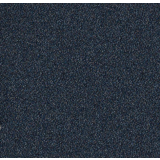 Faculty Renewal Carpet TileFaculty Renewal is a 24 by 24 inch tufted commercial carpet tile in a textured multi-colored loop, offered in fourteen solution-dyed colorways. It's built for challenging, high-traffic spaces, and it's engineered to visually hide soil between cleanings so the floor keeps looking fresh on the days nobody has gotten to
...
Faculty Renewal is a 24 by 24 inch tufted commercial carpet tile in a textured multi-colored loop, offered in fourteen...
Faculty Renewal is a 24 by 24 inch tufted commercial carpet tile in a textured multi-colored loop, offered in fourteen solution-dyed colorways. It's built for challenging, high-traffic spaces, and it's engineered to visually hide soil between cleanings so the floor keeps looking fresh on the days nobody has gotten to it yet.
What a Multi-Color Tile Does Before Your Floor Starts Looking Tired
Floors rarely fail all at once. They get gradually less impressive. Soil arrives faster than the cleaning schedule removes it, and on a flat single-color surface every bit of it shows. By mid-week the floor reads dingy, even though nothing is actually wrong with it and the crew is doing everything they're supposed to.
A multi-colored loop attacks that problem visually. Blended tones across the surface break up sightlines, so scattered soil has nothing uniform to contrast against. It doesn't clean the floor, and it isn't meant to. What it does is buy you the days between cleanings without the space looking neglected.
The fiber does the second half of the work. Stain release is built permanently into the fiber rather than applied as a surface treatment, and the fiber carries a soil release technology that helps debris let go during normal maintenance. Soil that leaves easily is soil that never becomes permanent.
Where this matters most is the buildings that can't close. Schools, offices, and clinics get judged constantly by people who don't know or care about the maintenance calendar. A floor that stays presentable in the gaps is doing something a spec sheet doesn't really capture.
Why Multi-Color Solution-Dyed Nylon, and Why This Tile
There are two ways to get multi-tonal carpet. Space dyeing applies varied color to finished yarn and produces beautiful results, but it dyes from the outside. Solution dyeing locks pigment into the polymer before the fiber exists, so color runs all the way through — far more resistant to UV and to aggressive cleaning, though historically harder to make visually complex.
This tile's fiber technology delivers the multi-color dimension of space-dyed yarn using solution-dyed nylon. You get the visual richness without the durability trade. The dyeing process uses no water, reducing water impact by up to one cup per carpet tile compared with a space-dyed product.
The nylon itself uses a modified-delta filament shape with an optical core, engineered to improve color clarity, strength, stain resistance, and soil hiding at the same time. Those usually pull against each other, which is why the combination is worth calling out rather than filing under general marketing.
Construction is tufted at 1/12 gauge — 47 rows per 10 cm — in a textured multi-colored loop. The backing is an all-in-one carpet tile system built for dimensional stability, so tiles hold their shape and their seams instead of curling at the corners as the floor ages.
The compliance numbers cover what institutional specifications ask for. Flammability passes ASTM E-648 Class 1 for glue-down installation, smoke density passes ASTM E-662 at less than 450, and static propensity tests under 3.5 kV to AATCC-134.
The sustainability position is unusually strong, and it's documented rather than asserted. The tile is Living Product Challenge Petal Certified, net positive for both carbon and water at neutral plus five percent, NSF 140 Platinum, Green Label Plus certified for indoor air quality under registration #1171, and Declare Red List Free.
For project teams chasing certification, it's eligible toward LEED, WELL, and Living Building Challenge credits. At end of life the tile is salvageable and reusable in its entirety, and a manufacturer take-back program exists rather than the floor heading to landfill.
Where It Belongs, and Where It Doesn't
This is designed for challenging, high-traffic commercial interiors — corridors, classrooms, open office plans, waiting areas, and the circulation routes that connect them. Anywhere a floor sees continuous use and still has to look like somebody chose it on purpose.
One genuinely useful thing: the same fourteen colorways are available as 12-foot broadloom. That means you can run modular tile where you want replaceability and broadloom where you want an unbroken surface, in the identical color, without matching across two manufacturers and hoping. It sits with the rest of our commercial carpet tiles, and few of them offer that.
What it isn't: a padded or cushion-backed tile. There's no foam, felt, or underlay, and it isn't built for impact absorption or plush softness underfoot. It also isn't peel-and-stick or loose-lay — it's a glue-down product, and the Class 1 flammability rating is specifically for glue-down installation.
It's also not an entrance tile, and the manufacturer says so directly by recommending dedicated walk-off tiles at entryways. This belongs behind your entrance system, not in it. Put scraper and wiper matting at the door to catch grit and water, and let this tile carry the space beyond.
Three Things to Check Before You Spec It
First, choose your installation method deliberately. Five are supported: monolithic, quarter turn, brick ashlar, vertical ashlar, and multi-directional. Each produces a genuinely different floor from the same tile. This is a design decision worth making early, not something to hand to the installer on day one.
Second, understand the pattern behavior at seams. The manufacturer is upfront that this pattern carries inherent characteristics that can produce pattern run-off or lighter and darker lines at seams and tile edges. That's the pattern, not a defect. Some installation methods disguise it better than others, which is exactly why the first decision matters.
Third, plan for chair casters and entry protection. Chair pads are recommended under office chairs with roller casters — they preserve appearance retention, deter delamination, and prevent accelerated wear in the one spot that gets it worst. Pair that with walk-off matting at every entry, and you've addressed the two places this floor is most likely to age early.
Why Mats Inc.
We've been specifying commercial flooring since 1964, and Faculty Renewal earns its place in our line because it resolves a trade-off most projects just accept. Design-led tiles usually give up performance; performance tiles usually look like performance tiles. This one holds both, and the documentation behind the sustainability claims is real enough to survive a certification review rather than just reading well in a brochure. We'll help you choose an installation method before you order, because that decision shapes the floor more than the colorway does.
Product Type Modular commercial carpet tile Size 24 in. x 24 in. (0.6096 m x 0.6096 m) Construction Tufted Surface Appearance Textured multi-colored loop Gauge 1/12 (47.00 rows per 10 cm) Fiber Premium nylon, 100% solution dyed Colors Available 14 colorways Stain Release Permanent, built into the fiber Backing All-in-one carpet tile backing system Flammability ASTM E-648 Class 1 (glue down) Smoke Density ASTM E-662 less than 450 Static Propensity AATCC-134 under 3.5 kV Installation Methods Monolithic, quarter turn, brick ashlar, vertical ashlar, multi-directional Indoor Air Quality Green Label Plus Certified #1171 Certifications Living Product Challenge Petal Certified, Declare Red List Free, NSF 140 Platinum Carbon & Water Net positive carbon and net positive water (neutral +5%) Credit Eligibility LEED, WELL, and Living Building Challenge eligible End of Life Salvageable and reusable in its entirety; take-back program available Coordinating Format Matching 12 ft. broadloom in all 14 colorways Cushion Backing None — hard-backed tile Warranty 1-year limited (Mats Inc.) Frequently Asked Questions
What is a textured multi-colored loop, and how is solution dyeing different from space dyeing?
A textured loop means the yarn stays as uncut loops of varying height across the surface rather than being sheared into a cut pile. Loops resist crushing better under traffic, and the height variation gives the floor a tactile quality without adding pile height that would flatten. Multi-colored means several tones are blended within that surface rather than one flat color.
On the dyeing question: space dyeing applies varied color to finished yarn from the outside, which produces rich visual results but leaves color sitting on the surface. Solution dyeing mixes pigment into the polymer before the fiber is extruded, so color runs through every filament. This tile uses solution-dyed nylon engineered to deliver the multi-tonal look space dyeing is known for, so you get the visual complexity without the fade vulnerability. — Dustin Thompson, Owner & CEO, Mats Inc.
How does it hold up under heavy traffic, and what should I watch for?
It's tufted at 1/12 gauge — 47 rows per 10 cm — in a textured loop, which is a tight, dense construction that resists crushing where traffic concentrates. Flammability passes ASTM E-648 Class 1 for glue-down installation and smoke density passes ASTM E-662 at under 450, so it clears the standards institutional specifications usually cite.
What I'd watch is chair casters. The manufacturer specifically recommends chair pads under office chairs with roller casters, and I'd treat that as a requirement rather than a suggestion. Casters concentrate load and rotation into a small area and will wear a floor there long before the rest of the room shows anything. Pads preserve appearance retention and help prevent delamination underneath. — Dustin Thompson, Owner & CEO, Mats Inc.
How does it install, and what are the different installation methods?
It's a glue-down tile — not peel-and-stick, not loose-lay — and the Class 1 flammability rating applies specifically to glue-down installation, so the method matters for compliance as well as performance. Five layouts are supported: monolithic, quarter turn, brick ashlar, vertical ashlar, and multi-directional.
Here's the part worth knowing before you commit. The manufacturer states plainly that this pattern has inherent characteristics that can show as pattern run-off or as lighter and darker lines at seams and tile edges. That's the nature of a multi-tonal pattern, not a defect, and it can't be inspected away afterward. Different layouts disguise it to different degrees, so pick the method with that in mind rather than choosing on looks alone and being surprised. — Dustin Thompson, Owner & CEO, Mats Inc.
What size are the tiles, and how do I estimate quantity?
Tiles are 24 by 24 inches, the standard commercial module, so each one covers exactly four square feet. That makes the arithmetic straightforward — measure each room's length and width in feet, multiply, add your rooms together, then divide by four for a tile count.
Add roughly ten percent on top of that for cuts around columns, door frames, and built-ins, plus attic stock so you have matching tiles from the same run when something gets damaged later. Carton quantity isn't published on the specification sheet, so give us a call and we'll confirm the current count before you order rather than you estimating cartons from a number that might have changed. — Jinna Hopson, Vice President of Marketing, Mats Inc.
What do the colorways look like?
There are fourteen, and they sit in earth tones and neutrals alongside blues and greens. The palette is deliberately muted — these are blended, layered colors meant to work as a supportive backdrop rather than as the loudest thing in the room. The multi-tonal blending gives each one real visual texture up close while reading as a calm solid from across a space.
That restraint is the point. A floor is the largest continuous surface in most interiors, and when it competes with the furniture, the art, and the branding, everything gets noisier. These colorways are built to coordinate rather than dominate, which is why they slot into an existing palette without a fight. Ask us for samples — blended colors photograph poorly and need to be seen in your actual light. — Jinna Hopson, Vice President of Marketing, Mats Inc.
Can I use this across a whole building and keep the design consistent?
You can, and this is where it genuinely stands apart. All fourteen colorways are available as 12-foot broadloom as well as carpet tile. So you can run modular tile through corridors and open plans where replaceability matters, then use broadloom in a boardroom or auditorium where you want an unbroken surface — in the same color, from the same line.
That solves a problem most projects just live with. Matching color and character across two different manufacturers is guesswork, and it usually shows at exactly the transitions people walk through. Coordinating wall base options exist as well, so the floor and the trim can be resolved together. If you're working to a brand standard or an existing scheme, send it over and we'll talk through which colorways sit best against it. — Jinna Hopson, Vice President of Marketing, Mats Inc.
Written by Jinna Hopson, Vice President of Marketing, Mats Inc.
↑
Faculty Renewal is a 24 by 24 inch tufted commercial carpet tile in a textured multi-colored loop, offered in fourteen solution-dyed colorways. It's built for challenging, high-traffic spaces, and it's engineered to visually hide soil between cleanings so the floor keeps looking fresh on the days nobody has gotten to it yet.
What a Multi-Color Tile Does Before Your Floor Starts Looking Tired
Floors rarely fail all at once. They get gradually less impressive. Soil arrives faster than the cleaning schedule removes it, and on a flat single-color surface every bit of it shows. By mid-week the floor reads dingy, even though nothing is actually wrong with it and the crew is doing everything they're supposed to.
A multi-colored loop attacks that problem visually. Blended tones across the surface break up sightlines, so scattered soil has nothing uniform to contrast against. It doesn't clean the floor, and it isn't meant to. What it does is buy you the days between cleanings without the space looking neglected.
The fiber does the second half of the work. Stain release is built permanently into the fiber rather than applied as a surface treatment, and the fiber carries a soil release technology that helps debris let go during normal maintenance. Soil that leaves easily is soil that never becomes permanent.
Where this matters most is the buildings that can't close. Schools, offices, and clinics get judged constantly by people who don't know or care about the maintenance calendar. A floor that stays presentable in the gaps is doing something a spec sheet doesn't really capture.
Why Multi-Color Solution-Dyed Nylon, and Why This Tile
There are two ways to get multi-tonal carpet. Space dyeing applies varied color to finished yarn and produces beautiful results, but it dyes from the outside. Solution dyeing locks pigment into the polymer before the fiber exists, so color runs all the way through — far more resistant to UV and to aggressive cleaning, though historically harder to make visually complex.
This tile's fiber technology delivers the multi-color dimension of space-dyed yarn using solution-dyed nylon. You get the visual richness without the durability trade. The dyeing process uses no water, reducing water impact by up to one cup per carpet tile compared with a space-dyed product.
The nylon itself uses a modified-delta filament shape with an optical core, engineered to improve color clarity, strength, stain resistance, and soil hiding at the same time. Those usually pull against each other, which is why the combination is worth calling out rather than filing under general marketing.
Construction is tufted at 1/12 gauge — 47 rows per 10 cm — in a textured multi-colored loop. The backing is an all-in-one carpet tile system built for dimensional stability, so tiles hold their shape and their seams instead of curling at the corners as the floor ages.
The compliance numbers cover what institutional specifications ask for. Flammability passes ASTM E-648 Class 1 for glue-down installation, smoke density passes ASTM E-662 at less than 450, and static propensity tests under 3.5 kV to AATCC-134.
The sustainability position is unusually strong, and it's documented rather than asserted. The tile is Living Product Challenge Petal Certified, net positive for both carbon and water at neutral plus five percent, NSF 140 Platinum, Green Label Plus certified for indoor air quality under registration #1171, and Declare Red List Free.
For project teams chasing certification, it's eligible toward LEED, WELL, and Living Building Challenge credits. At end of life the tile is salvageable and reusable in its entirety, and a manufacturer take-back program exists rather than the floor heading to landfill.
Where It Belongs, and Where It Doesn't
This is designed for challenging, high-traffic commercial interiors — corridors, classrooms, open office plans, waiting areas, and the circulation routes that connect them. Anywhere a floor sees continuous use and still has to look like somebody chose it on purpose.
One genuinely useful thing: the same fourteen colorways are available as 12-foot broadloom. That means you can run modular tile where you want replaceability and broadloom where you want an unbroken surface, in the identical color, without matching across two manufacturers and hoping. It sits with the rest of our commercial carpet tiles, and few of them offer that.
What it isn't: a padded or cushion-backed tile. There's no foam, felt, or underlay, and it isn't built for impact absorption or plush softness underfoot. It also isn't peel-and-stick or loose-lay — it's a glue-down product, and the Class 1 flammability rating is specifically for glue-down installation.
It's also not an entrance tile, and the manufacturer says so directly by recommending dedicated walk-off tiles at entryways. This belongs behind your entrance system, not in it. Put scraper and wiper matting at the door to catch grit and water, and let this tile carry the space beyond.
Three Things to Check Before You Spec It
First, choose your installation method deliberately. Five are supported: monolithic, quarter turn, brick ashlar, vertical ashlar, and multi-directional. Each produces a genuinely different floor from the same tile. This is a design decision worth making early, not something to hand to the installer on day one.
Second, understand the pattern behavior at seams. The manufacturer is upfront that this pattern carries inherent characteristics that can produce pattern run-off or lighter and darker lines at seams and tile edges. That's the pattern, not a defect. Some installation methods disguise it better than others, which is exactly why the first decision matters.
Third, plan for chair casters and entry protection. Chair pads are recommended under office chairs with roller casters — they preserve appearance retention, deter delamination, and prevent accelerated wear in the one spot that gets it worst. Pair that with walk-off matting at every entry, and you've addressed the two places this floor is most likely to age early.
Why Mats Inc.
We've been specifying commercial flooring since 1964, and Faculty Renewal earns its place in our line because it resolves a trade-off most projects just accept. Design-led tiles usually give up performance; performance tiles usually look like performance tiles. This one holds both, and the documentation behind the sustainability claims is real enough to survive a certification review rather than just reading well in a brochure. We'll help you choose an installation method before you order, because that decision shapes the floor more than the colorway does.
Product Type Modular commercial carpet tile Size 24 in. x 24 in. (0.6096 m x 0.6096 m) Construction Tufted Surface Appearance Textured multi-colored loop Gauge 1/12 (47.00 rows per 10 cm) Fiber Premium nylon, 100% solution dyed Colors Available 14 colorways Stain Release Permanent, built into the fiber Backing All-in-one carpet tile backing system Flammability ASTM E-648 Class 1 (glue down) Smoke Density ASTM E-662 less than 450 Static Propensity AATCC-134 under 3.5 kV Installation Methods Monolithic, quarter turn, brick ashlar, vertical ashlar, multi-directional Indoor Air Quality Green Label Plus Certified #1171 Certifications Living Product Challenge Petal Certified, Declare Red List Free, NSF 140 Platinum Carbon & Water Net positive carbon and net positive water (neutral +5%) Credit Eligibility LEED, WELL, and Living Building Challenge eligible End of Life Salvageable and reusable in its entirety; take-back program available Coordinating Format Matching 12 ft. broadloom in all 14 colorways Cushion Backing None — hard-backed tile Warranty 1-year limited (Mats Inc.) Frequently Asked Questions
What is a textured multi-colored loop, and how is solution dyeing different from space dyeing?
A textured loop means the yarn stays as uncut loops of varying height across the surface rather than being sheared into a cut pile. Loops resist crushing better under traffic, and the height variation gives the floor a tactile quality without adding pile height that would flatten. Multi-colored means several tones are blended within that surface rather than one flat color.
On the dyeing question: space dyeing applies varied color to finished yarn from the outside, which produces rich visual results but leaves color sitting on the surface. Solution dyeing mixes pigment into the polymer before the fiber is extruded, so color runs through every filament. This tile uses solution-dyed nylon engineered to deliver the multi-tonal look space dyeing is known for, so you get the visual complexity without the fade vulnerability. — Dustin Thompson, Owner & CEO, Mats Inc.
How does it hold up under heavy traffic, and what should I watch for?
It's tufted at 1/12 gauge — 47 rows per 10 cm — in a textured loop, which is a tight, dense construction that resists crushing where traffic concentrates. Flammability passes ASTM E-648 Class 1 for glue-down installation and smoke density passes ASTM E-662 at under 450, so it clears the standards institutional specifications usually cite.
What I'd watch is chair casters. The manufacturer specifically recommends chair pads under office chairs with roller casters, and I'd treat that as a requirement rather than a suggestion. Casters concentrate load and rotation into a small area and will wear a floor there long before the rest of the room shows anything. Pads preserve appearance retention and help prevent delamination underneath. — Dustin Thompson, Owner & CEO, Mats Inc.
How does it install, and what are the different installation methods?
It's a glue-down tile — not peel-and-stick, not loose-lay — and the Class 1 flammability rating applies specifically to glue-down installation, so the method matters for compliance as well as performance. Five layouts are supported: monolithic, quarter turn, brick ashlar, vertical ashlar, and multi-directional.
Here's the part worth knowing before you commit. The manufacturer states plainly that this pattern has inherent characteristics that can show as pattern run-off or as lighter and darker lines at seams and tile edges. That's the nature of a multi-tonal pattern, not a defect, and it can't be inspected away afterward. Different layouts disguise it to different degrees, so pick the method with that in mind rather than choosing on looks alone and being surprised. — Dustin Thompson, Owner & CEO, Mats Inc.
What size are the tiles, and how do I estimate quantity?
Tiles are 24 by 24 inches, the standard commercial module, so each one covers exactly four square feet. That makes the arithmetic straightforward — measure each room's length and width in feet, multiply, add your rooms together, then divide by four for a tile count.
Add roughly ten percent on top of that for cuts around columns, door frames, and built-ins, plus attic stock so you have matching tiles from the same run when something gets damaged later. Carton quantity isn't published on the specification sheet, so give us a call and we'll confirm the current count before you order rather than you estimating cartons from a number that might have changed. — Jinna Hopson, Vice President of Marketing, Mats Inc.
What do the colorways look like?
There are fourteen, and they sit in earth tones and neutrals alongside blues and greens. The palette is deliberately muted — these are blended, layered colors meant to work as a supportive backdrop rather than as the loudest thing in the room. The multi-tonal blending gives each one real visual texture up close while reading as a calm solid from across a space.
That restraint is the point. A floor is the largest continuous surface in most interiors, and when it competes with the furniture, the art, and the branding, everything gets noisier. These colorways are built to coordinate rather than dominate, which is why they slot into an existing palette without a fight. Ask us for samples — blended colors photograph poorly and need to be seen in your actual light. — Jinna Hopson, Vice President of Marketing, Mats Inc.
Can I use this across a whole building and keep the design consistent?
You can, and this is where it genuinely stands apart. All fourteen colorways are available as 12-foot broadloom as well as carpet tile. So you can run modular tile through corridors and open plans where replaceability matters, then use broadloom in a boardroom or auditorium where you want an unbroken surface — in the same color, from the same line.
That solves a problem most projects just live with. Matching color and character across two different manufacturers is guesswork, and it usually shows at exactly the transitions people walk through. Coordinating wall base options exist as well, so the floor and the trim can be resolved together. If you're working to a brand standard or an existing scheme, send it over and we'll talk through which colorways sit best against it. — Jinna Hopson, Vice President of Marketing, Mats Inc.
Written by Jinna Hopson, Vice President of Marketing, Mats Inc.
↑
View Details
View Details
What Commercial Carpet Tiles Do That Broadloom Cannot
Modular carpet flooring ships as squares instead of a roll. Most commercial carpet tiles use a 24-inch by 24-inch module — the 24x24 size you see quoted almost everywhere — though module size varies by product, so confirm it on the individual product page before you order.
That module is the whole point. When a chair caster shreds one square, or a pipe leaks in one corner, or somebody drops a full pot of coffee, you pull that tile and set a new one. With broadloom you are cutting into a room-sized piece of carpet and living with the patch.
It also changes how a floor gets replaced. Carpet squares go down in sections, over a weekend or a school break, room by room, without emptying an entire floor plate at once. For a building that cannot shut down, that scheduling flexibility usually matters more than anything on the spec sheet.
Commercial carpet squares also let you mix. Run one colorway through the open floor and a darker one down the corridor where the wear shows, using the same product line and the same backing height so the transitions sit flat.
The Mistake That Burns Buyers: One Tile Grade for the Whole Floor
The common error is picking a single office carpet tile, ordering enough to cover every square foot, and treating the floor as one uniform surface. The floor is not uniform. The first fifteen feet inside the door lives a completely different life than the middle of the room.
ISSA field research puts roughly twelve times more dirt into a building during wet weather, and finds that six to eight footsteps of matting are needed to pull the bulk of it off a shoe. Whatever the entrance does not catch gets walked onto the carpet behind it.
That tracked-in material is not lint. It is sand, salt and grit, and it works like sandpaper against the pile every time somebody steps on it. Traffic lanes go flat and gray while the field tiles twenty feet away still look close to new.
Then comes the part that actually stings. You pull the four worst tiles and drop in replacements from attic stock, and the new squares read brighter than everything around them — not because the dye is wrong, but because the surrounding floor has three years of abrasion on it. The patch announces itself from across the room.
The fix is boring and it works: put an entrance construction in the entry zone, put your field tile behind it, and let the mat take the abuse the tile would otherwise absorb.
How the Carpet Tile Options Compare
The Entry Zone
Nothing you specify for the rest of the floor matters as much as what sits in the first six to eight footsteps. Three options here handle that job, and they differ mainly in how far from the door they belong.
Waterhog Classic Entrance Mats take the outermost position, where a ridged surface scrapes shoes and a raised border holds water instead of letting it run onto the floor — right for main entrances, storefronts and front doors that see weather. Waterhog Diamond Mats use a diamond scraper face for the same work one step in, and are the strongest fit for vestibules and covered exterior landings.
Waterhog Carpet Tile brings that same entrance thinking into a tile module, so the entry zone sits flush with the field instead of reading as a mat dropped on top of it. Strongest fit for the first several feet inside the door in a lobby you want to look like one continuous floor.
Traffic Lanes and Hard-Use Floors
Behind the entry zone, the question is where traffic concentrates. Corridors, elevator approaches and the paths between doors take several times the footfall of the open floor plate around them, and four tiles here are built for that.
Cross Guard Carpet Tile is positioned for the zones that take the beating rather than the ones people photograph. Put it where rolling loads turn corners and where two corridors meet. Strongest fit for elevator lobbies, corridor junctions, service passages and the area just inside a main entrance.
Berber Carpet Tile and Diagonal Carpet Tile solve the same problem two different ways. Berber uses a dense loop that hides footprints and tracked soil between cleanings, which suits schools, churches, community centers and rental units. Diagonal uses angled pattern lines to break up the straight wear paths that form between a door and an elevator, which suits retail floors, long corridors and large open plans.
Faculty Renewal Carpet Tile is built around a schedule rather than a traffic count: worn floors swapped out over a summer or a break, in rooms that have to be usable the following week. Strongest fit for classrooms, school administrative offices, media centers and dorm common areas.
Floors People Stand On
A floor people cross does not need cushion. A floor people stand on for hours does, and so does a hard room where every footfall echoes. Two tiles build the padding in, which means no separate underlay to buy, cut or keep aligned.
Senator SoftStep Carpet Tile puts that cushion under a commercial surface and takes some noise out of the room along with it — strongest fit for standing counters, libraries, exam rooms and clinics. Cushioned Carpet Tiles are the plain-language version and the answer to most searches for padded or cushion backed carpet tiles, with the strongest fit in basements, playrooms, bedrooms, home offices and any room sitting directly on concrete.
Rooms Full of Electronics
ESD stands for electrostatic discharge — the small shock a person builds up walking across a floor and releases into whatever they touch next. In an office it is an annoyance. In a room full of circuit boards it is a repair ticket.
Discovery ESD Carpet Tile is the static-control option in this range, and it is specified by the room rather than by the building. Strongest fit for server rooms, electronics assembly areas, laboratories, control rooms and equipment-dense call centers.
When the Look Leads
Once the entry zone and the traffic lanes are handled, the rest of the floor is a design decision. Four tiles here are chosen mainly on how the room should read, and they split into quiet surfaces and structured ones.
Noordic Carpet Tile is the softer, more textural of the two quiet options, meant to recede so the furniture and lighting carry the room — strongest fit for professional offices, co-working floors, hospitality lobbies and showrooms. Kensington Carpet Tile reads more formal and settled, which suits law offices, executive floors, financial branches and hotel meeting rooms.
Rover Carpet Tile is the broad-coverage choice when you need one consistent look running across a large floor plate without a pattern fighting the space — strongest fit for open offices, corridors and multi-tenant suites. Repp Tile takes its name from repp, a fine ribbed weave, and carries that tight linear texture across the floor, which suits modern offices, galleries and showrooms.
Three Things to Check Before You Pick
First, map the traffic before you map the room. Entry zones want a Waterhog construction out front. High-abuse corridors and rolling loads point to Cross Guard Carpet Tile. Rooms full of electronics point to Discovery ESD Carpet Tile, regardless of how the rest of the floor is specified.
Second, ask how long people stand still on it. Cushioned Carpet Tiles and the Senator SoftStep Carpet Tile handle that without a separate pad. This is also the honest answer for basements and bedrooms, where a bare slab underneath is the real complaint.
Third, decide what the floor should look like in year five, not on installation day. A dense loop like the Berber Carpet Tile and a directional pattern like the Diagonal Carpet Tile or Repp Tile disguise soil and wear paths. Quieter surfaces like Noordic Carpet Tile and Kensington Carpet Tile look cleaner on day one and ask more of your maintenance schedule.
Whichever way that third question goes, order attic stock at the same time. Five to ten percent of the total is the working number, and it needs to come from the same production run as the floor.
Why Mats Inc.
We have been specifying commercial flooring and matting since 1964, and we specify rather than install — which means we have no reason to talk you into more square footage than the floor needs.
It also means we look at the whole floor. Most quotes we are asked to match cover the field and stop at the doorway, and the entrance is exactly where the field tile's service life gets decided. Tell us the building, the doors and what rolls across the floor, and we will tell you where to spend and where you are fine with a lighter grade.
Frequently Asked Questions
Which carpet tile should I use in a high-traffic office or school?
Answered by Dustin Thompson, Owner & CEO
For heavy duty carpet tiles in a school or a busy office, a dense loop surface is usually the right call. The Berber Carpet Tile hides tracked soil between cleanings, and the Cross Guard Carpet Tile is the one to put where traffic concentrates and carts turn.
Do not run the same tile all the way to the door, though. Put an entrance construction in the first six to eight footsteps and let it take the grit. That one decision does more for the life of your field tile than moving up a grade across the whole floor.
How are commercial carpet tiles installed, and can we do it ourselves?
Answered by Dustin Thompson, Owner & CEO
Commercial carpet tile installation is well within reach for a handy crew. Tiles go down over a clean, flat, dry subfloor using pressure-sensitive adhesive or adhesive tabs, working out from a center line so the cut tiles land at the walls instead of down the middle of the room.
Two things trip people up. On a concrete slab, test for moisture first — moisture coming up through the slab is the most common cause of a failed install. And decide your layout before you start, since quarter-turning every tile and running them all the same direction produce very different floors.
Can commercial carpet tiles be used in a house?
Answered by Jinna Hopson, Vice President of Marketing
All the time, and usually for the same reason: one square is replaceable and a whole room of broadloom is not. Basements, playrooms, home offices and bedrooms are the rooms we hear about most, and residential carpet squares handle spills and pets far more gracefully than a roll does.
For a bedroom or a room over concrete, look at the padded options first. Cushioned Carpet Tiles and the Senator SoftStep Carpet Tile give you carpet tiles with padding already built in, so the floor feels warmer underfoot without a separate underlay.
How long do commercial carpet tiles last?
Answered by Dustin Thompson, Owner & CEO
Plan on ten to fifteen years in private offices and light-use rooms, seven to ten years across typical commercial floors, and five to seven years in entrance-adjacent corridors and other lanes that carry constant traffic. Specific products vary, so check the individual product page for the details on that tile.
What ends a floor early is almost never the tile itself. It is abrasive grit walked in from outside, pile crush in the lanes, and moisture trapped under the backing. Handle those three and the floor tends to reach the top of its range instead of the bottom.
Will a replacement tile match the rest of the floor years later?
Answered by Jinna Hopson, Vice President of Marketing
Only if you planned for it. Order five to ten percent extra at the same time as the floor and store it flat and out of sunlight. Tiles from the original run will blend; tiles ordered three years later may not, because dye lots move and the surrounding floor has aged.
If you are past that point, a good workaround is to relocate rather than replace. Pull good tiles from a closet or a corner nobody sees, move them into the visible spot, and put the new tiles where the difference will not read.
Can I get carpet tiles in a specific color or a custom pattern?
Answered by Jinna Hopson, Vice President of Marketing
Stock colorways vary by product line, and grays and neutrals are the deepest part of the range because that is what most commercial specifications ask for. Stronger colors do exist in several of these lines, so tell us the shade you are after and we will tell you what is actually available.
You can also build a pattern without a custom order. Mixing two colorways from the same line into a checkerboard, a plank layout or a color-blocked zone gets you a distinctive floor from stock, and every square stays individually replaceable. For a logo or artwork at the door, that belongs on an entrance mat rather than in the field tile.
By Jinna Hopson, Vice President of Marketing, Mats Inc.