




- Home
- Products
- Entrance Mats
- Outdoor Mats & Runners
- Outdoor Carpet Mats
Outdoor Carpet Mats
Drainage and moisture-management matting from Mats Inc. — built for entry placements where water and absorbed moisture, not heavy debris, are the primary problem at the door. The four options below handle moisture differently: Waterhog Elite Herringbone Mats use bi-level construction that routes water below the walking surface, Super Berber Matting holds moisture in dense looped pile while keeping the entrance presentable, Coir Matting absorbs incidental moisture through natural coconut-husk fiber for covered transitions, and Brush Hog Mats use a raised-nub surface that lifts the walking surface above the trapped dirt and moisture. Each handles a different moisture scenario. The section below covers how to pick between them.
 Super Berber Matting
Starting at $60.00
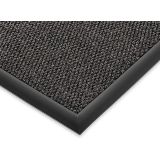
Super Berber Matting is a dense berber entrance mat that does the two hardest jobs at a busy door at once: it scrapes grit off shoes and soaks up the moisture they carry. The needle-punch berber surface is solution-dyed in up to 40 colors, and a custom logo can...
Super Berber Matting is a dense berber entrance mat that does the two hardest jobs at a busy door...
Super Berber Matting is a dense berber entrance mat that does the two hardest jobs at a busy door at once: it scrapes grit off shoes and soaks up the moisture they carry. The needle-punch berber surface is solution-dyed in up to 40 colors, and a custom logo can be inlaid right into it — so it cleans the entrance and carries the brand in the same mat.
What Super Berber Does Before Dirt and Water Reach the Floor
At a busy entrance, dirt and water arrive on shoes — ISSA research shows the door is where most of a building's dirt comes in. Left to cross the threshold, that grit grinds at the floor and wet shoes leave a lobby slick. The dense berber pile catches both: it scrapes solids loose and holds moisture in the fiber, while the all-weather rubber backing keeps the mat planted, so the dirt and water stay on the mat, not the floor.
Why Solution-Dyed Berber, and Why This One
The mat is built from 100% solution-dyed polypropylene berber, needle-punched into a dense half-inch pile that weighs about 52 ounces per square yard. Solution-dyed means the color is locked into the fiber rather than printed on top, so it does not bleach or wear pale. The polypropylene is UV- and abrasion-resistant, which is what lets the mat hold its look under heavy traffic and sun.
Of the two jobs an entrance mat does, this one leans toward wiping — the deep pile is built to pull moisture and fine dirt off shoes and keep it there, with strong scraping behind it. An all-weather rubber backing grips the floor and stands up to wet conditions, so the mat works at an interior lobby or a covered outdoor entrance alike.
Where It Belongs, and What It Is Not
Super Berber fits heavy-traffic entrances where appearance counts as much as cleaning — office buildings, shops, lobbies, schools, airports, and sport concourses. It works indoors or at a covered outdoor entrance, and it sits in our range of moisture-control entrance matting as the absorbent option that traps water in the pile rather than channeling it away.
What it is not is a drainage grid or a heavy-mud scraper. It holds the moisture it collects, so where standing water has to drain off, an open grid mat is the better tool — and where shoes arrive caked in mud, a coarse scraper out front will spare the pile. Super Berber is the mat that finishes the job: wiping shoes clean and dry once the worst is knocked off.
Three Things to Check Before You Spec It
First, decide what the door mostly throws at it. If the entrance is about moisture and a clean, finished look, Super Berber is built for exactly that. If shoes arrive heavy with mud or grit, set a coarse scraper ahead of it so the berber handles the wiping rather than clogging with debris it was not meant to take alone.
Second, size it and pick the edge. It comes in standard mats up to four by fourteen feet, in rolls, or custom-cut to your dimensions — up to thirteen feet two inches wide and inlaid runs to a hundred feet. Borders can be heat-sealed, square-cut, or beveled, and custom shapes are on the table if the entrance calls for one.
Third, plan the logo and colors early. The logo is needle-punched into the pile from a palette of up to 40 colors, so it needs camera-ready artwork before a quote. One thing to know up front: this construction does not do exact PMS brand-color matching — you choose from the 40 — so check that your colors are covered before you commit.
Why Mats Inc.
We have specified entrance matting since 1964, and a logo mat only works if the artwork, the colors, and the size are right before it is made. We take your logo, match it to the available colors, confirm the size and border, and lay out the inlay — so the mat that arrives cleans the entrance and reads as your brand, not a near-miss. Send your artwork and we will start there.
Super Berber Matting — Specifications Construction 100% solution-dyed polypropylene berber, needle-punch Pile weight 52 oz/sq yd Thickness 1/2" Backing All-weather rubber Properties UV-resistant, abrasion-resistant; solution-dyed (color through the fiber) Strengths Strong scraping; high wiping / moisture absorption Colors Up to 40 (no PMS color match) Logo Needle-punch inlay; custom shapes; camera-ready artwork required Borders Heat-sealed, square-cut, or beveled (standard black; brown / yellow on request) Standard sizes 2'×3' through 4'×14' Roll sizes 4'×16'–4'×20', 6'×5'–6'×20' Custom Width to 13'2"; inlay length to 100' Use Indoor or outdoor; heavy traffic Origin Made in USA Warranty 1-year limited (Mats Inc.) Frequently Asked Questions
What is Super Berber Matting made of?
Answered by Dustin Thompson, Owner & CEO
It is built from 100% solution-dyed polypropylene berber, needle-punched into a dense half-inch pile of about 52 ounces per square yard, over an all-weather rubber backing. Solution-dyed means the color runs through each fiber instead of sitting on the surface, so it resists fading and bleaching. The polypropylene is UV- and abrasion-resistant, which is what lets the mat keep its look under heavy traffic, indoors or at a covered outdoor entrance.
How much traffic can it take, and how well does it handle water?
Answered by Dustin Thompson, Owner & CEO
It is rated for heavy traffic, and wiping is its strong suit — the deep berber pile is built to pull moisture and fine dirt off shoes and hold it down in the fiber, away from the floor. The solution-dyed, UV- and abrasion-resistant construction keeps it from looking worn or faded as the traffic adds up. Like any pile mat, it performs best when it is vacuumed regularly and washed when it needs it, so the trapped soil does not pack down into the pile.
Is it a scraper or a wiper, and where should I place it?
Answered by Dustin Thompson, Owner & CEO
It does both, but it leans wiper — it is at its best absorbing moisture and fine grit rather than knocking off heavy mud. Place it where it covers the full walking path so shoes take several steps on it. If the entrance sees heavy mud or sand, put a coarse scraper mat outside the door first and let Super Berber do the wiping inside; that two-stage setup keeps the pile from clogging and keeps the floor beyond it clean and dry.
Can you inlay our logo, and how sharp will it look?
Answered by Jinna Hopson, Vice President of Marketing
Yes — the logo is needle-punched right into the berber pile, not printed on top, so it wears in with the mat instead of scuffing off. It is one of the largest custom logo mats made, which gives a logo room to read cleanly at the door, and custom shapes are possible if you want the mat itself to follow a form. We do need camera-ready artwork before quoting, so the inlay is laid out accurately from the start.
What colors can we get, and can you match our exact brand color?
Answered by Jinna Hopson, Vice President of Marketing
There are up to 40 colors to build the base and the logo from, which covers most brand palettes. The one honest limit to flag: this construction does not offer exact PMS brand-color matching — you choose from the 40 standard colors rather than a custom-mixed shade. Because the colors are solution-dyed into the fiber, whatever you pick holds up without fading. Send your brand colors and we will confirm the closest matches before anything is made.
Will it still look professional after a season of heavy use?
Answered by Jinna Hopson, Vice President of Marketing
That is what the solution-dyed berber is for. With the color locked into the fiber and the polypropylene resisting UV and abrasion, the mat holds its appearance far better than a surface-printed mat, which tends to go pale and tired at a busy door. The berber texture reads clean and upscale rather than utilitarian, so it suits a lobby or storefront where the entrance is part of the first impression.
By Jinna Hopson, Vice President of Marketing, Mats Inc.
↑
Super Berber Matting is a dense berber entrance mat that does the two hardest jobs at a busy door at once: it scrapes grit off shoes and soaks up the moisture they carry. The needle-punch berber surface is solution-dyed in up to 40 colors, and a custom logo can be inlaid right into it — so it cleans the entrance and carries the brand in the same mat.
What Super Berber Does Before Dirt and Water Reach the Floor
At a busy entrance, dirt and water arrive on shoes — ISSA research shows the door is where most of a building's dirt comes in. Left to cross the threshold, that grit grinds at the floor and wet shoes leave a lobby slick. The dense berber pile catches both: it scrapes solids loose and holds moisture in the fiber, while the all-weather rubber backing keeps the mat planted, so the dirt and water stay on the mat, not the floor.
Why Solution-Dyed Berber, and Why This One
The mat is built from 100% solution-dyed polypropylene berber, needle-punched into a dense half-inch pile that weighs about 52 ounces per square yard. Solution-dyed means the color is locked into the fiber rather than printed on top, so it does not bleach or wear pale. The polypropylene is UV- and abrasion-resistant, which is what lets the mat hold its look under heavy traffic and sun.
Of the two jobs an entrance mat does, this one leans toward wiping — the deep pile is built to pull moisture and fine dirt off shoes and keep it there, with strong scraping behind it. An all-weather rubber backing grips the floor and stands up to wet conditions, so the mat works at an interior lobby or a covered outdoor entrance alike.
Where It Belongs, and What It Is Not
Super Berber fits heavy-traffic entrances where appearance counts as much as cleaning — office buildings, shops, lobbies, schools, airports, and sport concourses. It works indoors or at a covered outdoor entrance, and it sits in our range of moisture-control entrance matting as the absorbent option that traps water in the pile rather than channeling it away.
What it is not is a drainage grid or a heavy-mud scraper. It holds the moisture it collects, so where standing water has to drain off, an open grid mat is the better tool — and where shoes arrive caked in mud, a coarse scraper out front will spare the pile. Super Berber is the mat that finishes the job: wiping shoes clean and dry once the worst is knocked off.
Three Things to Check Before You Spec It
First, decide what the door mostly throws at it. If the entrance is about moisture and a clean, finished look, Super Berber is built for exactly that. If shoes arrive heavy with mud or grit, set a coarse scraper ahead of it so the berber handles the wiping rather than clogging with debris it was not meant to take alone.
Second, size it and pick the edge. It comes in standard mats up to four by fourteen feet, in rolls, or custom-cut to your dimensions — up to thirteen feet two inches wide and inlaid runs to a hundred feet. Borders can be heat-sealed, square-cut, or beveled, and custom shapes are on the table if the entrance calls for one.
Third, plan the logo and colors early. The logo is needle-punched into the pile from a palette of up to 40 colors, so it needs camera-ready artwork before a quote. One thing to know up front: this construction does not do exact PMS brand-color matching — you choose from the 40 — so check that your colors are covered before you commit.
Why Mats Inc.
We have specified entrance matting since 1964, and a logo mat only works if the artwork, the colors, and the size are right before it is made. We take your logo, match it to the available colors, confirm the size and border, and lay out the inlay — so the mat that arrives cleans the entrance and reads as your brand, not a near-miss. Send your artwork and we will start there.
Super Berber Matting — Specifications Construction 100% solution-dyed polypropylene berber, needle-punch Pile weight 52 oz/sq yd Thickness 1/2" Backing All-weather rubber Properties UV-resistant, abrasion-resistant; solution-dyed (color through the fiber) Strengths Strong scraping; high wiping / moisture absorption Colors Up to 40 (no PMS color match) Logo Needle-punch inlay; custom shapes; camera-ready artwork required Borders Heat-sealed, square-cut, or beveled (standard black; brown / yellow on request) Standard sizes 2'×3' through 4'×14' Roll sizes 4'×16'–4'×20', 6'×5'–6'×20' Custom Width to 13'2"; inlay length to 100' Use Indoor or outdoor; heavy traffic Origin Made in USA Warranty 1-year limited (Mats Inc.) Frequently Asked Questions
What is Super Berber Matting made of?
Answered by Dustin Thompson, Owner & CEO
It is built from 100% solution-dyed polypropylene berber, needle-punched into a dense half-inch pile of about 52 ounces per square yard, over an all-weather rubber backing. Solution-dyed means the color runs through each fiber instead of sitting on the surface, so it resists fading and bleaching. The polypropylene is UV- and abrasion-resistant, which is what lets the mat keep its look under heavy traffic, indoors or at a covered outdoor entrance.
How much traffic can it take, and how well does it handle water?
Answered by Dustin Thompson, Owner & CEO
It is rated for heavy traffic, and wiping is its strong suit — the deep berber pile is built to pull moisture and fine dirt off shoes and hold it down in the fiber, away from the floor. The solution-dyed, UV- and abrasion-resistant construction keeps it from looking worn or faded as the traffic adds up. Like any pile mat, it performs best when it is vacuumed regularly and washed when it needs it, so the trapped soil does not pack down into the pile.
Is it a scraper or a wiper, and where should I place it?
Answered by Dustin Thompson, Owner & CEO
It does both, but it leans wiper — it is at its best absorbing moisture and fine grit rather than knocking off heavy mud. Place it where it covers the full walking path so shoes take several steps on it. If the entrance sees heavy mud or sand, put a coarse scraper mat outside the door first and let Super Berber do the wiping inside; that two-stage setup keeps the pile from clogging and keeps the floor beyond it clean and dry.
Can you inlay our logo, and how sharp will it look?
Answered by Jinna Hopson, Vice President of Marketing
Yes — the logo is needle-punched right into the berber pile, not printed on top, so it wears in with the mat instead of scuffing off. It is one of the largest custom logo mats made, which gives a logo room to read cleanly at the door, and custom shapes are possible if you want the mat itself to follow a form. We do need camera-ready artwork before quoting, so the inlay is laid out accurately from the start.
What colors can we get, and can you match our exact brand color?
Answered by Jinna Hopson, Vice President of Marketing
There are up to 40 colors to build the base and the logo from, which covers most brand palettes. The one honest limit to flag: this construction does not offer exact PMS brand-color matching — you choose from the 40 standard colors rather than a custom-mixed shade. Because the colors are solution-dyed into the fiber, whatever you pick holds up without fading. Send your brand colors and we will confirm the closest matches before anything is made.
Will it still look professional after a season of heavy use?
Answered by Jinna Hopson, Vice President of Marketing
That is what the solution-dyed berber is for. With the color locked into the fiber and the polypropylene resisting UV and abrasion, the mat holds its appearance far better than a surface-printed mat, which tends to go pale and tired at a busy door. The berber texture reads clean and upscale rather than utilitarian, so it suits a lobby or storefront where the entrance is part of the first impression.
By Jinna Hopson, Vice President of Marketing, Mats Inc.
↑
View Details
View Details
 Coir Matting
Starting at $70.00
Coir Matting is natural coconut-coir fiber tufted onto a solid vinyl base — the original boot-scraping fiber, set on a backing that keeps what it catches off your floor. The stiff coir brushes grit and moisture off shoes at the door, while the vinyl base seals the underside so...
Coir Matting is natural coconut-coir fiber tufted onto a solid vinyl base — the original boot-scraping fiber, set on...
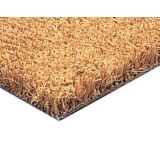
Coir Matting is natural coconut-coir fiber tufted onto a solid vinyl base — the original boot-scraping fiber, set on a backing that keeps what it catches off your floor. The stiff coir brushes grit and moisture off shoes at the door, while the vinyl base seals the underside so nothing leaks through to the floor below. It cuts cleanly to fit a recessed well or a vestibule.
What Coir Matting Does Before Grit Reaches the Floor
Coir has scraped boots clean for well over a century, and the reason is the fiber: stiff, dense, and naturally good at brushing grit and soaking up moisture off shoes. ISSA research shows the entrance is where most of a building's dirt arrives, so a mat that pulls it off early keeps it from grinding across the floor inside. The vinyl base does the other half of the job — it holds the dirt and water on the mat instead of letting it leak through to the floor underneath.
Why Coir on a Vinyl Base, and Why This One
The mat is natural coconut coir tufted into a heavy vinyl base, about five-eighths of an inch thick overall. The coir is the working surface: a tough natural fiber that brushes and holds dirt and moisture the way a synthetic mat cannot quite match. It is the fiber people picture at a welcoming front door, and it has been doing the job since coco mats first came to the States in the 1800s.
The vinyl base is what sets this apart from a plain woven coco mat. A woven-back mat lets water seep straight through to the floor; this one seals the underside, so the floor stays protected and dry beneath it. Because the fibers are locked into that base, the mat can be cut to any shape without unraveling — which is what makes it work in a recessed well.
Where It Belongs, and What It Is Not
Coir Matting is at its best in covered, contained spots — vestibules, lobbies, and recessed entrance wells at commercial and residential doors. It comes in six-foot-wide rolls cut to size, and for a large recess the pieces can be cut and fused so the seam barely shows. It sits in our range of moisture-control entrance matting as the natural-fiber option that traps grit and water on a sealed base.
What it is not is a fully-exposed outdoor mat or a drain-through grid. Coir is a natural fiber, so constant sun and rain wear it faster than a synthetic — it lasts far longer under cover. And the vinyl base means water does not drain through it; it holds moisture on top, so where a spot needs water to run away, an open grid mat is the right tool instead.
Three Things to Check Before You Spec It
First, check how exposed the spot is. Under a portico, in a vestibule, or recessed at a covered entrance, coir holds up well and looks the part. In an open doorway that takes direct sun and driving rain, it will wear and fade faster than a rubber or synthetic mat — so save coir for the sheltered entries and use something weatherproof where the elements hit.
Second, measure the opening, especially a recess. The matting comes in six-foot-wide rolls cut to your length, and custom shapes are workable because the fibers will not unravel at a cut edge. For a recess wider than a single piece, sections are cut and fused together so the joint is hard to spot. Send the well's dimensions and we will plan the layout.
Third, pick the color and expect a little shedding at first. It comes in natural, chocolate brown, and maroon, with printed designs available if you want a pattern. Like all coir, a new mat sheds some loose fiber for the first week or two — that is normal and settles down with a few vacuumings, not a defect.
Why Mats Inc.
We have specified entrance matting since 1964, and coir is a material we know how to place. We will match the thickness and color to the entrance, cut the roll to your recess, and fuse the seams so a large well reads as one clean mat — then point you to a weatherproof option instead if the spot is too exposed for natural fiber. Send the dimensions and we will lay it out.
Coir Matting — Specifications Material Natural coconut coir tufted onto a solid vinyl (PVC) base Total thickness 5/8" Base Solid vinyl — no leak-through (protects the floor) Colors Natural, chocolate brown, maroon Format 6'-wide rolls cut to size; precut standard sizes; custom shapes Recessed use Cuts without unraveling; pieces fuse with a near-invisible seam Customization Custom sizes; printed/imprinted designs available Care Shake, vacuum, or rinse Best for Covered vestibules, recessed entrance wells, sheltered entries Warranty 1-year limited (Mats Inc.) Frequently Asked Questions
What is Coir Matting made of?
Answered by Dustin Thompson, Owner & CEO
It is natural coconut-coir fiber tufted onto a heavy vinyl base, about five-eighths of an inch thick overall. Coir is the stiff, dense fiber from coconut husks — the classic boot-scraping material — and here it is locked into a solid vinyl backing rather than a woven one. That sealed base is the key difference from a plain woven coco mat: water and grit stay on the mat instead of leaking through to the floor underneath.
How long does coir last, and can it go outside?
Answered by Dustin Thompson, Owner & CEO
Coir is tough and scrapes well, but it is a natural fiber, so where it lives matters. Under cover — a vestibule, a portico, a recessed entry — it holds up and keeps its look for a good while. In a fully-exposed doorway taking direct sun and rain, it wears and fades faster than a synthetic or rubber mat, so those spots are better served by a weatherproof option. One normal quirk: a new coir mat sheds loose fiber for a week or two before it settles, which a few vacuumings clear up.
Can it fit a recessed mat well?
Answered by Dustin Thompson, Owner & CEO
Yes — that is one of its strengths. The matting comes in six-foot-wide rolls and cuts cleanly to any shape without unraveling, because the fibers are anchored into the vinyl base. For a recess wider than a single piece, sections are cut and fused together so the joining line is hard to see, and the whole thing sits down in the well at the right height. Send the recess dimensions and we will plan the cut.
What colors does it come in?
Answered by Jinna Hopson, Vice President of Marketing
Three: natural, chocolate brown, and maroon. The natural tone is the warm, golden coir look most people picture at a front door, while the brown and maroon read a little richer and more finished. All three suit a traditional or hospitality entrance where you want the doorway to feel welcoming rather than industrial — coir has a warmth that synthetic mats do not quite have.
Can we get a custom size, shape, or a printed design?
Answered by Jinna Hopson, Vice President of Marketing
Yes to all three. Because it is cut from wide rolls and the cut edges hold without unraveling, custom sizes and shapes are straightforward — useful for an odd-shaped recess or a wide entrance. Printed designs are also available if you want a pattern or motif on the coir rather than a plain field. Send your dimensions and what you have in mind, and we will confirm what works.
Does it look right at a nicer entrance?
Answered by Jinna Hopson, Vice President of Marketing
It does, in the right setting. Coir reads natural and classic — the brushy texture and warm tone are exactly what people associate with a welcoming, well-kept doorway, which is why it suits hospitality, retail, and residential entries. It is less the look for a sleek modern lobby, where a finished synthetic or grid mat fits better, but for a traditional or warm entrance under cover, coir looks the part.
By Dustin Thompson, Owner & CEO, Mats Inc.
↑
Coir Matting is natural coconut-coir fiber tufted onto a solid vinyl base — the original boot-scraping fiber, set on a backing that keeps what it catches off your floor. The stiff coir brushes grit and moisture off shoes at the door, while the vinyl base seals the underside so nothing leaks through to the floor below. It cuts cleanly to fit a recessed well or a vestibule.
What Coir Matting Does Before Grit Reaches the Floor
Coir has scraped boots clean for well over a century, and the reason is the fiber: stiff, dense, and naturally good at brushing grit and soaking up moisture off shoes. ISSA research shows the entrance is where most of a building's dirt arrives, so a mat that pulls it off early keeps it from grinding across the floor inside. The vinyl base does the other half of the job — it holds the dirt and water on the mat instead of letting it leak through to the floor underneath.
Why Coir on a Vinyl Base, and Why This One
The mat is natural coconut coir tufted into a heavy vinyl base, about five-eighths of an inch thick overall. The coir is the working surface: a tough natural fiber that brushes and holds dirt and moisture the way a synthetic mat cannot quite match. It is the fiber people picture at a welcoming front door, and it has been doing the job since coco mats first came to the States in the 1800s.
The vinyl base is what sets this apart from a plain woven coco mat. A woven-back mat lets water seep straight through to the floor; this one seals the underside, so the floor stays protected and dry beneath it. Because the fibers are locked into that base, the mat can be cut to any shape without unraveling — which is what makes it work in a recessed well.
Where It Belongs, and What It Is Not
Coir Matting is at its best in covered, contained spots — vestibules, lobbies, and recessed entrance wells at commercial and residential doors. It comes in six-foot-wide rolls cut to size, and for a large recess the pieces can be cut and fused so the seam barely shows. It sits in our range of moisture-control entrance matting as the natural-fiber option that traps grit and water on a sealed base.
What it is not is a fully-exposed outdoor mat or a drain-through grid. Coir is a natural fiber, so constant sun and rain wear it faster than a synthetic — it lasts far longer under cover. And the vinyl base means water does not drain through it; it holds moisture on top, so where a spot needs water to run away, an open grid mat is the right tool instead.
Three Things to Check Before You Spec It
First, check how exposed the spot is. Under a portico, in a vestibule, or recessed at a covered entrance, coir holds up well and looks the part. In an open doorway that takes direct sun and driving rain, it will wear and fade faster than a rubber or synthetic mat — so save coir for the sheltered entries and use something weatherproof where the elements hit.
Second, measure the opening, especially a recess. The matting comes in six-foot-wide rolls cut to your length, and custom shapes are workable because the fibers will not unravel at a cut edge. For a recess wider than a single piece, sections are cut and fused together so the joint is hard to spot. Send the well's dimensions and we will plan the layout.
Third, pick the color and expect a little shedding at first. It comes in natural, chocolate brown, and maroon, with printed designs available if you want a pattern. Like all coir, a new mat sheds some loose fiber for the first week or two — that is normal and settles down with a few vacuumings, not a defect.
Why Mats Inc.
We have specified entrance matting since 1964, and coir is a material we know how to place. We will match the thickness and color to the entrance, cut the roll to your recess, and fuse the seams so a large well reads as one clean mat — then point you to a weatherproof option instead if the spot is too exposed for natural fiber. Send the dimensions and we will lay it out.
Coir Matting — Specifications Material Natural coconut coir tufted onto a solid vinyl (PVC) base Total thickness 5/8" Base Solid vinyl — no leak-through (protects the floor) Colors Natural, chocolate brown, maroon Format 6'-wide rolls cut to size; precut standard sizes; custom shapes Recessed use Cuts without unraveling; pieces fuse with a near-invisible seam Customization Custom sizes; printed/imprinted designs available Care Shake, vacuum, or rinse Best for Covered vestibules, recessed entrance wells, sheltered entries Warranty 1-year limited (Mats Inc.) Frequently Asked Questions
What is Coir Matting made of?
Answered by Dustin Thompson, Owner & CEO
It is natural coconut-coir fiber tufted onto a heavy vinyl base, about five-eighths of an inch thick overall. Coir is the stiff, dense fiber from coconut husks — the classic boot-scraping material — and here it is locked into a solid vinyl backing rather than a woven one. That sealed base is the key difference from a plain woven coco mat: water and grit stay on the mat instead of leaking through to the floor underneath.
How long does coir last, and can it go outside?
Answered by Dustin Thompson, Owner & CEO
Coir is tough and scrapes well, but it is a natural fiber, so where it lives matters. Under cover — a vestibule, a portico, a recessed entry — it holds up and keeps its look for a good while. In a fully-exposed doorway taking direct sun and rain, it wears and fades faster than a synthetic or rubber mat, so those spots are better served by a weatherproof option. One normal quirk: a new coir mat sheds loose fiber for a week or two before it settles, which a few vacuumings clear up.
Can it fit a recessed mat well?
Answered by Dustin Thompson, Owner & CEO
Yes — that is one of its strengths. The matting comes in six-foot-wide rolls and cuts cleanly to any shape without unraveling, because the fibers are anchored into the vinyl base. For a recess wider than a single piece, sections are cut and fused together so the joining line is hard to see, and the whole thing sits down in the well at the right height. Send the recess dimensions and we will plan the cut.
What colors does it come in?
Answered by Jinna Hopson, Vice President of Marketing
Three: natural, chocolate brown, and maroon. The natural tone is the warm, golden coir look most people picture at a front door, while the brown and maroon read a little richer and more finished. All three suit a traditional or hospitality entrance where you want the doorway to feel welcoming rather than industrial — coir has a warmth that synthetic mats do not quite have.
Can we get a custom size, shape, or a printed design?
Answered by Jinna Hopson, Vice President of Marketing
Yes to all three. Because it is cut from wide rolls and the cut edges hold without unraveling, custom sizes and shapes are straightforward — useful for an odd-shaped recess or a wide entrance. Printed designs are also available if you want a pattern or motif on the coir rather than a plain field. Send your dimensions and what you have in mind, and we will confirm what works.
Does it look right at a nicer entrance?
Answered by Jinna Hopson, Vice President of Marketing
It does, in the right setting. Coir reads natural and classic — the brushy texture and warm tone are exactly what people associate with a welcoming, well-kept doorway, which is why it suits hospitality, retail, and residential entries. It is less the look for a sleek modern lobby, where a finished synthetic or grid mat fits better, but for a traditional or warm entrance under cover, coir looks the part.
By Dustin Thompson, Owner & CEO, Mats Inc.
↑
View Details
View Details
 Brush Hog Mats$64.00Brush Hog Mats put a coarse, brush-like nylon surface at the door — the kind of aggressive scraping a wet or muddy outdoor entrance needs. The stiff turf-pile fibers strip dirt and water off shoes and filter both down below the surface, while drainable borders carry water off the
...
Brush Hog Mats put a coarse, brush-like nylon surface at the door — the kind of aggressive scraping a...
Brush Hog Mats put a coarse, brush-like nylon surface at the door — the kind of aggressive scraping a wet or muddy outdoor entrance needs. The stiff turf-pile fibers strip dirt and water off shoes and filter both down below the surface, while drainable borders carry water off the mat. It is built for outdoor entryways where keeping grit outside the building is the whole job.
What Brush Hog Does Before Dirt Tracks Inside
An outdoor entrance is where a building's dirt arrives — ISSA research shows most of it comes in on shoes at the door. A coarse scraper like Brush Hog takes that grit off early and filters it down below the pile, so it does not ride across the floor inside. The drainable borders let rain and snowmelt run off the mat instead of pooling on top, which keeps the surface working in wet weather rather than turning into a puddle at the threshold.
Why Coarse Turf-Pile Nylon, and Why This One
The scraping surface is extra-coarse solution-dyed nylon in a dense turf pile, weighing about 26 ounces per square yard over a 3/8-inch-thick mat. The stiff fiber is what does the scraping, and because it is solution-dyed — the color locked into the fiber — it does not fade in sunlight the way a surface-dyed mat would after a season outdoors.
Underneath is an SBR rubber backing — a synthetic rubber — that holds the mat in place, and it is made with 20% recycled rubber reclaimed from car tires. The mat is certified high-traction by the National Floor Safety Institute and passes the DOC-FF1-70 surface-flammability standard. It comes with a smooth backing as standard, or a cleated backing that grips a carpeted floor.
Where It Belongs, and What It Is Not
Brush Hog is built for outdoor building entrances — the first mat a shoe hits, where the job is stripping off the worst of the dirt and water. The drainable borders and below-surface filtering make it a fit for wet, exposed thresholds, and it sits in our range of moisture-control entrance matting as the coarse scraper that keeps grit and standing water off the floor inside.
What it is not is a wiper or a soft, finished mat. The coarse pile is aggressive by design, so it scrapes far better than it dries — pair it with an absorbent mat just inside to take the moisture off shoes once Brush Hog has done the rough work. Its look is purely functional, which suits a service or exterior entrance more than a polished lobby.
Three Things to Check Before You Spec It
First, pick the backing for the floor it sits on. The standard smooth backing is right for a hard outdoor surface. If the mat will sit on carpet or you want extra hold against shifting, the cleated backing grips better. One limit to note: mats longer than 40 feet come only with the smooth backing.
Second, size it to the traffic path. It comes in a wide range of standard sizes, and in custom widths of three, four, or six feet cut to length up to sixty feet. Size it so shoes take several steps across the pile — a mat too short for the path lets feet skip the scraping surface entirely.
Third, plan it as the first stage, not the only one. Brush Hog scrapes and filters outside; it does not dry feet on its own. Set an absorbent mat just inside the door so the scraper knocks off the grit and water and the second mat takes whatever moisture is left, keeping the floor beyond it clean and dry.
Why Mats Inc.
We have specified entrance matting since 1964, and an outdoor scraper only works if it is matched to the door and the floor. We will help you weigh smooth against cleated backing, size the mat to the traffic path, and set it up as the first stage in a two-mat system so the dirt stops outside. Tell us the entrance and we will spec it to fit.
Brush Hog Mats — Specifications Surface Extra-coarse solution-dyed nylon, turf-pile Face weight 26 oz/sq yd Overall thickness 3/8" Backing SBR rubber, 78-mil — smooth (standard) or cleated (option); 20% post-consumer recycled rubber Traction NFSI-certified high-traction Flammability Passes DOC-FF1-70 (surface ↑
Brush Hog Mats put a coarse, brush-like nylon surface at the door — the kind of aggressive scraping a wet or muddy outdoor entrance needs. The stiff turf-pile fibers strip dirt and water off shoes and filter both down below the surface, while drainable borders carry water off the mat. It is built for outdoor entryways where keeping grit outside the building is the whole job.
What Brush Hog Does Before Dirt Tracks Inside
An outdoor entrance is where a building's dirt arrives — ISSA research shows most of it comes in on shoes at the door. A coarse scraper like Brush Hog takes that grit off early and filters it down below the pile, so it does not ride across the floor inside. The drainable borders let rain and snowmelt run off the mat instead of pooling on top, which keeps the surface working in wet weather rather than turning into a puddle at the threshold.
Why Coarse Turf-Pile Nylon, and Why This One
The scraping surface is extra-coarse solution-dyed nylon in a dense turf pile, weighing about 26 ounces per square yard over a 3/8-inch-thick mat. The stiff fiber is what does the scraping, and because it is solution-dyed — the color locked into the fiber — it does not fade in sunlight the way a surface-dyed mat would after a season outdoors.
Underneath is an SBR rubber backing — a synthetic rubber — that holds the mat in place, and it is made with 20% recycled rubber reclaimed from car tires. The mat is certified high-traction by the National Floor Safety Institute and passes the DOC-FF1-70 surface-flammability standard. It comes with a smooth backing as standard, or a cleated backing that grips a carpeted floor.
Where It Belongs, and What It Is Not
Brush Hog is built for outdoor building entrances — the first mat a shoe hits, where the job is stripping off the worst of the dirt and water. The drainable borders and below-surface filtering make it a fit for wet, exposed thresholds, and it sits in our range of moisture-control entrance matting as the coarse scraper that keeps grit and standing water off the floor inside.
What it is not is a wiper or a soft, finished mat. The coarse pile is aggressive by design, so it scrapes far better than it dries — pair it with an absorbent mat just inside to take the moisture off shoes once Brush Hog has done the rough work. Its look is purely functional, which suits a service or exterior entrance more than a polished lobby.
Three Things to Check Before You Spec It
First, pick the backing for the floor it sits on. The standard smooth backing is right for a hard outdoor surface. If the mat will sit on carpet or you want extra hold against shifting, the cleated backing grips better. One limit to note: mats longer than 40 feet come only with the smooth backing.
Second, size it to the traffic path. It comes in a wide range of standard sizes, and in custom widths of three, four, or six feet cut to length up to sixty feet. Size it so shoes take several steps across the pile — a mat too short for the path lets feet skip the scraping surface entirely.
Third, plan it as the first stage, not the only one. Brush Hog scrapes and filters outside; it does not dry feet on its own. Set an absorbent mat just inside the door so the scraper knocks off the grit and water and the second mat takes whatever moisture is left, keeping the floor beyond it clean and dry.
Why Mats Inc.
We have specified entrance matting since 1964, and an outdoor scraper only works if it is matched to the door and the floor. We will help you weigh smooth against cleated backing, size the mat to the traffic path, and set it up as the first stage in a two-mat system so the dirt stops outside. Tell us the entrance and we will spec it to fit.
Brush Hog Mats — Specifications Surface Extra-coarse solution-dyed nylon, turf-pile Face weight 26 oz/sq yd Overall thickness 3/8" Backing SBR rubber, 78-mil — smooth (standard) or cleated (option); 20% post-consumer recycled rubber Traction NFSI-certified high-traction Flammability Passes DOC-FF1-70 (surface ↑
View Details
View Details
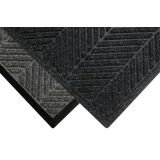 Waterhog Elite Herringbone Mats$75.00The Waterhog Elite Herringbone is a bi-level entrance mat built to pull dirt and water off shoes and keep them off your floor. Raised nubs scrape debris and moisture down below foot level, while a raised water-dam border around the edge holds the runoff on the mat instead of
...
The Waterhog Elite Herringbone is a bi-level entrance mat built to pull dirt and water off shoes and keep...
The Waterhog Elite Herringbone is a bi-level entrance mat built to pull dirt and water off shoes and keep them off your floor. Raised nubs scrape debris and moisture down below foot level, while a raised water-dam border around the edge holds the runoff on the mat instead of letting it spread onto the floor. The herringbone face gives it an upscale look right at the door.
What the Waterhog Elite Herringbone Does Before Water Reaches Your Floor
Most of a building's dirt and water walks in on shoes at the entrance — ISSA research puts the bulk of it right at the door. This mat's bi-level surface scrapes that grit and moisture off and drops it below the level your shoe touches, so it stays in the mat instead of riding onto the floor. A raised water-dam border around the edge keeps the trapped water from running off, which is what stops a slick spot from forming at the threshold.
Why Recycled PET and a Bi-Level Face, and Why This One
The face is solution-dyed PET — a polyester made from recycled plastic drink bottles, at least 90% recycled content — woven into a dense herringbone at about 30 ounces per square yard. Solution-dyed means the color is locked into the fiber, so it resists staining and will not fade or rot. The raised nubs that do the scraping are reinforced with rubber, so the pile does not crush flat under steady traffic.
Underneath, the SBR rubber backing — a synthetic rubber — contains about 20% recycled rubber from car tires, and comes in a smooth or a cleated version. The mat is certified high-traction by the National Floor Safety Institute, and beveled edges ease the step up onto it. The water-dam border holds up to 1.5 gallons of water per square yard before it overflows.
Where It Belongs, and What It Is Not
This is an entrance mat for the front of the building — lobbies, office and retail entries, hotels, and restaurants, indoors or out — where you want both performance and a finished look. The herringbone face and recycled build earn it a place in our range of water-capture entrance matting, where the job is holding tracked-in water on the mat and off the floor.
What it is not is a mat for a kitchen or a fuel or service bay — the PET fiber should not sit in areas exposed to animal fats or petroleum, which break it down. It is also a single stage: it traps a lot, but in a downpour or very heavy traffic, pairing it with a second mat just inside keeps the floor beyond it dry.
Three Things to Check Before You Spec It
First, choose the border. The classic border is rubber — rugged, and the better pick for an exposed outdoor or high-abuse entrance. The fashion border is fabric, wrapped in the same recycled material as the face, for a more finished look in a lobby or retail space. Both come in a range of seven colors, so you can match the mat to the floor or the décor.
Second, match the backing to the floor. The cleated backing grips a carpeted surface and resists shifting, while the smooth backing sits flat on hard floors like tile or stone. Picking the wrong one is the usual reason a mat creeps or wrinkles underfoot.
Third, size it to the entrance. It comes in a range of standard sizes and can be made to order in whole-foot lengths up to sixty feet, for a long approach or a wide doorway. Aim for enough length that a person takes several steps across the mat — that is what gives the nubs the chance to clean the whole sole.
Why Mats Inc.
We have specified entrance matting since 1964, and a performance mat like this only pays off when it is matched to the entrance. We will help you weigh the classic border against the fashion border, pick the backing for your floor, choose from the seven colors, and size it to the doorway so it traps what it should. Tell us the entrance and we will spec it to fit.
Waterhog Elite Herringbone Mats — Specifications Surface Solution-dyed PET (recycled polyester), needle-punched, herringbone pattern Face weight 30 oz/sq yd Recycled content Face: at least 90% post-consumer recycled PET (plastic bottles); backing: 20% recycled rubber (car tires) Surface design Bi-level raised nubs, reinforced with rubber to resist crushing Water-dam border Holds up to 1.5 gal water per sq yd Overall thickness 3/8" Backing SBR rubber — smooth or cleated; body 78-mil, border 143-mil Traction NFSI-certified high-traction; beveled edges Flammability Passes DOC-FF1-70 (confirm — see notes) Fade / stain Solution-dyed; stain-resistant; will not fade or rot; unaffected by salt or ice melt Borders & colors Classic (rubber) or fashion (fabric) border; 7 colors Not recommended for Areas exposed to animal fats (kitchens) or petroleum products Sizes Range of standard sizes; custom to 60' (whole-foot increments) Care Vacuum or hose off; hang to dry before returning to service Warranty 1-year limited (Mats Inc.) Frequently Asked Questions
What is the Waterhog Elite Herringbone made of?
Answered by Dustin Thompson, Owner & CEO
The face is solution-dyed PET — a polyester woven from recycled plastic drink bottles, at least 90 percent recycled content — set in a herringbone pattern at about 30 ounces per square yard. The raised nubs that do the scraping are reinforced with rubber so the pile will not crush flat under traffic. Underneath is an SBR rubber backing, a synthetic rubber, made with about 20 percent recycled rubber from car tires. That recycled content may also count toward LEED credits, depending on the rating version and the project.
How much water does it hold, and how slip-safe is it?
Answered by Dustin Thompson, Owner & CEO
The raised water-dam border around the edge holds up to 1.5 gallons of water per square yard before it overflows, which keeps tracked-in rain and snowmelt on the mat instead of pooling on your floor. The surface is certified high-traction by the National Floor Safety Institute, and the beveled edges give a safe transition from the floor up onto the mat. Because the PET is solution-dyed, it resists staining and will not fade or rot, and it stands up to salt and ice melt without breaking down — useful through a hard winter.
Should I get smooth or cleated backing, and where can I use it?
Answered by Dustin Thompson, Owner & CEO
The cleated backing grips a carpeted floor and resists shifting; the smooth backing lays flat on hard surfaces like tile or stone — match it to whatever the mat will sit on. The mat works indoors or out at an entrance. The one place to avoid is anywhere exposed to animal fats, like a commercial kitchen, or to petroleum products, since those break down the PET fiber over time.
What sizes does it come in?
Answered by Jinna Hopson, Vice President of Marketing
It comes in a range of standard sizes for typical doorways, and it can be made to order in whole-foot lengths up to sixty feet — handy for a long entry approach or a wide double-door opening. The thing to aim for is enough length that someone takes several steps across the mat, because that is what lets the nubs clean the whole sole rather than just clipping it. Send the opening dimensions and the walking path, and we will point you to the right size.
What colors and border styles are available?
Answered by Jinna Hopson, Vice President of Marketing
There are seven colors to choose from, and two border styles. The classic border is rubber — clean and rugged, the usual pick for an outdoor or heavy-duty entrance. The fashion border is fabric, wrapped in the same recycled material as the face, for a softer, more finished edge that suits a lobby or retail floor. The herringbone face pattern gives either version an upscale look, rather than the plain appearance of a basic utility mat.
Will it look right at a customer-facing entrance?
Answered by Jinna Hopson, Vice President of Marketing
Yes — the herringbone pattern and the fabric fashion border are what set this mat apart from a plain entrance mat, so it reads as intentional in an office lobby, a hotel, a restaurant, or a retail entry. If the entrance is more exposed or takes rougher use, the rubber classic border holds up better outdoors while still looking finished. Either way, you get a mat that performs like a workhorse but does not look like one.
By Jinna Hopson, Vice President of Marketing, Mats Inc.
↑
The Waterhog Elite Herringbone is a bi-level entrance mat built to pull dirt and water off shoes and keep them off your floor. Raised nubs scrape debris and moisture down below foot level, while a raised water-dam border around the edge holds the runoff on the mat instead of letting it spread onto the floor. The herringbone face gives it an upscale look right at the door.
What the Waterhog Elite Herringbone Does Before Water Reaches Your Floor
Most of a building's dirt and water walks in on shoes at the entrance — ISSA research puts the bulk of it right at the door. This mat's bi-level surface scrapes that grit and moisture off and drops it below the level your shoe touches, so it stays in the mat instead of riding onto the floor. A raised water-dam border around the edge keeps the trapped water from running off, which is what stops a slick spot from forming at the threshold.
Why Recycled PET and a Bi-Level Face, and Why This One
The face is solution-dyed PET — a polyester made from recycled plastic drink bottles, at least 90% recycled content — woven into a dense herringbone at about 30 ounces per square yard. Solution-dyed means the color is locked into the fiber, so it resists staining and will not fade or rot. The raised nubs that do the scraping are reinforced with rubber, so the pile does not crush flat under steady traffic.
Underneath, the SBR rubber backing — a synthetic rubber — contains about 20% recycled rubber from car tires, and comes in a smooth or a cleated version. The mat is certified high-traction by the National Floor Safety Institute, and beveled edges ease the step up onto it. The water-dam border holds up to 1.5 gallons of water per square yard before it overflows.
Where It Belongs, and What It Is Not
This is an entrance mat for the front of the building — lobbies, office and retail entries, hotels, and restaurants, indoors or out — where you want both performance and a finished look. The herringbone face and recycled build earn it a place in our range of water-capture entrance matting, where the job is holding tracked-in water on the mat and off the floor.
What it is not is a mat for a kitchen or a fuel or service bay — the PET fiber should not sit in areas exposed to animal fats or petroleum, which break it down. It is also a single stage: it traps a lot, but in a downpour or very heavy traffic, pairing it with a second mat just inside keeps the floor beyond it dry.
Three Things to Check Before You Spec It
First, choose the border. The classic border is rubber — rugged, and the better pick for an exposed outdoor or high-abuse entrance. The fashion border is fabric, wrapped in the same recycled material as the face, for a more finished look in a lobby or retail space. Both come in a range of seven colors, so you can match the mat to the floor or the décor.
Second, match the backing to the floor. The cleated backing grips a carpeted surface and resists shifting, while the smooth backing sits flat on hard floors like tile or stone. Picking the wrong one is the usual reason a mat creeps or wrinkles underfoot.
Third, size it to the entrance. It comes in a range of standard sizes and can be made to order in whole-foot lengths up to sixty feet, for a long approach or a wide doorway. Aim for enough length that a person takes several steps across the mat — that is what gives the nubs the chance to clean the whole sole.
Why Mats Inc.
We have specified entrance matting since 1964, and a performance mat like this only pays off when it is matched to the entrance. We will help you weigh the classic border against the fashion border, pick the backing for your floor, choose from the seven colors, and size it to the doorway so it traps what it should. Tell us the entrance and we will spec it to fit.
Waterhog Elite Herringbone Mats — Specifications Surface Solution-dyed PET (recycled polyester), needle-punched, herringbone pattern Face weight 30 oz/sq yd Recycled content Face: at least 90% post-consumer recycled PET (plastic bottles); backing: 20% recycled rubber (car tires) Surface design Bi-level raised nubs, reinforced with rubber to resist crushing Water-dam border Holds up to 1.5 gal water per sq yd Overall thickness 3/8" Backing SBR rubber — smooth or cleated; body 78-mil, border 143-mil Traction NFSI-certified high-traction; beveled edges Flammability Passes DOC-FF1-70 (confirm — see notes) Fade / stain Solution-dyed; stain-resistant; will not fade or rot; unaffected by salt or ice melt Borders & colors Classic (rubber) or fashion (fabric) border; 7 colors Not recommended for Areas exposed to animal fats (kitchens) or petroleum products Sizes Range of standard sizes; custom to 60' (whole-foot increments) Care Vacuum or hose off; hang to dry before returning to service Warranty 1-year limited (Mats Inc.) Frequently Asked Questions
What is the Waterhog Elite Herringbone made of?
Answered by Dustin Thompson, Owner & CEO
The face is solution-dyed PET — a polyester woven from recycled plastic drink bottles, at least 90 percent recycled content — set in a herringbone pattern at about 30 ounces per square yard. The raised nubs that do the scraping are reinforced with rubber so the pile will not crush flat under traffic. Underneath is an SBR rubber backing, a synthetic rubber, made with about 20 percent recycled rubber from car tires. That recycled content may also count toward LEED credits, depending on the rating version and the project.
How much water does it hold, and how slip-safe is it?
Answered by Dustin Thompson, Owner & CEO
The raised water-dam border around the edge holds up to 1.5 gallons of water per square yard before it overflows, which keeps tracked-in rain and snowmelt on the mat instead of pooling on your floor. The surface is certified high-traction by the National Floor Safety Institute, and the beveled edges give a safe transition from the floor up onto the mat. Because the PET is solution-dyed, it resists staining and will not fade or rot, and it stands up to salt and ice melt without breaking down — useful through a hard winter.
Should I get smooth or cleated backing, and where can I use it?
Answered by Dustin Thompson, Owner & CEO
The cleated backing grips a carpeted floor and resists shifting; the smooth backing lays flat on hard surfaces like tile or stone — match it to whatever the mat will sit on. The mat works indoors or out at an entrance. The one place to avoid is anywhere exposed to animal fats, like a commercial kitchen, or to petroleum products, since those break down the PET fiber over time.
What sizes does it come in?
Answered by Jinna Hopson, Vice President of Marketing
It comes in a range of standard sizes for typical doorways, and it can be made to order in whole-foot lengths up to sixty feet — handy for a long entry approach or a wide double-door opening. The thing to aim for is enough length that someone takes several steps across the mat, because that is what lets the nubs clean the whole sole rather than just clipping it. Send the opening dimensions and the walking path, and we will point you to the right size.
What colors and border styles are available?
Answered by Jinna Hopson, Vice President of Marketing
There are seven colors to choose from, and two border styles. The classic border is rubber — clean and rugged, the usual pick for an outdoor or heavy-duty entrance. The fashion border is fabric, wrapped in the same recycled material as the face, for a softer, more finished edge that suits a lobby or retail floor. The herringbone face pattern gives either version an upscale look, rather than the plain appearance of a basic utility mat.
Will it look right at a customer-facing entrance?
Answered by Jinna Hopson, Vice President of Marketing
Yes — the herringbone pattern and the fabric fashion border are what set this mat apart from a plain entrance mat, so it reads as intentional in an office lobby, a hotel, a restaurant, or a retail entry. If the entrance is more exposed or takes rougher use, the rubber classic border holds up better outdoors while still looking finished. Either way, you get a mat that performs like a workhorse but does not look like one.
By Jinna Hopson, Vice President of Marketing, Mats Inc.
↑
View Details
View Details
per page© 2025 Mats Inc. All Rights ReservedWhat "Drainage" Actually Means at the Entrance Threshold
The category name suggests open-grid pass-through drainage, but most of the constructions in the grid handle moisture differently — through absorption, channeling, or surface elevation rather than letting water pass through to a substrate below. That distinction matters because each approach has a different right placement.
True bi-level channeling (Waterhog Elite Herringbone) routes water into recessed wells beneath the surface, which is what keeps the walking surface drier than what the mat actually holds. Dense-pile absorption (Super Berber) traps moisture in the looped fiber, which is what keeps the entrance presentable across wet weather days.
Natural fiber absorption (Coir) absorbs incidental moisture and scrapes shoes simultaneously, with a vinyl backing that prevents leak-through to the floor below. Raised-nub construction (Brush Hog) lifts the walking surface above the trapped debris and moisture, which is what keeps shoes from re-contacting what's already been scraped off.
All four are valid moisture-management approaches; picking between them comes down to what the placement is actually asking the mat to do.
The Failure Mode at Moisture-Heavy Entry Placements
The most common failure at moisture-heavy entries is wrong construction for the moisture type. Continuous-wet conditions — pool entries, locker rooms, food service kitchens, healthcare clean-water thresholds — need constructions that handle sustained saturation without breaking down, and most general absorption mats fail fast at those placements.
Intermittent-wet conditions — covered hospitality entries during rain, retail entries in wet climates, healthcare facility doorways — need constructions that absorb across the wet day and dry between exposures, which dense-pile and natural-fiber options handle well.
Mats placed in conditions they weren't built for develop a predictable failure pattern: the surface saturates faster than it can dry, moisture wicks down to the backing where it sits against the floor, mildew develops under the mat, slip risk goes up as the saturated surface becomes slick, and the floor underneath starts breaking down from below.
NFSI tracks slip-and-fall incidents at wet thresholds as one of the most consistent commercial liability sources, which is why matching the construction to the moisture exposure matters more at these placements than almost anywhere else in the building. ISSA field data shows 12 times more dirt enters during wet weather, and that combined load — water plus debris arriving together — is what overwhelms wrong-construction mats fastest.
How the Four Options Compare
Each option in the grid handles moisture differently. Picking between them comes down to what kind of moisture exposure the placement actually sees.
Waterhog Elite Herringbone Mats are the closest thing in the grid to literal drainage construction. Bi-level design — herringbone-patterned face on top, recessed water-channeling wells underneath — routes water absorbed at the surface into the wells below, keeping the walking surface drier than what the mat actually holds. The structure gives the mat reserve capacity beyond what the surface alone could absorb, which matters at sustained-wet placements.
Strongest pick for high-volume wet entrances where the mat needs to keep absorbing without saturating the surface — covered hotel entries in rainy climates, healthcare facility thresholds with constant wet-shoe exposure, retail entrances in wet weather regions.
Super Berber Matting handles moisture through dense-pile absorption rather than drainage channels. High-performance looped yarn traps moisture and dirt within the pile while keeping the entrance presentable across heavy traffic days. Rubber backing prevents slipping when the mat saturates.
Right pick for moisture-heavy commercial spaces where the mat also needs to look intentional while it's working — corporate lobbies during weather events, hospitality entries where appearance matters as much as function, food service entrances where a polished look matches the space. Not the right call for continuous-wet placements where saturation is constant; the dense pile reaches absorption capacity faster than the bi-level Waterhog construction.
Coir Matting uses natural coconut-husk fiber for moisture absorption combined with shoe scraping. The 3/16-inch thick vinyl backing prevents leak-through to the floor underneath, which is the construction detail that separates commercial-grade Coir from lighter residential alternatives. Best for covered entries where moisture is incidental rather than constant — hotel covered driveways, restaurant covered patios, residential-feel commercial entries where natural fiber fits the space's design aesthetic. Saturates faster than synthetic alternatives at sustained-wet conditions, so not the right call where continuous water exposure is the load.
Brush Hog Mats take a different approach to moisture management — extra-coarse solution-dyed nylon fibers with a raised-nub surface that holds trapped debris and moisture below the walking surface. The construction lifts the foot above what's already been scraped off the shoe, which keeps re-contact and re-tracking from undoing the mat's work.
Solution-dyed yarn resists UV fade, gripper backing controls mat movement, and the raised-nub design works equally well at exterior thresholds and high-traffic interior placements where debris control and moisture management both matter. Right pick where the entry sees significant debris alongside moisture and the mat needs to keep both off the walking surface.
Three Things to Check Before You Pick
First, the moisture type and exposure pattern. Continuous-wet placements (pool entries, locker rooms, food service kitchens, healthcare clean-water thresholds) need constructions that handle sustained saturation — Waterhog Elite Herringbone's bi-level channeling holds up best here. Intermittent-wet placements (covered hospitality entries during rain, healthcare doorways, corporate lobbies during weather events) work well with dense-pile absorption — Super Berber. Incidental-wet placements (covered architectural entries where moisture occasionally arrives on shoes) work with natural fiber absorption — Coir. Combined moisture-plus-debris placements (high-traffic commercial entries with both wet-weather and debris loads) suit raised-nub construction — Brush Hog.
Second, the maintenance cadence the placement can actually support. No moisture mat survives long without regular lifting to dry the substrate underneath. Daily lifting suits continuous-wet placements; weekly works for intermittent. If the placement can't accommodate a maintenance cadence matched to its moisture exposure, the construction needs to be more forgiving — bi-level Waterhog handles longer intervals between lifts better than dense-pile or natural-fiber alternatives.
Third, size and coverage. ISSA's six-to-eight-footstep rule applies at moisture placements too — undersized mats let traffic exit while still carrying water onto the interior flooring, accelerating wear on what was supposed to be protected.
Why Mats Inc.
The four moisture-management constructions in the grid above are what's held up in commercial spaces where water exposure is constant and the wrong mat fails fast. Constructions that couldn't handle sustained saturation, backing breakdown from moisture trapped underneath, or the slip-risk transition as mats load up retired from the catalog. The ones still here are the ones we'd put at our own front door in a wet climate.
Getting the moisture-construction match right at the start is what separates a three-year service life from a six-month replacement cycle — and what keeps the flooring underneath from absorbing wear it wasn't built for. Spec consultation available if you want a second opinion before committing.
Frequently Asked Questions
How do the four moisture-management constructions actually compare?
Answered by Dustin Thompson, Owner & CEO
Each one handles moisture through a different mechanism. Waterhog Elite Herringbone uses bi-level channeling — recessed wells beneath the surface route water away from the foot, which gives the mat reserve capacity beyond what the surface alone could hold. Super Berber uses dense-pile absorption — looped fiber traps moisture in the pile, which works well when the mat needs to look polished while it's absorbing.
Coir uses natural-fiber absorption with a vinyl backing — incidental moisture absorbs into the fiber while the backing prevents leak-through to the substrate below. Brush Hog uses raised-nub construction — trapped debris and moisture sit below the walking surface, which keeps the foot above what's already been scraped off.
Each construction has a sweet spot: continuous-wet for Waterhog bi-level, intermittent-wet with polished appearance for Super Berber, incidental-wet covered placements for Coir, combined moisture-and-debris for Brush Hog.
Bi-level drainage versus dense-pile absorption — which is right for my entry?
Answered by Dustin Thompson, Owner & CEO
Comes down to how much continuous moisture the entry sees and how often the mat can be lifted to dry. Bi-level construction (Waterhog Elite Herringbone) is the right call for continuous-wet placements — the recessed channels store water below the walking surface, so the mat keeps absorbing past what the dense pile alone could hold. It also handles longer intervals between lifts because the substrate has more breathing room beneath the bi-level structure.
Dense-pile absorption (Super Berber) is the right call for intermittent-wet placements where appearance matters alongside moisture management — corporate lobbies during weather events, hospitality entries, food service thresholds where the mat needs to look polished while doing the absorption work. Super Berber requires more frequent lifting to release moisture and let the substrate dry.
If the placement is constantly wet and lifting can't happen daily, go bi-level. If the placement is intermittently wet and the mat needs to look intentional, go dense-pile.
Can drainage matting fit at high-end customer-facing entries?
Answered by Jinna Hopson, Vice President of Marketing
Yes, depending on the construction. Waterhog Elite Herringbone has a refined herringbone surface pattern that reads as intentional at corporate lobbies, hospitality entries, and architectural thresholds — the bi-level water management isn't visible underfoot, so the mat presents cleanly while doing the technical work. Super Berber has a softer, more carpeted look that fits hospitality and corporate spaces where the mat should feel residential-quality even though it's commercial-grade.
Coir has a natural-fiber appearance that fits covered entries with organic or rustic design intent — restaurants with farmhouse aesthetics, hospitality entries with natural-material design themes. Brush Hog reads as more utility-focused — appropriate at high-traffic commercial entries where function dominates, less so at design-led hospitality main entrances. For customer-facing entries where the mat is part of the visual presentation, Waterhog Elite Herringbone or Coir typically fit best depending on the surrounding architectural materials.
Why are dense-pile mats like Super Berber in the Outdoor Carpet Mats category if they don't have open drainage?
Answered by Dustin Thompson, Owner & CEO
The Outdoor Carpet Mats category groups constructions that handle moisture at the entry, not specifically pass-through grid drainage. The category covers four different moisture-management approaches: bi-level channeling, dense-pile absorption, natural fiber absorption, and raised-nub surface elevation. All four do the same job at the high level — keep water and moisture from reaching the interior flooring — but through different mechanisms.
The category naming reflects the functional outcome (moisture managed at the threshold) rather than a single construction type. Buyers expecting only open-grid mats might find the category mix surprising; the practical answer is that for most commercial entry placements, dense-pile or bi-level construction handles moisture better than literal open-grid drainage, which is more suited to specialty industrial placements not represented in this commercial-entry category.
Can I get custom sizing and color options for design-led drainage placements?
Answered by Jinna Hopson, Vice President of Marketing
Yes, with options that vary by construction. Waterhog Elite Herringbone supports custom rectangular sizing within standard manufacturing tolerances, plus multiple color options on the herringbone surface — useful for coordinating with surrounding architectural finishes. Super Berber supports custom rectangular sizing with multiple color options for the dense-pile face.
Coir Matting is available in rolls, which gives flexibility for custom lengths and irregular thresholds; color range is narrow because natural fiber doesn't accept dye like synthetic alternatives. Brush Hog supports custom sizing and offers solution-dyed color options that resist UV fade. For irregular shapes — angled hospitality entries, recessed architectural thresholds, curved corridor transitions — send us the dimensions and design intent and we'll confirm what's manufacturable. Custom orders typically take two to four weeks depending on the construction and complexity.
Service life and maintenance for drainage matting?
Answered by Dustin Thompson, Owner & CEO
Three to four years across all four constructions at moderate-moisture placements with appropriate maintenance. One to three years at continuous-wet placements (pool entries, gym transitions, food service kitchens) depending on traffic volume and lift-and-dry frequency. Mats lifted regularly so the substrate can dry beneath them last significantly longer than mats left in place — moisture trapped between the backing and the floor breaks down both surfaces over time, regardless of construction.
Coir saturated frequently has the shortest service life because natural fiber breaks down faster under sustained moisture exposure than synthetic alternatives. Bi-level Waterhog options often hit the upper end of the range because the channels reduce backing exposure to standing water. Service life ultimately comes down to maintenance discipline more than initial product choice; even premium construction fails fast without lift-and-dry on schedule.
Shop ByShopping Options