




More Information
| Manufacturer | LEA-DER |
|---|
Reviews
- A durable, high-traction floor mat designed for safe, long-lasting use in marine and offshore environmentsGreat quality and durability! These Rotary Table & Rig Floor Mats provide excellent traction and feel extremely sturdy. The industrial-grade polyurethane material holds up well, even in tough environments. The option for custom sizes is a big plus. Highly recommended for safety and performance.
Posted on
$0.00

Have a question? We're here to help!
Description
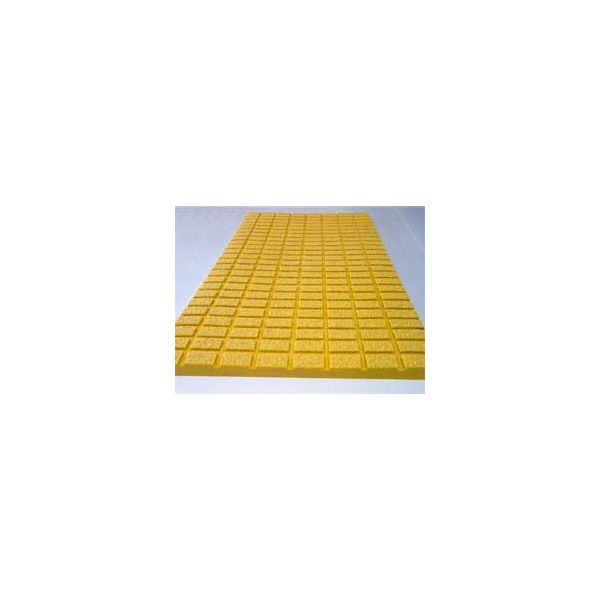
Rotary Table & Rig Floor Mats are not cut from a roll. Each one is cast from a two-component polyurethane blend to drawings you supply, with stainless steel studs set into the surface while the material is still forming. That production method is why the traction is part of the mat rather than a layer applied to the top of it.
What This Matting Does Before Someone Loses Their Footing
The drill floor problem is not dirt, it is film. Oil-based drilling fluid spreads into a thin, continuous layer across steel decking, and a boot landing on that layer has almost nothing to bite. Crews still have to move, still have to handle pipe, and still have to get to the console fast when something changes.
This matting attacks the film two ways at once. Channels formed across the face give fluid somewhere to go, so it drains off the walking surface instead of sitting on it. Then the embedded stainless studs project through whatever film remains and make contact with the boot sole directly, which is the part a textured surface alone cannot do.
The stakes are why drilling rig mats get specified at all. A slip on a working floor rarely stays a slip, because the crew member going down is usually near moving pipe, rotating equipment, or an opening. Getting footing right on the deck is upstream of most of what a rig safety program is trying to prevent.
Why Cast Polyurethane, and Why This Formulation
The base material is a custom blend of polyol polyurethane, mixed as two components and cured in place rather than extruded. It is 100% solids with zero VOC, meaning nothing evaporates out of the material as it cures. Nothing leaving the mix is what keeps the studs locked in position and the mat dimensionally true to the drawing it was made from.
The hardness sits at 95 Shore A, which is firm enough that dragged tongs and pipe do not gouge into it. On its own that would make a brittle mat, so the formulation carries 231% elongation and 3,000 psi tensile strength alongside it. Hard on the surface, elastic through the body — that combination is what stops edges tearing off under equipment.
Split tear resistance of 400 lb F/IN is the number that matters most in practice, because edge failure is how matting usually dies on a drill floor. Once something catches an edge and starts a tear, the mat unzips from there. Abrasion loss measures 4.4 mg per 1,000 cycles on a CS-17 Taber wheel, so the traction face wears slowly under the grit that comes up from the pits.
Environmental testing covers the conditions rigs actually run in. Weatherability passed 2,500 hours, the cold temperature rating reaches −70ºC for northern and arctic locations, and an independent laboratory passed the material for UL94-HB flammability. Flash point is 175ºC. Structural matting for load and ground problems sits alongside this product under Rotary Table & Rig Floor Mats.
Where It Belongs, and What It Is Not
The rotary table surround is the primary application, and it is where most operations start. From there, coverage typically extends wherever crews plant their feet under load: alongside the tongs, across the route to the console, and over any span walked while guiding equipment. Marine and offshore platforms specify it for the same reasons land rigs do, with heavier weathering exposure on top.
Because each mat is made to supplied drawings, it fits around the openings and equipment that are actually on your deck rather than forcing you to work around a standard rectangle. Sloped edges are part of the standard build, so the transition onto the mat is a ramp rather than a lip that catches a toe.
What it is not: this is a walking surface, not a load platform. It does not distribute equipment weight, level a setup, or protect ground. Those are jobs for structural matting, and specifying this product for them is the most common mismatch in the category.
One spec deserves a direct clarification. The material tests at 400 volts per mil dielectric strength under ASTM D149, and that figure describes the polyurethane itself. It is not an electrical safety rating. Insulating matting for live electrical work is qualified under ASTM D178 and is a separate product class. Do not substitute this for rated switchboard matting.
Three Things to Check Before You Spec It
First, get the drawing right, because the drawing is the product. Manufacturing works from your supplied specifications, so measure the rotary table opening, the deck obstructions, and the equipment footprints the mat has to clear. A field measurement that is close enough for a stock mat is not close enough here, and remaking a custom mat costs you a delivery cycle.
Second, pick thickness against your traffic rather than defaulting. Rotary table mats run 1.25" as standard, which is the right call under pipe handling and heavy tong work. The 0.75" build exists for areas with lighter equipment traffic, and other thicknesses are made to request. Thickness also drives weight, at roughly 8 lbs per square foot.
Third, decide what the mat needs to say before it goes into production. Company name, rig number, and danger callouts are embedded during manufacture in a contrasting color, not applied afterward. That means the marking decision has to happen up front, and it is worth getting your safety team in the room for it rather than treating it as a finishing detail.
Why Mats Inc.
Custom matting creates a records problem that shows up two years later, when a mat needs replacing or a second rig needs the same layout. We keep your drawings and color specifications on file, so a reorder matches what is already on the deck instead of restarting the measurement process. We have been in industrial flooring since 1964, and on made-to-order work that continuity is most of the value.
Specifications
| Material | Two-component custom blend polyol polyurethane; 100% solids |
| Traction Surface | Embedded stainless steel studs with molded fluid runoff channels |
| Thickness | 1.25" standard; 0.75" available; other thicknesses to request |
| Weight | Approximately 8 lbs per sq ft |
| Sizing | Custom manufactured to supplied drawings and specifications |
| Color | Any color; typically safety yellow with orange sloped edges |
| Embedded Markings | Company name, rig number, danger callouts and zones in contrasting color |
| Hardness | 95 Shore A |
| Tensile Strength | 3,000 psi |
| Elongation | 231% |
| Split Tear | 400 lb F/IN |
| Taber Abrasion | 4.4 mg loss per 1,000 cycles (CS-17 wheel) |
| Weatherability | 2,500 hours passed |
| Cold Temperature Rating | −70ºC |
| Flash Point | 175ºC |
| VOC | 0 |
| Dielectric Strength | 400 volts/mil (ASTM D149) — material property; not rated insulating matting |
| Flammability | UL94-HB pass (independent laboratory test) |
| Attachment | Conventional rig floor attachment methods |
| Serviceability | Worn surfaces repairable, restorable, and resurfaceable |
| Warranty | 1-year limited (Mats Inc.) |
Frequently Asked Questions
What does two-component, 100% solids construction mean in practice?
It describes how the mat is formed. Two chemical components are mixed and cured into their final shape rather than melted and pushed through a die, and 100% solids means nothing evaporates out during that cure. Materials that carry solvents shrink as those solvents leave, which pulls the shape slightly off and can loosen anything set into the surface. Here the stainless studs are placed while the polyurethane is forming around them and stay exactly where they were positioned. Zero VOC is the other consequence, which matters for enclosed rig floors and shipboard spaces where ventilation is limited. — Dustin Thompson
What do the material numbers actually tell me about drill floor performance?
The interesting part is the combination rather than any single figure. At 95 Shore A the surface is firm enough that tongs, slips, and dragged pipe do not carve into it. A material that hard would normally be brittle and crack, so the formulation pairs it with 231% elongation and 3,000 psi tensile strength, which lets the body flex instead of fracturing. Then 400 lb F/IN split tear resistance addresses the actual failure mode: matting on a drill floor almost always dies from an edge tear that propagates inward, not from the middle wearing through. Taber abrasion loss of 4.4 mg per 1,000 cycles covers the slow grinding from pit grit. — Dustin Thompson
How does it attach, and can it work around equipment on the deck?
Attachment uses conventional rig floor methods, so it integrates with how your deck is already set up rather than requiring a proprietary system. Fitting is the part worth dwelling on, though. Because production works from drawings you supply, the mat can be shaped around the rotary table opening, equipment bases, hatches, and anything else fixed on the deck. Sloped edges come standard, which keeps the perimeter from becoming the trip hazard the mat was installed to eliminate. Complex deck geometry is normal for this product rather than an exception that costs you a compromise. — Dustin Thompson
How do we get the sizing right when we order?
Send drawings if you have them, and if you do not, measure the rotary table opening, the outer boundary you want covered, and the position of anything fixed the mat has to clear. Manufacturing builds to what you supply, so accuracy up front is what prevents a remake and a lost delivery cycle. Plan for handling as well: at roughly 8 lbs per square foot, a mat covering a meaningful area gets heavy enough that placement is a crew task rather than a one-person job. Send us what you have and we will work through the measurements before anything goes into production. — Jinna Hopson
Does it still look like a safety surface after a few years?
Longer than applied graphics would, because the color and the markings are cast into the material rather than painted onto it. A surface that gets scoured by fluid and dragged pipe strips paint and decals fairly quickly, but embedded contrast color wears at the same rate as everything around it, so callouts stay readable. When the traction face does eventually dull, the mat can be repaired, restored, and resurfaced rather than replaced, which brings the appearance and the grip back together. Crews notice when a danger zone has faded to the point of being decorative, so this matters more than it sounds. — Jinna Hopson
Can we standardize the same layout across several rigs?
Yes, and it is worth doing deliberately. Once a drawing and a color specification exist, the same layout can be produced for additional units, with the rig number varied per mat while everything else stays identical. The benefit is not visual consistency for its own sake; it is that crews moving between rigs read the same danger zones in the same places without recalibrating. Operations that have already settled on a hazard marking scheme can have the matting produced to that scheme, which avoids putting a competing standard on the deck. — Jinna Hopson
Written by Jinna Hopson, Vice President of Marketing, Mats Inc.
Reviews
Customer Reviews
- A durable, high-traction floor mat designed for safe, long-lasting use in marine and offshore environmentsGreat quality and durability! These Rotary Table & Rig Floor Mats provide excellent traction and feel extremely sturdy. The industrial-grade polyurethane material holds up well, even in tough environments. The option for custom sizes is a big plus. Highly recommended for safety and performance.
Posted on
Write Your Own Review
Related Products
Super Scrape Rubber Mats
Safety Track Non-Skid Tape - Coarse
Smooth Marbleized Vinyl Switchboard Matting (Mil Spec)
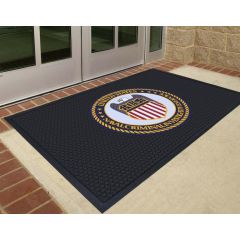
Super Scrape Rubber Logo Mats
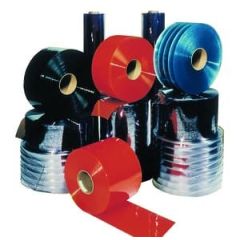
Strip Doors
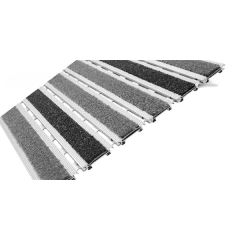
Perfec Clean 3/8" Rollup Mats - Aluminum Hinge
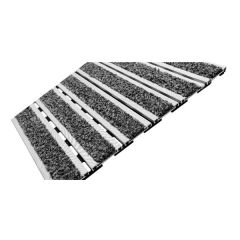
Perfec Clean 3/8" Rollup Mats - Rubber Hinge
Perfec Clean 3/4" Rollup Grate - Rubber Hinge
Perfec Clean 1-5/8" Grate
WP-70 Non-Skid Epoxy Coating