




Description
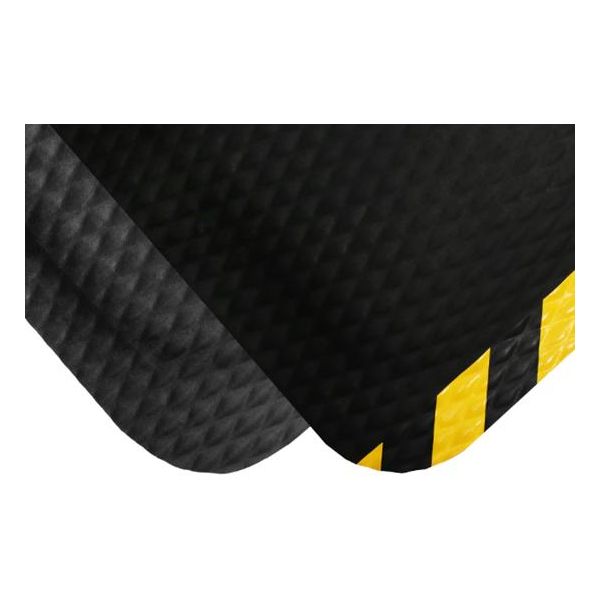
Anti-fatigue kitchen mats have to survive the floor they are standing on. In a working kitchen that means grease, dropped oil, hot water, and cleaning chemicals, every day. This one is built from nitrile rubber for exactly that. It is the mat you put where a softer, prettier mat would be ruined inside a season.
What an Anti-Fatigue Mat Does Before a Hard Floor Catches Up With You
Standing still on quarry tile or sealed concrete is harder on a body than walking. Your legs lock in one position and take the load with no relief. The ache starts in the calves, moves to the knees, and settles in the lower back by the end of a shift.
A cushioned kitchen mat interrupts that. This one uses a high-density nitrile-blended cushion, which helps eliminate pressure on the lower back and legs. The cushion is what you are actually buying; the rubber on top is what keeps the cushion alive on a hostile floor.
The other half of the job is grip, and this is where the mat separates itself. Under ASTM C1028-96 it holds a static coefficient of friction of 0.87 dry and 0.85 wet. That wet figure is the one that matters on a kitchen floor, and it is barely below the dry number.
It is also certified high-traction by the National Floor Safety Institute, which runs independent slip-resistance testing for commercial floor products. Sloped edges give a safe transition from the floor onto the mat, and those edges will not crack or curl.
Why Nitrile Rubber, and Why This One
Most comfort mats fail from the top down. Vinyl goes brittle, foam compresses flat, and anything absorbent turns into a sponge for whatever is on the floor. Nitrile rubber is the answer to all three, which is why this construction shows up in the roughest indoor rooms.
The surface is grease and oil proof, and the cushion underneath is grease and oil resistant. It is chemical resistant, so a floor that gets sanitized daily does not degrade it. It is also welding safe, which matters more in a fabrication shop than a kitchen but tells you what the surface tolerates.
Underneath sits high-density, closed-cell nitrile and PVC-blended foam. Closed-cell means the cells are sealed, so the cushion is not an absorbent layer. The manufacturer states the cushion provides years of useful service life.
The two layers are molded together, not glued, so they will not separate. That is the failure you see on cheaper dual-layer mats, where the top lifts at a corner and the whole thing becomes a trip hazard within a year.
Cushion performance is measured, not claimed. The 5/8-inch version compresses 47.8% at 20 psi and 61.6% at 40 psi. The 7/8-inch version compresses 51.0% at 20 psi and 66.0% at 40 psi. In plain terms, the thicker mat gives more under the same weight, which is what you want for longer stretches of standing.
Two more specifications worth knowing. The mat carries an ESD rating of electrically conductive, so it can go in static-sensitive rooms. And it passes flammability standard BS-4790, tested by the metal nut method.
Where It Belongs, and Where It Is Overkill
This is the mat for the wet and greasy side of a kitchen. Cook lines, fry stations, prep tables, dish pits, bar wells, and walk-in approaches all qualify. Anywhere the floor gets mopped, drained, or hosed through a shift, this construction holds up where a fabric or foam mat would not.
It carries the same performance outside the kitchen. Assembly benches, packing stations, welding cells, labs, and any indoor floor where slag, oil, or chemicals are present are all standard placements. That is the same reasoning, applied to a different room.
Where it is more mat than you need is a quiet, dry, front-of-house spot. A hostess stand, a boutique counter, or a home kitchen island does not test any of this. Those spots want a fabric-topped comfort mat that looks like it belongs. The full range of kitchen mats covers both ends.
The real mistake with this mat is undersizing it. Buy one too small and people stand half on and half off it, which puts a foot on greasy tile and defeats the whole purpose. Cover the standing zone, not a token square of it.
Three Things to Check Before You Spec It
First, measure the working zone, not the room. Walk the station during a shift and mark where feet actually land. Stock sizes run 2' x 3' (23" x 32"), 3' x 5' (32" x 58"), 3' x 12' (32" x 142"), 4' x 6' (46" x 69"), and 4.8' x 8' (58" x 96"). A cook line usually needs a runner length rather than a mat.
Second, pick your thickness by how long people stand. The 5/8-inch version suits stations where staff move between tasks. The 7/8-inch version gives more compression and makes sense where someone holds one spot for hours. Check door swing and cart clearance before committing to the thicker one.
Third, decide whether you need the marked border. The mat comes with a solid black border or with OSHA-approved caution yellow borders on two sides. The yellow version makes the edge visible in a busy room, which is worth having where carts and foot traffic cross the same lane.
Why Mats Inc.
Buyers usually come to us after a comfort mat failed early, and it is almost always the same story: the mat was fine, but it was the wrong construction for that floor. We stock this nitrile mat because it is the one that survives a room with grease, chemicals, and constant washdown. Mats Inc. has been matching matting to real conditions since 1964, and this is what we reach for when the floor is the problem.
Specifications
| Surface material | Nitrile rubber; molded (not glued) to the cushion so it will not separate |
| Cushion | High-density, closed-cell nitrile/PVC-blended foam |
| Overall thickness | 5/8" (0.6250") or 7/8" (0.8750") |
| Border options | Solid black, or OSHA-approved caution yellow borders on two sides |
| Traction | Certified high-traction by the National Floor Safety Institute (NFSI); ASTM C1028-96 static coefficient of friction: dry 0.87, wet 0.85 |
| Compression deflection | 5/8": 47.8% at 20 psi, 61.6% at 40 psi 7/8": 51.0% at 20 psi, 66.0% at 40 psi |
| Static | ESD rating of electrically conductive |
| Resistance | Welding safe; chemical resistant; surface grease/oil proof; cushion grease/oil resistant |
| Flammability | Passes BS-4790 (metal nut method) |
| Edges | Sloped for safe floor-to-mat transition; will not crack or curl |
| Stock sizes | 2' x 3' (23" x 32") 3' x 5' (32" x 58") 3' x 12' (32" x 142") 4' x 6' (46" x 69") 4.8' x 8' (58" x 96") |
| Custom sizes | Widths of 2' (23"), 3' (32"), 4' (46"), and 4.8' (58"); whole-foot lengths up to 100'. Mats over 60' have up to 2 seams. |
| Size tolerance | 3–5% manufacturing variance |
| Recommended use | Indoor commercial and industrial settings, including where slag, grease and oil, or chemicals are present |
| Customization | Can be customized with a logo, design, or message |
| Cleaning | Clean with a neutral pH detergent and rinse with a hose; lay flat or hang to dry; return to service dry |
| Warranty | 1-year limited (Mats Inc.) |
Frequently Asked Questions
What makes this different from a foam kitchen mat?
Answered by Dustin Thompson, Owner & CEO
Two layers instead of one. The top is nitrile rubber, and underneath is a high-density, closed-cell nitrile and PVC-blended foam cushion. A foam mat is just the cushion with nothing protecting it, which is why it flattens and tears.
The two layers here are molded together rather than glued, so they will not separate. Overall thickness is either 5/8 inch or 7/8 inch. The nitrile surface is grease and oil proof and chemical resistant, so a floor that gets sanitized every night does not eat the mat.
How well does it grip when the floor is wet?
Answered by Dustin Thompson, Owner & CEO
Better than most, and there are numbers for it. Under ASTM C1028-96 the static coefficient of friction measures 0.87 dry and 0.85 wet. The small gap between those two is the useful part — a lot of surfaces test well dry and fall apart wet. The mat is also certified high-traction by the National Floor Safety Institute.
Grip only helps if the mat is where feet are, though. The sloped edges give a safe transition on and off, and they will not crack or curl. If you undersize the mat, staff end up with one foot on greasy tile and the traction rating stops mattering.
Can I use this on a cook line, in a dish pit, or near a welding station?
Answered by Dustin Thompson, Owner & CEO
Yes to all three. This construction is made for indoor commercial and industrial rooms where slag, grease and oil, or chemicals are present. The surface is grease and oil proof, the cushion is grease and oil resistant, and the mat is welding safe.
It also carries an ESD rating of electrically conductive, which lets it go into static-sensitive areas that would rule out most comfort matting. Clean it with a neutral pH detergent and a hose rinse, then lay it flat or hang it to dry. Do not put it back down until it is dry.
What sizes are available, and can I get a length for a full cook line?
Answered by Jinna Hopson, Vice President of Marketing
Five stock sizes: 2' x 3' (23" x 32"), 3' x 5' (32" x 58"), 3' x 12' (32" x 142"), 4' x 6' (46" x 69"), and 4.8' x 8' (58" x 96"). The 3' x 12' is the usual answer for a galley kitchen or a long counter run.
For a full line, custom sizes come in widths of 2' (23"), 3' (32"), 4' (46"), and 4.8' (58") at whole-foot lengths up to 100 feet. Anything over 60 feet will have up to two seams. Allow a little tolerance in your measurements, since rubber shrinks and expands with temperature and time and finished sizes run within about 3% to 5% of nominal.
What does it actually look like on the floor?
Answered by Jinna Hopson, Vice President of Marketing
Purposeful rather than decorative. It reads as working equipment, which is right for a back-of-house kitchen and wrong for a dining room. Two border treatments are available: a solid black border, or OSHA-approved caution yellow borders on two sides.
The yellow border is worth considering in any room where carts, deliveries, and staff share the same lane, because it makes the mat's edge easy to see. If the mat is going somewhere customers look, a fabric-topped comfort mat is the better-looking choice for that spot.
Can I get one with our logo or a safety message on it?
Answered by Jinna Hopson, Vice President of Marketing
Yes. This construction can be customized with a logo, design, or message, which turns a functional comfort mat into something that also carries your branding or a standing safety reminder.
Custom work is quoted rather than ordered off a size chart, so tell us the artwork, the finished size, and where the mat is going. If the spot is greasy or gets washed down, say so up front, because that decides which construction the printed version should be built on.
By Dustin Thompson, Owner & CEO, Mats Inc.
Reviews
Write Your Own Review
Related Products
Super Scrape Rubber Mats
Safety Track Non-Skid Tape - Coarse

Smooth Marbleized Vinyl Switchboard Matting (Mil Spec)
Super Scrape Rubber Logo Mats
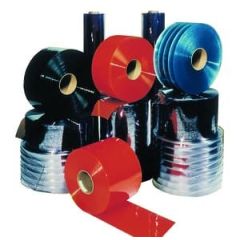
Strip Doors
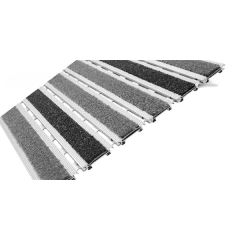
Perfec Clean 3/8" Rollup Mats - Aluminum Hinge
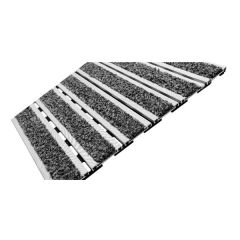
Perfec Clean 3/8" Rollup Mats - Rubber Hinge
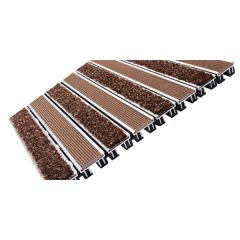
Perfec Clean 3/4" Rollup Grate - Rubber Hinge
Perfec Clean 1-5/8" Grate
WP-70 Non-Skid Epoxy Coating