




More Information
| Manufacturer | Crown Matting |
|---|
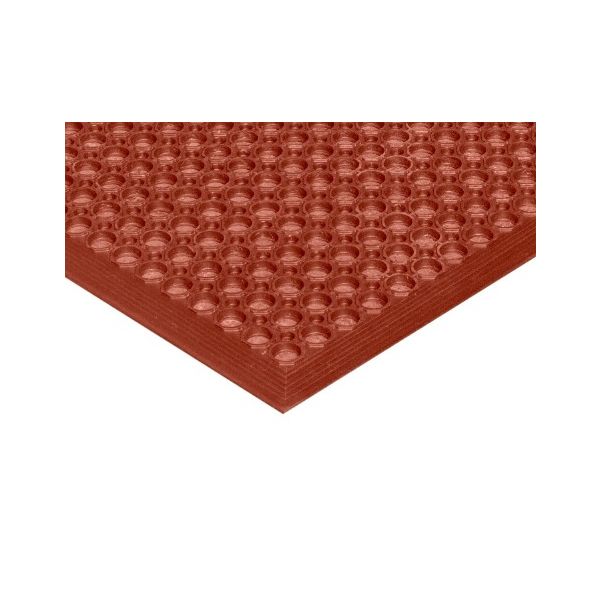
Safe Walk Jr. Rubber Mats - Grease Resistant
Product Number:
#0624G
$189.00

Have a question? We're here to help!
Description
What Safe Walk Jr. Grease Resistant Does Before Fryer Oil Wins the Floor
Safe Walk Jr. Grease Resistant is a nitrile-blend drainage mat built for the stations where oil and fats are part of the job. The nitrile rubber compound raises the mat's resistance to grease, the raised base underneath keeps liquids moving away from footing, and the cushioned surface eases the standing hours in between.
Grease is the floor hazard that doesn't behave like water. It doesn't evaporate, it doesn't rinse off with a splash, and it turns tile treacherous in a film too thin to see. Worse, it works on the mat itself — ordinary rubber in a fryer zone slowly gives up. Beating it takes a compound chosen for it, not just a mat placed over it.
Why a Nitrile Blend, and Why This One
The compound is the headline. This version is built from a nitrile rubber blend specifically because nitrile increases resistance to oil and fats — so the daily splatter that reaches the floor around a fryer or grill doesn't shorten the mat's working life the way it would for a general-purpose rubber.
Under the surface, the raised base gives oil and rinse water somewhere to go, moving liquids through rather than holding them where shoes land — the design the vendor's own testing ties to a safer work environment. Up top, traction outperforms the ceramic and cement floors the mat typically covers, and a low profile with molded edging keeps every step on and off clean.
The practical details round it out: a 1/2-inch profile, a build light enough for one person to lift and rinse, and up to 60 percent recycled material in the mat. It's a working tool sized for daily handling — which, in a grease zone, is exactly what keeps it effective.
Where It Belongs, and What It Is Not
This mat belongs where fats meet the floor: fryer and grill lines, greasy prep and dish zones, food processing areas where rendered oils reach the concrete, and packaging floors that handle oils daily. It's a medium-duty answer for the food-service and processing spaces where grease is constant but conditions stop short of heavy-industrial.
What it is not: the mat for every wet floor. Where the challenge is water alone — rinse-down, dish spray, cafeteria spills without the oil — the general-purpose wet-area options in our anti-fatigue mats and runners lineup fit that duty. Spec the nitrile blend where grease is real; that's the condition it was compounded for.
Three Things to Check Before You Spec It
First, confirm grease is the daily reality, not the occasional accident. Walk the station at the end of a normal shift: if there's an oil film near the fryer, splatter tracking off the grill line, or fats reaching the floor in processing, this compound earns its place. That's the honest trigger for choosing it.
Second, map the run from the grease source outward. Every size is 3 feet wide with lengths of 5, 10, 15, and 20 feet, so coverage can start at the fryer and follow the path oily shoes actually travel. Mats 10 feet and longer carry a seam every 5 feet — set seams away from the hardest-working spots when you plan the layout.
Third, pair it with a degreasing routine. Resistance means the compound stands up to oil; it doesn't mean grease should live on the surface indefinitely. The lightweight build makes the lift-rinse-return cycle a one-person job, which keeps the drainage path open and the traction honest.
Why Mats Inc.
Grease zones are where we see the most mats fail early — bought for wet duty, dissolved by fryer duty. Since 1964 we've helped kitchens and processors match the compound to the contaminant, and we carry this nitrile-blend version for exactly that call. Every claim here is checked against the manufacturer's published data, and the mat carries a 1-year limited Mats Inc. warranty.
| Construction | Drainage mat; raised base promotes movement of liquids |
| Material | Nitrile rubber blend — increased resistance to oil and fats |
| Color | Terra Cotta |
| Thickness | 1/2" |
| Sizes | 3' x 5', 3' x 10', 3' x 15', 3' x 20' (10' and longer have a seam every 5') |
| Edges | Low profile, molded edging |
| Traction | Provides better slip resistance than ceramic and cement floors |
| Recycled Content | Up to 60% |
| Duty / Use Area | Medium duty; wet and oily areas |
| Warranty | 1-year limited (Mats Inc.) |
Frequently Asked Questions
What actually makes this version grease resistant?
Answered by Dustin Thompson, Owner & CEO
The rubber itself. This mat is built from a nitrile rubber blend, and nitrile's defining trait is increased resistance to oil and fats — the exact substances that degrade general-purpose rubber over months of fryer-line duty. It's not a coating that wears off; the resistance is the compound, top to bottom. Pair that with the raised drainage base moving oil off the footing zone, and the mat is fighting grease on both fronts at once.
If it resists grease, do we still have to clean it?
Answered by Dustin Thompson, Owner & CEO
Yes — and the distinction matters. Resistance means oil and fats don't break the compound down the way they would ordinary rubber; it doesn't mean a grease film on the walking surface is harmless to footing. Build a regular degreasing rinse into the closing routine. The mat is designed to be easy to handle, clean, and maintain, so the lift-rinse-return cycle stays a quick one-person job rather than a chore that gets skipped.
How does it handle traction on slick tile?
Answered by Dustin Thompson, Owner & CEO
Better than the floor it covers — the surface provides better slip resistance than ceramic and cement, which are precisely the floors most kitchens and processing lines stand on. The raised base does the quieter half of the work, giving oil and rinse water a path through instead of a place to pool under the next step, and the low-profile molded edging keeps the on-and-off transition from becoming its own hazard during a rush.
Why terra cotta instead of black?
Answered by Jinna Hopson, Vice President of Marketing
The color is the compound's signature — terra cotta is how this nitrile blend comes, so it doubles as an at-a-glance marker that the grease-rated mat is where it belongs. It's also simply a pleasant color to have in sight: in an open kitchen or a serving-adjacent line, terra cotta reads warm and deliberate where a black industrial mat can feel like back-of-house equipment that wandered out front. Function chose the color; the look holds its own anyway.
What size makes sense for a fry station versus a full line?
Answered by Jinna Hopson, Vice President of Marketing
Start where the oil starts. A single fry or grill station is usually well served by the 3 by 5; a hood-to-pass line where cooks slide station to station wants one continuous run — 10, 15, or 20 feet — so nobody's pivot lands on bare, greasy tile between mats. Remember that lengths of 10 feet and up carry a seam every 5 feet, so lay the run out with seams falling between stations rather than under the busiest feet.
We already run general wet-area mats — when should we switch to this one?
Answered by Jinna Hopson, Vice President of Marketing
Switch wherever grease shows up daily. General wet-area mats are the right call for rinse water and spills, but a fryer zone quietly asks more of the rubber than water duty ever does — and that's where an all-purpose mat ages fastest. The practical approach many kitchens land on: nitrile blend at the fryer and grill, general-purpose everywhere else. Each floor zone gets the compound its mess demands, and no mat is asked to survive a job it wasn't built for.
By Dustin Thompson, Owner & CEO, Mats Inc.
Reviews
Write Your Own Review
Related Products
Super Scrape Rubber Mats
Safety Track Non-Skid Tape - Coarse

Smooth Marbleized Vinyl Switchboard Matting (Mil Spec)
Super Scrape Rubber Logo Mats
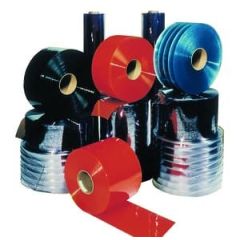
Strip Doors
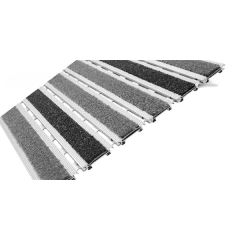
Perfec Clean 3/8" Rollup Mats - Aluminum Hinge
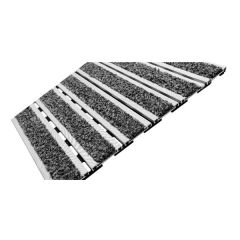
Perfec Clean 3/8" Rollup Mats - Rubber Hinge
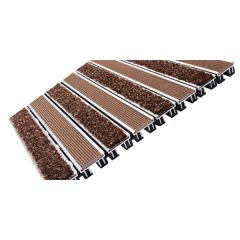
Perfec Clean 3/4" Rollup Grate - Rubber Hinge
Perfec Clean 1-5/8" Grate
WP-70 Non-Skid Epoxy Coating