




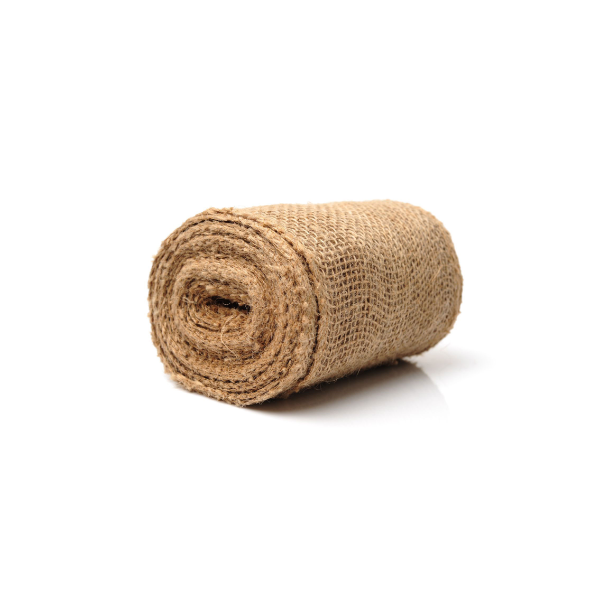
Description
Woven Cocoa Roll Matting is coco matting in its plainest form: coconut-husk fiber spun into coir yarn, woven in a herringbone pattern, and supplied on long rolls. Nothing is glued to it and nothing is printed on it. That plainness is the point. One roll cuts into a hallway runner, a stair run, a plain doormat, a spill blanket under a leaking machine, or a walking path across turf.
What Woven Coco Matting Does Before Grit and Spills Reach the Floor
Coir does two jobs at once. The stiff fiber ends brush grit and dry soil off shoe soles, and the open weave holds what falls until it is shaken or vacuumed out. The same fiber also drinks liquid. The maker publishes that this matting absorbs up to two times its own weight in liquid, which is why the same roll sells as spill control in shops and warehouses.
The stakes change with where it lies. In a hallway, the risk is tracked grit grinding into the finish floor and a wet threshold that turns slick. Under a press or a drum rack, the risk is oil spreading into the aisle. In both places, the mat that fails is the one left saturated. Coir that never dries out goes soft, smells, and can grow mildew. Plan for it to dry.
Because coir is a natural fiber, it also fails differently from rubber or vinyl. It does not crack or curl in the cold. It weathers. Sustained sun and rain shorten its life, and fiber that sits wet for weeks breaks down from the inside. That is not a defect. It is the reason coir rolls sell as biodegradable ground cover, and it tells you where a roll should and should not go.
Why a Herringbone Coir Weave, and Why This Roll
The fiber comes from the husk of the coconut. It is spun into yarn and then woven, not tufted onto a backing. That matters in two ways. There is no rubber or vinyl layer to peel away, and there is nothing under the fiber to trap water against your floor. What you see on top is the whole product, front to back.
The herringbone pattern is a working choice, not a decorative one. The angled weave locks the yarns against each other, so the roll lies flat and resists pulling apart along its length. The long edges of each roll are woven tight for the same reason: to keep the selvedge from unraveling as the roll is unrolled, walked on, and rolled back up.
It is one hundred percent natural fiber with no synthetic binder, and the maker rates it as biodegradable and suitable for ordinary landfill disposal. That is a real advantage on a spill mat. A soaked coir blanket can be picked up and disposed of whole rather than wrung out. The fiber itself is ordinary waste; whatever it has absorbed still follows your local rules for that liquid.
Mats Inc. offers this roll in three widths, 27, 36, and 72 inches, each 150 feet long, in natural tan. Twenty-seven inches suits a single-file corridor or a stair run. Thirty-six covers a standard hallway with margin on both sides. The 72-inch roll is the one for a wide double-door landing, a shop aisle, or cutting several plain doormats across the width.
Where It Belongs, and What It Is Not
Indoors, the roll works as a hallway or staircase runner where you want a natural look and a surface that scrapes shoes along the whole walk, not just at the door. It also cuts down into plain coir doormats, single or double width, for back doors, service entries, and mudrooms where a printed mat would look out of place.
In shops and warehouses, the maker's own literature places it under machinery that drips oil, along pathways inside the warehouse, and in workshops that spill grease and other liquids. Roll a length out, let it catch what falls, and swap the section when it is full. It is a soak-up blanket, not a permanent floor.
Outdoors, coco floor matting serves as ground cover and turf protection: over grass along a temporary walkway, at a cemetery or an event, or as an erosion blanket on a bare slope. Lay the roll, let people walk on it, then lift it when the job is done or let it break down in place.
What it is not: a sealed entrance mat. It has no backing, so water that passes through the weave reaches the floor beneath. It is not a cushioned standing surface, and it is not meant to sit in standing water. Where the floor under it must stay dry, or where the mat will never fully dry out, a backed or synthetic mat is the better call.
Three Things to Check Before You Spec It
First, exposure. Ask how wet the spot gets and how fast it dries. A covered hallway or a shop aisle means a long service life. An open, shaded stoop that stays damp for days means a short one. Coir tolerates getting wet. It does not tolerate staying wet.
Second, size to the path, not the doorway. A runner that stops short only moves the grit line a few feet down the hall. ISSA guidance holds that shoes need six to eight footsteps on matting to shed what they carry, which works out to a run of roughly fifteen feet. Measure the route people actually walk, then pick the width that covers it without a seam.
Third, what happens at the cut. The long edges of the roll are woven tight, but any end you cut is not bound. On a runner, that end sits against a wall or a stair nose and stays put. On a doormat cut from the width, the raw edge sheds a few fibers at first and should be trimmed square. If you need a fully bound edge on all four sides, this is not that product.
Why Mats Inc.
We have specified natural-fiber matting for Houston buildings since 1964, long enough to know that coir belongs where it can dry and not where it cannot. When you call about this roll, you get that judgment before the order, not a spec line and a cart button. Tell us the corridor, the shop bay, or the slope, and we will tell you which width to cut and whether coir is the right fiber for it at all.
| Material | 100% natural coir (coconut-husk fiber) |
| Construction | Woven coir yarn, herringbone weave, no backing |
| Widths | 27", 36", 72" |
| Roll length | 150' (50 yards) |
| Color | Natural tan |
| Liquid absorption | Up to two times its own weight |
| Edges | Long edges woven tight to resist unraveling; cut ends unbound |
| Disposal | Biodegradable; suitable for landfill |
| Warranty | 1-year limited (Mats Inc.) |
Frequently Asked Questions
What is Woven Cocoa Roll Matting made of, and how is it built?
Answered by Dustin Thompson, Owner & CEO
It is coir, the fiber from the husk of a coconut, spun into yarn and woven in a herringbone pattern. There is no rubber or vinyl backing; the woven fiber is the whole mat. The long edges of the roll are woven tight so they do not unravel. Each roll is 150 feet long and comes in 27, 36, or 72 inch widths. It is one hundred percent natural fiber and biodegradable.
How long does coir roll matting last, and what wears it out early?
Answered by Dustin Thompson, Owner & CEO
Indoors, in a corridor or on stairs, expect one to three years of service depending on traffic. That range is our field judgment from what customers report, not a laboratory figure. Under a machine as a spill blanket, life is measured by how fast it fills, and a soaked section should be replaced rather than reused.
What ends it early is staying wet. Coir that gets rained on and left in shade, or sits over a floor that never dries, can soften and mildew. Direct sun bleaches and stiffens the fiber over time. Sweep it, shake it out, and give it air, and it will hold up.
Can I use coco matting outdoors on grass or bare ground?
Answered by Dustin Thompson, Owner & CEO
Yes. The maker lists ground cover and turf protection as intended uses. Roll it out over grass along a temporary walkway, at an event, or across a cemetery path so foot traffic does not wear the turf to mud. It also works as an erosion blanket on a bare slope.
Because it is biodegradable, you can lift it when the event is over or leave it to break down in place. Do not expect the years of life you would get indoors. Outdoor use is seasonal by nature, and that is a fair trade for a fiber you never have to haul off.
What width do I need for a hallway runner or a double door?
Answered by Jinna Hopson, Vice President of Marketing
For a single-door entry or a narrow corridor, 27 inches covers the walk. Most hallways and stair runs look better at 36 inches, which leaves a margin on both sides so people stay on the mat. For a coir double doormat, the wide mat that spans a pair of doors, the 72 inch roll gives you a mat six feet across from a single cut, with no seam down the middle.
Measure the full run first. The roll is long, so length is rarely the limit; width is the decision that shows.
What does woven coco matting look like, and does the color change?
Answered by Jinna Hopson, Vice President of Marketing
It arrives natural tan, the honey-to-golden color of raw coir, with a visible chevron in the weave. It reads as warm and organic, which is why it suits lodges, historic buildings, garden centers, and any hallway where a black rubber runner would look wrong. Like any natural fiber, it lightens in sun and darkens a little where it stays damp, so a run that is half indoors and half out will not stay one shade.
Can I cut plain doormats from this roll, or have it printed with a logo or lettering?
Answered by Jinna Hopson, Vice President of Marketing
You can cut plain doormats from it, and the 72 inch width makes that efficient. Cut edges arrive unbound, so trim them square and expect a little shedding at first. The roll itself cannot be printed. It is plain coco matting with no lettering, no logo, and no border, and it is not offered with a welcome message.
If you need a lettered or logo coir mat, that is a separate, backed product. This roll is for the plain look and for spaces where you want the fiber to speak for itself.
By Dustin Thompson, Owner & CEO, Mats Inc.
Ordering Info
COLOR: Natural Tan
| SIZE | WT/ROLL |
| 5/16" x 27" x 150' | 112.5# |
| 5/16" x 36" x 150' | 150.0# |
| 5/16" x 72" x 150' | 300.0# |
Reviews
Write Your Own Review
Related Products
Super Scrape Rubber Mats
Safety Track Non-Skid Tape - Coarse
Smooth Marbleized Vinyl Switchboard Matting (Mil Spec)
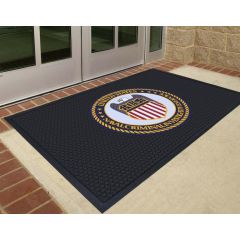
Super Scrape Rubber Logo Mats
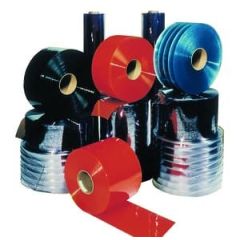
Strip Doors
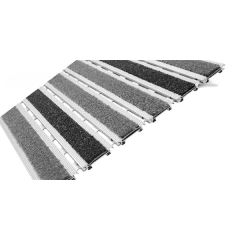
Perfec Clean 3/8" Rollup Mats - Aluminum Hinge
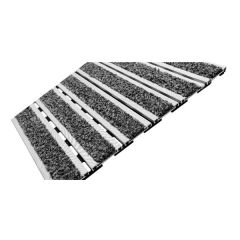
Perfec Clean 3/8" Rollup Mats - Rubber Hinge
Perfec Clean 3/4" Rollup Grate - Rubber Hinge
Perfec Clean 1-5/8" Grate
WP-70 Non-Skid Epoxy Coating