




More Information
| Manufacturer | Dimex |
|---|
$454.00

Have a question? We're here to help!
Description
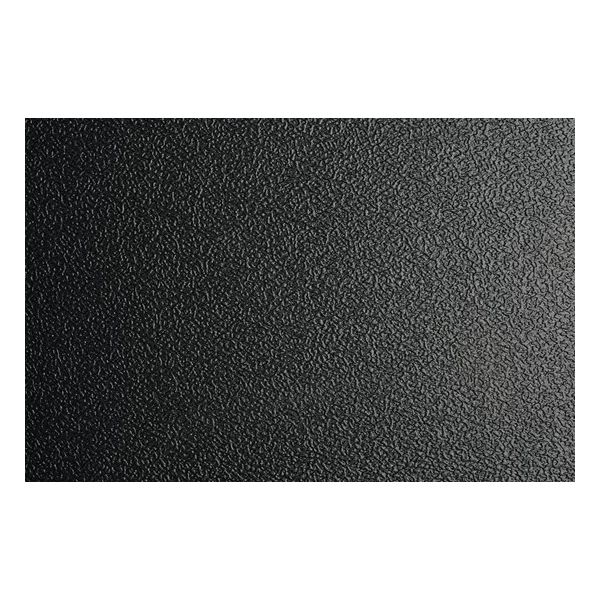
Ripple Vinyl Matting is a ripple-surface vinyl floor runner sold by the roll for shop, warehouse, garage, and service-bay floors where people turn, pivot, and cross in every direction. The surface is a shallow, non-directional ripple texture on a solid vinyl sheet with a smooth back. It resists oil, grease, and chemicals, sweeps or hoses clean, and comes in 24-, 36-, and 48-inch widths on 75- and 105-foot rolls, with custom lengths available.
What a Ripple Runner Does Before Someone Turns and Slips
Ribbed runners grip well in one direction: along the rib. Step onto them sideways, or turn on them with a load in your arms, and the shoe follows the groove. That is fine in a straight corridor and less fine at a workbench, a parts counter, or a bay where a technician walks around a vehicle all day. A non-directional surface grips the same way no matter which way the foot lands.
That is the ripple pattern's job. Instead of parallel lines, the surface is a field of shallow, rounded ripples with no lengthwise channel to skate along, so the sole meets texture in every direction. It also means there is no trough to trap grit and coolant; what lands on the mat stays on top where a broom or a hose takes it off.
Underneath, the runner is doing the same work any floor runner does: taking the dropped tools, the dragged parts, and the caster traffic that would otherwise pit bare concrete and wear through a floor coating. A roll runner that covers the whole working area in one piece does that without a seam every few feet.
Why a Smooth-Backed Vinyl Ripple Runner, and Why This One
The sheet is solid vinyl, a single material with no laminated layers or foam core. Vinyl is chosen for this runner because it is oil, grease, and chemical resistant, which is what a shop floor throws at it, and because it is abrasion-resistant enough to take constant foot and wheel traffic on the ripple tops without wearing smooth. It also meets FMVSS 302 flammability requirements.
The back is smooth rather than textured. That is a deliberate choice for a runner that gets cut, moved, and reused: a smooth back lies flat against a concrete or sealed floor, does not hold grit against the slab, and lifts cleanly when the floor under it needs washing. On a clean, dry floor, the runner's own weight and the flat contact hold a straight run in place.
The surface is what buyers actually see, and the vendor built it to be easy to keep looking right. The ripple texture is low and rounded, so it does not collect debris the way deep ribs do, and it cleans with a broom, a mop, or a hose. The maker describes the finish as attractive as well as easy to clean, and on a shop floor that means a runner that still looks intentional a year in.
It is also built to be customized. Standard rolls come in three widths, and the vendor offers custom colors, gauges, widths, and lengths, which is why this runner shows up as an OEM component as well as a floor covering. For the floor buyer, the practical version of that is custom lengths, so a long bay or aisle is covered in one continuous piece.
Where It Belongs, and What It Is Not
Put it where people work rather than just walk: around a lift in a service bay, along a workbench line, behind a parts or tool counter, down a warehouse pick aisle where pickers stop and turn, across a garage floor, in a stockroom. Anywhere the foot lands at odd angles is where a non-directional ripple earns its place over a ribbed runner. It sits among the industrial and commercial vinyl floor runners we stock as the one to reach for when the traffic is multi-directional.
Because the vendor rates it for OEM use, the same roll is cut and fitted as a liner or protective surface inside cabinets, vehicles, and equipment. A shop that buys a roll for the floor often ends up trimming the offcuts for drawer liners and shelf protection.
What it is not is a comfort mat or a drainage mat. There is no cushion in a solid vinyl sheet, so a person standing in one place for a shift will feel the floor and needs an anti-fatigue mat at that station. And the surface is solid; standing water sits on top rather than draining through, so a pit or wash-down zone that stays wet wants an open-pattern drainage mat instead.
Three Things to Check Before You Spec It
First, confirm the traffic is multi-directional. If people walk a straight lane and nothing else, a ribbed runner does the job and channels water along its grooves. If they turn, pivot, back up, or work around equipment, the ripple's every-direction grip is the reason to choose this one. Watch the floor for ten minutes; the answer is usually obvious.
Second, pick the width to the work zone, not the room. Twenty-four inches covers a single-file path or the strip in front of a bench. Thirty-six inches is the standard for a work aisle or the walk-around zone on one side of a vehicle. Forty-eight inches covers a full bay width, a two-sided counter, or a floor you want protected edge to edge. Rolls are 75 or 105 feet, and custom lengths are available when a run is longer.
Third, decide how it will be cleaned and fixed down. The smooth back lets you lift and hose the runner, so plan for loose-lay if the floor under it needs regular washing. Where casters cross an edge or the runner turns a corner, tape or glue the edges so they cannot lift. Cut with a sharp utility knife along a straightedge after letting the roll relax flat at room temperature.
Why Mats Inc.
We carry this runner for the customer whose floor problem is not a straight hallway but a working bay, where a ribbed runner keeps sending shoes sideways and a cut mat keeps getting kicked out of position. A non-directional ripple surface on a roll long enough to cover the whole zone, in a compound that shrugs off oil and grease, fixes that in one piece. Mats Inc. has been matching runner surfaces to how people actually move since 1964, and this is the one for floors where they move in every direction.
| Type | Ripple-surface runner matting, sold by the roll |
| Material | Solid vinyl |
| Top surface | Non-directional ripple texture |
| Back | Smooth |
| Resistance | Oil, grease, and chemical resistant; abrasion-resistant |
| Flammability | Meets FMVSS 302 |
| Color | Black (custom colors available on request) |
| Stock sizes | 24", 36", 48" widths x 75' or 105' rolls |
| Custom | Custom lengths available; custom widths and gauges on request |
| Use | Floor protection, slip resistance and traction; floor and OEM applications |
| Cleaning | Broom, mop, or hose |
| Warranty | 1-year limited (Mats Inc.) |
Frequently Asked Questions
What is Ripple Vinyl Matting made of, and how is the surface built?
Answered by Dustin Thompson, Owner & CEO
It is a solid vinyl sheet, one material through its thickness, with a non-directional ripple texture molded into the top and a smooth back. There is no foam core, fabric layer, or bonded backing to separate. Vinyl gives it oil, grease, and chemical resistance and abrasion resistance on the ripple tops, and the compound meets FMVSS 302 flammability requirements.
The ripple is shallow and rounded rather than a deep rib. That is what makes the grip the same in every direction and what keeps grit from packing into a groove; debris stays on top where it sweeps off.
How long does a ripple runner last, and what wears it out?
Answered by Dustin Thompson, Owner & CEO
The vendor does not publish a service-life figure, and traffic decides it. An abrasion-resistant vinyl runner under normal foot and caster use wears the ripple tops slowly and evenly, and the runner stays useful until the texture is worn smooth enough to stop gripping. It carries a 1-year limited (Mats Inc.) warranty, and a once-a-year look at the texture in the busiest spot and at the edges tells you where it stands.
What ends it early is edges and chemistry. A loose edge under caster traffic gets kicked, folded, and torn, so fix the edges where wheels cross. And while vinyl handles shop oil, grease, and common cleaners, strong solvents will soften it; wipe those up rather than letting them sit.
Do I glue it down, and can I cut it on site?
Answered by Dustin Thompson, Owner & CEO
Loose-lay works for a straight run on a clean, dry floor. The smooth back sits flat, the roll's weight holds it, and you can lift it to wash the floor underneath, which is one of the reasons to choose a smooth-backed runner. Where the runner crosses a doorway, turns a corner, or takes constant cart traffic at an edge, tape or glue the edges and end cuts so they cannot lift.
Cutting is a sharp utility knife against a straightedge. Unroll it and let it relax flat at room temperature first so it does not hold a curve, then cut to the run. Where two lengths meet, butt the ends square instead of overlapping; an overlap is a lip for a caster to catch.
Which width should I choose, and can I get a custom length?
Answered by Jinna Hopson, Vice President of Marketing
Match the width to the zone where people work. Twenty-four inches covers a single-file path or the strip in front of a bench. Thirty-six inches suits a work aisle or the walk-around side of a vehicle bay. Forty-eight inches covers a full bay, a two-sided counter, or a floor you want protected edge to edge.
Standard rolls are 75 or 105 feet, so pick the one that covers the run with the least left over. If the bay or aisle is longer still, custom lengths are available so the whole run is one piece with no seam. The vendor also produces custom widths and gauges on request, which matters for OEM or fitted installations more than for floor use. Measure the zone end to end before ordering.
What does it look like on the floor?
Answered by Jinna Hopson, Vice President of Marketing
A black, low-profile runner with a soft, wave-like ripple across the whole surface instead of straight lines. Because the texture has no direction, it reads as a uniform field rather than a striped strip, and it looks the same from every angle of the bay. Scuffs and dust settle into the ripple and disappear until cleaning day rather than showing as streaks.
It suits shop, warehouse, garage, and service-bay floors where a tidy black runner signals a cared-for space. For a front-of-house floor that customers judge by eye, a carpeted runner is the better-looking answer; this one is the working surface behind the counter. Custom colors are available on request for a branded or color-coded floor.
Is it right for a service bay or garage floor?
Answered by Jinna Hopson, Vice President of Marketing
Yes, and that is one of its best fits. A technician working around a vehicle steps in every direction, often with a tool or a part in hand, on a floor with oil and coolant on it. The non-directional ripple grips regardless of the angle, the vinyl shrugs off the oil and grease, and a 48-inch roll covers the walk-around zone on one side of a lift in a single piece.
Keep the fit honest: it protects the floor and steadies footing, but it is not a cushion, so a station where someone stands still under a lift for long stretches still wants an anti-fatigue mat there. Pair the two and the bay is covered.
By Jinna Hopson, Vice President of Marketing, Mats Inc.
Ordering Info
| Size | Qty 1 Price |
| 24" x 75' | $454.00 |
| 24" x 105' | $635.00 |
| 36" x 75' | $578.00 |
| 36" x 105' | $809.00 |
| 48" x 75' | $749.00 |
| 48" x 105' | $1,048.00 |
Reviews
Write Your Own Review
Related Products
Super Scrape Rubber Mats
Safety Track Non-Skid Tape - Coarse

Smooth Marbleized Vinyl Switchboard Matting (Mil Spec)
Super Scrape Rubber Logo Mats
Strip Doors
Perfec Clean 3/8" Rollup Mats - Aluminum Hinge
Perfec Clean 3/8" Rollup Mats - Rubber Hinge
Perfec Clean 3/4" Rollup Grate - Rubber Hinge
Perfec Clean 1-5/8" Grate
WP-70 Non-Skid Epoxy Coating