




More Information
| Manufacturer | Dimex |
|---|
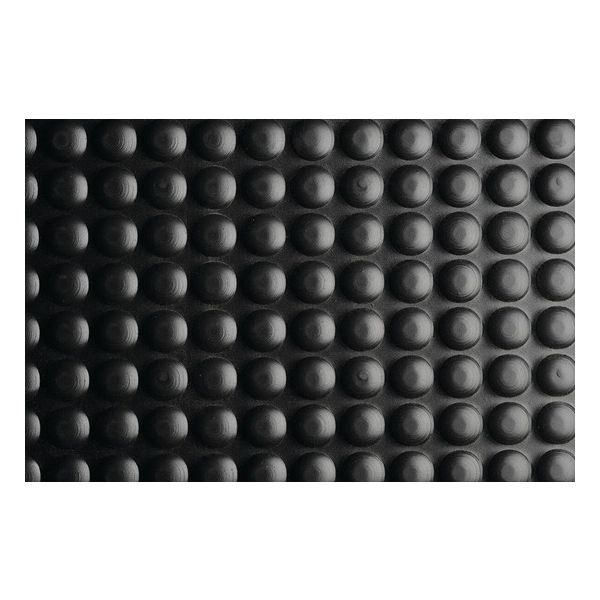
$806.00

Have a question? We're here to help!
Description
Dome Top Vinyl Matting is a 3/16-inch vinyl anti-fatigue runner for the places where people stand and work through a shift on a hard floor. The surface is a field of raised, rounded domes, and the vendor rates the runner for ergonomic comfort and durability. It resists oil, grease, and chemicals, meets FMVSS 302 flammability requirements, and comes on 75-foot rolls in 24-, 36-, 48-, and 60-inch widths, in black, black with a yellow border, or silver laminate.
What a Dome Top Runner Does Before a Standing Shift Turns Into a Sore One
Concrete does not give. A person who holds one position for a shift at an assembly station, a packing bench, an inspection point, or a parts counter puts every hour of it into their legs and lower back, and the floor gives nothing back. By the second half of the shift, the sore feet and the slowed pace show up in the work.
A dome top runner puts a textured, slightly yielding surface between the boot and the slab. The raised domes mean the foot never rests flat on one plane, so the small muscles of the foot and leg keep working instead of locking, and the 3/16-inch vinyl under the domes takes some of the hardness out of the floor. The vendor describes it as ergonomic comfort, and that is the plain-language version of what the domes are doing.
The roll format is what separates it from a stack of station mats. A line of workstations along a bench or a conveyor is covered by one continuous length, with no gaps between mats for a cart to drop into and no loose edges every four feet to lift under a boot. The comfort surface runs the whole standing path.
Why a Dome-Textured Vinyl Runner at 3/16 Inch, and Why This One
The surface is the design. Rounded domes, rather than ribs or pyramids, give the foot something to settle across without sharp edges under the sole, which is the difference between a texture that keeps a standing worker comfortable for hours and one that is only there for grip. The domes still hold a shoe when the floor is slick, but comfort is what the pattern was drawn for.
The gauge is 3/16 inch, heavier than the 1/8-inch runners built for walking traffic. That extra material is where the give comes from, and it is what lets a vinyl runner do an anti-fatigue job at all. It still lies low enough that a cart crosses it and a door clears it, which is the practical advantage of a vinyl runner over a thick foam mat in a working lane.
The compound is the industrial vinyl runner formulation: oil, grease, and chemical resistant, meeting FMVSS 302. That matters more on a standing mat than on a walkway, because a standing mat lives under a machine drip line or beside a parts washer and gets degreased with everything else. An absorbent mat in that spot swells and smells; this surface wipes down and goes back to work.
Three finishes cover three needs. Black disappears into a shop floor and hides scuffs. Black with a yellow border outlines the standing zone for facilities that color-code the floor. Silver laminate brightens the surface in clean, well-lit spaces where black reads heavy. Widths run 24 to 60 inches, with custom colors, gauges, widths, and lengths available for a fitted line.
Where It Belongs, and What It Is Not
Run it along any line of standing positions on a hard, dry-to-damp floor: assembly and inspection stations, packing benches, cashier and parts counters, machine control positions, workbenches in a garage or shop, and the strip in front of a long counter where staff stand all day. The 60-inch width covers a two-sided bench or a wide station in one piece. It is the cushioned option among the industrial and commercial vinyl floor runners we stock, the one for standing rather than walking.
The yellow-border finish is worth choosing on purpose where the standing zone is also a safety zone: a lane beside forklift traffic, a station next to a machine guard, or any floor where a marked boundary keeps people where they should be.
What it is not is a plush comfort mat, a drainage mat, or a heavy-wheel runner. It is firmer than foam by design, and someone used to a kitchen-style cushion mat will notice that. It has no holes, so a floor with standing water wants a perforated mat. And a 3/16-inch runner is for people and light carts; pallet jacks running its length will wear the domes flat.
Three Things to Check Before You Spec It
First, confirm the job is standing, not walking. If the runner is going down a corridor people pass through, a 1/8-inch ribbed or pebble runner does that job with less material and a lower edge. If people hold a position on it for hours, the dome surface and the 3/16-inch gauge are the reason to choose this one. Watch a shift: where feet stop is where this runner goes.
Second, size the width to the standing path, not the aisle. Twenty-four inches covers a single position at a counter. Thirty-six inches covers a bench where the worker steps left and right. Forty-eight inches covers a station with a step back, and 60 inches covers a two-sided bench or a wide inspection table in one piece. Rolls are 75 feet and cut to length on site; custom widths and lengths are available for a fitted line.
Third, pick the finish for the floor it lives on. Black for a shop or plant floor where scuffs and oil are the daily condition. Yellow border where the standing zone needs to read as a marked area from across the floor. Silver laminate for a lab, clean assembly, or a bright retail back counter. Lay it on a clean, dry floor and sweep beneath it during floor cleaning so grit does not work it loose.
Why Mats Inc.
We carry this runner for the customer whose people stand in a line and whose floor eats foam mats: the packing line that gets degreased nightly, the bench under a machine drip, the counter where a cushion mat was flat in a month. A dome-textured vinyl runner that gives underfoot, wipes clean, and covers the whole line in one length is the answer to that call, and Mats Inc. has been putting the right surface under standing workers since 1964.
| Type | Anti-fatigue vinyl runner matting, sold by the roll |
| Material | Vinyl |
| Top surface | Raised dome texture |
| Thickness | 3/16" |
| Stock sizes | 24", 36", 48", 60" widths x 75' rolls |
| Finishes | Black; black with yellow border; silver laminate |
| Comfort rating | Rated by the vendor for ergonomic comfort and durability |
| Resistance | Oil, grease, and chemical resistant |
| Flammability | Meets FMVSS 302 |
| Custom | Custom colors, gauges, widths, and lengths available |
| Warranty | 1-year limited (Mats Inc.) |
Frequently Asked Questions
How is it built, and how does a vinyl runner reduce fatigue?
Answered by Dustin Thompson, Owner & CEO
It is a 3/16-inch vinyl sheet with rounded domes molded across the top, in a compound that resists oil, grease, and chemicals and meets FMVSS 302. The vendor rates it for ergonomic comfort and durability. The relief comes from two things: the gauge, which puts more material between the boot and the concrete than a walking runner does, and the domes, which keep the foot from resting flat so the leg muscles keep working instead of locking up.
It is firmer than a foam mat and meant to be. The trade is a surface that carts cross, doors clear, and degreaser does not ruin, in exchange for the plush feel a kitchen mat gives on day one.
How long does it last, and what wears it out?
Answered by Dustin Thompson, Owner & CEO
The vendor does not publish a service-life figure; the floor decides it. Under standing workers and light carts, the dome tops wear slowly and evenly, and the runner stays in service until the domes in the busiest spot are worn low enough to feel flat. It carries a 1-year limited (Mats Inc.) warranty, and a look at the dome height where the feet land most once a year tells you where it stands.
What ends it early is heavy wheels and loose edges. A pallet jack running the length of a standing runner flattens the domes in its track; keep those lanes off it. An edge that lifts where a cart crosses gets kicked and torn, so tape or glue the edges at crossings. The compound handles shop oil and cleaners; wipe up strong solvents rather than leaving them.
Where should it go, and how do I keep it in place?
Answered by Dustin Thompson, Owner & CEO
Run it along the actual standing path: the stretch of floor where a person spends the shift, whether that is one counter position or a whole assembly line. Lay it flat on a clean, dry floor. Grit trapped underneath is what makes any runner creep and wear from below, so sweep beneath it during regular floor cleaning.
A straight run stays put on its own weight. Where a cart crosses the side of the runner, where it turns a corner, or where it meets a doorway, tape or glue the edges so nothing lifts under a boot or a wheel. Where two lengths meet, butt them square rather than overlapping.
Which width should I choose, and can I get a custom size?
Answered by Jinna Hopson, Vice President of Marketing
Size it to where the feet go. Twenty-four inches covers a single fixed position at a counter or a control panel. Thirty-six inches covers a bench where someone steps left and right. Forty-eight inches covers a station with a step back from the work. Sixty inches covers a two-sided bench, a wide inspection table, or two people side by side in one piece.
All four widths come on 75-foot rolls and are cut to length on site, so a long line is one continuous run. Custom widths, lengths, gauges, and colors are available when a standing zone does not match a stock roll, such as an L-shaped counter or an unusually long line. One length cut to the space always sits better than several mats butted together.
What does it look like, and which finish should I pick?
Answered by Jinna Hopson, Vice President of Marketing
A runner covered in a tight grid of small rounded bumps, like a field of half-marbles, on a flat sheet. The texture reads as soft rather than aggressive, which suits a workstation better than a ribbed or diamond surface would. At 3/16 inch it sits a little higher than a walking runner but still low enough that it does not look like a mat dropped on the floor.
Black is the quiet choice; it hides scuffs and blends into a shop floor. Black with a yellow border outlines the standing zone so a marked work lane reads at a glance, which facilities that color-code their floors want. Silver laminate brightens the surface for a lab, clean assembly, or a well-lit counter where black feels heavy. Custom colors are available for a branded or color-coded floor.
Is this the right runner for an assembly line or packing bench?
Answered by Jinna Hopson, Vice President of Marketing
Yes; a line of people standing along a bench or conveyor is the case it was made for. One continuous length covers every station with no gaps or loose edges between mats, the domes and the 3/16-inch gauge give the standing relief, and the vinyl shrugs off the oil and the nightly degreaser that would wreck a foam mat in that spot. Pick the width to the reach of the workers and the yellow border if the line sits beside forklift traffic.
Where it is the wrong pick is a wet floor or a soft-mat expectation. A dish pit or wash-down station wants a perforated drainage mat, and a customer-facing counter where a plush look matters wants a fabric-topped comfort mat. This is the industrial standing runner for the floors that do the work.
By Jinna Hopson, Vice President of Marketing, Mats Inc.
Reviews
Write Your Own Review
Related Products
Super Scrape Rubber Mats
Safety Track Non-Skid Tape - Coarse

Smooth Marbleized Vinyl Switchboard Matting (Mil Spec)
Super Scrape Rubber Logo Mats
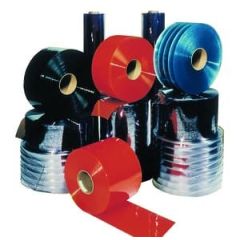
Strip Doors
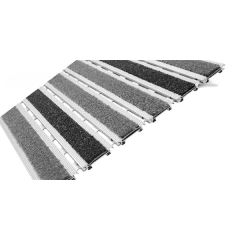
Perfec Clean 3/8" Rollup Mats - Aluminum Hinge
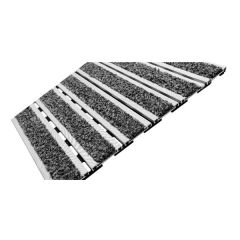
Perfec Clean 3/8" Rollup Mats - Rubber Hinge
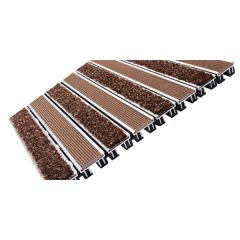
Perfec Clean 3/4" Rollup Grate - Rubber Hinge
Perfec Clean 1-5/8" Grate
WP-70 Non-Skid Epoxy Coating