




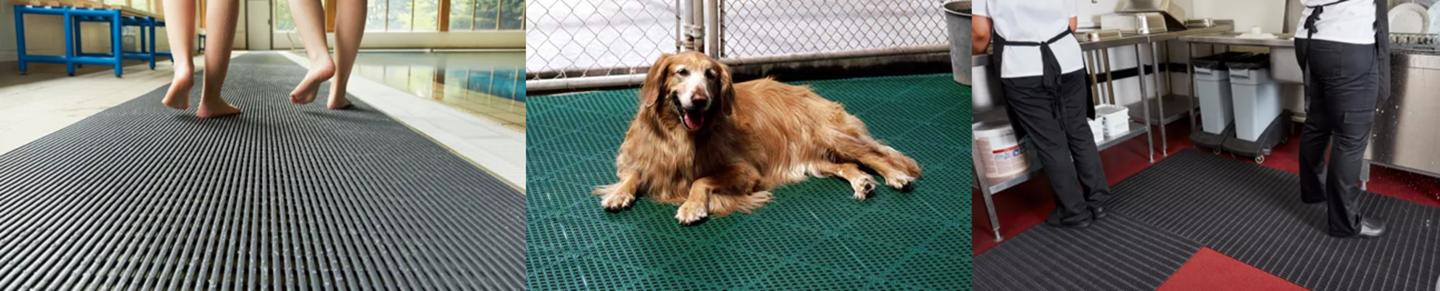
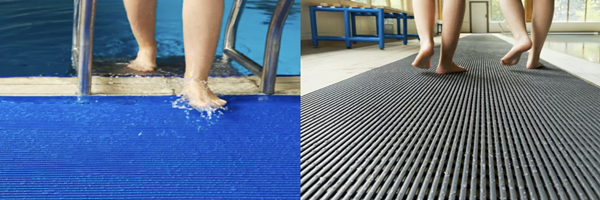
- Home
- Products
- Pool & Drainage Mats
- Drainage Matting
Drainage Matting
Some wet floors are wet by design — washdown corridors, shower rooms, the working side of a bar or kitchen, the threshold where a pool area meets the building. Drainage matting is built for those floors. The four mats here — Vynagrip, Heronair, Vinyl Loop, and Spaghetti — move water off the walking surface instead of waiting for it to dry.
Two are work mats with anti-fatigue give for people standing through shifts. Two are drain-through mats that catch water and grit at the doorway before either spreads. All four keep traction steady while the floor around them stays soaked.
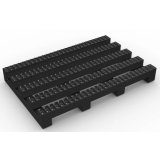 Vynagrip Matting
Starting at $543.00
What Vynagrip does before someone slips on a wet deck Around a pool, in a locker room, or behind a wet bar, the floor is the part of the room you stop noticing — right up until a foot goes out from under someone. It's easy to assume a textured...
What Vynagrip does before someone slips on a wet deck Around a pool, in a locker room, or behind a...
What Vynagrip does before someone slips on a wet deck
Around a pool, in a locker room, or behind a wet bar, the floor is the part of the room you stop noticing — right up until a foot goes out from under someone. It's easy to assume a textured tile or a quick wipe-down has it covered. The trouble is that water has nowhere to go on a flat surface, so it sits in a thin film exactly where people walk barefoot or in wet shoes.
Vynagrip is built to break that film. Its open-grid surface lets water drain straight through to the floor below, so the top of the mat stays in contact with feet instead of with a puddle. The raised diamond tread gives shoes and bare skin something to bite into. That combination is what separates a real non-slip pool mat from one that only looks grippy while it's dry.
A slick pool deck or wet-area floor isn't a small problem. The National Floor Safety Institute points to wet, hard floors as one of the most common settings for slip-and-fall injuries, and a busy deck or beverage station sees a steady stream of wet feet all day. Matting that keeps traction underfoot while the water disappears below is doing safety work, not decoration.
Why an open-grid PVC build, and why this one
Vynagrip is made from flexible, non-porous PVC in a two-layer, open-grid construction. Non-porous matters more than it sounds. Because water and spills can't soak into the material, the mat doesn't hold moisture the way a fabric or foam surface would — so it won't turn into a home for bacteria or mildew in a damp pool area or shower room.
The two-layer grid is what makes the drainage work. Water passes through the open pattern on top and clears out underneath, so the walking surface stays usable even when the deck around it is soaked. On traction, the surface is rated R11 under DIN 51130 and scores 72–88 wet on the ASTM E303 pendulum test — strong numbers for a barefoot, wet-area mat.
It's also tougher than a pool mat strictly needs to be, which is the point: it holds up. The PVC resists most acids, alkalines, and oils, and it stays workable across a wide temperature range, from well below freezing up to 140°F. The two-layer build adds a little give underfoot too, so standing on it for a while is easier on your legs than standing on bare concrete.
Where it belongs — and what it isn't
Vynagrip earns its place anywhere water and foot traffic meet. Think pool decks and the walkway from the pool to the locker room, shower and changing areas, the floor behind a poolside bar or beverage station, and wet work zones in kitchens, food service, and refrigerated spaces. In each of these, the same job repeats: drain the water, keep the grip.
It helps to be clear about what this mat is not. It's a walk-on surface mat, not a flotation device, and it's not the liner-protector cloth that goes underneath an above-ground pool. If you're looking for a mat to put under a pool or a float for in the water, this isn't that product. Vynagrip works on top of the deck, under your feet — whether that deck is concrete, tile, or paver.
One honest note for outdoor use: the PVC itself resists sun degradation, but the red color isn't colorfast in constant direct sunlight, so a red mat in full sun will fade over time. For exposed outdoor decks, the darker colors are the safer pick. In shaded or indoor wet areas, color holds up fine.
Three Things to Check Before You Spec It
Vynagrip is straightforward to order, but three things decide whether you get the right setup the first time.
First, decide between rolls and modules. Rolls come in 33-foot lengths and standard widths, and they're easy to cut to fit on site — the right call for covering a long deck or an open wet-area floor. Modules arrive pre-cut with finished ramped edging on three sides, so they sit cleanly against a wall or workstation without a trip lip.
Second, match the format to your edges. An open run of matting in the middle of a floor is one thing; a mat people step onto from a dry surface is another. Where a clean transition matters — a doorway, the edge of a bar, the lip of a shower — ramped edging keeps the change in height gentle, so the mat itself doesn't become the thing someone trips on.
Third, plan for sun and heat. Outdoors, choose a darker color and keep the red for shaded or indoor spots. Also know that PVC can shrink slightly — up to about 2% — and heat speeds that up, so on a hot, exposed deck, leave a little room at fixed edges rather than butting the mat tight wall to wall.
Why Mats Inc.
We've been matching mats to real floors since 1964, and wet areas are where the wrong choice shows up fastest. We'll help you size Vynagrip to your actual deck or work zone, talk through rolls versus modules for your layout, and flag the details — edging, color, sun exposure — that catch people out after a mat ships. It's part of our wider lineup of pool and wet-area matting, and every order is backed by our 1-year limited warranty.
Material Non-porous flexible PVC Construction Two-layer open grid with diamond tread Thickness 5/8" (15 mm) Weight 1.6 lb / sq ft Roll sizes 33' lengths in 2', 3', and 4' widths (cut to fit on site) Module sizes 4' x 2'5" and 5' x 3' (ramped edging on three sides) Custom sizes Available on request Slip resistance DIN 51130: R11; ASTM E303 wet: 72–88 Drainage DIN 51130: V10 Chemical resistance Most acids, alkalines, and oils Temperature range -9°F to +140°F Hygiene Non-porous; resists bacteria and mildew Environmental 100% recyclable; no SVHC substances (REACH) Colors Black and red (red not colorfast in direct sun) Warranty 1-year limited (Mats Inc.) Frequently Asked Questions
What is Vynagrip actually made of, and why does that matter near water?
Answered by Dustin Thompson, Owner & CEO
It's a flexible, non-porous PVC mat built in two layers, with an open-grid top and a diamond tread. The non-porous part is the key for wet areas — water and spills can't soak in, so the mat doesn't stay damp or trap the bacteria and mildew that build up on surfaces holding moisture. The open grid lets water drain straight through instead of pooling on top, which is what keeps the walking surface grippy when everything around it is wet.
How slip-resistant is it when the deck is soaking wet?
Answered by Dustin Thompson, Owner & CEO
Wet traction is exactly what it's built for. The surface is rated R11 on the DIN 51130 ramp test and scores 72–88 wet on the ASTM E303 pendulum test, both of which point to strong grip with water present. It also drains at the V10 level, so water keeps moving off the top rather than sitting under your feet. On top of that, the PVC shrugs off most acids, alkalines, and oils and works from below freezing up to 140°F, so a hot deck or a chemical splash won't break it down.
Does it come in rolls or tiles, and can I get a custom size?
Answered by Dustin Thompson, Owner & CEO
Both. You can order it as a roll in 33-foot lengths and 2-, 3-, or 4-foot widths, which you cut to fit on site — good for long decks and open floors. Or you can order modules at 4' x 2'5" or 5' x 3' that arrive with finished ramped edging on three sides, ready to drop against a wall or bar. If your space is an odd shape, custom sizes are available on request.
Can I use this outside around the pool, or is it really an indoor mat?
Answered by Jinna Hopson, VP of Marketing
It works in both, and the pool deck is one of its best homes. Outdoors it handles weather and a wide temperature swing without getting brittle, so it's at ease on an open deck, a poolside path, or a shower and changing area. The one thing to plan for outside is sun: pick a darker color for spots in constant direct sunlight, since the red can fade out there over time. Indoors and in shade, any color holds up.
What does it look like, and what colors can I get?
Answered by Jinna Hopson, VP of Marketing
It has a clean, open diamond-grid look that reads as purposeful rather than busy — like it belongs in a working wet area, not like an afterthought. It comes in black and red as standard. Black is the easy choice for hiding the bits of grit and debris a pool deck collects, while red can mark off a zone or add a little contrast. Just remember the red is best kept out of full, constant sun.
My deck has an awkward layout — will this actually fit it?
Answered by Jinna Hopson, VP of Marketing
Most likely, yes, and that's one of its strengths. Because the rolls cut easily on site, you can shape a run around steps, drains, ladders, and corners instead of forcing your space to match a fixed mat size. For built-in spots like a bar floor or a recessed changing area, the modules with ramped edges give you a finished look. And if nothing standard works, you can have it made to a custom size to fit the exact footprint you've got.
Written by Dustin Thompson, Owner & CEO, Mats Inc.
↑
What Vynagrip does before someone slips on a wet deck
Around a pool, in a locker room, or behind a wet bar, the floor is the part of the room you stop noticing — right up until a foot goes out from under someone. It's easy to assume a textured tile or a quick wipe-down has it covered. The trouble is that water has nowhere to go on a flat surface, so it sits in a thin film exactly where people walk barefoot or in wet shoes.
Vynagrip is built to break that film. Its open-grid surface lets water drain straight through to the floor below, so the top of the mat stays in contact with feet instead of with a puddle. The raised diamond tread gives shoes and bare skin something to bite into. That combination is what separates a real non-slip pool mat from one that only looks grippy while it's dry.
A slick pool deck or wet-area floor isn't a small problem. The National Floor Safety Institute points to wet, hard floors as one of the most common settings for slip-and-fall injuries, and a busy deck or beverage station sees a steady stream of wet feet all day. Matting that keeps traction underfoot while the water disappears below is doing safety work, not decoration.
Why an open-grid PVC build, and why this one
Vynagrip is made from flexible, non-porous PVC in a two-layer, open-grid construction. Non-porous matters more than it sounds. Because water and spills can't soak into the material, the mat doesn't hold moisture the way a fabric or foam surface would — so it won't turn into a home for bacteria or mildew in a damp pool area or shower room.
The two-layer grid is what makes the drainage work. Water passes through the open pattern on top and clears out underneath, so the walking surface stays usable even when the deck around it is soaked. On traction, the surface is rated R11 under DIN 51130 and scores 72–88 wet on the ASTM E303 pendulum test — strong numbers for a barefoot, wet-area mat.
It's also tougher than a pool mat strictly needs to be, which is the point: it holds up. The PVC resists most acids, alkalines, and oils, and it stays workable across a wide temperature range, from well below freezing up to 140°F. The two-layer build adds a little give underfoot too, so standing on it for a while is easier on your legs than standing on bare concrete.
Where it belongs — and what it isn't
Vynagrip earns its place anywhere water and foot traffic meet. Think pool decks and the walkway from the pool to the locker room, shower and changing areas, the floor behind a poolside bar or beverage station, and wet work zones in kitchens, food service, and refrigerated spaces. In each of these, the same job repeats: drain the water, keep the grip.
It helps to be clear about what this mat is not. It's a walk-on surface mat, not a flotation device, and it's not the liner-protector cloth that goes underneath an above-ground pool. If you're looking for a mat to put under a pool or a float for in the water, this isn't that product. Vynagrip works on top of the deck, under your feet — whether that deck is concrete, tile, or paver.
One honest note for outdoor use: the PVC itself resists sun degradation, but the red color isn't colorfast in constant direct sunlight, so a red mat in full sun will fade over time. For exposed outdoor decks, the darker colors are the safer pick. In shaded or indoor wet areas, color holds up fine.
Three Things to Check Before You Spec It
Vynagrip is straightforward to order, but three things decide whether you get the right setup the first time.
First, decide between rolls and modules. Rolls come in 33-foot lengths and standard widths, and they're easy to cut to fit on site — the right call for covering a long deck or an open wet-area floor. Modules arrive pre-cut with finished ramped edging on three sides, so they sit cleanly against a wall or workstation without a trip lip.
Second, match the format to your edges. An open run of matting in the middle of a floor is one thing; a mat people step onto from a dry surface is another. Where a clean transition matters — a doorway, the edge of a bar, the lip of a shower — ramped edging keeps the change in height gentle, so the mat itself doesn't become the thing someone trips on.
Third, plan for sun and heat. Outdoors, choose a darker color and keep the red for shaded or indoor spots. Also know that PVC can shrink slightly — up to about 2% — and heat speeds that up, so on a hot, exposed deck, leave a little room at fixed edges rather than butting the mat tight wall to wall.
Why Mats Inc.
We've been matching mats to real floors since 1964, and wet areas are where the wrong choice shows up fastest. We'll help you size Vynagrip to your actual deck or work zone, talk through rolls versus modules for your layout, and flag the details — edging, color, sun exposure — that catch people out after a mat ships. It's part of our wider lineup of pool and wet-area matting, and every order is backed by our 1-year limited warranty.
Material Non-porous flexible PVC Construction Two-layer open grid with diamond tread Thickness 5/8" (15 mm) Weight 1.6 lb / sq ft Roll sizes 33' lengths in 2', 3', and 4' widths (cut to fit on site) Module sizes 4' x 2'5" and 5' x 3' (ramped edging on three sides) Custom sizes Available on request Slip resistance DIN 51130: R11; ASTM E303 wet: 72–88 Drainage DIN 51130: V10 Chemical resistance Most acids, alkalines, and oils Temperature range -9°F to +140°F Hygiene Non-porous; resists bacteria and mildew Environmental 100% recyclable; no SVHC substances (REACH) Colors Black and red (red not colorfast in direct sun) Warranty 1-year limited (Mats Inc.) Frequently Asked Questions
What is Vynagrip actually made of, and why does that matter near water?
Answered by Dustin Thompson, Owner & CEO
It's a flexible, non-porous PVC mat built in two layers, with an open-grid top and a diamond tread. The non-porous part is the key for wet areas — water and spills can't soak in, so the mat doesn't stay damp or trap the bacteria and mildew that build up on surfaces holding moisture. The open grid lets water drain straight through instead of pooling on top, which is what keeps the walking surface grippy when everything around it is wet.
How slip-resistant is it when the deck is soaking wet?
Answered by Dustin Thompson, Owner & CEO
Wet traction is exactly what it's built for. The surface is rated R11 on the DIN 51130 ramp test and scores 72–88 wet on the ASTM E303 pendulum test, both of which point to strong grip with water present. It also drains at the V10 level, so water keeps moving off the top rather than sitting under your feet. On top of that, the PVC shrugs off most acids, alkalines, and oils and works from below freezing up to 140°F, so a hot deck or a chemical splash won't break it down.
Does it come in rolls or tiles, and can I get a custom size?
Answered by Dustin Thompson, Owner & CEO
Both. You can order it as a roll in 33-foot lengths and 2-, 3-, or 4-foot widths, which you cut to fit on site — good for long decks and open floors. Or you can order modules at 4' x 2'5" or 5' x 3' that arrive with finished ramped edging on three sides, ready to drop against a wall or bar. If your space is an odd shape, custom sizes are available on request.
Can I use this outside around the pool, or is it really an indoor mat?
Answered by Jinna Hopson, VP of Marketing
It works in both, and the pool deck is one of its best homes. Outdoors it handles weather and a wide temperature swing without getting brittle, so it's at ease on an open deck, a poolside path, or a shower and changing area. The one thing to plan for outside is sun: pick a darker color for spots in constant direct sunlight, since the red can fade out there over time. Indoors and in shade, any color holds up.
What does it look like, and what colors can I get?
Answered by Jinna Hopson, VP of Marketing
It has a clean, open diamond-grid look that reads as purposeful rather than busy — like it belongs in a working wet area, not like an afterthought. It comes in black and red as standard. Black is the easy choice for hiding the bits of grit and debris a pool deck collects, while red can mark off a zone or add a little contrast. Just remember the red is best kept out of full, constant sun.
My deck has an awkward layout — will this actually fit it?
Answered by Jinna Hopson, VP of Marketing
Most likely, yes, and that's one of its strengths. Because the rolls cut easily on site, you can shape a run around steps, drains, ladders, and corners instead of forcing your space to match a fixed mat size. For built-in spots like a bar floor or a recessed changing area, the modules with ramped edges give you a finished look. And if nothing standard works, you can have it made to a custom size to fit the exact footprint you've got.
Written by Dustin Thompson, Owner & CEO, Mats Inc.
↑
View Details
View Details
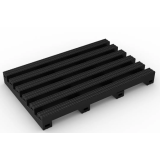 Heronair Matting
Starting at $588.00
What Heronair does before a wet work floor causes a fall In a busy work area, the floor gets wet and stays wet — washdown, splashes, drips, tracked-in water. It's easy to assume a quick mop or a coat of non-slip paint keeps people safe. The catch is that water...
What Heronair does before a wet work floor causes a fall In a busy work area, the floor gets wet...
What Heronair does before a wet work floor causes a fall
In a busy work area, the floor gets wet and stays wet — washdown, splashes, drips, tracked-in water. It's easy to assume a quick mop or a coat of non-slip paint keeps people safe. The catch is that water spreads into a thin film on a hard floor, right where people walk and stand, and a painted or tiled surface that grips dry can turn slick the moment it's wet.
Heronair is built to take that film out of play. It's an open-grid PVC mat that's impermeable to fluids, so water and debris drop through and disperse below the surface instead of pooling on top. The etched surface gives shoes traction, and the mat keeps draining even when the floor around it is soaked. That's the difference between a real non-slip wet-area mat and a surface that only behaves when it's dry.
A wet, slick work floor isn't a minor nuisance. The National Floor Safety Institute ties wet, hard floors to a large share of slip, trip, and fall injuries, and a walkway or wet work zone keeps feeding that risk shift after shift. A mat that drains the water away and holds grip underfoot is doing safety work the whole time it's down.
Why a lightweight tubular PVC build, and why this one
Heronair is made from non-porous PVC in a two-layer, tubular construction — and that hollow build is the heart of what makes it different. The tubes make the mat genuinely light: at around 0.9 pounds per square foot, it's easy to lift, roll, and reposition by hand. In a space where mats get pulled up for cleaning or moved between tasks, that lightness is a real day-to-day advantage.
The same open structure that keeps it light also keeps it draining. Liquids pass straight through and clear away beneath the mat, and it's certified slip resistant at R11 with V10 drainage under DIN 51130. Grip comes from an etched surface, so traction is strongest across the lines of the pattern. The hollow body also insulates against a cold floor and absorbs sound, taking some of the chill and clatter out of a hard work area.
Because people stand on these floors for hours, the cushioning matters. The give in the tubular build reduces fatigue underfoot, which is easier on legs and backs than bare concrete. The PVC itself resists most acids, alkalines, and oils, handles UV without degrading, and works from below freezing up to 140°F. Made in black, it's produced from post-industrial recycled material — averaging at least 30% recycled content — and the whole mat is 100% recyclable.
Where it belongs — and what it isn't
Heronair belongs in wet, working spaces where people are on their feet in shoes. Think light-industrial areas and walkways, washdown zones, beverage and prep stations, and the wet service and back-of-house areas around a pool — pump and equipment rooms, plant rooms, and staff walkways — rather than the barefoot deck itself. Wherever liquids underfoot meet standing workers, it earns its place.
It's worth being clear about what this mat is not. It's a shod, walk-on work mat — not a barefoot-certified pool mat, not a flotation device, and not the liner sheet that goes under an above-ground pool. For the barefoot pool deck, shower, or changing room, a barefoot-rated mat is the right call. Heronair's job is the working wet floor, in shoes, where drainage and anti-fatigue support matter most.
How it goes down is simple. It comes in 33-foot rolls, cuts to fit on site, and contours to uneven surfaces, so it follows a real floor instead of fighting it. For larger areas, rolls join side-to-side and end-to-end with connector clips or welded snap track, and ramped edging finishes an exposed border so the mat doesn't become a trip point.
Three Things to Check Before You Spec It
Heronair is easy to order well once you've thought through three things.
First, match it to the duty. This is the lighter, more versatile end of wet-area matting — ideal where you want easy handling, anti-fatigue support, and reliable drainage in shoes. For the most punishing wet floors or the highest wet-grip demands, a heavier, higher-traction mat may suit better. Be honest about how hard the floor gets worked before you choose.
Second, measure the whole wet path and plan the joins. Size the mat to cover wherever liquid actually reaches — the full washdown zone, the length of a walkway — since a dry-foot gap is where the next slip waits. For bigger areas, map where rolls will join with clips or snap track and where ramped edging finishes the border.
Third, plan for heat and movement. The PVC handles a wide temperature range, but like any thermoplastic it can shrink slightly — up to about 2%, faster in heat — so in a hot space or an exposed spot, leave a little room at fixed edges rather than butting it tight wall to wall, and use edging or clips to keep sections in place.
Why Mats Inc.
We've been matching mats to real floors since 1964, and wet work areas are where the wrong mat shows up fastest — in sore legs, slick steps, and mats too heavy to bother moving. We'll help you decide whether Heronair's lightweight, easy-handling build fits your space or whether a heavier mat suits the duty, size it to your actual wet path, and plan the seams and edging. It's part of our wider lineup of pool and wet-area matting, and every order is backed by our 1-year limited warranty.
Material Non-porous flexible PVC Construction Two-layer tubular (hollow); etched open-grid surface Thickness 3/8" (10 mm) Weight 0.9 lb / sq ft Roll options 33' lengths in 2', 3', and 4' widths (cut to fit on site) Custom sizes Custom matting available Slip resistance DIN 51130: R11; ASTM F1677: 0.6/0.6; ASTM E303 wet: 58–77 (by direction) Drainage DIN 51130: V10 Chemical resistance Most acids, alkalines, and oils Temperature range -9°F to +140°F Hygiene Non-porous PVC; naturally resists bacteria growth Acoustic / thermal Sound absorption; insulating Environmental 100% recyclable; black made from ≥30% post-industrial recycled content; no SVHC (REACH) UV Resists PVC degradation Color Black (other colors available) Warranty 1-year limited (Mats Inc.) Frequently Asked Questions
What's Heronair made of, and why is it so light?
Answered by Dustin Thompson, Owner & CEO
It's made from non-porous PVC in a two-layer, tubular construction — essentially an open grid of hollow tubes. That hollow build is why it's light: about 0.9 pounds per square foot, easy to lift, roll, and move by hand. The open structure also means it's impermeable to fluids — water and debris drop straight through and clear away underneath instead of pooling on top. So the same thing that makes it light also makes it drain, and keeps the walking surface usable when the floor's wet.
How slip-resistant and tough is it, especially with chemicals around?
Answered by Dustin Thompson, Owner & CEO
It's certified slip resistant at R11 with V10 drainage under DIN 51130, with traction coming from an etched surface — grip is strongest across the lines of the pattern, reading 58 to 77 wet on the ASTM E303 pendulum test depending on direction. On toughness, the PVC resists most acids, alkalines, and oils, stands up to UV without degrading, and works from below freezing up to 140°F. That's what lets the same mat hold up in a washdown area, a chemical-prone work zone, or an outdoor walkway without going brittle.
What sizes does it come in, and can it cover a large floor?
Answered by Dustin Thompson, Owner & CEO
It comes in 33-foot rolls in 2-, 3-, and 4-foot widths, and you cut it to fit on site. For a large floor, rolls join side-to-side and end-to-end with connector clips or welded snap track, so you can cover a whole walkway or work area in one continuous surface. Because it contours to uneven ground, it follows a real floor rather than needing a perfectly flat one, and custom matting is available when a standard width won't fit.
Can I use this around a pool, or is it really a workplace mat?
Answered by Jinna Hopson, VP of Marketing
It's really a workplace mat, and that's where it shines — light-industrial areas, walkways, washdown and prep zones. Around a pool, its place is the working, in-shoes areas: pump and plant rooms, staff walkways, and back-of-house service spaces, rather than the barefoot deck or shower. For those barefoot areas you'd want a barefoot-rated pool mat instead. If your space is a wet floor where people work on their feet in shoes, Heronair fits.
What does it look like underfoot?
Answered by Jinna Hopson, VP of Marketing
It has a practical, industrial look — an open, etched grid that clearly reads as a working surface built to drain and grip, not as decoration. The standard color is black, which is the easy choice for a work area because it hides the grit, oil, and debris these floors collect between cleanings; the black version is also the one made from recycled material. Other colors are available if you want to mark off a zone or match a scheme — tell us what you need and we'll confirm the options.
My work area has an awkward layout — will it fit, and is it easy to live with?
Answered by Jinna Hopson, VP of Marketing
Yes on both counts. Because it cuts to fit on site and contours to uneven surfaces, you can shape a run around machinery, drains, and corners instead of forcing the space to match a fixed mat. And it's genuinely easy to live with day to day: it's light enough to lift or roll up for cleaning by hand, needs no special tools, and rinses down with a hose. Send us your layout and we'll help you plan widths, joins, and edging.
Written by Dustin Thompson, Owner & CEO, Mats Inc.
↑
What Heronair does before a wet work floor causes a fall
In a busy work area, the floor gets wet and stays wet — washdown, splashes, drips, tracked-in water. It's easy to assume a quick mop or a coat of non-slip paint keeps people safe. The catch is that water spreads into a thin film on a hard floor, right where people walk and stand, and a painted or tiled surface that grips dry can turn slick the moment it's wet.
Heronair is built to take that film out of play. It's an open-grid PVC mat that's impermeable to fluids, so water and debris drop through and disperse below the surface instead of pooling on top. The etched surface gives shoes traction, and the mat keeps draining even when the floor around it is soaked. That's the difference between a real non-slip wet-area mat and a surface that only behaves when it's dry.
A wet, slick work floor isn't a minor nuisance. The National Floor Safety Institute ties wet, hard floors to a large share of slip, trip, and fall injuries, and a walkway or wet work zone keeps feeding that risk shift after shift. A mat that drains the water away and holds grip underfoot is doing safety work the whole time it's down.
Why a lightweight tubular PVC build, and why this one
Heronair is made from non-porous PVC in a two-layer, tubular construction — and that hollow build is the heart of what makes it different. The tubes make the mat genuinely light: at around 0.9 pounds per square foot, it's easy to lift, roll, and reposition by hand. In a space where mats get pulled up for cleaning or moved between tasks, that lightness is a real day-to-day advantage.
The same open structure that keeps it light also keeps it draining. Liquids pass straight through and clear away beneath the mat, and it's certified slip resistant at R11 with V10 drainage under DIN 51130. Grip comes from an etched surface, so traction is strongest across the lines of the pattern. The hollow body also insulates against a cold floor and absorbs sound, taking some of the chill and clatter out of a hard work area.
Because people stand on these floors for hours, the cushioning matters. The give in the tubular build reduces fatigue underfoot, which is easier on legs and backs than bare concrete. The PVC itself resists most acids, alkalines, and oils, handles UV without degrading, and works from below freezing up to 140°F. Made in black, it's produced from post-industrial recycled material — averaging at least 30% recycled content — and the whole mat is 100% recyclable.
Where it belongs — and what it isn't
Heronair belongs in wet, working spaces where people are on their feet in shoes. Think light-industrial areas and walkways, washdown zones, beverage and prep stations, and the wet service and back-of-house areas around a pool — pump and equipment rooms, plant rooms, and staff walkways — rather than the barefoot deck itself. Wherever liquids underfoot meet standing workers, it earns its place.
It's worth being clear about what this mat is not. It's a shod, walk-on work mat — not a barefoot-certified pool mat, not a flotation device, and not the liner sheet that goes under an above-ground pool. For the barefoot pool deck, shower, or changing room, a barefoot-rated mat is the right call. Heronair's job is the working wet floor, in shoes, where drainage and anti-fatigue support matter most.
How it goes down is simple. It comes in 33-foot rolls, cuts to fit on site, and contours to uneven surfaces, so it follows a real floor instead of fighting it. For larger areas, rolls join side-to-side and end-to-end with connector clips or welded snap track, and ramped edging finishes an exposed border so the mat doesn't become a trip point.
Three Things to Check Before You Spec It
Heronair is easy to order well once you've thought through three things.
First, match it to the duty. This is the lighter, more versatile end of wet-area matting — ideal where you want easy handling, anti-fatigue support, and reliable drainage in shoes. For the most punishing wet floors or the highest wet-grip demands, a heavier, higher-traction mat may suit better. Be honest about how hard the floor gets worked before you choose.
Second, measure the whole wet path and plan the joins. Size the mat to cover wherever liquid actually reaches — the full washdown zone, the length of a walkway — since a dry-foot gap is where the next slip waits. For bigger areas, map where rolls will join with clips or snap track and where ramped edging finishes the border.
Third, plan for heat and movement. The PVC handles a wide temperature range, but like any thermoplastic it can shrink slightly — up to about 2%, faster in heat — so in a hot space or an exposed spot, leave a little room at fixed edges rather than butting it tight wall to wall, and use edging or clips to keep sections in place.
Why Mats Inc.
We've been matching mats to real floors since 1964, and wet work areas are where the wrong mat shows up fastest — in sore legs, slick steps, and mats too heavy to bother moving. We'll help you decide whether Heronair's lightweight, easy-handling build fits your space or whether a heavier mat suits the duty, size it to your actual wet path, and plan the seams and edging. It's part of our wider lineup of pool and wet-area matting, and every order is backed by our 1-year limited warranty.
Material Non-porous flexible PVC Construction Two-layer tubular (hollow); etched open-grid surface Thickness 3/8" (10 mm) Weight 0.9 lb / sq ft Roll options 33' lengths in 2', 3', and 4' widths (cut to fit on site) Custom sizes Custom matting available Slip resistance DIN 51130: R11; ASTM F1677: 0.6/0.6; ASTM E303 wet: 58–77 (by direction) Drainage DIN 51130: V10 Chemical resistance Most acids, alkalines, and oils Temperature range -9°F to +140°F Hygiene Non-porous PVC; naturally resists bacteria growth Acoustic / thermal Sound absorption; insulating Environmental 100% recyclable; black made from ≥30% post-industrial recycled content; no SVHC (REACH) UV Resists PVC degradation Color Black (other colors available) Warranty 1-year limited (Mats Inc.) Frequently Asked Questions
What's Heronair made of, and why is it so light?
Answered by Dustin Thompson, Owner & CEO
It's made from non-porous PVC in a two-layer, tubular construction — essentially an open grid of hollow tubes. That hollow build is why it's light: about 0.9 pounds per square foot, easy to lift, roll, and move by hand. The open structure also means it's impermeable to fluids — water and debris drop straight through and clear away underneath instead of pooling on top. So the same thing that makes it light also makes it drain, and keeps the walking surface usable when the floor's wet.
How slip-resistant and tough is it, especially with chemicals around?
Answered by Dustin Thompson, Owner & CEO
It's certified slip resistant at R11 with V10 drainage under DIN 51130, with traction coming from an etched surface — grip is strongest across the lines of the pattern, reading 58 to 77 wet on the ASTM E303 pendulum test depending on direction. On toughness, the PVC resists most acids, alkalines, and oils, stands up to UV without degrading, and works from below freezing up to 140°F. That's what lets the same mat hold up in a washdown area, a chemical-prone work zone, or an outdoor walkway without going brittle.
What sizes does it come in, and can it cover a large floor?
Answered by Dustin Thompson, Owner & CEO
It comes in 33-foot rolls in 2-, 3-, and 4-foot widths, and you cut it to fit on site. For a large floor, rolls join side-to-side and end-to-end with connector clips or welded snap track, so you can cover a whole walkway or work area in one continuous surface. Because it contours to uneven ground, it follows a real floor rather than needing a perfectly flat one, and custom matting is available when a standard width won't fit.
Can I use this around a pool, or is it really a workplace mat?
Answered by Jinna Hopson, VP of Marketing
It's really a workplace mat, and that's where it shines — light-industrial areas, walkways, washdown and prep zones. Around a pool, its place is the working, in-shoes areas: pump and plant rooms, staff walkways, and back-of-house service spaces, rather than the barefoot deck or shower. For those barefoot areas you'd want a barefoot-rated pool mat instead. If your space is a wet floor where people work on their feet in shoes, Heronair fits.
What does it look like underfoot?
Answered by Jinna Hopson, VP of Marketing
It has a practical, industrial look — an open, etched grid that clearly reads as a working surface built to drain and grip, not as decoration. The standard color is black, which is the easy choice for a work area because it hides the grit, oil, and debris these floors collect between cleanings; the black version is also the one made from recycled material. Other colors are available if you want to mark off a zone or match a scheme — tell us what you need and we'll confirm the options.
My work area has an awkward layout — will it fit, and is it easy to live with?
Answered by Jinna Hopson, VP of Marketing
Yes on both counts. Because it cuts to fit on site and contours to uneven surfaces, you can shape a run around machinery, drains, and corners instead of forcing the space to match a fixed mat. And it's genuinely easy to live with day to day: it's light enough to lift or roll up for cleaning by hand, needs no special tools, and rinses down with a hose. Send us your layout and we'll help you plan widths, joins, and edging.
Written by Dustin Thompson, Owner & CEO, Mats Inc.
↑
View Details
View Details
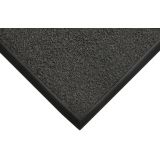 Vinyl Loop Mats$128.00What Vinyl Loop Mats do before water and sand get tracked across your floor At a pool entry or a wet threshold, the problem isn't only the water — it's everything that rides in on wet feet. Sand, grit, and dripping water come off the deck and get tracked across
...
What Vinyl Loop Mats do before water and sand get tracked across your floor At a pool entry or a...
What Vinyl Loop Mats do before water and sand get tracked across your floor
At a pool entry or a wet threshold, the problem isn't only the water — it's everything that rides in on wet feet. Sand, grit, and dripping water come off the deck and get tracked across the floor inside, where they turn smooth surfaces slick and grind away at the finish. A smooth mat at the door just moves the puddle; it doesn't deal with what's on people's feet.
A vinyl loop mat works differently. Its surface is a dense tangle of looped vinyl strands, open all the way through, so it scrapes water, sand, and grit off the soles of feet and lets all of it fall down into the open structure, below where you step. People walk off the mat with cleaner, drier feet, and the debris stays trapped underneath instead of traveling indoors.
That matters most right where wet meets dry. The National Floor Safety Institute ties wet, contaminated floors to a large share of slip-and-fall injuries, and a pool doorway or locker-room threshold sees a steady stream of wet, sandy feet all day. A mat that strips that water and grit off at the transition is doing safety and floor-protection work at the same time.
Why a looped-vinyl build, and why this one
The whole idea rests on the loop structure. Instead of a flat top, a vinyl loop mat is built from a mass of springy, looped vinyl filaments running in every direction. Because the loops face no single way, the mat scrapes from any angle — useful at a doorway where people approach from all sides. The open weave between the loops is what gives water and sand somewhere to go.
Vinyl is the right material for a constantly wet spot because it doesn't absorb water. Rather than soaking up moisture and staying soggy, the open structure lets water drain straight through and air-dry, which also helps it resist the mildew and odor that plague water-logged fabric mats. It stays springy underfoot and rinses clean easily.
Vinyl loop mats usually come in two setups, and which one you want depends on the spot. A version with a backing makes a self-contained scraper mat that sits on a finished floor; a version without backing leaves the structure fully open so water flows straight through to the surface below — the better pick for a soaking-wet deck or a recessed well. We'll confirm the exact build options for this mat with you before you order.
Where it belongs — and what it isn't
A vinyl loop mat is at its best at transitions — the places where a wet area meets a drier one. Think the entry from a pool deck into the building, the threshold of a locker or changing room, the step out of a shower area, and outdoor walkways and deck entries where sand and water collect. It's a scrape-and-drain mat for the doorway and the path, more than a full-coverage surface for an entire deck.
It helps to be clear about what this mat is not. It's a walk-on scraper-and-drainage mat, not a flotation device, and not the liner sheet that goes under an above-ground pool. If you're after a mat to put under a pool or a float for the water, this isn't that product. And it isn't a cushioned barefoot deck mat — its job is to strip water and grit off feet at the transition, on top of concrete, tile, or decking.
One honest note: because this mat comes from a maker that doesn't publish a full spec sheet, we confirm the details that matter — exact thickness, sizes, colors, and backing options — directly before you order, rather than guess at them. What's certain is the function: an open looped-vinyl surface that scrapes and drains at the points where wet feet would otherwise track water and sand indoors.
Three Things to Check Before You Spec It
Because the published details on this mat are limited, three questions are worth settling up front — and we'll confirm each with you.
First, decide backed or unbacked. If the mat sits on a finished indoor floor as a scraper, a backed version keeps debris contained on top of the floor. If it's going on a soaking deck or into a recessed well where you want water gone immediately, an unbacked version lets it flow straight through. The spot decides the build.
Second, size it to the transition, not the whole room. This is a doorway-and-path mat, so measure the actual wet entry or threshold where feet land first. A mat sized to the transition catches the water and sand at the source; stretching it across a full deck is usually the wrong tool for the job.
Third, confirm the specifics with us before ordering. Thickness, available sizes, colors, edging or nosing options, and any safety or chemical notes aren't all published for this mat, so rather than assume, send us your application and we'll verify what's available and what fits — including anything that matters for an outdoor or pool-chemical setting.
Why Mats Inc.
We've been matching mats to real floors since 1964, and a transition mat only works if it's the right build in the right spot. Because this mat's maker publishes limited specs, we do the legwork — confirming sizes, backing, and any safety details directly, and telling you honestly whether a vinyl loop mat is the right call for your entry or whether another wet-area mat fits better. It's part of our wider lineup of pool and wet-area matting, and every order is backed by our 1-year limited warranty.
Frequently Asked Questions
What exactly is a vinyl loop mat, and how does it handle water?
Answered by Dustin Thompson, Owner & CEO
Picture a dense tangle of looped vinyl strands bonded into a springy, open mat — no flat surface, just loops running every direction. That open structure does two jobs at once. The loops scrape water, sand, and grit off the bottoms of feet, and the gaps between them let all of it fall down into the mat, below where you walk. Because vinyl doesn't absorb water, the mat drains and air-dries instead of soaking and staying damp, which also helps it resist the mildew and odor that build up in a constantly wet spot.
How tough is it, and what are the exact specs?
Answered by Dustin Thompson, Owner & CEO
The durability comes from the material and the structure: vinyl loops flex underfoot and spring back rather than crushing flat, and vinyl shrugs off the water and mildew that rot fabric mats. I'll be straight with you on the numbers, though — this mat comes from a maker that doesn't publish a full spec sheet, so exact thickness, weight, and any test ratings aren't something we'll print from guesswork. Tell us your application and we'll confirm the specifics directly before you order, rather than put unverified figures in front of you.
What sizes can I get, and can it be cut to fit?
Answered by Dustin Thompson, Owner & CEO
Vinyl loop mats are typically made to order and cut to fit a specific entry or threshold, which suits this kind of transition mat well. The exact standard sizes and custom widths for this particular mat aren't fully published, so we confirm them with you as part of the order. The practical approach is simple: measure the wet entry or doorway where feet land first, send us the dimensions, and we'll tell you what's available to cover it.
Where does a vinyl loop mat make the most sense?
Answered by Jinna Hopson, VP of Marketing
Right at the transitions, where a wet area hands off to a drier one. The classic spots are the entry from a pool deck into a building, the threshold of a locker or changing room, the step out of a shower, and outdoor deck entries where sand and water collect on the way in. It's a scrape-and-drain mat for doorways and paths — the place to stop water and grit before they get tracked across the floor inside — rather than a full-coverage mat for an entire deck.
What does it look like?
Answered by Jinna Hopson, VP of Marketing
It has a distinctive open, looped texture — a tidy tangle of vinyl strands rather than a smooth or ribbed surface — which reads as practical and purpose-built for a working entry. Being open, it sits visually light rather than looking like a solid slab at the door. Color choices for this particular mat aren't fully published, so if a specific color matters for your space, let us know and we'll confirm what's available before you commit.
My entry is an odd shape — can this be made to fit it?
Answered by Jinna Hopson, VP of Marketing
Most likely, yes. Mats like this are generally cut to fit a specific opening, so an awkward doorway, a recessed well, or a path with corners is usually workable rather than a dealbreaker. Edging or nosing on exposed sides is often an option too, to finish a cut edge cleanly. Because the published options are limited, the best path is to send us the shape and dimensions of your entry, and we'll confirm what can be made to fit it.
Written by Dustin Thompson, Owner & CEO, Mats Inc.
↑
What Vinyl Loop Mats do before water and sand get tracked across your floor
At a pool entry or a wet threshold, the problem isn't only the water — it's everything that rides in on wet feet. Sand, grit, and dripping water come off the deck and get tracked across the floor inside, where they turn smooth surfaces slick and grind away at the finish. A smooth mat at the door just moves the puddle; it doesn't deal with what's on people's feet.
A vinyl loop mat works differently. Its surface is a dense tangle of looped vinyl strands, open all the way through, so it scrapes water, sand, and grit off the soles of feet and lets all of it fall down into the open structure, below where you step. People walk off the mat with cleaner, drier feet, and the debris stays trapped underneath instead of traveling indoors.
That matters most right where wet meets dry. The National Floor Safety Institute ties wet, contaminated floors to a large share of slip-and-fall injuries, and a pool doorway or locker-room threshold sees a steady stream of wet, sandy feet all day. A mat that strips that water and grit off at the transition is doing safety and floor-protection work at the same time.
Why a looped-vinyl build, and why this one
The whole idea rests on the loop structure. Instead of a flat top, a vinyl loop mat is built from a mass of springy, looped vinyl filaments running in every direction. Because the loops face no single way, the mat scrapes from any angle — useful at a doorway where people approach from all sides. The open weave between the loops is what gives water and sand somewhere to go.
Vinyl is the right material for a constantly wet spot because it doesn't absorb water. Rather than soaking up moisture and staying soggy, the open structure lets water drain straight through and air-dry, which also helps it resist the mildew and odor that plague water-logged fabric mats. It stays springy underfoot and rinses clean easily.
Vinyl loop mats usually come in two setups, and which one you want depends on the spot. A version with a backing makes a self-contained scraper mat that sits on a finished floor; a version without backing leaves the structure fully open so water flows straight through to the surface below — the better pick for a soaking-wet deck or a recessed well. We'll confirm the exact build options for this mat with you before you order.
Where it belongs — and what it isn't
A vinyl loop mat is at its best at transitions — the places where a wet area meets a drier one. Think the entry from a pool deck into the building, the threshold of a locker or changing room, the step out of a shower area, and outdoor walkways and deck entries where sand and water collect. It's a scrape-and-drain mat for the doorway and the path, more than a full-coverage surface for an entire deck.
It helps to be clear about what this mat is not. It's a walk-on scraper-and-drainage mat, not a flotation device, and not the liner sheet that goes under an above-ground pool. If you're after a mat to put under a pool or a float for the water, this isn't that product. And it isn't a cushioned barefoot deck mat — its job is to strip water and grit off feet at the transition, on top of concrete, tile, or decking.
One honest note: because this mat comes from a maker that doesn't publish a full spec sheet, we confirm the details that matter — exact thickness, sizes, colors, and backing options — directly before you order, rather than guess at them. What's certain is the function: an open looped-vinyl surface that scrapes and drains at the points where wet feet would otherwise track water and sand indoors.
Three Things to Check Before You Spec It
Because the published details on this mat are limited, three questions are worth settling up front — and we'll confirm each with you.
First, decide backed or unbacked. If the mat sits on a finished indoor floor as a scraper, a backed version keeps debris contained on top of the floor. If it's going on a soaking deck or into a recessed well where you want water gone immediately, an unbacked version lets it flow straight through. The spot decides the build.
Second, size it to the transition, not the whole room. This is a doorway-and-path mat, so measure the actual wet entry or threshold where feet land first. A mat sized to the transition catches the water and sand at the source; stretching it across a full deck is usually the wrong tool for the job.
Third, confirm the specifics with us before ordering. Thickness, available sizes, colors, edging or nosing options, and any safety or chemical notes aren't all published for this mat, so rather than assume, send us your application and we'll verify what's available and what fits — including anything that matters for an outdoor or pool-chemical setting.
Why Mats Inc.
We've been matching mats to real floors since 1964, and a transition mat only works if it's the right build in the right spot. Because this mat's maker publishes limited specs, we do the legwork — confirming sizes, backing, and any safety details directly, and telling you honestly whether a vinyl loop mat is the right call for your entry or whether another wet-area mat fits better. It's part of our wider lineup of pool and wet-area matting, and every order is backed by our 1-year limited warranty.
Frequently Asked Questions
What exactly is a vinyl loop mat, and how does it handle water?
Answered by Dustin Thompson, Owner & CEO
Picture a dense tangle of looped vinyl strands bonded into a springy, open mat — no flat surface, just loops running every direction. That open structure does two jobs at once. The loops scrape water, sand, and grit off the bottoms of feet, and the gaps between them let all of it fall down into the mat, below where you walk. Because vinyl doesn't absorb water, the mat drains and air-dries instead of soaking and staying damp, which also helps it resist the mildew and odor that build up in a constantly wet spot.
How tough is it, and what are the exact specs?
Answered by Dustin Thompson, Owner & CEO
The durability comes from the material and the structure: vinyl loops flex underfoot and spring back rather than crushing flat, and vinyl shrugs off the water and mildew that rot fabric mats. I'll be straight with you on the numbers, though — this mat comes from a maker that doesn't publish a full spec sheet, so exact thickness, weight, and any test ratings aren't something we'll print from guesswork. Tell us your application and we'll confirm the specifics directly before you order, rather than put unverified figures in front of you.
What sizes can I get, and can it be cut to fit?
Answered by Dustin Thompson, Owner & CEO
Vinyl loop mats are typically made to order and cut to fit a specific entry or threshold, which suits this kind of transition mat well. The exact standard sizes and custom widths for this particular mat aren't fully published, so we confirm them with you as part of the order. The practical approach is simple: measure the wet entry or doorway where feet land first, send us the dimensions, and we'll tell you what's available to cover it.
Where does a vinyl loop mat make the most sense?
Answered by Jinna Hopson, VP of Marketing
Right at the transitions, where a wet area hands off to a drier one. The classic spots are the entry from a pool deck into a building, the threshold of a locker or changing room, the step out of a shower, and outdoor deck entries where sand and water collect on the way in. It's a scrape-and-drain mat for doorways and paths — the place to stop water and grit before they get tracked across the floor inside — rather than a full-coverage mat for an entire deck.
What does it look like?
Answered by Jinna Hopson, VP of Marketing
It has a distinctive open, looped texture — a tidy tangle of vinyl strands rather than a smooth or ribbed surface — which reads as practical and purpose-built for a working entry. Being open, it sits visually light rather than looking like a solid slab at the door. Color choices for this particular mat aren't fully published, so if a specific color matters for your space, let us know and we'll confirm what's available before you commit.
My entry is an odd shape — can this be made to fit it?
Answered by Jinna Hopson, VP of Marketing
Most likely, yes. Mats like this are generally cut to fit a specific opening, so an awkward doorway, a recessed well, or a path with corners is usually workable rather than a dealbreaker. Edging or nosing on exposed sides is often an option too, to finish a cut edge cleanly. Because the published options are limited, the best path is to send us the shape and dimensions of your entry, and we'll confirm what can be made to fit it.
Written by Dustin Thompson, Owner & CEO, Mats Inc.
↑
View Details
View Details
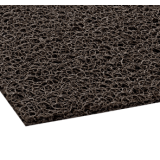 Spaghetti Mats$61.00Spaghetti Mats are an open-loop outdoor scraper built for lighter-traffic entrances — the doors where a heavy cleated mat is more than the spot needs. The tangled vinyl-loop surface scrapes from every direction at once, so it pulls dirt off shoes no matter which way someone crosses it, and
...
Spaghetti Mats are an open-loop outdoor scraper built for lighter-traffic entrances — the doors where a heavy cleated mat...
Spaghetti Mats are an open-loop outdoor scraper built for lighter-traffic entrances — the doors where a heavy cleated mat is more than the spot needs. The tangled vinyl-loop surface scrapes from every direction at once, so it pulls dirt off shoes no matter which way someone crosses it, and the open structure lets grit and water fall through instead of sitting on top.
The surface is a PVC vinyl loop — a coiled, spaghetti-like structure that gives the mat its name. Two versions cover different needs: a foam-backed build that stays planted on a finished surface, and an unbacked version that lets water flow straight through, which suits spots where rain or snowmelt needs somewhere to go. Either way the vinyl dries quickly and resists mildew and fading, so sun and wet don't stiffen it or wash out the color.
Because the loop pattern is non-directional, it doubles as slip-resistant footing — there's no single grain to skid along, which helps where wet shoes are common. It comes in standard 3-by-5 and 4-by-6 sizes and in rolls up to 20 feet long, and it can be custom-sized up to four feet wide for larger entries or run as a continuous walkway. Brown, gray, and black keep it neutral against most building exteriors.
Spaghetti Mats fit lighter-traffic commercial entrances — office buildings, small retail stores, banks, churches, and motels — where the door needs a real scraper but not the heavy-duty construction a high-volume entry demands. It's one of the outdoor entrance mats in the lineup, and as with any exterior scraper, sizing it to the actual walking path matters more than matching the doorway — a mat that's too short lets shoes clear it before the loops have done their work.
Frequently Asked Questions
What's the difference between the backed and unbacked Spaghetti Mat?
Answered by Dustin Thompson, Owner & CEO
It comes down to whether you need the mat to stay put or to drain. The foam-backed version grips a finished surface and stays in place under foot traffic — the right call on a covered entry, a landing, or any spot with a solid floor underneath. The unbacked version is open top to bottom so water runs straight through it, which is what you want where rain or snowmelt pools and needs somewhere to go. Same scraping surface on both.
How does Spaghetti Mat hold up outdoors, and how long does it last?
Answered by Dustin Thompson, Owner & CEO
It's built for lighter-traffic entrances, so at an office, bank, or similar door expect several years of service. The vinyl dries quickly and resists mildew and fading, so sun and wet don't stiffen it or wash out the color the way they do lower-grade outdoor carpet. What shortens its life is putting it somewhere too busy for its grade, or letting debris pack into the loops — lift it and shake or hose it out regularly and it holds up well.
Can I get Spaghetti Mat custom-sized or in a specific color?
Answered by Jinna Hopson, Vice President of Marketing
Yes. Standard sizes are 3-by-5 and 4-by-6, and it comes in rolls up to 20 feet long for a continuous run down a walkway or across a wide entry. Custom widths up to four feet are available, so non-standard openings and longer approaches are easy to cover. Color options are brown, gray, and black — neutrals chosen to sit quietly against most building exteriors rather than draw the eye.
Where does Spaghetti Mat look right?
Answered by Jinna Hopson, Vice President of Marketing
It reads clean and unobtrusive — the open loop surface and neutral colors suit professional, lighter-traffic entrances like offices, small retail, banks, churches, and motels, where the entrance should look tidy without making a statement. It's the kind of mat that does its job and stays out of the way visually. For a high-volume or industrial door that takes heavy debris, a more aggressive scraper construction is the better fit — but for a polished light-traffic entry, Spaghetti Mat looks right.
By Jinna Hopson, Vice President of Marketing, Mats Inc.
↑
Spaghetti Mats are an open-loop outdoor scraper built for lighter-traffic entrances — the doors where a heavy cleated mat is more than the spot needs. The tangled vinyl-loop surface scrapes from every direction at once, so it pulls dirt off shoes no matter which way someone crosses it, and the open structure lets grit and water fall through instead of sitting on top.
The surface is a PVC vinyl loop — a coiled, spaghetti-like structure that gives the mat its name. Two versions cover different needs: a foam-backed build that stays planted on a finished surface, and an unbacked version that lets water flow straight through, which suits spots where rain or snowmelt needs somewhere to go. Either way the vinyl dries quickly and resists mildew and fading, so sun and wet don't stiffen it or wash out the color.
Because the loop pattern is non-directional, it doubles as slip-resistant footing — there's no single grain to skid along, which helps where wet shoes are common. It comes in standard 3-by-5 and 4-by-6 sizes and in rolls up to 20 feet long, and it can be custom-sized up to four feet wide for larger entries or run as a continuous walkway. Brown, gray, and black keep it neutral against most building exteriors.
Spaghetti Mats fit lighter-traffic commercial entrances — office buildings, small retail stores, banks, churches, and motels — where the door needs a real scraper but not the heavy-duty construction a high-volume entry demands. It's one of the outdoor entrance mats in the lineup, and as with any exterior scraper, sizing it to the actual walking path matters more than matching the doorway — a mat that's too short lets shoes clear it before the loops have done their work.
Frequently Asked Questions
What's the difference between the backed and unbacked Spaghetti Mat?
Answered by Dustin Thompson, Owner & CEO
It comes down to whether you need the mat to stay put or to drain. The foam-backed version grips a finished surface and stays in place under foot traffic — the right call on a covered entry, a landing, or any spot with a solid floor underneath. The unbacked version is open top to bottom so water runs straight through it, which is what you want where rain or snowmelt pools and needs somewhere to go. Same scraping surface on both.
How does Spaghetti Mat hold up outdoors, and how long does it last?
Answered by Dustin Thompson, Owner & CEO
It's built for lighter-traffic entrances, so at an office, bank, or similar door expect several years of service. The vinyl dries quickly and resists mildew and fading, so sun and wet don't stiffen it or wash out the color the way they do lower-grade outdoor carpet. What shortens its life is putting it somewhere too busy for its grade, or letting debris pack into the loops — lift it and shake or hose it out regularly and it holds up well.
Can I get Spaghetti Mat custom-sized or in a specific color?
Answered by Jinna Hopson, Vice President of Marketing
Yes. Standard sizes are 3-by-5 and 4-by-6, and it comes in rolls up to 20 feet long for a continuous run down a walkway or across a wide entry. Custom widths up to four feet are available, so non-standard openings and longer approaches are easy to cover. Color options are brown, gray, and black — neutrals chosen to sit quietly against most building exteriors rather than draw the eye.
Where does Spaghetti Mat look right?
Answered by Jinna Hopson, Vice President of Marketing
It reads clean and unobtrusive — the open loop surface and neutral colors suit professional, lighter-traffic entrances like offices, small retail, banks, churches, and motels, where the entrance should look tidy without making a statement. It's the kind of mat that does its job and stays out of the way visually. For a high-volume or industrial door that takes heavy debris, a more aggressive scraper construction is the better fit — but for a polished light-traffic entry, Spaghetti Mat looks right.
By Jinna Hopson, Vice President of Marketing, Mats Inc.
↑
View Details
View Details
What Drainage Matting Actually Does
The principle is simple: give water somewhere to go that isn't under a shoe. Open grids, slots, and loops pass water below the walking line, so the surface people stand on stays workable through splashes, drips, and full washdowns. Because these wet area floor mats are non-porous vinyl and PVC, nothing soaks in — there's no saturated layer to breed mildew or stay damp into the next shift.
This is the working corner of our pool and drainage mats range — shoes-on floors, service zones, and thresholds. Barefoot deck coverage is a different job, and that one belongs to our poolside mats.
The Absorbent-Mat Mistake
The mistake that burns wet-area buyers is putting an absorbent mat where a drainage mat belongs. A carpet-faced mat is built for an entrance, where water arrives in small doses and evaporates between visitors. In a washdown zone or behind a bar, it saturates by mid-morning — and then the mat itself is the wet thing everyone stands on, heavier every hour and slower to dry every day.
The second half of the mistake is forgetting the floor underneath. Even a perfect drain-through mat is passing water to whatever's below it, so it needs a floor that slopes to a drain — and a lifting routine, so the concrete gets its turn to dry. Plan where the water goes after the mat, not just how it gets off the surface.
How the Four Options Compare
Two work mats, two threshold mats. Here's how they split the wet side of a building.
Vynagrip Matting is the heavy-duty anchor of the group. Its two-layer PVC grid is rated R11 for slip resistance under DIN 51130 and scores 72–88 wet on the ASTM E303 pendulum test, and the material resists most acids, alkalines, and oils while working from below freezing up to 140°F. Water clears through the open pattern while the surface keeps grip and a little give underfoot. It's the strongest fit for washdown corridors, wet bars, commercial kitchens, refrigerated spaces, and pool service zones.
Heronair Matting is the light mover. At about 0.9 pounds per square foot, its two-layer tubular build lifts, rolls, and repositions by hand, drains fast, and adds real anti-fatigue support — certified slip resistant at R11 with V10 drainage. When the mat has to come up daily for cleaning, this is the one nobody dreads moving. Pick it for prep lines, dish pits, utility rooms, and service stations where staff stand through a shift.
Vinyl Loop Mats hold the thresholds. The coiled vinyl surface catches grit and drips and keeps them below the walking line, and the unbacked version passes water straight through to the floor — the right call over a drain or on a sloped slab. Use it at wet doorways, pool bathrooms, and sauna and locker room entries where a spot-sized mat covers the whole problem.
Spaghetti Mats take the outdoor side of the threshold job. The tangled open-loop surface scrapes shoes from every direction while water falls through, and the vinyl dries quickly and resists mildew and fading in the sun. It's the right pick for gate entries, covered exterior doorways, and lighter-traffic buildings that need a real scraper without heavy construction.
Three Things to Check Before You Pick
First, standing work or passing feet. If people stand in the wet zone through a shift, anti-fatigue support matters as much as drainage — that's Vynagrip for heavy duty and Heronair for light handling. If the wet spot is a doorway people cross, Vinyl Loop and Spaghetti do the job at threshold size.
Second, what's in the water. Plain water is the easy case; oils, cleaning chemicals, and food fats are what age a mat. Vynagrip's chemical and temperature resistance earns it the harshest floors, and it's the one to spec near dosing equipment or in refrigerated and high-heat zones.
Third, where the water goes next. Unbacked versions of Vinyl Loop and Spaghetti pass water straight to the floor, which is ideal over drains and sloped slabs. On flatter floors, favor the mats that lift easily — Heronair especially — and build the lift into the cleaning routine so water never lives under the mat.
Why Choose Mats Inc.?
We spec wet floors by asking two questions first: what's in the water, and who's standing in it. Mats Inc. has been matching commercial buildings to matting since 1964, and the drainage lineup reflects that operational focus — chemical-rated grids for the punishing floors, light movers for daily-lift routines, and drain-through thresholds for everything that leaks in from outside.
Tell us the zone and we'll match it — construction, size, backed or unbacked, and the cut plan around drains and equipment. Orders ship free, and the roll goods in this group cut to length so coverage follows the actual floor.
Frequently Asked Questions
How is drainage matting different from an absorbent mat?
An absorbent mat holds water in its fibers and releases it slowly — right for entrances, where water arrives in small doses. Drainage matting does the opposite: open construction passes water below the walking surface immediately, so the mat never saturates. In washdown zones, showers, and behind bars, where water keeps coming all day, drainage is the only approach that keeps working past mid-morning.
Where should drainage mats be placed?
Anywhere water hits the floor faster than it can dry: washdown corridors, dish and prep lines, the working side of bars, shower and utility rooms, and the wet thresholds where outside water comes in. Position runs so water passing through has somewhere to go — over floor drains or on slabs that slope toward one — and leave equipment and drain covers clear for access.
How long does drainage matting last?
Five to ten years is the working range in commercial service. The vinyl and PVC builds here shrug off water itself; what shortens the span is concentrated chemicals, heat beyond a mat's rating, and dragging instead of lifting. Vynagrip's tolerance — below freezing up to 140°F — is why it holds the harshest zones longest. Rinse, lift to dry, and rotate the hardest-hit runs.
What does drainage matting look like on the floor?
Purposeful rather than decorative — open grids, slots, and loops that read as equipment doing a job. Black is standard across most of the group because it stays presentable between cleanings on floors that collect grit. Vynagrip adds red for marking zones or wet-area boundaries, and Spaghetti's brown and gray options sit quietly at doorways against most building exteriors.
Can drainage mats be cut to fit my space?
Yes — the roll goods in this group cut to length on site, so a run can follow a corridor, wrap a workstation, or stop exactly at a drain cover. Spaghetti Mats can be custom-cut with applied vinyl edging on whichever sides you specify, and backed or unbacked versions let you match the mat to the floor beneath it. Send the layout and we'll plan the cuts.
Can drainage matting be used outdoors?
Two of the four are built for it. Spaghetti Mats live outdoors comfortably — the vinyl dries fast and resists mildew and fading — and Vinyl Loop handles exposed thresholds the same way. Vynagrip works outside too, with one planning note: in constant direct sun, choose the darker color, since brighter shades can fade out there over time.
Written by Dustin Thompson, Owner & CEO, Mats Inc.