




More Information
| Manufacturer | Musson Rubber Company |
|---|
$77.00

Have a question? We're here to help!
Description
What an outdoor rubber stair tread does before an exterior step turns slick
Outdoor steps fail on a weather cycle, not a traffic cycle. Rain sits on a smooth surface and turns it into a slide. Freeze-thaw works into the concrete and rounds the leading edge. By the time a step reads as worn, it has usually been slick in bad weather for a season or two already.
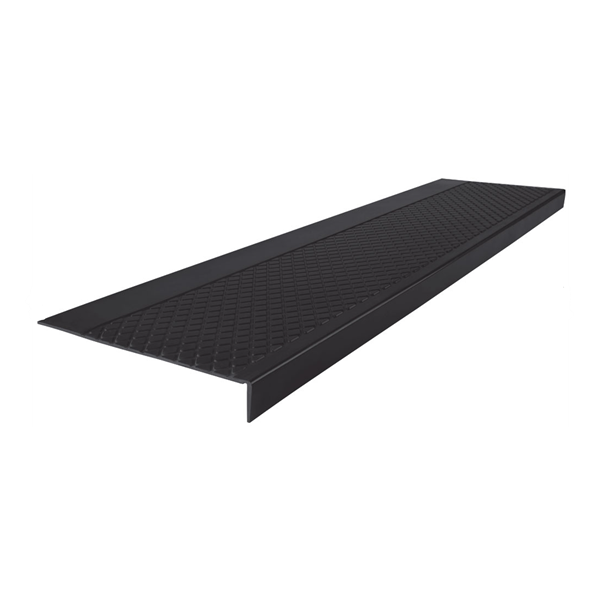
Rubber outdoor stair treads cover that surface with a raised diamond pattern. The pattern is doing real work: the raised diamonds carry the load while the channels between them give water somewhere to go, so a shoe contacts high points instead of floating on a film. That is the mechanism behind traction on a wet exterior step.
The square nose wraps the leading edge and drops 1-9/16 inches down the riser face. That matters more outdoors than in, because the nose is where ice forms first, where a foot lands on the way down, and where a concrete step chips and crumbles. Covering it protects the edge and puts grip exactly where the descent commits weight.
The back three inches of the tread are molded smooth rather than patterned. Debris does not pack into a pattern that is not there, so leaves, sand, and ice melt sweep off the back border instead of building up against the riser where they hold moisture.
Why an exterior rubber compound, and why this profile
Most rubber stair treads are built for interior service. Put one outside and the compound is the part that gives up first: it hardens in cold, chalks under sun, and loses its bond when water works under the edge. This tread is molded from a compound formulated specifically for exterior use, which is the whole reason it exists as a separate product.
Thickness runs 3/16 of an inch at the front and tapers to 1/8 inch toward the back. The taper is deliberate. Material sits where impact lands and where a nose takes abuse, and thins out toward the back edge so the tread feathers into the step rather than creating a lip that catches a toe or peels up under a snow shovel.
The tread weighs 2 pounds per linear foot. On a 60-inch step that is roughly 10 pounds of material sitting on a single tread, which is part of why it stays put under freeze-thaw movement instead of curling at the corners the way a thin mat does.
A trim mark is molded into the smooth back border. It gives an installer a reference line to cut against in the field, so a tread can be brought down to a non-standard depth on site without guessing where to run the blade. Standard lengths run 36, 42, 48, 54, 60, and 72 inches, square nose only.
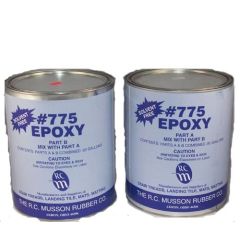
One thing is not optional: this tread bonds with #775 epoxy adhesive. The contact and water-based adhesives used on interior treads are not rated for the moisture and temperature swing an exterior step sees, and substituting one is the most common reason an outdoor tread lifts within a year.
Where it belongs, and where it is not the answer
This is a heavy-traffic exterior tread. The applications it was built around are ice rinks, sports arenas, and high-traffic entryways — places where footwear arrives wet, cold, and often cleated or studded, and where the volume of people through a stairway is high enough that a general-purpose covering does not last.
Beyond that, it earns its place on any stairway where weather and traffic stack up together: building entrances, loading dock steps, stadium and bleacher stairs, exterior egress stairs on parking structures, and concrete steps at service entrances. It fits well alongside other exterior stair treads where the substrate is sound concrete, steel, or wood.
Where it is not the answer: this is not an interior product. Indoors, the color range and adhesive options on interior-rated rubber treads are wider, and there is no reason to give those up. It also comes in black only, so if a design requires a specific stairway color, this is not the tread that delivers it.
It is also not a fix for a failing step. Epoxy needs a sound, clean surface to bond to. Spalling concrete, a crumbled nose, or a soft wood stringer all have to be repaired and leveled first — otherwise the tread bonds to material that is already on its way off the step.
Three Things to Check Before You Spec It
First, confirm the step depth against 12-1/16 inches. That is the depth from the inside of the nose back. If your steps run shallower, the trim mark in the smooth back border is your cut line and the tread comes down cleanly. If your steps run deeper than that, you will have an exposed strip at the back of every step, and the answer is usually a landing tile or riser treatment rather than forcing the tread.
Second, measure step width and map it to the standard lengths. Standard runs are 36, 42, 48, 54, 60, and 72 inches. A tread cut down from the next size up looks intentional; a tread that lands short of the stringer does not, and it leaves an exposed edge where water gets underneath. Work out the length per step before ordering, not per stairway, because exterior stairs are less consistent step to step than interior ones.
Third, plan the substrate prep and the epoxy. The surface has to be clean, sound, and dry when the epoxy goes down, which on an exterior job means watching the forecast and the surface temperature, not just the calendar. Smooth concrete, terrazzo, and steel all need to be roughed up so the epoxy has something to key into. Order the #775 epoxy with the treads so nothing gets substituted on site.
Why Mats Inc.
The mistake we catch most often on exterior stair jobs is an interior tread ordered for an outdoor step, usually because the specs looked close enough on paper. They are not close: different compound, different adhesive, different service life outdoors. We ask where the stair is and what hits it before we quote, and if the answer is weather, we route you to a tread rated for it. Sixty years of shipping into commercial and industrial work is mostly what that habit is built from.
| Material | Rubber, compound formulated for exterior use |
|---|---|
| Surface | Raised diamond pattern with 3" smooth back border |
| Depth | 12-1/16" nominal from inside of nose |
| Thickness | 3/16" tapering to 1/8" |
| Nose | Square, 1-9/16" drop, 1/8" thick |
| Standard lengths | 36", 42", 48", 54", 60", 72" |
| Weight | 2 lbs. per linear foot |
| Color | Black |
| Field trimming | Trim mark molded into the smooth back border |
| Adhesive | #775 epoxy adhesive (required) |
| Application | Exterior |
| Warranty | 1-year limited (Mats Inc.) |
Frequently Asked Questions
What makes this different from a standard rubber stair tread?
Answered by Dustin Thompson, Owner & CEO, Mats Inc.
The compound. Interior rubber treads and this one can look similar on a spec sheet, but the rubber itself is mixed for different service. This one is formulated for outdoor exposure, which is why it is the tread we point people to for exterior stairs and why we do not treat an interior tread as a substitute when the price looks close.
The profile is built around the same idea. A raised diamond surface with channels between the diamonds gives water a path off the tread rather than a film to sit on. The back three inches are molded smooth so debris sweeps off instead of packing in. Every one of those choices is answering weather, not foot traffic.
How does it hold up to constant traffic and weather?
Answered by Dustin Thompson, Owner & CEO, Mats Inc.
The material is where it starts. Thickness is 3/16 of an inch at the front, tapering to 1/8 inch at the back, and the tread runs 2 pounds per linear foot. That mass and thickness are concentrated at the nose and the walking area, which is exactly where an exterior step takes impact and abrasion. Ice rinks and arenas are named applications for a reason — that is footwear designed to chew up a surface.
The failure we actually see is almost never the rubber. It is the bond. An exterior tread put down with an interior adhesive lifts at the corners in the first freeze-thaw season, water gets underneath, and it goes downhill from there. Use the #775 epoxy on a clean, dry, sound surface and this stays where you put it. Our warranty is 1-year limited.
What surfaces can it be installed on outdoors?
Answered by Dustin Thompson, Owner & CEO, Mats Inc.
Concrete, steel, and wood all work, provided they are sound and prepared. Smooth surfaces such as troweled concrete, terrazzo, or painted steel need to be roughed up so the epoxy has something to grab. Anything dirty, oily, or damp gets cleaned and dried first — epoxy is unforgiving about what it is asked to stick to.
What it cannot do is compensate for a step that is coming apart. If the concrete is spalling or the nose has broken away, patch and level before the tread goes down. I would also flag surface temperature on exterior work: crews plan around rain but forget that a cold slab slows the epoxy cure, and a tread walked on before it has set will move.
My steps are not a standard size — can these be cut to fit?
Answered by Jinna Hopson, Vice President of Marketing, Mats Inc.
Yes, in both directions, and the tread is designed for it. Depth is 12-1/16 inches measured from the inside of the nose, and there is a trim mark molded into the smooth back border that gives your installer a reference line to cut against. That means a shallower step gets a clean, straight cut instead of a freehand one.
Length works by trimming down from the next standard size up. Standard runs are 36, 42, 48, 54, 60, and 72 inches. Measure each step individually rather than assuming a stairway is consistent — exterior stairs settle and get patched over the years, and it is common to find a half-inch of variation between the top and bottom of a flight.
It only comes in black — is that a problem for a visible entrance?
Answered by Jinna Hopson, Vice President of Marketing, Mats Inc.
Black is the only color, and for most exterior stairways it turns out to be the practical choice anyway. Outdoor steps collect road grit, salt residue, and mud, and a lighter tread shows every bit of it between cleanings. Black reads as finished and intentional at a service entrance or a loading dock rather than looking like a patch.
Where it is worth pausing is a formal front entrance with a specific palette, or a stairway where you want a high-contrast leading edge for visibility. Neither is available here. If that is the requirement, tell us before you order and we will look at what else covers exterior duty, because working around a color limitation after installation is not really possible.
Can I match risers and landings to the treads?
Answered by Jinna Hopson, Vice President of Marketing, Mats Inc.
Partly, and it is worth planning up front rather than discovering it mid-install. This tread covers the step surface and the nose, and the 1-9/16 inch nose drop covers the very top of the riser face. Everything below that on the riser, and any landing at the top or bottom of the flight, is a separate item.
On an exterior stairway most facilities handle the risers with paint or a coating rather than a covering, since the riser face does not take foot traffic and a black tread against a painted riser looks deliberate. Landings are the piece people forget, and a landing at the head of an exterior flight is often the wettest surface in the whole assembly. Bring us the full stairway dimensions and we will work out what covers what.
Written by Dustin Thompson, Owner & CEO, Mats Inc.
Reviews
Write Your Own Review
Related Products
Heritage Personalized Coir Door Mat
#775 Epoxy Flooring Adhesive
#560 Rubber Flooring Adhesive
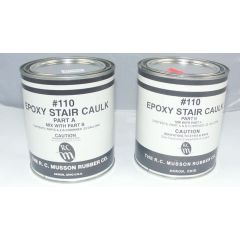
#110 Epoxy Nose Caulk
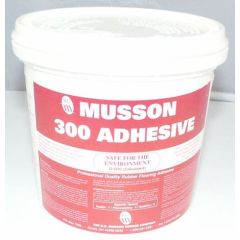
#300 Water Based Contact Adhesive
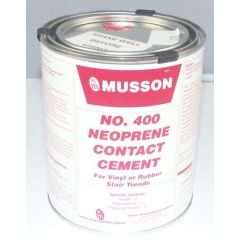
#400 Neoprene Contact Adhesive
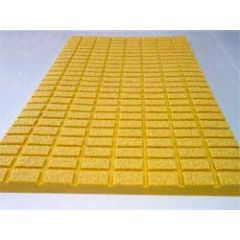
Rotary Table & Rig Floor Mats
Fore-Runner Mat
Safety Track Resilient Medium Non-Skid Tape
3M Vinyl Loop Wet Area Matting