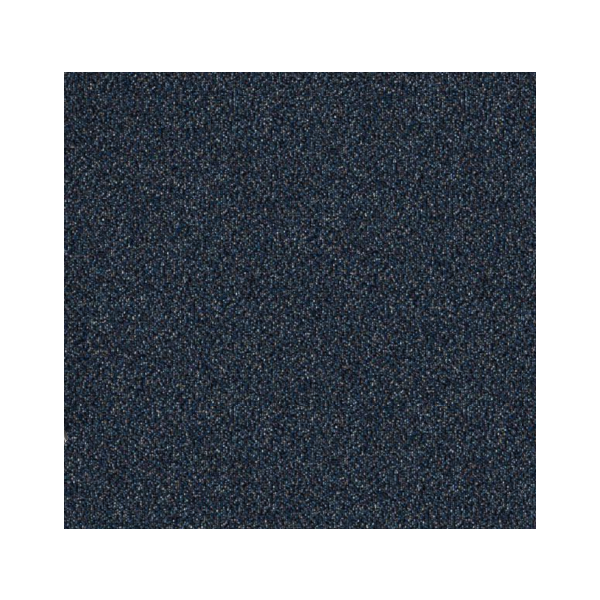
Faculty Renewal is a 24 by 24 inch tufted commercial carpet tile in a textured multi-colored loop, offered in fourteen solution-dyed colorways. It's built for challenging, high-traffic spaces, and it's engineered to visually hide soil between cleanings so the floor keeps looking fresh on the days nobody has gotten to it yet.
What a Multi-Color Tile Does Before Your Floor Starts Looking Tired
Floors rarely fail all at once. They get gradually less impressive. Soil arrives faster than the cleaning schedule removes it, and on a flat single-color surface every bit of it shows. By mid-week the floor reads dingy, even though nothing is actually wrong with it and the crew is doing everything they're supposed to.
A multi-colored loop attacks that problem visually. Blended tones across the surface break up sightlines, so scattered soil has nothing uniform to contrast against. It doesn't clean the floor, and it isn't meant to. What it does is buy you the days between cleanings without the space looking neglected.
The fiber does the second half of the work. Stain release is built permanently into the fiber rather than applied as a surface treatment, and the fiber carries a soil release technology that helps debris let go during normal maintenance. Soil that leaves easily is soil that never becomes permanent.
Where this matters most is the buildings that can't close. Schools, offices, and clinics get judged constantly by people who don't know or care about the maintenance calendar. A floor that stays presentable in the gaps is doing something a spec sheet doesn't really capture.
Why Multi-Color Solution-Dyed Nylon, and Why This Tile
There are two ways to get multi-tonal carpet. Space dyeing applies varied color to finished yarn and produces beautiful results, but it dyes from the outside. Solution dyeing locks pigment into the polymer before the fiber exists, so color runs all the way through — far more resistant to UV and to aggressive cleaning, though historically harder to make visually complex.
This tile's fiber technology delivers the multi-color dimension of space-dyed yarn using solution-dyed nylon. You get the visual richness without the durability trade. The dyeing process uses no water, reducing water impact by up to one cup per carpet tile compared with a space-dyed product.
The nylon itself uses a modified-delta filament shape with an optical core, engineered to improve color clarity, strength, stain resistance, and soil hiding at the same time. Those usually pull against each other, which is why the combination is worth calling out rather than filing under general marketing.
Construction is tufted at 1/12 gauge — 47 rows per 10 cm — in a textured multi-colored loop. The backing is an all-in-one carpet tile system built for dimensional stability, so tiles hold their shape and their seams instead of curling at the corners as the floor ages.
The compliance numbers cover what institutional specifications ask for. Flammability passes ASTM E-648 Class 1 for glue-down installation, smoke density passes ASTM E-662 at less than 450, and static propensity tests under 3.5 kV to AATCC-134.
The sustainability position is unusually strong, and it's documented rather than asserted. The tile is Living Product Challenge Petal Certified, net positive for both carbon and water at neutral plus five percent, NSF 140 Platinum, Green Label Plus certified for indoor air quality under registration #1171, and Declare Red List Free.
For project teams chasing certification, it's eligible toward LEED, WELL, and Living Building Challenge credits. At end of life the tile is salvageable and reusable in its entirety, and a manufacturer take-back program exists rather than the floor heading to landfill.
Where It Belongs, and Where It Doesn't
This is designed for challenging, high-traffic commercial interiors — corridors, classrooms, open office plans, waiting areas, and the circulation routes that connect them. Anywhere a floor sees continuous use and still has to look like somebody chose it on purpose.
One genuinely useful thing: the same fourteen colorways are available as 12-foot broadloom. That means you can run modular tile where you want replaceability and broadloom where you want an unbroken surface, in the identical color, without matching across two manufacturers and hoping. It sits with the rest of our commercial carpet tiles, and few of them offer that.
What it isn't: a padded or cushion-backed tile. There's no foam, felt, or underlay, and it isn't built for impact absorption or plush softness underfoot. It also isn't peel-and-stick or loose-lay — it's a glue-down product, and the Class 1 flammability rating is specifically for glue-down installation.
It's also not an entrance tile, and the manufacturer says so directly by recommending dedicated walk-off tiles at entryways. This belongs behind your entrance system, not in it. Put scraper and wiper matting at the door to catch grit and water, and let this tile carry the space beyond.
Three Things to Check Before You Spec It
First, choose your installation method deliberately. Five are supported: monolithic, quarter turn, brick ashlar, vertical ashlar, and multi-directional. Each produces a genuinely different floor from the same tile. This is a design decision worth making early, not something to hand to the installer on day one.
Second, understand the pattern behavior at seams. The manufacturer is upfront that this pattern carries inherent characteristics that can produce pattern run-off or lighter and darker lines at seams and tile edges. That's the pattern, not a defect. Some installation methods disguise it better than others, which is exactly why the first decision matters.
Third, plan for chair casters and entry protection. Chair pads are recommended under office chairs with roller casters — they preserve appearance retention, deter delamination, and prevent accelerated wear in the one spot that gets it worst. Pair that with walk-off matting at every entry, and you've addressed the two places this floor is most likely to age early.
Why Mats Inc.
We've been specifying commercial flooring since 1964, and Faculty Renewal earns its place in our line because it resolves a trade-off most projects just accept. Design-led tiles usually give up performance; performance tiles usually look like performance tiles. This one holds both, and the documentation behind the sustainability claims is real enough to survive a certification review rather than just reading well in a brochure. We'll help you choose an installation method before you order, because that decision shapes the floor more than the colorway does.
| Product Type |
Modular commercial carpet tile |
| Size |
24 in. x 24 in. (0.6096 m x 0.6096 m) |
| Construction |
Tufted |
| Surface Appearance |
Textured multi-colored loop |
| Gauge |
1/12 (47.00 rows per 10 cm) |
| Fiber |
Premium nylon, 100% solution dyed |
| Colors Available |
14 colorways |
| Stain Release |
Permanent, built into the fiber |
| Backing |
All-in-one carpet tile backing system |
| Flammability |
ASTM E-648 Class 1 (glue down) |
| Smoke Density |
ASTM E-662 less than 450 |
| Static Propensity |
AATCC-134 under 3.5 kV |
| Installation Methods |
Monolithic, quarter turn, brick ashlar, vertical ashlar, multi-directional |
| Indoor Air Quality |
Green Label Plus Certified #1171 |
| Certifications |
Living Product Challenge Petal Certified, Declare Red List Free, NSF 140 Platinum |
| Carbon & Water |
Net positive carbon and net positive water (neutral +5%) |
| Credit Eligibility |
LEED, WELL, and Living Building Challenge eligible |
| End of Life |
Salvageable and reusable in its entirety; take-back program available |
| Coordinating Format |
Matching 12 ft. broadloom in all 14 colorways |
| Cushion Backing |
None — hard-backed tile |
| Warranty |
1-year limited (Mats Inc.) |
Frequently Asked Questions
What is a textured multi-colored loop, and how is solution dyeing different from space dyeing?
A textured loop means the yarn stays as uncut loops of varying height across the surface rather than being sheared into a cut pile. Loops resist crushing better under traffic, and the height variation gives the floor a tactile quality without adding pile height that would flatten. Multi-colored means several tones are blended within that surface rather than one flat color.
On the dyeing question: space dyeing applies varied color to finished yarn from the outside, which produces rich visual results but leaves color sitting on the surface. Solution dyeing mixes pigment into the polymer before the fiber is extruded, so color runs through every filament. This tile uses solution-dyed nylon engineered to deliver the multi-tonal look space dyeing is known for, so you get the visual complexity without the fade vulnerability. — Dustin Thompson, Owner & CEO, Mats Inc.
How does it hold up under heavy traffic, and what should I watch for?
It's tufted at 1/12 gauge — 47 rows per 10 cm — in a textured loop, which is a tight, dense construction that resists crushing where traffic concentrates. Flammability passes ASTM E-648 Class 1 for glue-down installation and smoke density passes ASTM E-662 at under 450, so it clears the standards institutional specifications usually cite.
What I'd watch is chair casters. The manufacturer specifically recommends chair pads under office chairs with roller casters, and I'd treat that as a requirement rather than a suggestion. Casters concentrate load and rotation into a small area and will wear a floor there long before the rest of the room shows anything. Pads preserve appearance retention and help prevent delamination underneath. — Dustin Thompson, Owner & CEO, Mats Inc.
How does it install, and what are the different installation methods?
It's a glue-down tile — not peel-and-stick, not loose-lay — and the Class 1 flammability rating applies specifically to glue-down installation, so the method matters for compliance as well as performance. Five layouts are supported: monolithic, quarter turn, brick ashlar, vertical ashlar, and multi-directional.
Here's the part worth knowing before you commit. The manufacturer states plainly that this pattern has inherent characteristics that can show as pattern run-off or as lighter and darker lines at seams and tile edges. That's the nature of a multi-tonal pattern, not a defect, and it can't be inspected away afterward. Different layouts disguise it to different degrees, so pick the method with that in mind rather than choosing on looks alone and being surprised. — Dustin Thompson, Owner & CEO, Mats Inc.
What size are the tiles, and how do I estimate quantity?
Tiles are 24 by 24 inches, the standard commercial module, so each one covers exactly four square feet. That makes the arithmetic straightforward — measure each room's length and width in feet, multiply, add your rooms together, then divide by four for a tile count.
Add roughly ten percent on top of that for cuts around columns, door frames, and built-ins, plus attic stock so you have matching tiles from the same run when something gets damaged later. Carton quantity isn't published on the specification sheet, so give us a call and we'll confirm the current count before you order rather than you estimating cartons from a number that might have changed. — Jinna Hopson, Vice President of Marketing, Mats Inc.
What do the colorways look like?
There are fourteen, and they sit in earth tones and neutrals alongside blues and greens. The palette is deliberately muted — these are blended, layered colors meant to work as a supportive backdrop rather than as the loudest thing in the room. The multi-tonal blending gives each one real visual texture up close while reading as a calm solid from across a space.
That restraint is the point. A floor is the largest continuous surface in most interiors, and when it competes with the furniture, the art, and the branding, everything gets noisier. These colorways are built to coordinate rather than dominate, which is why they slot into an existing palette without a fight. Ask us for samples — blended colors photograph poorly and need to be seen in your actual light. — Jinna Hopson, Vice President of Marketing, Mats Inc.
Can I use this across a whole building and keep the design consistent?
You can, and this is where it genuinely stands apart. All fourteen colorways are available as 12-foot broadloom as well as carpet tile. So you can run modular tile through corridors and open plans where replaceability matters, then use broadloom in a boardroom or auditorium where you want an unbroken surface — in the same color, from the same line.
That solves a problem most projects just live with. Matching color and character across two different manufacturers is guesswork, and it usually shows at exactly the transitions people walk through. Coordinating wall base options exist as well, so the floor and the trim can be resolved together. If you're working to a brand standard or an existing scheme, send it over and we'll talk through which colorways sit best against it. — Jinna Hopson, Vice President of Marketing, Mats Inc.
Written by Jinna Hopson, Vice President of Marketing, Mats Inc.