




More Information
| Manufacturer | M+A Matting |
|---|
$97.00

Have a question? We're here to help!
Description
Non-slip kitchen floor mats have one job, and this runner does it about as well as rubber can. It is a thin, solid nitrile sheet built to hold grip on a floor that has water, grease, or cleaning chemicals on it. It is a traction and floor protection mat, not a cushioned comfort mat, and knowing that up front saves you a return.
What a Non-Slip Kitchen Runner Does Before the Floor Gets Slick
Kitchen floors get dangerous in the walking lanes, not at the stations. Someone carries a hot pan from the range to the pass, crosses a wet patch by the dish area, and their footing is the only thing between them and the tile. That lane is where a traction runner belongs.
The measured grip on this one is unusually high. Under ASTM C1028-96 it holds a static coefficient of friction of 0.97 dry and 0.93 wet. A lot of surfaces look fine on a dry test and collapse when water is introduced. This one gives up very little.
It is also certified high-traction by the National Floor Safety Institute, which runs independent slip-resistance testing for commercial floor products. That certification is a third-party check on the numbers rather than a manufacturer's own claim.
The second job is protecting what is underneath. A rubber runner takes the dropped pans, the dragged crates, and the cart wheels that would otherwise chip tile or gouge a sealed floor. On a quarry tile line, that is the difference between resealing on schedule and repairing early.
Why Solid Nitrile Rubber, and Why This One
This mat is one material all the way through: solid nitrile rubber, 1/8 inch thick. There is no cushion layer, no fabric, and no backing to come apart. Nothing is bonded to anything, so there is no seam or glue line that can fail.
That construction is what lets it survive a kitchen. It is grease and oil proof and chemical resistant, so nightly sanitizing does not degrade it. It will not crack or curl, and the manufacturer states it provides years of service life.
The heat tolerance is where it separates from ordinary rubber matting. Melt point is over 500 degrees Fahrenheit, and it has been tested at temperatures up to 1800 degrees Fahrenheit for welding and slag resistance. In a kitchen that means a dropped ember or a hot pan is a non-event.
It also carries an ESD rating of electrically conductive and passes flammability standard BS 4790, tested by the metal nut method. Those are specifications you rarely need in a kitchen and absolutely need in a plant, which is why the same mat covers both rooms. The mat is made in the USA and is rated for indoor use.
The 1/8-inch profile matters more than it sounds. A thin mat lies flat, so carts and hand trucks roll across it instead of catching an edge, and it does not eat door clearance. That thinness is the trade-off for having no cushion.
Where It Belongs, and What It Will Not Do
Put it in the walking lanes and the transition zones. The path between the range and the pass, the strip in front of a dish machine, the run along a bar back, the approach to a walk-in, the stretch of floor by an ice machine. Anywhere feet move across a floor that gets wet.
It works the same way outside a kitchen. Production aisles, wash bays, machine approaches, and any indoor commercial or industrial floor that needs more slip resistance or protection than the floor itself provides.
Here is what it will not do: relieve fatigue. There is no cushion in it, so standing on this all shift feels much like standing on the floor. If someone holds one spot for hours, they need a cushioned anti-fatigue mat instead. The full range of kitchen mats covers both needs, and most working kitchens end up using each in different places.
The common mistake is buying one mat for both jobs. A comfort mat in a walking lane gets destroyed by cart traffic; a traction runner at a prep station leaves people sore. Split the floor by what happens on it and buy accordingly.
Three Things to Check Before You Spec It
First, map the lane, not the room. Walk the path people actually take and note where it crosses wet floor. Seven sizes are available, from 2' x 3' (23" x 32") up to 4' x 12' (46" x 143"), including 3' x 9', 3' x 12', 4' x 6', and 4' x 9'. Long lanes usually need two runners end to end rather than one oversized mat.
Second, decide between a 3-foot and a 4-foot width. Three feet covers a single-file lane where people pass one at a time. Four feet is the right call where two staff pass each other carrying things, or where a cart and a person share the lane at the same time.
Third, confirm the standing zones are covered separately. This runner handles the walking. If the same kitchen has a fry station or a prep table where someone stays put, that spot needs a cushioned mat. Specifying both at once is cheaper on your time than discovering the gap after install.
Why Mats Inc.
We stock this runner because it answers a question comfort matting cannot: how do you make a wet lane safe without putting something in the way of a cart. A thin, solid rubber sheet with a 0.93 wet traction rating does that, and nothing about it needs babying. Mats Inc. has been sorting floors into standing zones and moving zones since 1964, and this is what goes in the moving ones.
Specifications
| Material | Solid nitrile rubber (single-layer; no cushion or backing) |
| Thickness | 1/8" (0.125") |
| Traction | Certified high-traction by the National Floor Safety Institute (NFSI); ASTM C1028-96 static coefficient of friction: dry 0.97, wet 0.93 |
| Heat resistance | Melt point over 500°F; tested at temperatures up to 1800°F for welding/slag resistance |
| Resistance | Grease/oil proof; chemical resistant; welding safe |
| Static | ESD rating of electrically conductive |
| Flammability | Passes BS 4790 (metal nut method) |
| Durability | Will not crack or curl |
| Stock sizes & weights | 2' x 3' (23" x 32") — 4.7 lbs. 3' x 5' (32" x 58") — 11.6 lbs. 3' x 9' (32" x 108") — 20.9 lbs. 3' x 12' (32" x 143") — 27.9 lbs. 4' x 6' (46" x 70") — 18.7 lbs. 4' x 9' (46" x 108") — 28 lbs. 4' x 12' (46" x 143") — 37.4 lbs. |
| Size tolerance | 3–5% manufacturing variance |
| Recommended use | Indoor commercial and industrial settings requiring additional slip resistance or floor protection |
| Cleaning | Scrub with a deck brush as needed, using a neutral pH detergent; rinse with a hose or pressure washer; lay flat or hang to dry; return to service dry |
| Origin | Made in the USA |
| Warranty | 1-year limited (Mats Inc.) |
Frequently Asked Questions
Is this an anti-fatigue mat?
Answered by Dustin Thompson, Owner & CEO
No, and it is worth being direct about that. This is solid nitrile rubber at 1/8 inch thick, one material the whole way through. There is no foam cushion, so it does not compress under you and it will not relieve leg or back fatigue.
What that construction buys you instead is grip, floor protection, and a mat that survives conditions a cushioned mat cannot. If your problem is people standing in one spot getting sore, you want a cushioned comfort mat. If your problem is a slick floor in a walking lane, this is the right product.
How much grip does it actually have, and what can it take?
Answered by Dustin Thompson, Owner & CEO
The tested figures are 0.97 dry and 0.93 wet under ASTM C1028-96. The wet number is what matters in a kitchen, and losing only four hundredths between dry and wet is the useful part. It is also certified high-traction by the National Floor Safety Institute.
On the abuse side, it is grease and oil proof, chemical resistant, and welding safe. Melt point is over 500 degrees Fahrenheit, and it has been tested at temperatures up to 1800 degrees for welding and slag resistance. It also passes flammability standard BS 4790 and carries an ESD rating of electrically conductive.
Where should it go in a working kitchen?
Answered by Dustin Thompson, Owner & CEO
In the lanes people walk, especially the wet ones. The run between the range and the pass, the strip in front of the dish machine, the path to the walk-in, the floor by an ice machine, and the space behind a bar are all standard placements. It is rated for indoor use.
The 1/8-inch profile is a real advantage in those spots. It lies flat enough that carts and hand trucks roll straight over it rather than catching an edge, and it does not interfere with door swing. Cleaning is a deck brush scrub with a neutral pH detergent, then a hose or pressure washer rinse. Lay it flat or hang it to dry, and do not put it back down wet.
What sizes come in a runner length?
Answered by Jinna Hopson, Vice President of Marketing
Seven sizes, and four of them are true runner proportions: 3' x 9' (32" x 108") at 20.9 lbs., 3' x 12' (32" x 143") at 27.9 lbs., 4' x 9' (46" x 108") at 28 lbs., and 4' x 12' (46" x 143") at 37.4 lbs. The shorter options are 2' x 3' (4.7 lbs.), 3' x 5' (11.6 lbs.), and 4' x 6' (18.7 lbs.).
Those weights are worth knowing before cleaning day, since someone has to lift the mat to hose it down. For a lane longer than twelve feet, run two mats end to end rather than looking for one long piece. Measure the lane first and allow a little tolerance, since rubber shrinks and expands with temperature and time and finished sizes run within about 3% to 5% of nominal.
What does it look like, and will it suit a visible area?
Answered by Jinna Hopson, Vice President of Marketing
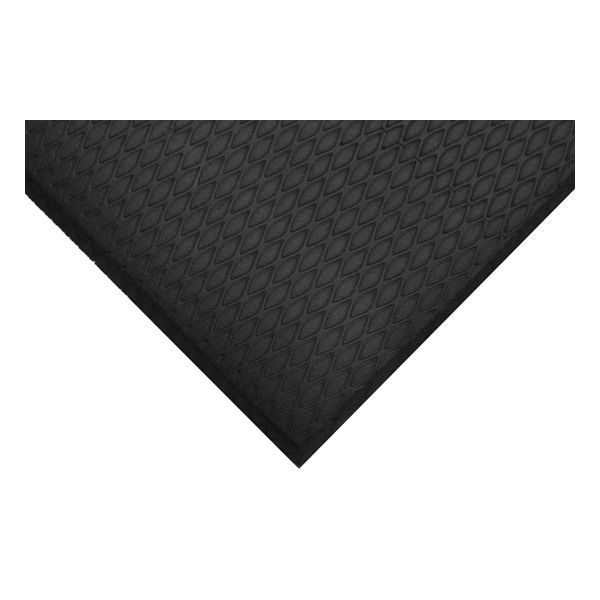
Understated, and more finished-looking than most people expect from a safety mat. The surface carries a raised tread molded across the whole face in a fine repeating pattern, so it reads as texture rather than as machinery. At 1/8 inch it sits low and flat against the floor instead of standing proud of it.
That low profile is what lets it work in semi-visible spots like a bar back, a service corridor, or a cafeteria floor, where a thick mat would look like an obstacle. For a front-of-house floor that customers stand on and look at, a fabric-topped comfort mat is still the better-looking answer.
Would this work in a home kitchen?
Answered by Jinna Hopson, Vice President of Marketing
It can, but it is usually more mat than a home needs and less comfort than a home wants. Most people shopping for a kitchen mat at home are after cushion underfoot at the sink or the stove, and this one does not provide that.
Where it genuinely fits at home is a slick tile floor that has become a problem, or a spot that takes real abuse, such as a mudroom-to-kitchen transition or the floor by a utility sink. If comfort is the goal, tell us where you stand longest and we will point you at a cushioned option instead.
By Dustin Thompson, Owner & CEO, Mats Inc.
Reviews
Write Your Own Review
Related Products
Heritage Personalized Coir Door Mat
#775 Epoxy Flooring Adhesive
#560 Rubber Flooring Adhesive
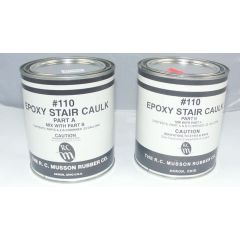
#110 Epoxy Nose Caulk
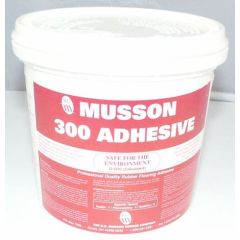
#300 Water Based Contact Adhesive
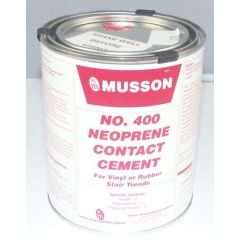
#400 Neoprene Contact Adhesive
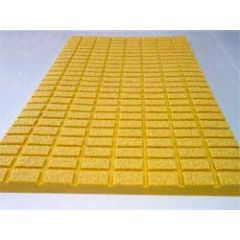
Rotary Table & Rig Floor Mats
Fore-Runner Mat
Safety Track Resilient Medium Non-Skid Tape
3M Vinyl Loop Wet Area Matting