




Description
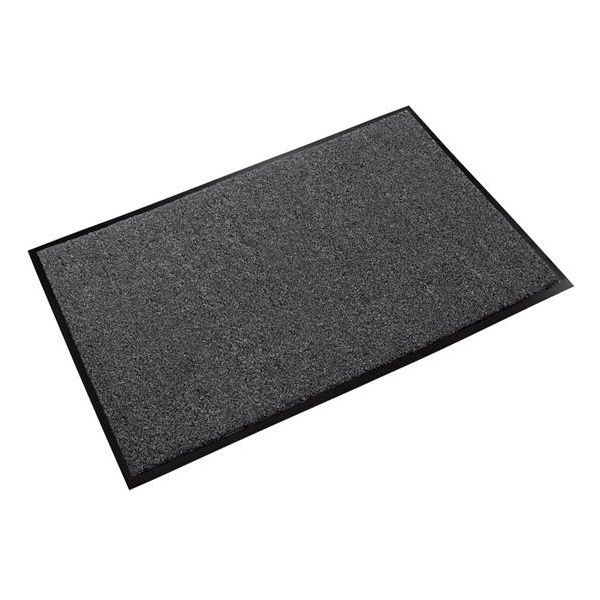
Rely-On Olefin Matting is the plain interior wiper for a door that sees a steady trickle of people rather than a crowd: a 3/8" cut-pile olefin mat on a vinyl moisture barrier, in six solid colors, low enough to slide under most doors. It pulls water and fine dust off a sole and holds it in the pile, and the maker rates it to hold up to a gallon of water per square yard before it is full.
What a Light-Traffic Wiper Does Before the Floor Shows Footprints
A boutique, a branch office, or a side entrance does not get mud. It gets wet shoes, dust, and the fine grit that rides in on dry days and turns into gray footprints on a polished floor. A wiper mat is built for exactly that load: the pile makes contact with the sole, lifts the moisture and the fines, and keeps them in the fiber instead of on the tile.
The maker gives this mat a wiping rating of 80 out of 100 and a scraping rating of 20. That is the honest shape of the product. It is not built to take mud off a boot; it is built to finish drying a shoe that has already crossed a threshold. At a light-traffic door that is the whole job, and a water absorbent mat that does it quietly in a color that matches the floor is what most small commercial entries actually need.
Capacity is where wipers differ, and the maker publishes this one's: up to 1 gallon of water per square yard. A 3' by 5' mat holds roughly a gallon and two-thirds before every shoe starts leaving wetter than it landed. For a side door or a boutique, that is a wet day's worth. For a busy lobby, it is a wet hour, which is why the maker rates it for light traffic and not more.
Why Cut-Pile Olefin on a Vinyl Back, and Why This One
The face is cut-pile polypropylene at 12 ounces per square yard, 3/8" thick overall. Polypropylene does not absorb water into the fiber itself; it holds water between the fibers, which is why the pile dries quickly and does not sour, and why the maker rates the colors to resist fading, staining, mold, and mildew. A cut pile also wipes better than a loop at this weight, which is where the 80 wiping score comes from.
Under it is a DINP-free PVC backing that works as a moisture barrier. The water the pile collects stays in the mat rather than wicking through to the floor, and the vinyl lies flat without a rubber border to trip on. The maker publishes the backing's tear strength at 2.5 pounds by the ASTM D624 die-T method and lists the mat as meeting the DOC FF-1-70 flammability standard for floor coverings.
The 3/8" profile is the detail that decides a lot of doors. A thicker wiper catches on the bottom of an inward-swinging door and gets kicked out of position all day; this one fits under most doors and stays where it was laid. The maker also offers a flocked logo on this mat, so a small business can put its name at the door without moving up to a heavier construction.
Where It Belongs, and What It Is Not
The maker's applications are interior light-traffic areas: small businesses, boutiques, and side entrances. In practice that is the retail shop on a strip, the branch office, the salon, the clinic waiting room, the employee door at the back of a building, and the interior side of a vestibule where a scraper outside has already taken the grit. It is a dry-side mat; it lives inside the door, out of the weather.
It is not a medium- or heavy-traffic mat. At a door that sees a few hundred people a day the pile packs down and the gallon capacity is spent by mid-morning; that door wants the plush version of this construction or a bi-level mat with a water dam. And it is not a scraper. Mud and coarse grit need a coir mat or a rubber-nub mat ahead of it, or the pile clogs and stops wiping. The rest of the water-absorbent floor mats range covers both of those doors.
It is also not an outdoor mat. The pile that makes it a good wiper does not survive sun, freeze, and hosing down. Keep it inside and let the outdoor mat take the weather.
Three Things to Check Before You Spec It
First, the traffic. The maker rates this mat for light traffic, which in its own guidance means a door well under a few hundred people a day. Count a normal weekday. If the number is in the hundreds, step up to a medium-traffic wiper; if it is dozens, this is the right mat, and a heavier one would be more mat than the door can use.
Second, the door swing and the floor. Measure the gap under an inward-opening door; at 3/8" this mat clears most, but a door already scraping the floor will catch any mat. Then look at what is under it. On sealed tile or polished concrete the vinyl backing lies flat and stays put. On carpet it can creep, so plan the placement where it is boxed in by walls or fixtures.
Third, the size and the edge. Stock sizes run from 2' by 3' to 6' by 10', and rolls come in 3', 4', and 6' widths at 60 feet; there are no custom width cuts, so a run must be one of those three widths. A roll cut to length has no edging on the cut ends unless you ask for it, so specify finished ends if the run will sit in an open walkway rather than against a wall.
Why Mats Inc.
We sell a lot of this mat to small businesses that were about to buy a heavier one they did not need. A boutique door does not need a water dam; it needs a wiper that fits under the door, matches the floor, and holds a day of rain. Tell us the door, the traffic, and the color of the floor, and we will say whether this is the mat or whether the door has grown past it. If you want your name on it, send the artwork and we will confirm the flocked logo option before you order.
| Type | Wiper mat, light traffic, interior |
| Face | Cut-pile polypropylene (olefin), 12 oz per sq yd |
| Backing | DINP-free PVC vinyl moisture barrier |
| Thickness | 3/8" |
| Water capacity | Holds up to 1 gallon per square yard |
| Maker's performance ratings | Scraping 20, wiping 80, durability 60 (out of 100) |
| Colors | Black, Castellan Red, Charcoal, Marlin Blue, Pebble Brown, Walnut |
| Stock sizes | 2' x 3', 3' x 4', 3' x 5', 3' x 6', 3' x 8', 3' x 10', 4' x 6', 4' x 8', 4' x 10', 6' x 10' |
| Roll sizes | 3' x 60', 4' x 60', 6' x 60'; no custom width cuts; cut ends unedged unless specified |
| Vinyl strength | 2.5 lb, ASTM D624 die-T |
| Flammability | DOC FF-1-70 |
| Customization | Flocked logo available |
| Warranty | 1-year limited (Mats Inc.) |
Frequently Asked Questions
What is this mat made of, and how does it hold water?
Answered by Dustin Thompson, Owner & CEO
A cut-pile polypropylene face, 12 ounces per square yard, on a DINP-free vinyl backing, 3/8" thick in total. Polypropylene fiber does not soak up water into itself; it holds water in the spaces between the fibers, which is why the maker can rate the mat at up to 1 gallon per square yard and why the pile dries fast once the door quiets down. The vinyl backing is the moisture barrier that keeps that gallon off the floor.
There is no rubber border or water dam. The water stays in the pile, not behind a lip, so the mat should be vacuumed wet rather than left to hold a puddle.
How long does it last, and what wears it out?
Answered by Dustin Thompson, Owner & CEO
The maker publishes no year figure but rates the mat 60 out of 100 for durability, which places it as a light-duty mat that lasts when it is used as one. The pile is the wear part: at the light traffic it is rated for, it keeps its face for years; at a door with hundreds of people a day it packs flat in a season and stops wiping. The maker rates the colors to resist fading, staining, mold, and mildew, so the mat does not sour as it takes on water.
What shortens it is the wrong door: heavy traffic, coarse grit with no scraper ahead of it, or being left saturated. The mat carries a 1-year limited (Mats Inc.) warranty.
Will it fit under my door?
Answered by Dustin Thompson, Owner & CEO
Usually. At 3/8" thick with no raised border, the maker notes it fits under most doors, which is the reason it is the wiper we suggest for an inward-swinging door with a tight sweep. Measure the gap at the low point of the door's arc, not at the hinge side. If it clears 3/8" with a little to spare, the mat can sit right at the threshold where it does the most good.
If the door drags the floor already, no mat will clear it; adjust the sweep or set the mat just inside the swing.
What size should I get, and can I get a custom width?
Answered by Jinna Hopson, Vice President of Marketing
For a single door, a 3' by 5' is the usual pick; it gives two full steps and fits most entries. A 2' by 3' suits a very small shop or an interior office door. For a corridor or a line of doors, rolls come in 3', 4', and 6' widths at 60 feet and we cut to length. The maker does not offer custom widths, so choose the closest of those three.
A cut roll has no finished edging on the ends unless you ask for it. If the run ends in an open walkway, ask; if it ends at a wall, you can skip it.
Which color should I choose, and will it show dirt?
Answered by Jinna Hopson, Vice President of Marketing
Six solid colors: Black, Castellan Red, Charcoal, Marlin Blue, Pebble Brown, and Walnut. Charcoal, Pebble Brown, and Walnut hide the fine gray soil a wiper collects between vacuumings; Black shows lint and light dust; Castellan Red and Marlin Blue are for a door where the mat is meant to be seen. The cut pile reads as a small run of carpet rather than a utility mat, which is the point of the product.
The maker rates all six to resist fading and staining, so the color you pick is the color you keep.
Can I put my logo on it?
Answered by Jinna Hopson, Vice President of Marketing
Yes. The maker offers this mat with a flocked logo, where the design is applied to the face of the pile, so a boutique or a branch office can put its name at the door on the same light-traffic wiper. It is the right way to brand a door that is out of the weather and not overrun; a flocked logo at a wet, busy main entrance wears before the mat does, and that door wants a heavier logo construction.
Send us the artwork and the door and we will confirm the option and the size before you commit.
By Jinna Hopson, Vice President of Marketing, Mats Inc.
Ordering Info
COLOR: Black, Castellan Red, Charcoal, Evergreen, Marlin Blue, Navy Blue, Pebble Brown, Walnut
| Size | Qty 1. Price |
| 2' x 3' | $25.00 |
| 3' x 4' | $48.00 |
| 3' x 5' | $62.00 |
| 3' x 6' | $75.00 |
| 3' x 8' | $99.00 |
| 3' x 10' | $129.00 |
| 3' x 20' | $270.00 |
| 4' x 6' | $99.00 |
| 4' x 8' | $139.00 |
| 4' x 10' | $175.00 |
| 4' x 20' | $359.00 |
| 6' x 10' | $266.00 |
| 6' x 20' | $540.00 |
| 3' x 60' | $780.00 |
| 4' x 60' | $997.00 |
| 6' x 60' | $1,363.00 |
Reviews
Write Your Own Review
Related Products
Heritage Personalized Coir Door Mat
#775 Epoxy Flooring Adhesive
#560 Rubber Flooring Adhesive
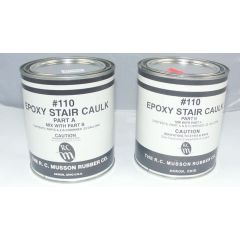
#110 Epoxy Nose Caulk
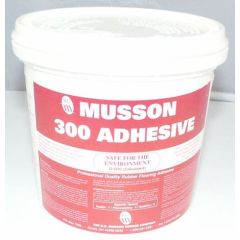
#300 Water Based Contact Adhesive
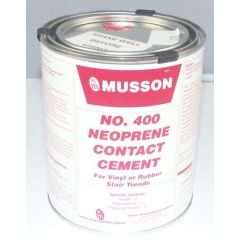
#400 Neoprene Contact Adhesive
Rotary Table & Rig Floor Mats
Fore-Runner Mat
Safety Track Resilient Medium Non-Skid Tape
3M Vinyl Loop Wet Area Matting