




More Information
| Manufacturer | Portico Systems |
|---|
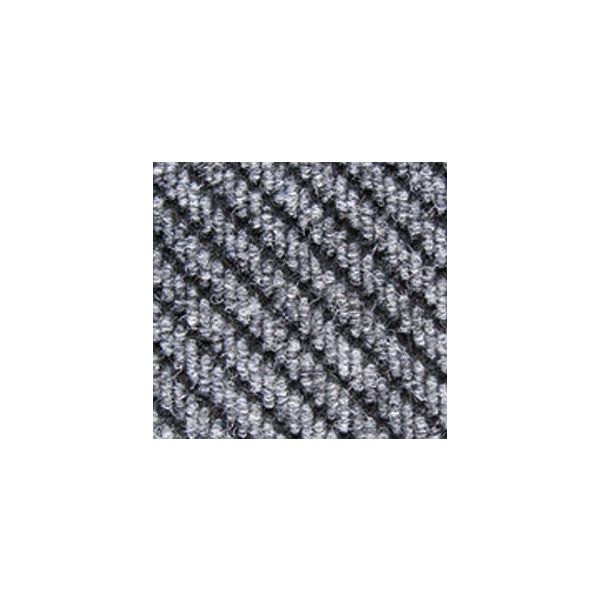
$279.00

Have a question? We're here to help!
Description
This is a needle-punched carpet tile with a diagonal pattern and a premium ECO bitumen backing — a commercial carpet tile built for floors that take a beating from open to close. It's made as a lighter, thinner tile than most heavy-duty modular flooring, which makes it easier to handle on install day without giving up the fiber density that keeps traffic lanes from showing early.
What This Carpet Tile Does Before Traffic Wears a Path Through Your Floor
Every person who walks into your building brings grit with them. Sand, salt, and street dirt ride in on shoe soles and get ground into whatever surface they land on next. On a hard floor, that grit acts like sandpaper underfoot. On a soft floor, it settles down into the fibers and grinds away at them from the inside with every step.
A commercial carpet tile does two jobs at once here. The surface catches that debris and holds it below the walking plane, so it stops migrating deeper into the building. And the tile takes the abrasion instead of your subfloor. Guidance from ISSA holds that soil keeps transferring off shoes for the first six to eight footsteps past a door, which is exactly why the flooring in your busiest lanes wears first.
When traffic wins, you see it before you feel it. Lanes darken between the door and the elevator. Pile flattens where carts turn the same corner a hundred times a day. The floor reads tired even right after a cleaning. Modular carpet flooring gives you a way out of that: the worn tiles come up, new ones go down, and the rest of the floor stays exactly where it is.
Why Needle-Punched Construction, and Why This One
Needle-punched carpet isn't tufted or woven. Thousands of barbed needles drive loose fibers down through a backing web, over and over, until they lock into a dense matted mass. There are no loops to snag, no tufts to pull free, and no yarn ends waiting to unravel when a cart wheel or a chair caster catches a seam.
That construction is why the 39 oz. face weight matters. In a needle-punched tile, weight goes into fiber density rather than pile height, so you end up with a surface that resists crushing instead of one that stands tall and then mats down. It's a low-profile floor that stays low-profile, which is the whole point in a high traffic space.
The backing is a premium ECO bitumen layer. Bitumen gives a tile dimensional stability — it resists the shrinking, curling, and edge lift that turn an aging tile floor into a visible patchwork. That stability is what keeps seams tight across a big open plan where several hundred tiles all have to line up and stay lined up.
What sets this one apart from the heaviest options is the profile. It's built lighter and thinner on purpose. That matters when your crew is carrying cartons up a stairwell, working around a door swing with limited clearance, or trying to meet an existing threshold height without adding a transition strip.
Where It Belongs, and Where It Doesn't
Corporate offices, retail sales floors, hospitality spaces, mass merchandise aisles, schools, government buildings, pharmacies, and specialty stores. Those are the environments this tile is built for. The common thread is steady foot traffic on a floor that still has to look presentable to the people walking across it every day.
Think of it as the interior surface downstream of your entrance system. Scraper matting at the door takes the heavy debris and standing water. This tile handles what gets past that — fine grit, everyday abrasion, and wear across corridors, open plans, and transition zones. It sits alongside the rest of our commercial carpet tiles that share that same job.
Here's what it isn't: a padded or cushion-backed tile. There's no foam or felt cushion underneath this one, and it isn't engineered to deliver softness or impact absorption underfoot. If you want a plush feel for a bedroom or a finished basement, or you specifically need cushioning, that's a different construction and we'd point you somewhere else.
It's also not an entrance mat or a wet-area surface. It isn't built to hold water, and it shouldn't be the first thing a wet shoe touches on a rainy Monday. Put a proper scraper and wiper system at the door, let this tile work behind it, and both will last a lot longer.
Three Things to Check Before You Spec It
First, map your traffic honestly. Count the doors that feed the space and think about where people actually funnel. A corridor between two elevator banks sees a different load than a perimeter office. Density and abrasion resistance matter most in the funnels, so spec for your worst lane rather than your average one.
Second, look at your subfloor and your height budget. This tile needs a flat, clean, dry substrate — bitumen-backed tiles telegraph high spots and debris straight through to the surface. Then check your thresholds and door undercuts. A thinner tile buys you clearance, but only if you know what you're working with before the order goes in.
Third, plan the layout and order attic stock. A diagonal pattern is directional, so decide up front how you want it to run and mark the tiles accordingly. Then order extra from the same run. When a tile gets damaged two years from now, a matching replacement out of your own closet beats hunting for a close-enough dye lot.
Why Mats Inc.
We've been sourcing commercial flooring since 1964, and we carry this tile for one narrow reason: the density-to-profile ratio is hard to find. Most tiles that survive this kind of traffic are thick and heavy, which limits where you can put them. This one isn't, so it works in buildings where handling and height are real constraints. It ships with our 1-year limited warranty, and we'll walk your layout with you before you order.
| Product Type | Modular commercial carpet tile |
| Construction | Needle-punched (non-woven) |
| Face Weight | 39 oz. |
| Pattern | Diagonal |
| Backing | Premium ECO bitumen |
| Profile | Lighter, thinner build than heavyweight commercial tile |
| Cushion Backing | None — hard-backed tile |
| Typical Environments | Corporate offices, retail, hospitality, mass merchandise, education, government, pharmacy and drugstore, specialty stores |
| Warranty | 1-year limited (Mats Inc.) |
Frequently Asked Questions
What does needle-punched actually mean, and how is it different from a regular carpet tile?
Most carpet you've walked on is tufted — yarn gets stitched up through a backing and left as loops or cut ends. Needle-punched carpet skips that entirely. Loose fibers get driven down through a backing web by thousands of barbed needles until they tangle and lock together into one dense mat.
The practical difference shows up under abuse. There's no loop for a cart wheel to catch, no tuft for a chair caster to pull, and no yarn end that can start unraveling and take a seam with it. In a lobby or a corridor, that's the difference between a floor that ages and a floor that unravels. — Dustin Thompson, Owner & CEO, Mats Inc.
How much traffic can this really take?
The 39 oz. face weight is the number to anchor on. In a needle-punched tile, that weight becomes fiber density rather than pile height, so the surface resists crushing under repeated load instead of standing tall and then flattening into a visible traffic lane. It's built for the heavy-duty commercial end of the range, not light residential use.
Pair that with the bitumen backing and you get dimensional stability across the whole floor — the tiles hold their shape and their seams instead of shrinking and curling at the corners. In practice that means a retail floor or an office corridor that still looks intentional after a few years of carts, luggage, and steady foot traffic. — Dustin Thompson, Owner & CEO, Mats Inc.
Where should this go in a building?
Put it where people walk constantly and the floor still has to look decent — corridors, open office plans, retail sales floors, school hallways, hospitality circulation, checkout zones, and the transition areas between spaces. Anywhere you'd expect a traffic lane to show up within a year is a good candidate.
Where I'd steer you away: right inside an exterior door, or anywhere water pools. This is an interior surface. It needs a scraper and wiper system working ahead of it at the entrance so the heavy debris and standing water never reach it in the first place. — Dustin Thompson, Owner & CEO, Mats Inc.
What size are the tiles, and how do I work out how many I need?
Tile dimensions and carton coverage can shift by production run, so give us a call and we'll confirm the current numbers before you order rather than you working from something you found on another site. That one check saves a lot of grief on install day.
The math itself is simple once you have it. Measure the length and width of each area in feet, multiply for square footage, add the rooms together, then add ten percent on top for cuts around columns and doorways plus attic stock for future replacements. Bring us the room dimensions and we'll do the carton count with you. — Jinna Hopson, Vice President of Marketing, Mats Inc.
What does the diagonal pattern look like on a finished floor?
The diagonal runs across the face of each tile, which gives you a lot more visual control than a flat solid field. Lay every tile the same direction and you get a continuous linear look that pulls the eye down a corridor. Rotate them and you get a subtle checkerboard texture that keeps a big open floor from feeling like a parking lot.
There's a practical payoff too. Pattern breaks up sightlines, so footprints, scuffs, and everyday soil don't announce themselves the way they do on an unbroken solid color. In a space that gets vacuumed nightly but walked on all day, that's the difference between looking maintained and looking neglected. — Jinna Hopson, Vice President of Marketing, Mats Inc.
Can I work this into a branded or designed space?
Yes, and the smart approach is to let each surface do its own job. This tile is your workhorse field — it covers the traffic areas and holds up. It isn't a custom-printed product, so the branding doesn't live here.
What we'd usually suggest is a custom logo mat at the entrance where people slow down and actually look at the floor, with this tile carrying the space behind it. Your brand gets a clean moment at the threshold, and the rest of the floor stays durable and quiet. If you're building a palette around an existing brand standard, send it over and we'll walk through what coordinates. — Jinna Hopson, Vice President of Marketing, Mats Inc.
Written by Dustin Thompson, Owner & CEO, Mats Inc.
Reviews
Write Your Own Review
Related Products
Heritage Personalized Coir Door Mat
#775 Epoxy Flooring Adhesive
#560 Rubber Flooring Adhesive
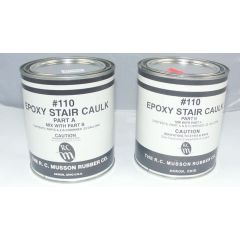
#110 Epoxy Nose Caulk
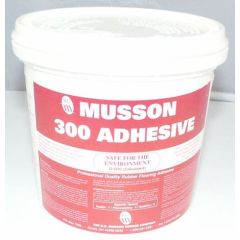
#300 Water Based Contact Adhesive
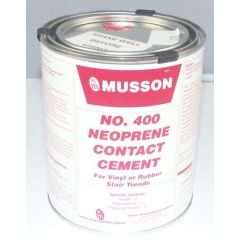
#400 Neoprene Contact Adhesive
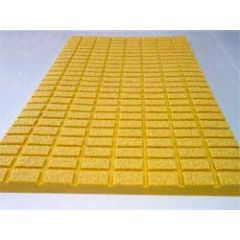
Rotary Table & Rig Floor Mats
Fore-Runner Mat
Safety Track Resilient Medium Non-Skid Tape
3M Vinyl Loop Wet Area Matting