




More Information
| Manufacturer | Newpark Mats & Integration/NPK |
|---|
Reviews
- Road matsMats Inc. provided exceptional service. We needed the road mats fast-tracked to the job site, and their team delivered within the required timeframe without issue.
Posted on
$2,999.00

Have a question? We're here to help!
Description
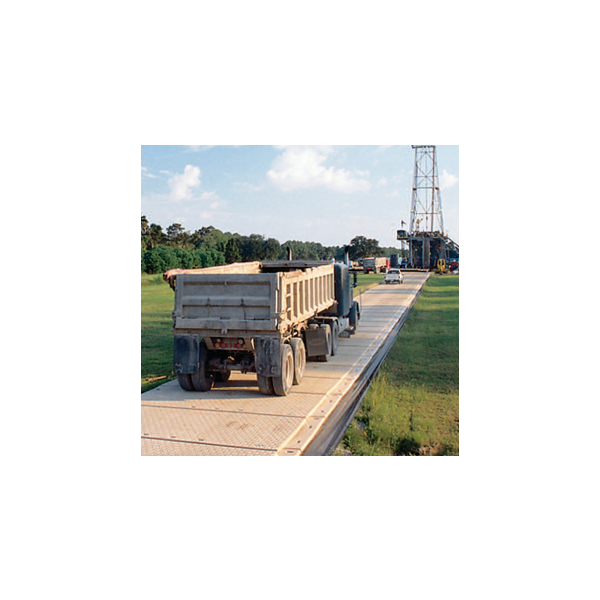
A Temporary Road Mat is a single molded panel, 8 feet by 14 feet, that weighs about half a ton on its own. That mass is the point. This is not a cover laid over the dirt to keep boots clean. It is a structural element that takes concentrated load off the soil and spreads it wide enough that a crane or a loaded truck can cross ground that would otherwise swallow it.
What a Temporary Road Mat Does Before the Access Lane Fails
Soil does not fail gradually. It holds, holds, holds, and then one wet morning a loaded truck sinks to the axle and the whole schedule stops while somebody finds a recovery machine. What precedes that moment is pressure: a few small contact patches carrying tens of thousands of pounds into ground that was never engineered to receive it.
The panel intercepts that. Load entering through a tire or a track gets carried across the full width and length of the mat before it reaches the soil, which drops the pressure at any single point by orders of magnitude. Rutting slows, the lane stays passable through weather, and the ground underneath comes back rather than needing to be rebuilt after demobilization.
That second consequence is easy to underrate until a property owner or a permit reviewer raises it. Deep rutting and compaction are damage you own, and restoring them is its own scope of work. Keeping traffic on a distributed surface is what keeps that scope from appearing on the back end of the project.
Why Compression-Molded Polyethylene, and Why This Panel
This panel is compression-molded high-density polyethylene, formed as one continuous piece. Nothing is laminated, bolted, or pinned together inside it. That matters because layered and assembled mats fail at their joints first, and once a joint opens, water and grit get inside and the failure accelerates. A single-piece body has no internal joint to open.
The formula is engineered rather than generic. It carries UV protection so the panel does not chalk and embrittle after seasons of open-air exposure, and it carries static dissipation. The body is sealed and non-permeable, so fuel, hydraulic fluid, mud, and standing water sit on the surface instead of soaking in, and the panel washes down before it goes on the next trailer.
What makes panels into a road is the connection. A locking pin with a stainless-steel rotor core inside a thermoplastic polyurethane housing joins each mat to its neighbors, so the finished lane behaves as one continuous surface instead of a row of loose pieces. Nothing moves independently, which removes the gapping and edge lift that turn a mat run into a trip hazard.
The panels are two-sided and flexible, so crews lay them either face up and let them follow the contour of uneven ground. Service life runs past 12 years with panels from early fleets still in rotation, and the polyethylene is fully recyclable when a panel finally comes out of service. You can see how this fits alongside project-length options on the Temporary Road Mats category page.
Where It Belongs, and Where It Doesn't
This panel earns its place where equipment crosses unimproved ground repeatedly: utility and pipeline right-of-way access, civil construction haul lanes, crane and staging pads, and the turning zones at either end of a lane where damage concentrates worst. It also suits work on turf, landscaped grounds, and event sites where the surface has to come back looking intact.
Two conditions make it a particularly strong specification. Sealed, non-permeable construction keeps soil, seed, and plant material from riding between sites, which matters where a permit carries invasive species conditions. And on chemically exposed sites, a non-absorbent body means a spill stays recoverable on the surface.
Where it is not the answer: this is temporary access, not a permanent road, and it does not replace an engineered subbase where the design loads call for one. It also is not a lightweight portable driveway. At roughly 1,000 pounds a panel, you need a telehandler or an excavator with a thumb on site to place and pull them, which rules it out for jobs where the only equipment is a pickup and a crew of two.
One clarification worth making plainly: static dissipation in the material is not the same thing as grounding. Work in energized environments that requires an equipotential zone needs a purpose-built grounding system, which is a separate specification from this panel. Ask us before you assume this covers it.
Three Things to Check Before You Spec It
First, confirm what is on site to move them. Each panel is about 1,000 pounds, and they arrive 46 to a standard 18-wheeler, which works out to more than 4,100 square feet of surface per load. If your site has a telehandler or a tracked machine with a thumb, placement is fast. If it does not, that is the constraint to solve before the delivery date, not after the truck is in the yard.
Second, size against contact pressure rather than gross vehicle weight. The panel is rated to 600 psi compressive strength, which converts to 86,400 pounds per square foot. A crane putting its full weight through four outrigger pads concentrates far more force per square inch than a heavier truck spreading its weight across six tires, so run the math against your worst point load, not your busiest vehicle.
Third, check the site conditions the panel material has to survive. Fuel and hydraulic exposure, long open-air seasons, and permit language about invasive species all point toward a sealed, UV-stable body rather than an absorbent one. If your access lane crosses any of those conditions, the material specification is doing as much work as the load rating.
Why Mats Inc.
Panel count and delivery sequencing are where these projects go sideways, and that is the part we work through with you directly. We have been specifying commercial and industrial flooring since 1964, and on ground protection that experience mostly shows up as knowing which questions to ask about your lane before anyone quotes a quantity. If this panel is more mat than your site needs, we will tell you that too.
Specifications
| Material | Compression-molded high-density polyethylene, single-piece construction |
| Panel Size | 8' x 14' x 4" (2.44 m x 4.27 m x 10.2 cm) |
| Usable Coverage | 91 sq ft per panel |
| Panel Weight | 1,000 lbs (454 kg) |
| Compressive Strength | 600 psi (86,400 psf) |
| Connection System | Interlocking locking pin; stainless-steel rotor core in thermoplastic polyurethane body |
| Orientation | Two-sided, flexible design; either face may be laid up |
| Material Properties | UV protection; static dissipation; non-permeable sealed body |
| Service Life | 12+ years |
| Recyclability | 100% recyclable |
| Transport | 46 panels per U.S. standard 18-wheeler; 4,100+ sq ft per load |
| Warranty | 1-year limited (Mats Inc.) |
Frequently Asked Questions
What does single-piece construction change compared with a layered or bolted mat?
Assembled mats have internal joints, and joints are where load concentrates and moisture gets in. Once a fastener works loose or a laminate layer separates, grit migrates into the void and the panel degrades from the inside where you cannot inspect it. Compression molding forms the whole panel as one continuous piece of polyethylene, so there is no internal seam to open and nothing to retorque between deployments. Practically, that means a panel coming off its fifth job site is structurally the same as it was on its first, and inspection is a visual check of the surface rather than a hardware audit. — Dustin Thompson
How long do these actually last, and what wears out first?
Service life runs past 12 years, and some of the earliest panels manufactured are still in working rotation today. The realistic wear pattern is surface abrasion from tracked equipment and gradual scuffing at the edges where mats are handled, neither of which affects load capacity. The failure mode you are avoiding with an engineered formula is UV degradation, since untreated polyethylene chalks and grows brittle after repeated seasons in open sun. This panel carries UV protection in the material rather than as a coating that can wear off. When one finally does come out of service, the polyethylene is fully recyclable. — Dustin Thompson
Where on a site should these go first if I cannot mat everything?
Start with the turning zones and the staging pad, not the straight runs. Damage concentrates where equipment pivots, brakes, and sits under load, because that is where tires and tracks scrub laterally into the soil instead of rolling across it. After that, mat the approaches where the lane transitions from paved or improved surface onto raw ground, since that lip is where rutting starts and then propagates backward. Straight-line travel across firm ground is usually the last priority, unless the soil is genuinely saturated or the same lane sees traffic all day. — Dustin Thompson
How do I work out how many panels I need?
Each panel gives 91 usable square feet, so coverage is planned in whole panels rather than by cutting to fit. A 200-foot lane one panel wide runs roughly 15 mats end to end. The number people underestimate is everything that is not the straight run: turning radii at both ends, the staging or crane pad, and any pull-off where two vehicles have to pass each other. Those additions routinely add a third again to the panel count. Send us the lane length, the widest machine using it, and where it needs to turn, and we will work the count with you before you commit to a delivery. — Jinna Hopson
What do the panels look like after a few seasons of use?
Honestly, they look used, and that is fine for the environments they work in. Expect surface scuffing and abrasion marks from tracked equipment, particularly in the turning zones. What you will not see is the discoloration and swelling that porous materials develop, because the sealed body does not take on fuel, mud, or water, and a wash-down brings the surface back rather than just moving dirt around. The two-sided design helps here too: when one face has taken a season of wear, crews can flip the panel and put a fresh surface up. — Jinna Hopson
Is this the right mat if the site is mostly foot traffic and light vehicles?
Probably more panel than you need. This one is specified around heavy equipment: 600 psi compressive strength, half a ton per panel, and machinery required to place it. If your access problem is crew movement, light trucks, or a walkway across turf for an event, the handling requirement alone makes this an awkward fit, and there are lighter ground protection options built for that. It becomes the right call the moment tracked machines, loaded trucks, or crane outriggers enter the picture, or when the same lane has to survive a full season of traffic. Tell us what is actually crossing and we will point you to the right weight class. — Jinna Hopson
Written by Dustin Thompson, Owner & CEO, Mats Inc.
Q&A
Frequently Asked Questions
What size are these Temporary Road Mats?
These Temporary Road Mats are available in 8'X14'. That format supports building a temporary roadway with fewer seams and a more predictable access path across the work zone.
What are heavy duty road mats used for?
Heavy duty road mats are used to create a stable temporary roadway across areas where the ground may be soft, uneven, or easily damaged. They are commonly used as construction road mats to keep vehicles and equipment moving while helping reduce rutting and surface disruption.
How do temporary access road mats help with road protection mats planning?
Temporary access road mats help define where traffic should travel so the rest of the site stays protected. Road protection mats planning typically focuses on the highest-traffic lanes, turning zones, and staging areas where ground damage would otherwise concentrate.
Are road mats for heavy equipment the same as ground protection mats for heavy equipment?
Road mats for heavy equipment are commonly used as ground protection mats for heavy equipment when the goal is to stabilize the surface and reduce damage underneath. They are often placed in access lanes and transition zones where equipment movement is consistent and concentrated.
Reviews
Customer Reviews
- Road matsMats Inc. provided exceptional service. We needed the road mats fast-tracked to the job site, and their team delivered within the required timeframe without issue.
Posted on
Write Your Own Review
Related Products
Heritage Personalized Coir Door Mat
#775 Epoxy Flooring Adhesive
#560 Rubber Flooring Adhesive
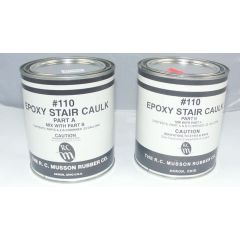
#110 Epoxy Nose Caulk
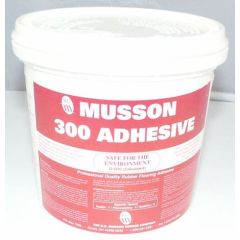
#300 Water Based Contact Adhesive
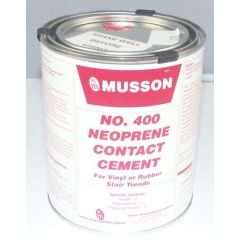
#400 Neoprene Contact Adhesive
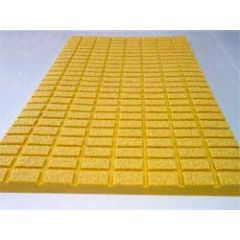
Rotary Table & Rig Floor Mats
Fore-Runner Mat
Safety Track Resilient Medium Non-Skid Tape
3M Vinyl Loop Wet Area Matting