




More Information
| Manufacturer | Dimex |
|---|

Smooth Marbleized Vinyl Switchboard Matting (Mil Spec)
Product Number:
#0213M
$1,249.00

Have a question? We're here to help!
Description
This is marbleized vinyl insulating sheet flooring built to MIL-DTL-15562G, Type I — the version installed in naval vessels in high-voltage compartments. Unlike a portable runner, it's laid as continuous flooring with heat-welded seams that give the finished surface water-tight integrity. It comes in blue standard or blue high gloss at 1/8 inch thick.
What a Welded Insulating Floor Does That a Portable Mat Cannot
The insulating principle is the same across every product in this family. Current needs a complete circuit, and a person standing on bare deck in front of energized equipment is half of one. A non-conductive surface underfoot means the circuit has nowhere to close.
What changes here is coverage. A portable mat protects the footprint it occupies, and it has edges — places where the protection stops and somebody can step off without noticing. Sheet flooring with welded seams protects the whole compartment. There is no edge to step past because the floor itself is the barrier.
That distinction matters most in spaces where people work all around energized equipment rather than standing at one panel. In a shipboard high-voltage compartment, there isn't a single spot to place a mat. The protection has to be the deck.
The welded seams do a second job. Heat-welding the joints with matching thread produces a water-tight surface, so moisture can't get beneath the flooring and sit between the covering and the deck. On a vessel that matters for corrosion as much as for insulation, and it's the reason this product is installed rather than laid down.
The trade is permanence. This isn't something you roll out, use, and move. It's installed, and it stays. If you need coverage you can reposition, a portable runner is the right product and this one isn't.
Why Type I Marbleized, and What Gets Certified
MIL-DTL-15562G is the military detail specification for insulating switchboard matting and sheet floor covering. It's approved for use by the Department of the Navy and available across all departments and agencies of the Department of Defense. It supersedes MIL-M-15562F, which still appears on older drawings.
Type I within that specification is the marbleized sheeting. It has no connection to ASTM D178's Type I — same words, unrelated numbering systems, and both standards appear side by side in this catalog. Check which standard a drawing names before reading the type number.
The voltage figures are identical across all three MIL types, because the type describes surface and installation method rather than electrical rating. Dielectric test voltage is 30,000 VAC. Proof testing runs at 15,000 VAC across the entire surface of every roll. Recommended maximum use voltage is 3,000 VAC.
Read that last figure carefully. Military specification does not mean higher rated — commercial ASTM D178 Class 2 matting is cleared to 17,000 volts, well above this. The military standard applies a much wider margin between test voltage and service voltage. Different philosophy, not a different capability.
Where the military specification does go further is durability. The material meets additional property requirements for oxygen bomb aging, sulfuric acid exposure, and ultraviolet light exposure. Those test how the compound survives over years rather than what it withstands in a single dielectric test — which is the right emphasis for flooring that gets installed permanently.
The surface is fire-retardant, every roll is certified to the specification, and it's manufactured in blue standard or blue high gloss finish. Matching color welding thread is available for the seams.
Where It Belongs, and Where It Doesn't
Naval vessels first — high-voltage compartments are the application this was designed around. Beyond that, it suits any permanently occupied electrical space where a continuous insulating floor makes more sense than placed mats: control rooms, equipment compartments, and dedicated electrical spaces operating within the rated voltage. It sits with the rest of our electrical and switchboard matting, which covers the portable types and the commercial standards.
The finish choice follows the room. Blue standard is the workhorse and hides marks better in a working compartment. Blue high gloss reflects more light, which brightens a windowless space and reads as a more finished installation — worth considering where the compartment gets visitors or inspections.
The voltage boundary is 3,000 VAC. Equipment above that needs a different product regardless of what the specification package says, and that conflict belongs with whoever wrote the drawing rather than resolved on the deck.
Where it's the wrong choice: any application needing portability. If the requirement is a mat in front of one panel, or coverage that moves with the work, Type II smooth and Type III diamond plate exist for exactly that and install in minutes rather than requiring a flooring crew.
What it is not: an ESD or anti-static floor. Those are conductive by design, built to drain static charge to ground and protect sensitive electronics. This is an insulator — it blocks the path to ground entirely, offers no static control, and must never be grounded.
And it is not primary protection. De-energizing, verification, protective equipment, and trained procedure come first. This is the layer beneath all of that.
Three Things to Check Before You Spec It
First, confirm you want installed flooring rather than a mat. This is bonded down and welded at the seams, which means a proper installation and a permanent result. That's the right answer for a compartment and the wrong answer for a single panel. If the coverage needs to move, buy a runner instead.
Second, plan the seams before you measure. Rolls are 36 inches wide, so any space wider than that has seams, and every seam has to be heat-welded with matching thread for the water-tight integrity to hold. Lay out the seam positions with the installer, and order the welding thread with the material rather than after it.
Third, check 3,000 VAC against your equipment. Find the real working voltage rather than assuming, because the military designation implies capability the rating doesn't support. This is the most common error on MIL spec products, and permanent flooring is an expensive place to discover it.
Why Mats Inc.
Since 1964 we've learned to ask one question early on this product: is this a mat or a floor? People arrive asking for switchboard matting and describe a compartment, which is a flooring job with welded seams and an installer. Others describe a panel, which is a runner they can roll out this afternoon. We'll ask which one you actually have, along with your voltage and your specification call-out, before we quote anything.
| Product Type | Insulating (non-conductive) switchboard matting and sheet floor covering |
| Standard | MIL-DTL-15562G (formerly MIL-M-15562F), Type I |
| Approvals | Approved for use by the Department of the Navy; available to all Department of Defense departments and agencies |
| Dielectric Test Voltage | 30,000 VAC |
| Proof Test | 15,000 VAC, tested over the entire surface |
| Recommended Max Use Voltage | 3,000 VAC |
| Additional Testing | Oxygen bomb aging, sulfuric acid, ultraviolet light exposure |
| Material | Vinyl, fire-retardant |
| Surface | Marbleized |
| Finishes | Blue standard or blue high gloss |
| Seaming | Heat-welded seams for water-tight integrity; matching color welding thread available |
| Thickness | 1/8 inch |
| Size | 36 inch width x 75 ft. length |
| Roll Weight | 225 lb. |
| Certification | Every roll certified to MIL-DTL-15562G |
| Recommended For | Naval vessel high-voltage compartments, permanently installed electrical spaces |
| Static Control | None — this is an insulator, not an ESD or anti-static product |
| Warranty | 1-year limited (Mats Inc.) |
Frequently Asked Questions
What makes Type I different from the other military spec options?
Installation method, and it's a bigger difference than it sounds. Type I is sheet floor covering — bonded down and joined with heat-welded seams so the finished surface is continuous and water-tight. Type II smooth and Type III diamond plate are portable runners you roll out in front of equipment or across a bench.
The electrical performance is identical across all three: 30,000 VAC dielectric test, 15,000 VAC proof test over the entire surface, 3,000 VAC recommended maximum use. What you're choosing between is coverage and permanence. A runner protects where it sits and has edges somebody can step past. Welded sheet flooring protects the whole compartment with no edge at all, which is why it's what goes into naval high-voltage spaces. — Dustin Thompson, Owner & CEO, Mats Inc.
What are the ratings, and what does the additional testing cover?
Dielectric test voltage is 30,000 VAC, proof testing runs at 15,000 VAC across the entire surface of every roll rather than sampled sections, and the recommended maximum use voltage is 3,000 VAC. That last number governs placement. The margin above it is deliberate rather than capacity to draw on.
The additional requirements are what set this specification apart from a pure voltage standard. The material has to perform against oxygen bomb aging, sulfuric acid exposure, and ultraviolet light. Those test how the vinyl survives over years and against conditions that degrade it — which matters far more on permanently installed flooring than on a mat you can replace in an afternoon. The surface is also fire-retardant, and every roll is certified to the specification. — Dustin Thompson, Owner & CEO, Mats Inc.
How does it install, and does it need grounding?
It's bonded to the existing deck or floor and the seams are heat-welded with matching color thread. That welding is what delivers the water-tight integrity, so it isn't optional finishing — it's what makes the installation perform as specified. This is work for someone experienced with welded vinyl flooring, not a roll-and-trim job.
No grounding, and that deserves emphasis on a permanent installation. Grounding an insulating floor destroys its entire function, because the mechanism is that no path runs from a person through the covering to ground. Anyone used to conductive or ESD flooring may expect a ground connection as part of the install. On this product that expectation is dangerous, and it's much harder to undo once the floor is down and welded. — Dustin Thompson, Owner & CEO, Mats Inc.
What size does it come in, and how do I estimate a compartment?
It ships in 36 inch by 75 foot rolls at 1/8 inch thick, and each roll weighs 225 pounds — plan on two people and equipment to move it.
For estimating, measure the length and width of each space and calculate square footage, then think in strips rather than area. At 36 inches wide, work out how many runs the room takes and where the seams land, adding a few inches of overlap at each joint for trimming and welding. Add margin for cuts around equipment bases, hatches, and fixtures. Order the matching welding thread at the same time — you'll need it, and it's frustrating to have the flooring on site without it. Send us the room dimensions and we'll work the strip layout with you. — Jinna Hopson, Vice President of Marketing, Mats Inc.
What's the difference between blue standard and blue high gloss?
Both are the same marbleized blue with identical specification, thickness, certification, and rating. The difference is the finish, and it changes how a compartment reads more than you'd expect.
Blue standard has a lower sheen that diffuses light and forgives scuffs, marks, and foot traffic — the practical choice for a working space that sees daily use. Blue high gloss reflects considerably more light, which genuinely brightens a windowless compartment where lighting is limited, and it presents as a finished, maintained installation. That makes it worth considering in spaces that get inspections, tours, or visitors. The trade is that gloss shows wear and scuffing sooner, so it asks for more upkeep to keep looking the way it did on day one. — Jinna Hopson, Vice President of Marketing, Mats Inc.
Do I need this, a portable runner, or a commercial mat?
Three questions sort it out. Does your paperwork name MIL-DTL-15562G or the older MIL-M-15562F? If so, you're in the military line, and a commercial mat won't satisfy that call-out however it's rated. Is the equipment within 3,000 volts? Above that, you need the commercial ASTM line, where Class 2 reaches 17,000 and higher classes go further.
Then the question that actually separates this product from its siblings: are you covering a compartment or protecting a position? A whole space with people working all around energized equipment wants continuous welded flooring with no edges to step past. A single panel or a bench wants a portable runner — Type II smooth for benches and clean-down, Type III diamond plate where traction matters. Describe the space and the specification to us and we'll tell you which of the three fits. — Jinna Hopson, Vice President of Marketing, Mats Inc.
Written by Jinna Hopson, Vice President of Marketing, Mats Inc.
Ordering Info
| Size | Qty 1 Price |
| Blue Standard - 36" x 75' x 1/8" | $1,249.00 |
| Blue High Gloss - 36" x 75' x 1/8" | $1,249.00 |
Reviews
Write Your Own Review
Related Products

Heritage Personalized Coir Door Mat

Script Name Personalized Coir Door Mat
Monogram Crest Personalized Coir Door Mat
Script Welcome Personalized Coir Door Mat
House Number Coir Door Mat
Coastal Anchor Personalized Coir Door Mat
Laurel Initial Personalized Coir Door Mat
Business Monogram Coir Entrance Mat
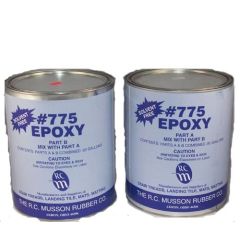
#775 Epoxy Flooring Adhesive
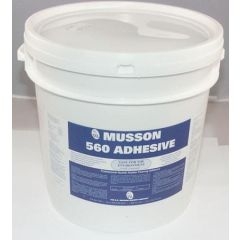
#560 Rubber Flooring Adhesive