




More Information
| Manufacturer | Musson Rubber Company |
|---|
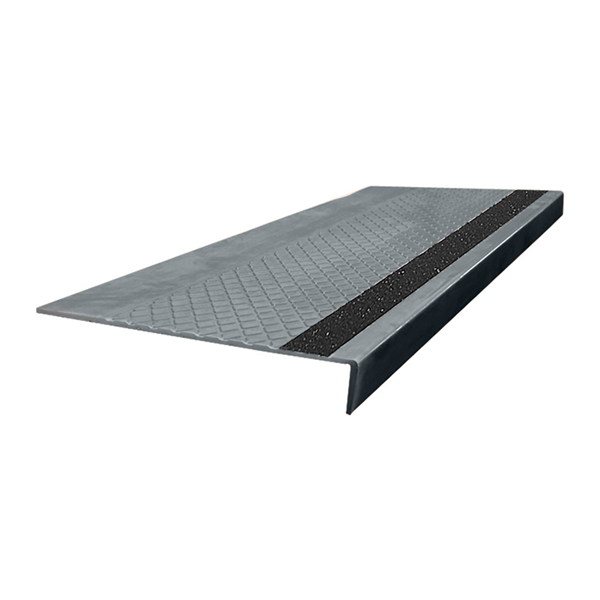
Diamond Design Rubber Stair Treads with Abrasive Strips
Product Number:
#620DA
$75.00

Have a question? We're here to help!
Description
These are diamond design rubber stair treads with a safety insert running along the leading edge. The insert is molded into the tread rather than applied to a finished surface, and it comes two ways: as abrasive grit strips, or as a ribbed or smooth rubber strip in a contrasting color.
Both treat the part of the step that carries descending weight, and both are permanent parts of the tread rather than something applied afterward. Which one a building needs comes down to whether the concern is traction underfoot, visibility of the step edge, or both at once.
What an Inlaid Safety Insert Does Before a Stairwell Starts Generating Incident Reports
A plain rubber tread relies on its molded pattern for texture. That works while the surface is dry and clean. Add rain tracked in from a lobby, a spilled drink, or the film of dust that builds on any stair between cleanings, and a molded pattern gives up a lot of what it had.
The nose is where that matters. Descending traffic loads the front two or three inches of every step, often at speed, and a foot that slides there has nowhere to recover to. That is the geometry behind most stairwell falls, and it is why a defined leading-edge treatment is worth more than uniform texture across the whole tread.
Stick-on grit tape is the usual improvised answer and a poor one. The adhesive edge lifts, cleaning equipment catches it, and within a year the strips are curling, half-missing and doing a worse job than nothing while making the whole stairwell look neglected into the bargain.
An inlaid insert is part of the tread instead. No separate adhesive layer to fail, no raised edge for a mop to catch, no maintenance task attached. It wears at roughly the rate the tread wears, so the safety surface lasts as long as the covering does. The full range of stair treads, risers and landing tiles includes both treated and untreated versions of most patterns.
Why an Inlaid Insert, and Which Configuration Your Building Needs
Start with the tread underneath, because it is the same one either way. The raised diamond field covers 8-1/4 inches of the walking surface with a 3 inch smooth back, so the pattern sits where feet land rather than running to the rear edge where it would only complicate cleaning.
The round nose version is the heavier gauge of the two: 1/4 inch tapering to 3/16 inch, 12-5/16 inches deep, with a 1-3/8 inch nose shaped to a 3/4 inch radius. It is neither tapered nor adjustable, and it runs in seven lengths from 36 to 72 inches. The square nose version is 3/16 inch tapering to 1/8 inch, 12-1/16 inches deep, with a tapered and adjustable 1-9/16 inch nose and lengths to 108 inches.
Now the insert. Abrasive grit is the choice where traction is the whole point, and it comes in eight colors: safety yellow, black, pebble white, ocean gray, teak brown, beige, galley red, and a glow strip. Ribbed or smooth rubber inserts are the alternative, available in safety yellow, almond, black, dark gray and brown.
The difference is what each one is really for. Grit gives a genuinely different surface texture under a shoe. A rubber insert gives a colour break and a change in surface without the abrasive bite, which suits a building that wants the step edge marked clearly but does not want a rough band underfoot.
Colour choice does more work here than people expect. Safety yellow against a charcoal or black tread is the strongest contrast available and reads from the top of a flight. Beige or ocean gray against a similar tread nearly disappears, which is right where the insert is there for footing rather than for marking. The glow strip is worth knowing about for stairwells that go dark during a power interruption.
On the round nose version, tested performance is documented. The static coefficient of friction measures 0.50 or better under ASTM D2047, and the tread classifies as Type TS, Class 2, Group 1 and 2, Grade 1 under ASTM F2169. It carries a Class 1 critical radiant flux rating at 0.45 W/cm² or better.
Where It Belongs, and Where It Is Not the Right Tread
Specify it on interior stairs in commercial, industrial and institutional buildings where slip resistance is an active concern rather than an afterthought: schools, hospitals, transit buildings, factories, municipal stairwells, and any flight people regularly descend while carrying something that blocks their view of the steps.
It earns its place particularly on the first flight inside an entrance. That stair takes tracked-in water for months of the year and is the single most predictable slip location in most buildings. It also suits any stairwell where a review, an insurer, or a facility standard has asked for a defined leading-edge treatment.
The compliance profile matters on public and institutional work. The round nose version carries FloorScore, GREENGUARD Gold and NSF/ANSI 332 Platinum, and contributes to LEED v4 and v4.1. It is made in the USA and meets both the Buy America and Buy American Acts, which is frequently the deciding factor on federally funded projects.
This is an interior product, and that is a manufacturer position rather than a caution. Only one rubber tread in the range is recommended for exterior use, and this is not it. Freeze-thaw cycling and UV exposure both attack a compound formulated for indoor service, so an outdoor flight needs a tread built for it.
It is also not a fix for a stair that has lost its shape. An insert addresses traction and visibility, not geometry. Steps that vary noticeably in depth, badly spalled treads and broken nosings all need attention before a covering goes over them, because a tread follows those problems rather than correcting them.
Three Things to Check Before You Spec It
First, check the gap between the step nose and the tread radius. Most current construction uses a metal pan filled with concrete at a 1/2 inch maximum nose radius, which fits without help. On worn metal, wood or existing flooring, a gap over 1/4 inch requires an epoxy nose filler, and a gap of 1/2 inch or more means the substrate needs preparing another way entirely.
Second, settle the insert type and colour before ordering. Grit and rubber inserts are different products and neither can be changed once the tread is molded. If an accessibility review is anywhere in the project, or the stairwell is part of an egress route, get the requirement in writing rather than choosing by default.
Third, plan for pattern alignment on wide stairs. Treads are made to be trimmed on both ends and on the depth, and the manufacturer recommends ordering the next size up where a wide stairwell needs the diamond pattern to line up across a butted joint. Dry fit before any adhesive goes down.
Why Mats Inc.
Grit-insert treads usually get specified after something has already happened, which means the decision gets made fast and often gets made wrong. We have been supplying commercial stair coverings since 1964, and the questions worth answering first are which flights actually present the risk, whether anyone is applying an accessibility or procurement standard to the job, and what shape the existing noses are in.
| Specification | Square nose | Round nose |
| Lengths | 36 in. to 108 in. | 36 in. to 72 in. |
| Depth from inside of nose | 12-1/16 in. | 12-5/16 in. |
| Thickness | 3/16 in. tapering to 1/8 in. | 1/4 in. tapering to 3/16 in. |
| Nose | 1-9/16 in.; tapered and adjustable | 1-3/8 in. at 3/4 in. radius; fixed |
| Diamond surface | 8-1/4 in. deep with a 3 in. smooth back | |
| Insert options | Abrasive grit in 8 colors, including a glow strip; or ribbed / smooth rubber in 5 colors | |
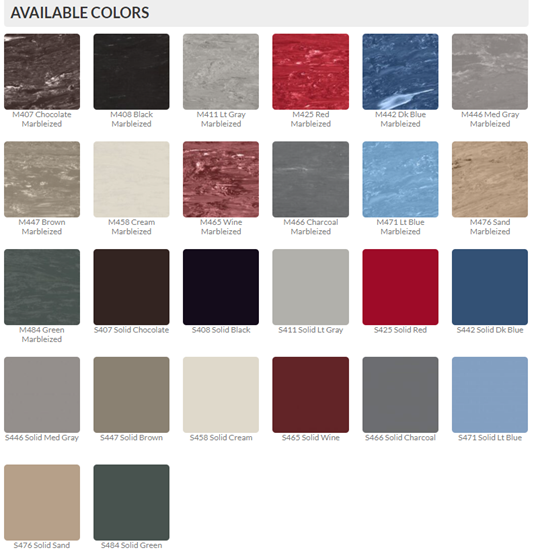
| Tread colorways | 26 — 13 solid, each with a marbleized version | |
| Weight | 2.25 lbs. per linear foot | |
| Application | Interior only; 48-hour acclimation before installation | |
| Adhesive | Wet-set acrylic, contact, urethane, or urethane-enhanced epoxy; epoxy nose filler where required | |
| Warranty | 1-year limited (Mats Inc.); professional installation required for coverage | |
| Tested performance — round nose with insert | ||
| Slip resistance | Static coefficient of friction ≥0.50 (ASTM D2047, dry) | |
| Fire performance | Class 1 critical radiant flux, ≥0.45 W/cm² (ASTM E648); passes smoke density (ASTM E662) | |
| Certifications | FloorScore; GREENGUARD Gold; NSF/ANSI 332 Platinum; contributes to LEED v4 / v4.1 | |
| Sourcing | Made in the USA; meets Buy America and Buy American Acts | |
Frequently Asked Questions
How is an inlaid insert different from stick-on stair tape?
Answered by Dustin Thompson, Owner & CEO
The insert is set into the tread during manufacture rather than applied to a finished surface. There is no separate adhesive layer, no raised edge sitting proud of the rubber, and nothing for a mop head or a scrubber brush to catch and start lifting.
Stick-on tape fails predictably. An edge lifts, dirt gets underneath, cleaning accelerates it, and within a year you have curling strips that look worse than a bare tread and no longer do the job. An inlaid insert wears down with the tread around it instead, so it stays flush and stays functional for the life of the covering.
What does the coefficient of friction figure actually tell me?
Answered by Dustin Thompson, Owner & CEO
The round nose version measures 0.50 or better under ASTM D2047, using a James Machine with a leather foot under dry conditions. That is the number most specifications ask for, and it is worth knowing it is a dry-condition test rather than a wet one.
Read it as a documented baseline rather than a guarantee. The ADA standard asks that a floor surface be stable, firm and slip resistant without setting a numeric threshold, so the figure supports a specification rather than satisfying one outright. Site-applied finishes, polishes and sealers all change the walking surface, which is a good argument for keeping maintenance simple on a stair.
How does it fit an existing step, and when do I need a nose filler?
Answered by Dustin Thompson, Owner & CEO
Most current construction is a metal formed pan filled with concrete, at a nose radius of 1/2 inch maximum under ADA guidance. On those steps the round nose tread fits directly and no filler is needed, provided the tread is fitted tight to the substrate.
Older or worn substrates are different. Check the gap between the tread radius and the step edge: over 1/4 inch, an epoxy nose filler is required to close it. At 1/2 inch or more, the substrate itself needs preparing by other means before a tread goes on. A void under a nose flexes underfoot, works the adhesive loose, and eventually becomes the loose edge somebody catches. Filler is always acceptable to use even where it is not required.
Grit strip or rubber insert, and what colour?
Answered by Jinna Hopson, Vice President of Marketing
Grit gives an abrasive texture underfoot and comes in eight colours, from safety yellow and galley red through neutrals like pebble white, ocean gray, beige and teak brown, plus black as the quiet default and a glow strip option. Rubber inserts come ribbed or smooth in five colours and give a colour break without the rough band.
Choose the colour against the tread deliberately. Safety yellow on charcoal or black is the strongest contrast available and marks each step edge clearly from the top of a flight. Beige or ocean gray against a similar tread nearly disappears, which suits a lobby stair where the insert is there for footing rather than for marking. The combination to avoid is one that neither matches nor contrasts.
Can the treads still coordinate with the rest of the stairwell?
Answered by Jinna Hopson, Vice President of Marketing
Yes, and it is worth planning. The tread body comes in the full range of twenty-six colours, thirteen solids each with a marbleized version, so it can match risers, landing tile and anything else in the stairwell exactly as an untreated tread would. The insert then sits as a deliberate line on top of that.
Marbleized versions are the more forgiving choice on a working flight. Swirled tones break up the surface so scuffs and the sheen that develops along the main walking path fold into the pattern rather than standing out. A flat solid shows every mark until the next deep clean, which matters more on stairs than almost anywhere else in a building.
How do I work out what to order?
Answered by Jinna Hopson, Vice President of Marketing
Count the steps and measure the widest one. Round nose treads come in seven lengths from 36 to 72 inches; square nose runs to 108. Treads are made to be trimmed on both ends and on the depth, so order to the widest step and cut down from there rather than ordering to an average.
On a wide stairwell where the diamond pattern needs to line up across a butted joint, order the next size up and dry fit the whole flight before any adhesive goes down. Add a spare piece too, since colour runs vary between batches and a replacement bought a year later may sit visibly against its neighbours.
By Dustin Thompson, Owner & CEO, Mats Inc.
Ordering Info
Reviews
Write Your Own Review
Related Products
Heritage Personalized Coir Door Mat
#775 Epoxy Flooring Adhesive
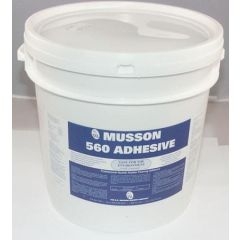
#560 Rubber Flooring Adhesive
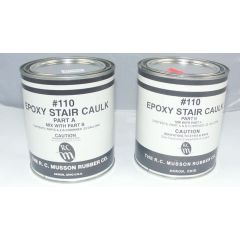
#110 Epoxy Nose Caulk
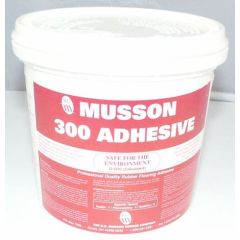
#300 Water Based Contact Adhesive
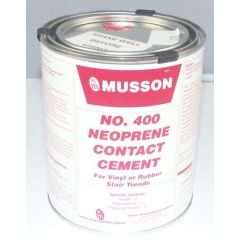
#400 Neoprene Contact Adhesive
Rotary Table & Rig Floor Mats
Fore-Runner Mat
Safety Track Resilient Medium Non-Skid Tape
3M Vinyl Loop Wet Area Matting