




More Information
| Manufacturer | M+A Matting |
|---|
Reviews
- Beautiful RugI love this Waterhog Mat. It works perfectly at my front door:)
Posted on
$67.00

Have a question? We're here to help!
Description
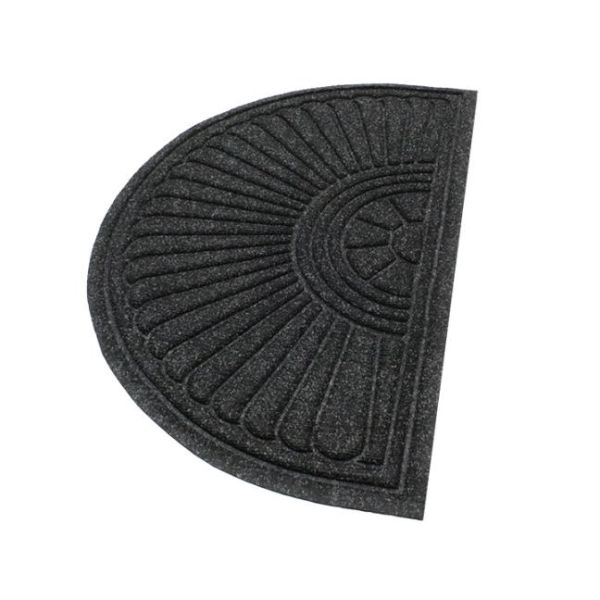
The Half-Circle Waterhog Entrance Mat takes the bi-level Waterhog face you'd put inside a busy front door and curves one end into a half-oval, so a plain rectangular runner reads as a finished, grand entrance. It scrapes shoes and holds water below the walking surface, and the rounded end softens the look at lobby doors, hotel vestibules, and curved thresholds where a square mat looks cut off.
What a Waterhog Mat Stops Before It Reaches Your Floor
Most of the dirt and water in a building walks in on shoes. ISSA field data shows a building takes on up to 12 times more dirt during wet weather, and it takes six to eight steps for a person to track moisture off their soles. A mat at the door is where that gets caught — or where it gets missed and ends up on your floor.
The bi-level face does the catching. Raised ridges scrape grit and moisture off shoes, then drop it into the channels below the walking surface so it isn't picked up again and tracked deeper inside. A water-dam border rings the mat and holds what it collects — up to 1.5 gallons of water per square yard — keeping it off the floor instead of spreading it around the threshold.
Why the Bi-Level Waterhog Face, and Why the Half-Circle
The face is solution-dyed PET fiber, about 30 ounces per square yard, made from at least 90% recycled content reclaimed from plastic bottles. Rubber reinforcement runs through the bi-level pattern so the pile holds its shape and doesn't crush flat under steady traffic — a crushed mat stops scraping and starts looking tired, which is the usual reason an entrance mat gets pulled early.
Underneath is an SBR rubber backing that contains 20% recycled tire content and lies flat without curling the way vinyl-backed mats can. You can spec a universal cleated backing, the standard for carpet, or a smooth backing for hard floors. Beveled edges ease the transition on and off, so the mat sits as a safe step rather than a trip point.
The half-circle is the reason to choose this version. The half-oval end finishes a run of matting with a curve instead of a hard corner, so you can build a longer grand entrance by pairing the curved end with a rectangular mat. Set against the bi-level textured face and a color-coordinating fabric border, it reads as a designed threshold, not just floor protection.
Where the Half-Circle Belongs (and Where It Doesn't)
This is an indoor entrance mat first. It earns its place in lobbies, hotel vestibules, restaurant foyers, healthcare entries, and office building doors — high-visibility spots where the floor is on display and the threshold sets the first impression. The curved end suits wide or rounded entries and revolving-door approaches, where a rectangle would look stranded.
It is not a coarse outdoor scraper for mud, gravel, or grease, and it isn't the mat for a loading dock or a wash-down bay. Put it where people walk in from a parking lot or sidewalk and you want the building to stay clean and look finished — not where the heaviest grit needs to be knocked off before anyone reaches the door.
Three Things to Check Before You Spec It
Three things decide whether this mat fits your entrance.
First, the floor under it. A universal cleated backing grips carpet and keeps the mat from creeping; a smooth backing is the right call on tile, stone, or polished concrete, where cleats can rock. Match the backing to the surface or the mat will shift underfoot.
Second, the size of the run. The half-oval ends come in roughly 3-, 4-, and 6-foot widths, and they pair with rectangular mats to extend a true grand-entrance length. Measure the door swing and the walking path so the mat covers the six-to-eight steps it takes to dry a sole, not just the doorway itself.
Third, the look you want at the door. Seven colors and a color-coordinating fabric border let you tie the mat to a lobby palette or a brand standard, and the curved end is what separates a presentation entrance from a plain mat. If the threshold is on display, that finish is the point.
Why Mats Inc.
Mats Inc. has specified commercial entrance matting since 1964, so when you ask whether a half-circle layout suits your doorway, you're talking to people who match mat construction to real traffic rather than reading off a box. This mat is certified high-traction by the National Floor Safety Institute, which carries weight at a wet entrance where a slip is a liability, not just a mess. We help you size the run and pick the backing for your floor, and point you to the rest of our commercial entrance matting if the half-circle isn't the right fit.
| Face fiber | Solution-dyed PET, ~30 oz/yd², bi-level surface |
| Recycled content | At least 90% recycled PET face; SBR rubber backing with 20% recycled tire content |
| Thickness | 3/8" |
| Backing | SBR rubber — universal cleated (standard, for carpet) or smooth (optional, for hard floors) |
| Border / edges | Color-coordinating fabric border with water-dam edge; beveled transition |
| Water capacity | Up to 1.5 gallons per square yard |
| Traction | Certified high-traction by the National Floor Safety Institute (NFSI) |
| Colors | 7 |
| Shape / sizing | Half-oval end in ~3', 4', and 6' widths; pairs with rectangular mats for grand-entrance runs |
| Use | Indoor commercial entrance |
| Warranty | 1-year limited (Mats Inc.) |
Frequently Asked Questions
How does the bi-level surface actually keep dirt off my floor?
Answered by Dustin Thompson, Owner & CEO
The face is built on two levels. Raised ridges scrape grit and water off the bottom of shoes, and the lower channels between them hold what's scraped below the walking surface, so it isn't picked up again and carried farther inside. A raised water-dam border rings the whole mat and traps moisture — up to 1.5 gallons per square yard — so it stays in the mat instead of running onto your floor. That's the difference between a mat that collects and one that just spreads water around the threshold.
How long will it hold up in a busy entrance?
Answered by Dustin Thompson, Owner & CEO
In a typical commercial entrance, expect several years of service before the look starts to fade. The reason it lasts is the rubber reinforcement molded through the bi-level face — it keeps the pile from crushing flat. A crushed pile is what usually ends a mat's life: once it lies down it stops scraping and starts looking worn.
The solution-dyed PET fiber resists fading and won't rot, so it holds its color and its grip instead of going dull and slick. What shortens that life early is the wrong backing for the floor, or a mat sized too small for the traffic it's taking.
Should I get the cleated or the smooth backing?
Answered by Dustin Thompson, Owner & CEO
Match it to the floor. The universal cleated backing is standard for carpet — the cleats bite in and keep the mat from creeping as people walk across it. The smooth backing is the one for hard floors like tile, stone, or polished concrete, where cleats can rock and flat rubber stays put.
Both versions lie flat without curling, and the beveled edges give a safe transition on and off. The one real mistake is a cleated mat on a hard floor, or a smooth-backed mat on carpet.
What sizes does the half-circle come in, and how do I build a grand entrance?
Answered by Jinna Hopson, Vice President of Marketing
The half-oval ends come in roughly 3-, 4-, and 6-foot widths. On their own they round off a doorway; paired with a rectangular mat they extend into a longer run — a curved end, a straight middle, and a second curve if you want both ends rounded. That's how you build the grand-entrance look down a wide vestibule.
Measure the door swing and the walking path before you order, and size for the six-to-eight steps it takes to dry a sole. You want the mat covering the traffic, not just the doorway.
What does it look like, and what colors can I get?
Answered by Jinna Hopson, Vice President of Marketing
It's a refined, low-profile look rather than a utility mat. The bi-level face has a finished texture, and a color-coordinating fabric border frames it cleanly at the edge. There are seven colors to choose from, formulated to stay colorfast with the recycled fiber, so you can match a lobby palette or keep to a neutral that hides traffic between cleanings. The curved end is what reads as designed — the detail that makes the entrance look intentional instead of just protected.
Can I match it to our brand or pair it with mats we already have?
Answered by Jinna Hopson, Vice President of Marketing
You can build around your space. The seven-color range and fabric border let you tie the mat to a brand standard or an interior scheme, and the half-oval ends are designed to pair with rectangular Waterhog mats so a curved entrance and a straight runner read as one set. If you're after a printed logo at the door, that's a different construction — a logo mat — and we can point you there, but for a clean, color-matched threshold the half-circle does the presentation work on its own.
By Jinna Hopson, Vice President of Marketing, Mats Inc.
Ordering Info

Reviews
Customer Reviews
- Beautiful RugI love this Waterhog Mat. It works perfectly at my front door:)
Posted on
Write Your Own Review
Related Products
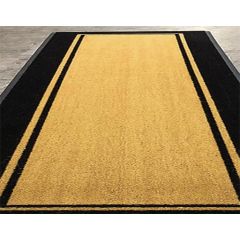
Heritage Personalized Coir Door Mat
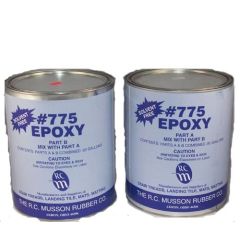
#775 Epoxy Flooring Adhesive
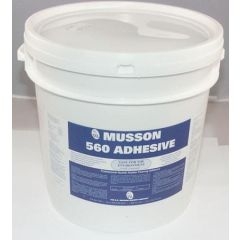
#560 Rubber Flooring Adhesive
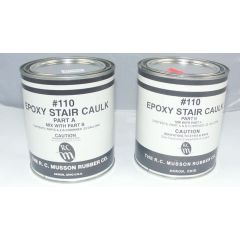
#110 Epoxy Nose Caulk
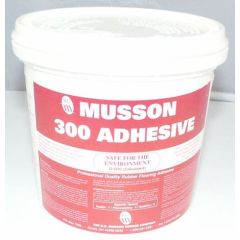
#300 Water Based Contact Adhesive
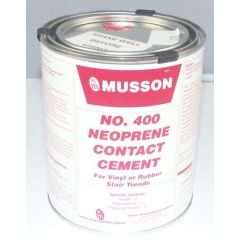
#400 Neoprene Contact Adhesive
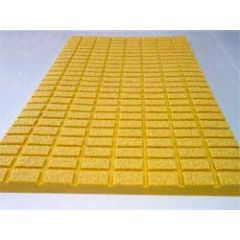
Rotary Table & Rig Floor Mats
Fore-Runner Mat
Safety Track Resilient Medium Non-Skid Tape
3M Vinyl Loop Wet Area Matting